
Last updated October 9, 2026
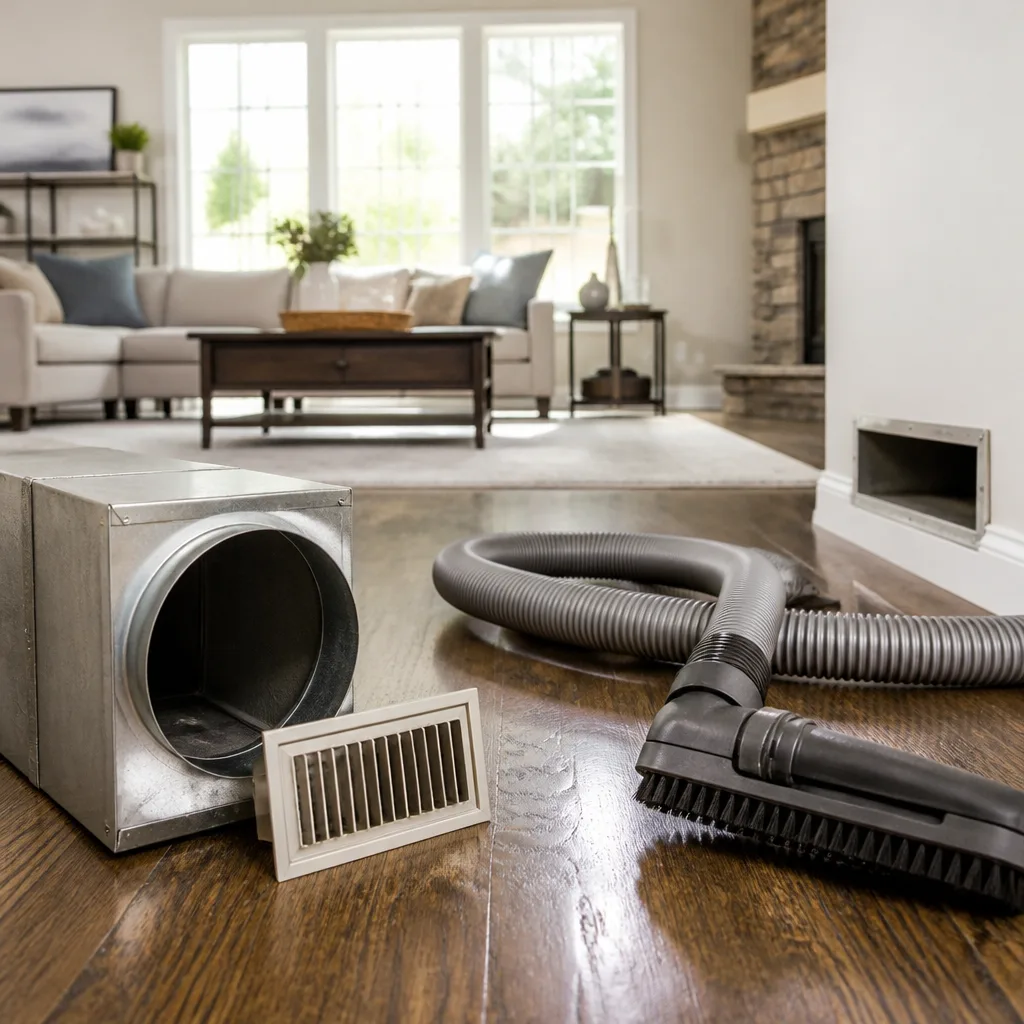
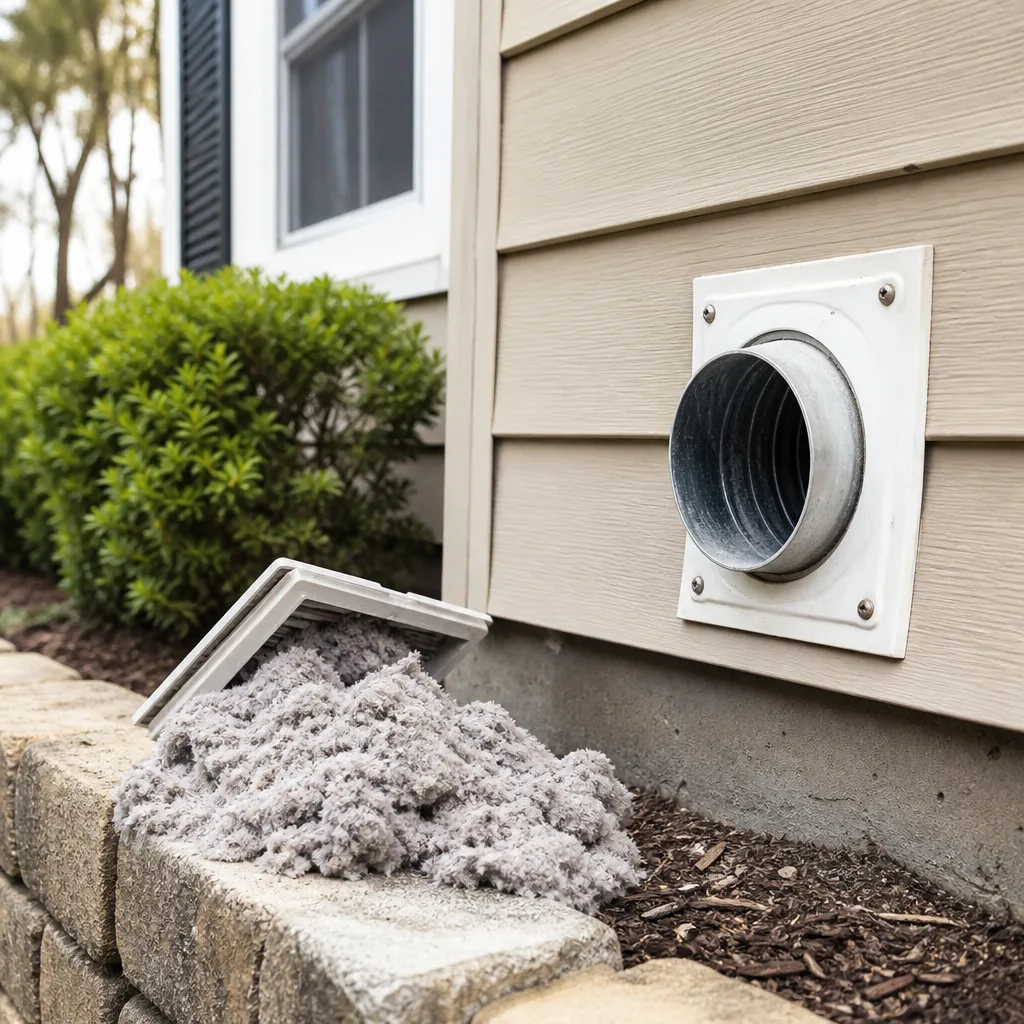
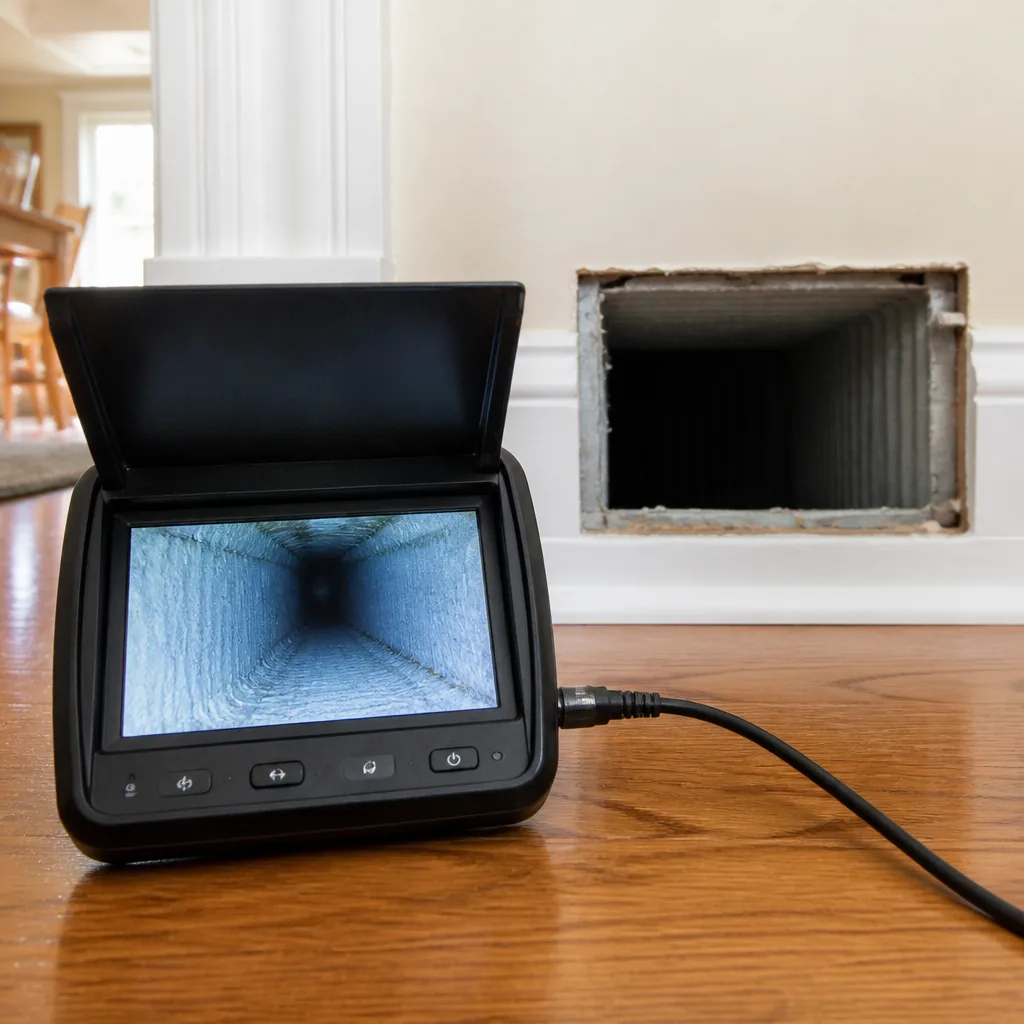
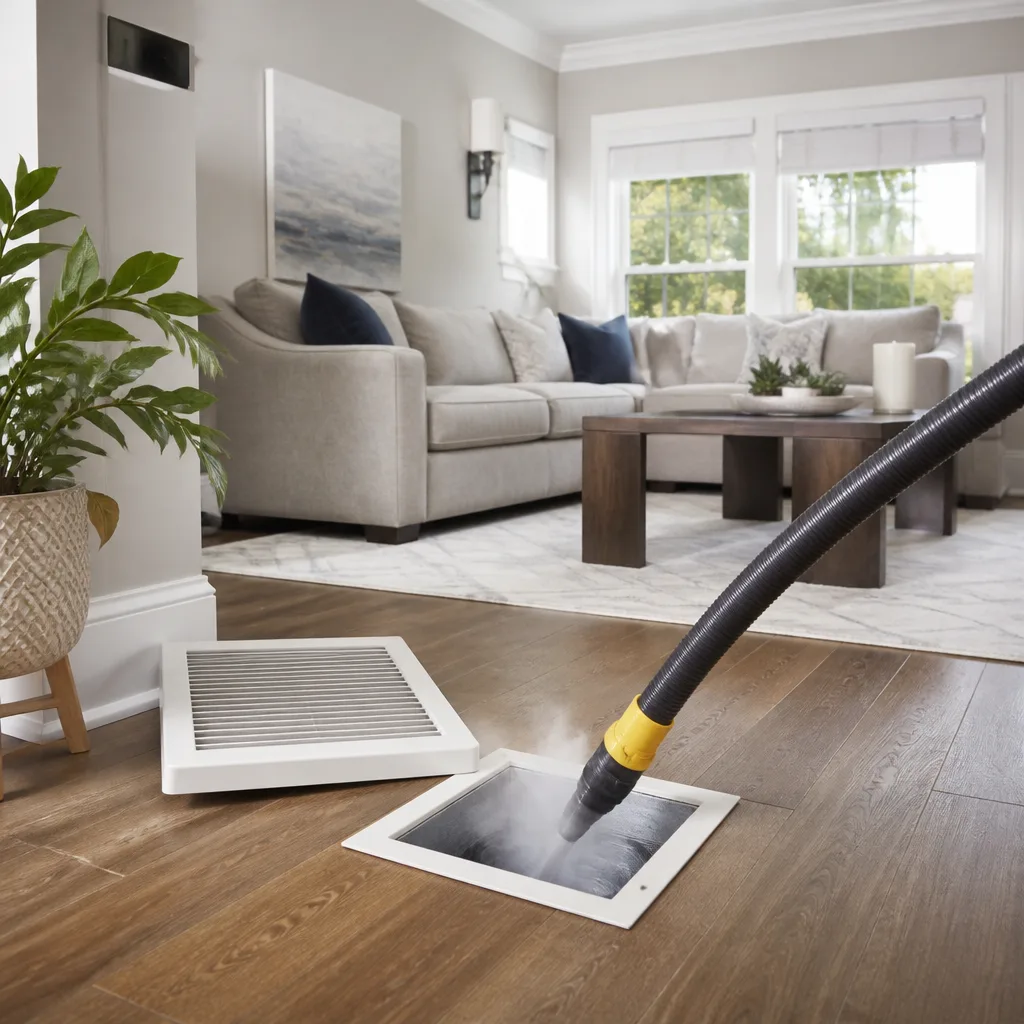
Whole-system duct and dryer vent check with before-and-after photos - you see exactly what came out of your vents
That "$99 whole-house special" is a bait ad - the real number appears once they are in your hallway, or the "clean" is a shop-vac at the register. We photograph the inside of your ducts before and after instead.
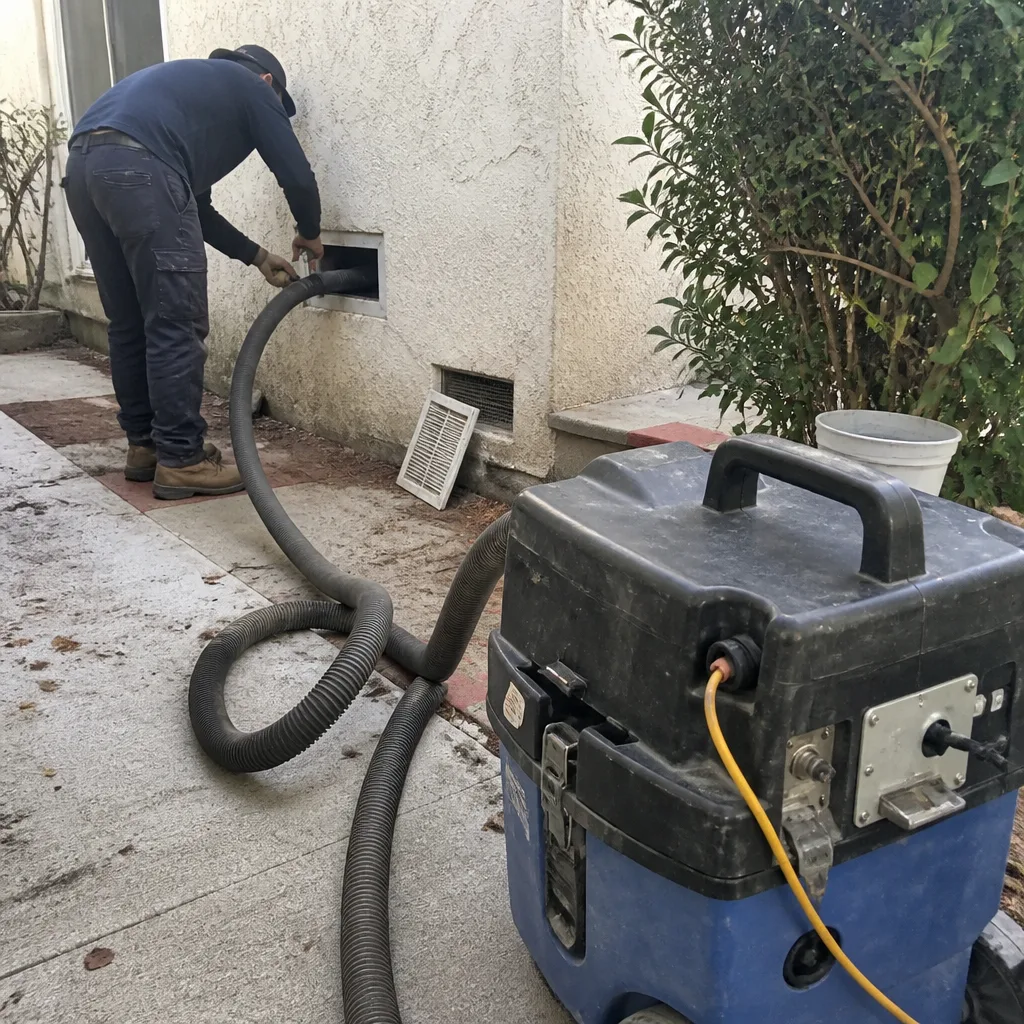 Before
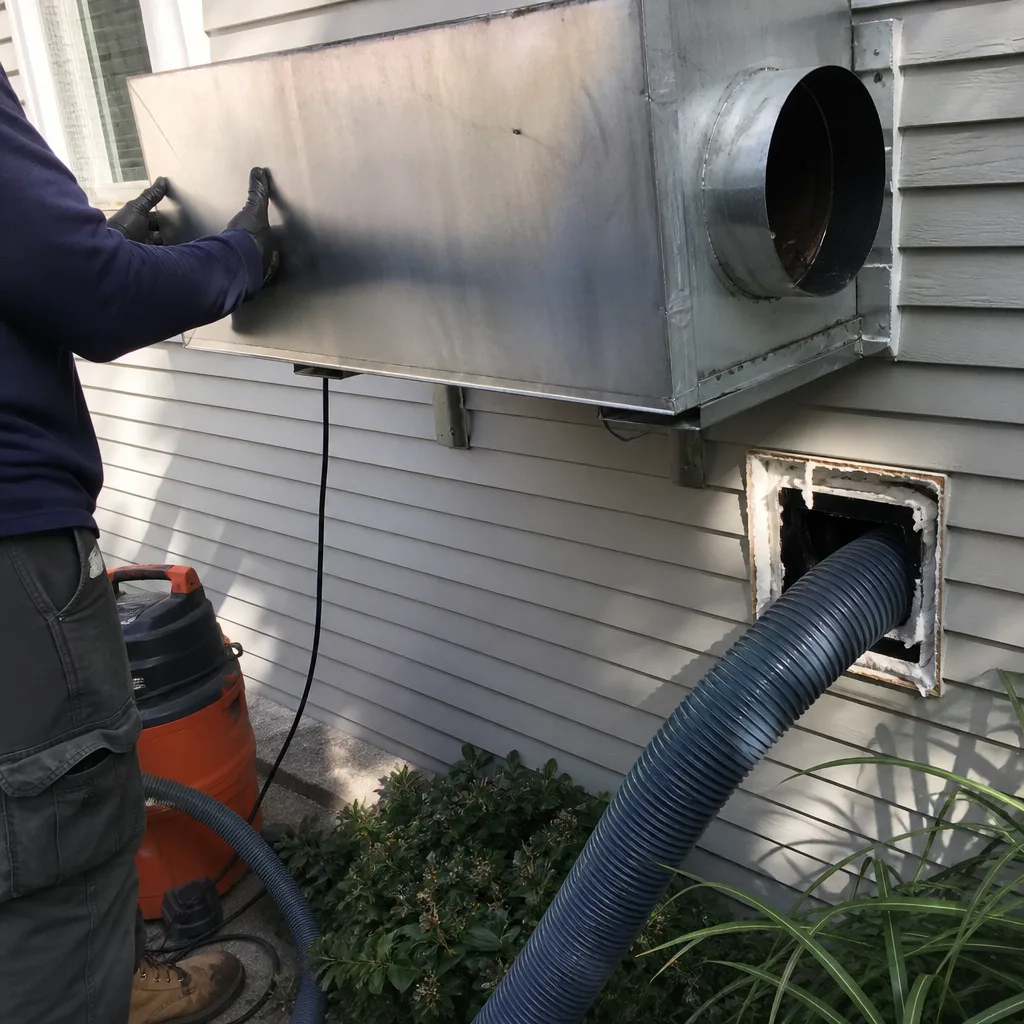 After
After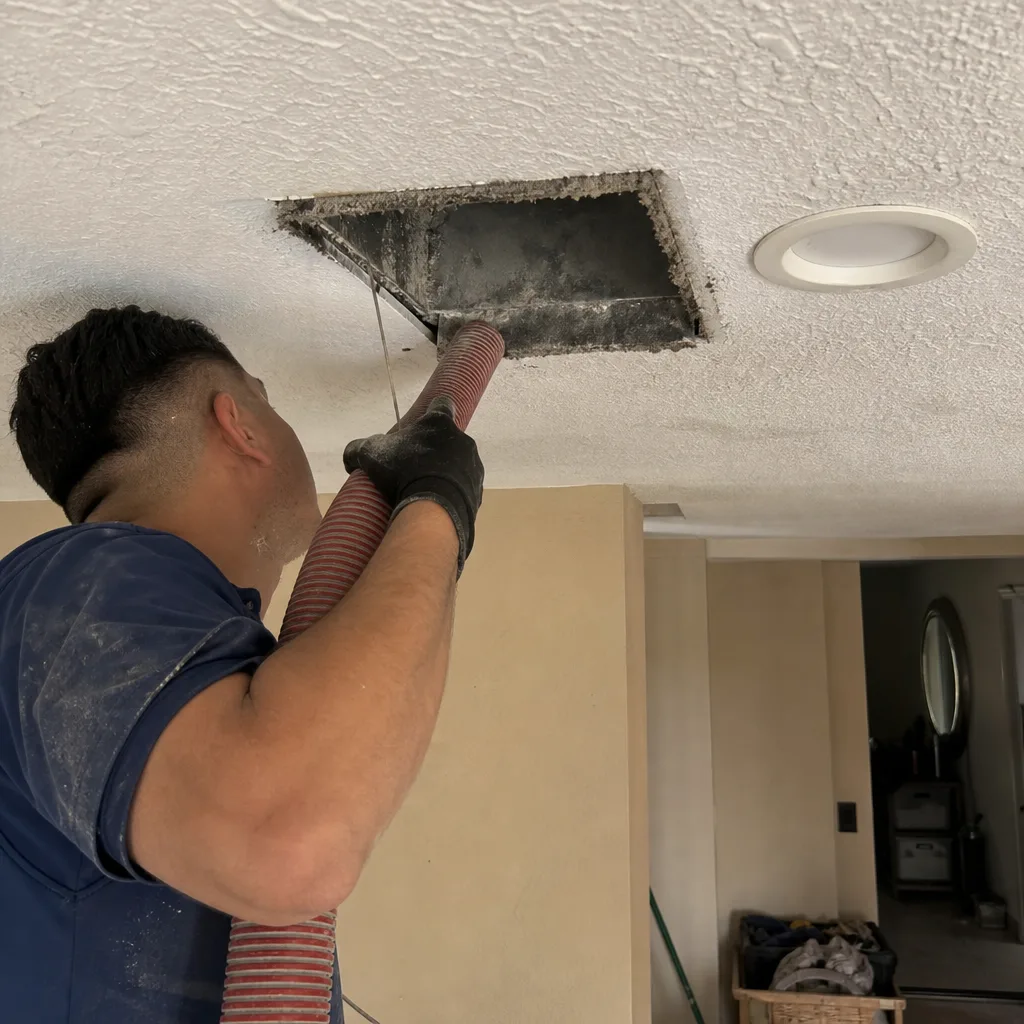 Before
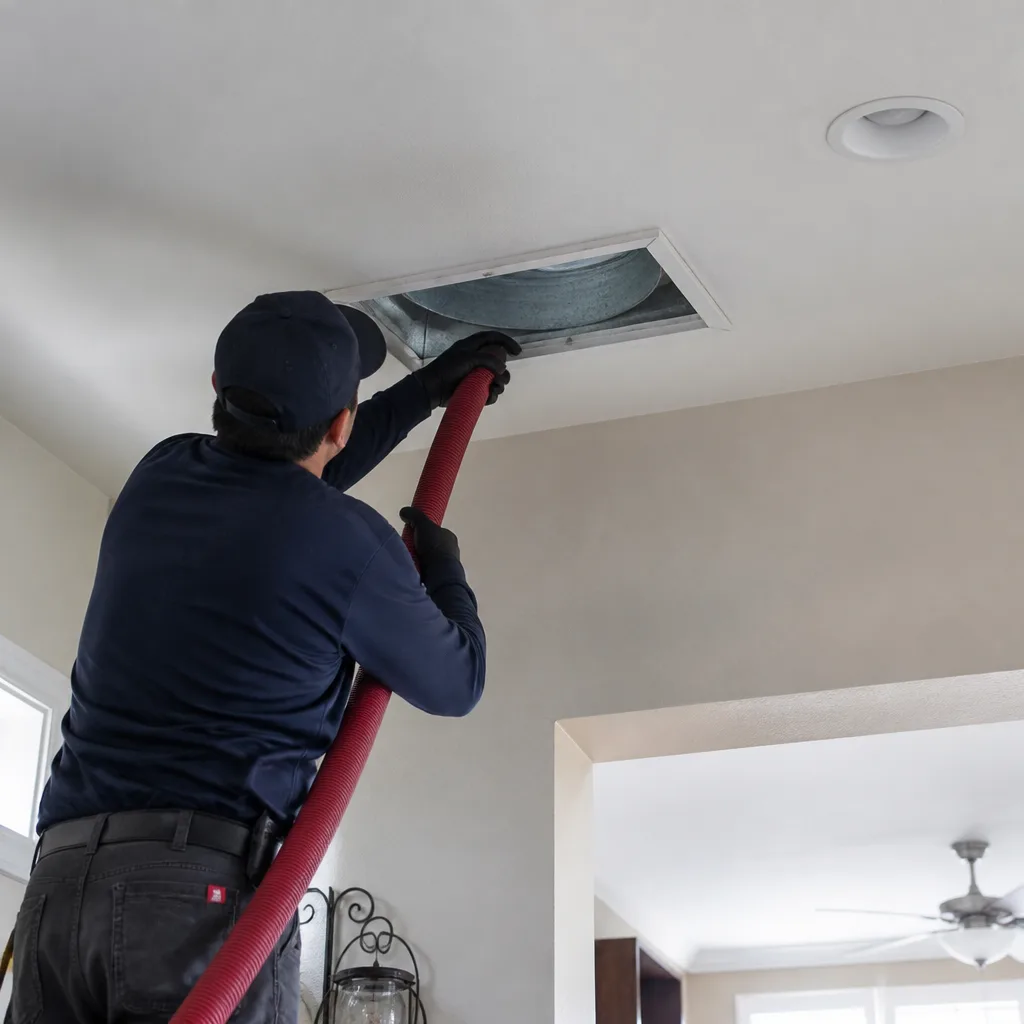 After
After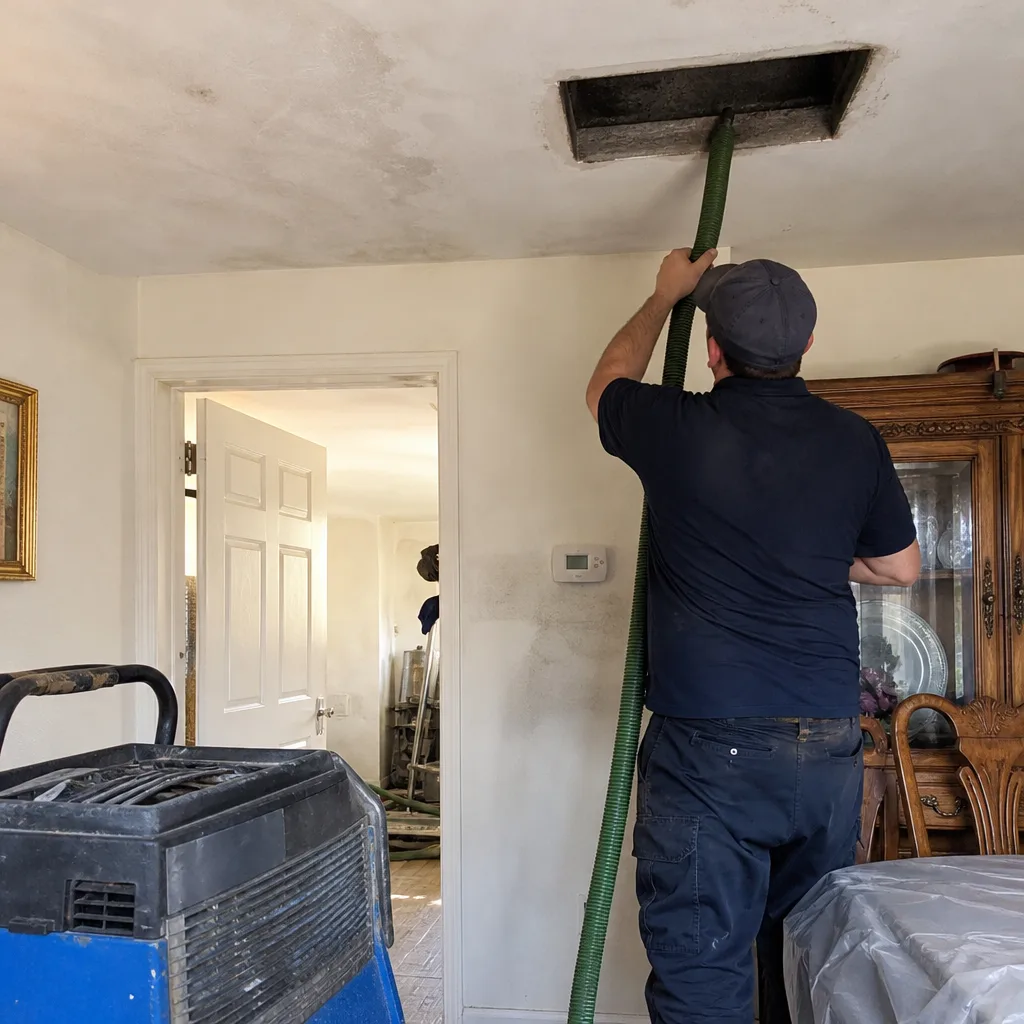 Before
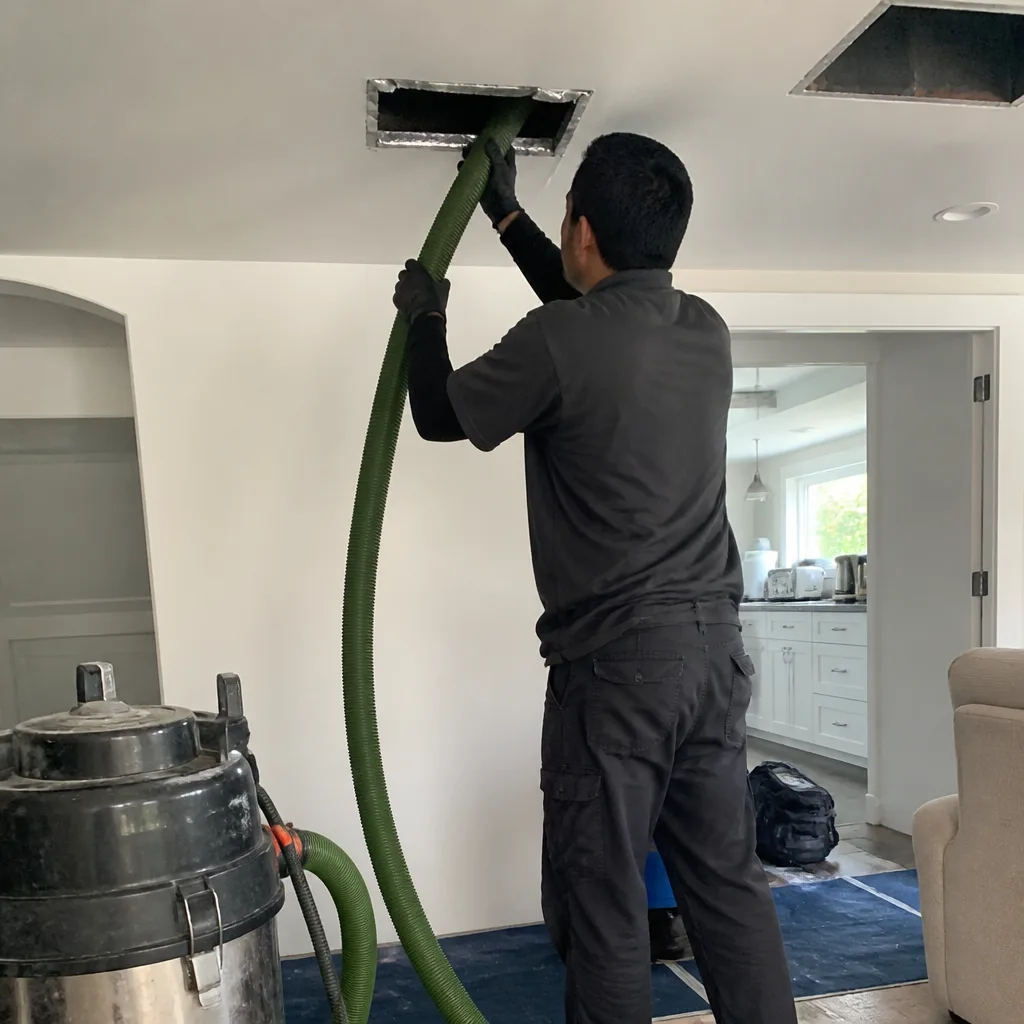 After
AfterAir Duct Cleaning Maintenance Checklist for Los Angeles Homeowners
A standard 1-inch HVAC filter in a Los Angeles home during Santa Ana season can load up with fine particulate in two weeks that would take three months to accumulate in a mild-weather market. Yet most homeowners still change filters on the calendar schedule printed on the filter box, not on what’s actually happening outside the window. This guide gives you a dated, seasonal maintenance log built for Southern California’s specific air conditions: wildfire smoke, wind-driven dust, spring pollen, and long summer run cycles. You’ll learn what to check monthly, what to record, and when a visual inspection tells you the ducts themselves need professional Air Duct Cleaning.
Quick Answer
Air duct cleaning maintenance in Los Angeles means changing your HVAC filter every 30 to 60 days during wildfire and Santa Ana seasons, inspecting supply and return registers monthly for debris patterns, and following an Air Duct Cleaning Maintenance Schedule: What to Do and When to know whether to schedule a professional duct cleaning every 3 to 5 years, or sooner after any permitted remodel or nearby wildfire event. The single most important habit is a dated filter log kept next to the air handler, because LA’s particulate load varies dramatically month to month and no fixed calendar schedule keeps up with it.
Table of Contents
- The Seasonal Checklist: Month-by-Month Maintenance for Los Angeles
- How to Inspect Your Registers: What Normal Looks Like Versus What Signals a Problem
- Choosing the Right MERV Rating for Los Angeles Air Conditions
- The Post-Renovation Reset: Why LA Remodels Trigger a Duct Inspection
- What to Record After a Professional Cleaning: Your Home Maintenance Log
- Common Mistakes to Avoid
- When to Call a Professional
- Frequently Asked Questions
The Seasonal Checklist: Month-by-Month Maintenance for Los Angeles
Los Angeles does not have one air-quality season. It has four distinct particulate cycles, each with its own calendar window and its own effect on the air moving through your ducts. A maintenance checklist that treats every month the same misses what actually happens here. The Santa Anas blow dust through every gap in a window frame from October through January. Wildfire smoke settles into homes in late summer and fall, sometimes for weeks at a stretch. Spring brings a heavy pollen load from coastal sage scrub, oaks, and ornamental grasses that gets pulled into return ducts. Summer sends the system into near-constant run cycles, which means any loose debris inside the ducts gets ground finer and pushed further into the house.
Here is the dated maintenance log we recommend for Los Angeles homeowners. It is built around the specific seasonal triggers that accelerate buildup in Southern California homes, especially slab-foundation construction where the return path often draws air from near the floor, where dust settles fastest.
The Los Angeles Duct Maintenance Calendar
October through January (Santa Ana and winter):
- Change the HVAC filter every 30 days, regardless of the rating on the box. Santa Ana winds push fine dust through every opening in the building envelope, and a filter can go from clean to saturated in under three weeks.
- Walk the perimeter of the home after any high-wind event and look for dust lines at exterior door thresholds and window sills. If you see accumulation, that same particulate is entering the return side of your HVAC system.
- Inspect the return registers weekly. In the San Fernando Valley and the foothill communities, we see gray-brown dust accumulate inside the return grille faster than anywhere else in the metro during wind season.
- Mark the filter change date on a label stuck to the air handler, not on the filter frame. The air handler location is where you’ll see the log every time you pass it.
February through March (late winter and early spring):
- Run the blower for 15 minutes with the thermostat set to fan-on, then shut it down and open the blower compartment. If you see a layer of fine dust on the blower wheel, the filter is not catching what it should, and the ducts are carrying a heavier load than you realize.
- Check for moisture stains on any exposed ductwork in the attic or crawlspace. Los Angeles winter rains can reveal a roof leak or a sweating duct that goes unnoticed during dry months.
- Replace the filter once more in March even if it looks clean. Pollen season starts early in Southern California, and a filter that looks okay can still be loaded with pollen fragments too small to see.
April through June (spring pollen peak):
- Run the filter change interval at 45 days during this window unless someone in the home has allergy symptoms. Los Angeles pollen counts peak from April through early June, and the HVAC system is the primary collection point for that airborne load.
- Inspect supply registers in bedrooms. If you see a fine yellow-green dust pattern on the register louvers, pollen is circulating through the system, not just collecting at the return.
- Check for condensation on any supply register in rooms you do not use often. A closed register in a room with no airflow creates a cold spot where moisture accumulates, and that moisture grabs dust and holds it.
July through September (summer heat and wildfire smoke):
- During any period when wildfire smoke is visible or when air quality alerts are active, change the filter every 30 days or less, no exceptions. Smoke particulate is fine enough to penetrate a loaded filter and deposit directly into the duct lining.
- Run the furnace fan continuously during smoke events, even if the air conditioner is not cooling. This is the single most effective way to keep smoke from settling inside the ducts.
- At the end of the summer heat season, open the return grille and run a white cloth along the inside of the return duct. If the cloth comes back gray or brown, it is time for a visual assessment from a professional cleaner.
One fact surprises most homeowners we talk to: the filter is not there to protect the ducts. The filter protects the equipment. The ducts themselves have no filter downstream, which means whatever slips past the filter media rides the airstream through the ductwork and out through the supply registers. That distinction changes how you think about maintenance. A dirty filter means the system is working harder. A dirty duct means the air you and your family breathe is passing through the accumulated debris every time the system runs.
How to Inspect Your Registers: What Normal Looks Like Versus What Signals a Problem
You do not need any special tools to spot the early signs of duct contamination. You need a flashlight, a damp white cloth, and five minutes once a month. A visual register inspection is the highest-value maintenance habit a homeowner can form, because it catches problems before they turn into a full-system cleaning bill.
Here is the step-by-step inspection routine we teach our customers in Los Angeles:
Step 1: Look at the supply registers first
Supply registers are the ones that blow air out. Remove the register cover and shine the flashlight at the inside walls of the duct opening. A thin, uniform layer of light gray dust on the duct surface is normal. This is the fine particulate that slips through even a good filter. It accumulates slowly and tends to be evenly distributed.
What is not normal is a dark, oily-looking coating. In the kitchen, a sticky film on the supply register and the duct walls behind it signals grease aerosol from cooking is being pulled through the system and deposited throughout the duct run. In homes near the 405, the 110, or any of the major freeway corridors, we see a gray-black exhaust particulate that discolors register covers from white to brown in a single year. LA freeway proximity is a duct contamination factor that most national checklists never mention, because most national checklists were not written by people who have actually cleaned homes in Los Angeles.
Step 2: Check the return registers
The return side pulls air into the system. If you see visible dust collected on the outside of the return grille, the duct behind it is carrying heavy particulate. A return grille that needs vacuuming once a week is a sign that the return duct is accumulating material faster than the filter can capture it.
Pay close attention to return registers located low on the wall. Many Los Angeles homes, especially slab-foundation ranch and mid-century construction in the Valley, have low returns that pull from floor level. That location means the return air picks up pet hair, tracked-in dust, and debris from shoes before it ever reaches the filter. Low-return systems typically need more frequent duct assessment than high-return systems.
Step 3: Wipe test
Take a damp white cloth and wipe the inside of the first few inches of the supply duct. If the cloth comes away lightly gray and the residue is powdery, that is normal fine dust. If it comes away dark gray or black, or if the residue feels sticky or greasy, the ducts are carrying contamination beyond what a filter change will address.
Step 4: Register sound check
Close the register, then open it again and listen. A scraping or metallic rattle when you move the damper suggests the register assembly is loose or the duct connection has separated. In older Los Angeles homes, especially those that have been through seismic retrofitting or foundation work, register boxes loosen from the surrounding drywall over time. That gap lets unfiltered attic or wall-cavity air get pulled directly into the airstream.
The register inspection does not tell you everything about the condition of the full duct run, but it tells you enough to decide whether a professional look is warranted. If the supply registers in every room show the same dark accumulation, the contamination is systemic, not local to one room. That is when the maintenance checklist says: schedule an assessment.
Choosing the Right MERV Rating for Los Angeles Air Conditions
The filter aisle at any Los Angeles hardware store will sell you anything from a MERV 4 to a MERV 13. Higher is not always better, and in older duct systems a high-MERV filter can actually create a worse air-quality outcome by starving the system for airflow. The correct MERV rating for your home depends on two factors: the age of the duct system and the specific particulate threats you face.
Here is a plain-English breakdown. MERV stands for Minimum Efficiency Reporting Value. It is a numerical rating of how effectively a filter captures particles of a given size. A MERV 4 catches large dust and lint. A MERV 8 catches most household dust and pollen. A MERV 13 catches fine smoke particulate and most airborne wildfire debris. The tradeoff is airflow resistance. A higher-MERV filter is a denser screen, and the blower has to work harder to pull air through it.
In homes with newer duct systems and correctly sized blowers, we often recommend a MERV 11 or MERV 13 filter during wildfire season in Los Angeles, because smoke particulate is the single most dangerous airborne contaminant the system will face. The filter brand matters less than the fit and the rating. A Honeywell or Aprilaire media filter in a properly sealed filter cabinet will outperform a poorly-fitted high-MERV panel filter in a sloppy filter slot. Seal the filter slot. A gap around the filter frame lets unfiltered air bypass the media entirely, which defeats the purpose of whatever MERV rating you bought.
For older Los Angeles homes with original galvanized ductwork and older blower motors, a MERV 13 can push static pressure high enough to reduce airflow by 30 percent or more. That means longer run times, hotter rooms in summer, and in slab-foundation systems, a real risk of coil freeze-up during peak August heat. If your system is older and you want wildfire smoke protection, the answer is not blindly installing a high-MERV filter. The answer is to have the system assessed for airflow capacity, and if needed, to use a lower-MERV filter and supplement with a standalone air purifier in the rooms where you sleep.
The practical guidance for Los Angeles homeowners: use a MERV 8 as your baseline year-round filter if your system is older. Step up to a MERV 11 during Santa Ana and wildfire season if your system handles it without airflow loss. Use a MERV 13 only if the system was designed for it or if you have had the static pressure checked by a professional. Write the MERV rating and the install date on the filter frame in permanent marker before you slide it in. That single habit gives you a running log of what the filter has been through.
The Post-Renovation Reset: Why LA Remodels Trigger a Duct Inspection
Any permitted remodel in a Los Angeles home should trigger a duct inspection, regardless of when the system was last cleaned. This is a maintenance rule that gets missed constantly, and it costs homeowners in ways they do not immediately connect. The reason is simple: construction dust is a different material than household dust. It is finer, sharper, and it embeds in the duct system in ways that ordinary dust does not.
Here is what happens during a typical LA remodel. Drywall compound gets sanded, producing an ultra-fine gypsum powder that travels on air currents throughout the house. Flooring demo lifts years of settled debris back into the air. Paint overspray vaporizes and recondenses on surfaces. All of this happens while the HVAC system may be running, which pulls active construction dust directly into the return ductwork and distributes it through the entire system. Even if the contractor tapes plastic over the registers, the seal is rarely complete, and the negative pressure inside the ductwork pulls air in through every gap.
What the homeowner experiences after the remodel is a subtle, lingering problem. The house has a dusty smell that cleaning does not remove. New furniture gathers dust within days. Allergy symptoms persist. The cause is that the ducts have become a reservoir of fine construction particulate that re-enters the living space every time the blower runs.
The post-renovation checklist item is straightforward: after any permitted remodel in Los Angeles, schedule a visual duct inspection before the final walkthrough with the general contractor. The inspector should look for construction debris inside the register boxes, a layer of fine white or gray dust coating the duct walls, and any physical damage to the duct runs from crews moving through the attic or crawlspace. Most reputable remodelers will include duct cleaning in the scope if the homeowner raises it before the project starts, but homeowners should also understand Air Duct Cleaning Permits, Codes & Inspections in CA: What You Need to Know. If the work is already done, an inspection will confirm whether a full cleaning is warranted.
We have cleaned ducts in Los Angeles homes where the remodeling contractor sealed every register with plastic and tape, and the duct interiors still had a quarter-inch of drywall dust inside. Negative pressure does not respect masking tape. This is not a criticism of the contractor; it is just how HVAC airflow works. The system pulls air in from wherever it can, and during construction, the air around it is full of material you do not want inside your ductwork.
What to Record After a Professional Cleaning: Your Home Maintenance Log
A professional duct cleaning produces more than clean ducts. It produces a baseline. The most valuable thing you can do after any professional cleaning in your Los Angeles home is record what was done, when it was done, and what the interior condition was at the time. Without that record, the next contractor who opens the register has nothing to compare against, and every inspection starts from zero.
Here is what your home maintenance log should include after a professional cleaning:
- Date of service. Record the exact date. Duct cleaning intervals in Los Angeles generally run 3 to 5 years, but the evidence from your own filters and register inspections may shift that window.
- Scope of work. Note whether the job covered the full supply and return duct system, the main trunk lines, or both. Note whether the blower and filter cabinet were cleaned as part of the service.
- Method used. If the crew used a negative-air machine with a rotary brush system, record that. Negative-air cleaning means the machine creates vacuum pressure that pulls loosened debris out of the house rather than blowing it around. If the equipment brands are listed, note them. Rotobrush rotary brush systems and Nikro negative-air machines are common professional-grade tools in the Los Angeles market.
- Photographic before-and-after. Ask for photos of the duct interior before and after the cleaning. A reputable cleaner will provide them, and they are the single most useful record you can keep.
- Condition notes. Record any findings: separated duct sections, gaps at register boxes, moisture staining, rodent evidence, or damaged insulation. These are maintenance items that may need follow-up separate from the cleaning itself.
- Filter installed. Write down the MERV rating and filter size installed after the cleaning. That gives you a starting point for the next filter change.
- Next assessment date. Based on the condition found and the home’s exposure profile, the technician should recommend a reassessment window. Write it down.
If the cleaning was done by Hollis Air Duct Cleaning, the work is covered by the 365-Day Done Right Promise. That promise is in writing and it means if something was not done correctly, we come back and make it right at no charge within a full year. The service includes a free second visit if the work fails. A written guarantee matters in Los Angeles because the competitive pressure in this trade has pushed some operators toward low teaser prices and thin work quality. Ask any cleaner what their written guarantee covers and for how long. If they cannot answer in one sentence, keep looking and check our more guides & resources for what to expect.
Your maintenance log is also the document that makes future contractor conversations faster and more honest. When you can tell a technician “the ducts were cleaned with a negative-air and rotary brush system eighteen months ago, here are the photos,” the assessment becomes a comparison against a known baseline, not a guess. That is how disciplined maintenance works.
Common Mistakes to Avoid
- Changing the filter by the calendar alone. A filter that lasts 90 days in a mild climate may be loaded at 30 days in Los Angeles during Santa Ana season. Check the filter visually every two weeks and change it when it is darkened, not when the box says to.
- Running the fan only when cooling. The furnace fan circulates air through the filter even when the system is not heating or cooling. During wildfire smoke events in Los Angeles, running the fan continuously is one of the best things you can do for indoor air quality.
- Using a high-MERV filter in an older system without checking airflow. A MERV 13 filter in a 1980s air handler can reduce airflow enough to cause coil freeze-up or blower strain. Match the filter rating to the system’s static pressure capability.
- Ignoring the register color. A supply register that turns from white to gray-brown in a year is telling you the ducts are carrying heavy particulate. Painting over the discoloration does not fix the cause.
- Skipping the post-renovation inspection. Every permitted remodel in Los Angeles puts construction dust into the air, and the HVAC system is pulling that air through the ductwork. An inspection costs much less than the medical and cleaning costs of living with construction dust in the system.
- Trusting a per-vent price. Companies that quote per-vent pricing in Los Angeles are often selling a low initial number that climbs once the tech adds the trunk lines, the blower, the filter cabinet, and the “deep clean” upcharge. Get a whole-system written price before any work starts.
- Not recording what was done. A professional cleaning without a written log is a clean baseline that evaporates. Write down the date, method, filter rating, and next assessment recommendation.
When to Call a Professional
Some maintenance items are yours to handle: filter changes, register wipe-downs, visual dust checks. Some conditions call for a trained eye and the right equipment. If the supply registers in multiple rooms show dark or sticky accumulation, the system has contamination beyond what filter maintenance can correct. If you have completed a remodel and can see construction dust inside the register openings, schedule an inspection. If anyone in the home has unexplained allergy symptoms that worsen when the system runs, the ducts are a likely reservoir. If the home is near a major freeway corridor or sat through a wildfire smoke season, the particulate load inside the ducts may be heavy even if the registers look clean. The 365-Day Done Right Promise matters here: Air Duct Cleaning in Los Angeles should always come with a written guarantee. Hollis Air Duct Cleaning offers free estimates in Los Angeles. Call (361) 326-5060 and we’ll give you a written price before any work begins.
Frequently Asked Questions
Most Los Angeles homes need professional duct cleaning every 3 to 5 years, with the shorter interval applying to homes near freeways, homes with pets, homes in wildfire-prone areas, and homes that have undergone renovation. Homes with low-return slab-foundation duct systems in the San Fernando Valley and other inland areas often trend toward the shorter end of that range because floor-level returns pull in more particulate.
Whole-system air duct cleaning in Los Angeles typically runs $400 to $900 depending on the number of registers, the accessibility of the ductwork, and whether the blower and filter cabinet are included. Companies quoting under $200 are usually selling a low teaser and adding charges once the tech arrives. Get a written price for the full system before work starts. Call (361) 326-5060 for a free estimate from Hollis Air Duct Cleaning.
A MERV 13 filter captures the fine particulate in wildfire smoke, but only if the system has the airflow capacity to handle the increased resistance. In many older Los Angeles homes, a MERV 13 filter will reduce airflow enough to cause comfort problems or strain the blower. Have the static pressure checked before stepping up to a high-MERV filter, and supplement with a standalone purifier if needed.
Remove a supply register and inspect the inside of the duct wall with a flashlight. A light, uniform gray film is normal. A dark, heavy accumulation that wipes off on a cloth in a thick layer means the ducts are carrying more debris than they should. If the interior of the duct looks dark and the register louvers are discolored in multiple rooms, schedule a professional assessment.
A negative-air machine creates a vacuum that pulls loosened debris out of the ducts and exhausts it outside the home, preventing recontamination of the living space. A rotary brush system agitates debris off the duct walls so the vacuum can capture it. Professional-grade tools from Rotobrush and Nikro are common equipment standards in the trade, and most thorough cleanings combine both methods.
Yes, an inspection at minimum. Drywall dust, sawdust, and paint particulate enter the duct system even when registers are covered, because the negative pressure inside the ductwork pulls air through gaps around the covers and through any opening in the duct runs. A post-renovation inspection costs little and confirms whether the system is clean enough to operate or needs a full cleaning.
You can maintain the exterior components: wipe register covers, vacuum return grilles, and change filters. Cleaning the interior walls of the duct runs requires access equipment, professional-grade vacuum power, and agitation tools that reach the full length of the run. A household vacuum does not produce enough suction to pull debris out of a 30-foot duct branch. The interior of the duct is also a confined, dark environment where damage to joints and seals can go unnoticed. For a full-system cleaning, a professional with negative-air equipment and a written guarantee is the safer and more effective route.
The Bottom Line
Air duct maintenance in Los Angeles is a seasonal discipline, not a one-time purchase. Change the filter based on what the outside air is actually doing. Inspect the registers monthly and trust what the dust tells you. Step the MERV rating up when wildfire season arrives and back down when it passes. Treat every remodel as a contamination event that requires a system check. And after every professional cleaning, write down what was done so the next inspection has a baseline. If you want a written price and a year-long guarantee behind the work, Hollis Air Duct Cleaning home or Dryer Vent Cleaning in Los Angeles and Duct Sealing in Los Angeles are all covered under the same discipline. Call (361) 326-5060 for a free estimate before anything else moves forward.
Written by Roy Castellanos, Owner at Hollis Air Duct Cleaning, serving Los Angeles since 2004.