
Last updated October 9, 2026
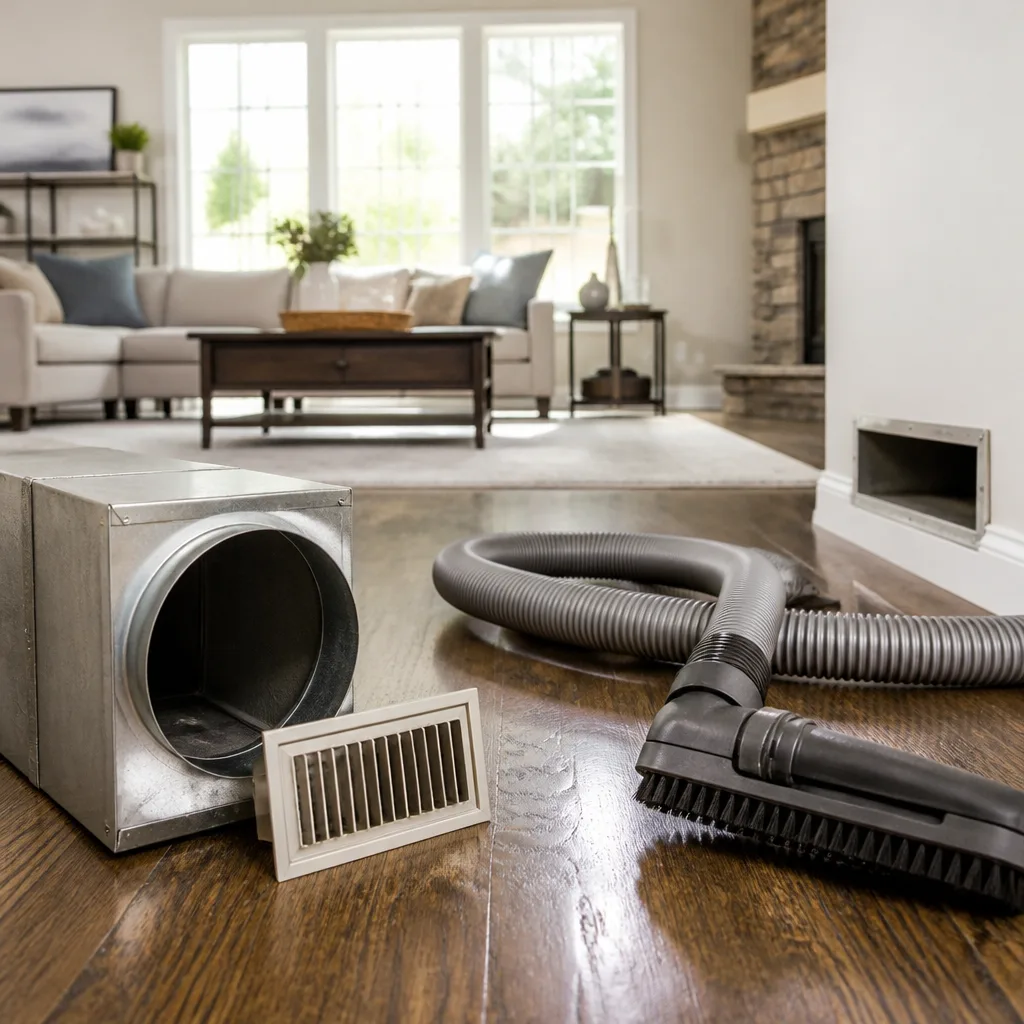
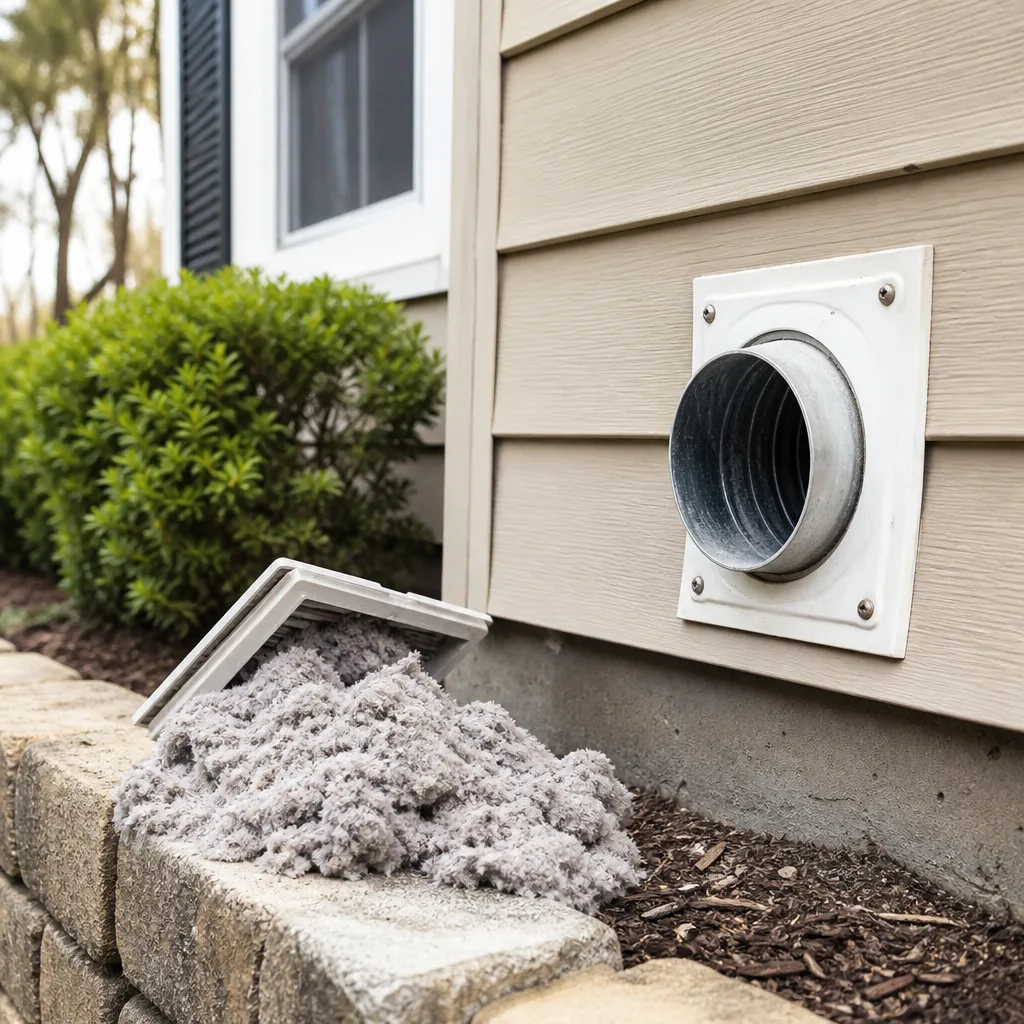
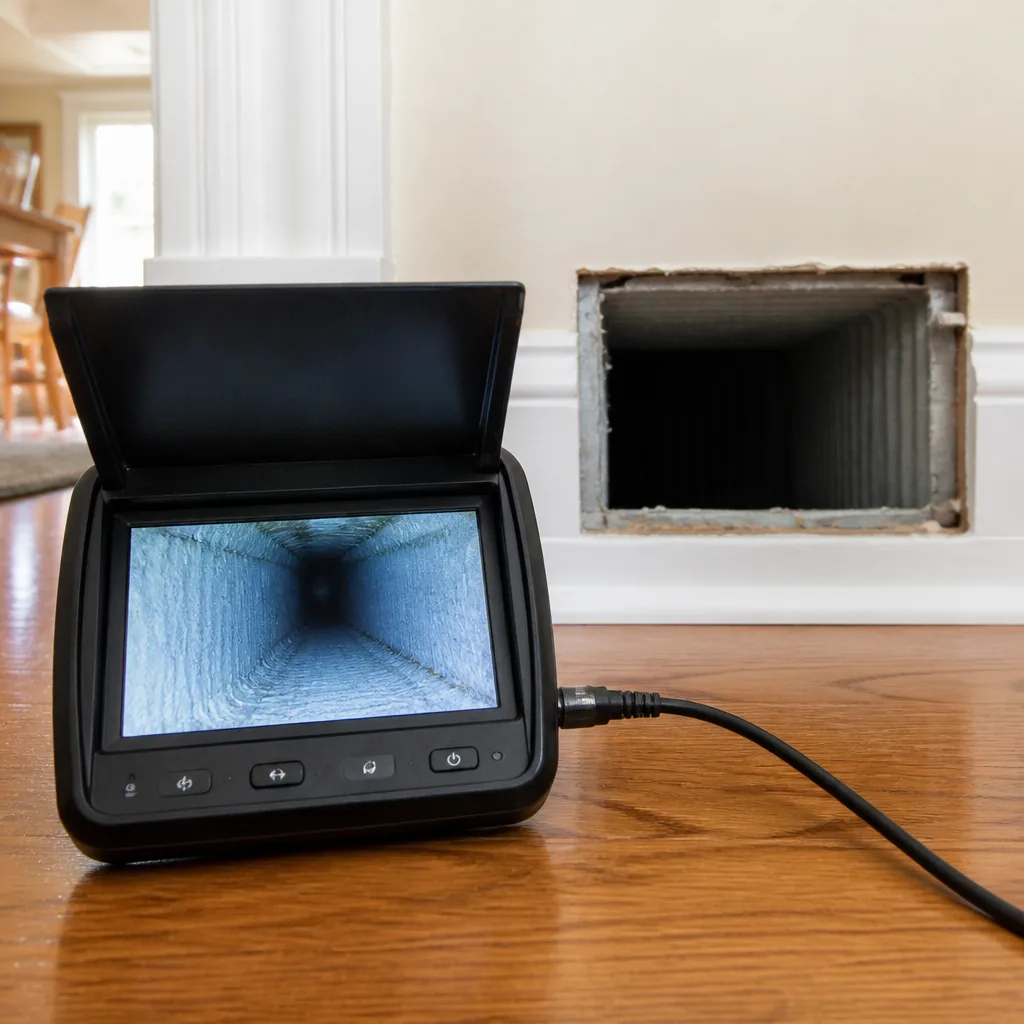
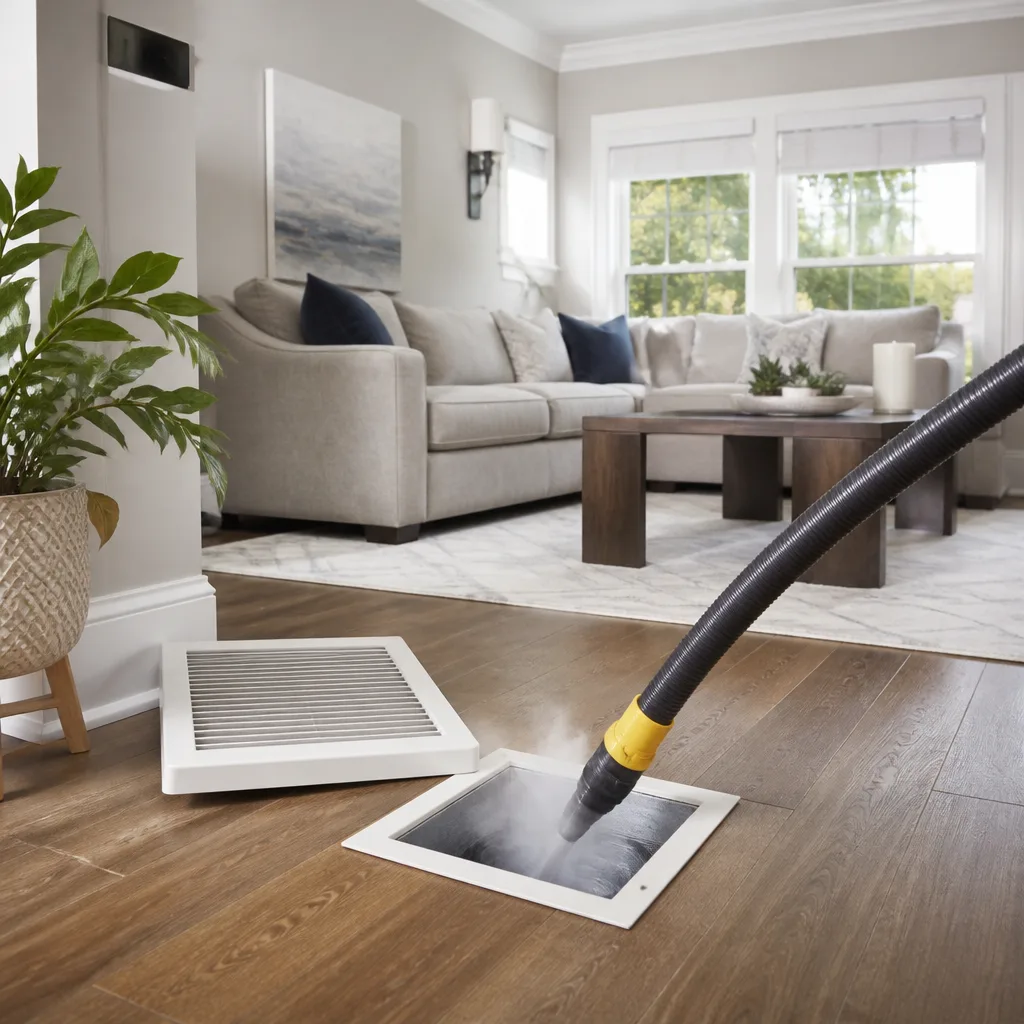
Whole-system duct and dryer vent check with before-and-after photos - you see exactly what came out of your vents
That "$99 whole-house special" is a bait ad - the real number appears once they are in your hallway, or the "clean" is a shop-vac at the register. We photograph the inside of your ducts before and after instead.
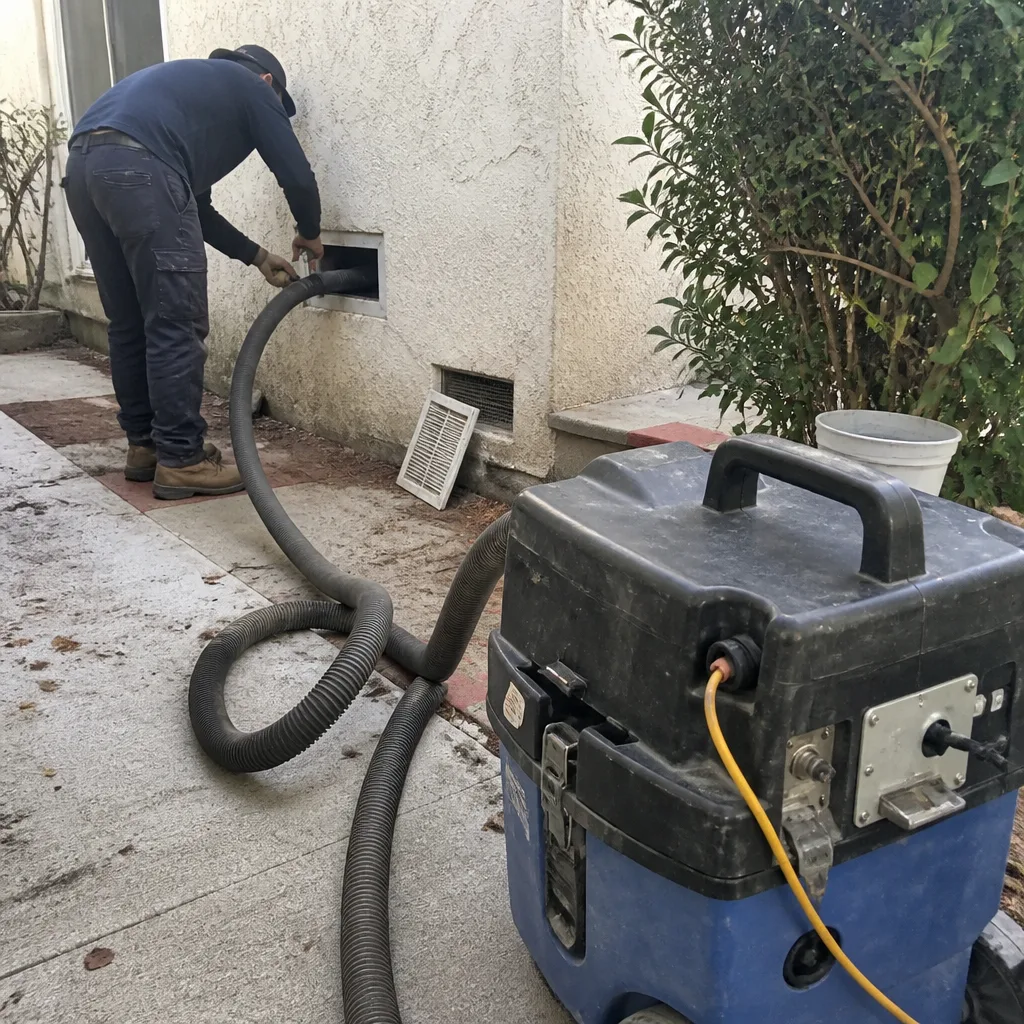 Before
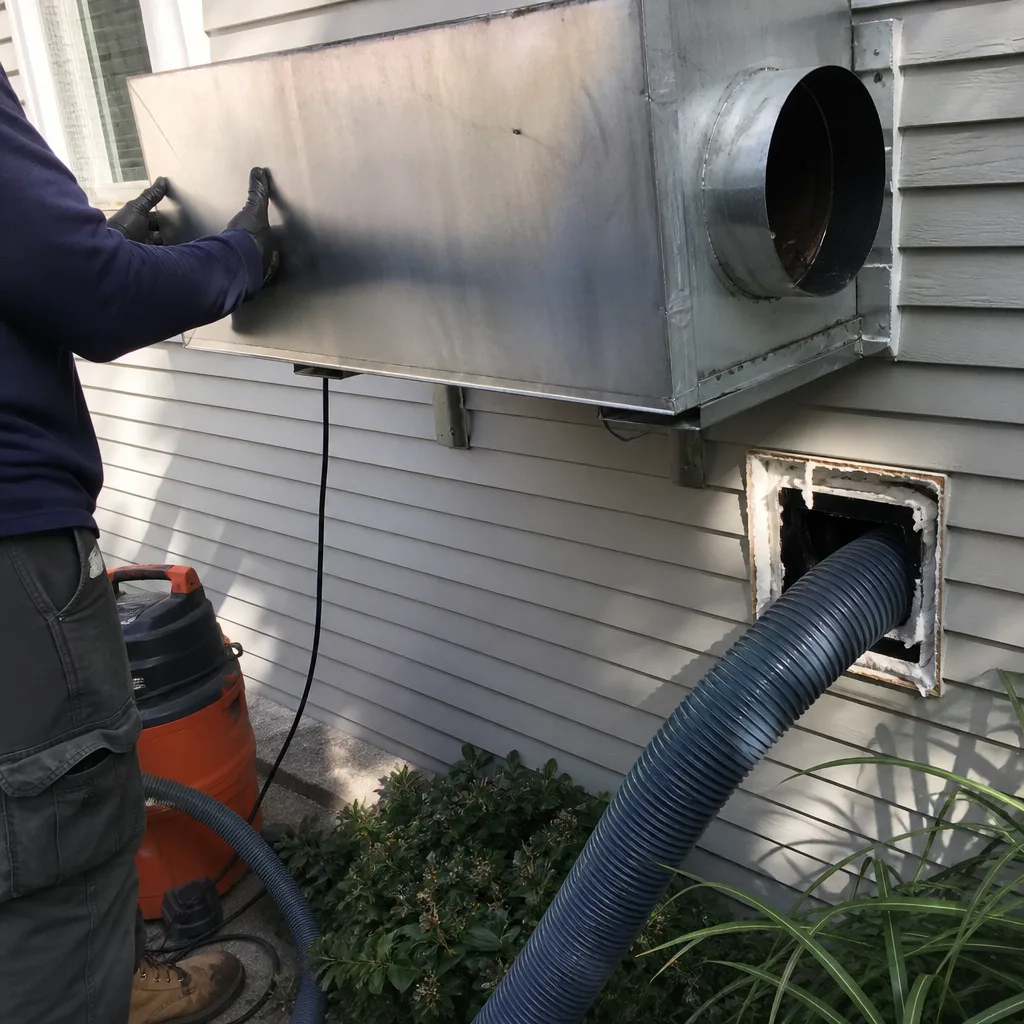 After
After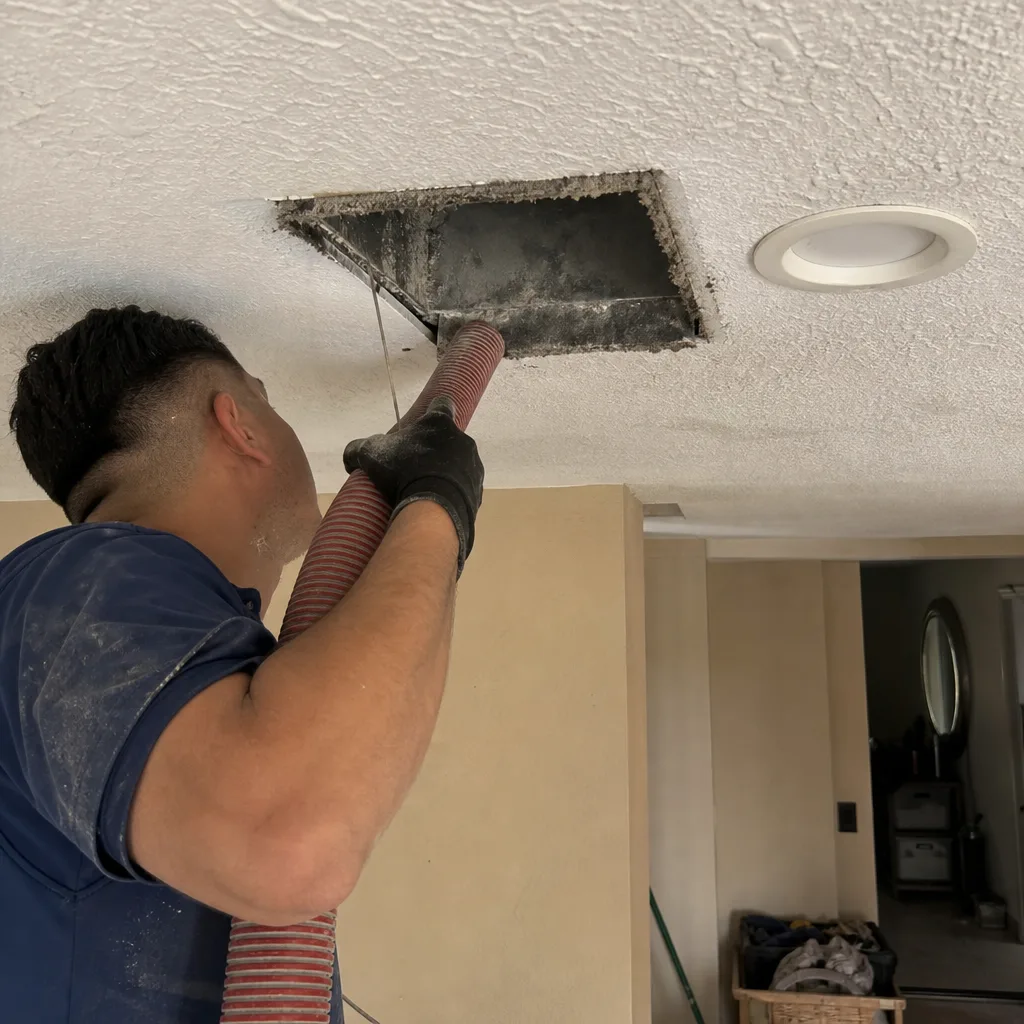 Before
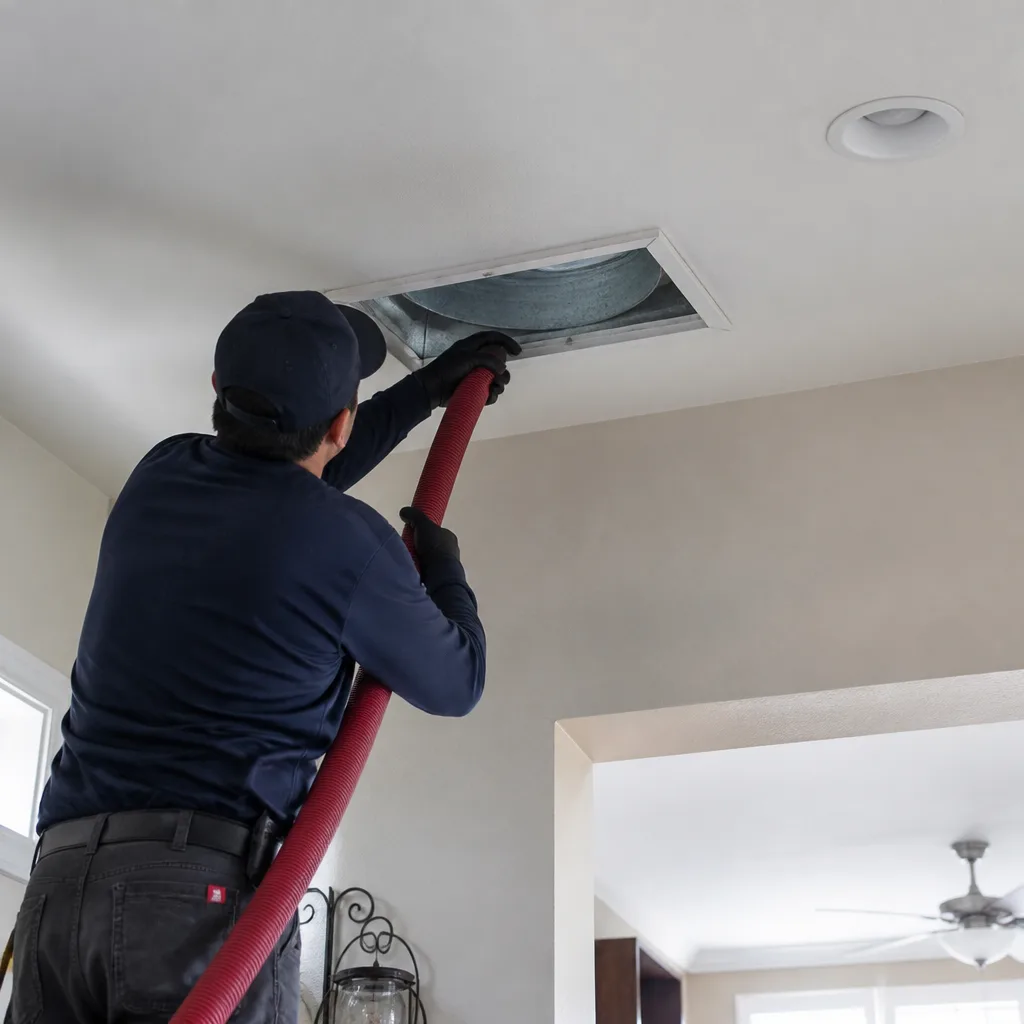 After
After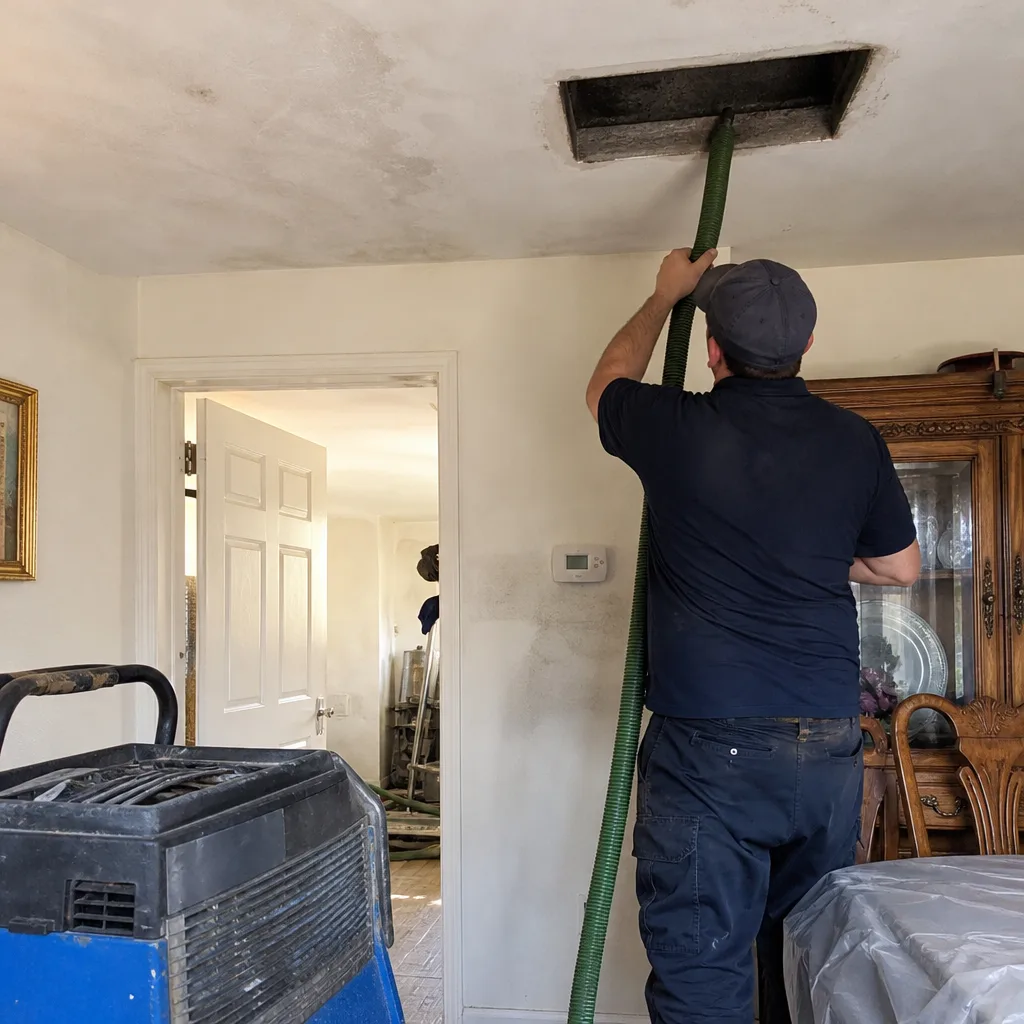 Before
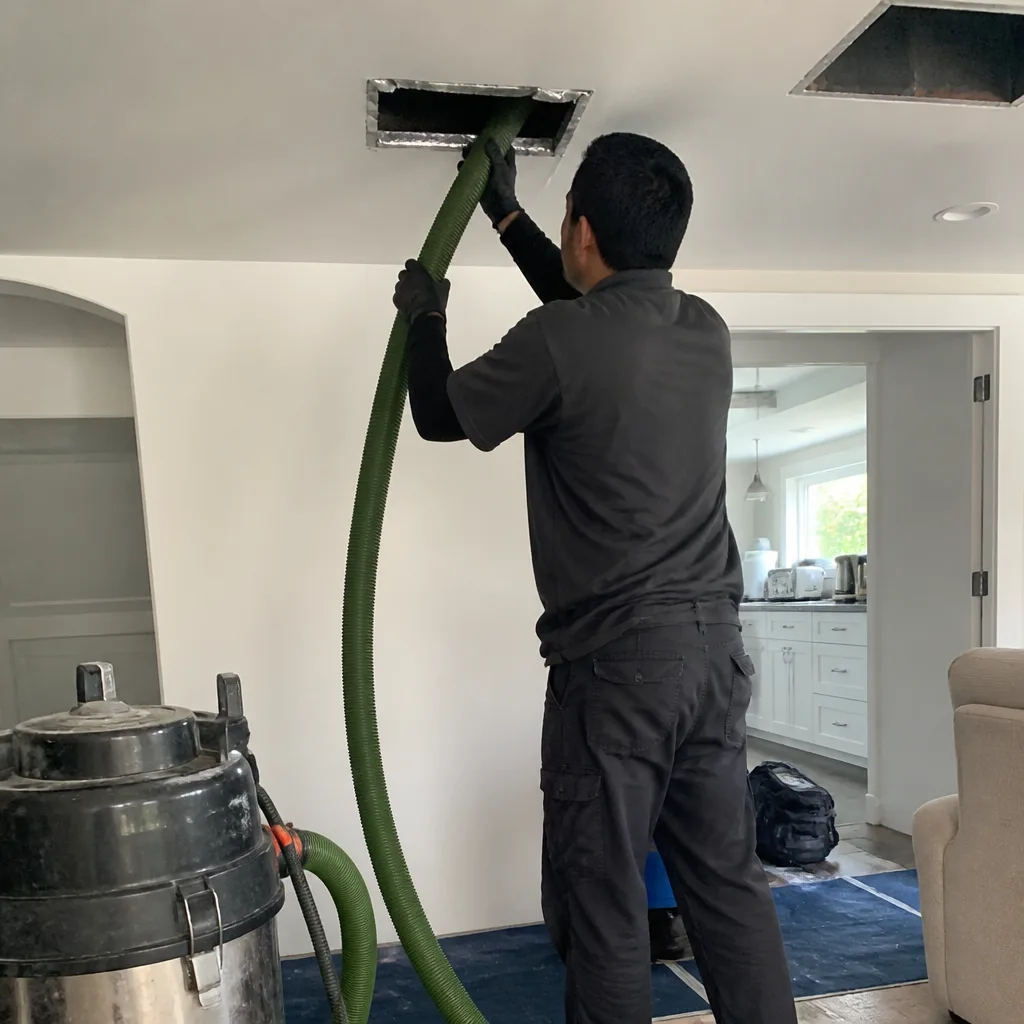 After
AfterAir Duct Cleaning Troubleshooting: Common Problems and How to Fix Them
A duct that smells musty after cleaning wasn’t cleaned wrong. It almost certainly has a moisture source that no amount of vacuuming fixes, and the second cleaning will smell exactly like the first. That’s the truth most Los Angeles homeowners don’t hear until they’ve paid twice. This guide gives you a branching diagnostic framework: you’ll learn to separate dirty-duct problems from damaged-duct problems, identify which issues you can check safely on your own, and know when a symptom points to your HVAC system rather than your ductwork. By the end, you’ll be able to categorize what you’re seeing, smelling, or hearing before you call anyone.
Quick Answer
Air Duct Cleaning addresses one of three categories air duct problems fall into: contamination (dirt, dust, mold, debris), damage (disconnected joints, collapsed flex duct, torn liner), and HVAC system faults (weak blower, failing motor, clogged coil). The symptoms overlap heavily, which is why a musty smell can mean a cleaning issue, a moisture leak, or a duct separation depending on where it’s coming from and when it started. Your first step is always observation: check which vents are affected, whether the problem is constant or intermittent, and whether it started suddenly or gradually.
Table of Contents
- Dirty Duct vs. Damaged Duct: How to Tell the Difference
- Persistent Odor After Cleaning: What It Actually Means
- Safe Home Checks You Can Do Before Calling Anyone
- Weak Airflow After Cleaning: Causes and Confirmation
- HVAC Problems vs. Duct Problems: Why Mixing Them Up Costs Money
- Mold in Ducts: When Cleaning Helps and When It Doesn’t
- Noisy Ducts: Popping, Rattling, and Whistling Explained
- What Duct Repairs and Cleaning Cost in Los Angeles
Dirty Duct vs. Damaged Duct: How to Tell the Difference
Dirty ducts and damaged ducts produce overlapping symptoms: dust on surfaces, uneven room temperatures, musty smells, and reduced airflow. But the fixes are entirely different. Cleaning addresses contamination. Repairs address structural failures. Paying for a cleaning when you have a disconnected joint wastes the cleaning and leaves the real problem untouched.
The key diagnostic difference is where and when the symptom appears.
Signs of dirty ducts:
- Dust accumulates on surfaces at a steady rate throughout the house, not just in one room.
- The air filter is visibly dirty when you change it, and the problem improves slightly after a filter swap.
- You see dust puffs from registers when the system first kicks on.
- Symptoms have been building gradually over months or years.
Signs of damaged ducts:
- One room is consistently hotter or colder than the rest of the house, no matter the season.
- Symptoms appeared suddenly, often after construction, rodent activity, or someone working in the attic.
- You hear rattling or flapping sounds from specific vents when the fan runs.
- Dust appears around a single register, and the area near that vent is dirtier than everywhere else.
In Los Angeles, attic ductwork takes a beating most homeowners never see. Summer temperatures above 110 degrees in places like the San Fernando Valley bake flexible duct liners until they crack and split. We’ve opened attic access panels in Woodland Hills and Encino where the duct insulation had essentially turned to dust. That’s a damage problem, not a dirt problem, and no cleaning pass fixes it.
Persistent Odor After Cleaning: What It Actually Means
If your ducts still smell musty after a professional cleaning, the cleaning did what it was supposed to do. The smell is coming from something else: liner damage, disconnected joints pulling attic air, or an active moisture source. Cleaning removes the particulate matter that carries odor, but it cannot remove the source generating it.
Here’s the diagnostic chain we walk through on service calls in Los Angeles:
- Locate the smell. Does it come from every register or just one or two? A single smelly vent points to a localized problem: a disconnected joint, a dead rodent, or moisture in that specific run.
- Check the timing. Is the smell worse when the system first starts, or constant? A smell that spikes on startup and fades often comes from a return air leak pulling attic air into the system.
- Trace the moisture. In Los Angeles homes, musty duct odor frequently traces to a clogged condensate drain, a sweating coil, or a bathroom exhaust fan vented into the attic instead of outside. None of these are cleaning problems.
- Inspect the liner. Older flex ducts with a damaged inner liner can hold moisture inside the insulation layer. When that insulation gets wet, it produces a musty smell for as long as it stays damp. Vacuuming the duct interior doesn’t touch it.
The practical takeaway: if a second cleaning is being offered at a discount to “really get the smell this time,” stop. The smell is diagnostic information. It’s telling you something specific. Figure out what it’s saying before spending more money.
Safe Home Checks You Can Do Before Calling Anyone
You don’t need tools or training to run three basic checks that narrow down the problem significantly. These take about fifteen minutes total and they tell you whether you’re dealing with airflow, contamination, or moisture. They’re also completely safe: no ladders, no opening ductwork, no touching electrical components.
1. The Flashlight Inspection
Remove a register cover (they typically lift off or unscrew with two screws) and shine a flashlight into the duct opening. Look at the first few inches of visible ductwork. You’re checking for three things: heavy dust accumulation, visible mold growth (dark spots or patches), and signs of moisture staining. In many Los Angeles homes, the first few inches of duct are accessible this way, and they tell you a lot about the rest of the system.
2. The Tissue Airflow Test
Hold a tissue or single square of toilet paper near each register while the system fan runs. Note whether the tissue moves strongly, weakly, or not at all. Compare rooms. If one register has dramatically less airflow than others, you’ve located a problem: a crushed duct, a disconnected joint, or a damper that’s stuck shut. Write down which room it is. That information is gold to a technician and saves paid diagnostic time.
3. The Visual Mold Check
Shine your flashlight at the register opening and the surrounding wall or ceiling area. Look for dark spots, staining, or any pattern of discoloration that follows moisture. Also sniff the air coming directly from one register with the fan running. If the smell is strongest at one specific point, note that too. Mold around the register opening is different from mold inside the duct, and a professional will want to know which you’re seeing.
What You Should Not Do
Don’t try to reach into ductwork to clean it yourself. Home ducts can have sharp metal edges, and improper cleaning can tear liners. Don’t pour water, bleach, or any cleaner into ducts. Don’t seal anything with duct tape from the hardware store; it peels within months in attic heat. These are the three most common self-repair attempts we see across Los Angeles, and each one makes the eventual professional fix more expensive.
Weak Airflow After Cleaning: Causes and Confirmation
Weak airflow after a cleaning is rarely because the ducts got dirty again. In Los Angeles, the most common cause is a collapsed flex duct or a blower issue, and the cleaning may have simply revealed a problem you didn’t notice before. Here’s how to confirm what’s happening.
Check the simplest thing first: the filter. If the cleaning company used a more efficient filter than you had before, or the filter is new and already clogged from the cleaning itself, airflow drops. Replace it and re-test before assuming the worst.
Collapsed flex duct. This happens in attics when a duct gets stepped on, crushed by stored boxes, or pulled too tight during installation and the inner coil kinks. The symptom is usually one specific room with weak airflow while the rest of the house feels normal. You can confirm this by feeling the register: weak flow at one vent while nearby vents blow strong is the signature. Fixing it means replacing or re-supporting that duct run, and it’s an attic-access job.
Blower motor issues. If airflow is weak everywhere, the problem is upstream of the ducts. The blower motor that pushes air through your system may be failing, or the capacitor that starts it may be weak. A failing capacitor means the blower starts slowly or doesn’t reach full speed. This is an HVAC technician call, not a duct cleaning call.
Disconnected or separated joint. When a duct joint separates in an attic, the system blows conditioned air straight into the attic instead of the room. You’ll see the temperature difference, and your energy bill will climb while the room stays uncomfortable. Dust from attic insulation also gets pulled into the system. This requires a repair call to reconnect and seal the joint properly.
The confirmation test for all of these is the tissue test described above. Map the airflow at every register. The pattern you find tells you which of these four problems you’re dealing with, and that saves the technician time on site.
HVAC Problems vs. Duct Problems: Why Mixing Them Up Costs Money
Duct cleaning companies clean ducts. HVAC companies service heating and cooling equipment. The line between them matters because paying the wrong trade to diagnose a problem wastes money and delays the fix. Here’s how to sort symptoms into the right category.
These are duct problems:
- Dust and debris inside the ductwork itself.
- Odor originating from the duct system.
- Disconnected, crushed, or torn duct runs.
- Air leaking from duct joints into attics or crawlspaces.
- Mold growth on duct surfaces.
These are HVAC problems:
- Short cycling (the system turns on and off too frequently).
- Ice on the copper lines or the indoor coil.
- Unusual sounds from the air handler or outdoor condenser.
- Failure to maintain temperature even with good airflow.
- Refrigerant leaks and compressor issues.
In Los Angeles, the line gets blurry because many homes have package units on the roof or in a closet where the ducts connect directly to the equipment. See our Air Duct Cleaning Warning Signs: A Los Angeles Homeowner’s Reference Guide for local context. A disconnected duct directly at the unit looks like an HVAC problem until you open the access panel. That’s exactly why we keep our service focused on ducts and clearly refer HVAC equipment issues to licensed HVAC contractors. The honest answer saves money. If you call an HVAC company for a duct cleaning, you’ll pay HVAC rates for a job they may not even perform in-house. If you call a duct cleaning company for a blower motor, you’ll waste the trip charge.
Our role at Hollis Air Duct Cleaning home is the duct side: cleaning, dryer vents, and duct sealing. When the diagnostic process points to the equipment, we say so plainly and tell you to call an HVAC contractor before you spend another dollar on ductwork.
Mold in Ducts: When Cleaning Helps and When It Doesn’t
Mold inside ductwork is a health concern and a symptom problem at the same time. Los Angeles homes with swamp coolers, old evaporator coils, or humidifier systems can develop mold in ducts even with normal use. The critical question is whether the moisture source still exists.
If the moisture source is gone or fixable, cleaning helps. Once the source is corrected, professional cleaning with negative-air equipment removes the mold spores and surface growth. The ducts can be treated and the problem genuinely solved. We use Nikro negative-air machines that filter the air we pull through the system, so spores don’t spread into the living space during the job. That’s the same category of equipment used in commercial remediation, applied to a single-family home.
If the moisture source is still active, cleaning is temporary. The mold will return, often within weeks. Common active sources we see in Los Angeles:
- A condensate pan that’s cracked or overflowing because the drain line is clogged.
- An evaporator coil that never fully dries between cycles because the system is oversized or the humidity control is off.
- A roof leak above the furnace closet or package unit.
- Humidifier systems without proper drain or maintenance.
One pattern worth highlighting: if you’ve had two cleanings within eighteen months and the mold keeps coming back, you have an unresolved moisture problem, not a cleaning problem. A disciplined technician will tell you that directly and ask to inspect the equipment area before doing another cleaning. The right sequence is: find the water, stop the water, then clean the ducts. Reversing the order wastes the cleaning.
For Los Angeles homeowners dealing with this, our Air Duct Cleaning in Los Angeles process includes a moisture check as part of the pre-cleaning inspection, because starting a cleaning on wet ducts is working against physics.
Noisy Ducts: Popping, Rattling, and Whistling Explained
Each type of duct noise points to a different problem, and most have inexpensive fixes once you know what you’re hearing.
Popping sounds when the system starts or stops are usually thermal expansion. The metal duct walls flex as they heat and cool. This is the most common and least serious duct noise. In homes with rigid metal ductwork, the fix can be as simple as cross-bracing the duct or adjusting how it’s hung. In flex-duct homes, popping often comes from the duct moving against a joist or strap when pressure changes.
Rattling sounds mean something is loose. A register grille that’s not fully seated, a damper that’s partially open and vibrating, or a section of duct that’s come unfastened from its support straps. Rattling is worth investigating because it often signals a connection that’s working its way apart. Ignore it long enough, and a rattling joint becomes a separated joint.
Whistling or high-pitched hissing usually means air is escaping through a small gap under pressure. Whistling registers often indicate an improperly sized or partially closed damper forcing air through a narrow opening. Whistling from inside walls or ceilings points to a duct leak: air pushing out through a seam or torn section. A duct leakage test can locate the exact spot, but the DIY version is simply to walk the house while the fan runs and listen for the loudest whistle.
In Los Angeles, where many homes run their AC daily from May through October, duct noise cycles through these symptoms seasonally. Popping is worse when temperature swings are widest, typically at night when the system first cools after a hot afternoon. Rattling and whistling stay consistent whenever the fan runs.
For repairs that require sealing, Duct Sealing in Los Angeles is the service category that handles leaks at joints, seams, and connections using mastic or mastic-backed tape applied to code.
What Duct Repairs and Cleaning Cost in Los Angeles
Los Angeles pricing for duct services varies by home size, number of systems, and the condition of the ductwork, but here are working ranges based on what we see across the metro area.
| Service | Typical Range (Los Angeles) | Notes |
|---|---|---|
| Full air duct cleaning (whole house) | $350 to $650 | Depends on system count and access; single systems trend lower, multi-zone homes higher. |
| Dryer vent cleaning | $125 to $250 | Increases with run length and obstruction severity. |
| Single duct run replacement | $150 to $400 | Flex duct replacement; cost depends on run length and attic access. |
| Duct joint repair and sealing | $75 to $200 per joint | Mastic sealing; multiple joints typically quoted per job. |
| Duct leakage testing | $150 to $350 | Identifies leak locations before repair decisions. |
These are honest ranges, not teaser pricing. Some companies advertise $99 whole-house cleanings in Los Angeles; the price moves once the technician opens the first register. At Hollis Air Duct Cleaning, we put the price in writing before we touch anything, and that price does not move at the door. The Garrison Standard requires it. Every job also carries the 365-Day Done Right Promise: if the work fails within a year, we return and make it right at no charge, including a free second visit.
We clean with professional-grade equipment: Rotobrush rotary brush systems paired with Nikro negative-air machines so dust and debris are pulled out of your home as the brush works, not redistributed through it. Where filtration matters, Honeywell and Aprilaire products are in our toolkit and we explain why a particular media filter suits a particular home before recommending it. That’s the point of working with tools built for the trade, not hardware-store gear.
If you’re in Los Angeles and want a fixed price before any work begins, call (361) 326-5060. We’ll give you a written quote and a clear explanation of what we found and what we recommend.
Common Mistakes to Avoid
- Paying for a second cleaning when the first didn’t fix the smell. The odor is telling you about moisture or liner damage. Another cleaning repeats the same mistake. Diagnose before you spend again.
- Ignoring a single weak vent. That one room with poor airflow is often the earliest sign of a collapsed or disconnected duct run, and the problem only worsens in Los Angeles summer heat.
- Using painter’s tape or hardware-store duct tape on duct seams. It fails within months in hot Los Angeles attics and leaves residue that makes proper sealing harder later.
- Cleaning moldy ducts without addressing the water source. This is the single most common repeated mistake we see. The mold returns, and the homeowner now distrusts duct cleaning as a category.
- Calling an HVAC contractor for a duct problem, or a duct cleaner for an HVAC problem. Know which system is failing before you spend the trip fee.
- Choosing the lowest bid without asking what it includes. A $99 Los Angeles duct cleaning quote is a door-opener price. Ask what’s included in writing before you book.
- Replacing equipment before checking the ducts. A failing system can sometimes be a leaking duct system that’s making the equipment work too hard. Test airflow and seal leaks before condemning the furnace or AC unit.
When to Call a Professional
Call a professional when your diagnostic checks point to a structural problem: disconnected joints, collapsed flex duct, persistent mold with a known moisture source, or airflow patterns that suggest multiple leaks. These are not DIY fixes, and each one gets more expensive the longer it waits. Also call when you’ve done the tissue test and the register map shows inconsistency you can’t explain. That map is valuable; any qualified technician will use it.
Hollis Air Duct Cleaning offers free estimates in Los Angeles. We show up in a written window, inspect what you’ve observed, put the price in writing before work begins, and leave the site clean. Call (361) 326-5060 to schedule an inspection.
Frequently Asked Questions
Whole-house air duct cleaning in Los Angeles typically costs between $350 and $650, depending on the number of systems, home size, and accessibility of the ductwork. Single-system homes trend toward the lower end; multi-zone homes with rooftop or tight-attic access trend higher. Call (361) 326-5060 for an exact written quote. Estimates are free, and the price is fixed before work starts.
Cheap quotes usually reflect a teaser price designed to get a technician in the door, at which point the scope expands and the final invoice lands far higher. A $99 whole-house quote is not the final price; it’s the appointment-booking price. The honest way to compare bids is to ask each company what the quote includes, in writing, before booking. At Hollis Air Duct Cleaning, the price is written down before we touch anything, and it does not move at the door.
Ask for before-and-after photos of the inside of your ducts. A legitimate cleaning company should show you the register openings, the return, and the main trunk line before work starts and again after the job is finished. You’ll see the difference in the same lighting and the same angles. If a company refuses or can’t produce photos, treat that as a warning sign.
For more guides & resources on timing, visit our blog. For most Los Angeles homes, every three to five years is reasonable, depending on pets, occupants with allergies, recent construction, and whether you run the system year-round. Homes near freeways or in heavy-construction corridors may accumulate dust faster. If you’ve had major renovation work done, a cleaning after the dust settles is standard practice.
Dirty ducts can aggravate allergies and respiratory sensitivities, especially for people with asthma or compromised immune systems. The air moving through accumulated dust and debris redistributes particulate matter through the living space. The health equation also works through the filter: if your ducts are heavily contaminated, your filter works harder and clogs faster, which reduces overall air quality.
Duct cleaning alone rarely moves an energy bill meaningfully. The bigger energy issue is usually leakage: air escaping through separated joints or torn sections. That’s a duct sealing problem, not a cleaning problem. If your energy bills in Los Angeles have been climbing while airflow feels weak, ask for a leakage assessment and quote for Duct Sealing in Los Angeles before spending on a cleaning.
Yes. Dryer vent cleaning targets the dedicated exhaust line from your dryer to the outside of your home. It’s a separate system from your HVAC ducts, with a different set of risks, including lint buildup that creates a fire hazard. The two services require different equipment and different procedures. We offer both; the dryer vent side is covered at Dryer Vent Cleaning in Los Angeles.
The Bottom Line
Most air duct problems in Los Angeles fit a pattern: the symptom is obvious, the cause is not, and guessing wastes money. A musty smell that persists after cleaning is a moisture signal. A single weak vent is a structural signal. Weak airflow everywhere is an equipment signal. Read the signals before you pay for a fix. The diagnostic framework in this guide is designed to put you a step ahead: check the registers, map the airflow, locate the smell, and then call with information a technician can actually use. If you want a written price and a straight answer, call (361) 326-5060.
Written by Roy Castellanos, Owner at Hollis Air Duct Cleaning, serving Los Angeles since 2004.