
Last updated October 9, 2026
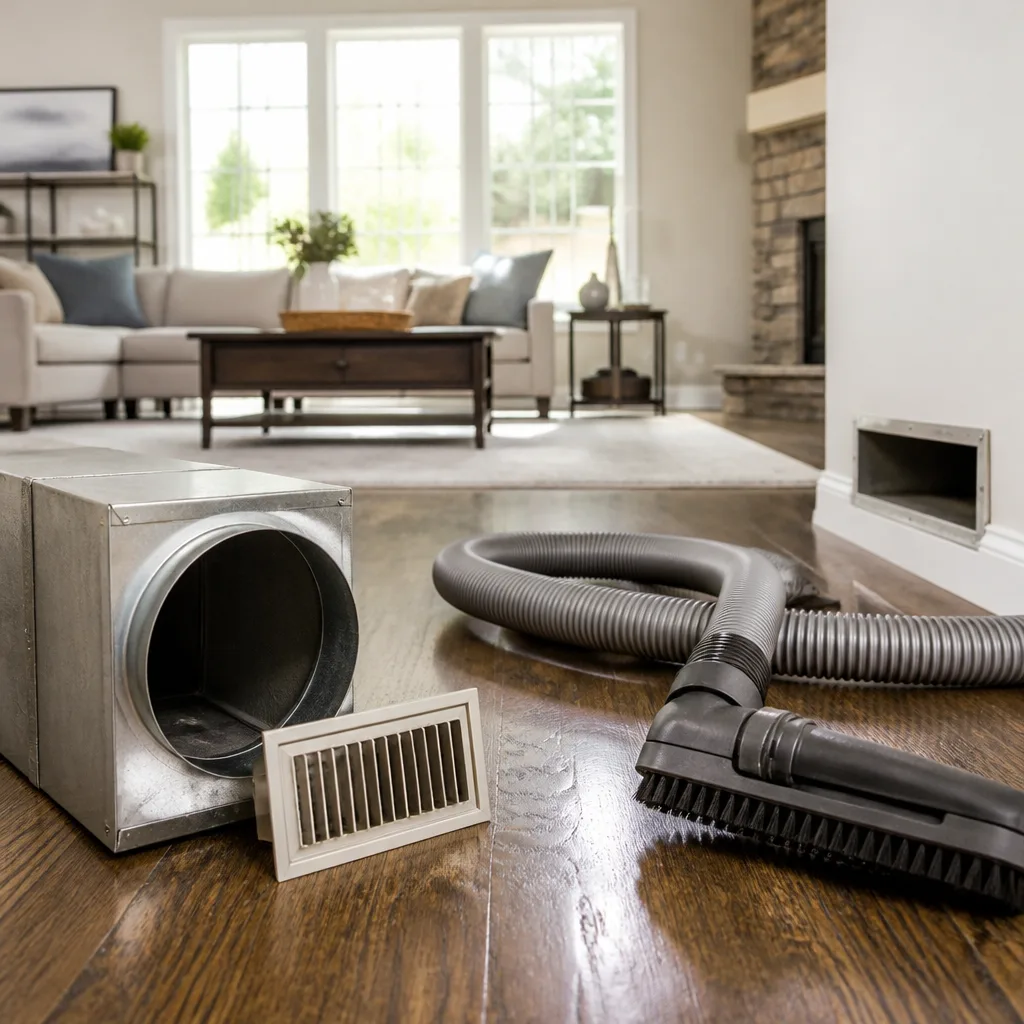
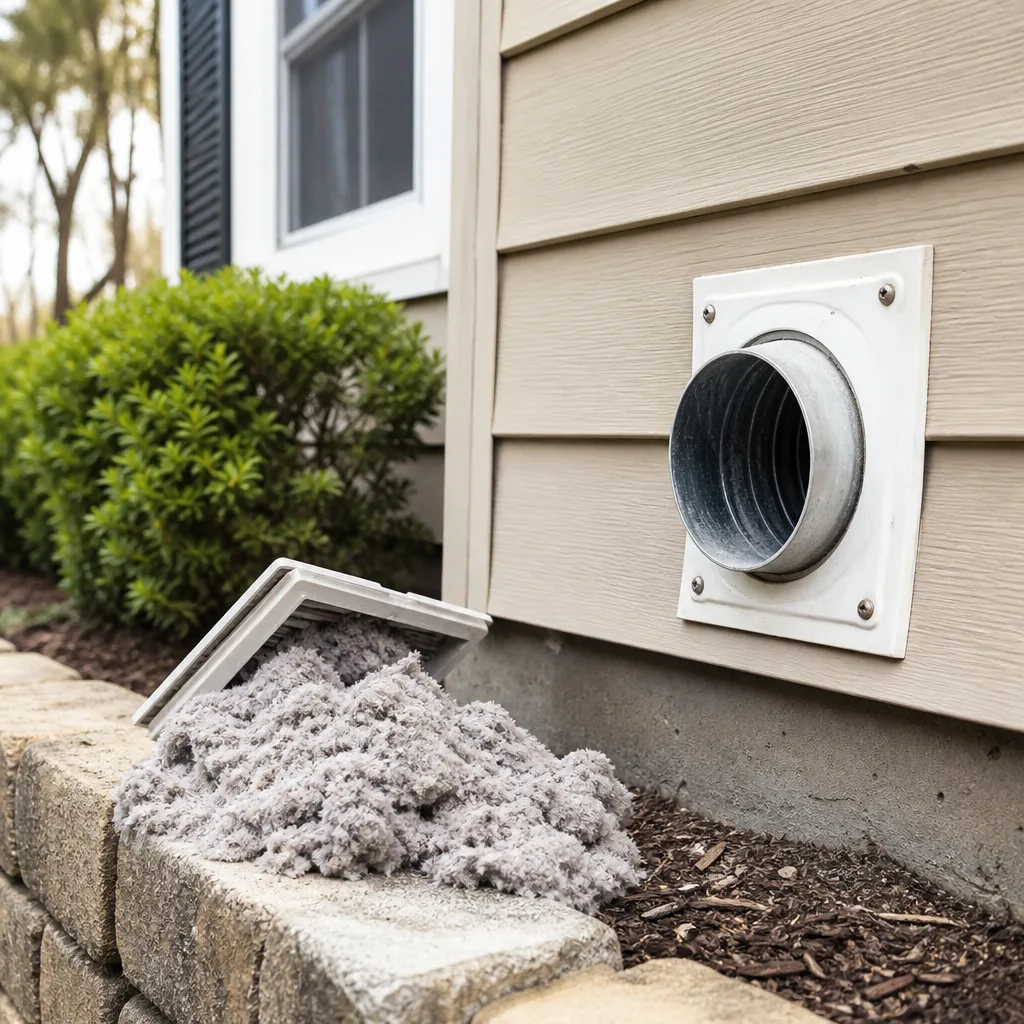
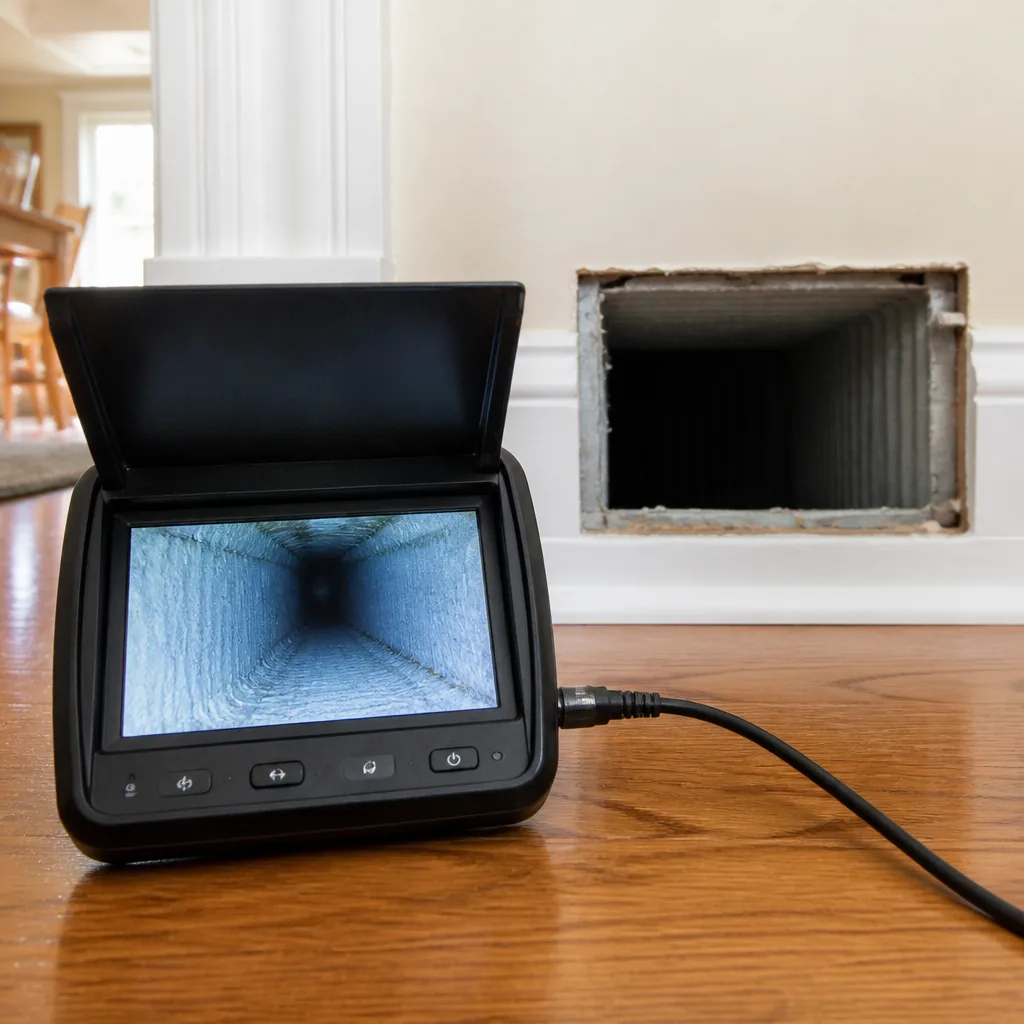
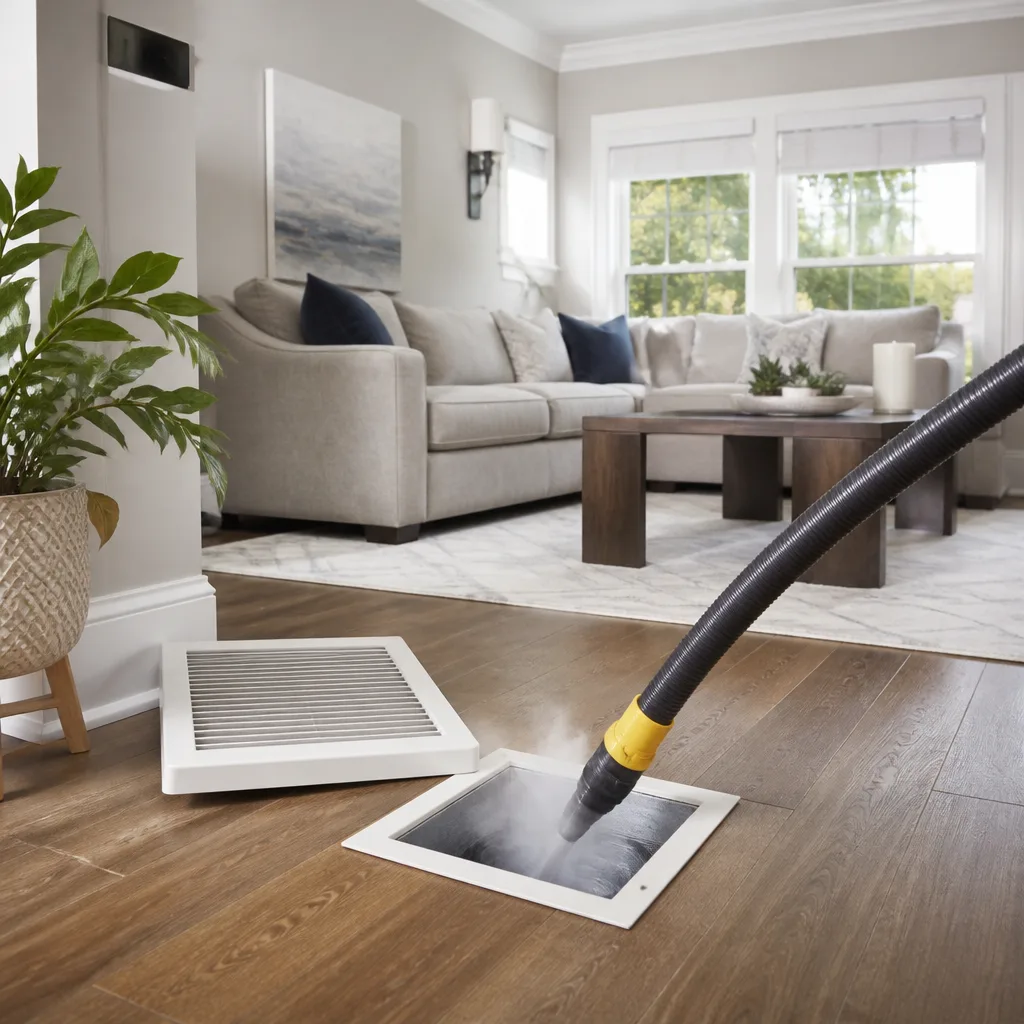
Whole-system duct and dryer vent check with before-and-after photos - you see exactly what came out of your vents
That "$99 whole-house special" is a bait ad - the real number appears once they are in your hallway, or the "clean" is a shop-vac at the register. We photograph the inside of your ducts before and after instead.
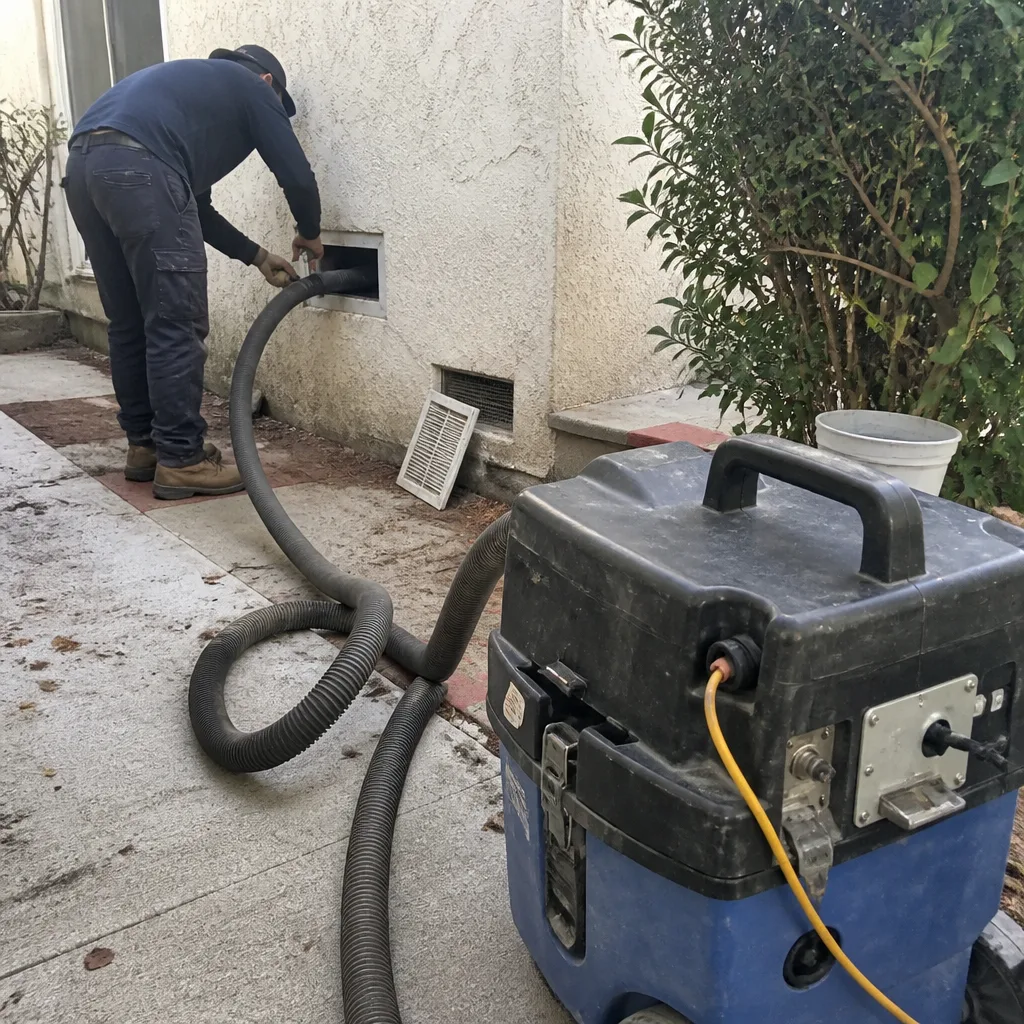 Before
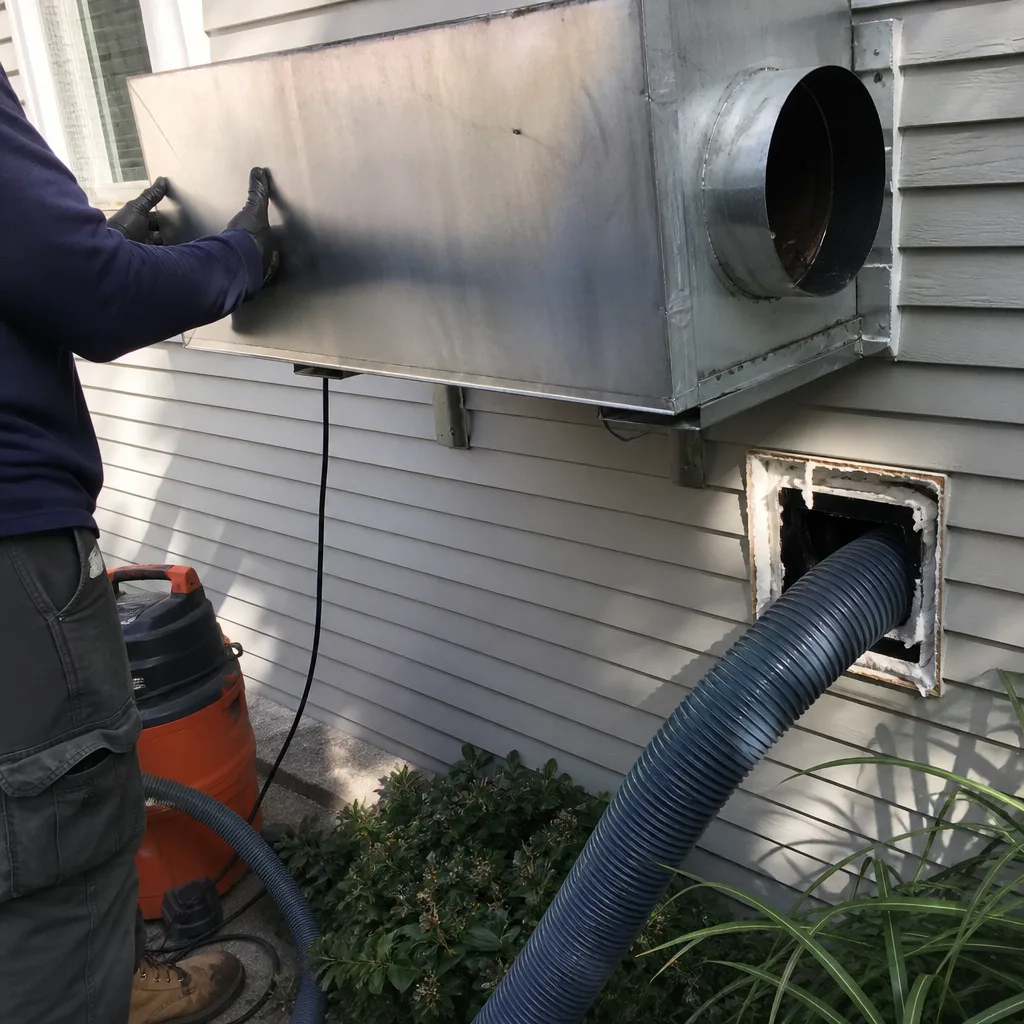 After
After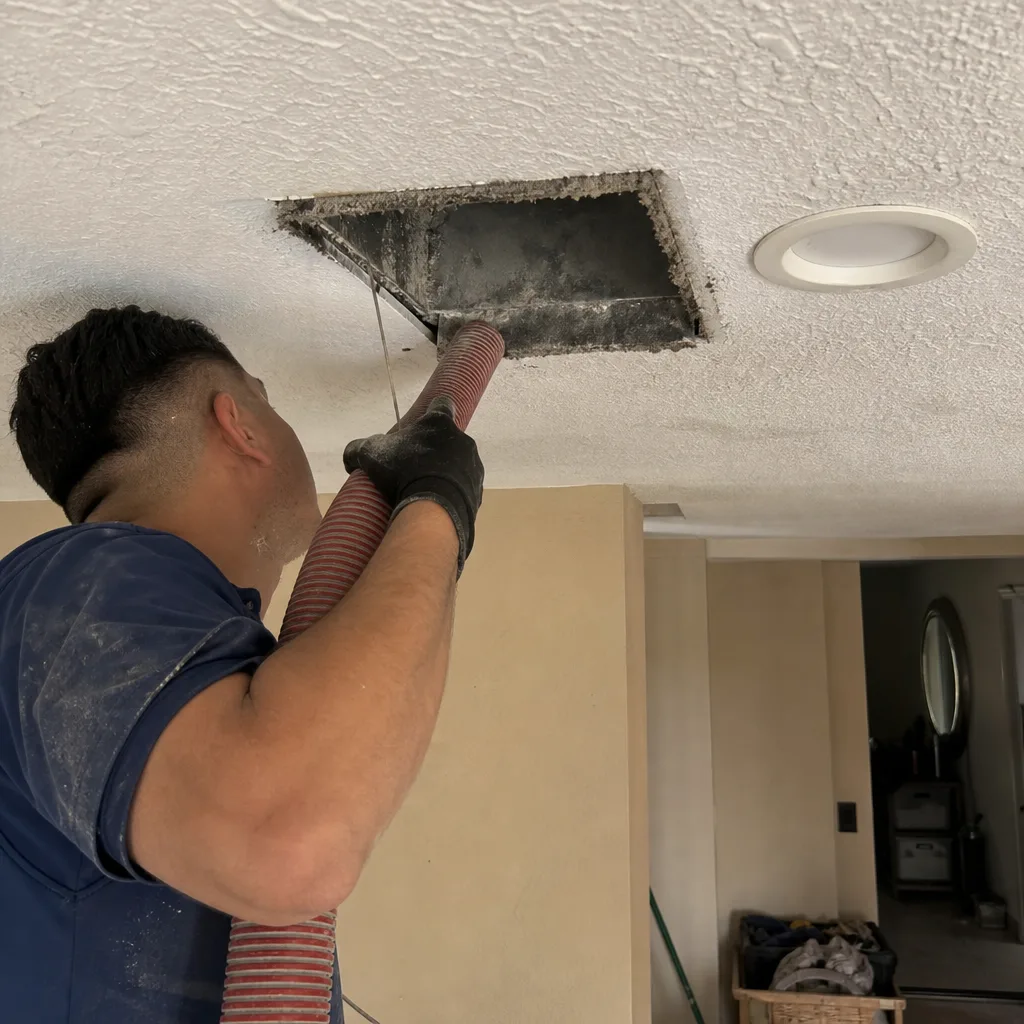 Before
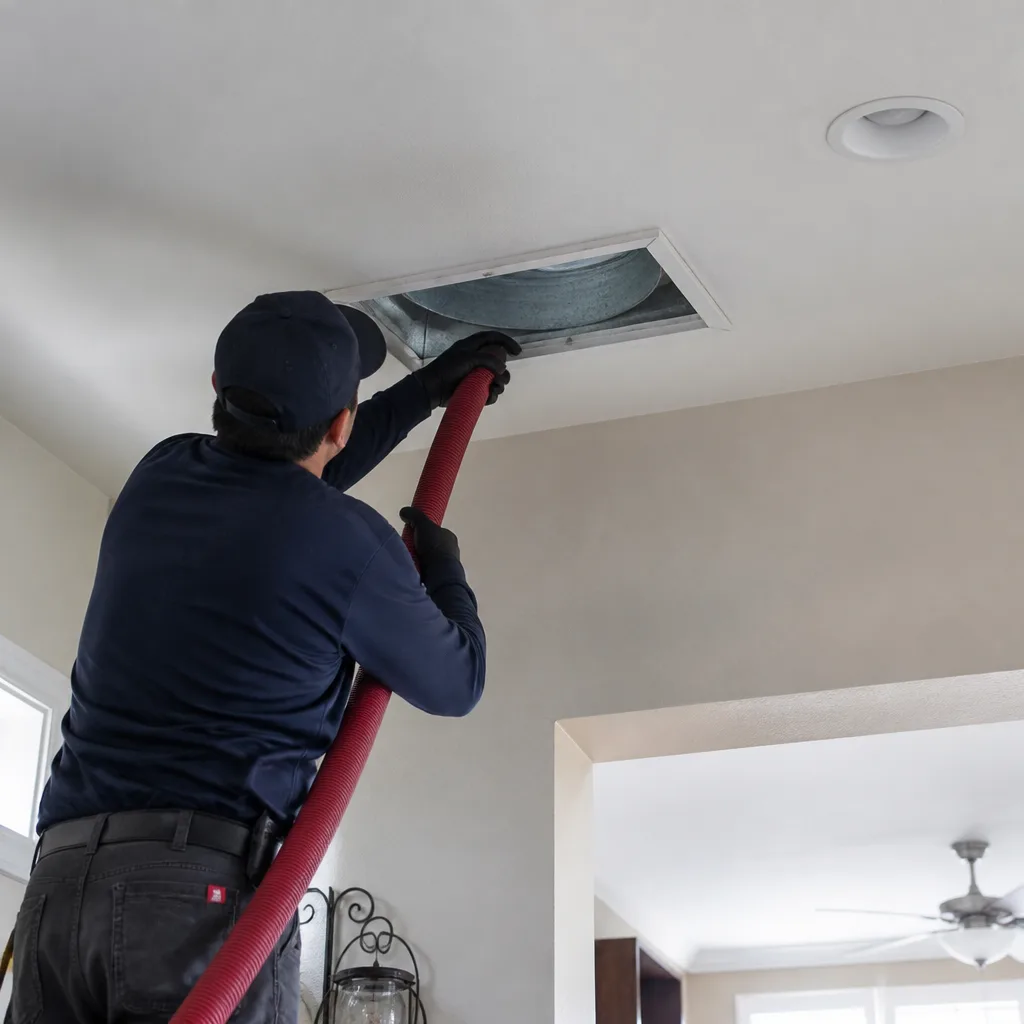 After
After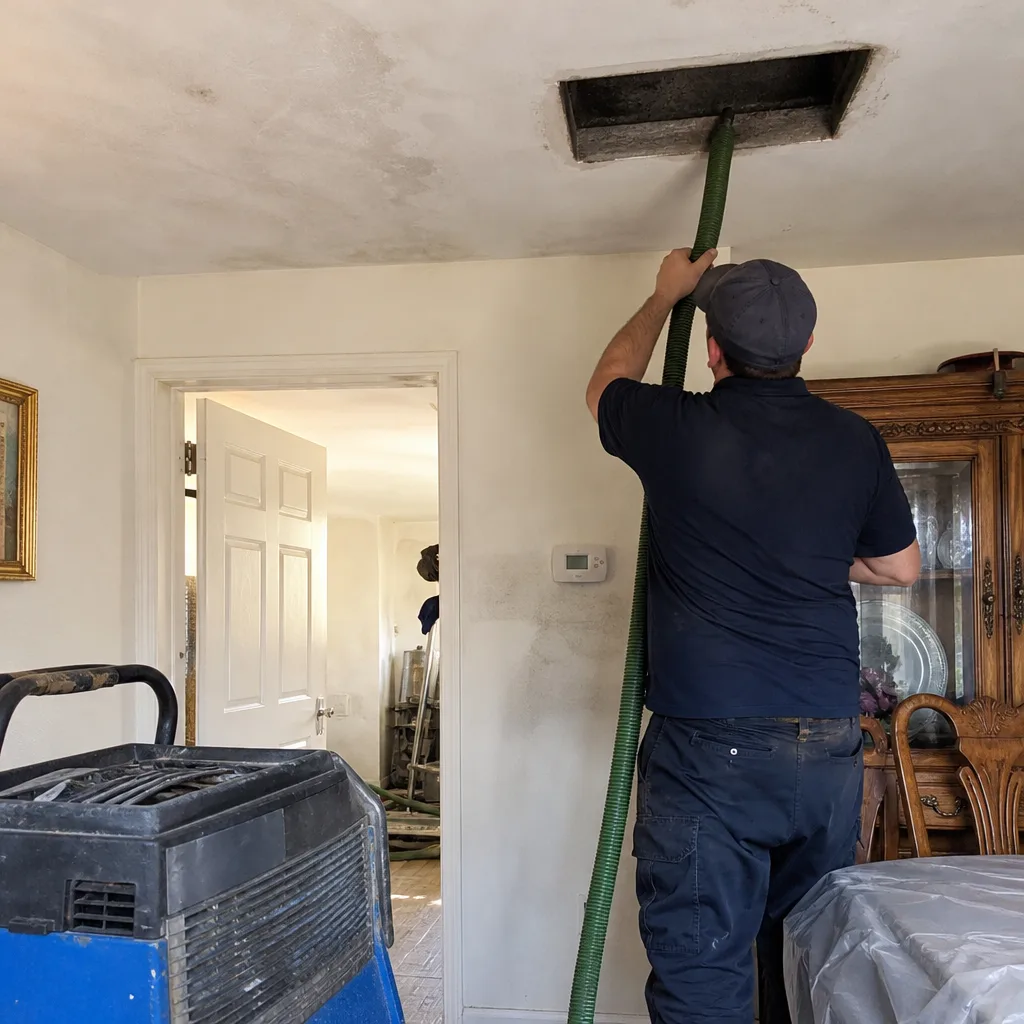 Before
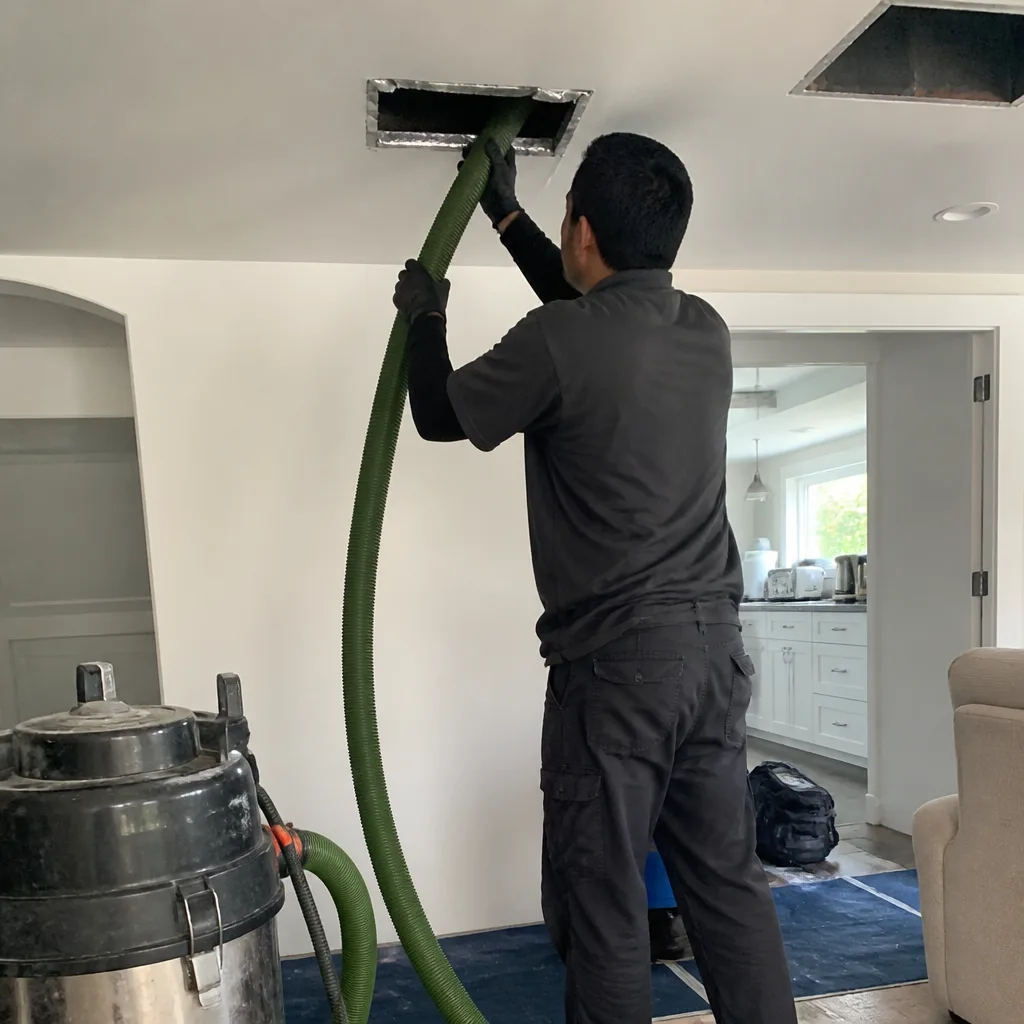 After
AfterAir Duct Cleaning Warning Signs: A Los Angeles Homeowner’s Reference Guide
Dust reappearing on furniture surfaces 48 hours after you wipe them down is not a housekeeping problem. In most Los Angeles homes, it’s supply air carrying fine debris from inside the duct system, and the average homeowner has been blaming the wrong source for years. This guide walks through the specific warning signs that tell you whether your ducts are actually the culprit or whether you’re chasing something else entirely. For more guides & resources, explore our blog. By the end, you’ll know exactly what to look for, what to listen for, and what to smell before you ever pick up the phone.
Quick Answer
The most reliable warning signs that your Los Angeles home needs our Air Duct Cleaning services are dust reappearing on surfaces within 48 hours of cleaning, visible debris caking at supply registers, airflow that feels noticeably weaker in some rooms than others, and an odor from the vents that doesn’t match anything in the room itself. If you notice two or more of these signs together, the duct system is almost certainly the source. A professional inspection with a camera scope confirms what’s actually inside.
Table of Contents
- The Dust Redeposition Test: What 48 Hours Tells You
- Airflow Imbalance: When Rooms Don’t Breathe Equally
- Odor Diagnostics: Four Smells, Four Different Fixes
- Visual Inspection at the Register: What Normal Looks Like
- LA Wildfire Smoke and Duct Contamination: A Specific Problem
- Less Obvious Signs: What Else Points to the Ducts
- Common Mistakes to Avoid
- When to Call a Professional
- Frequently Asked Questions
The Dust Redeposition Test: What 48 Hours Tells You
Here’s a low-tech method that costs nothing and tells you more than most gadgets. Pick a room where you’ve noticed dust accumulating. Wipe every horizontal surface clean: dressers, nightstands, shelves, window sills. Leave the room closed for 48 hours with the HVAC system running normally. Then run a clean white cloth or paper towel across the same surfaces.
If the cloth picks up a light gray film, that’s ambient dust from normal living: skin cells, fabric fibers, outdoor particulate that finds its way through windows and doors. If the cloth picks up visible specks, dark particles, or enough debris that you can feel grit between your fingers, that material came from the supply air. The duct system is recirculating it. We’ve run this test with Los Angeles homeowners in neighborhoods from Sherman Oaks to South Pas and the result is consistent: the grit test rarely lies.
Here’s why it works. Your HVAC system pulls return air through the filter, pushes it across the coil, and distributes it through supply ducts to every register. If the ducts contain accumulated dust, pet dander, construction debris, or degraded liner material, the supply air carries a portion of that material out with it. The filter catches what’s in the return stream. It does nothing for what’s already inside the duct. So dust that appears within two days of a thorough cleaning, with windows closed, is overwhelmingly likely to be supply-side.
- Clean all horizontal surfaces in one room.
- Keep the room closed for 48 hours with HVAC running normally.
- Wipe the surfaces with a clean white cloth.
- Check for grit, dark specks, or visible debris. Gray film is normal. Grit is not.
One nuance for LA specifically: homes within a mile or two of a freeway, a construction corridor, or a dry riverbed get more ambient dust than homes in, say, the hills above Los Feliz. That’s why the grit distinction matters. Ambient dust is fine and uniform. Duct-sourced dust is coarser and mixed, because it’s composed of whatever accumulated in the duct over months or years.
Airflow Imbalance: When Rooms Don’t Breathe Equally
Stand in front of a supply register in the room you use most. Hold your hand about six inches from the register. Now do the same in the room at the opposite end of the house. If the airflow feels noticeably weaker in one location, and you haven’t adjusted any dampers or closed any vents, the difference is often debris inside the duct, not a failing blower.
Here’s how to reason through it. A blower motor pushes air through the entire duct network. If one branch is partially blocked by accumulated debris, that branch gets less air. The motor itself may be functioning perfectly. This is one of the most commonly misdiagnosed issues in Los Angeles homes, because the natural assumption is that the HVAC equipment has a problem. The equipment is fine. The pathway is what’s restricted.
Debris doesn’t block a duct overnight. It builds in layers: fine dust first, then pet hair wrapping around it, then larger particles embedding into the layer. In homes with flex duct, the inner liner can also separate and create a flap that partially obstructs airflow. In older Los Angeles homes with rigid metal ducts, the restriction is more often rust scale or decades of accumulated material at horizontal runs.
There’s a second dimension to airflow imbalance: temperature. If one bedroom runs five or six degrees warmer than the rest of the house in summer, and the register in that bedroom feels weak, the issue is usually delivery volume, not the thermostat or the AC unit. When we clean a system and that room suddenly holds temperature, it’s not because we touched the equipment. It’s because the air finally has a clear path. A related issue worth knowing: duct sealing in Los Angeles addresses leaks that rob airflow before it reaches the room, which produces the same symptom in a different way.
Odor Diagnostics: Four Smells, Four Different Fixes
Smell is the most misunderstood duct warning sign, because different smells point to different problems and the fixes are not interchangeable. Here’s how to tell them apart.
Dirty sock smell (evaporator coil mold): This is the classic “dirty socks” odor that appears when the AC runs. It’s almost never the duct interior. It’s microbial growth on the evaporator coil, which sits in a dark, wet environment inside the air handler. The fix is a coil cleaning with an EPA-registered antimicrobial, not a duct cleaning. We tell Los Angeles homeowners this all the time: if the smell only appears when cooling, look at the coil first.
Musty, stale smell that never really goes away: This one typically is the ducts. The smell is present whether heating or cooling, and it doesn’t spike. It’s the accumulated material inside the duct slowly off-gassing or holding moisture. In coastal Los Angeles zones like Playa del Rey or Marina del Rey where humidity runs higher in summer, this is more common than inland.
Dead animal smell, strong at one register: If the odor is sharp, biological, and strongest at a single register, something died in the duct or in the wall cavity near the duct. Rodents, birds, and squirrels all find their way into duct systems through gaps at the roofline, crawlspace, or attic. The fix is locating and removing the carcass, then sanitizing the affected section. This is not a cleaning job in the normal sense; it’s a removal and decontamination job.
Acrid, chemical, or refrigerant smell: A chemical smell is not coming from dirty ducts. Refrigerant leaks smell sweet or ether-like and typically indicate a coil or lineset problem requiring an HVAC technician. Oil smoke from a failing blower motor smells like burnt electrical. Duct cleaning will not fix either one.
The discipline here is diagnosis before action. We’d rather tell a homeowner “your ducts are fine, you need a coil cleaning” than sell a duct cleaning that doesn’t address the actual problem. The Hollis Air Duct Cleaning home page goes into more detail on what our process does and does not include.
Visual Inspection at the Register: What Normal Looks Like
You don’t need a camera scope to gather useful information. A flashlight and two minutes at each register will tell you a lot.
First, what normal looks like. A thin, even film of fine gray dust on the register grille is normal. That’s the material the filter didn’t catch. It wipes away easily with a damp cloth. A faint ring of dust on the ceiling or wall around the register, where supply air has been blowing across a surface for years, is also normal and usually cleans up with a sponge.
Now the warning signs:
- Debris caking: If the dust on the register is thick, dark, or has visible structure to it (clumps, fibers, hair), the duct interior is shedding. This isn’t filter bypass. It’s accumulated material inside the duct being pushed out.
- Black particulate around the register: In Los Angeles homes with candles, this is often candle soot that got pulled into the return and redistributed. But if the particulate appears in rooms where candles are never burned, the duct interior itself is the source.
- Rodent evidence: Droppings near the register, chewed edges on the grille, or scratching sounds in the duct run at night point to a pest problem that needs to be resolved before or alongside cleaning.
- Insulation fibers: If you see pink or yellow fiberglass fibers at the register, or white plastic strands from degraded flex duct liner, the duct interior is breaking down. The fibers themselves are an irritant, and the degradation will only continue.
- Mold growth: Visible mold on the register or just inside the duct opening is a moisture problem. The source of moisture (bathroom exhaust leak, crawlspace water, oversized AC unit short-cycling) has to be fixed or the mold will return after cleaning.
The key takeaway here is that appearance matters. A register that looks like it has been dusted with confectioner’s sugar is normal. A register that looks like it’s growing something, accumulating crumbs, or shedding insulation is telling you the interior of the duct needs attention.
LA Wildfire Smoke and Duct Contamination: A Specific Problem
Los Angeles has a warning sign that most of the country doesn’t: the aftermath of wildfire smoke season. Here’s the specific pattern we hear from homeowners after a bad smoke event, whether from the hills above Glendale or the canyons near Malibu.
Outdoor AQI returns to normal. The house has been closed up with the HVAC running. Days later, family members still notice an acrid, smoky smell when the system kicks on. The smell isn’t coming from outside anymore. It’s coming from the ducts.
What happened is straightforward. During the smoke event, the HVAC system pulled smoke-laden air through the return registers. Much of it passed through the filter, but the filter doesn’t catch everything, especially in systems with loose filter fitment or lower MERV ratings. Fine smoke particles settled inside the duct runs, on the blower wheel, and on the coil. When the system runs, those particles re-enter the air stream. The smell lingers because the particulate is still there.
A standard filter change doesn’t fix this. The particulate is not entering the system anymore; it already entered and settled. What fixes it is a physical cleaning of the duct interior and components: rotary brush agitation to break the particulate loose, negative-air capture to pull it out of the home during the process. Equipment from Rotobrush and Nikro does exactly this, which is why we run those systems on our Los Angeles jobs. We also recommend filtration upgrades from Aprilaire or Guardsman for homeowners who want better capture during the next smoke event. A full overview of our process for smoke-season conditions is on our air duct cleaning in Los Angeles page.
Less Obvious Signs: What Else Points to the Ducts
Some warning signs don’t fit into the categories above but still tell a clear story.
Return grille clogging faster than it should: If you’re vacuuming the return grille or replacing a filter every three weeks and it’s heavily loaded, the system is pulling a lot of airborne material. Some of that material is settling in the ducts. Heavy return accumulation usually means heavy duct accumulation over time.
Allergy symptoms that improve when you’re away from home: If family members consistently feel better after a day outside the house, and worse in the morning after the system ran all night, duct-borne allergens are worth investigating. The symptoms mimic seasonal allergies, but the trigger is indoors.
Recent renovation or construction: Drywall dust, sawdust, and demolition debris get pulled into return ducts during any significant remodel. If you renovated a Los Angeles kitchen or added a room and never had the ducts cleaned afterward, that construction material is still circulating. It’s abrasive to equipment and irritating to lungs.
Visible dust puffs at startup: If you see a small puff of dust exit a supply register the moment the blower kicks on, that’s material that settled on the register’s interior while the system was off. It means the duct just behind the register has accumulated debris.
Overdue cleaning history with pets: Homes with multiple pets and no documented duct cleaning in five or more years are almost always carrying significant pet dander and hair inside the duct system. Los Angeles homes with dogs that shed heavily fit this pattern especially often. Dryer vent issues are a related but separate concern; our dryer vent cleaning in Los Angeles page covers that system specifically.
Common Mistakes to Avoid
- Assuming the filter handles everything. The filter protects the equipment and catches return-air particulate. It does nothing for debris already inside the ducts, and it doesn’t address what’s accumulated over years.
- Confusing a coil smell with a duct problem. The classic dirty-sock smell when cooling is usually evaporator coil growth, not dirty ducts. Getting the ducts cleaned won’t fix a coil issue.
- Closing registers to “redirect” airflow. Closing registers in unused rooms increases static pressure and can push debris deeper into branch ducts or accelerate wear on the blower. It’s not a fix for imbalance.
- Running the HVAC continuously during a wildfire smoke event without upgraded filtration. Standard one-inch filters are not designed for heavy smoke loads. The system pulls in smoke, and the ducts become the holding tank for what the filter misses.
- Waiting until the smell is unbearable. By the time a duct odor is strong enough to be unmistakable, the accumulation is significant. Early signs like dust redeposition and visible register buildup are cheaper to address and easier to correct.
- Treating duct cleaning as a routine annual service. Ducts don’t need cleaning on a schedule; they need it when evidence says they do. A clean system doesn’t need to be recleaned every year. A system showing the signs in this guide does.
When to Call a Professional
Call when the evidence points to the ducts and you want confirmation, not conjecture. A camera scope inspection is the standard for seeing exactly what’s inside, and it’s part of any serious evaluation. If you’ve run the dust redeposition test and gotten grit, if you have airflow imbalance you can feel at the registers, if a musty odor has persisted through filter changes, or if a smoke event has left a smell behind, those are all reasons to have the system inspected by someone who works on ducts specifically. An HVAC company is not automatically a duct company; the two specialties overlap but are not the same. Hollis Air Duct Cleaning offers free estimates in Los Angeles. Call (361) 326-5060 and we’ll put a written price in front of you before any work starts.
Frequently Asked Questions
A full-system air duct cleaning in Los Angeles typically runs between $400 and $900 for a single-family home with one furnace or air handler and 10 to 20 vents, depending on the size of the system, the number of returns, whether the home has flex duct or rigid metal, and how heavily the ducts are loaded. We provide one written price for the entire system (not price-per-vent) before any work begins. If you want an exact number for your home, call (361) 326-5060 and we’ll walk through what applies to your setup.
Cheaper quotes usually come from companies using a bait price that covers a minimal number of vents, or from crews running shop vacs rather than professional negative-air systems. For help vetting providers, read Choosing the Right Air Duct Cleaning Brand: A Buyer’s Guide for Los Angeles. A shop vac does not create the airflow needed to pull debris out of the full duct run; it cleans what a technician can reach from the register, often leaving most of the duct untouched. Our pricing is written and covers the entire system before work starts, no per-vent math and no equipment that belongs in a garage standing in for commercial gear.
You should receive before-and-after photos of your own duct interior from every job. Camera scope footage or stills showing the same sections of duct before cleaning and after cleaning is the industry standard for proof of work. If a company won’t show you the inside of your own ducts before and after, you have no way to verify what was actually cleaned. We photograph and document every job this way because the standard applies whether or not you ask.
There’s no fixed schedule. The Environmental Protection Agency and the National Air Duct Cleaners Association both advise cleaning when evidence indicates it’s needed, not on an annual or biannual routine. For The Complete Air Duct Cleaning Guide for Los Angeles Homeowners and more detail on timing, see our resources. A Los Angeles home with no pets, no recent construction, no wildfire smoke exposure, and good filtration may go years without needing it. A home with pets, a remodel, or a bad smoke season may need it sooner. The warning signs in this guide dictate the timeline better than a calendar can.
You can wipe down register grilles and vacuum the first few inches of visible duct from each opening, but that’s only cosmetic. The interior of a duct run, the returns, the plenums, and the components in between require professional equipment to actually clean: a rotary brush system to agitate material loose and a negative-air machine to capture it rather than push it into the living space. These systems move thousands of CFM and include HEPA filtration. Consumer vacuums and DIY rental tools do not come close to that standard. Also, duct interiors are accessible only through the register openings; without the right tools, there’s no way to reach material settled mid-run.
If the ducts contain accumulated particulate, cleaning them removes material that would otherwise recirculate every time the blower runs, which is meaningful for people with dust or dander sensitivities. What matters is whether the ducts actually have that accumulation. Some allergy symptoms trace to the coil, the filter situation, or the home’s envelope instead. A camera inspection tells you which one you’re dealing with before you spend money on the wrong fix.
The Bottom Line
The warning signs that matter are concrete and testable: dust that reappears as grit within 48 hours, airflow you can feel is weaker in one branch of the house, odors that change in ways that point to a specific source, and visible debris at the register that goes beyond normal gray film. Los Angeles adds its own variable in the form of wildfire smoke particulate that settles inside duct runs and lingers long after the outdoor air clears. If the evidence points to your ducts, get them inspected with a camera scope and get a written price before you commit to anything. If the evidence points somewhere else, fix that first. The goal is clean air moving through clean ducts, nothing more and nothing less.
Written by Roy Castellanos, Owner at Hollis Air Duct Cleaning, serving Los Angeles since 2004.