
Last updated October 9, 2026
Whole-system duct and dryer vent check with before-and-after photos - you see exactly what came out of your vents
That "$99 whole-house special" is a bait ad - the real number appears once they are in your hallway, or the "clean" is a shop-vac at the register. We photograph the inside of your ducts before and after instead.
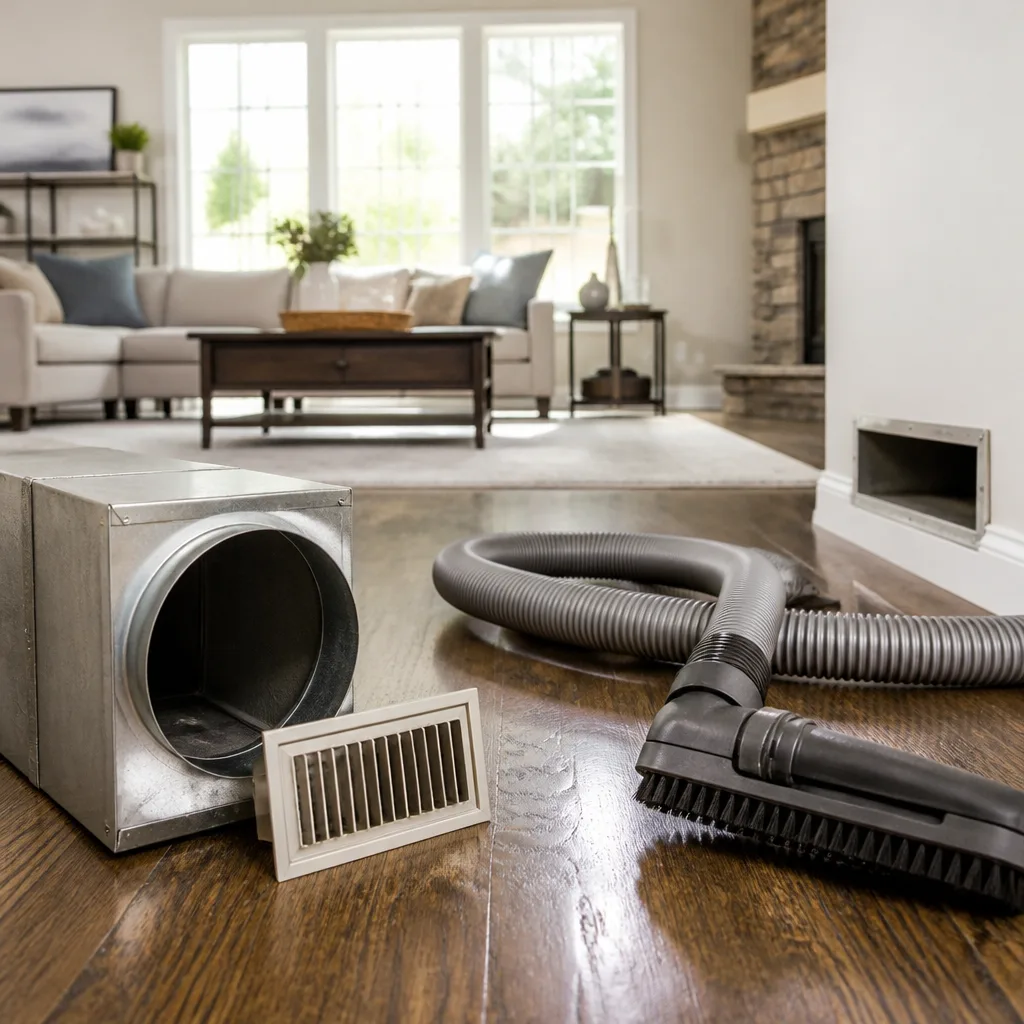
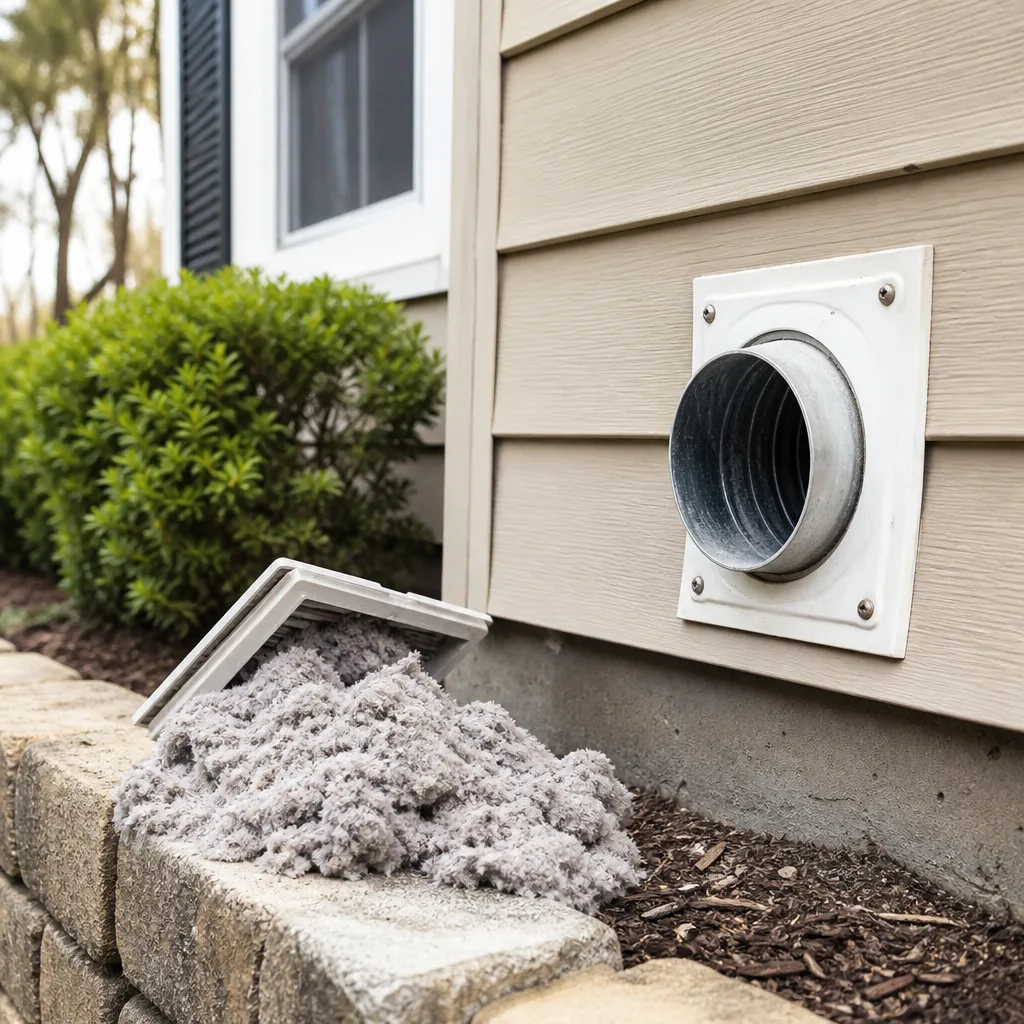
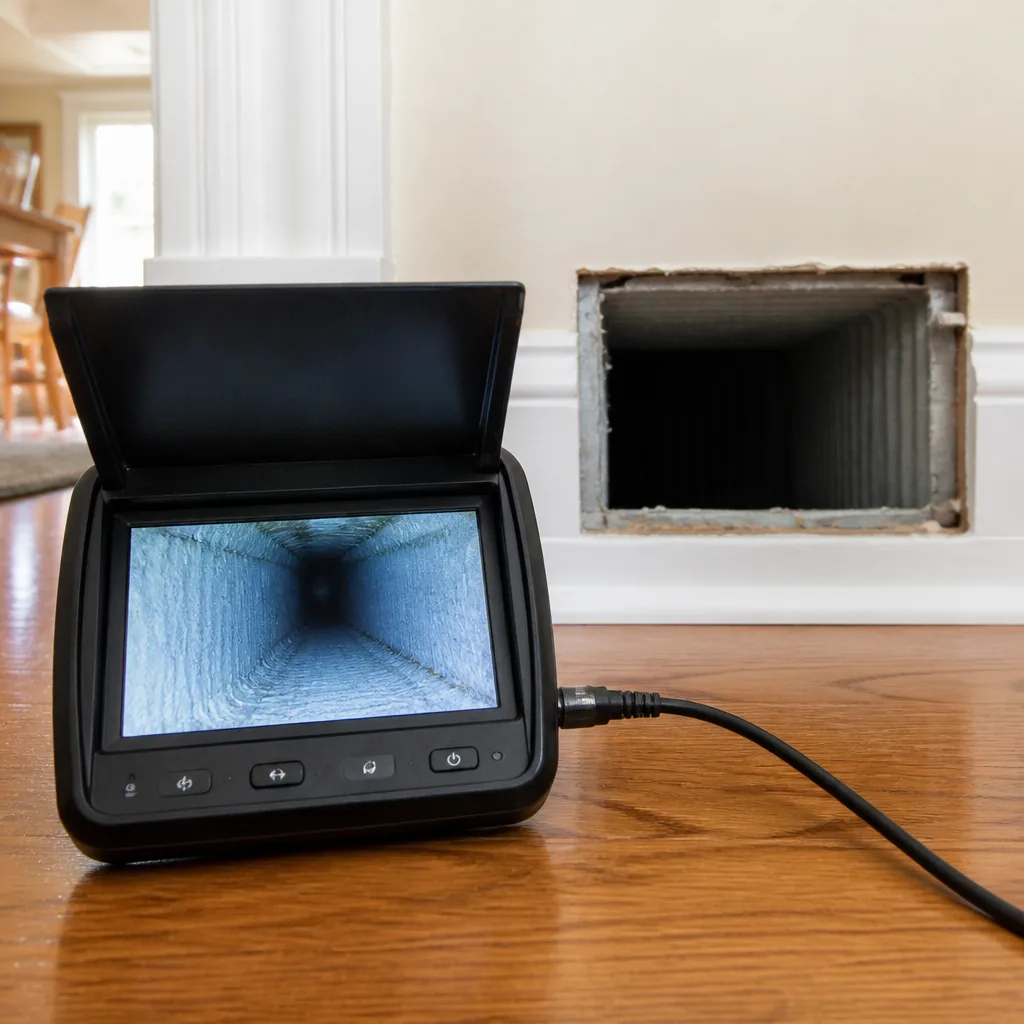
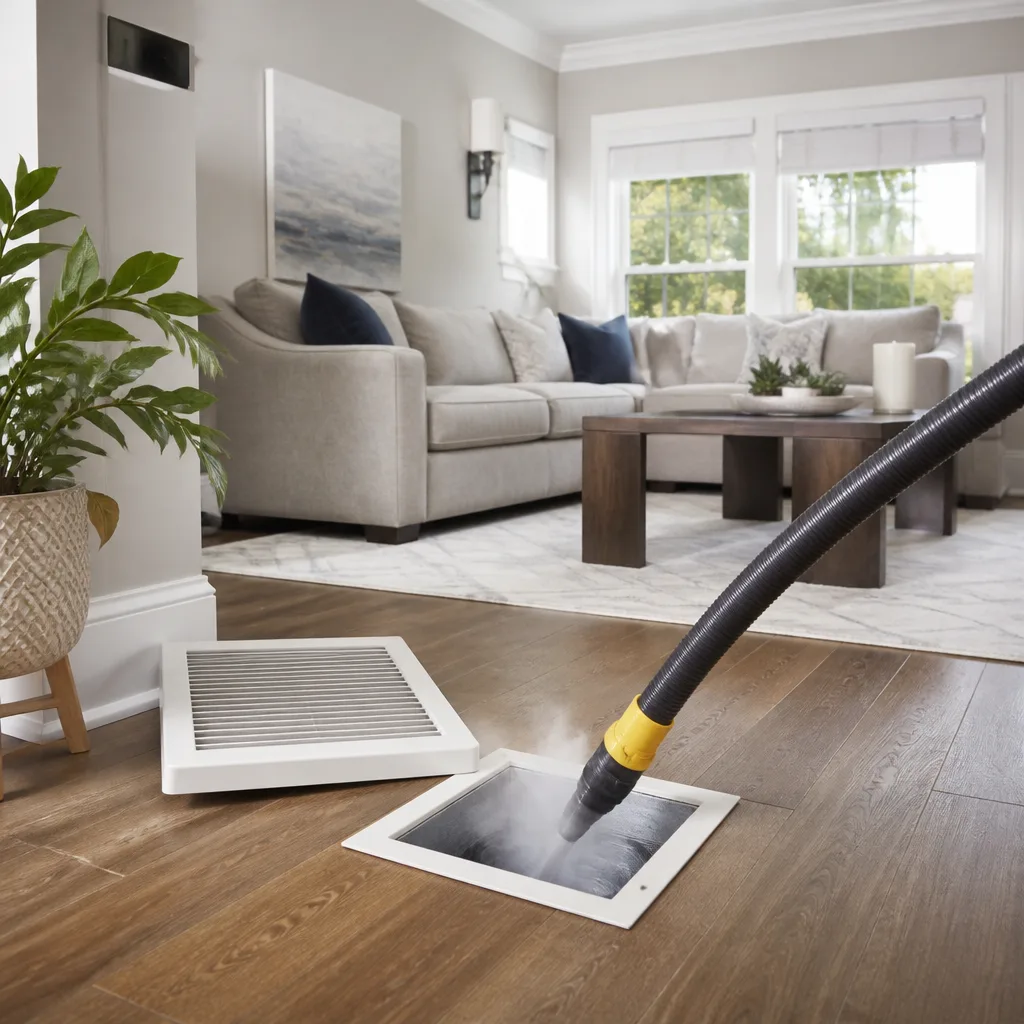
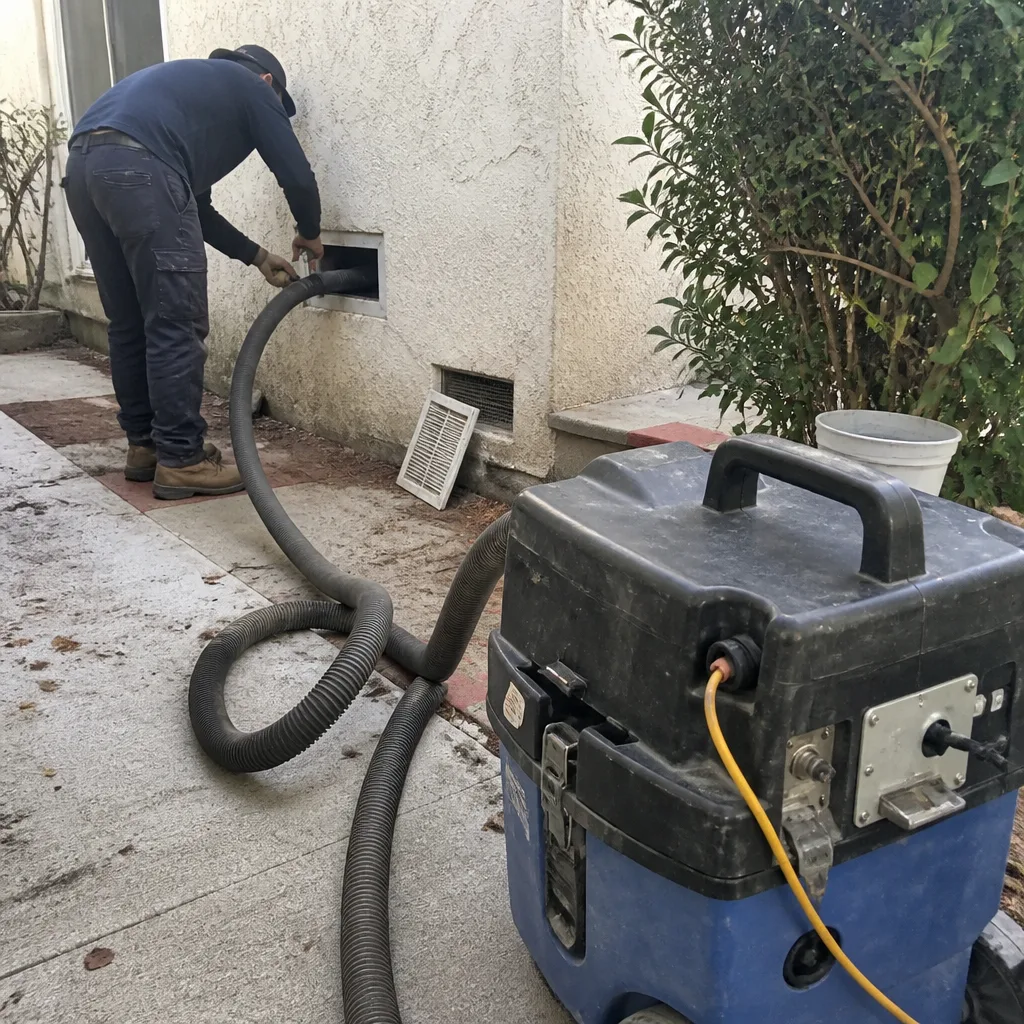 Before
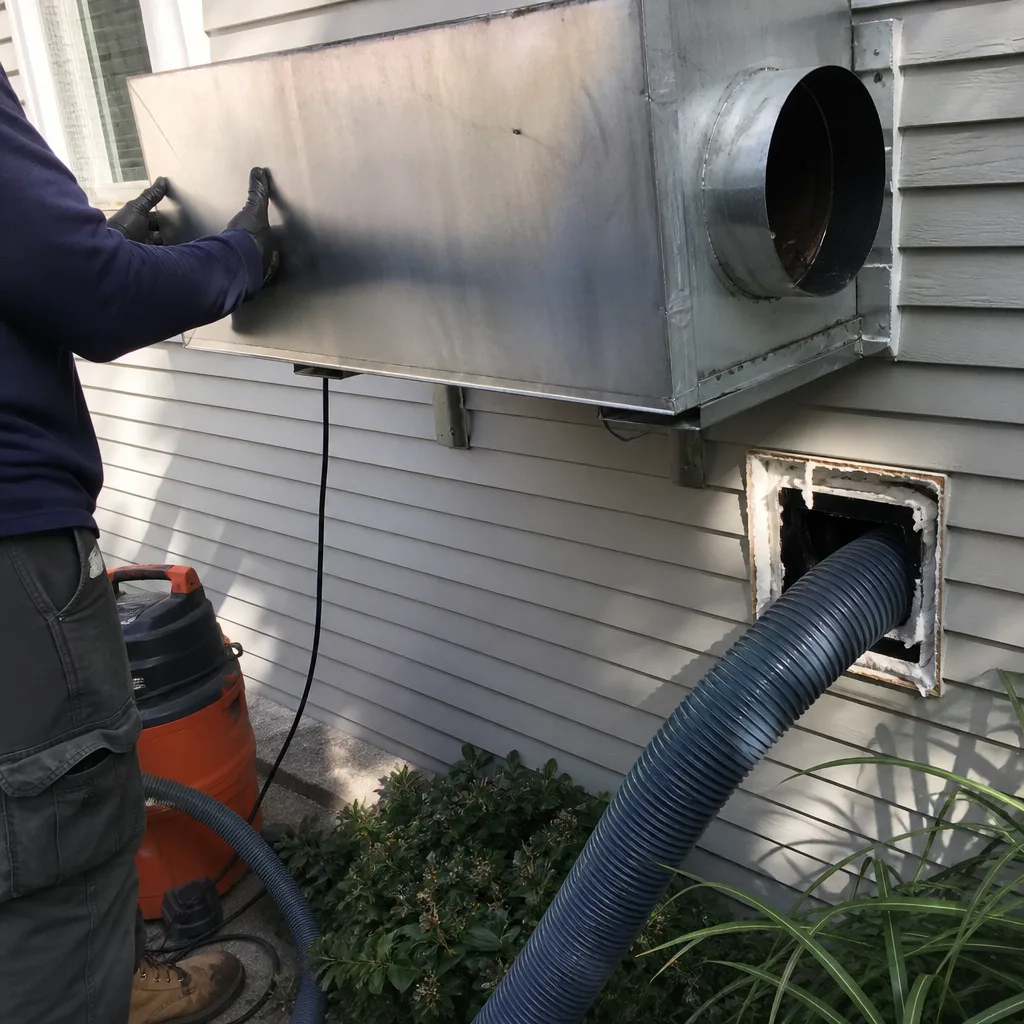 After
After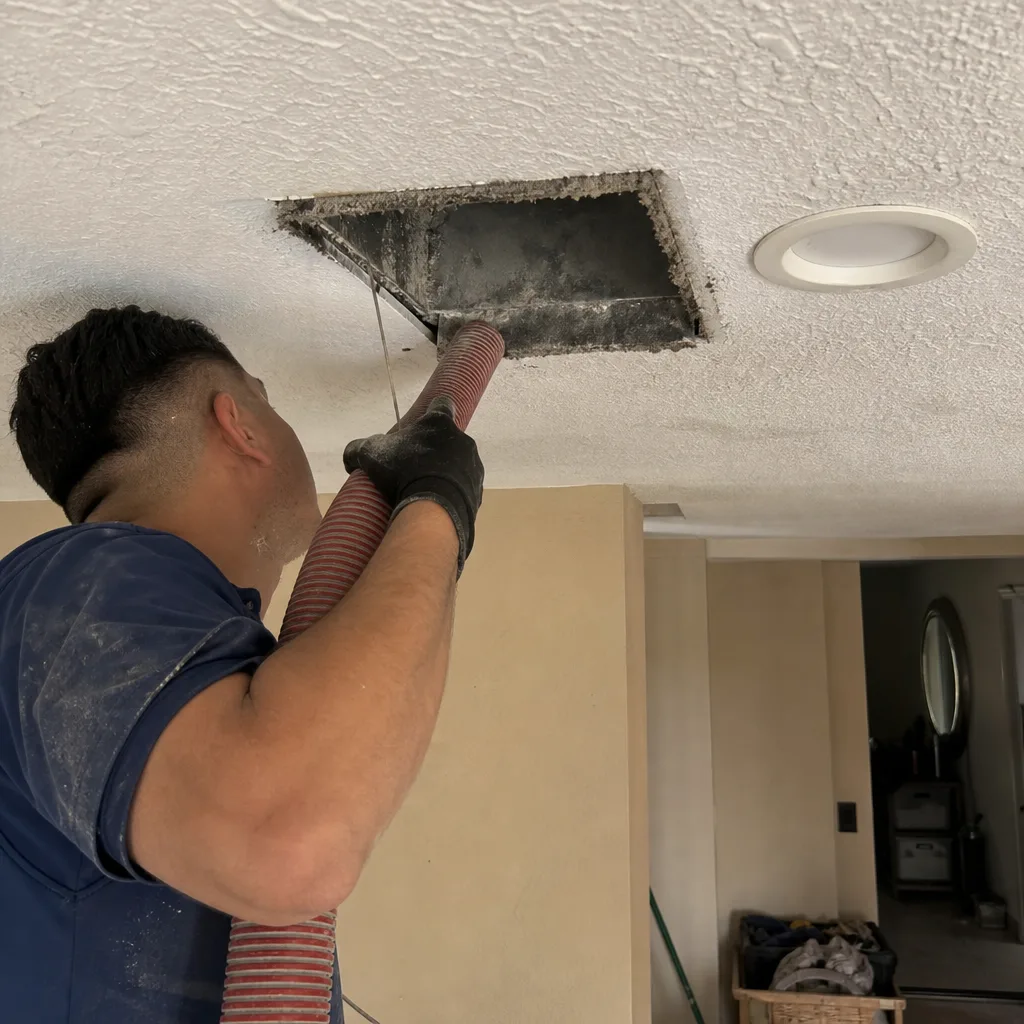 Before
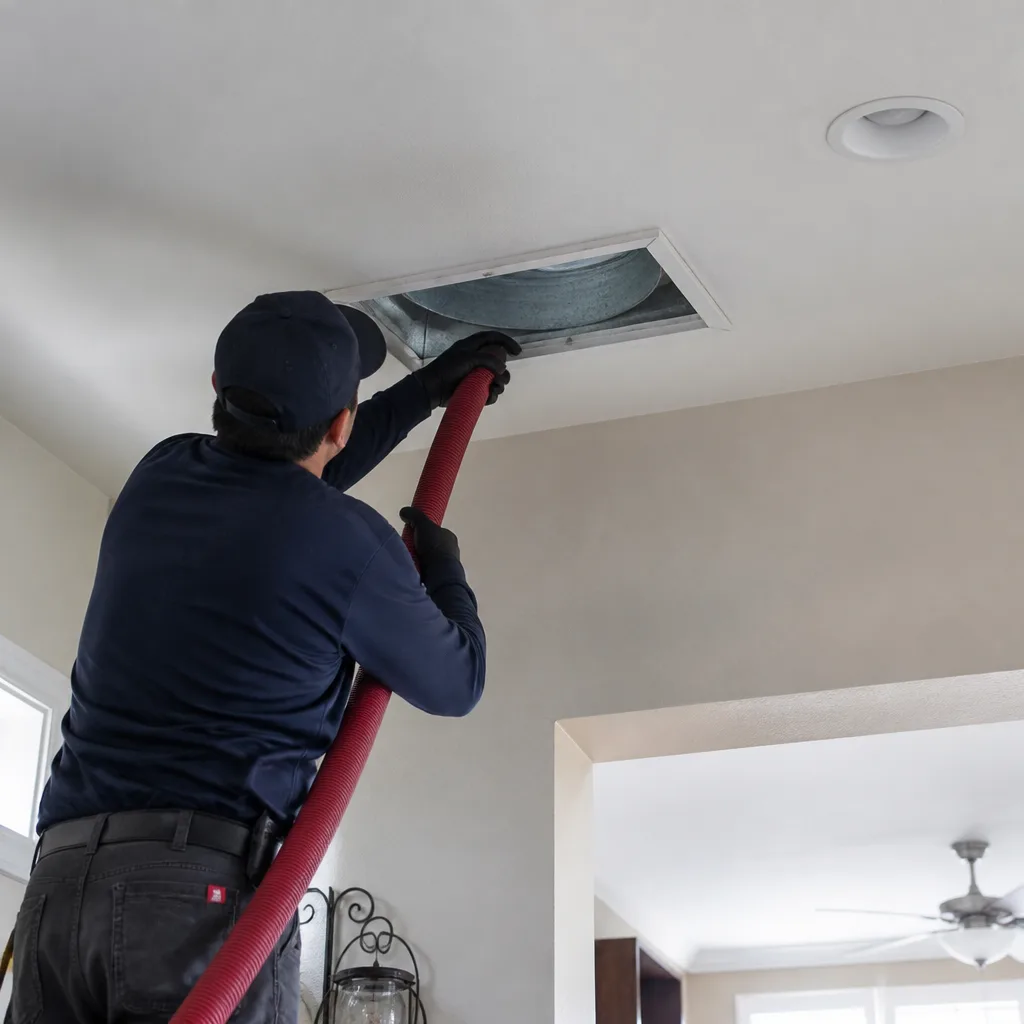 After
After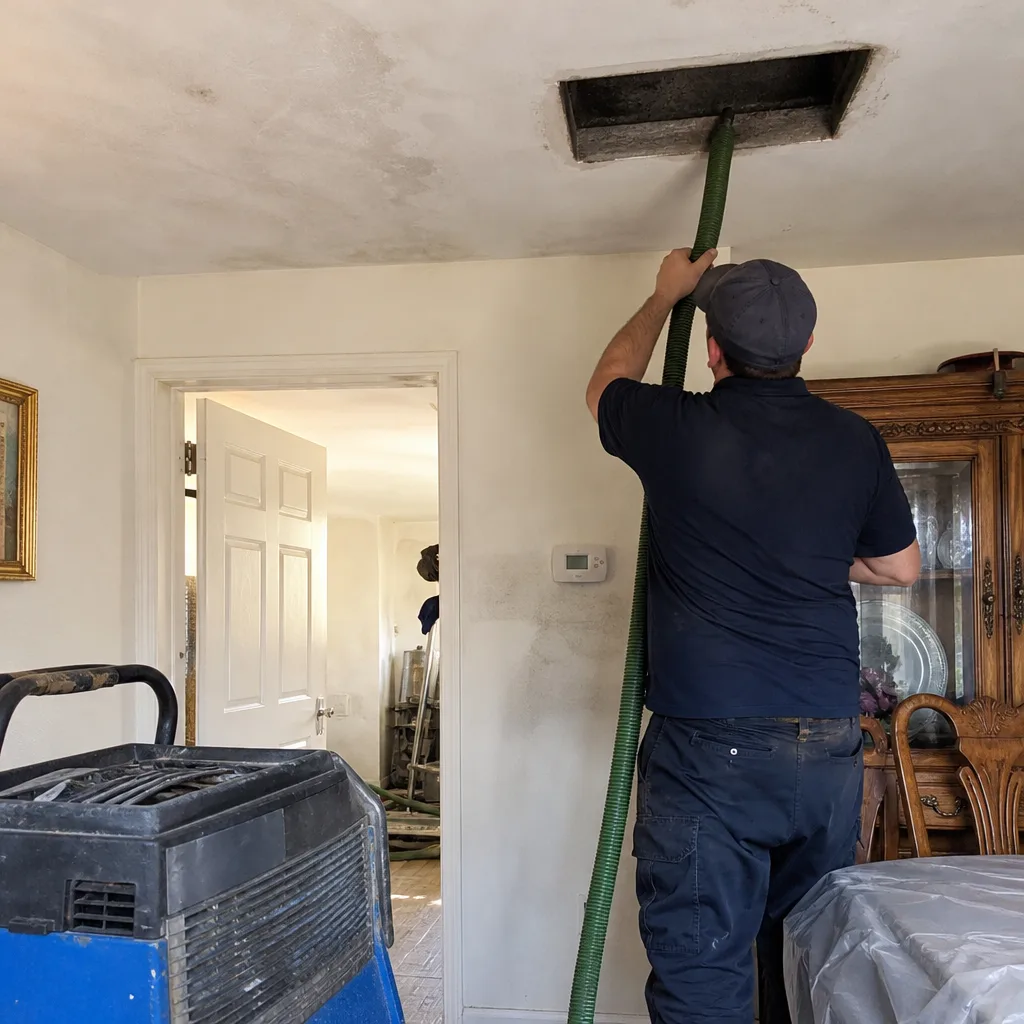 Before
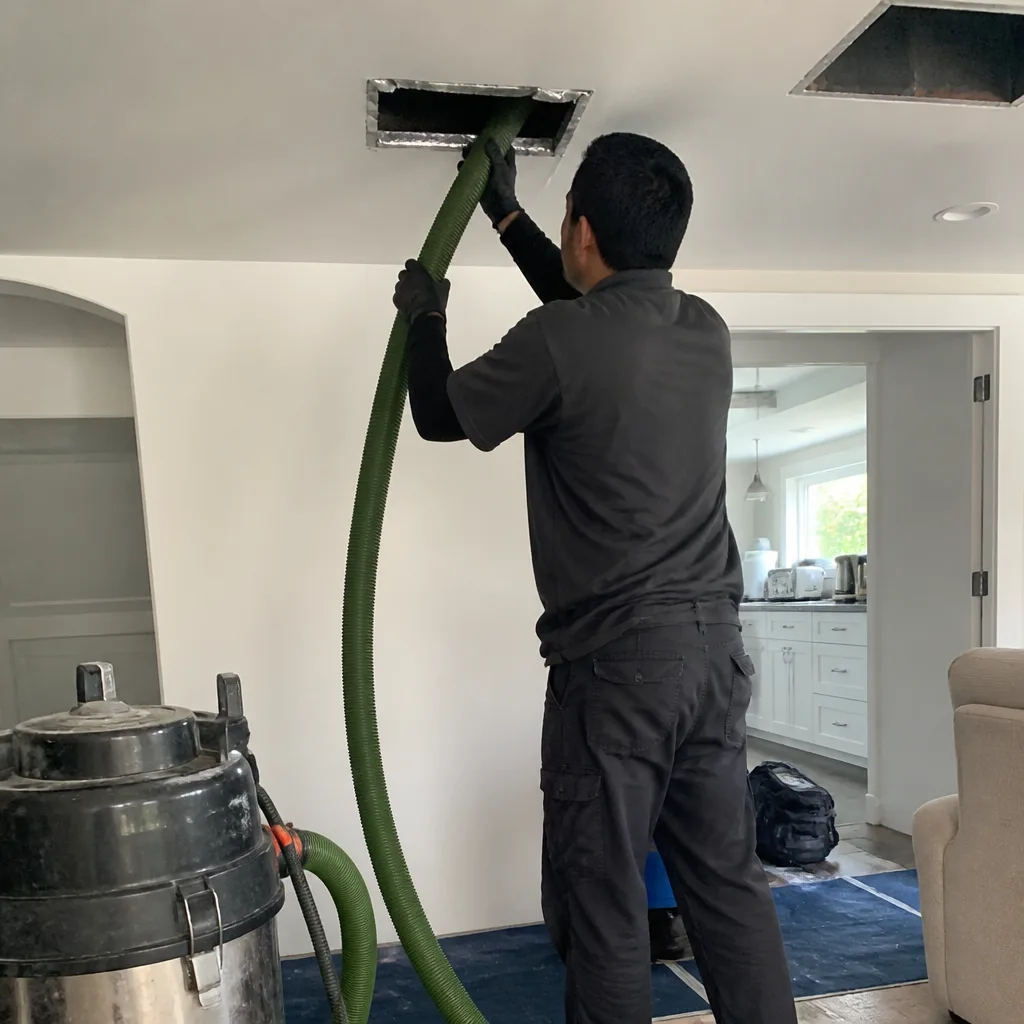 After
AfterAir Duct Cleaning Maintenance Schedule: What to Do and When
Here’s a fact most air duct cleaning companies won’t lead with: the EPA does not recommend a set cleaning frequency. No “every three years,” no “every five years,” no annual spring-cleaning ritual. The agency’s position is that ducts should be cleaned as needed, which means the “3-to-5-year rule” you see plastered across the industry is a sales interval, not a maintenance standard. In Los Angeles, where we run trucks through neighborhoods from the Westside to the Valley every day, we’ve seen ducts that looked nearly new after seven years, and ducts that needed serious work after eighteen months. The difference is never the calendar. It’s the conditions inside the home. This guide replaces the vague rule with a trigger-based schedule you can actually apply to your house, and you can explore our Air Duct Cleaning services when you’re ready to act on it.
Quick Answer
Air ducts should be cleaned when specific triggers say they’re dirty, not on a fixed calendar. For a typical Los Angeles home with no pets, no smokers, and a MERV 8 filter changed every 90 days, a professional cleaning every 4 to 6 years is often enough. But any of these events resets the clock immediately: a renovation with drywall work, evidence of rodents, a flood or moisture event, an HVAC replacement, or a household member developing unexplained allergy symptoms. Filter grade matters as much as time: a MERV 13 filter catches far more particulate than a MERV 8, which directly slows how fast your ducts re-contaminate.
Table of Contents
- What the EPA Actually Says About Air Duct Cleaning
- The 5 Trigger Events That Reset the Clock
- How Filter Grade Changes Your Cleaning Interval
- The Household Condition Matrix: Pets, Smokers, Allergies, Wildfire
- What to Do Between Professional Cleanings
- How to Document Your Duct Cleaning History
- Los Angeles-Specific Factors That Affect Your Schedule
- Common Mistakes to Avoid
- When to Call a Professional
- Frequently Asked Questions
- The Bottom Line
What the EPA Actually Says About Air Duct Cleaning
The Environmental Protection Agency’s guidance on duct cleaning is shorter than most people expect, and it boils down to this: clean ducts when they are dirty. The agency does not endorse routine cleaning as a preventive measure, does not recommend a time interval, and explicitly states that no evidence proves duct cleaning prevents health problems on its own. What the EPA does say: clean your ducts if there is substantial visible mold growth, if ducts are infested with rodents or insects, or if ducts are clogged with excessive dust and debris that is actually being released into the living space.
That sounds simple until you realize most homeowners in Los Angeles have never looked inside their ducts. Metal ducts behind drywall, flexible ducts in attics that hit 140 degrees in August, return plenums in garages that breathe construction dust from the 1950s. You can’t see any of it from the living room. What you can see are the signals: dust accumulating on register covers within days of cleaning, a visible film on the return grille, air that smells stale when the system kicks on, or allergy symptoms that spike when the AC runs. Those are evidence, and evidence beats calendar date every time.
Our position, after running duct cleaning crews in Los Angeles since 2004, is that the trigger-based approach is the only honest one. A fixed interval assumes every home contaminates at the same rate, and that is simply not true. Two houses on the same block in Sherman Oaks can have completely different duct conditions because one has three dogs and the other has a HEPA filter on every return. One needs cleaning in three years. The other might not need it for a decade.
The 5 Trigger Events That Reset the Clock
Whatever your last cleaning date, these five events mean the ducts need to be evaluated by a professional. Not necessarily cleaned, but evaluated. And in our experience, four of the five usually result in cleaning.
1. HVAC Replacement or Major Repair
When a new furnace or air handler goes in, the existing ductwork is almost never new. Los Angeles homes built in the 1960s and 1970s, which is a huge portion of the housing stock from Eagle Rock to the San Fernando Valley, often still have original ducts. A new blower pushing against decades of accumulated debris is a recipe for that debris ending up in your air. We recommend scheduling a duct cleaning immediately after any HVAC replacement, before the new system runs its first full season. The cost of cleaning is a fraction of the cost of running a new system through dirty ducts.
2. Renovation with Drywall Work
Drywall dust is fine enough to pass through a MERV 8 filter and settle deep inside duct runs. Kitchen remodels, room additions, bathroom gut renovations, even a single wall removal generates pounds of gypsum dust that your system will happily distribute. Anytime a Los Angeles homeowner does renovation that involves cutting or sanding drywall, the ducts should be sealed off during the work and cleaned after. Most general contractors do not seal registers during demo, and the result is dust you’ll be breathing for years.
3. Rodent Evidence
Rats are a fact of life in Los Angeles. Attics, crawlspaces, garage utility rooms. Ductwork in those spaces is often flexible or unsealed, and rodents get in. If you’ve heard scratching in the attic, found droppings near a register, or had a pest control company confirm rodent activity, the ducts need to be inspected and cleaned. Rodent waste inside ductwork is a health issue, not just an odor problem. This is one of the few triggers where the EPA’s language is direct: infested ducts get cleaned.
4. Flood or Moisture Event
Water in ductwork is a problem even after it dries. Moisture activates mold spores that were dormant in the dust layer, and dried organic residue inside ducts becomes food for mold the next time humidity rises. Los Angeles doesn’t get much rain, but it gets plumbing failures, AC condensate leaks, and the occasional burst supply line in an attic. After any water event that touches the duct system, either directly or through high humidity in the space where ducts run, get an inspection. Insulated flex duct that has been wet often cannot be effectively cleaned and should be replaced.
5. Unexplained Respiratory Symptoms
If someone in the home develops persistent allergy symptoms, congestion, or sinus irritation that improves when they leave the house and worsens when the AC runs, that’s a trigger. It does not prove the ducts are the cause, but it warrants an inspection. We’ve cleaned ducts in Los Angeles homes where the amount of debris pulled out made it obvious why the homeowner had been coughing for a year. The ducts were the source, and the symptoms resolved after cleaning. This is the trigger where you want a camera inspection before you commit to anything.
How Filter Grade Changes Your Cleaning Interval
Here’s the maintenance equation most guides skip: the filter is the gatekeeper for everything that enters your ducts. A better filter means less contamination reaching the duct interior, which means a longer interval between cleanings. It is that direct.
The MERV scale, Minimum Efficiency Reporting Value, runs from 1 to 16 for residential use. Here’s what matters for duct contamination:
- MERV 8 (typical fiberglass or basic pleated): Catches roughly 70 to 85 percent of particles 3 to 10 microns. This is the default filter in most homes. Pollen, lint, and some dust get caught. Fine dust, smoke particulate, and pet dander pass through and settle in your ducts.
- MERV 11: Catches a meaningful portion of pet dander and finer dust. A solid upgrade for homes with pets. Expect maybe 20 to 30 percent less duct contamination than MERV 8 over the same period.
- MERV 13: Catches fine particulate including smoke and much dander. During Los Angeles wildfire season, a MERV 13 filter is the minimum we recommend. It also dramatically slows duct re-contamination because the particles that settle in ducts never get past the filter in the first place.
The tradeoff with higher MERV ratings is airflow resistance. Not every system can handle a MERV 13 filter without reducing airflow. Older Los Angeles HVAC systems, especially those with single-speed blowers installed before efficiency standards tightened, may struggle. A MERV 11 or 13 filter in a system not designed for it means higher static pressure, which reduces efficiency and can strain the blower motor. We tell homeowners to upgrade in steps: try a MERV 11, check that the system still cools the house normally, then consider MERV 13 if it does. The filter brand matters less than the rating, but we’ve installed filtration products from Honeywell, Aprilaire, and Guardsman on Los Angeles jobs and all three hold up well in our climate.
The practical takeaway: a home running MERV 8 filters and changing them quarterly will need duct cleaning significantly more often than the same home running MERV 13 filters. Upgrading your filter is part of the maintenance equation, not a separate project.
The Household Condition Matrix: Pets, Smokers, Allergies, Wildfire
Instead of asking “how many years since my last cleaning,” ask “what’s happening inside these walls right now.” Here is how specific household conditions adjust the real interval:
- One or more indoor pets: Dogs and cats shed continuously, and even with regular grooming, dander and fur enter the system. Expect roughly 30 to 50 percent faster duct contamination. A home with two dogs and MERV 8 filters might need cleaning every 3 to 4 years instead of 5 to 6.
- Smokers in the household: Cigarette smoke residue is sticky and accumulates on duct walls, where it traps other particulate. Smoke also permeates flex duct insulation in ways cleaning cannot fully reverse. If smoking occurs inside the home, assume a shorter interval and consider it a separate air quality issue that no duct cleaning can fully solve.
- Allergy or asthma sufferers: The presence of respiratory conditions in the household doesn’t change how fast ducts get dirty, but it changes your tolerance for them being dirty. Homes with allergy-sensitive residents should lean toward more frequent cleaning, since even moderate dust release matters more to someone who is already reactive.
- Wildfire proximity: Los Angeles wildfire seasons are getting longer, and smoke particulate is one of the most penetrating contaminants we deal with. Smoke particles are small enough to pass through filters that catch dust effectively, and they settle deep in ducts. After any season where smoke hung over your neighborhood for a week or more, have ducts inspected. If you run the AC during heavy smoke days with a MERV 8 filter, assume significant deposits accumulated.
- High foot traffic or nearby construction: Homes near freeway corridors, like those along the 101, 405, or 110 in Los Angeles, accumulate brake dust and exhaust particulate faster than homes in quieter residential pockets. Nearby construction, especially demolition or masonry work, adds to the dust load entering through windows, doors, and the intake.
Here’s the matrix in a simple form. Assume a baseline of 4 to 6 years for an average home with MERV 8 filters and no unusual conditions:
- Baseline home, MERV 8: 4 to 6 years
- + one pet: 3 to 5 years
- + two or more pets: 2.5 to 4 years
- + indoor smoker: 3 years or less
- + MERV 13 filter upgrade: add 1 to 2 years to any interval
- + recent wildfire smoke exposure: inspect now, clean if deposits found
- + allergy-sensitive resident: lean toward the short end of any range
What to Do Between Professional Cleanings
Between cleanings, there are maintenance habits that slow re-contamination and keep your system running clean. None of these require special tools or skills.
- Change filters on a real schedule. Not when you remember. The standard is every 90 days for MERV 8, every 6 months for higher grades in a clean home, every 90 days even for MERV 13 in a home with pets. Write the date on the filter frame when you install it.
- Vacuum return grilles monthly. The return is where air enters the system, and every bit of dust you remove at the grille is dust that never reaches the ducts. A crevice tool on the vacuum, two minutes, once a month.
- Check supply register covers quarterly. If a register cover shows visible dust accumulation within weeks of cleaning, your ducts are shedding particulate faster than they should. That’s evidence for your next decision, not just a housekeeping chore.
- Keep the area around returns clear. Furniture, rugs, or stored boxes against a return grille restrict airflow and create low-pressure zones where dust collects. Six inches of clearance is enough.
- Run the fan during and after dusty work. If you’re sanding, cutting, or doing any interior work that generates dust, run the HVAC fan (not heat or cool, just fan) with a clean high-MERV filter installed. This captures airborne dust before it settles. Replace that filter when the work is done.
How to Document Your Duct Cleaning History
The reason many homeowners get sold an unnecessary duct cleaning is that they have no record of the last one. A knock at the door or a mailer with a low teaser price sounds reasonable when you can’t remember if the ducts were ever cleaned at all. Documentation fixes this.
Create a simple record for every duct service. Here’s what to capture:
- Date of service. Month and year are enough. This becomes your reference point for every future decision.
- Company name and technician. If you need to call back, you want to know who did the work.
- What was done. “Full duct cleaning, all supply and return runs, plenum included” versus “return side only.” These are different jobs.
- Photos. Any reputable contractor in Los Angeles should provide before-and-after photos from inside the ducts. These are the single best evidence of what was actually done. Save them.
- The written price. Keep the invoice. If a future contractor quotes a wildly different price for the same scope, that’s useful information.
Store this in a folder or a phone note. The next time someone tells you it’s “probably time for a cleaning,” you’ll know exactly when the last one happened and what it covered. We’ve had Los Angeles customers show us documentation from other companies, and it makes the conversation honest. We know what was done, we can inspect what the condition is now, and we can give a straight answer on whether cleaning is actually warranted.
This is also where the Hollis Air Duct Cleaning home approach to written documentation matters. Every job we do includes a written scope and price before work starts, and we document the condition before and after. If you ever need to know what was done and what it cost, it’s on paper.
Los Angeles-Specific Factors That Affect Your Schedule
Los Angeles is not a generic climate. The specific conditions of this city change how fast ducts get dirty, and a maintenance guide written for the national average misses them.
Climate and air quality: Los Angeles has long stretches of mild weather where windows stay open and the HVAC runs intermittently. Intermittent operation means dust has time to settle inside ducts between runs, then gets stirred up when the system kicks on. Combine that with periods of poor outdoor air quality, especially during wildfire season, and you have a dust-load pattern that’s different from a humid climate where systems run constantly. We see more fine particulate settled in the return side of Los Angeles systems than in damper, steadier climates.
Housing stock: A large portion of Los Angeles homes were built between 1940 and 1980. These homes have ductwork that is often original, unsealed at the joints, and running through attics that hit extreme temperatures in summer. Unsealed joints pull attic dust directly into the system, especially on the return side where negative pressure draws air in through every gap. Homes in neighborhoods like Studio City, Westchester, and the older parts of Pasadena frequently need duct sealing along with cleaning, which is why we offer Duct Sealing in Los Angeles as part of the maintenance conversation.
Pest pressure: Rats and mice are present across Los Angeles, and attics are their primary route into homes. Ductwork in attics with any gap or unsealed connection is vulnerable. If you’re in a neighborhood with mature trees, overhead power lines, or older construction, rodent pressure is higher. Pest evidence is a cleaning trigger regardless of what the calendar says.
The market dynamic: Los Angeles is a competitive market for duct cleaning, which means homeowners get a lot of contradictory advice from different companies. Some push aggressive timelines because that’s their business model. Others lowball the price and then upsell once they’re in the door. The antidote to both is the trigger-based framework in this guide. You’re making the decision based on conditions in your home, not on a sales pitch. For Air Duct Cleaning in Los Angeles or Dryer Vent Cleaning in Los Angeles, the same logic applies: real conditions determine what’s needed, not a postcard.
Common Mistakes to Avoid
- Buying a duct cleaning because a mailer said it’s time. A fixed-interval claim without an inspection is a sales pitch, not a maintenance recommendation. Demand to see the evidence from inside your ducts before agreeing to anything.
- Using the filter as a substitute for cleaning. A quality filter slows contamination, but it does not remove what’s already inside the ducts. Upgrading to MERV 13 on a system with ten years of accumulated dust doesn’t clean the ducts; it just means future dust gets caught before adding to the problem.
- Ignoring the return side. The return ducts pull air from the living space and are usually dirtier than supply runs, because that’s where unfiltered air enters. Any cleaning that skips the return side is half a job.
- Accepting a quote without a written scope. In Los Angeles, “duct cleaning” can mean anything from doing the main trunk line only to cleaning every supply and return run. If the scope isn’t written down, you don’t know what you’re buying. Our standard is a written price for the specific scope before any work starts, and that’s how the 365-Day Done Right Promise works: it’s tied to a documented job, not a handshake.
- Cleaning ducts in a home with active moisture problems. If water is still entering the system, cleaning is temporary. Fix the leak or moisture source first, then clean, or you’ll be cleaning again soon.
- Skipping the dryer vent while focusing on ducts. Dryer vents clog on a shorter timeline than ducts and present a fire hazard. We clean dryer vents as a separate service in Los Angeles because the interval is different: every 1 to 2 years for most homes, more often for long vent runs or households doing heavy laundry.
- Not documenting the work. If you can’t prove the last cleaning happened and what it covered, you’re vulnerable to being sold another one. Build the record described above.
When to Call a Professional
Call a professional for an inspection when you see or experience any of the trigger conditions in this guide: a renovation just finished, you’ve had rodent or pest activity, water entered the system, you’re replacing the HVAC, or someone in the home has unexplained respiratory symptoms when the system runs. Also call if you’ve noticed dust accumulating on register covers within days of cleaning, which signals active debris release from the ducts. A camera inspection tells you in minutes whether cleaning is warranted, and most reputable companies in Los Angeles include it as part of the estimate process. Hollis Air Duct Cleaning offers free estimates in Los Angeles. Call (361) 326-5060 and we’ll schedule a time to inspect and give you a written price before any work starts.
Frequently Asked Questions
Air ducts should be cleaned when inspection shows significant dust accumulation, mold, or pest debris, not on a fixed schedule. For a typical Los Angeles home with no major triggers, that often means every 4 to 6 years. Homes with pets, smokers, recent renovations, or wildfire smoke exposure may need cleaning sooner. Call (361) 326-5060 for a free inspection and an honest read on your ducts.
Professional air duct cleaning for a typical Los Angeles home generally runs from $350 to $800, depending on the number of systems, the number of supply and return runs, and the level of contamination. Homes with extensive debris, pest residue, or very long duct runs can exceed that range. The price should be written down before work starts, with the scope clearly defined, and Hollis Air Duct Cleaning operates that way on every job.
Cheaper quotes usually mean a smaller scope of work: perhaps just the main trunk line, perhaps the return side only, perhaps an upsell hook that becomes a much larger invoice once the technician is in the home. In Los Angeles, teaser prices are common because the market is competitive and homeowners respond to low numbers. The honest comparison is scope-to-scope: what exactly is being cleaned, how many runs, and whether the price is in writing before work starts.
Ask for before-and-after photos from inside the ducts. Any legitimate duct cleaning company in Los Angeles has camera equipment and can show you the condition before and after. If a company cannot provide photos, or the photos don’t clearly show a different condition, you have reason to question the work. Hollis Air Duct Cleaning documents every job with camera evidence, and that documentation is part of the written record we leave with you.
Yes. A MERV 13 filter catches far more fine particulate than a MERV 8, which means less of that particulate ever reaches the inside of your ducts. The tradeoff is that higher-MERV filters restrict airflow, and not every system handles them well. Upgrade one step at a time and verify your system still cools effectively. Homes running MERV 13 filters with clean ducts routinely go longer between cleanings than homes running MERV 8.
In Los Angeles, where wildfire smoke, freeway particulate, and older housing stock are common, duct cleaning is often worth it when inspection shows real contamination. The city’s air quality adds a steady load of fine particulate, and older ductwork with unsealed joints pulls attic dust directly into the system. The key is to clean when there’s evidence, not when a calendar or a mailer says so. We use professional-grade equipment including Rotobrush rotary brush systems and Nikro negative-air machines, which is the standard for actually removing debris rather than just disturbing it.
The Bottom Line
Air duct cleaning belongs on a trigger-based schedule, not a calendar. The EPA’s guidance is clear: clean when ducts are dirty, and the evidence matters more than the interval. Filter upgrades slow contamination, household conditions change the timeline, and documentation protects you from unnecessary service. Renovations, rodents, moisture events, and HVAC replacements reset the clock regardless of your last cleaning date. In Los Angeles, where air quality and older housing stock add to the load, the framework matters even more. The discipline is simple: inspect, document, clean when evidence says to. If you want a straight answer on your ducts, call (361) 326-5060 for a free estimate and a written price before any work begins.
Written by Roy Castellanos, Owner at Hollis Air Duct Cleaning, serving Los Angeles since 2004. For more guides & resources, visit our blog.