
Last updated October 9, 2026
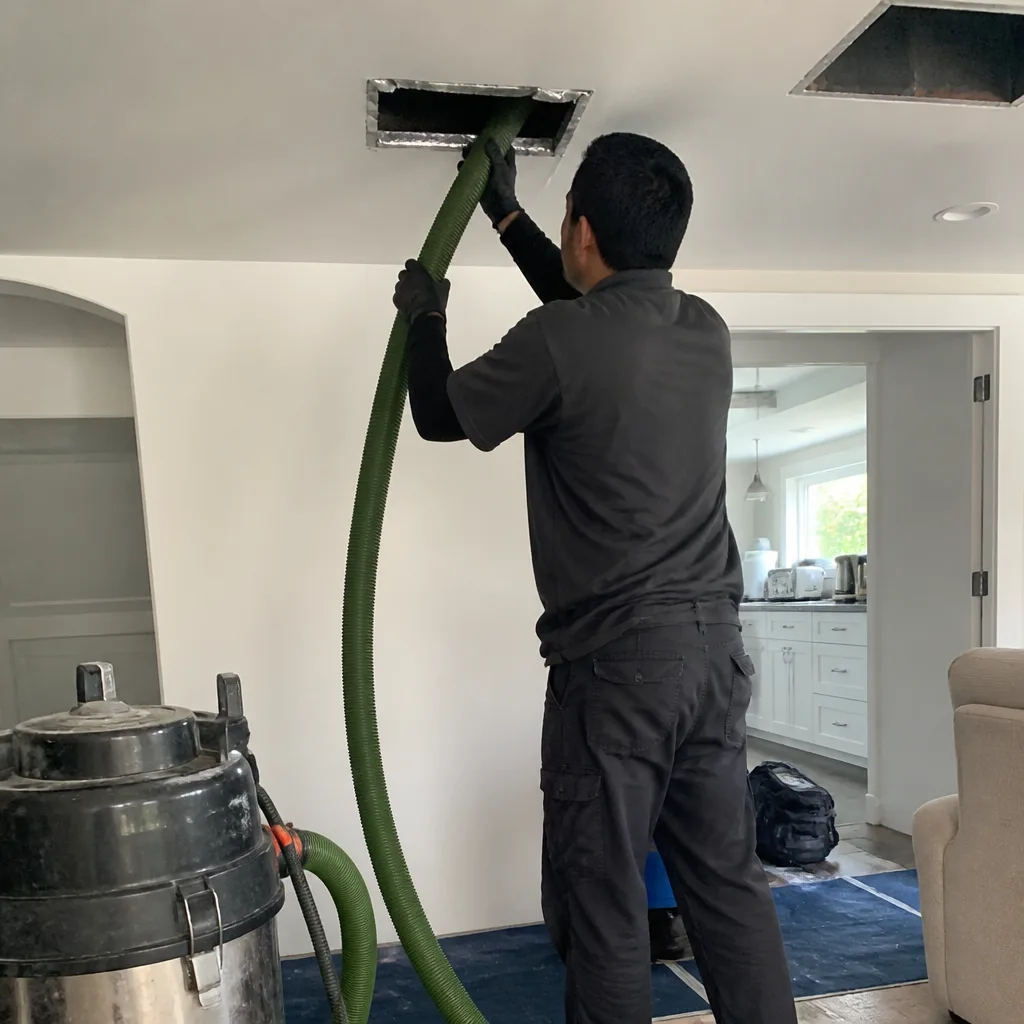
Whole-system duct and dryer vent check with before-and-after photos - you see exactly what came out of your vents
That "$99 whole-house special" is a bait ad - the real number appears once they are in your hallway, or the "clean" is a shop-vac at the register. We photograph the inside of your ducts before and after instead.
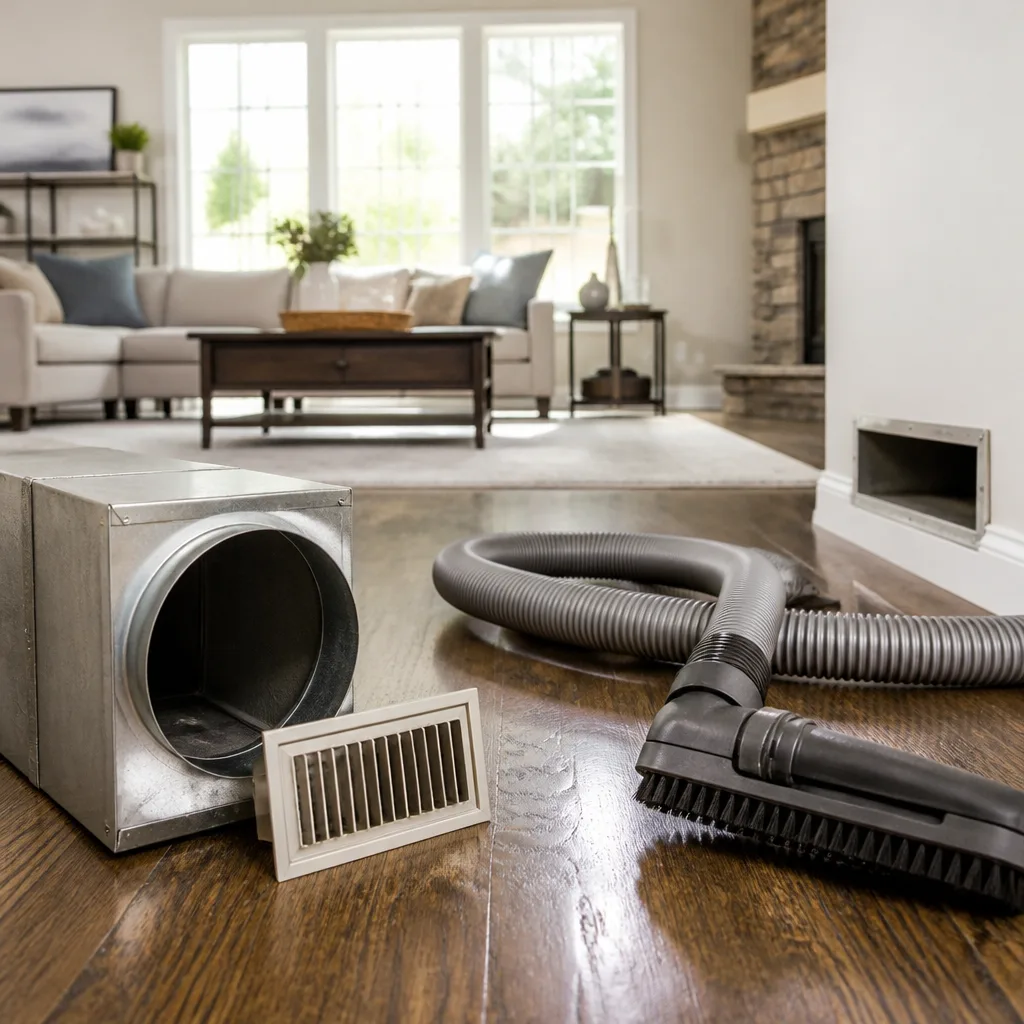
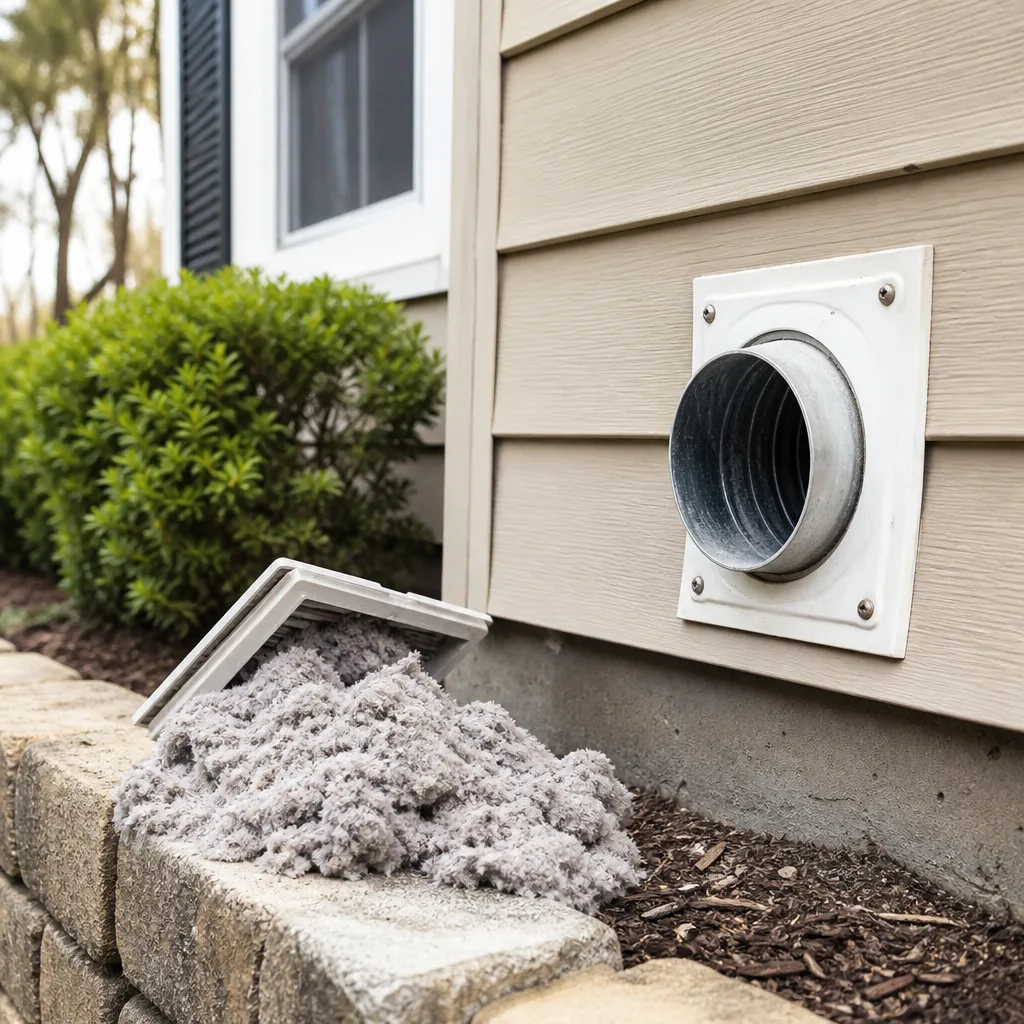
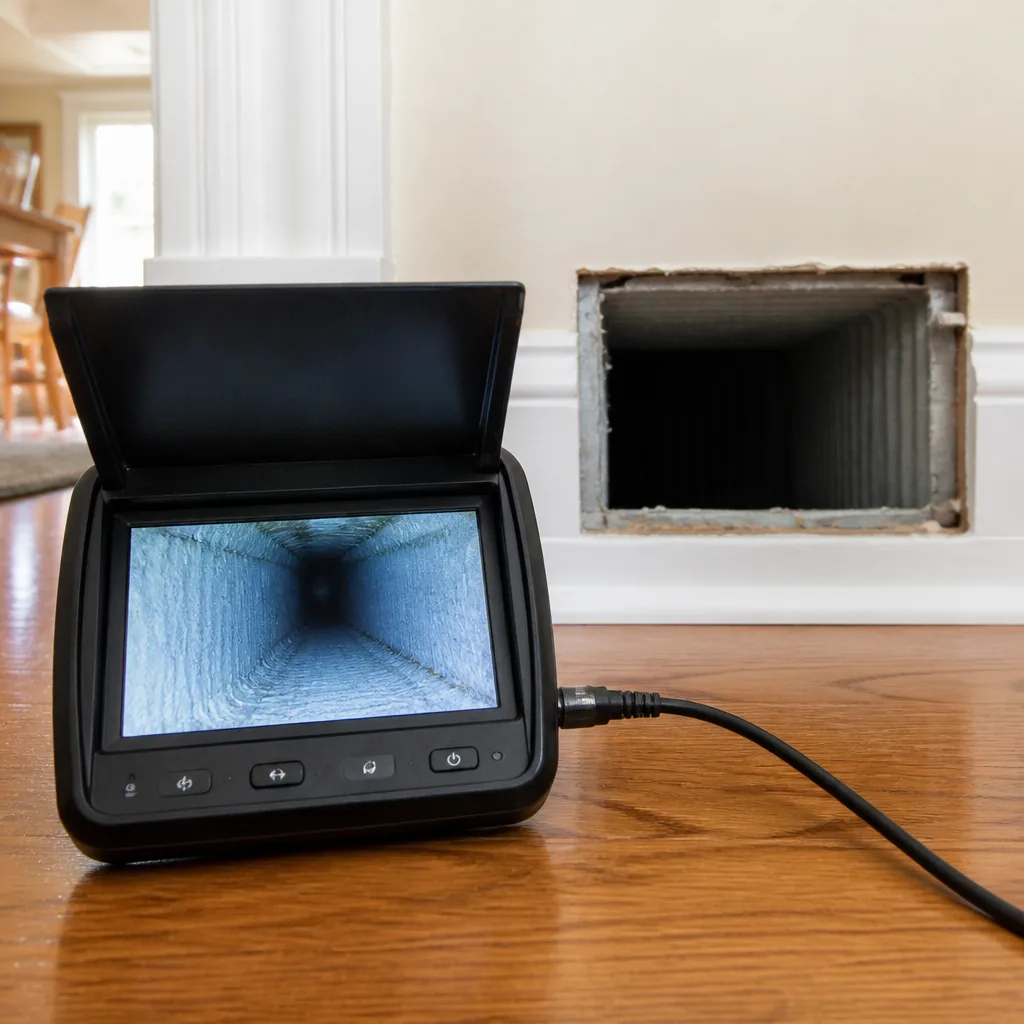
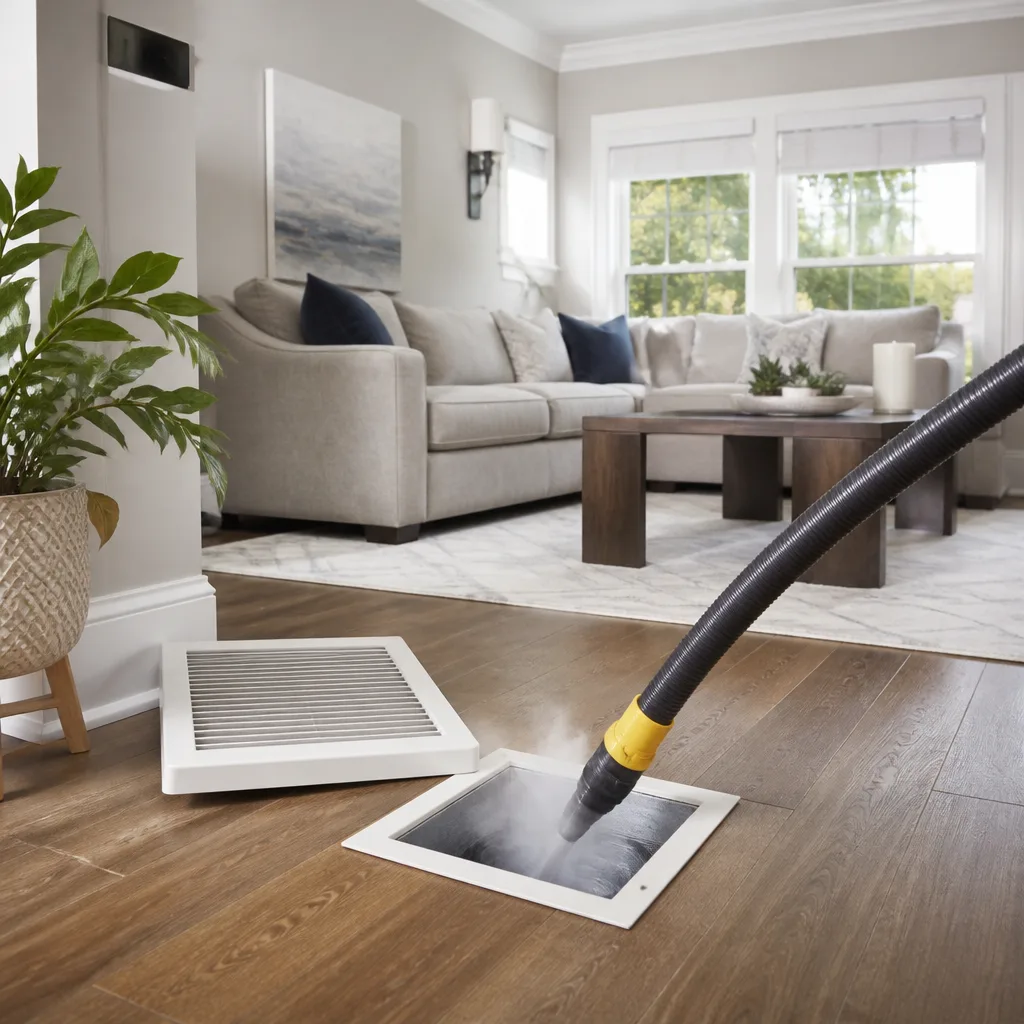
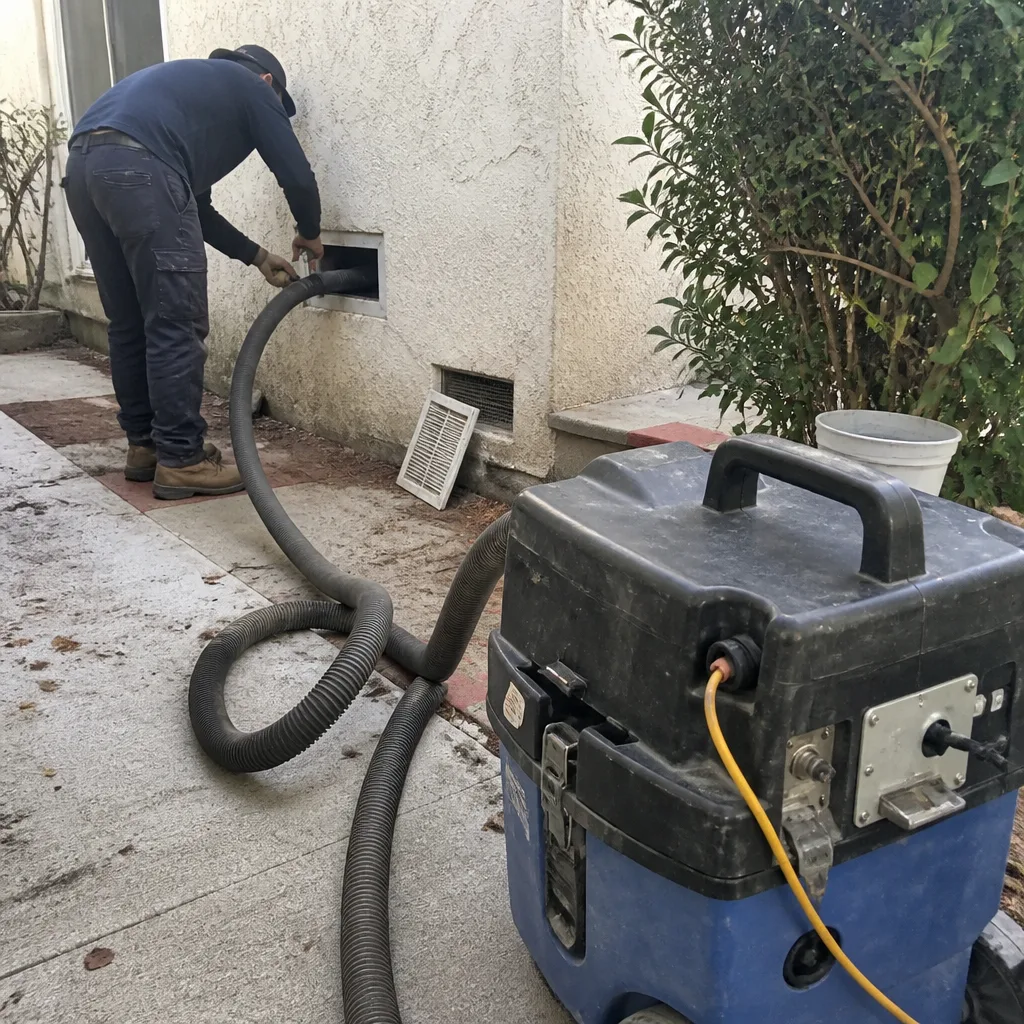 Before
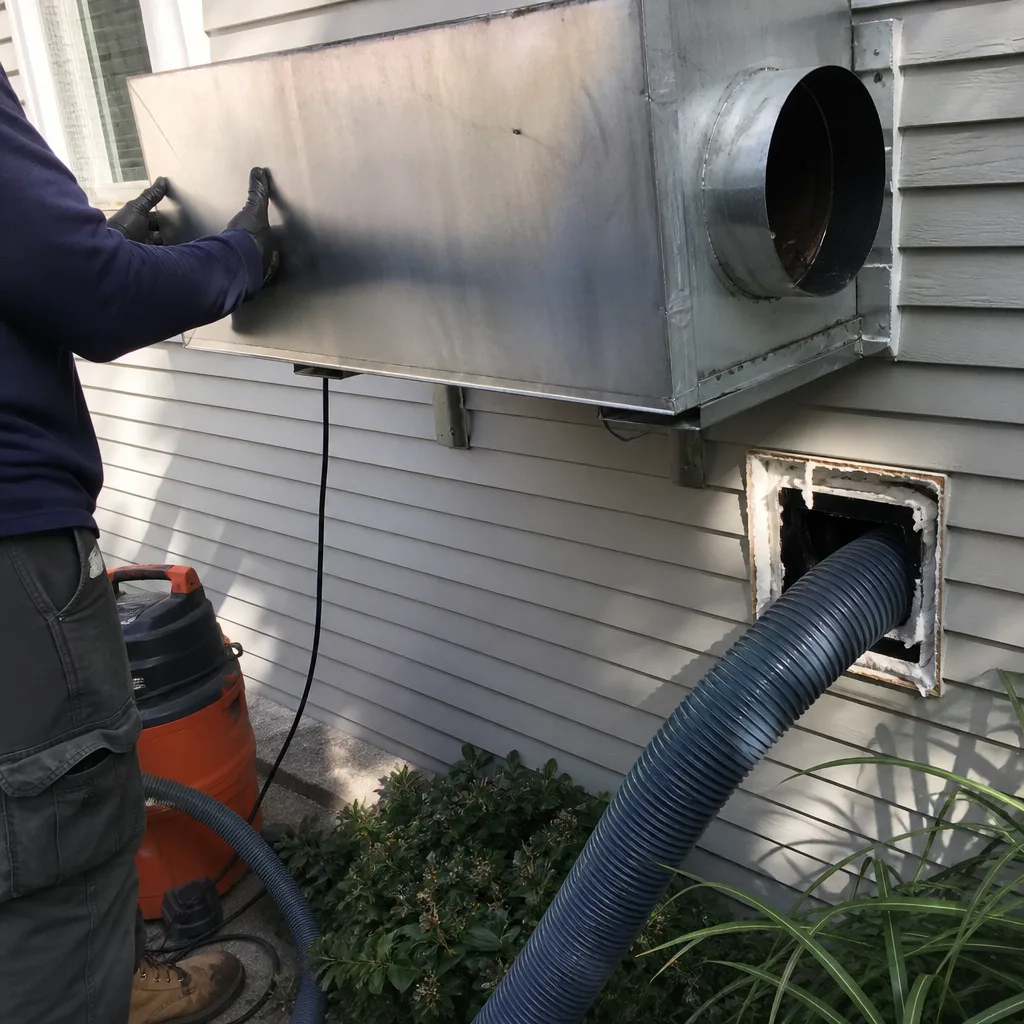 After
After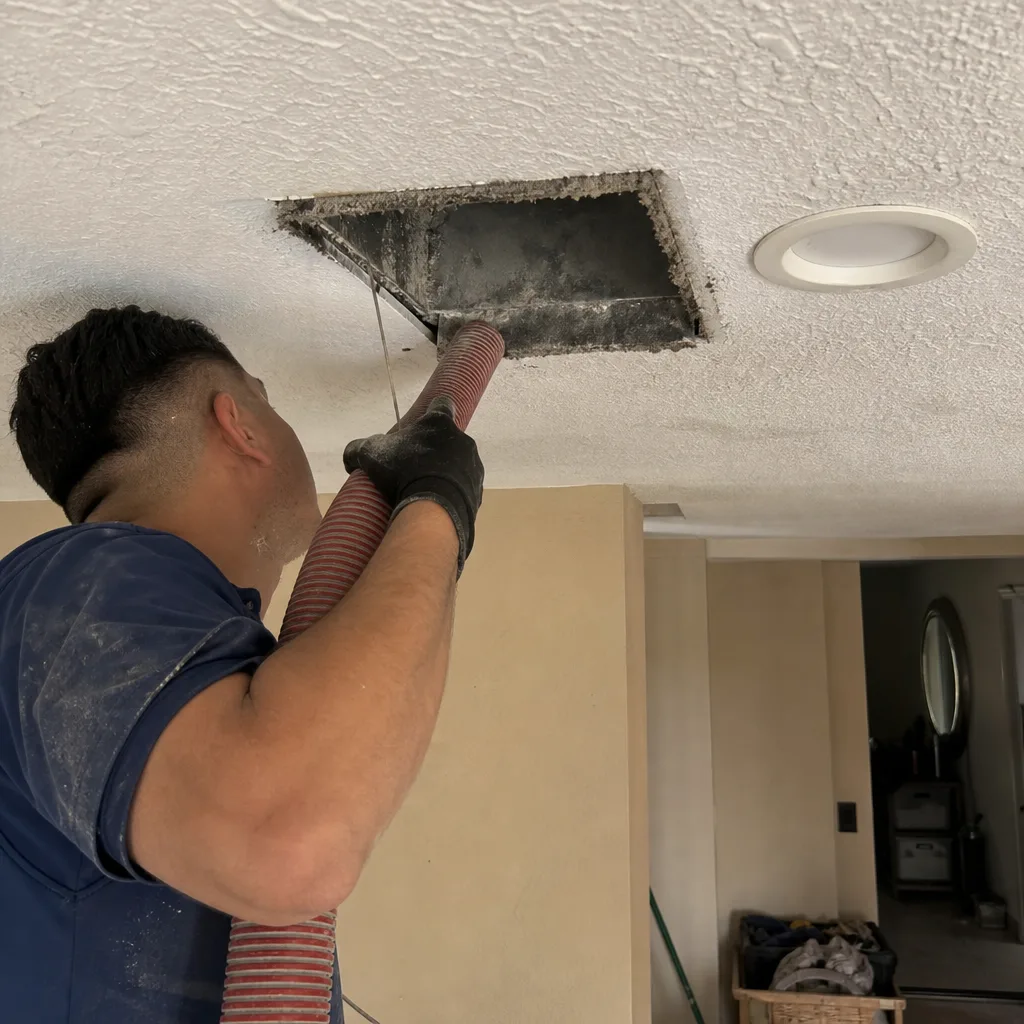 Before
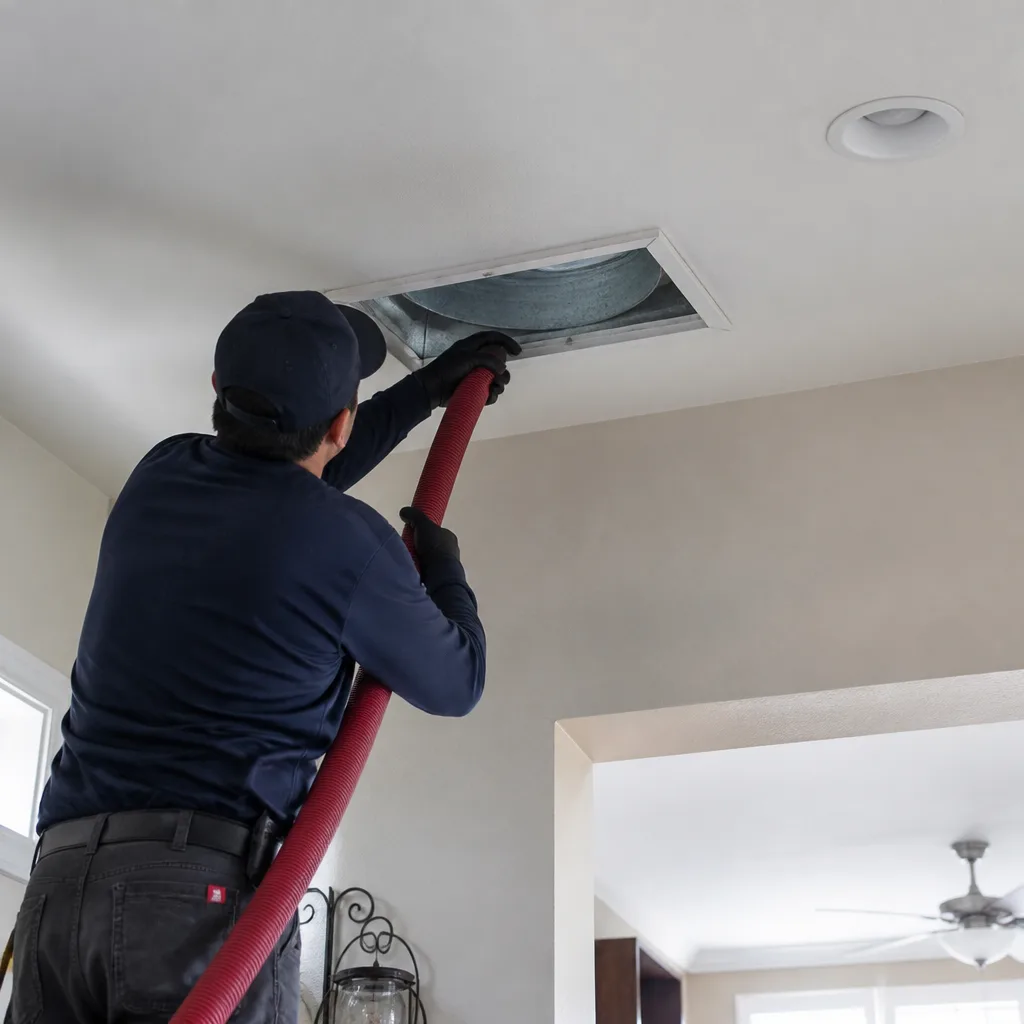 After
After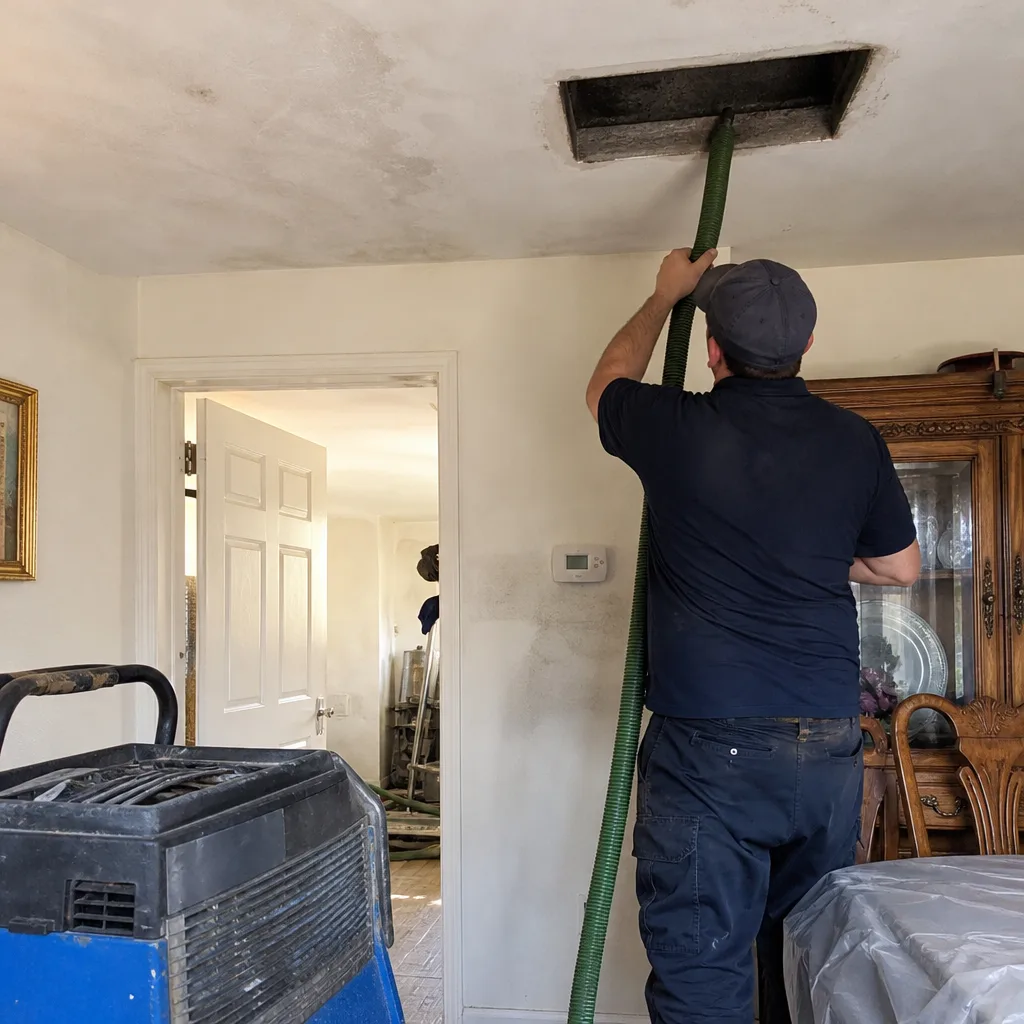 Before
 After
AfterAir Duct Cleaning Permits, Codes & Inspections in CA: What You Need to Know
Spraying a chemical sanitizer inside a residential duct system in California without proper disclosure may violate both the Healthy Homes Act and EPA guidance, yet it’s sold as a routine upsell by plenty of Los Angeles operators who never mention the regulatory context. Most homeowners don’t realize that while a standalone duct cleaning rarely needs a city permit, the moment the work reveals damaged ductwork, the rules change. By the end of this guide, you’ll understand exactly what California law, LA County building codes, and federal EPA standards require of any contractor who touches your ducts, and what documentation you should demand before anyone runs a vacuum line through your system. For more guides & resources, visit our blog.
Quick Answer
Air duct cleaning itself does not typically require a homeowner permit anywhere in California, including the City of Los Angeles and LA County. However, if cleaning uncovers duct damage that needs repair or replacement, a mechanical permit is generally required, and any contractor working on a pre-1980 home must follow California asbestos notification rules before disturbing duct insulation or adjacent materials. A legitimate Los Angeles Air Duct Cleaning services company will know these boundaries cold and will document the work with a post-cleaning inspection report that holds up for insurance claims and real estate transactions.
Table of Contents
- When a Mechanical Permit Is Actually Required in LA
- California’s Asbestos Rules and Pre-1980 Homes
- EPA Guidance on Duct Sealants and Biocides: What’s Legal Inside Your Ducts
- NADCA ACR-2021: The Professional Standard Behind the Work
- What a Post-Cleaning Inspection Report Should Include
- How the LA Climate Affects Duct Systems and What Codes Address
- How California Mechanical Code (CMC) Applies to Duct Integrity
- Common Mistakes to Avoid
- When to Call a Professional
- Frequently Asked Questions
When a Mechanical Permit Is Actually Required in LA
Here’s the plain answer: routine air duct cleaning where a technician vacuums out accumulated dust, runs a rotary brush through the ducts, and applies no sealants does not require a mechanical permit from the City of Los Angeles Department of Building and Safety (LADBS) or from unincorporated LA County. That’s true for most single-family homes and condos. The work is classified as maintenance, not construction. But the permit question changes the moment cleaning exposes a problem that needs fixing.
Under the California Mechanical Code (CMC), which both the City of LA and LA County adopt with local amendments, any of the following typically triggers a mechanical permit:
- Replacing a section of ductwork because cleaning revealed rust-through, crushed flex duct, or a disconnected run
- Adding new duct runs or returns to correct airflow imbalances discovered during cleaning
- Replacing the supply plenum or return box on the air handler
- Installing a new duct damper, zoning system, or bypass while the system is opened up
- Any modification to the air handler cabinet or blower assembly beyond a standard cleaning
We’ve worked in neighborhoods across Los Angeles, from Sherman Oaks to Echo Park to El Segundo, and we’ve seen this exact scenario play out repeatedly: a homeowner schedules a basic cleaning, the technician pulls back a boot at the floor register, and finds the duct has separated at the joint. See Air Duct Cleaning Troubleshooting: Common Problems and How to Fix Them for what to do next. At that point, two things are true. The cleaning itself still needed no permit. But the repair does. And if a contractor says they can “just tape it back together” without pulling a permit, you’re now dealing with unpermitted work that can come back to bite you during a home sale or insurance claim.
The other permit-adjacent rule that catches LA homeowners off guard is Title 24 energy compliance. If duct sealing or repair work involves more than a minor patch, the California Energy Commission’s building efficiency standards may require the contractor to verify that the sealed system meets minimum duct leakage testing thresholds. A reputable company will mention this upfront. A contractor who avoids the subject is likely not doing California-compliant work.
The Cost Reality of Permitted Duct Repairs in LA
When a mechanical permit is required, homeowners in Los Angeles should expect the permit fee through LADBS to run somewhere around $150 to $400 depending on the valuation of the work, with LA County fees running in a similar band. The bigger cost driver is the repair itself. Replacing a single rusted duct run in a crawlspace under a 1950s Pasadena home, for example, typically lands between $450 and $1,200 including materials, labor, and the permit. A full supply plenum replacement at the air handler in a two-story Glendale house can run $800 to $1,800. These are goods-and-labor prices for the Los Angeles market, not national averages. A written quote should break out the permit fee as a line item so you can verify it was actually pulled.
California’s Asbestos Rules and Pre-1980 Homes
This is the section most Los Angeles duct cleaning companies don’t want you to read. California has some of the strictest asbestos regulations in the country, and they apply squarely to duct work in homes built before 1980. Here’s what the law requires.
Before any contractor disturbs materials that may contain asbestos, including duct insulation, duct tape wrap, popcorn ceiling adjacent to registers, or vermiculite insulation that has settled around ducts, they must follow California’s asbestos notification requirements administered through the South Coast Air Quality Management District (SCAQMD) for Los Angeles County. Specifically, SCAQMD Rule 1403 sets out the demolition and renovation notification thresholds. For a residential duct cleaning job that stays within the duct interior and does not cut into or remove suspect materials, no notification is typically required. But the moment a technician needs to remove a section of old duct wrap, cut into a transite (asbestos-cement) duct connector, or disturb more than 100 square feet of suspect material, notification and certified handling procedures kick in.
What does this mean practically for a homeowner in a 1960s home in Torrance or a 1940s bungalow in Highland Park? It means this: before any work begins, the contractor should ask about the home’s age and should visually inspect the ducts for suspect materials. If suspect material is found, the contractor must stop and either have it tested by a certified asbestos consultant or treat it as asbestos-containing material and follow the full abatement protocol. They cannot simply “wrap it in plastic and keep going.” That is a violation of both SCAQMD rules and Cal/OSHA worker safety standards.
We’ve seen old asbestos paper wrap on duct seams in enough Los Angeles houses to take this seriously. The right move is simple: if your home predates 1980 and you haven’t had the ducts inspected, say so on the phone before anyone shows up. A legit company will factor that into the job. A company that doesn’t ask is either inexperienced or doesn’t want to know, and neither is acceptable.
EPA Guidance on Duct Sealants and Biocides: What’s Legal Inside Your Ducts
The Environmental Protection Agency takes a narrow view of what belongs inside a residential duct system. The short version: no chemical biocide, sanitizer, or antimicrobial spray should ever be applied inside your ducts unless the product’s EPA registration label specifically lists HVAC duct interiors as an approved use. And here’s the part LA homeowners rarely hear: very few products carry that label.
The EPA’s guidance on duct cleaning is blunt. The agency states that no chemical biocides have been registered for use on fiberglass-lined ducts or on porous duct surfaces, period. For unlined sheet metal ducts, there are a handful of registered products, but the contractor must be able to show you the registration label before application. If they can’t produce it, the application is not legal under federal law. The California Healthy Homes Act adds another layer by requiring disclosure of any chemical treatment proposed for use in a residential setting, particularly where children, elderly residents, or people with respiratory conditions are present.
Here’s how a homeowner should handle the sanitizer pitch. When a technician recommends a “fogging” or “sanitizing” treatment after a cleaning, ask these two things:
- Show me the EPA registration label for the product you plan to apply. It must list interior HVAC surfaces as an approved use. “Approved for hard surfaces” is not the same thing.
- Give me the Material Safety Data Sheet (now called the Safety Data Sheet) and a written disclosure that includes active ingredients and any known respiratory irritants.
A disciplined contractor will already have this documentation ready. In our experience across the Los Angeles market, the outfits that push sanitizing as a standard add-on are the same outfits that cannot produce a registration label. That is a red flag, and it’s exactly the kind of upsell the EPA’s guidance was written to prevent.
For duct sealants, the story is different and more straightforward. Sealants are appropriate when there are actual leaks, and the products we use on Duct Sealing in Los Angeles jobs are water-based mastics and UL-listed tapes matched to the duct material. The EPA does not prohibit sealants, but it does require that they be applied per the manufacturer’s instructions and never as a substitute for cleaning. A proper duct sealing job starts with clean, dry surfaces, and the product must be rated for HVAC use, not for general construction.
NADCA ACR-2021: The Professional Standard Behind the Work
If you want to know whether a Los Angeles duct cleaning company is doing the work by the book, ask one question: do you follow NADCA ACR-2021? NADCA, the National Air Duct Cleaners Association, publishes the ACR (Assessment, Cleaning, and Restoration) standard, and the 2021 edition is the current benchmark for residential and commercial HVAC system cleaning in North America. It is not a California law, but it functions as the de facto professional standard that courts, insurance carriers, and home inspectors reference when evaluating the quality of duct work.
What does ACR-2021 actually require? Two things matter most for homeowners.
First, the standard requires source removal, not surface brushing. Source removal means the system is put under negative pressure using a vacuum collection device, and mechanical agitation loosens debris so the vacuum actually extracts it from the ducts and out of the home. Equipment from manufacturers like Nikro, which builds negative-air machines, and Rotobrush, known for their rotary brush systems, is designed specifically for this. A shop vac stuck into a register is not source removal, and it is not compliant with ACR-2021.
Second, ACR-2021 requires the technician to access the entire system. That means cutting access panels where needed and inspecting every run, not just blasting air through the registers from inside the house. The standard also specifies that the technician must document the before and after condition of the system with photographic evidence and provide the homeowner with a written report.
Here is how ACR-2021 maps to California Mechanical Code expectations. CMC Section 601 requires that duct systems be installed and maintained so that they do not allow contaminants to enter the conditioned air stream. ACR-2021 gives contractors the operational playbook for hitting that requirement. In practice, we tell Los Angeles homeowners to look for a company that can explain, in plain English, how it puts the system under negative pressure and what equipment it uses. If the explanation is vague, the work is probably vague, too.
What a Post-Cleaning Inspection Report Should Include
A real duct cleaning job in Los Angeles ends with paperwork. If a contractor leaves your home without handing you a written report, you don’t have evidence that any work was done. Here is what a proper post-cleaning inspection report should include, line by line:
- System description: furnace or air handler make and model, number of supply and return runs, linear footage of duct cleaned.
- Access points created: where the technician cut access panels in the main trunk or plenum, and confirmation that each was resealed with a patch that meets SMACNA standards.
- Method of cleaning: negative air applied at X CFM using equipment from a named manufacturer, rotary brush or air whip used on supply and return runs, no chemicals applied unless separately documented and disclosed.
- Before and after photos: digital images from inside the duct, ideally with date stamps. We use cameras mounted on push rods to capture the interior of the trunk and branch lines.
- Findings: any disconnected duct runs, rust-through, mold-like growth, pest debris, or obstructed returns discovered and either corrected or flagged for follow-up.
- Sealant documentation: if duct sealant was applied, the product name, manufacturer, and application areas of the system.
- Asbestos observation note: for pre-1980 homes, a line acknowledging whether suspect materials were observed and what action was taken.
Why does this matter for real estate transactions and insurance claims in Los Angeles? Because a buyer’s inspector will flag dirty ducts on a pre-purchase inspection report, and the seller needs proof that remediation actually occurred. A one-page invoice that says “cleaned ducts” is not proof. A full report with photos is. On the insurance side, if you file a claim for smoke damage from a wildfire, as many Los Angeles homeowners did after recent fire seasons, your carrier will want documentation that your ducts were properly cleaned and sealed before they pay for duct replacement or further remediation. The report is your leverage.
How the LA Climate Affects Duct Systems and What Codes Address
Los Angeles has a climate that punishes duct systems in specific ways, and the codes address these indirectly. Our hot, dry summers pull moisture out of everything, but the marine layer that sits over the coastal neighborhoods from Santa Monica to Long Beach means ducts in those areas run cool and damp for months at a time. In the San Fernando Valley, including neighborhoods like Northridge, Woodland Hills, and Encino, summer attic temperatures regularly exceed 140 degrees. That heat accelerates the breakdown of flex duct liners, which then shed fibers into the air stream.
What do the codes say about any of this? The California Mechanical Code requires that duct materials be rated for the conditions in which they are installed. CMC Section 603 specifies that ducts in unconditioned spaces, which in Los Angeles almost always means the attic, must be insulated to prevent condensation and energy loss. When flex duct in a hot attic fails, the fix is replacement with properly rated insulated flex, not a patch job. This is one of the most common issues we find in homes across the Valley, and it is a direct code issue, not a cosmetic one.
For homeowners, the practical takeaway is this: in Los Angeles, a duct cleaning is often the first time anyone has looked inside the system since the house was built. When the technician finds heat-damaged flex duct or condensation-rotted return boots, those aren’t optional repairs. They are code-driven integrity issues that affect both indoor air quality and energy efficiency. A company that documents them properly, with photos and a written description in the report, is doing the job right. A company that ignores them and hands you a receipt is not. Learn to spot problems early with our guide on Air Duct Cleaning Warning Signs Every Homeowner Should Know.
How California Mechanical Code (CMC) Applies to Duct Integrity
The California Mechanical Code is the legal backbone for anything that touches your HVAC system, and its provisions on duct integrity are worth understanding even if you never pick up a tool. The governing sections come from Chapter 6, which covers duct systems in detail.
CMC Section 601.2 requires that duct systems be constructed and maintained so that they do not become a fire hazard or a passage for smoke and gases within the home. CMC Section 603.10 addresses duct leakage, requiring that connections and seams be made substantially airtight. CMC Section 605 covers access and inspection, which is why a proper cleaning has to include cutting access points rather than working solely through the registers. If you can’t see the inside of the trunk, you can’t clean it.
There’s also a Title 24 component. The California Energy Code, which is part of Title 24, sets maximum duct leakage rates for new installations and for systems that undergo significant modification. In practice, a contractor doing duct sealing work in Los Angeles may need to run a duct blaster or pressure test to show that the sealing brought the system below the leakage threshold. This is not something every duct cleaner does, which is why it matters to hire a company that does Air Duct Cleaning in Los Angeles and Duct Sealing as integrated work, not as separate profit centers.
Roy Castellanos, who runs Hollis Air Duct Cleaning home, puts it this way: the codes are not an obstacle to doing the work. They are the definition of the work. When you clean a duct and leave a leak at the plenum, you have not finished the job, no matter how clean the inside of the duct looks in the photo.
Common Mistakes to Avoid
- Assuming a permit is never needed. Cleanings don’t need permits, but repair work does. Ask the contractor to put in writing whether a permit is required for any repair they’re recommending, and if they say no, ask why not.
- Accepting a sanitizer upsell without documentation. If the technician can’t produce an EPA registration label that lists interior HVAC use for the exact product they plan to apply, decline the treatment and note it in writing.
- Hiring a company that doesn’t ask about your home’s age. Pre-1980 houses across Los Angeles carry asbestos risk, and a contractor who doesn’t ask before opening a duct is not following California law.
- Paying a teaser price that balloons at the door. The single biggest complaint in the Los Angeles market is lowball pricing that turns into a much larger invoice after the technician “finds” issues. Get the whole system price in writing before work starts.
- Accepting a cleaning without a written report. No report means no proof. If you’re selling your house or filing an insurance claim, the report is the only document that counts.
- Treating flex duct replacement as a minor repair. Damaged flex duct in a hot LA attic is a code issue and a health issue, not an optional fix. Insist on seeing the damaged material and get a line-item price for replacement.
- Using a contractor who can’t name their equipment. “Commercial grade” is a phrase, not an answer. A real duct cleaner can tell you the machine brand and how it achieves negative pressure.
When to Call a Professional
You should stop and call a professional if you open a register and see visible mold-like growth on the duct interior, if there has been a fire or smoke event in or near the home, if you find rodent droppings or nesting material in the system, or if you are buying or selling a home and the inspection report flags the ducts. You should also call before you attempt any DIY work that involves cutting into walls, ceilings, or the air handler cabinet, because those areas are where the permit requirements and asbestos rules live. Hollis Air Duct Cleaning offers free estimates in Los Angeles. Call (361) 326-5060 and ask for a written quote on the whole system, not a per-vent price.
Frequently Asked Questions
No. Routine air duct cleaning is classified as maintenance and does not require a permit from the City of Los Angeles or LA County. A permit becomes necessary only when cleaning reveals damage that requires repair or replacement of duct sections, plenums, or related components. Call (361) 326-5060 and we’ll tell you in writing whether your job needs a permit before any work starts.
California law, enforced in Los Angeles County by SCAQMD, requires that contractors assess pre-1980 homes for asbestos-containing materials before disturbing duct insulation or adjacent building materials, and any suspect material must be tested or treated as asbestos under full abatement protocol. A contractor cannot simply remove old duct wrap or transite connectors without following these rules. If your contractor hasn’t asked your home’s age, ask them about their asbestos assessment procedure before they start.
Only if the product’s EPA registration label specifically lists interior HVAC duct surfaces as an approved use, and very few products carry that designation. The EPA has not registered any biocide for use on fiberglass-lined ducts or porous duct surfaces, and California’s Healthy Homes Act adds disclosure requirements for any residential chemical application. Demand to see the registration label before agreeing to any sanitizing treatment, and if the contractor can’t produce it, decline the service.
A report that will hold up in an insurance claim should include before and after photos from inside the ducts, a description of the cleaning method and equipment used, documentation of any repairs or sealant applications, and a note on any asbestos observations for pre-1980 homes. The invoice alone is not proof of work. For Los Angeles homeowners filing claims, a detailed NADCA-compliant report is the difference between a settled claim and a denied one.
There is no universal schedule, but in the Los Angeles market we recommend an inspection every 3 to 5 years, with cleaning based on what the inspection finds. Homes in the San Fernando Valley with hot attics and older flex duct may need more frequent attention because heat degrades liners faster. Homes with pets, recent renovations, or wildfire smoke exposure should be inspected sooner. Get a written assessment before agreeing to a cleaning, and run from any company that insists on a rigid annual schedule.
The cheap quotes are almost always bait-and-switch pricing built on a low per-vent or whole-house teaser number that balloons when the technician “finds” mold, damage, or “excess debris” that the estimate didn’t cover. A legitimate Los Angeles company prices the whole system in writing before work starts, and that price does not move at the door. The difference between a $99 duct cleaning ad and a $400 to $700 whole-system cleaning is usually the difference between a shop vac passed over a few registers and a true negative-air source removal job done to NADCA ACR-2021 with documentation.
The Bottom Line
Air duct cleaning in California sits in a regulatory gray zone that most companies exploit and few homeowners understand. The cleaning itself needs no permit, but the conditions around it, including asbestos assessment, EPA chemical restrictions, CMC duct integrity standards, and Title 24 leakage limits, separate legitimate operators from the rest. In Los Angeles, where pre-1980 housing stock is common and hot attic temperatures destroy flex duct, the stakes are higher than most homeowners realize. Get the whole system price in writing, demand equipment names and documentation, and never accept a sanitizer application without a registration label. The standard exists. Ask for it by name.
Written by Roy Castellanos, Owner at Hollis Air Duct Cleaning, serving Los Angeles since 2004.