
Last updated October 9, 2026
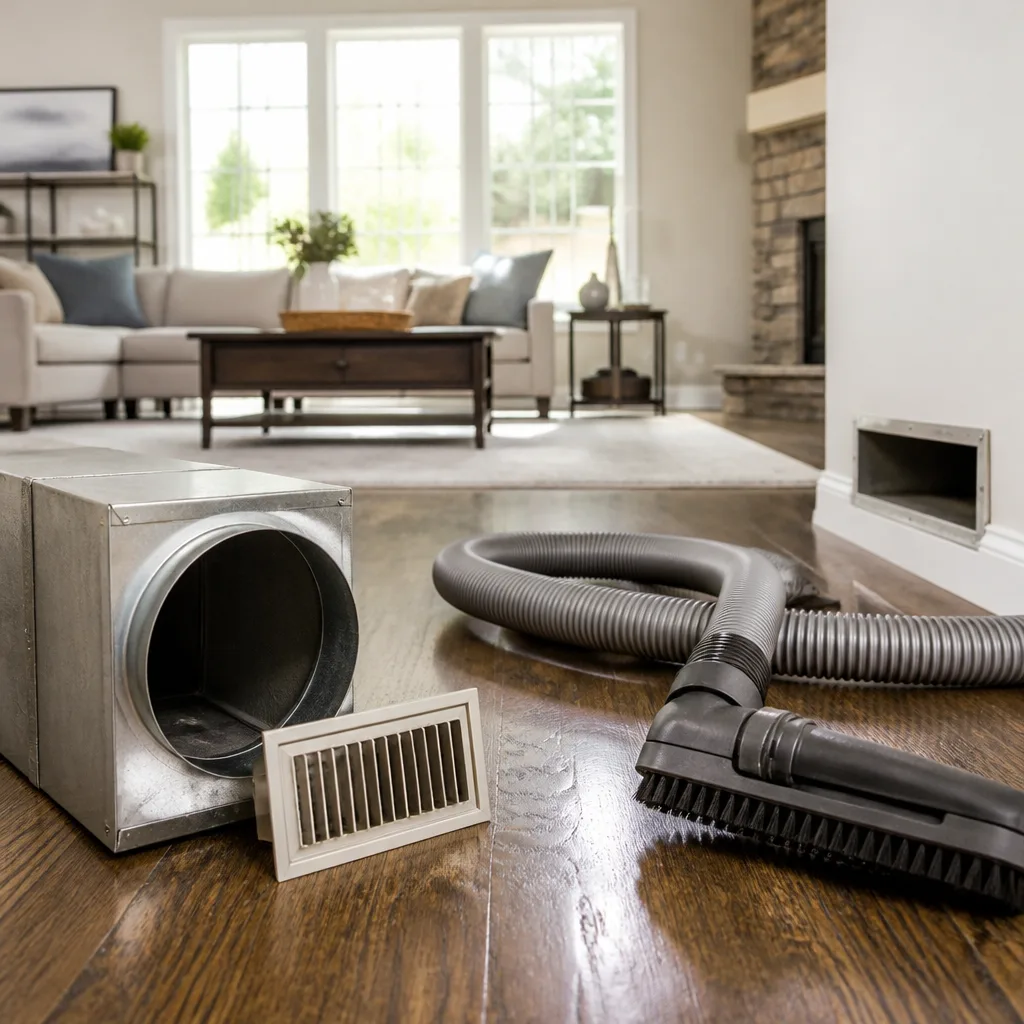
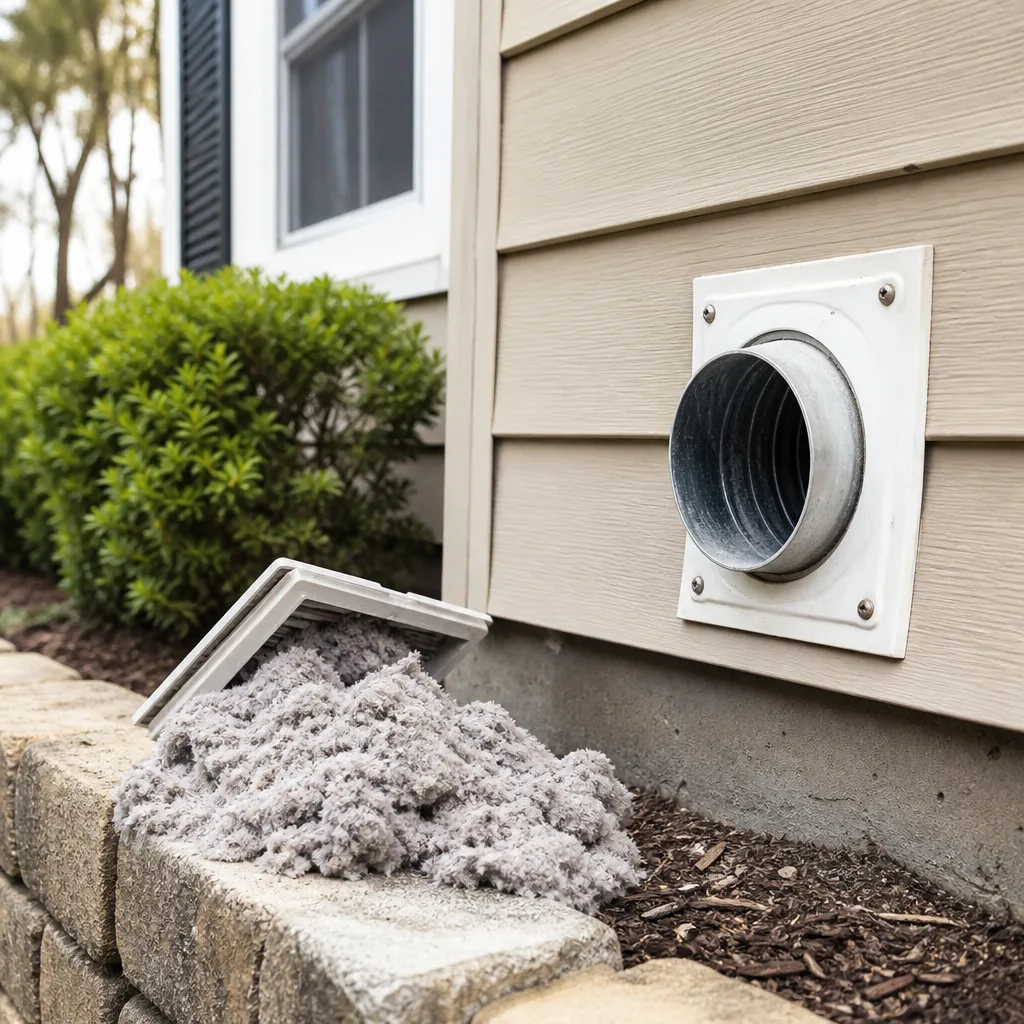
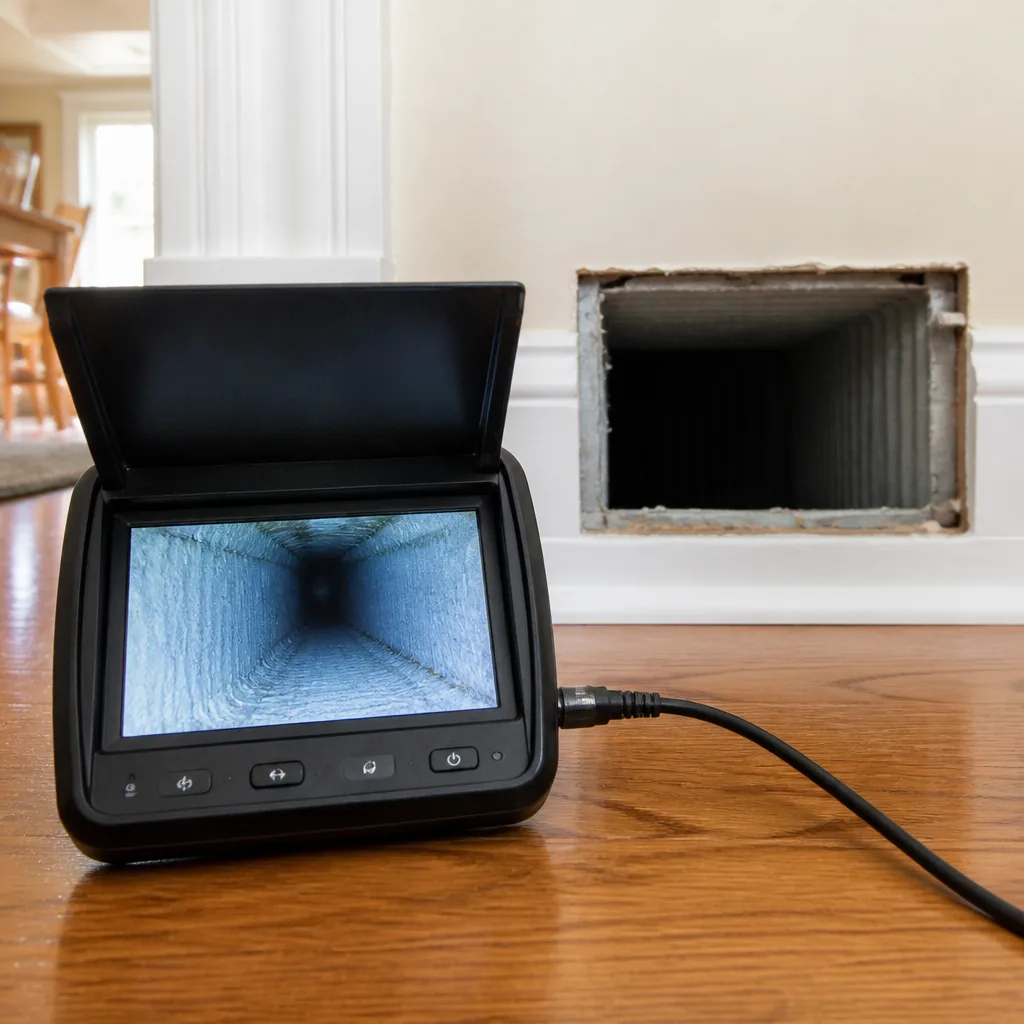
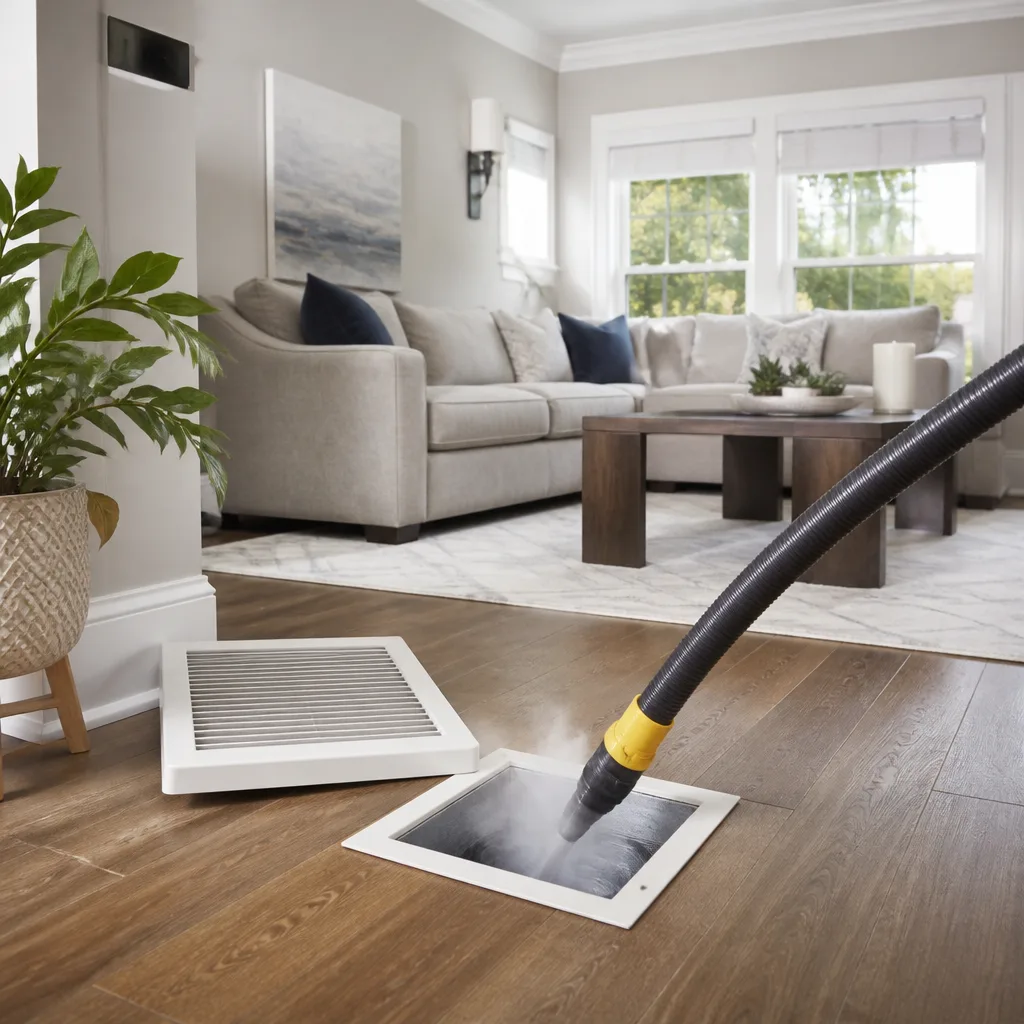
Whole-system duct and dryer vent check with before-and-after photos - you see exactly what came out of your vents
That "$99 whole-house special" is a bait ad - the real number appears once they are in your hallway, or the "clean" is a shop-vac at the register. We photograph the inside of your ducts before and after instead.
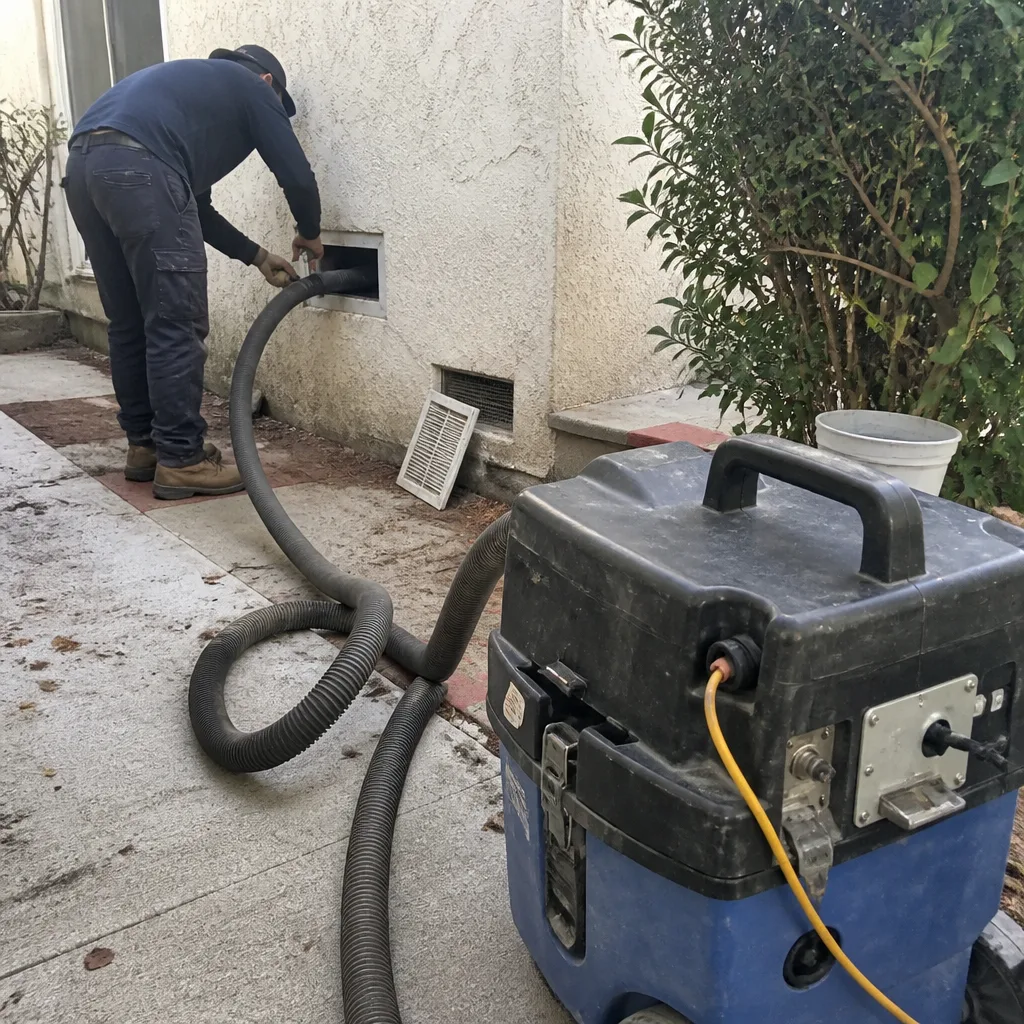 Before
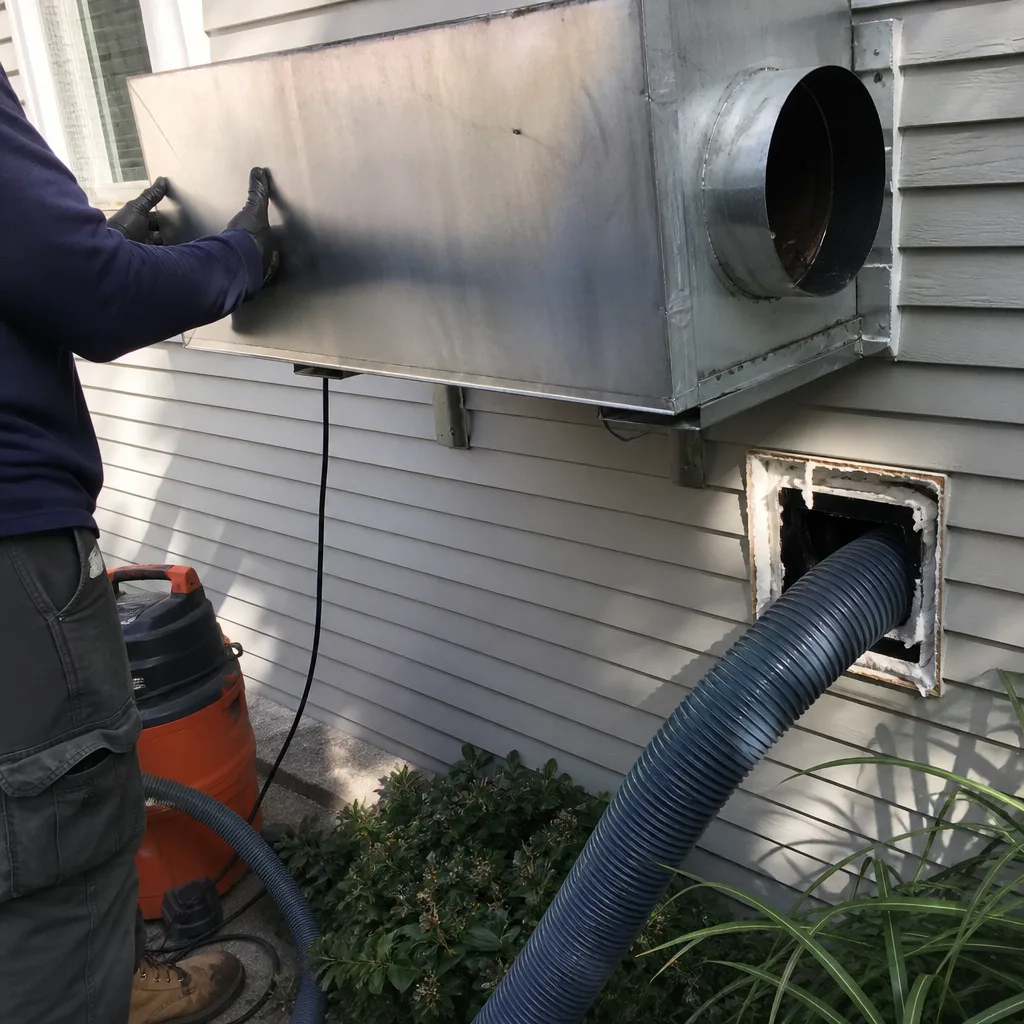 After
After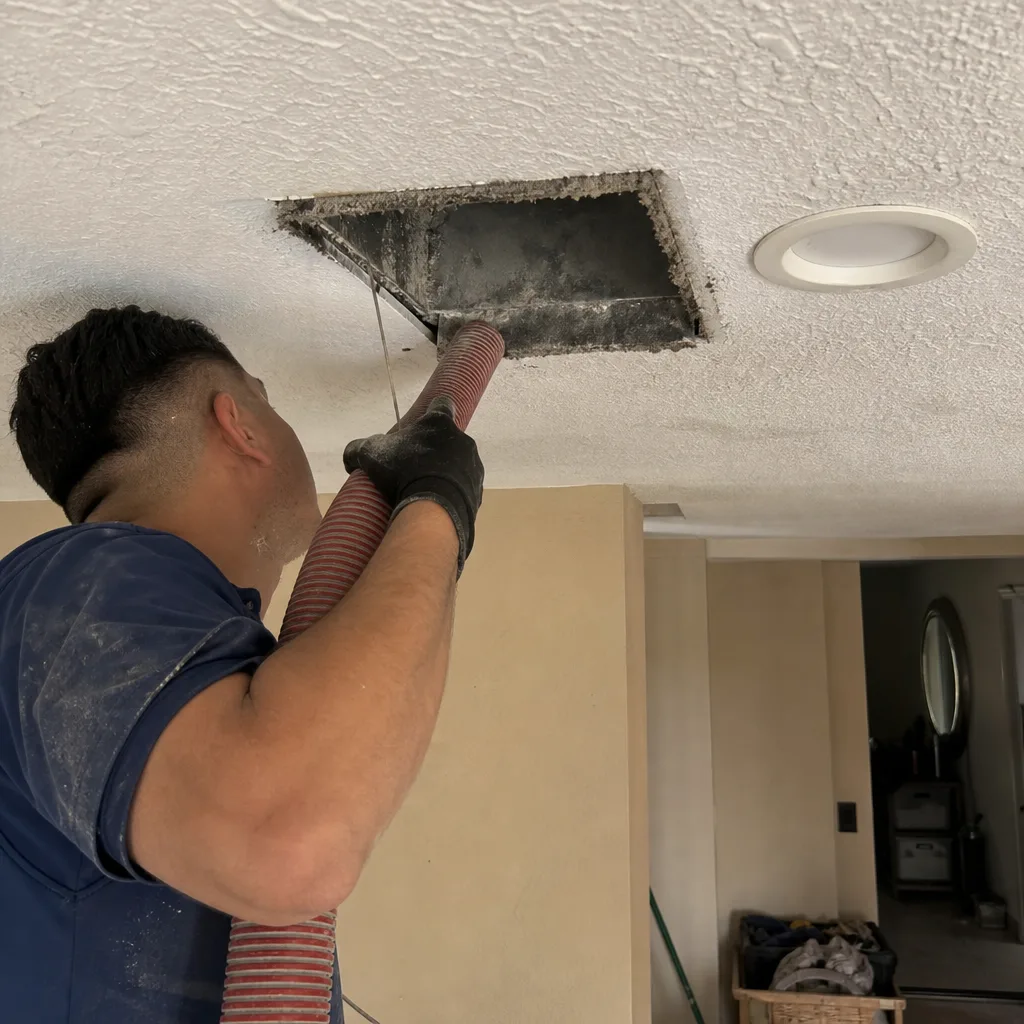 Before
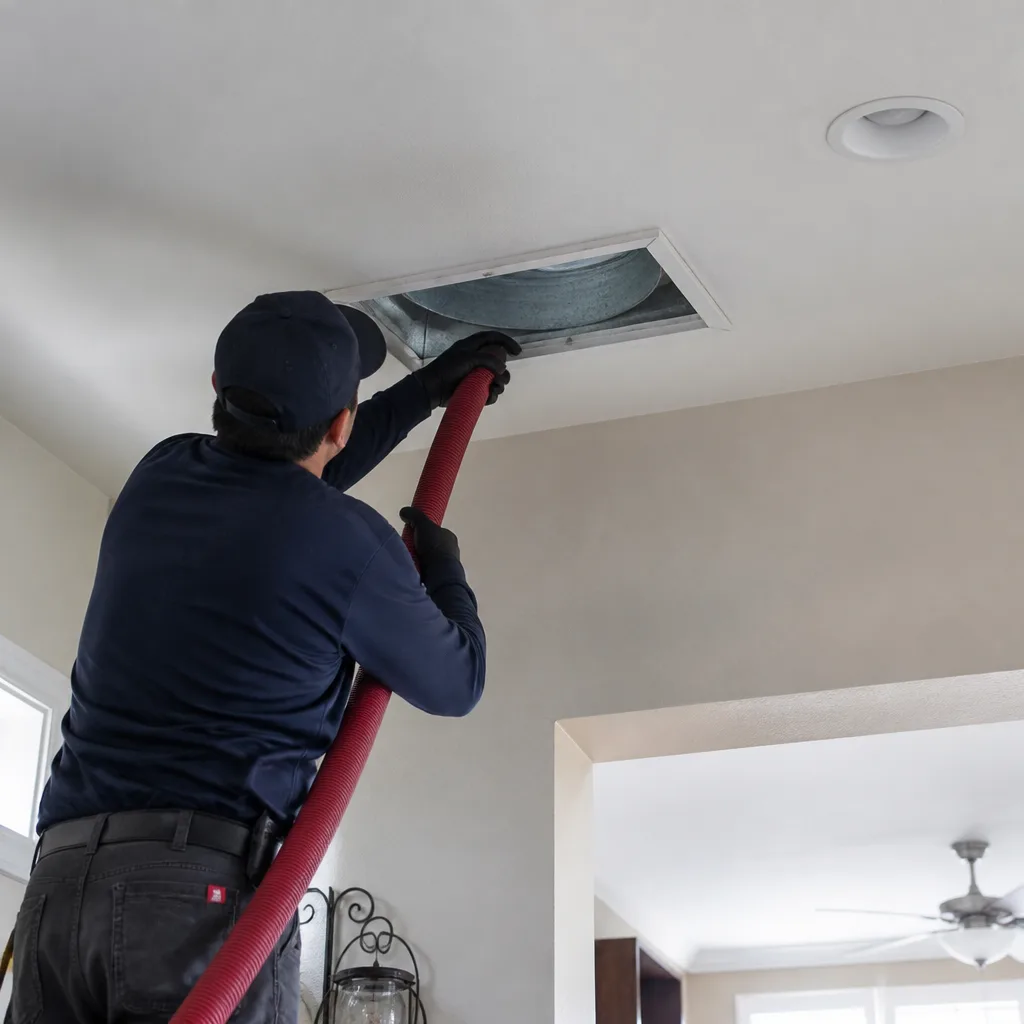 After
After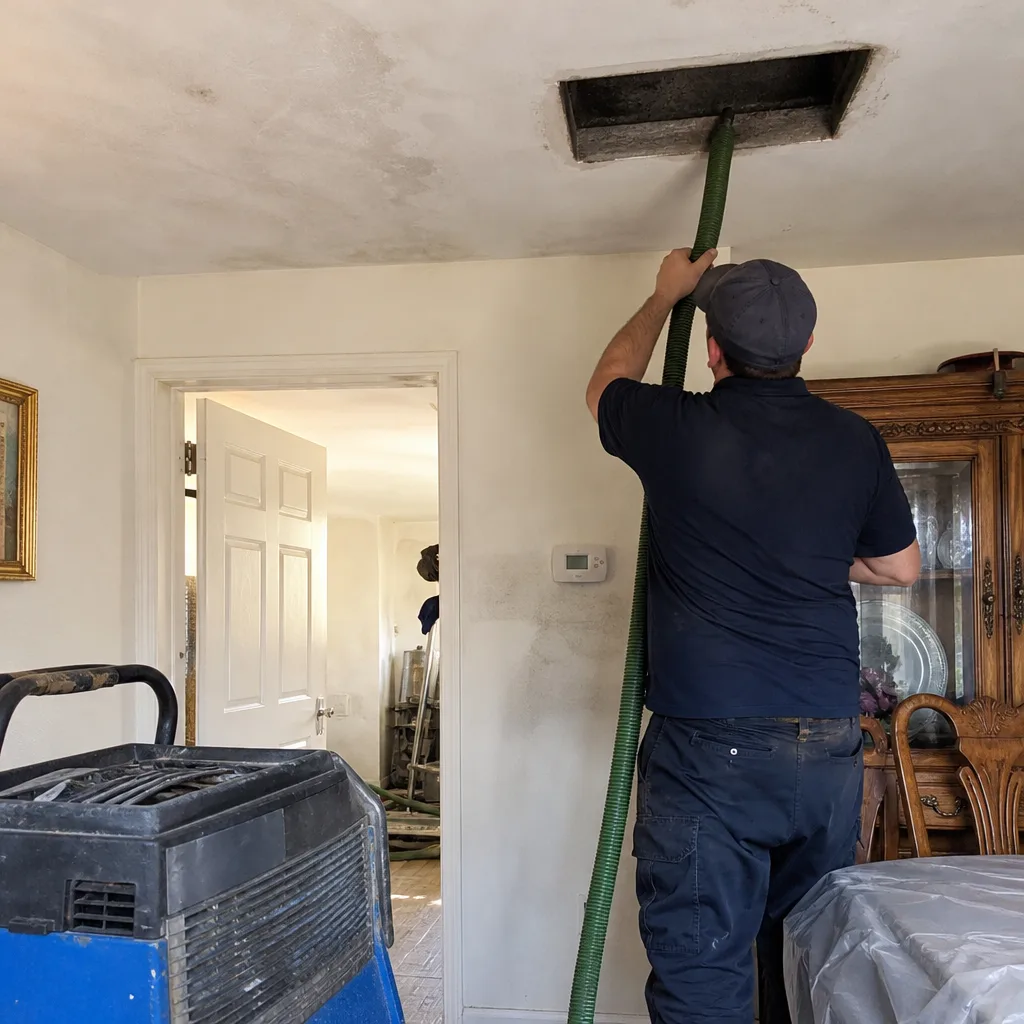 Before
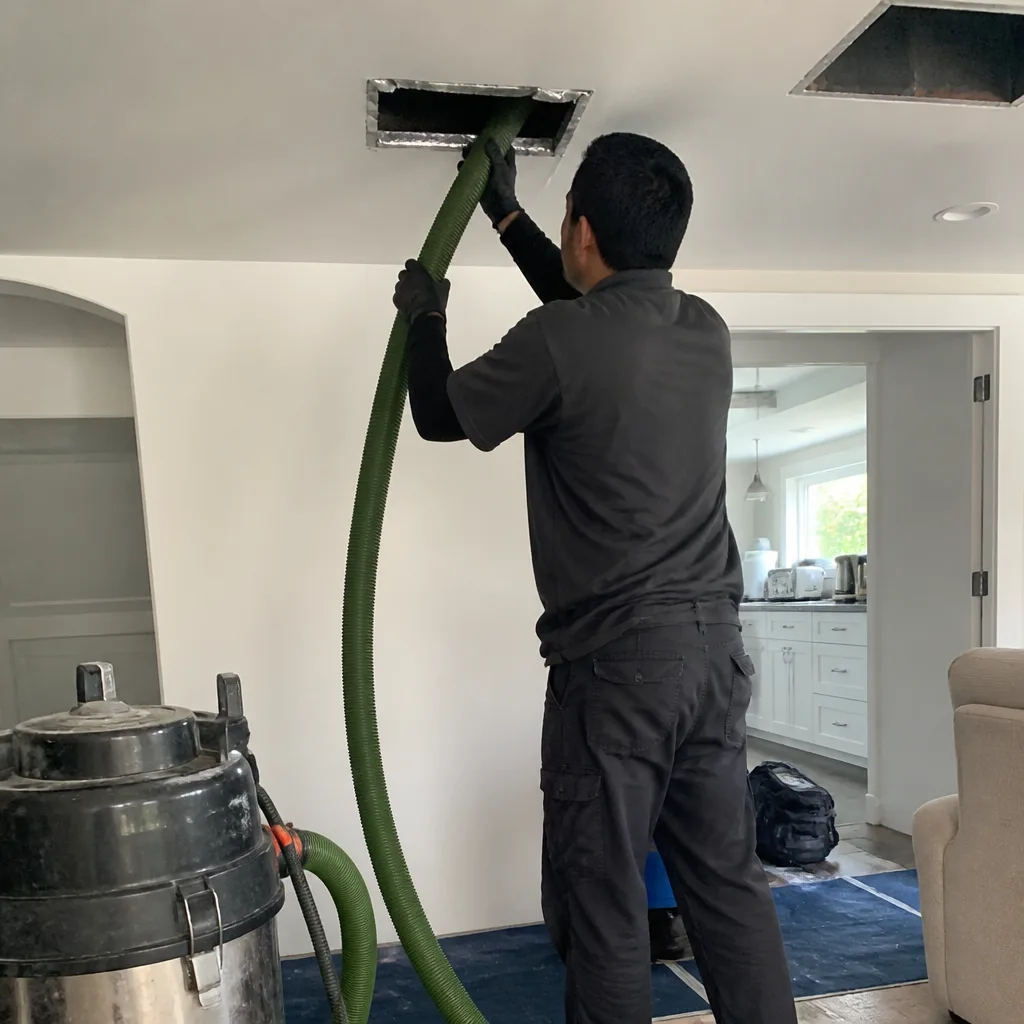 After
AfterAir Duct Cleaning Emergency Preparedness Guide for Los Angeles Homes
After the Eaton and Palisades fires in early 2025, thousands of Los Angeles homeowners in unburned homes within miles of the fire perimeter ran their HVAC systems without knowing that smoke particulate had infiltrated their duct systems, in some cases for weeks before anyone connected the persistent indoor odor to the duct interior. Most LA households have an earthquake kit and a wildfire evacuation plan. Almost none have a written plan for what to do with the air moving through their home the moment the air outside turns toxic. This guide closes that gap. You’ll learn the exact shutdown sequence, how to document damage for insurance, what an earthquake does to flex ducts, and when an Air Duct Cleaning is actually necessary versus when you’re wasting money.
Quick Answer
When wildfire smoke, an earthquake, or a nearby structure fire affects your Los Angeles home, the first move is to shut down the HVAC system and seal the registers before contaminated air gets pulled into the ductwork. Then document everything: AQI readings, photos of visible soot or debris, and the exact dates the system ran while smoke was present. Whether you need an inspection or a full cleaning depends on what entered the ducts, and that determination should happen before anyone quotes a price.
Table of Contents
- The Three-Step Response When a Wildfire Burns Within 20 Miles
- Duct Inspection Versus Duct Cleaning: The Distinction That Controls Cost
- What Earthquakes Do to Flex Duct Systems in LA Homes
- Documenting Duct Damage for a California Homeowner’s Insurance Claim
- Building a Duct-Ready Emergency Kit
- What Duct Inspection and Cleaning Actually Cost in Los Angeles
- Common Mistakes to Avoid
- When to Call a Professional
- Frequently Asked Questions
- The Bottom Line
The Three-Step Response When a Wildfire Burns Within 20 Miles
When a fire is burning close enough that you can smell smoke or see ash falling, the air outside is carrying particulate that your ducts were never designed to handle. The standard fiberglass filter in most LA homes stops maybe 20% of the sub-micron particles in wildfire smoke. The rest passes through the return, coats the blower, lines the duct interior, and becomes something your family breathes every time the system cycles for months afterward.
Here is the Air Duct Cleaning Maintenance Checklist for Los Angeles Homeowners we recommend, regardless of whether you’ve ever had your ducts cleaned:
- Shut the HVAC system down at the thermostat. Switch the fan from “Auto” to “Off” and set the system to “Off” entirely. If you have a smart thermostat, disable any schedule that might kick the fan on automatically. The goal is zero air movement through the ducts while smoke is present.
- Seal the registers if smoke odor is entering the home. Use painter’s tape or a removable register tape over supply and return grilles in rooms where you smell smoke. This is not a permanent fix. It is a temporary barrier that keeps contaminated air from being pulled into the duct system through gaps between the register and the boot.
- Document daily AQI readings for the period the fire is active and for the days after. Screenshot the AirNow or PurpleAir readings for your zip code, note the date and time, and store them in a folder on your phone. If you later file an insurance claim for duct contamination, these timestamps establish that smoke was present at a documented level during the exact window the system was off or running.
The instinct to keep the fan running to “filter the air” is understandable but wrong in a smoke event. Most residential systems move air too fast for meaningful filtration to occur at the return, and running the fan pressurizes duct walls, forcing contaminated air through every seam and pinhole, embedding particulate deeper into the insulation and liner. In our experience, homes that kept systems running during fire days required deeper cleaning than homes that shut down early.
Duct Inspection Versus Duct Cleaning: The Distinction That Controls Cost
Not every home affected by a smoke event needs a full duct cleaning. Some need an inspection only. Others need cleaning plus new filter media. The difference is determined by what actually entered the system, and that is a visual determination, not a guess.
When an inspection is sufficient
If the system was shut down early, registers were sealed, and you’re noticing no residual odor after the outdoor AQI returns to normal, a visual inspection of the return plenum, blower compartment, and several supply runs may be all that’s needed. An inspection typically costs $75 to $150 in Los Angeles and should include camera documentation of the duct interior, not just a flashlight look at the return grille. If the inspection finds no visible particulate accumulation, you don’t need a cleaning.
When a cleaning is required
If any of these conditions are present, plan for a cleaning:
- Visible soot or dark staining on the inside of supply registers or return grilles
- Smoke odor that persists more than 72 hours after the outdoor air clears
- Visible ash accumulation on the blower wheel or inside the return plenum
- Anyone in the home with asthma, COPD, or other respiratory conditions that worsened during the fire period
Full cleaning of a typical 1,800 to 2,500 square foot Los Angeles home using the negative-air method runs $450 to $900. That price includes the return side, supply side, blower, and coil, not just the accessible runs that some crews wipe down with a brush and call clean. The distinction matters because an incomplete cleaning leaves the most contaminated surfaces untouched, which means you’ve paid for half a job and the odor returns in a month.
Hollis Air Duct Cleaning runs a full-service air duct cleaning operation in Los Angeles that uses Nikro negative-air machines to contain the particulate during removal, which is the difference between removing contaminants and redistributing them through the home.
What Earthquakes Do to Flex Duct Systems in LA Homes
Most Los Angeles homes built after 1970 use flexible ducting for at least part of the supply runs. Flex duct is a wire coil wrapped in insulation and an outer vapor barrier. It handles seismic movement better than rigid galvanized duct, but it has one failure mode that most homeowners never inspect: connection separation.
During a moderate quake, say a 4.5 or above with an epicenter close enough to shake the house, the weight of attic insulation and the lateral movement of the structure can pull flex duct off its collar at the boot or plenum. When that happens, the conditioned air is not reaching the room. It is blowing into the attic or crawlspace. The system runs longer to hit the thermostat setpoint, energy bills climb, and the room served by that run never quite cools or heats properly.
Earthquakes also compress insulation. Flex duct that gets pinched between framing members or beneath fallen attic debris loses its R-value at the pinch point, which creates condensation inside the duct during LA’s humid coastal months. That condensation supports mold growth inside the duct liner, and that is a health problem, not just an efficiency problem.
After any quake strong enough to knock items from shelves, do this before running the system normally:
- Check each supply register for airflow. Weak flow in one or two rooms, with normal flow elsewhere, points to a disconnected or crushed run.
- Look for new dust or insulation debris on the register face. That signals attic material entering the duct through a separated joint.
- If flow is uneven or debris is present, shut the system down and schedule an inspection before running heat or AC through a damaged run. Running the system pulls unfiltered attic air into the home through the breach.
Duct sealing after an earthquake is often the right repair, not a full replacement. Collars can be reattached, torn vapor barriers can be resealed with mastic, and crushed sections can be replaced individually. A proper duct sealing job in Los Angeles costs less than most homeowners expect and prevents the system from pulling attic dust, insulation fibers, and whatever else lives up there into the breathing air.
Documenting Duct Damage for a California Homeowner’s Insurance Claim
California homeowners filing claims for wildfire-related duct contamination need documentation that matches what the adjuster is trained to look for. Adjusters do not accept “the house smells like smoke” as a line item. They accept documented particulate accumulation, a contractor’s written report, and a scope of work that references recognized standards.
Photos that matter
- Interior of supply registers before any cleaning occurs, showing soot or ash discoloration
- The blower wheel and blower compartment, where smoke particulate accumulates first because it is the first surface air contacts after the filter
- The return plenum interior, shot from the filter slot with the filter removed
- Any visible ash or soot on walls, windowsills, or horizontal surfaces near returns, which establishes that particulate was present in the room air at the time the system was running
What the contractor report needs to say
The report from the inspecting contractor should state, in writing:
- The system location and approximate square footage of conditioned space
- The visual condition of the return side, supply side, blower, and coil
- The type and extent of contamination observed (e.g., “light gray particulate, consistent with wildfire smoke, coating the majority of visible duct interior surfaces”)
- A recommended scope of work with a written price
- Reference to IICRC S500, the standard for professional water damage restoration, where applicable, or NADCA guidelines for HVAC cleaning, which establishes that the recommended work follows an industry standard rather than a contractor’s invention
We’ve helped Los Angeles homeowners document duct conditions after the 2025 fires, and the claims that got approved quickly shared one trait: the homeowner had photos from before any cleaning started, and the contractor’s report used specific, non-alarmist language that described exactly what was present and what needed to happen. Claims that stalled were vague on both counts.
Building a Duct-Ready Emergency Kit
LA households have go-bags. Almost none have a small kit dedicated to the HVAC system, yet the duct system is the one piece of home infrastructure that, if contaminated, affects every room and every breath for months.
Here is what a duct-ready kit looks like. Everything on this list fits in a single shoebox and costs less than $100:
- Two spare filters in the correct size and a MERV rating of 11 to 13. Check the size printed on the edge of your current filter before buying. MERV 13 captures wildfire smoke particulate far better than the standard MERV 8 most homes run, but it also restricts airflow slightly, so confirm your system can handle it before making the switch permanent. A Honeywell or Aprilaire filter in the right size is a solid choice; both brands make MERV 13 media in common residential sizes.
- One roll of painter’s tape or register tape, wide enough to seal a standard 4×10 or 6×12 register face. This is for sealing registers during active smoke events, not a permanent fix.
- The direct phone number of your duct cleaning contractor, written on a card inside the kit. In an emergency, you do not want to be searching online for a company you’ve never vetted. The number for Hollis Air Duct Cleaning is (361) 326-5060, and a live person answers around the clock.
- A written record of the last cleaning date and scope, including which parts of the system were cleaned and what the cost was. If you file a claim two years from now, this record establishes baseline condition and proves the contamination is new.
Keep the kit next to the furnace or air handler, not in the garage with the earthquake supplies. The goal is that anyone in the household can find it in ninety seconds and know exactly what to do without making a phone call.
What Duct Inspection and Cleaning Actually Cost in Los Angeles
Los Angeles duct cleaning prices vary more than almost any other home service trade, and the spread exists because companies define “cleaning” differently. A $199 whole-home special is almost always a brush-and-vacuum job on the visible portions of the supply runs, no return plenum, no blower, no coil, and no negative-air containment. A proper cleaning using source-removal equipment and negative-air containment runs higher because it takes longer and requires equipment that a pickup truck crew cannot carry.
Here are honest Los Angeles market ranges as of 2025:
- Camera inspection only: $75 to $150
- Standard whole-home cleaning (1,800 to 2,500 sq ft), negative-air method: $450 to $900
- Blower and coil cleaning added to the above: $150 to $300 additional
- Duct sealing for a typical single-system home: $650 to $1,400, depending on accessibility and the number of runs
- Dryer vent cleaning: $125 to $225, which matters because smoke events coat dryer vent interiors too, and a clogged dryer vent is the leading cause of laundry room fires
The price for your home should be written down before any work starts, and it should not move once the technician is inside. That is the standard Hollis Air Duct Cleaning operates under in Los Angeles, and it exists to answer the question every homeowner has after getting burned by a teaser-price quote: is the number I’m told on the phone the number I’ll pay when the job is done? It is. Every Hollis job gets a written price before work begins, and the 365-Day Done Right Promise backs it in writing: if the work fails within a year, we return and make it right at no charge.
Common Mistakes to Avoid
- Running the HVAC fan on “On” during a smoke event. This pulls contaminated air through the ducts continuously and embeds particulate deeper into the system. The fan setting should be “Auto” or the system should be off entirely when outdoor smoke is present.
- Waiting to see if the smoke smell fades on its own. Smoke odor in ducts does not dissipate. The particulate that carries the odor remains on the duct surfaces until physically removed. What fades is your sensitivity to the smell, not the contamination.
- Filing an insurance claim before getting a visual inspection and written report. Claims with no contractor documentation get denied or lowballed. The report establishes scope and cost before the adjuster ever sets foot in the home.
- Hiring the first company that answers the phone during a busy season. In the weeks after a major Los Angeles fire, booking a duct cleaning is like booking a roofer after a hailstorm. The demand spike brings out operators who will not be in business next year. Verify that whoever you hire has a physical presence, a written guarantee, and a phone number answered by a human.
- Confusing a “duct sanitizing” fog with actual cleaning. Sanitizing sprays and foggers kill some surface organisms, but they do not remove particulate. If the crew’s main tool is a fogger and not a source-removal system, the soot and ash are still in your ducts when they leave.
- Neglecting the dryer vent after a smoke event. The same smoke that infiltrates your HVAC ducts also coats the interior of the dryer vent. A dryer vent cleaning in Los Angeles after a fire is not optional if you’ve been drying clothes during the smoke period. Lint mixed with smoke residue ignites more readily than lint alone.
When to Call a Professional
Call a duct professional if you’ve had a structure fire within a quarter mile of your home, even if your house never smelled like smoke. Call if you ran your HVAC system during a fire event and noticed dust or soot on the register faces afterward. Call after any earthquake that knocked items from shelves and you now have uneven airflow or visible attic debris at the registers. Call if smoke odor returns every time the system cycles, indicating the contamination is inside the ducts, not just in the curtains and carpet. Hollis Air Duct Cleaning offers free estimates in Los Angeles, call (361) 326-5060 and a live person answers, day or night.
Frequently Asked Questions
Wait until the outdoor AQI has been below 50 for at least 72 hours before scheduling a duct inspection or cleaning in Los Angeles. If you clean while smoke is still in the outdoor air, the cleaned system immediately re-contaminates when the HVAC pulls in outdoor air, and you’ve paid for a job that resets itself within days.
California homeowner’s policies typically cover duct cleaning when smoke damage is documented and the cleaning is part of a broader smoke remediation claim, but coverage depends heavily on documentation. Policies generally do not cover cleaning when the homeowner simply wants it done “as a precaution” with no documented contamination. Photograph the registers, filter, and blower before cleaning, and get a contractor’s written report describing what was found.
Pull a supply register off the wall and look inside the duct with a flashlight. If the interior surfaces show gray or black discoloration, or if you see particulate settled at the bottom of a horizontal run, the smoke reached the ducts. Furniture and wall odors fade over months; duct contamination does not, because the particulate sits on surfaces that receive airflow every time the system runs, releasing odor continuously.
A MERV 11 or MERV 13 filter is the practical ceiling for most residential systems. MERV 13 captures wildfire smoke particulate effectively but creates more resistance than a MERV 8, so a system with marginal airflow may struggle. After a smoke event, replace the filter even if it doesn’t look dirty; smoke loads the media with sub-micron particulate that you cannot see but that has already clogged the fibers.
No. Duct cleaning requires negative-air containment to prevent loosened particulate from being redistributed through the living space, and the equipment needed to do it properly, like the Nikro negative-air machines we run in Los Angeles, is not available at any hardware store. What homeowners can do is seal registers, replace the filter, and shut the system down. Leave the interior cleaning to a contractor with the right equipment and a written guarantee.
For most LA homes, every three to five years is a reasonable interval, with two exceptions. First, any home within five miles of a wildfire perimeter should be inspected and likely cleaned within sixty days of the event. Second, homes with pets that shed heavily, occupants who smoke indoors, or a recent remodel will accumulate particulate faster and may need service every two to three years. The honest answer is that the interval depends on what enters the system, which is why a camera inspection before a cleaning tells you more than any Air Duct Cleaning Maintenance Schedule: What to Do and When ever will.
The Bottom Line
Your HVAC ducts are the only system in your Los Angeles home that touches every room and every breath, yet most emergency plans treat them as an afterthought. The sequence matters: shut down early, seal registers, document everything, and get a visual inspection before anyone quotes a cleaning. If contamination is present, pay for a proper source-removal cleaning with negative-air containment, not a brush-and-vacuum special. Keep the emergency kit stocked with filters, tape, and your contractor’s direct number, and check our more guides & resources for additional help. The homes that recovered fastest after the 2025 fires were not the ones with the most expensive systems. They were the ones that acted first and documented everything.
Written by Roy Castellanos, Owner at Hollis Air Duct Cleaning, serving Los Angeles since 2004.