
Last updated October 9, 2026
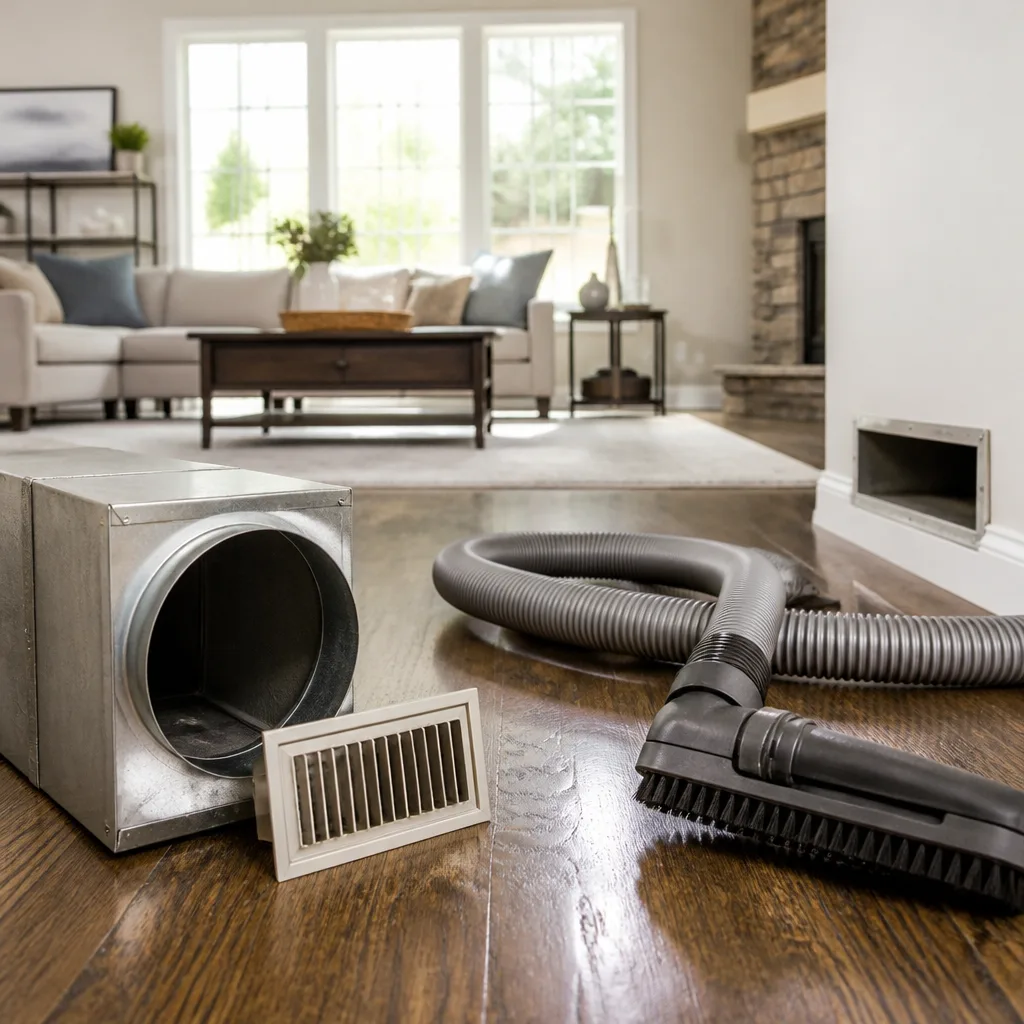
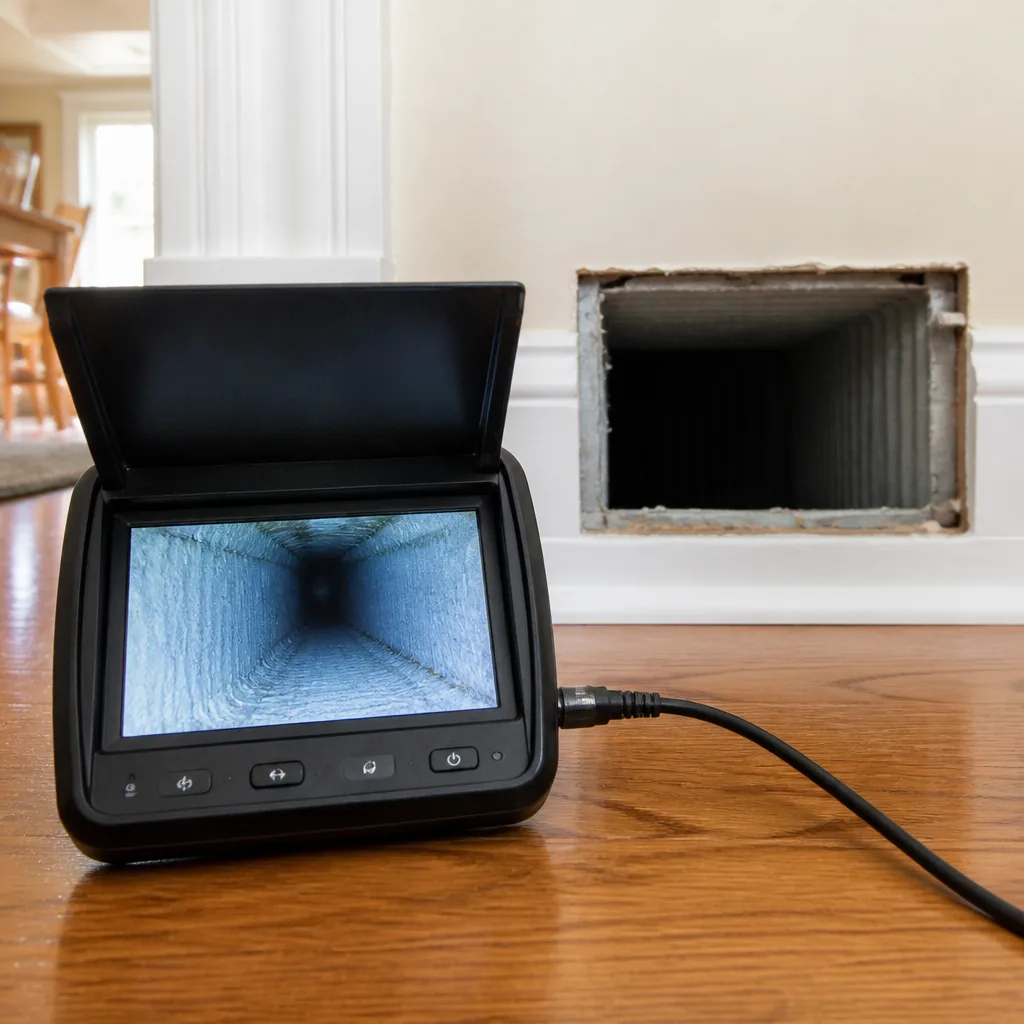
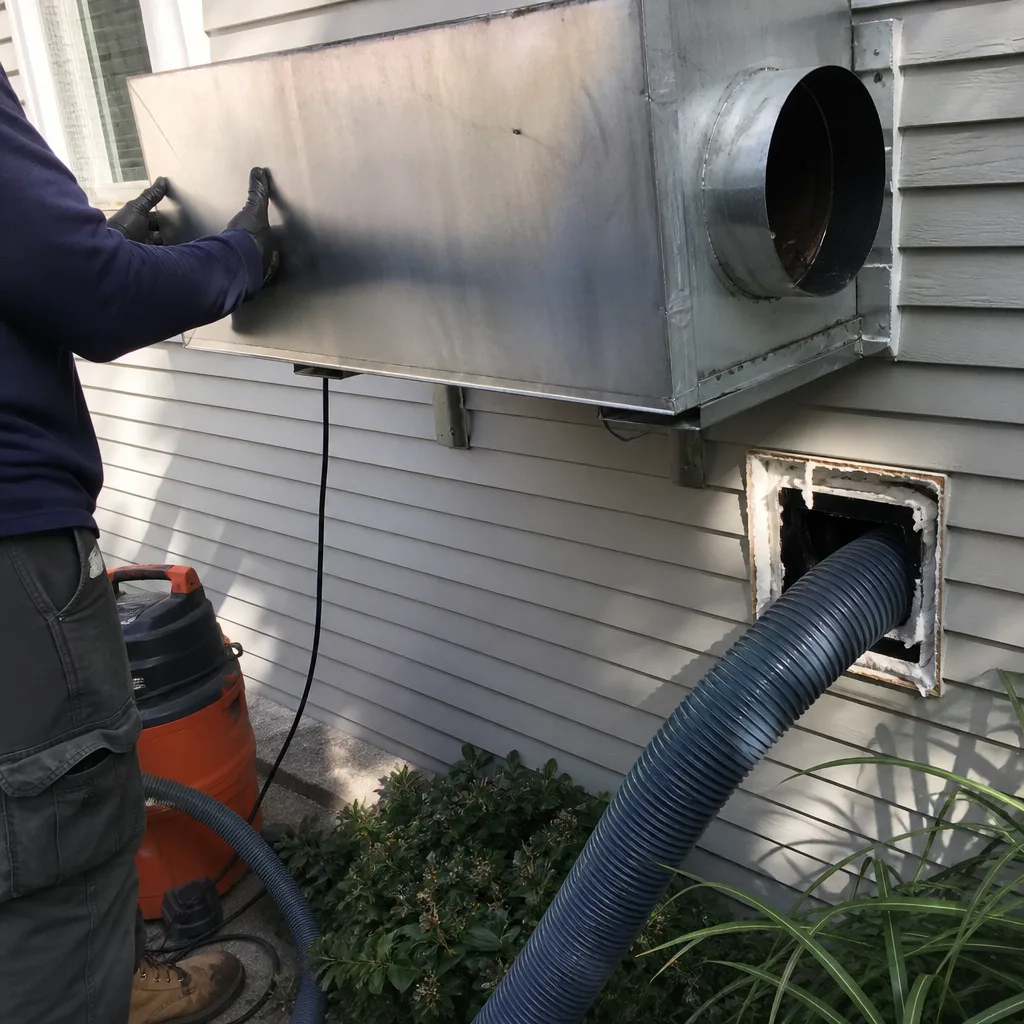
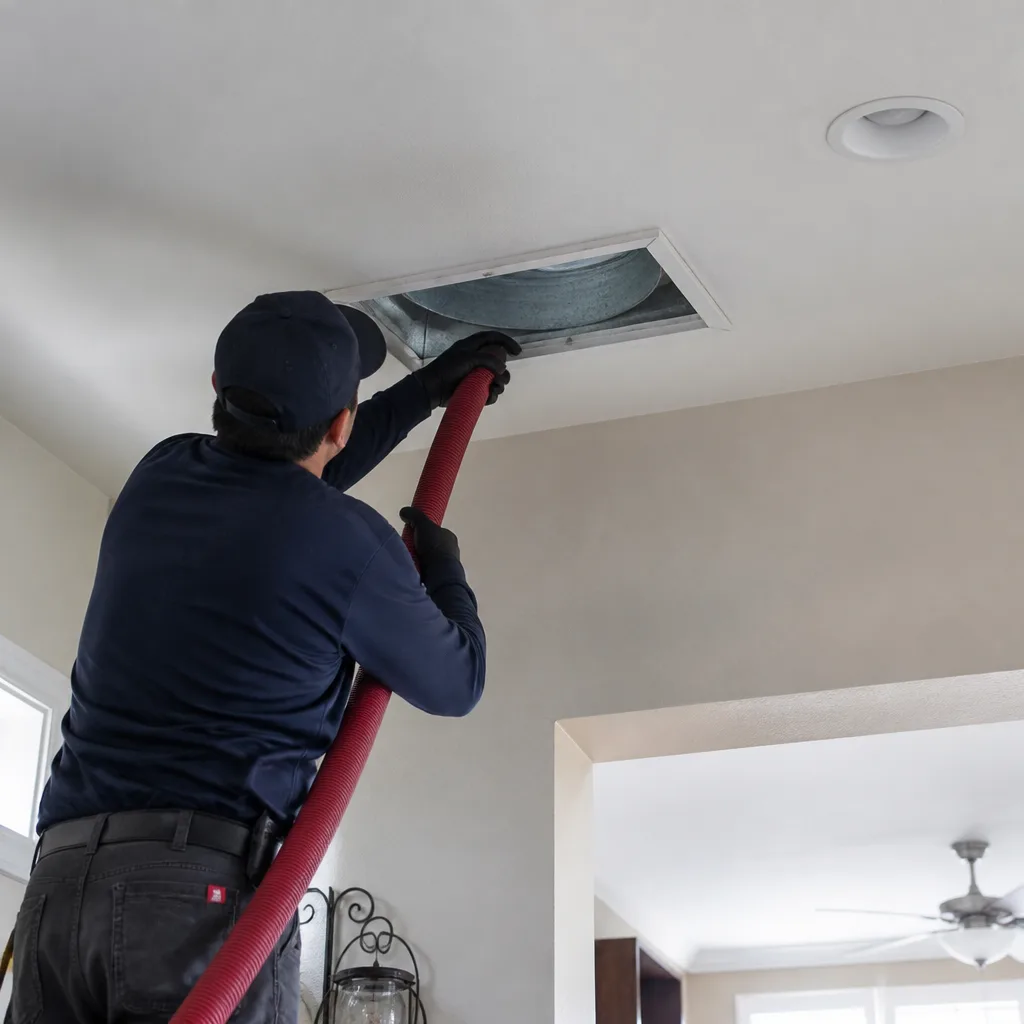
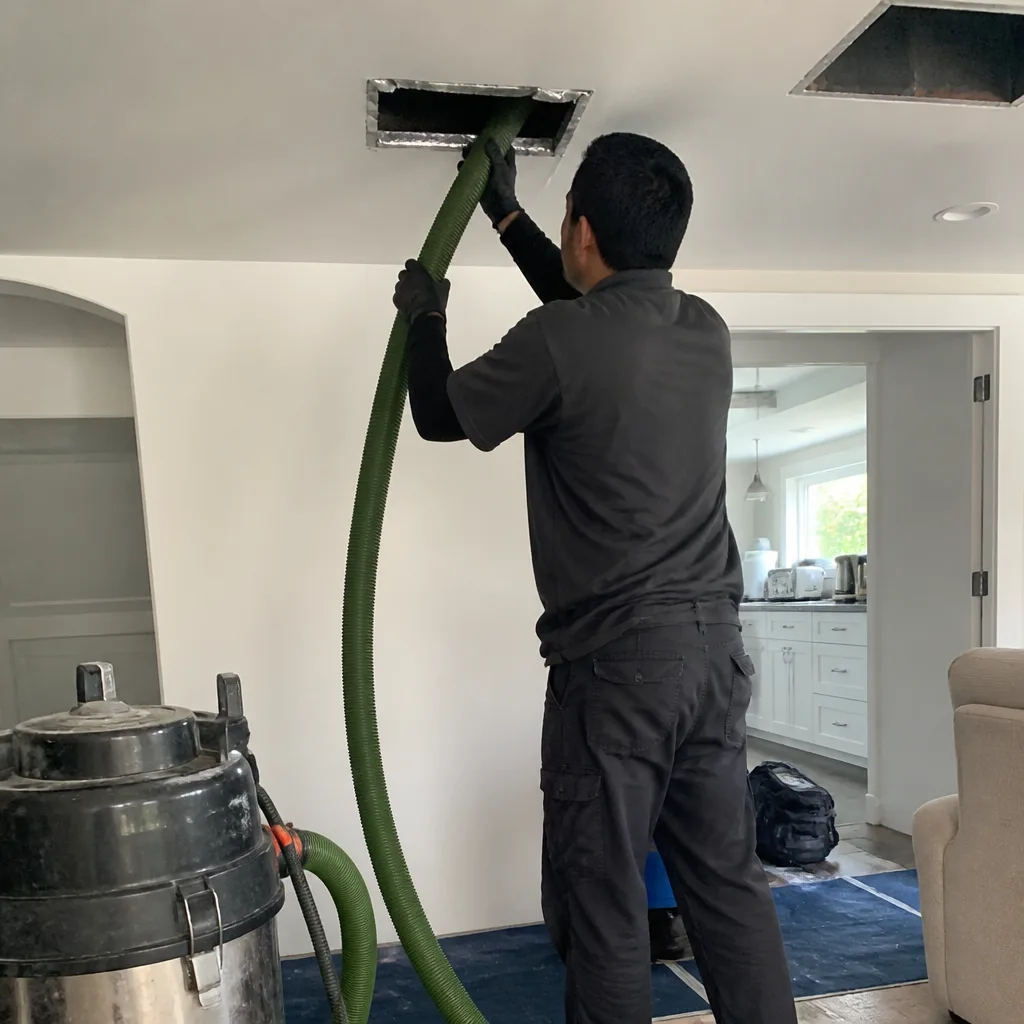
Whole-system duct and dryer vent check with before-and-after photos - you see exactly what came out of your vents
That "$99 whole-house special" is a bait ad - the real number appears once they are in your hallway, or the "clean" is a shop-vac at the register. We photograph the inside of your ducts before and after instead.

 Before
 After
After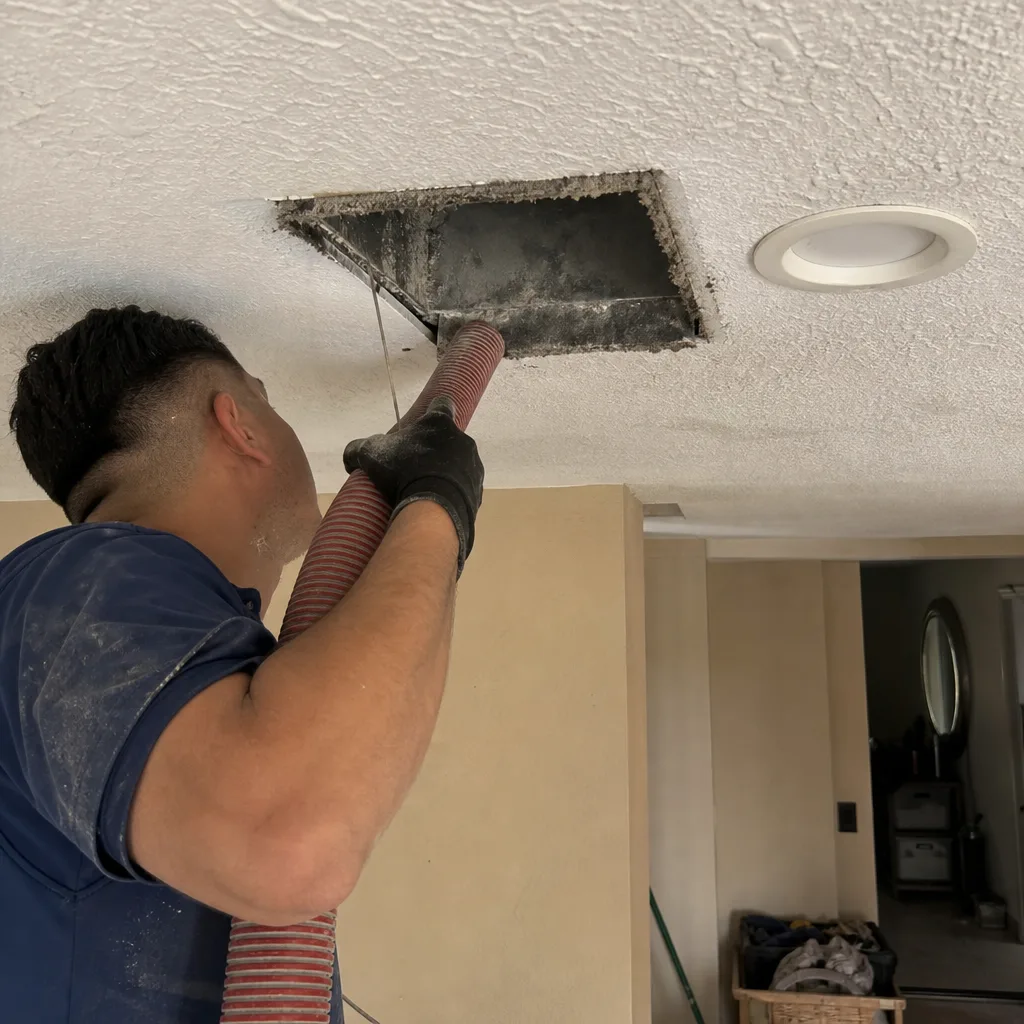 Before
 After
After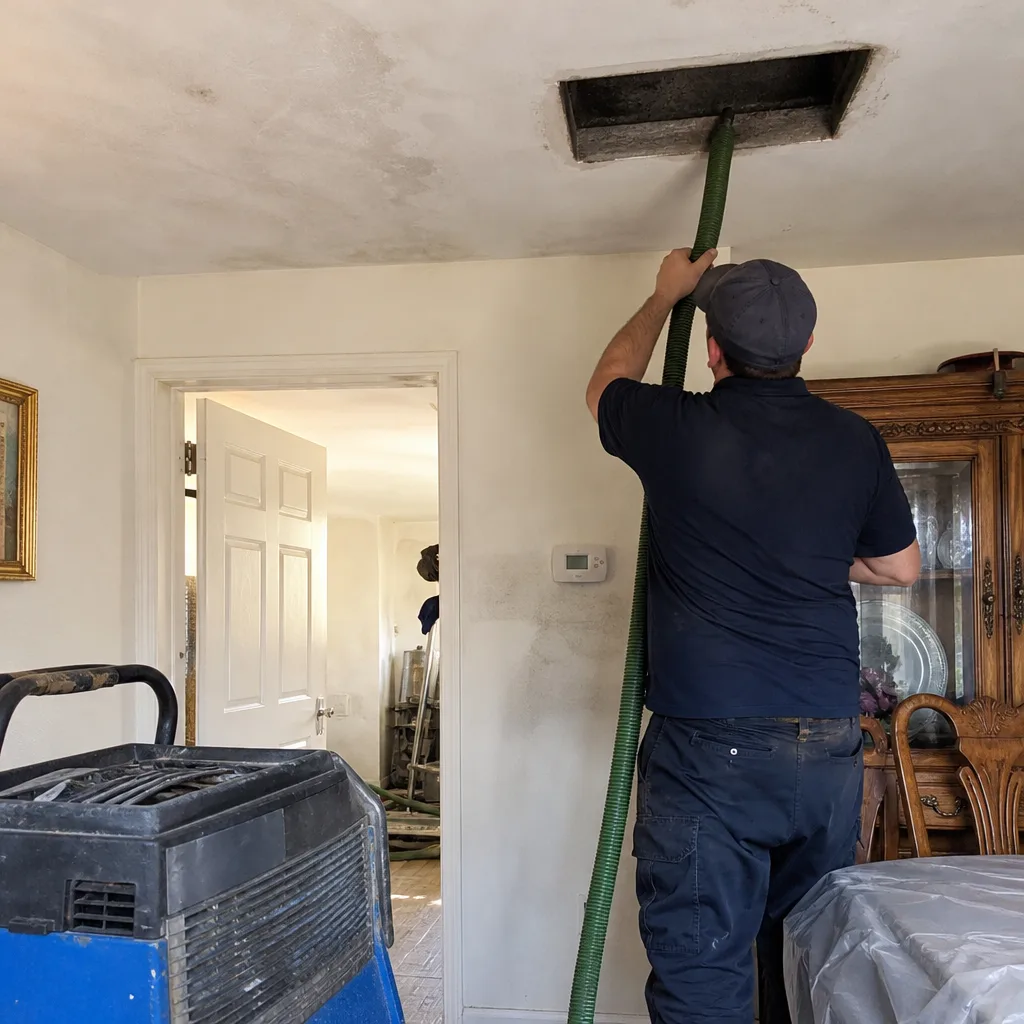 Before
 After
AfterDryer Vent Cleaning Warning Signs Every Homeowner Should Know
The U.S. Fire Administration attributes roughly 2,900 home dryer fires per year to failure to clean. Here’s what most Los Angeles homeowners don’t realize: your dryer vent doesn’t clog overnight. It narrows gradually, week after week, and the machine works harder to push the same warm, damp air through an ever-smaller opening. By the time you notice clothes taking twice as long, the vent has likely been compromised for months. This guide works backward from what a technician sees during our Dryer Vent Cleaning services, so you’ll recognize the signs before they become a hazard.
Quick Answer
The most reliable dryer vent cleaning warning signs are clothes that stay damp-warm after a full cycle, a laundry room that heats up while the dryer runs, a dryer exterior that feels unusually hot, and a vent cap outside that doesn’t flap open fully during operation. If any two of these appear together, the vent needs cleaning immediately, not conveniently.
Table of Contents
- Performance Signs: What Your Laundry Routine Tells You
- Structural Signs: What’s Happening Inside the Duct
- The Last Few Minutes of Heat Test
- Los Angeles-Specific Factors That Accelerate Clogs
- The Vent Cap Check: A Sixty-Second Exterior Inspection
- The Two-Sign Threshold: When Cleaning Isn’t Optional
- What Happens If the Signs Are Ignored
- Common Mistakes to Avoid
- When to Call a Professional
- Frequently Asked Questions
- The Bottom Line
Performance Signs: What Your Laundry Routine Tells You
Your dryer communicates through load times and heat. Most people just don’t know how to read what it’s saying. Clothes that took 45 minutes to dry when the machine was new now take 60 or 75. That’s not the heating element aging. It’s airflow restriction. The moisture has nowhere to go, so it stays in the drum and keeps the clothes damp longer.
Here’s what to watch for week to week:
- Clothes feel slightly damp-warm at the end of a regular cycle. Warmth tells you the heating element works. Dampness tells you the moisture isn’t being carried away. The air is moving, but not fast enough to do its job.
- Towels or jeans need a second cycle. Heavy fabrics show the problem first because they hold more water. If your towels consistently need an extra 15 minutes, the vent is already partially blocked.
- The laundry room feels like a sauna while the dryer runs. Dryers are designed to contain their heat. A hot room means warm, moist air is escaping somewhere it shouldn’t, usually through a loose connection or a partially blocked duct backing up into the room.
- A musty smell lingers on freshly dried clothes. Moisture trapped in a clogged vent creates the perfect environment for mildew inside the duct. That odor gets pushed back into the drum and into your clothes.
We’ve seen these patterns in homes across Los Angeles, from West Adams to Sherman Oaks. The homeowner usually thinks the dryer is failing. In most cases, the machine is fine. The vent behind it is the problem.
Structural Signs: What’s Happening Inside the Duct
Performance signs tell you airflow is restricted. Structural signs tell you why. These are the issues we find when we run a camera through a vent during a routine cleaning, and they matter because they change what kind of service the home needs. For timing, see our Duct Sealing Maintenance Schedule: What to Do and When.
- Crushed duct behind the dryer. Dryers get pushed back against the wall over time, and the flexible transition hose gets pinched. That accordion fold closes off half the air passage. You won’t see it from the front. We do when we pull the machine out.
- Disconnected joints inside the wall or ceiling. Older installations in Los Angeles homes from the 1960s and 1970s often used foil tape that dries out and lets go. The duct separates at a joint, and now the dryer is venting into the wall cavity instead of outside. Lint and moisture are being deposited inside your walls.
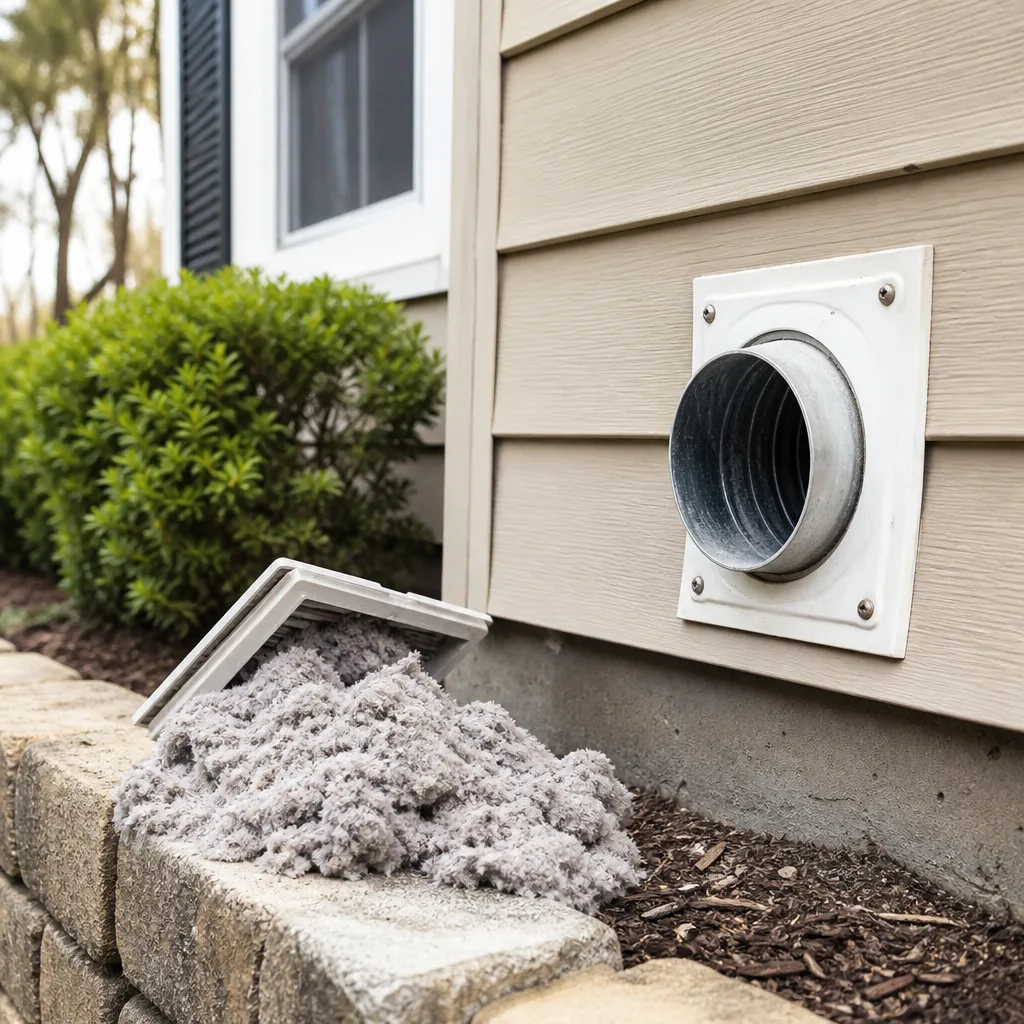
- Bird or rodent nests at the exterior cap. A vent cap that doesn’t seal tightly is an open invitation. In Los Angeles, starlings and house sparrows are common culprits. They build inside the duct, and a small nest accumulates lint until the passage closes almost completely.
- Lint accumulating on visible surfaces. If you find lint collecting around the dryer drum, on top of the machine, or on shelves near the laundry area, that lint is not staying inside the lint trap. Some of it is being pushed back because the exhaust path is blocked.
These structural issues are the reason cleaning alone isn’t always the whole answer. A crushed duct needs to be replaced or rerouted. A disconnected joint needs resealing. Knowing which problem exists before work starts changes the price and the time. That’s why we write the price after we inspect, not before, and why the Hollis Air Duct Cleaning home standard is to show you what we found with the camera before we touch a thing.
The Last Few Minutes of Heat Test
Here’s a diagnostic step most homeowners can perform without tools and without opening anything up. It’s the single best at-home indicator we know.
- Run a normal load of laundry on a regular timed cycle. Don’t use the moisture-sensor setting. You want a fixed amount of time.
- Wait until the cycle has roughly five minutes remaining. Open the dryer door and touch the clothes inside.
- Assess what you feel. Clothes should be nearly dry and very warm, almost hot. What you do not want is clothes that feel damp and warm at the same time.
Here’s what damp-warm means. The heating element is doing its job. The air is getting hot. But the moisture has nowhere to go, so it’s condensing back onto the fabric. The dryer is heating but not ventilating. That’s airflow restriction, and it is the earliest reliable sign that the vent is narrowing. You’re not looking for a broken machine. You’re looking for a machine that’s suffocating.
In our experience across Los Angeles, maybe seven times out of ten a homeowner calls us believing the dryer needs repair. The heating element, the thermal fuse, the control board. Most of the time, the machine is fine, and the real issue is a vent that hasn’t been cleaned in years. The money they didn’t want to spend on a service call goes toward cleaning instead, which costs less than a replacement heating element in almost every scenario.
Los Angeles-Specific Factors That Accelerate Clogs
Not every city clogs dryer vents at the same rate. Los Angeles has a few characteristics that push vents toward blockage faster than the national average, and if you live here, you should know them.
Stucco and hardscape housing stock. Many Los Angeles homes built between 1940 and 1980 have dryer vents that exit through stucco walls. Stucco is porous, and around the vent penetration, small gaps open as the house settles. Those gaps let in fine dust and sometimes moisture, which gives lint something to adhere to inside the duct. We see the same homes developing clogs faster than their hardie-siding counterparts.
Coastal wind patterns. If your vent exits toward the west or southwest, prevailing onshore winds from the Pacific push air back against the dryer’s exhaust. The dryer must work harder to overcome that resistance. Lint drops out of the airstream more readily when the air slows, which means vents on the ocean-facing side of a home accumulate debris measurably faster.
Laundry rooms in converted garages and utility closets. Los Angeles has thousands of mid-century homes where the laundry is in a small interior closet or a garage that was later enclosed. These installations often have longer duct runs with multiple elbows. Every elbow is a place where lint settles. A vent run that travels 20 feet with three turns clogs significantly faster than a straight 8-foot run through an exterior wall.
All of this means the standard “every year” advice doesn’t apply evenly. A two-person household in a Santa Monica bungalow with a short straight vent might go 18 months without issue. A family of five in a Woodland Hills home with a long duct run and a west-facing cap might need cleaning every 8 to 10 months. That’s why we recommend our Dryer Vent Cleaning in Los Angeles service includes a look at your specific run length and exit orientation, not a generic calendar reminder.
The Vent Cap Check: A Sixty-Second Exterior Inspection
Here’s the sign almost nobody checks, and it’s one of the best early indicators available. Go outside. Find the vent cap on the exterior wall where the dryer exhaust exits. If you’re not sure which one it is, have someone turn the dryer on while you stand outside.
Watch the cap while the dryer runs.
- A healthy vent cap with a flap louver will be pushed fully open by the air pressure. You’ll feel warm, moist air escaping steadily and with some force.
- A partially blocked vent produces air that’s warm but weak. The flap might only open halfway, or it might flutter and drop even while the dryer runs at full power.
- A severely blocked vent produces almost no airflow at the cap. The flap stays closed or barely moves. Hot air is staying inside the duct, which is exactly how fires start.
This check takes less than a minute, and it can be done any time the dryer is running. If the flap doesn’t open fully, stop using the dryer until the vent is cleaned. Not because we say so. Because every dryer manufacturer’s installation manual says the same thing: the machine requires unobstructed exhaust. Running it without that is a choice, and it’s a bad one.
Stucco walls add one more variable in Los Angeles. We’ve seen caps that were caulked or painted shut during a stucco repair. The homeowner never noticed. The dryer was exhausting into a dead end. The first sign was a thermal fuse blowing inside the machine, which costs more to replace than a vent cleaning does.
The Two-Sign Threshold: When Cleaning Isn’t Optional
Here’s the practical rule we give every homeowner at the end of an inspection or a phone call.
If any two of these signs appear together, cleaning is not optional. It is overdue.
- Clothes taking noticeably longer to dry than a year ago
- A hot dryer exterior or a hot laundry room during operation
- A burning smell while the dryer runs
- Visible lint accumulating around the drum or laundry area
- A vent cap that does not flap fully open during a cycle
- Two or more years since the last cleaning, regardless of symptoms
One sign is a signal. Two signs together is a pattern, and it means the vent is more than partially blocked. Every day you keep running the dryer with a restricted vent, you’re baking lint against the duct wall and against the heating element housing. Lint is not just flammable. It is the single most common ignition source in home dryer fires, and once it ignites inside a duct, the fire spreads to the wall framing faster than most people can empty a fire extinguisher.
We are not alarmists. We clean vents for a living, which means we sell the solution, but we also see the condition of ducts a week before a repair is needed versus a week after. A two-sign situation cleaning typically runs between $129 and $250 for a standard single-family home in Los Angeles, depending on duct length and access. The alternative is a thermal fuse, a heating element, an insurance claim, or worse.
What Happens If the Signs Are Ignored
Clogged vents fail in a predictable sequence. Understanding it helps you see why the cost of cleaning is not an expense. It’s the cheapest point on the timeline.
Stage one: reduced airflow. Drying times increase. Energy use increases because the dryer runs longer to accomplish less. Your utility bill goes up without any change in your habits.
Stage two: overheating. The dryer’s high-limit thermostat starts cycling the heating element off more frequently to protect the machine. This is the machine’s safety system doing its job, but it also means the heating element is working harder to hit temperature, then shutting down more often, then coming back on. That on-off-on-off pattern shortens the element’s lifespan.
Stage three: component failure. The thermal fuse blows. Sometimes the heating element itself fails. These are $150 to $400 repairs in Los Angeles, and replacing the part without addressing the clogged vent means the new part will fail the same way in short order.
Stage four: ignition. Lint has accumulated near the heating element housing or inside the duct, and it reaches its ignition temperature. The U.S. Fire Administration’s estimate of 2,900 home dryer fires a year includes homes where the owner thought they were doing everything right. They changed the lint trap. They never realized the duct behind the wall was packing lint for years.
A dryer vent cleaning for a standard Los Angeles home generally falls between $129 and $250 with us, and we’ll give you a written price before the equipment comes off the truck. That number should be a reference point when you’re comparing options.
Common Mistakes to Avoid
- Relying on the lint trap alone. The lint trap catches maybe 60 to 70 percent of what passes through it. The rest travels into the duct. Cleaning the trap after every load is necessary, but it is not sufficient. The duct behind the wall still accumulates.
- Running a second cycle as a workaround. Some Los Angeles households simply add time to every load and never question it. That habit costs money every month and pushes the vent closer to a fire condition while the homeowner adapts to the symptom instead of fixing it.
- Ignoring the dry time change because they switched detergents or fabric softeners. Product changes don’t account for a 30 percent increase in dry time. If your routine changed and the dry time didn’t, fine. But that’s rarely what’s happening.
- Assuming a new home means a clean vent. If you bought a house and inherited its vent system, you inherited the previous owner’s lint. Home inspections in Los Angeles do not typically scope dryer ducts. We clean vents in homes that were sold six months ago, and the duct is full because the seller hadn’t cleaned it in a decade.
- Using the foil tape and hardware-store fix. If you’ve opened the duct and re-taped it yourself, you may have created a new problem. Improperly sealed joints with the wrong tape can come apart faster than a professional foil mastic seal. That’s part of what we address in our Duct Sealing in Los Angeles work.
- Trusting the lowest bid with no written scope. Bait-and-switch pricing is common in this trade, and the low number is designed to get the van parked in the driveway. Once there, the price moves. A written price before work starts, with a written guarantee behind it, avoids that. The Garrison Standard at every Hollis location requires it.
When to Call a Professional
Call when any two of the signs above are present. Call when the vent cap doesn’t open during operation. Call when your dryer is older than five years and the vent has never been cleaned. Call when you notice a burning smell, because that is not a cleaning issue. That is a fire hazard, and the dryer should not run again until the vent is inspected. Call when you’ve bought a home and you don’t know the vent’s history.
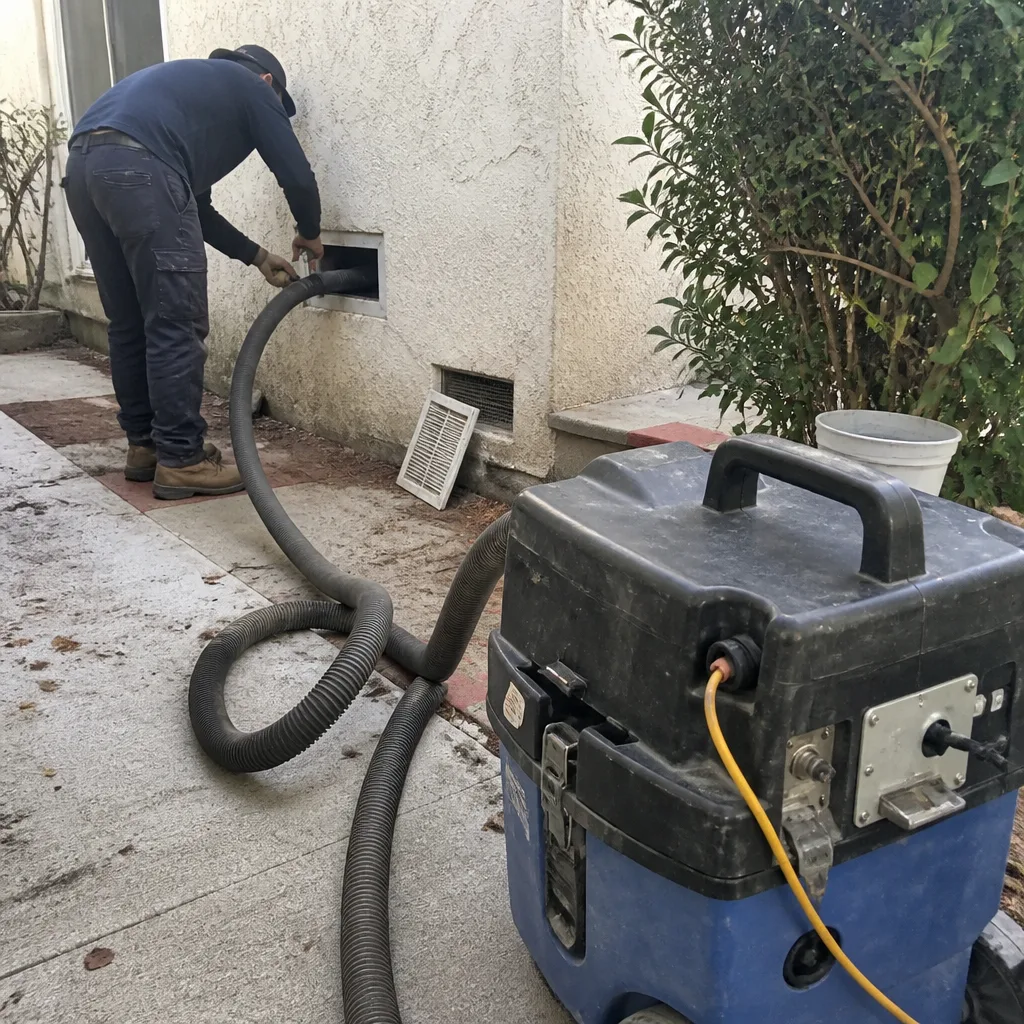
Hollis Air Duct Cleaning offers free estimates in Los Angeles. Our techs carry Rotobrush rotary brush systems and Nikro negative-air machines, not hardware-store gear, and we write the price before we start. If you’re not sure whether your vent is a problem, we’ll tell you straight either way. Call (361) 326-5060.
For broader issues in your home’s ventilation system, including the supply and return ductwork, see our Air Duct Cleaning in Los Angeles page.
Frequently Asked Questions
For a standard single-family home in Los Angeles, dryer vent cleaning typically runs between $129 and $250, depending on duct length, number of elbows, and access. Multi-story homes or long runs with difficult roof access can reach $300. Hollis writes the full price before work begins, so the number you’re quoted is the number you pay. Call (361) 326-5060 for an exact quote.
Every 12 months is the general recommendation for a two-person household with a short, straight vent. In Los Angeles, homes with coastal wind exposure, stucco construction, long duct runs, or large families should consider every 8 to 10 months. If you’re seeing any of the warning signs in this guide, the interval was too long regardless of the calendar.
You can clean the first few feet from the dryer with a brush and vacuum, but a full duct cleaning requires reaching the entire run, which often means roof or ladder access and professional-grade equipment. The danger is not the cleaning itself. The danger is thinking a partial cleaning solved the problem when lint remains packed inside a long or kinked duct. A partial job gives false confidence, and the vent stays restricted.
A dryer that heats but doesn’t dry is nearly always an airflow problem, not a heat problem. The moisture cannot escape because the vent is blocked, so it condenses back onto the clothes. The heating element is working. The exhaust path is not. This is the most common symptom of a clogged vent, and it’s the one that most often gets misdiagnosed as a machine failure.
A burning smell is usually either a vent problem or an electrical problem, and both require immediate attention. If the smell is accompanied by longer dry times, the likely cause is lint burning against the heating element or inside the duct. Stop running the dryer and have the vent inspected. A fire in a duct spreads through the wall before most smoke detectors react.
Air duct cleaning covers the HVAC system: the supply and return ducts that distribute heated and cooled air through the home. Dryer vent cleaning covers the exhaust duct that carries moisture and lint from your clothes dryer to the outside. They are separate systems, separate services, and separate prices. Hollis provides both, each quoted independently in writing.
The Bottom Line
The warning signs are there before the fire. Damp-warm clothes at the end of a cycle, a hot laundry room, a vent cap that barely opens, a burning smell. Any one is a message. Any two together is a pattern that demands action. Cleaning a clogged dryer vent in Los Angeles costs between $129 and $250 for most homes, and the work takes less than an hour in a standard installation. Waiting costs more, always. For more guides & resources, or if you’re seeing signs and it’s been more than a year, call us. We’ll give you a straight answer and a written price before we touch anything.
Written by Roy Castellanos, Owner at Hollis Air Duct Cleaning, serving Los Angeles since 2004.