
Last updated October 9, 2026
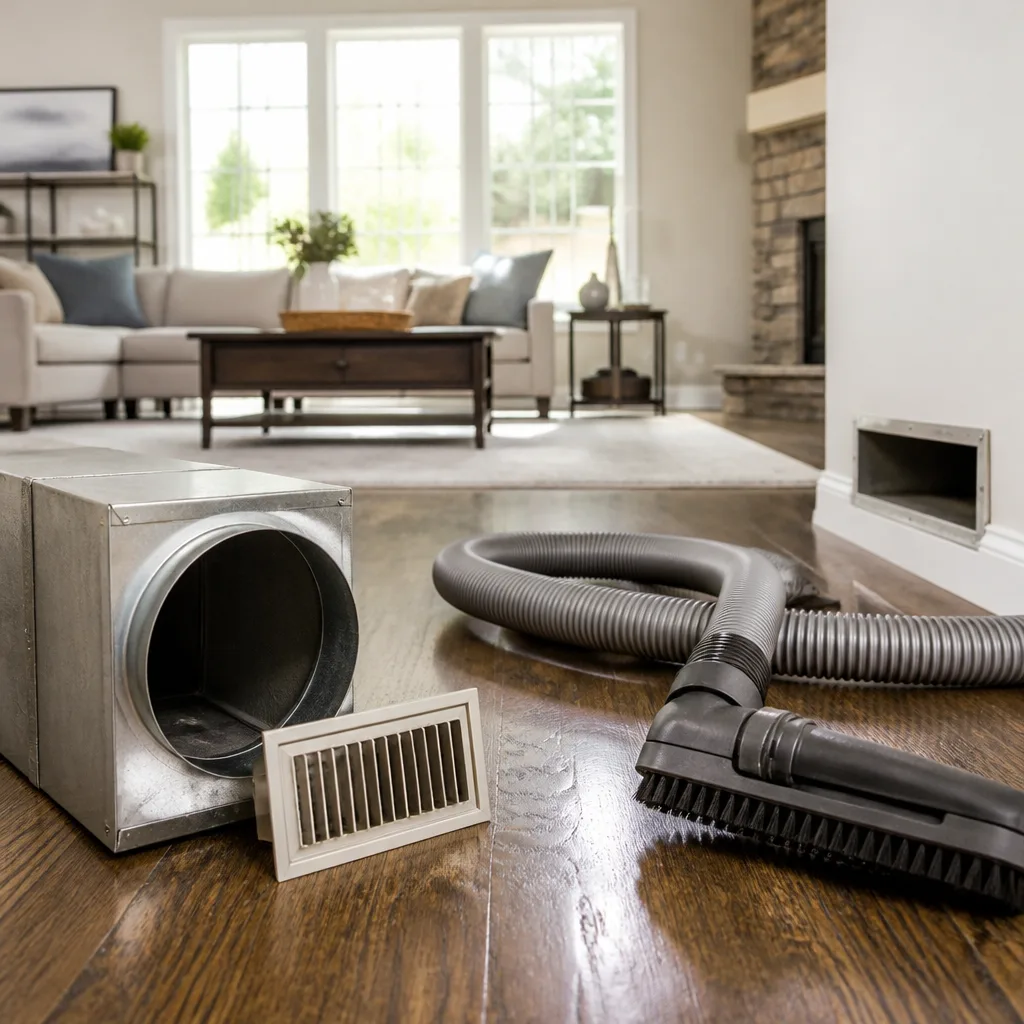
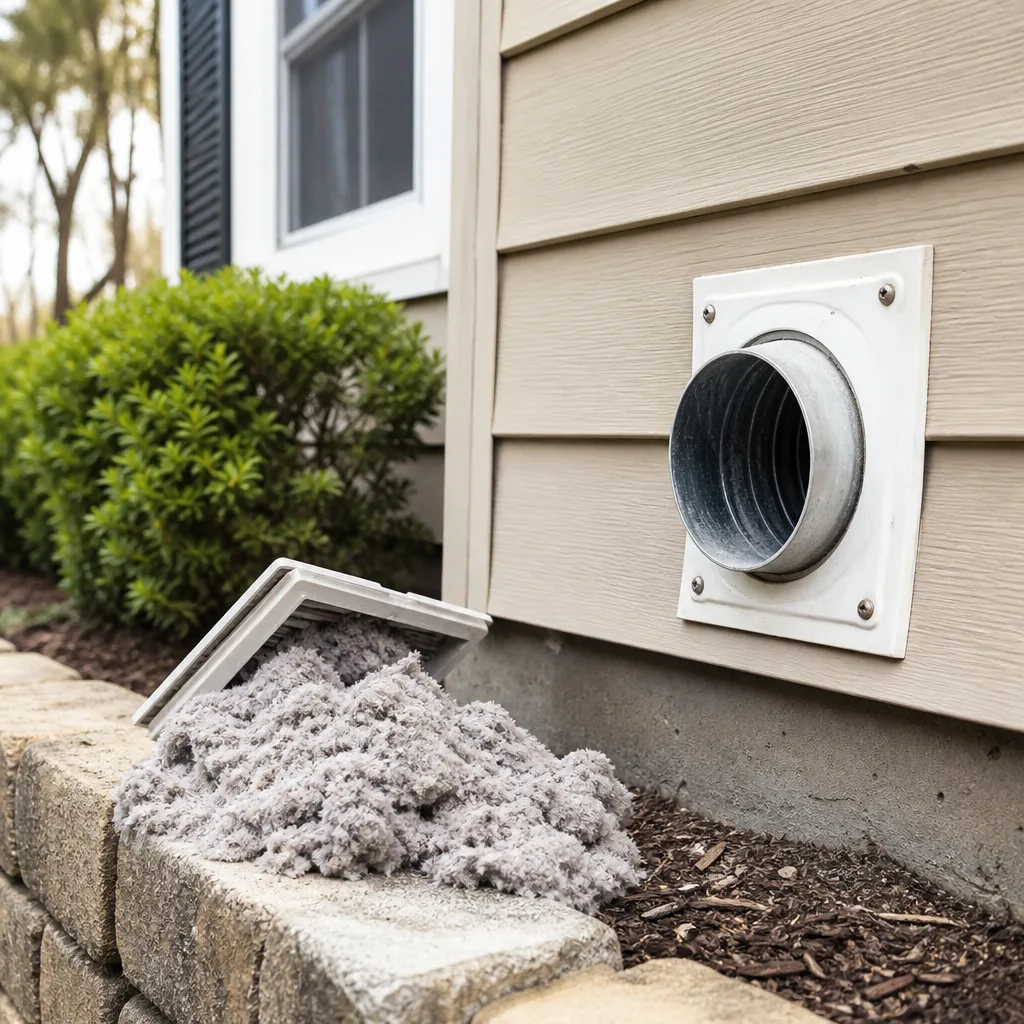
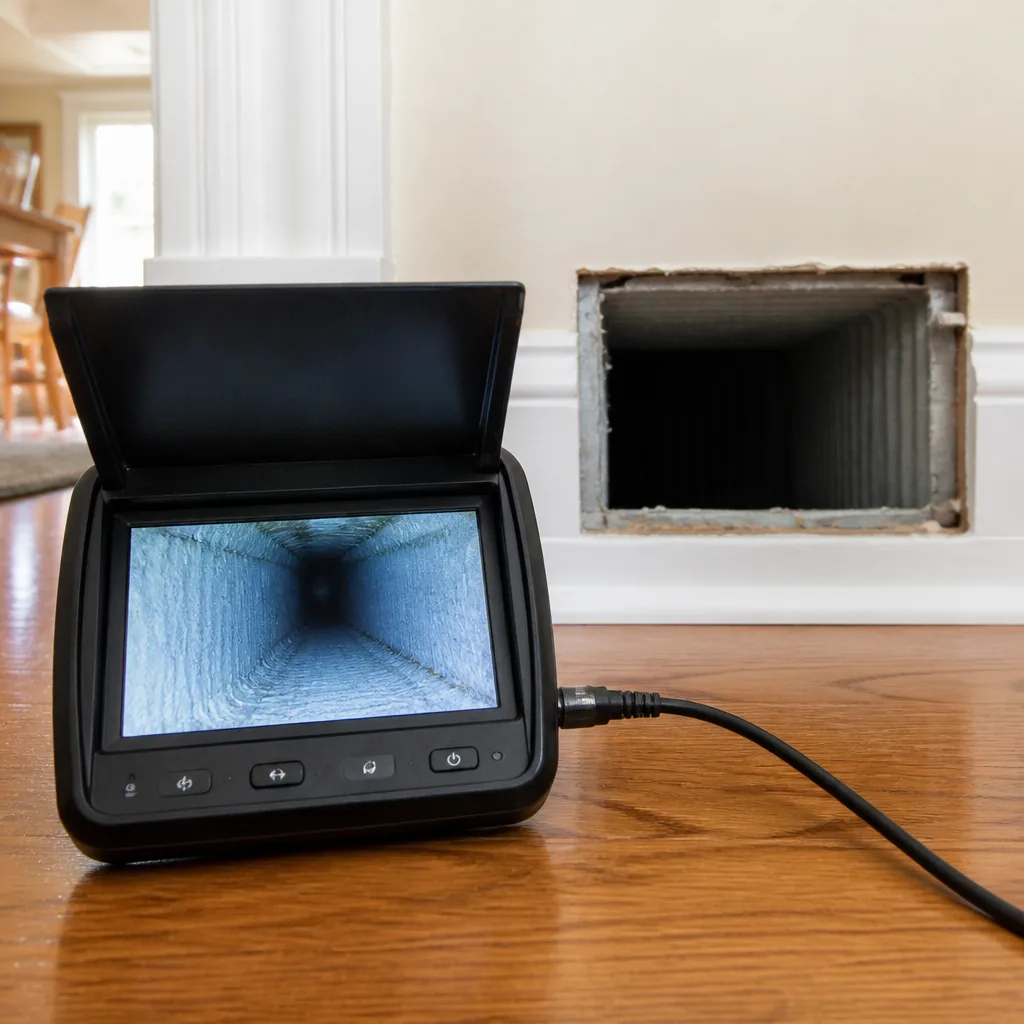
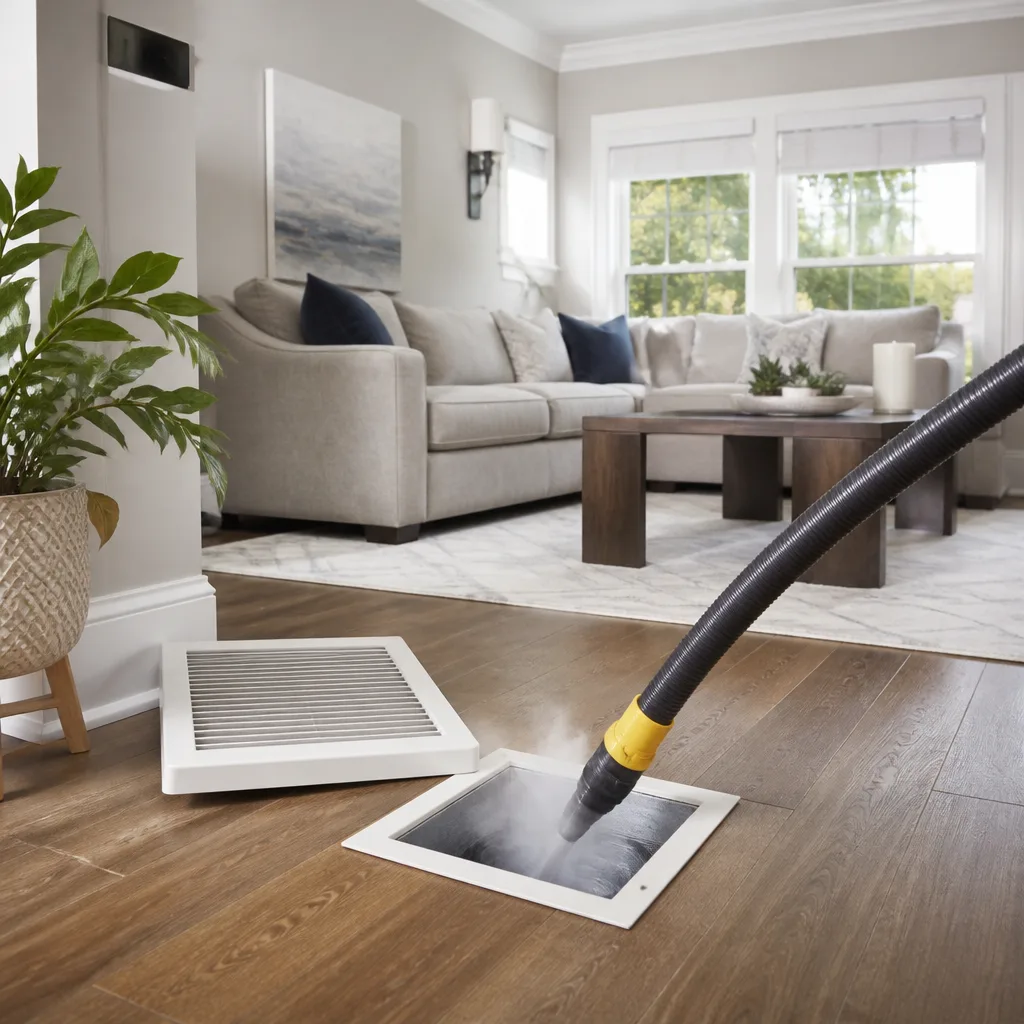
Whole-system duct and dryer vent check with before-and-after photos - you see exactly what came out of your vents
That "$99 whole-house special" is a bait ad - the real number appears once they are in your hallway, or the "clean" is a shop-vac at the register. We photograph the inside of your ducts before and after instead.
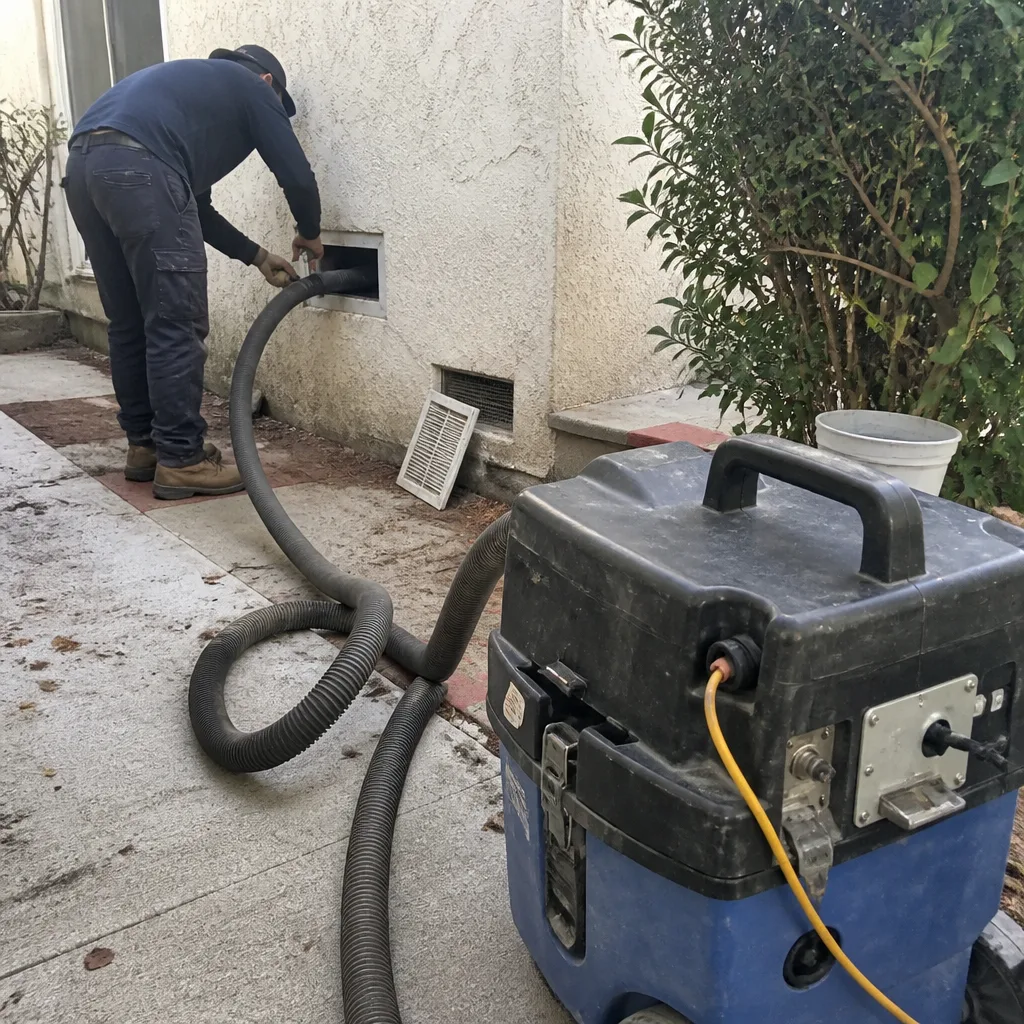 Before
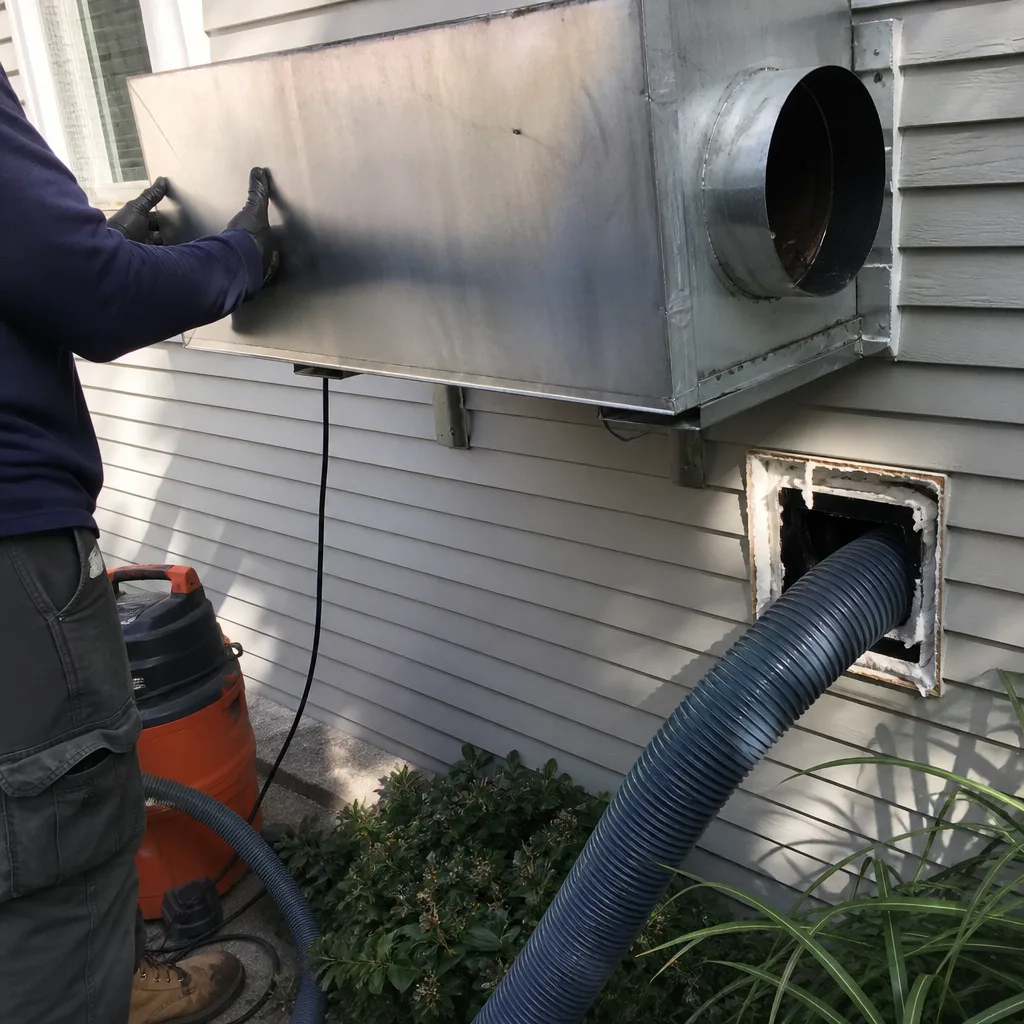 After
After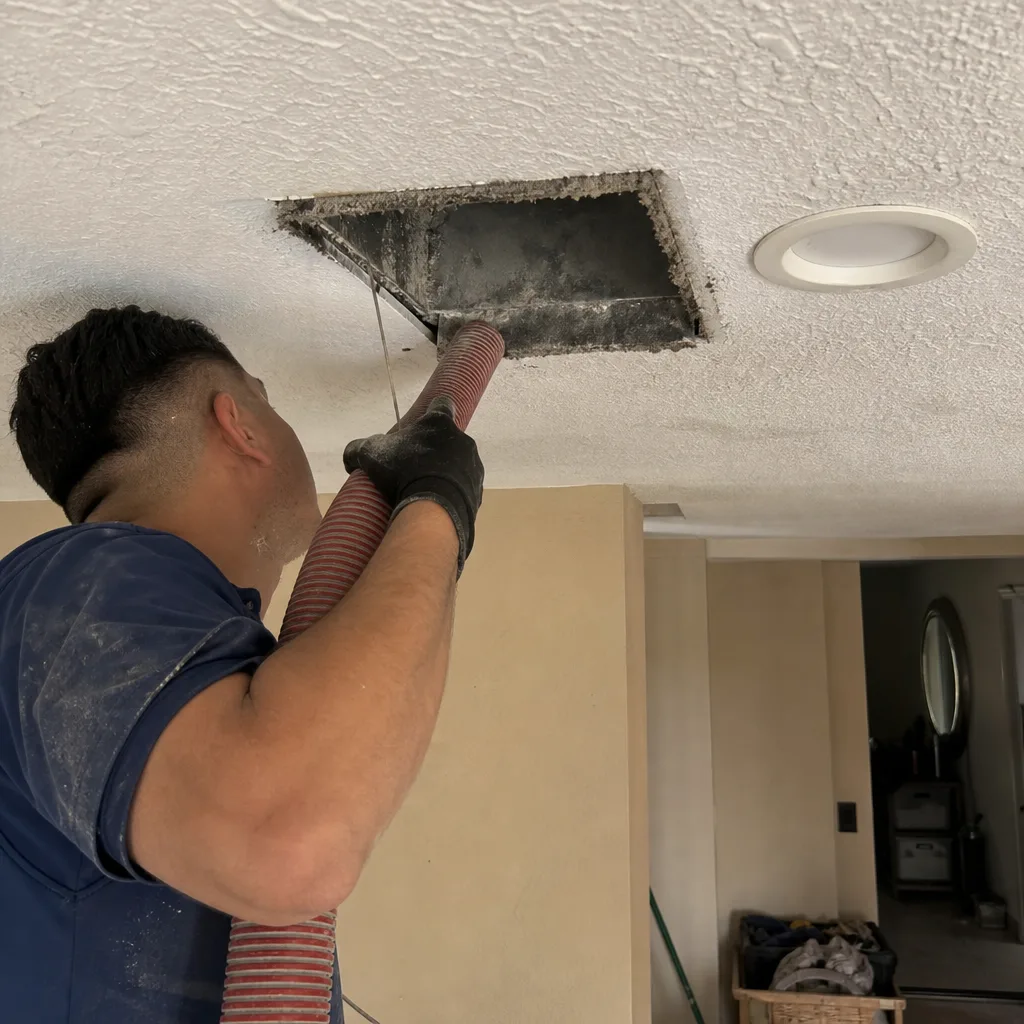 Before
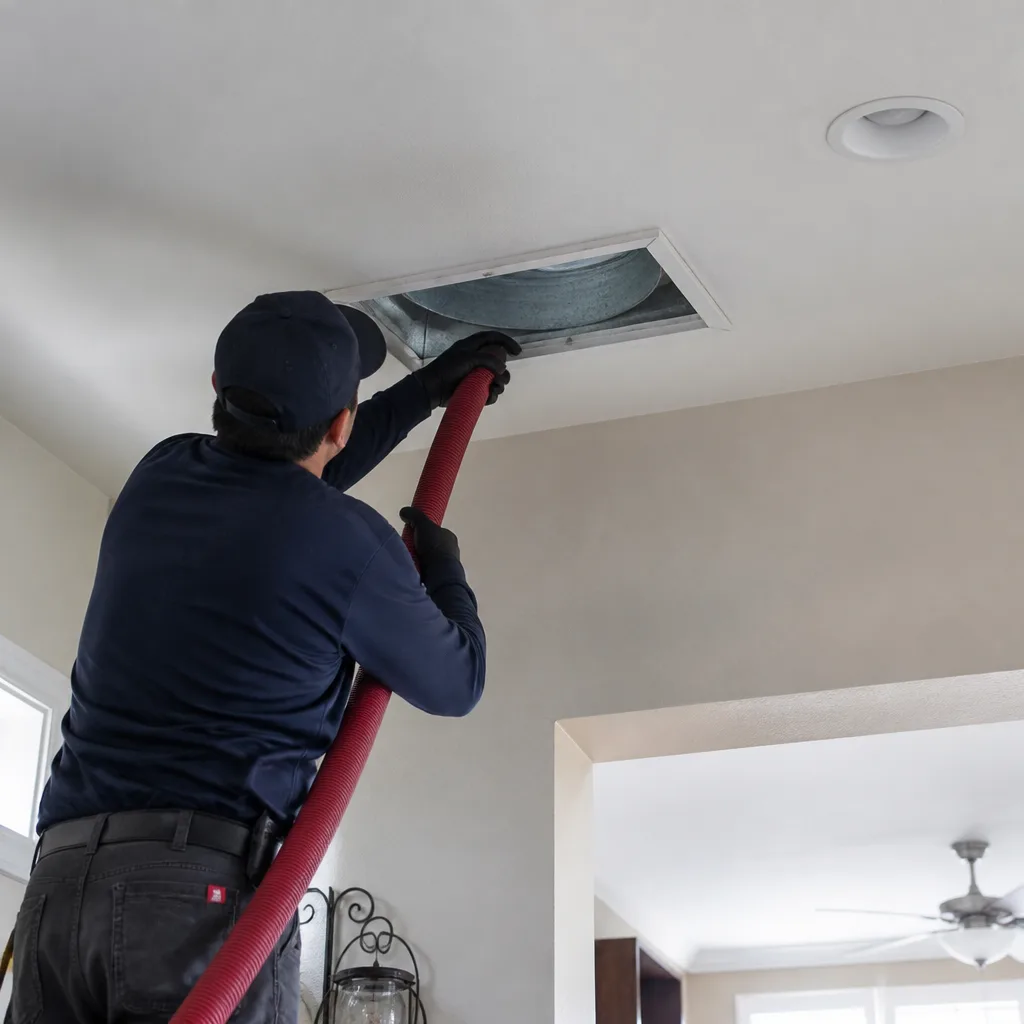 After
After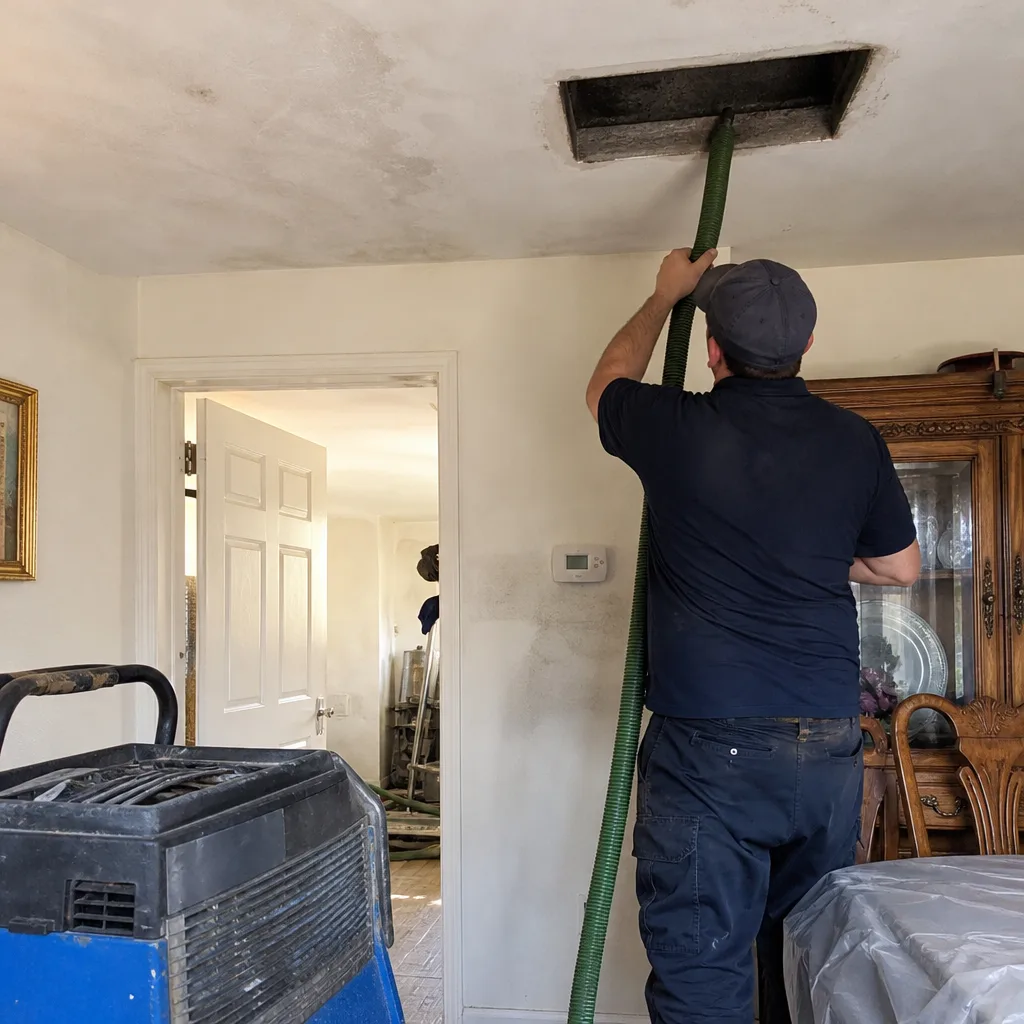 Before
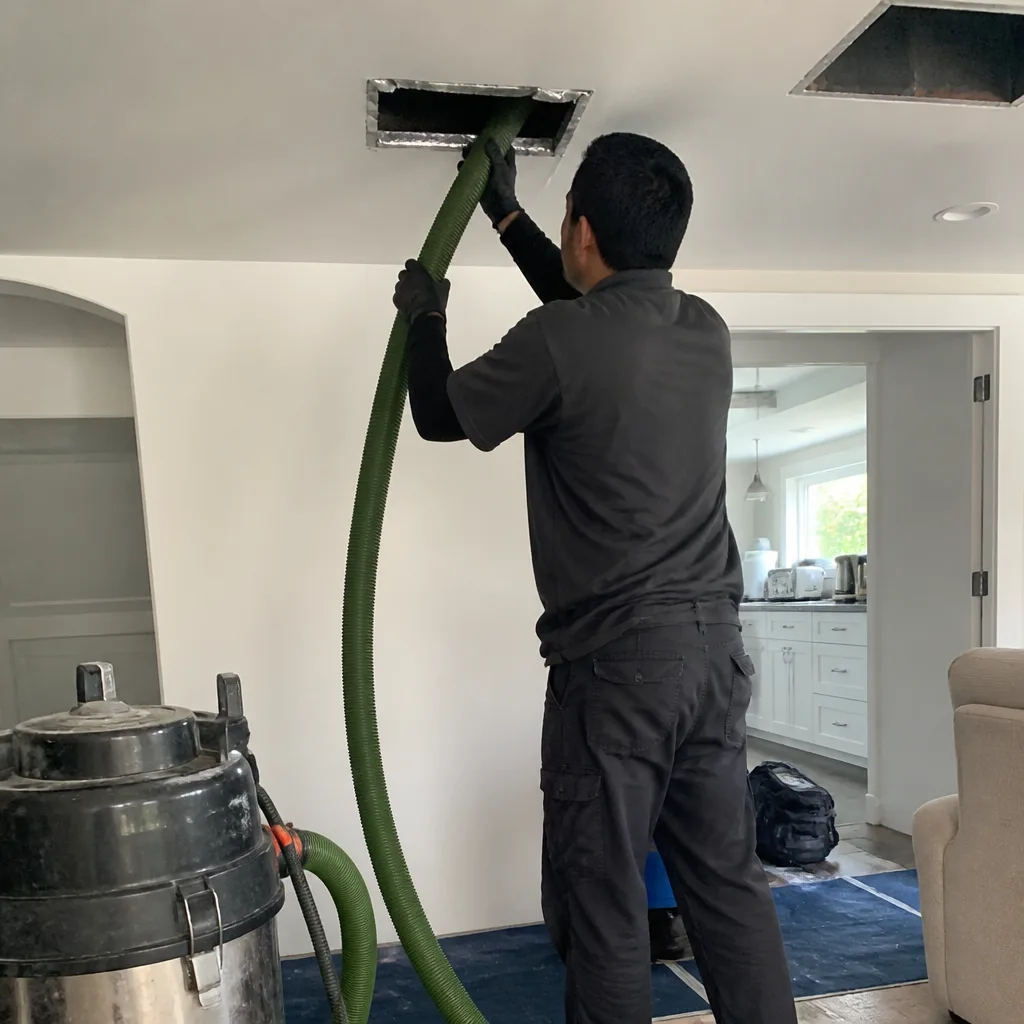 After
AfterDuct Sealing Warning Signs Every Homeowner Should Know
Most homeowners in Los Angeles replace their HVAC equipment years before it actually fails because they misread the symptoms. A hot upstairs bedroom in July, a utility bill that climbs while habits stay the same, dust on every surface within days of cleaning: these complaints rarely point to the furnace or the AC unit. They point to the ductwork hidden in the attic, the crawlspace, and the walls. In Los Angeles, where summer attic temperatures regularly exceed 140°F, duct connections expand, contract, and loosen over time. This guide covers the warning signs that your duct system is leaking conditioned air, why those leaks disguise themselves as other problems, and what a homeowner can actually do about it.
Quick Answer
The clearest signs your ducts need sealing are rooms that never hold temperature, dust that returns immediately after cleaning, utility bills that rise year over year without a change in usage, and a musty or attic-like smell when the system runs. In a Los Angeles home with original ducts from before 1990, at least one of these symptoms usually means the duct connections have separated in the attic and your conditioned air is being dumped into dead space. A professional Duct Sealing services assessment costs far less than continuing to heat and cool the attic, and a proper inspection can pinpoint exactly which connections have failed.
Table of Contents
- The Disguise Problem: Why Duct Leaks Look Like Equipment Failure
- Warning Sign One: Inconsistent Room Temperatures
- Warning Sign Two: Dust and Odor That Return Within Days
- Warning Sign Three: Utility Bills That Climb While Habits Stay the Same
- Warning Sign Four: Short Cycling and Pressure Imbalances
- Warning Sign Five: The Age of Your Duct System
- Warning Sign Six: Post-Renovation Air Problems
- What Sealing Fixes and What It Doesn’t
- Two DIY Tests You Can Do Today
- Common Mistakes to Avoid
- When to Call a Professional
- Frequently Asked Questions
- The Bottom Line
The Disguise Problem: Why Duct Leaks Look Like Equipment Failure
Duct leakage is the most underdiagnosed HVAC problem in residential Los Angeles. Here’s why: when a duct separates at a seam or a boot connection, the symptoms show up elsewhere in the system. The thermostat still works. The blower still runs. The AC unit itself is often completely fine. What changes is where the conditioned air goes. A supply-side leak in the attic means the air you paid to cool is spilling into insulation and roof decking before it ever reaches a register. A return-side leak means the system is pulling 140°F attic air into the return plenum and mixing it with the air it just cooled. The homeowner experiences both as “the AC isn’t keeping up” and calls an HVAC contractor who quotes a compressor replacement. The compressor wasn’t the problem.
We’ve walked into Los Angeles homes where the homeowner had two quotes for a new AC system sitting on the kitchen counter, and the actual fix was sealing four separated duct connections in the attic. That’s not to say equipment never fails. It does. But in our experience, a significant percentage of “equipment failure” calls in homes with original ductwork turn out to be distribution problems, not mechanical problems.
Warning Sign One: Inconsistent Room Temperatures
One bedroom reads 78°F while the hallway reads 72°F with the thermostat set to 74°F. That’s not a thermostat calibration problem. That’s a distribution problem. When a room at the end of a duct run can’t hold temperature while rooms closest to the air handler stay comfortable, the two most common causes are a supply duct that has separated somewhere along that run, or a return path that’s been choked off, so the room can’t release air back to the system fast enough to accept the air being delivered.
The classic Los Angeles version of this is the upstairs bedroom that bakes all summer while the downstairs stays pleasant. Heat rises, so some temperature difference between floors is normal. But when the difference is consistently ten degrees or more, the culprit is often a return leak on the upper floor. The return ducts in many older LA homes run through the attic. When those return connections separate, the system pulls hot attic air into the return side instead of pulling air from the upstairs bedrooms. The result is a house where the upstairs never cools down no matter how long the system runs. The system is working against an attic that is 140 degrees in the afternoon. Duct Sealing in Los Angeles addresses exactly this kind of return-side leak, and it’s one of the first things we check when a homeowner tells us the upstairs won’t cool.
Warning Sign Two: Dust and Odor That Return Within Days
Dust that reappears on furniture and floors within three or four days of cleaning is a pressure problem. When the supply ducts leak, the house goes into negative pressure. That negative pressure pulls air through every available opening: around exterior doors, through window frames, through wall penetrations, and most importantly, from the attic and crawlspace through access panels and recessed lighting. Attic air is full of insulation fibers, dust, and whatever else has accumulated in that space over decades. That air gets drawn into the living space whenever the HVAC runs.
The smell test is a simple diagnostic. Stand near a return grille while the system runs. If you smell attic, dust, or a musty odor pulled from somewhere you can’t see, that odor is being pulled into the system from an unconditioned space. The smell shouldn’t be there. Your return system should only be pulling air from the conditioned rooms of the house. When it pulls from the attic or crawlspace instead, that’s a return-side leak, and it’s bringing whatever is in that space into the air you breathe. Roy Castellanos, Owner at Hollis Air Duct Cleaning, has spent two decades tracing exactly these odor paths in LA homes, and the fix almost always starts with the duct connections, not the cleaning products.
Warning Sign Three: Utility Bills That Climb While Habits Stay the Same
The Department of Energy has published estimates for decades that typical residential duct systems lose 20 to 30 percent of conditioned air to leaks. In Los Angeles, where a large part of the year requires active cooling, that’s a direct utility bill surcharge. If your LADWP bill has climbed 15 percent year over year without a change in thermostat habits, window count, or occupancy, the first variable to question is the duct system. Not the AC unit.
Here’s the mechanism. A 3-ton system doesn’t get weaker when the ducts leak. It keeps producing the same amount of cooling. But a percentage of that cooling never reaches the rooms. So the homeowner turns the thermostat down to compensate. Now the system runs longer cycles to try to hit a set point that the leaking ducts keep undermining. Longer cycles mean higher energy consumption. Higher consumption with the same equipment and the same habits means the conditioned air is going somewhere other than the rooms. In LA, that somewhere is almost always the attic.
Pricing for this work is often far less than homeowners expect. A typical duct sealing job in Los Angeles, depending on the number of leaks and the accessibility of the duct runs, usually falls in the $850 to $2,200 range for sealing the accessible leaks and testing the system. Compare that to the ongoing utility overpayment and the cost of a premature equipment replacement, and the math is straightforward.
Warning Sign Four: Short Cycling and Pressure Imbalances
When a supply-side leak is substantial, the system loses static pressure. The blower moves the same volume of air, but the air has an easier escape path through the leak than through the registers. The result can be short cycling: the system reaches a temperature on its own sensor and shuts off even though the rooms haven’t actually received the airflow. Or the opposite: the system runs constantly and still can’t satisfy the thermostat because so much volume is lost in the attic.
A pressure imbalance shows up in specific ways. Doors that slam shut when the system kicks on. Whistling at the edges of closed doors. A noticeable difference in airflow from register to register, where one vent barely trickles while another blasts. These are not the normal behaviors of a balanced system. A balanced system delivers airflow in proportion to each room’s load and returns it through a path that doesn’t fight the door. When the doors fight back, the return path is broken.
Warning Sign Five: The Age of Your Duct System
Here’s a hard indicator for Los Angeles homeowners: if your home was built before 1990 and still has its original duct system, that system should be assessed for sealing regardless of symptoms. It’s not a question of whether the connections have degraded. It’s a question of how much. Duct tape, the original cloth-and-adhesive product, dries out and fails within about ten years in a hot attic. The duct mastic and aluminum tape used on some older LA installations fails more slowly, but it doesn’t last forever, especially in an attic that cycles from 40°F on a January night to 140°F on an August afternoon. Every one of those cycles applies mechanical stress to the connections.
Pre-1990 homes in neighborhoods like the Valley, Culver City, and the older parts of Pasadena and Long Beach often have metal duct systems or early flexible duct systems that are now 35 to 50 years old. In our experience, those systems are leaking in multiple places, and the homeowner has usually adjusted to the symptoms over the years without realizing what’s happening. The thermostat gets set a little lower each summer. The bill gets budgeted a little higher each year. The house gets dusted more often. That’s adaptation to a problem, not a solution.
Warning Sign Six: Post-Renovation Air Problems
If you completed a renovation in Los Angeles and noticed that the airflow or temperatures changed afterward, that’s not a coincidence. Any permitted work that opened walls, modified the ceiling, or accessed the attic moves and disturbs existing duct connections. A contractor who is running electrical lines or plumbing through an attic isn’t necessarily going to notice that a duct boot got knocked loose. A drywall crew sealing up a ceiling isn’t necessarily going to flag that the return plenum they enclosed is now pulling from the wall cavity instead of the room.
This warning sign is real and it’s common. If a renovation touched a wall that housed a duct chase, or an attic where supply runs were strapped, the probability that something got disconnected or crushed is substantial. The symptom pattern matches the other warning signs on this list: a specific room that won’t hold temperature, dust that started after the project, airflow that seems weaker than before the work began. The renovation didn’t change the HVAC equipment. It changed the distribution. That’s the variable to investigate.
What Sealing Fixes and What It Doesn’t
Duct sealing fixes leaks. It restores the integrity of the distribution path between the air handler and the rooms. When done properly, with duct mastic and mechanical fasteners rather than tape, it can cut the loss of conditioned air by the majority in a system with separated connections. What it doesn’t fix is an undersized system, a blocked return, a dirty coil, or an AC unit that has reached the end of its mechanical life. Those are separate problems with separate fixes.
This distinction matters because it’s where homeowners waste money. Sealing ducts on a system that was undersized from day one will improve delivery but won’t fully solve the comfort problem. Replacing a compressor on a system with badly leaking ducts will improve mechanical performance but won’t fully solve the delivery problem either, and now you’ve spent thousands on a new unit while the ducts still dump air into the attic. The diagnostic order matters. Before you spend on equipment, verify the distribution. Before you seal the distribution, verify the equipment. In a discipline-driven company like ours, that’s the order of operations, and it’s the same standard Hollis Air Duct Cleaning home has applied to every job we’ve done for over two decades.
Two DIY Tests You Can Do Today
Both of these tests are safe for any homeowner to perform. They can’t tell you the severity of the problem or exactly where every leak is, but they can tell you whether you’re likely dealing with a distribution issue rather than an equipment issue.
- The tissue paper test. Take a single sheet of tissue paper and hold it two inches from the face of each register while the system runs. A register that only makes the paper flutter weakly while other registers make it snap to attention is receiving reduced airflow. Compare registers across the house. Consistent airflow from room to room is the goal. A pronounced difference usually means a leak or a crushed section somewhere along the weaker run.
- The smell test. Remove the return grille cover in a central hallway or the largest return in the house, then go outside to the attic access panel or the crawlspace door. Open it a few inches and place something with a distinct but harmless smell directly at the opening: a sliced onion, a few coffee grounds, or a scented candle with the lid off. With the HVAC running, go back to the return intake and smell. If you detect the test scent at the return, the return system is pulling air from the attic or crawlspace instead of from the conditioned rooms. That’s a return-side leak, and it’s pulling that same air into your house every time the system runs.
Both tests take fifteen minutes and cost nothing. If either one indicates a problem, the next step is a professional inspection with the right tools. We use Nikro negative-air machines and Rotobrush rotary brush systems for cleaning and inspection work, and the difference between that kind of commercial-grade equipment and a homeowner’s visual inspection is considerable: these machines show exactly where air is escaping from the system and how much.
Common Mistakes to Avoid
- Blindly replacing the AC unit first. In Los Angeles, a new HVAC system installed on old leaking ducts is a half-fix. You’ll get better mechanical performance but still leak conditioned air into the attic. Diagnose the distribution before you commit to equipment replacement.
- Using duct tape as a permanent fix. Duct tape fails in hot attics. It dries, cracks, and peels within a few LA summers. Proper sealing requires duct mastic, mechanical fasteners, and often replacement of failed sections. Anything less is temporary at best.
- Assuming dust is a housekeeping problem. If you dust and it’s back in three days, the dust is being delivered to the house, not accumulated by neglect. The source is usually a return leak pulling attic air into the system.
- Ignoring uneven temperatures as “just how old houses are.” Older homes have quirks, but a ten-degree difference between floors is a distribution problem, not a character trait. Quirks don’t cost you money every month. Leaks do.
- Sealing ducts without first assessing the equipment. The diagnostic order goes both ways. If the AC unit itself is dying, sealing the ducts will help but won’t save the equipment. Get a full picture before you spend on any fix.
- Accepting a quote over the phone without a visual inspection. No one can price a duct sealing job accurately without seeing the duct system. A company that quotes over the phone without looking has incentive to change the price when they arrive. A written price after inspection is the only price that should be honored. That’s the standard we hold at Air Duct Cleaning in Los Angeles, and it’s the standard any homeowner should demand.
When to Call a Professional
Call a professional when you’ve confirmed one or more of the warning signs above and the DIY tests suggest a distribution issue. Specific scenarios: a room that runs ten degrees warmer than the rest of the house that no amount of thermostat adjustment fixes; a utility bill that has climbed 20 percent or more year over year without a corresponding change in habits; a musty or attic smell that appears whenever the system runs; or a renovation that preceded a sudden change in airflow or comfort. Hollis Air Duct Cleaning offers free estimates in Los Angeles. Call (361) 326-5060 and we’ll send a background-checked, uniformed technician to inspect the system, identify the leaks, and give you a written price before any work starts.
Frequently Asked Questions
In Los Angeles, duct sealing typically costs between $850 and $2,200 depending on the number of leaks, the accessibility of the duct runs, and whether the system requires sections to be replaced rather than sealed. A full system with multiple separated connections in a difficult attic will land at the higher end. Our policy at Hollis Air Duct Cleaning is a written price before any work starts, so the number you’re quoted is the number you’ll pay. Curious about timing? Read How Long Does Dryer Vent Cleaning Take? Timelines and What to Expect. Call (361) 326-5060 for a free estimate and a written quote based on your specific system.
Look at the pattern. A failing AC unit usually delivers weak cooling consistently across all rooms. Duct leaks usually create uneven results, with specific rooms or floors underperforming while others remain comfortable. If the system cools the hallway but not the back bedroom, that’s a distribution problem. Our technicians use negative-air testing with Nikro equipment to measure exactly how much air is escaping the system and where, which removes the guesswork.
No. Dryer Vent Cleaning in Los Angeles removes debris and buildup from the interior of the ductwork. Duct sealing is a separate repair process that closes gaps, holes, and separated connections in the duct system. If your ducts are both dirty and leaking, both services are appropriate, but they address different problems. We offer both and will tell you honestly which one your home actually needs.
There’s no fixed interval. A well-sealed duct system that was properly installed with mastic and mechanical fasteners can hold integrity for many years. The bigger variable is the environment. In Los Angeles, attics that cycle between cold winter nights and 140°F summer afternoons put constant stress on duct materials. We recommend a visual inspection any time a major symptom appears or after any renovation that accessed wall cavities or the attic.
In most cases, yes. The utility savings alone typically recoup the cost of sealing within a few years, and the comfort improvement is immediate. An older LA home with original ducts from the 1970s or 1980s is almost certainly losing 20 percent or more of conditioned air. Sealing those leaks is a materially better investment than continuing to overpay on energy and replacing equipment before its time.
Basic duct sealing and repair typically doesn’t require a permit if the work is limited to repairing existing ductwork. However, any significant modification to the HVAC system or replacement of duct runs may trigger local permitting requirements. A licensed contractor will be able to tell you definitively based on the scope of work needed. We’re familiar with Los Angeles building codes and will advise you honestly before any work begins.
The Bottom Line
Duct leakage hides in plain sight. The rooms that won’t hold temperature, the dust that returns within days, the utility bill that keeps climbing, the short cycling that seems random: these are not isolated complaints. They’re a pattern, and the pattern points to the duct system. In Los Angeles specifically, attic heat accelerates duct connection failure, and pre-1990 homes with original ductwork should be assessed as a matter of routine. Two DIY tests can give you a preliminary answer in fifteen minutes. Explore our more guides & resources for additional homeowner tips. A professional inspection can pinpoint the exact leaks and price the repair honestly. The 365-Day Done Right Promise means the fix is backed in writing for a full year, because the standard is doing it right the first time, not doing it over.
Written by Roy Castellanos, Owner at Hollis Air Duct Cleaning, serving Los Angeles since 2004.