
Last updated October 9, 2026
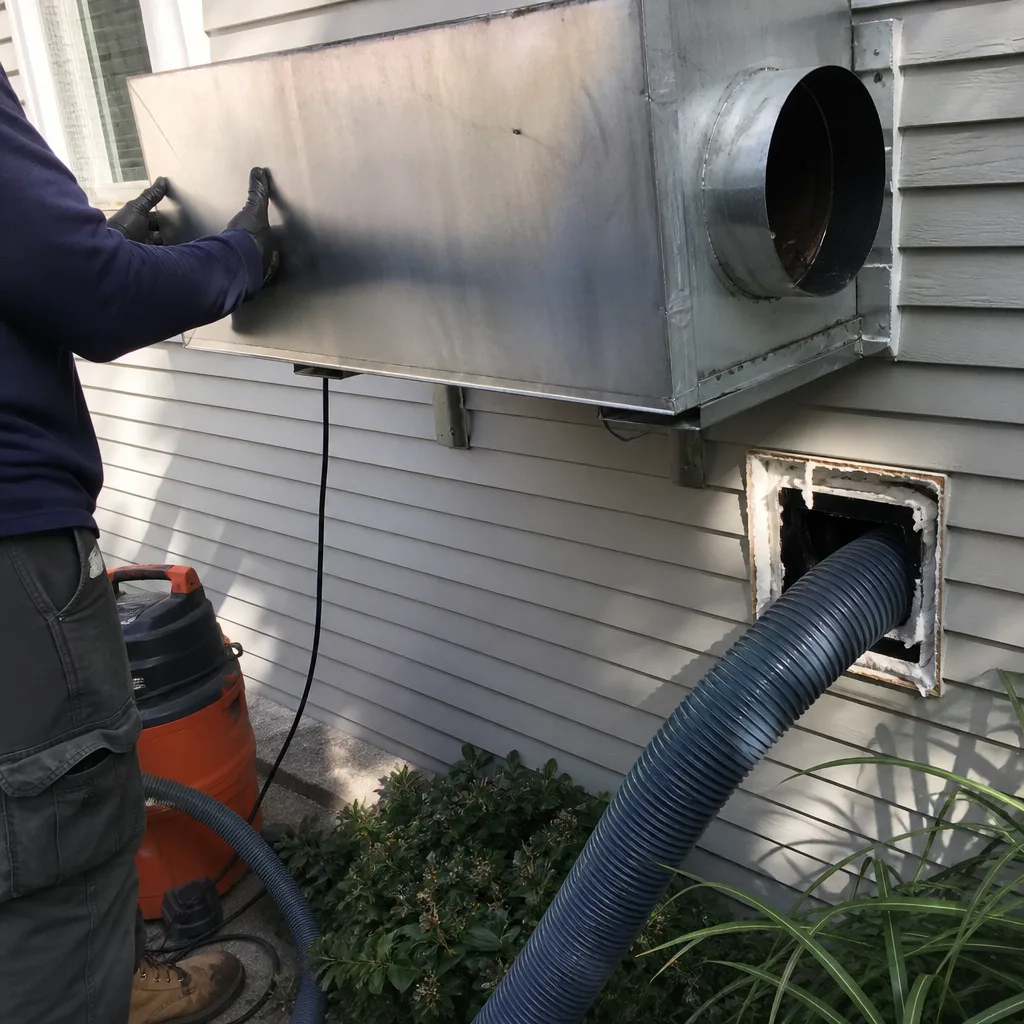
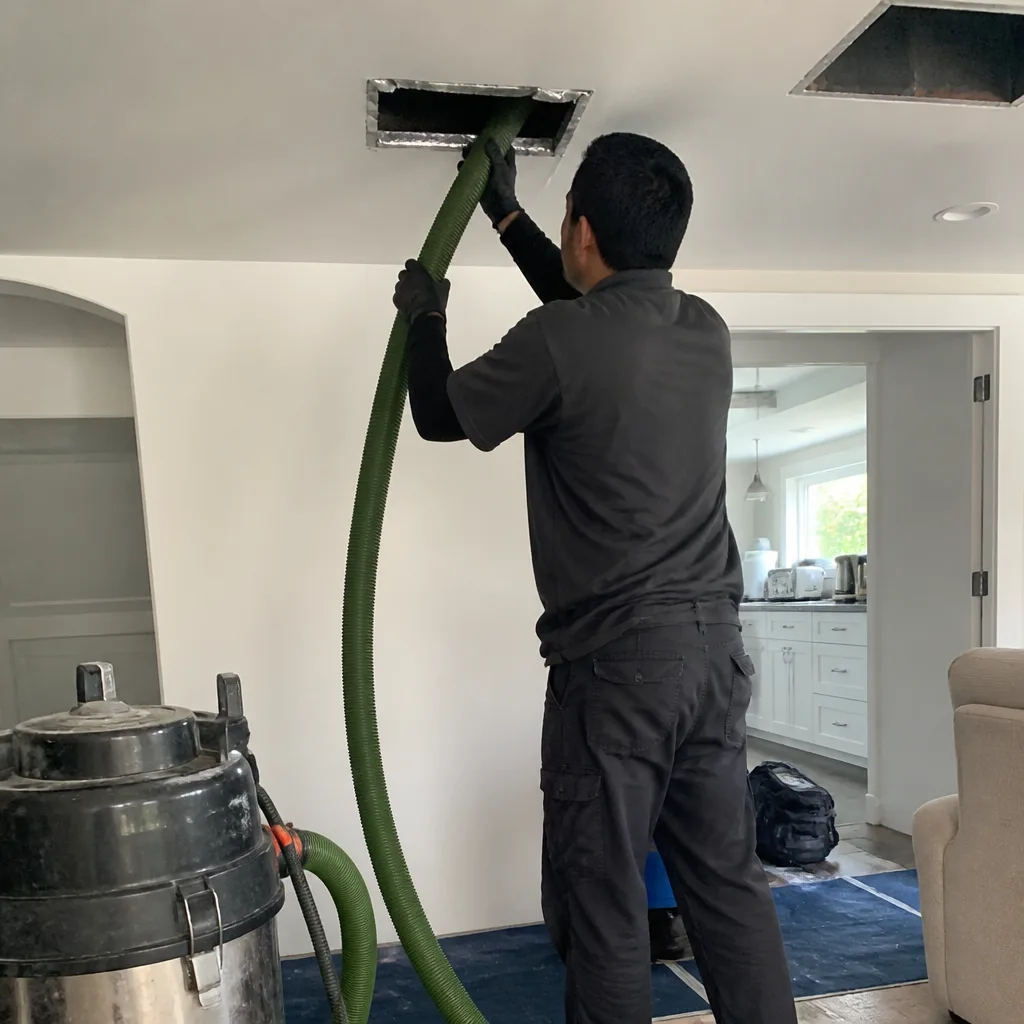
Whole-system duct and dryer vent check with before-and-after photos - you see exactly what came out of your vents
That "$99 whole-house special" is a bait ad - the real number appears once they are in your hallway, or the "clean" is a shop-vac at the register. We photograph the inside of your ducts before and after instead.
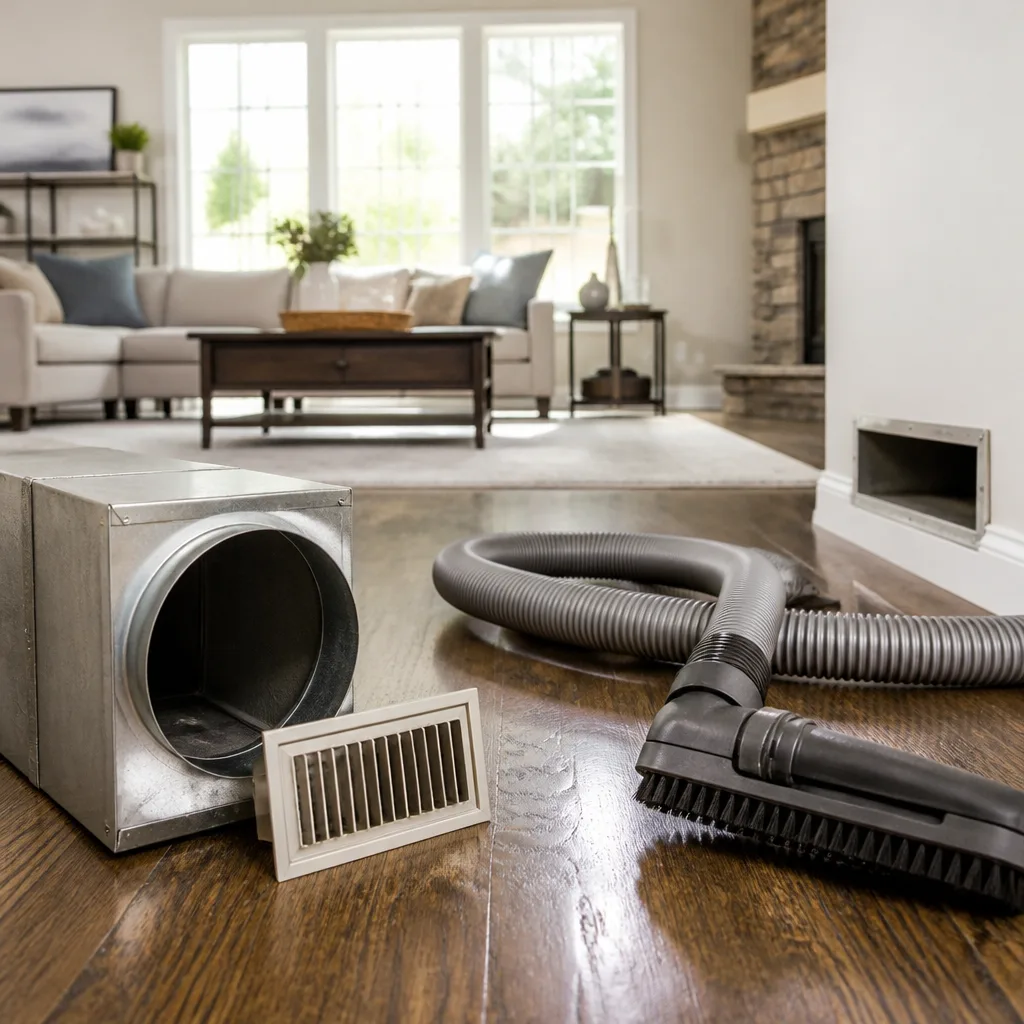
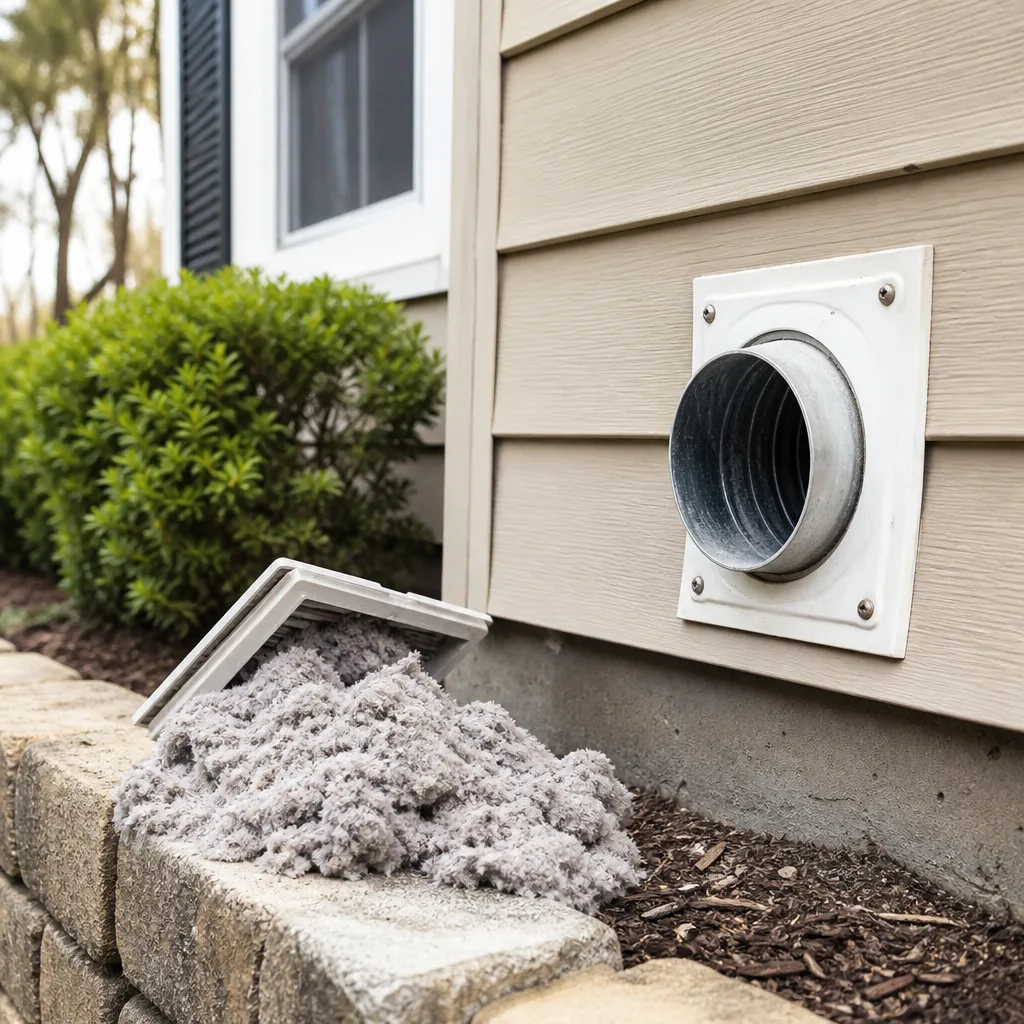
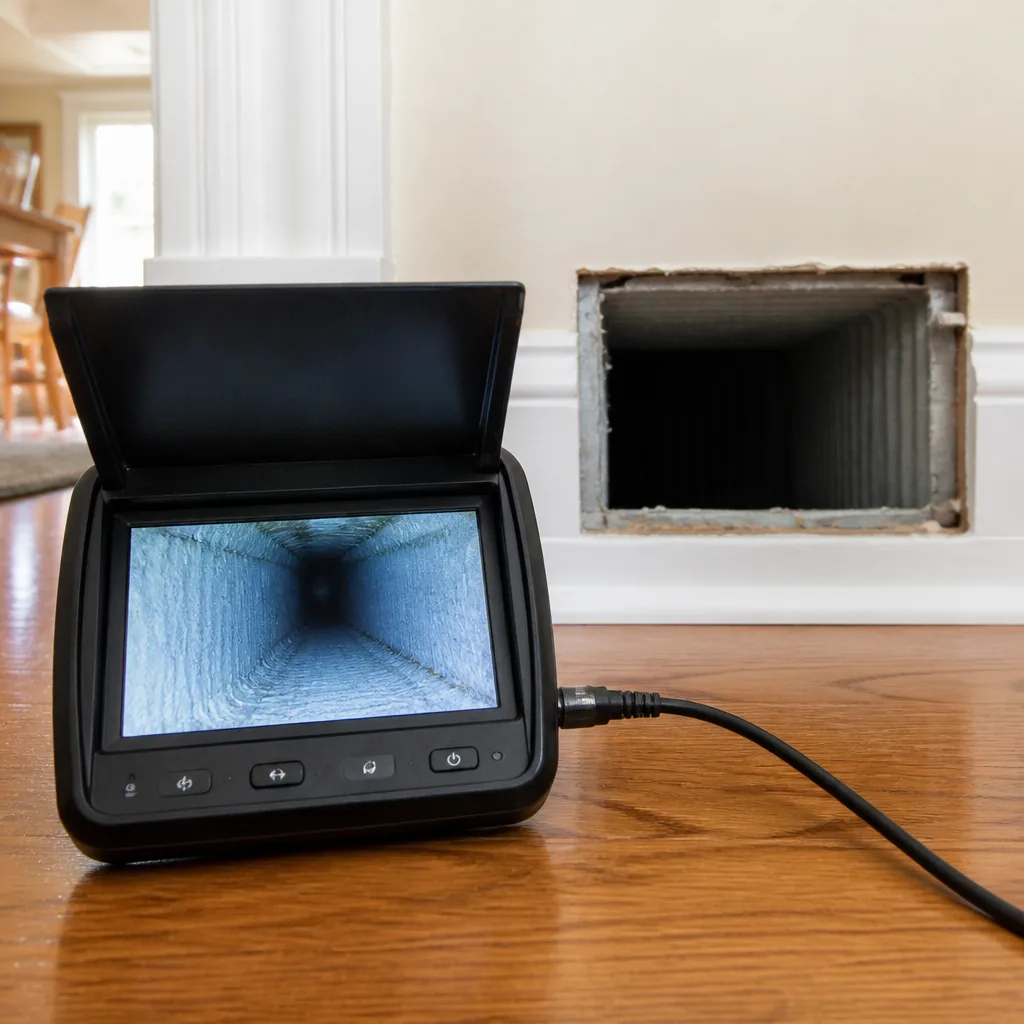

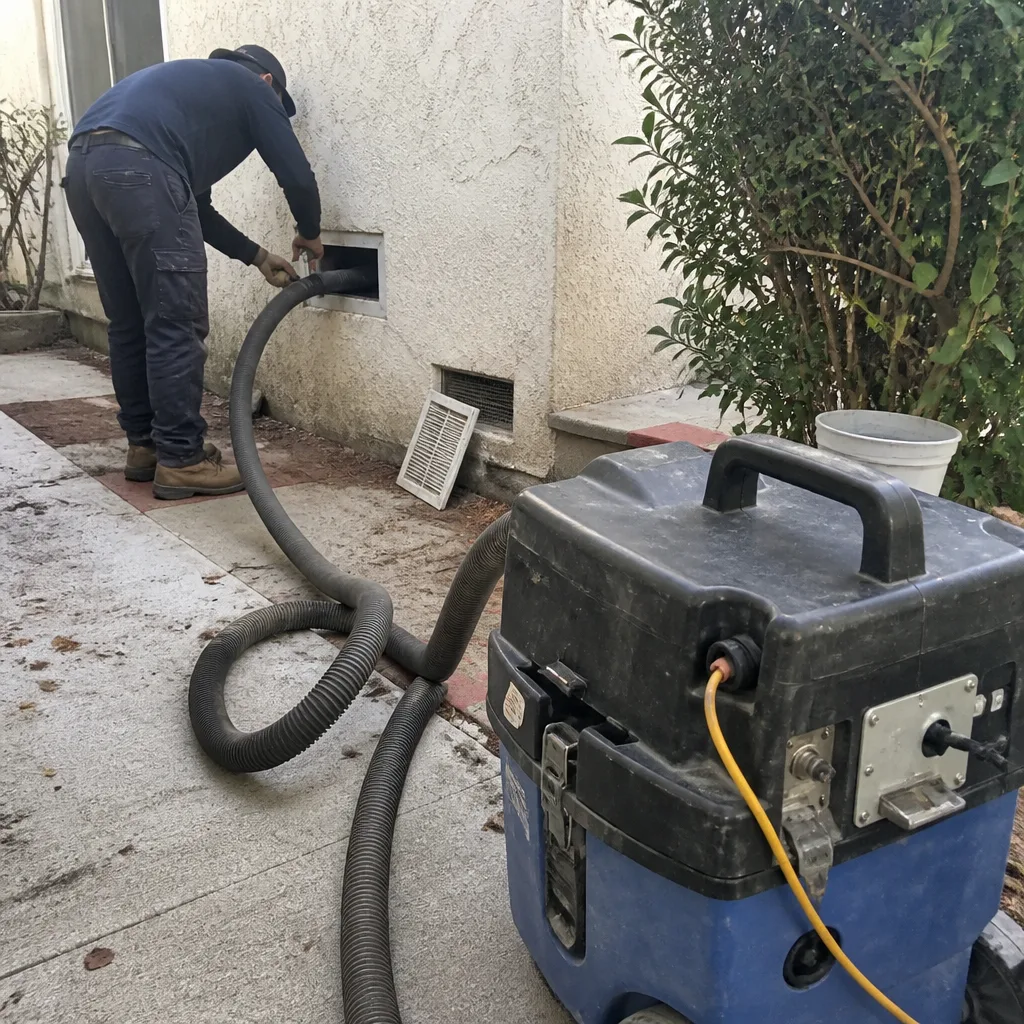 Before
 After
After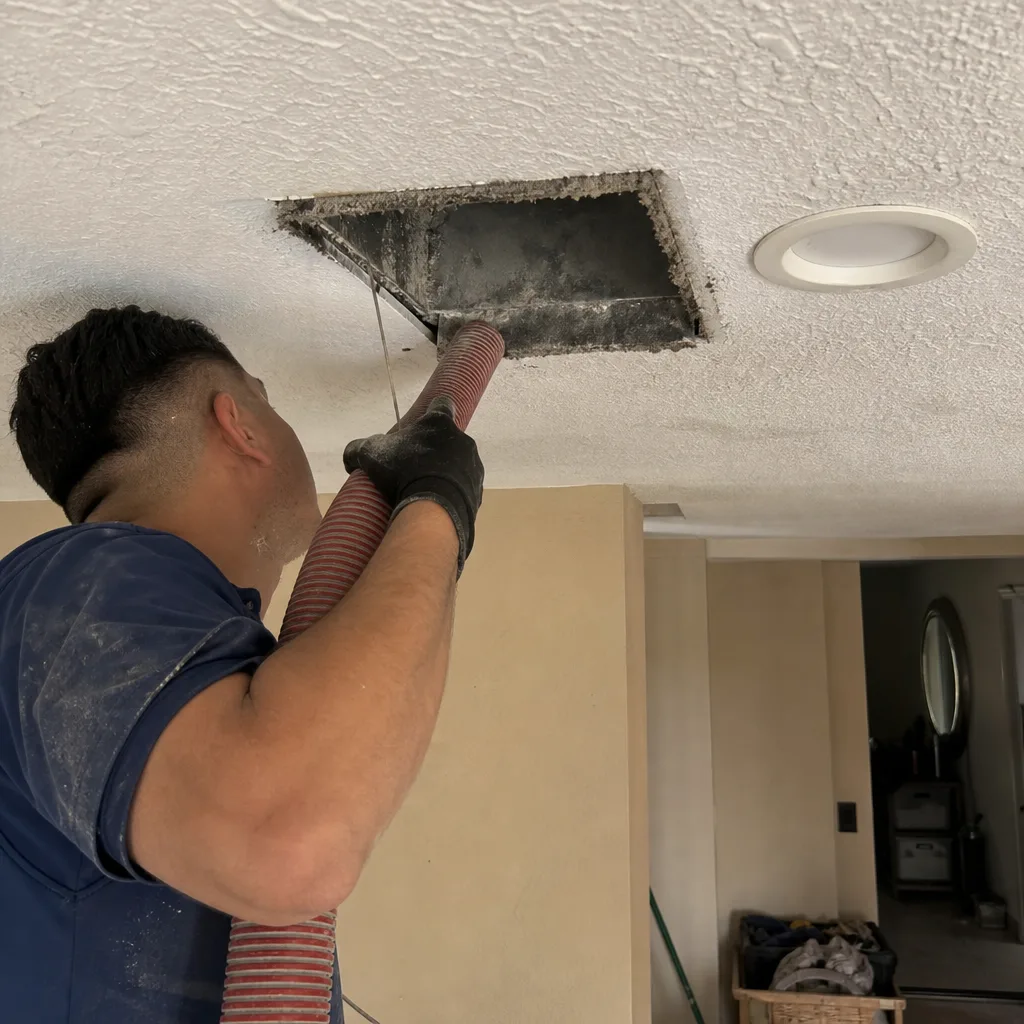 Before
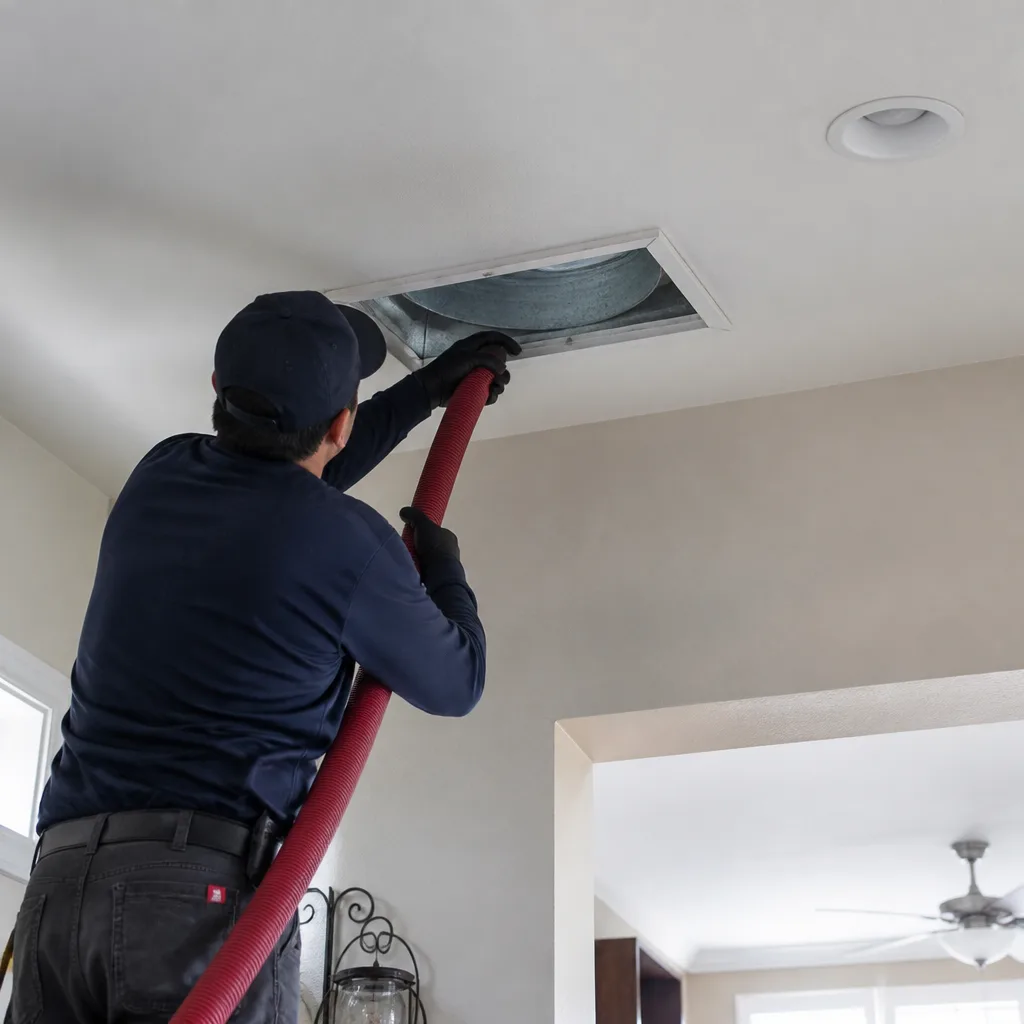 After
After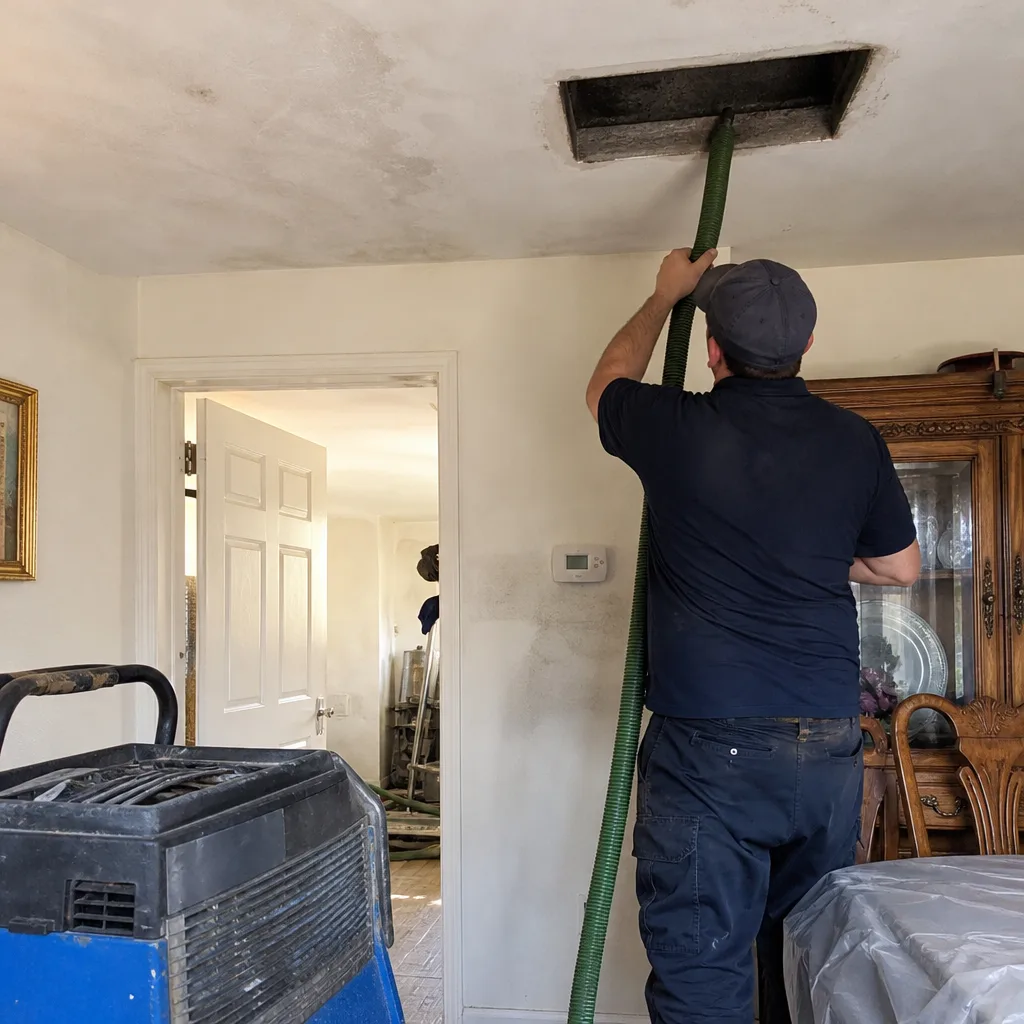 Before
 After
AfterDuct Sealing Maintenance Schedule: What to Do and When
Mastic sealant applied correctly can last 15 to 20 years. Foil-backed tape on flex duct connections? Sometimes less than five. The difference isn’t brand loyalty. It’s that different parts of a duct system age at different rates, and a maintenance schedule that treats them the same will always miss something. This guide builds an inspection calendar around the way duct systems actually fail in Los Angeles, where dry heat, seismic activity, and older housing stock each pull at your ductwork in different ways. You’ll learn what to check, when to check it, and what warrants a professional’s instruments rather than a flashlight.
Quick Answer
Duct Sealing services in Los Angeles follow a maintenance plan with three tiers: a visual inspection of accessible duct connections once a year, a professional pressure test every five years, and a full duct assessment after any HVAC replacement, major remodel, or earthquake of 3.5 magnitude or greater. Between inspections, look for the three failure points that account for most reopened duct leaks: separated flex duct connections, cracked mastic at rigid duct joints, and gaps where boots meet flooring or drywall.
Table of Contents
- How Duct Sealing Materials Age in Los Angeles
- The Tiered Inspection Calendar: Annual, 5-Year, and Trigger-Based
- What You Can Inspect Yourself vs. What Needs Instruments
- The Three Failure Points That Reopen Sealed Ducts
- Los Angeles-Specific Triggers for Unscheduled Inspections
- What Maintenance Actually Means for Sealed Ducts
- Record-Keeping: What to Document and Why
- Common Mistakes to Avoid
- When to Call a Professional
- Frequently Asked Questions
- The Bottom Line
How Duct Sealing Materials Age in Los Angeles
Duct sealing is not one material doing one job. It’s a system of materials, each with its own service life. Knowing which one is on your ducts determines what your maintenance calendar should look like.
Mastic, the putty-like water-based sealant that professional crews apply to rigid duct joints, is the workhorse. Once cured, it forms a durable, slightly flexible shell. In the Los Angeles climate, where attic temperatures routinely exceed 130°F in summer, cured mastic holds up well. It handles thermal expansion without cracking in most applications. You can expect properly applied mastic to last 15 to 20 years before degradation becomes a concern.
Foil-backed tape is a different story. The adhesive layer on inexpensive foil tape dries out and loses grip, especially in hot attics. When it fails, the tape peels back and the connection opens. Some professional crews use foil tape as a temporary hold while mastic cures. If your system was sealed with tape only – common in quick-flip renovations and low-bid installs – the failure window is much shorter. Five years is a reasonable expectation. Sometimes less in unconditioned attics.
Flex duct has its own aging pattern. The inner liner can tear, especially where it’s been pulled tight around a bend. The outer vapor barrier can separate from the insulation layer. And the zip ties or metal clamps that hold flex duct to collars can loosen as the material compresses. None of these failures respond to more sealant. They require reconnection or replacement of the duct section.
In Los Angeles, the old housing stock complicates this. Homes built before 1980 often have rigid metal ducts running through crawl spaces and wall cavities. Homes built in the 1990s and 2000s are more likely to have flex duct running through attics. Each configuration ages differently, and a maintenance schedule that ignores that distinction will miss failures that are obvious in one system type and invisible in another.
The Tiered Inspection Calendar: Annual, 5-Year, and Trigger-Based
Most homeowners treat duct sealing as a one-time project. It isn’t. The materials are stable, but the connections they protect are under constant stress from thermal cycling, air pressure, and building movement. Here’s the inspection schedule we recommend for Los Angeles homes, based on what we see in attics and crawl spaces across the city.
Annual: Visual Inspection
- Check every visible duct connection you can safely reach. This includes boots where registers meet the floor or wall, exposed duct runs in garages or basements, and accessible attic sections.
- Look for gaps between the boot and the flooring or drywall. Run your hand along the connection (with the system off) and feel for air movement.
- Look for peeling or cracked tape at flex duct connections. If you see silver tape lifting at an edge, the adhesive has failed.
- Check for dark streaks or dust buildup around register faces. This often means conditioned air is escaping behind the wall and pulling unfiltered air into the room.
- Listen for whistling. A well-sealed duct system should be quiet at the registers. High-pitched noise at a specific boot usually signals a gap nearby.
Annual visual inspection catches the failures that happen gradually: tape lifting, mastic cracking at a stress point, a boot separating from drywall as the house settles.
Every 5 Years: Professional Pressure Test
Visual inspection only sees what’s visible. A duct pressure test – sometimes called a duct leakage test or a duct blaster test – measures what’s hidden. The technician seals the registers, pressurizes the duct system, and measures how much air escapes. The result is a leakage rate, typically expressed as a percentage of total airflow.
A sealed duct system in a well-maintained Los Angeles home can hold leakage under 10%. Energy Star guidelines recommend sealing when leakage exceeds 20%. The pressure test answers the question visual inspection can’t: are the ducts leaking somewhere you can’t see – inside a wall cavity, under a slab, or at a connection buried in insulation?
Every five years is the right interval for most homes. It’s frequent enough to catch gradual material failure before it becomes a comfort problem or an energy bill problem, and it’s spaced out enough to be realistic about cost and disruption.
Trigger-Based: Full Assessment
Some events should push the schedule forward, regardless of when your last inspection happened:
- After any HVAC system replacement – new equipment changes static pressure, which puts different stress on existing duct connections
- After a remodel that opened walls or ceilings – drywall work, framing, and new electrical runs routinely disturb duct runs
- After a significant seismic event – more on this below
- After rodent remediation – animals in the attic tear through duct insulation and sealing materials
What You Can Inspect Yourself vs. What Needs Instruments
There’s a line between what a homeowner can check with a flashlight and what requires professional equipment. Both have a place in a maintenance schedule.
You can inspect visible surfaces safely. The boot where the register sits, accessible attic duct runs within reach of the attic access, exposed sections in a garage or utility closet. These checks don’t require training, just attention. Look for separation, cracking, and staining. Feel for air movement at connections. Listen for unusual noise during system operation.
You can also track indirect signals. A room that never quite reaches the thermostat setpoint. Utility bills that climb in summer without an obvious cause. Dust accumulating faster in one part of the house. These aren’t proof of duct leakage, but they’re Duct Sealing Warning Signs Every Homeowner Should Know and reason enough to schedule a closer look. Keep a simple note in your phone or a notebook. Patterns over three to six months tell you more than a single observation.
What you can’t do without instruments: measure leakage rate accurately. A pressure test requires a calibrated fan, a pressure gauge, and a procedure that isolates the duct system from the rest of the house. You can’t estimate leakage by feel. And you can’t safely inspect ducts inside wall cavities, under slabs, or in tight crawl spaces without proper access and knowledge of what you’re looking at.
Our technicians use tools built for this work. A pressure test measures leakage as a percentage. A negative-air machine from Nikro shows what’s moving through the system. A camera inspection can show the inside of a duct run that’s otherwise impossible to see. These aren’t upsells. They’re how you find leaks that visual inspection can’t reach.
The Three Failure Points That Reopen Sealed Ducts
Maintenance for sealed ducts isn’t about resealing everything on a schedule. It’s about monitoring the three specific locations where failures most often occur, because those account for the overwhelming majority of reopened leaks we find in Los Angeles homes.
1. Flex Duct to Collar Connections
Flex duct attaches to a metal collar at the plenum, at branch takeoffs, and at register boots. The connection is usually a mechanical clamp or zip tie, often wrapped with tape. These connections flex every time the system cycles on and off. Over time, the clamp loosens, the tape adhesive fails, and the duct slips off the collar. In an attic, that means conditioned air pours into unconditioned space.
What to look for: visible separation between the gray flex line and the metal collar, tape that’s peeling back from either surface, or a duct that’s sagging where it should be taut. In our experience, this single failure point accounts for more duct leakage in Los Angeles than any other.
2. Cracking or Missing Mastic at Rigid Duct Joints
Rigid metal ducts connect in sections. The joints are where leakage happens. Mastic applied correctly holds for years, but building settling, seismic movement, and thermal cycling can open hairline cracks in the mastic itself, especially at joints under tension.
What to look for: visible cracks in the gray sealant at duct joints, sections where the mastic has separated from the metal, or joints where you can see a gap between two duct sections. A cracked mastic seal often appears as a dark line at the joint – that’s air leaking through and depositing dust.
3. Boot-to-Floor and Boot-to-Drywall Gaps
The register boot is the metal box that transitions the duct to the visible grille. It should be sealed to the surrounding flooring or drywall so air doesn’t leak into the wall or floor cavity. This seal fails when the house settles, when flooring is replaced, or when someone steps on a floor register repeatedly. In Los Angeles, where older homes settle over decades, boot-to-floor gaps are common even in systems that were sealed correctly at installation.
What to look for: a visible gap between the register frame and the surrounding floor or wall, dust staining around the register face, or a register that wiggles when you touch it. Run your fingers around the edge with the system running – you’ll feel the leak.
Los Angeles-Specific Triggers for Unscheduled Inspections
Los Angeles puts stress on duct systems in ways that don’t apply to other markets. These are the triggers we tell our customers to watch for, and you can find Duct Sealing Troubleshooting: Common Problems and How to Fix Them for when they occur.
Post-earthquake (3.5 magnitude or greater). Seismic movement shifts framing. Ducts run through and across that framing. A 3.5 quake might not crack drywall, but it can separate a flex duct connection or open a mastic joint. After any quake you can feel, it’s worth checking accessible duct connections. After a 5.0 or stronger, schedule a pressure test even if nothing looks wrong. The movement that matters happens inside walls.
After attic rodent remediation. Rats and squirrels in the attic tear through duct insulation, chew through flex duct liners, and disturb sealing materials. If you’ve had a pest control company treat your attic, the next call should be a duct inspection.
After HVAC replacement. New equipment doesn’t always match the airflow characteristics of the old system. Higher static pressure, different blower speeds, and new filter configurations put different stress on existing connections. A duct system that held fine with the old furnace can leak with the new one.
After wildfire smoke events. Los Angeles wildfire smoke puts extraordinary particulate load on your filtration and your duct interior. While smoke alone doesn’t reopen sealed ducts, the pressure changes from clogged filters can stress connections. It’s a secondary trigger, but worth checking if your system ran through a heavy smoke period with a loaded filter.
After major remodels. Drywall removal and replacement, new framing, ceiling work – all of it disturbs ducts. Even a kitchen remodel in one room can shake connections throughout the run.
What Maintenance Actually Means for Sealed Ducts
Here’s what most people get wrong: duct sealing maintenance is not resealing on a schedule. The mastic you applied five years ago doesn’t need to be scraped off and replaced because it hit some arbitrary age. Sealed ducts need monitoring, and when a failure is found, targeted repair.
Think of it like maintaining a roof. You don’t replace the roof every time you inspect it. You check the flashing, the valleys, the penetrations. You repair what’s failed and leave alone what’s holding.
For sealed ducts, that means:
- Reseal only the connection that failed – no one benefits from applying new mastic over sound, intact seals
- Replace failed tape with mastic, not more tape – the upgrade lasts longer and removes a repeat failure point
- Reconnect separated flex duct with a proper clamp or zip tie, then seal over the connection with mastic
- Re-secure and reseal register boots that have separated from flooring or drywall
- Document what you did and where, so the next inspection has a history to work from
The goal is a duct system that stays sealed, not a maintenance schedule that generates busywork. A well-sealed duct system in Los Angeles should need only minor, targeted work every few years – often nothing at all between pressure tests.
At Hollis Air Duct Cleaning, duct sealing is a defined service, not a vague add-on. We seal connections using professional-grade mastic and we test what we sealed. The 365-Day Done Right Promise applies to duct sealing work: if a connection we sealed fails within a year, we come back and fix it at no charge. That’s the standard our Duct Sealing in Los Angeles service carries.
Record-Keeping: What to Document and Why
Most homeowners don’t document duct maintenance, and that’s a mistake that costs money later. A simple record turns an inspection from a one-off event into a maintenance history. Here’s what to document after each inspection or repair.
What to record:
- Date and type of inspection. Visual, pressure test, or post-event assessment.
- Who did the work. Contractor name, technician name, or “homeowner visual check.”
- What you found. Specific locations, specific types of failure. “Mastic cracked at plenum joint” is useful. “Some leakage” is not.
- What was done. Resealed, reconnected, replaced. Include the materials used if you know them.
- Pressure test results. If a test was performed, record the leakage percentage and the testing standard used.
This record has real value. When you sell a Los Angeles home, disclosure of duct work done – with dates and specifics – is better than a vague “ducts sealed sometime ago.” When an HVAC contractor specs a new system, they need to know what duct configuration exists and what’s been repaired. And when a warranty claim needs to be made, the record answers the question, “When did this fail and who last worked on it?”
Keep it simple. A one-page document or a note on your phone. Five lines per inspection. The discipline matters more than the format.
Common Mistakes to Avoid
- Sealing visible leaks and skipping pressure testing. You fixed what you saw and assumed the rest is fine. Pressure testing exists because most leakage is invisible. Every five years, get the measurement, not the guess.
- Using hardware-store duct tape. Gray fabric tape fails in attic heat. The adhesive dries, the weave separates, and you’re back to the same leak within a season or two. Use mastic or professional-grade foil tape with proper surface prep.
- Treating all duct materials the same. Rigid metal, flex duct, and duct board each have different failure modes. A maintenance schedule that doesn’t distinguish between them will inspect the wrong things.
- Ignoring register-level symptoms. Dust streaks, whistling, and rooms that won’t hold temperature are all leak indicators. Many people live with them for years before realizing they’re fixable.
- Skipping post-earthquake checks in Los Angeles. This is the one that surprises people. A small quake can open a connection that your annual inspection won’t catch for months. The check takes ten minutes.
- Not documenting anything. You’ll remember what you fixed – until you don’t. Five lines in a note after each inspection saves you from paying for the same diagnosis twice.
- Resealing over dirty or damaged surfaces. Mastic applied over dust, old failing tape, or torn duct liner won’t hold. The surface must be clean and sound or the new seal starts compromised.
When to Call a Professional
Some duct work is straightforward. Some isn’t. Call a professional when you can’t safely access the duct run – attics with deep insulation, crawl spaces, any area with exposed wiring or limited clearance. Call when visual inspection turns up failures in multiple locations, because that pattern usually means more failures are hidden. Call when your energy bills climb without explanation, when rooms consistently fail to reach temperature, or when you’ve had a seismic event stronger than 3.5 and you can’t check the connections yourself. And call before you list a Los Angeles home for sale, so the duct disclosure is accurate. Hollis Air Duct Cleaning offers free estimates in Los Angeles – call (361) 326-5060 and we’ll schedule a look.
Frequently Asked Questions
Duct sealing rarely needs to be redone wholesale. Mastic applied correctly lasts 15 to 20 years, and most maintenance calls involve targeted repairs at specific connections – flex duct joints, register boots, or cracked mastic. A professional pressure test every five years will identify what actually needs work. Call (361) 326-5060 to schedule one in Los Angeles, and explore our more guides & resources for keeping your system efficient.
Look for air movement at visible connections, dust streaks around register faces, whistling during operation, and rooms that never reach the thermostat setpoint. A duct pressure test gives you a measured leakage percentage, which is a more reliable answer than visual inspection alone. If leakage exceeds 20%, sealing is the standard recommendation.
Yes, and the mechanism is direct: air that leaks from ducts into an unconditioned attic is paid-for conditioned air going nowhere useful. In Los Angeles summers, when attic temperatures run well over 120°F, even modest duct leakage forces your AC to work harder. The U.S. Department of Energy has long noted that typical duct systems lose 20 to 30 percent of conditioned air to leaks, gaps, and poorly sealed connections.
You can seal accessible connections if you use the right materials – mastic or professional-grade foil tape, never gray fabric duct tape – and prep the surface properly. But most leakage in Los Angeles homes is in attics, crawl spaces, and wall cavities where access is risky and visibility is poor. That’s the work we do at Hollis Air Duct Cleaning, with professional equipment and a written guarantee behind the result.
Mastic-sealed rigid duct joints typically hold for 15 to 20 years. Flex duct connections and foil-tape seals fail sooner, often in five years or less. Homes in Los Angeles get an added stressor from seismic activity and extreme attic heat, which is why a five-year pressure test cycle works well for this market.
Not typically. Duct sealing and repair are considered routine maintenance, not covered peril. If duct damage results directly from a covered event – a fire, a fallen tree, significant earthquake damage – your policy may cover repair, but you’ll want documentation of the condition before the event. That’s one more reason to keep the inspection records described above.
The Bottom Line
Duct sealing maintenance is a calendar, not a project. Visual inspections once a year catch the gradual failures – tape lifting, boots separating, mastic cracking at stress points. A professional pressure test every five years catches the leakage you can’t see. Trigger-based checks after earthquakes, rodent problems, and HVAC replacements fill the gaps between. In Los Angeles, the climate and the geology make these checks less optional than elsewhere. Document what you find, fix what’s failed, and leave what’s holding. That discipline keeps your duct system doing its job: moving air where you want it, and nowhere else.
Written by Roy Castellanos, Owner at Hollis Air Duct Cleaning, serving Los Angeles since 2004.