
Last updated October 9, 2026
Whole-system duct and dryer vent check with before-and-after photos - you see exactly what came out of your vents
That "$99 whole-house special" is a bait ad - the real number appears once they are in your hallway, or the "clean" is a shop-vac at the register. We photograph the inside of your ducts before and after instead.
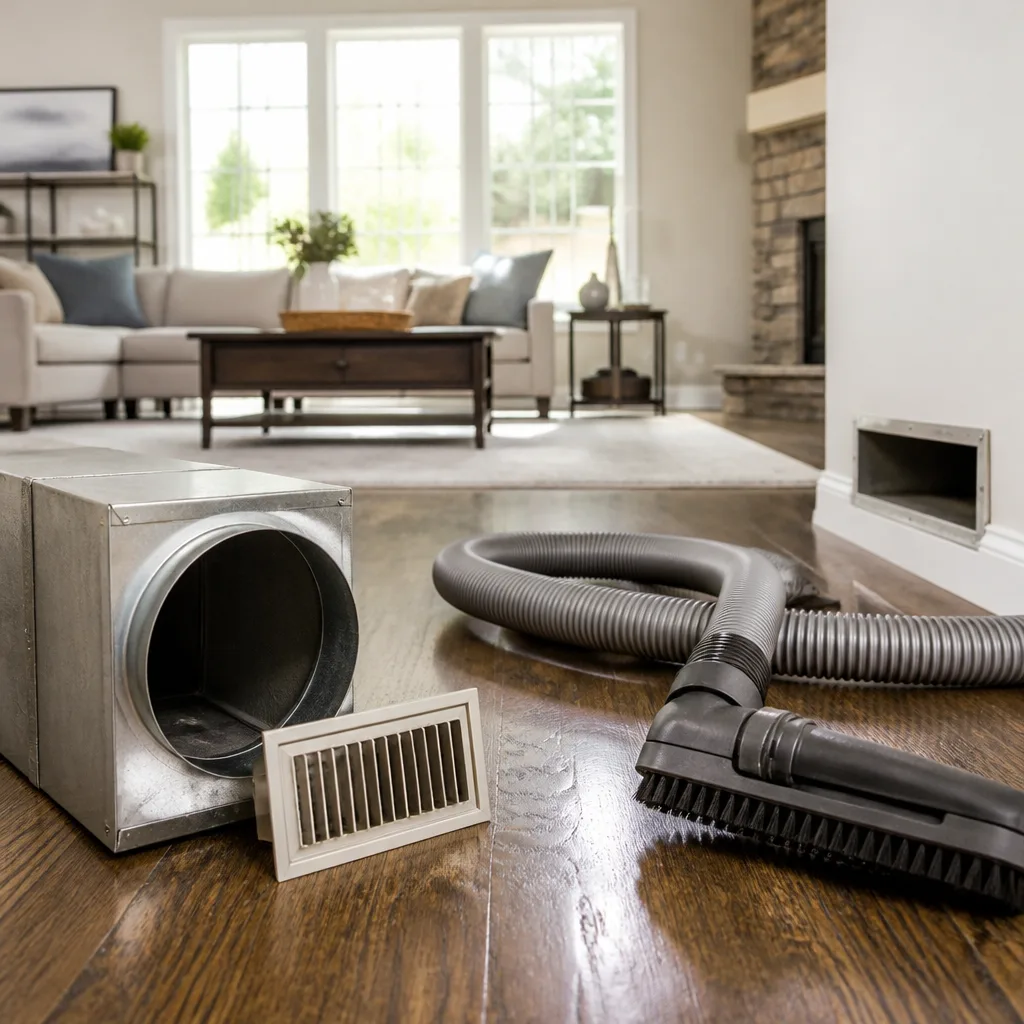
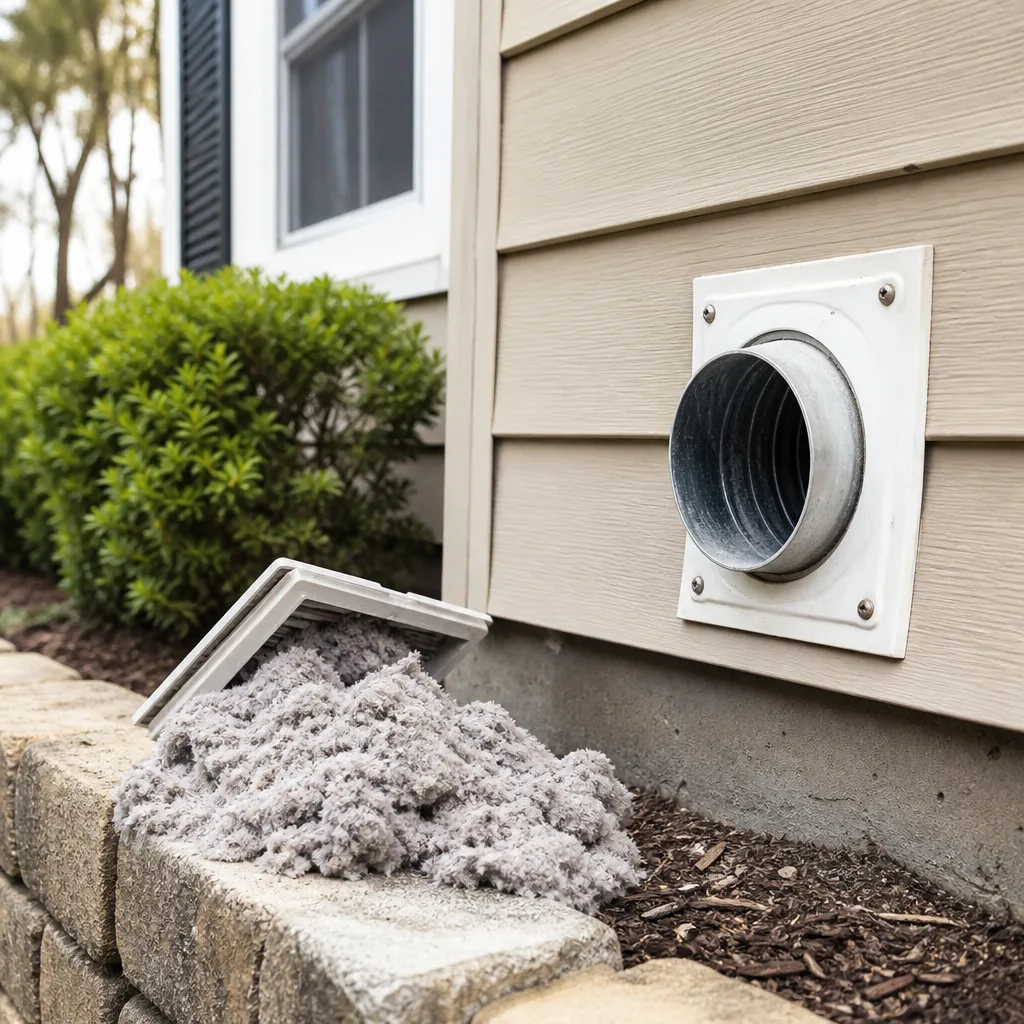
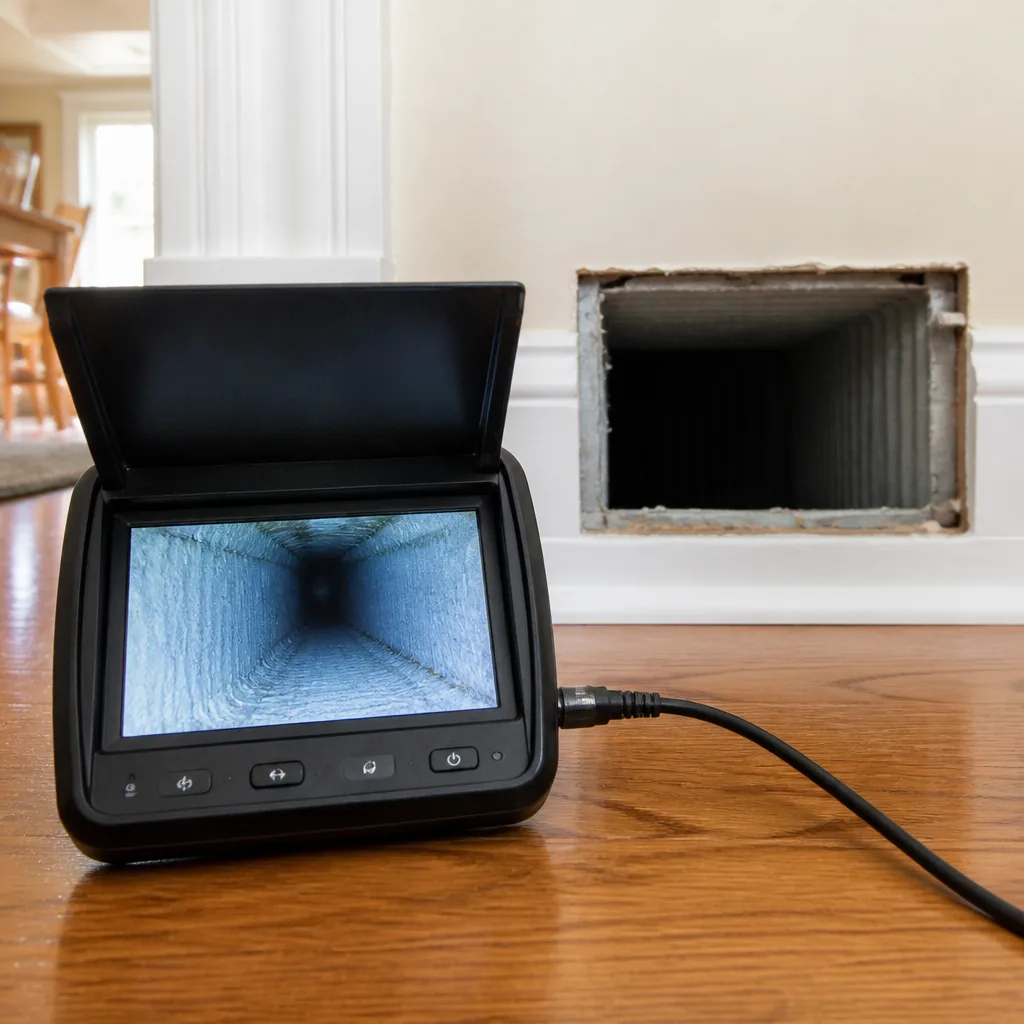
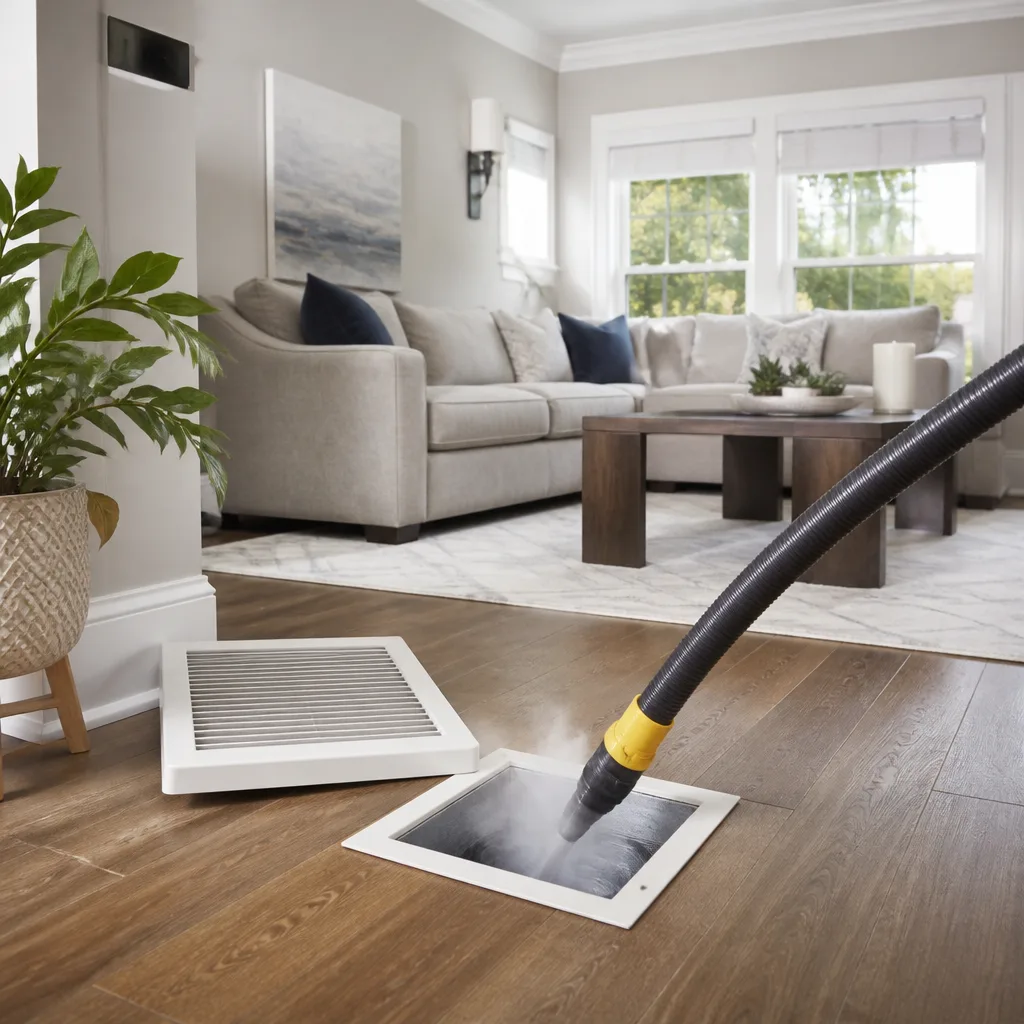
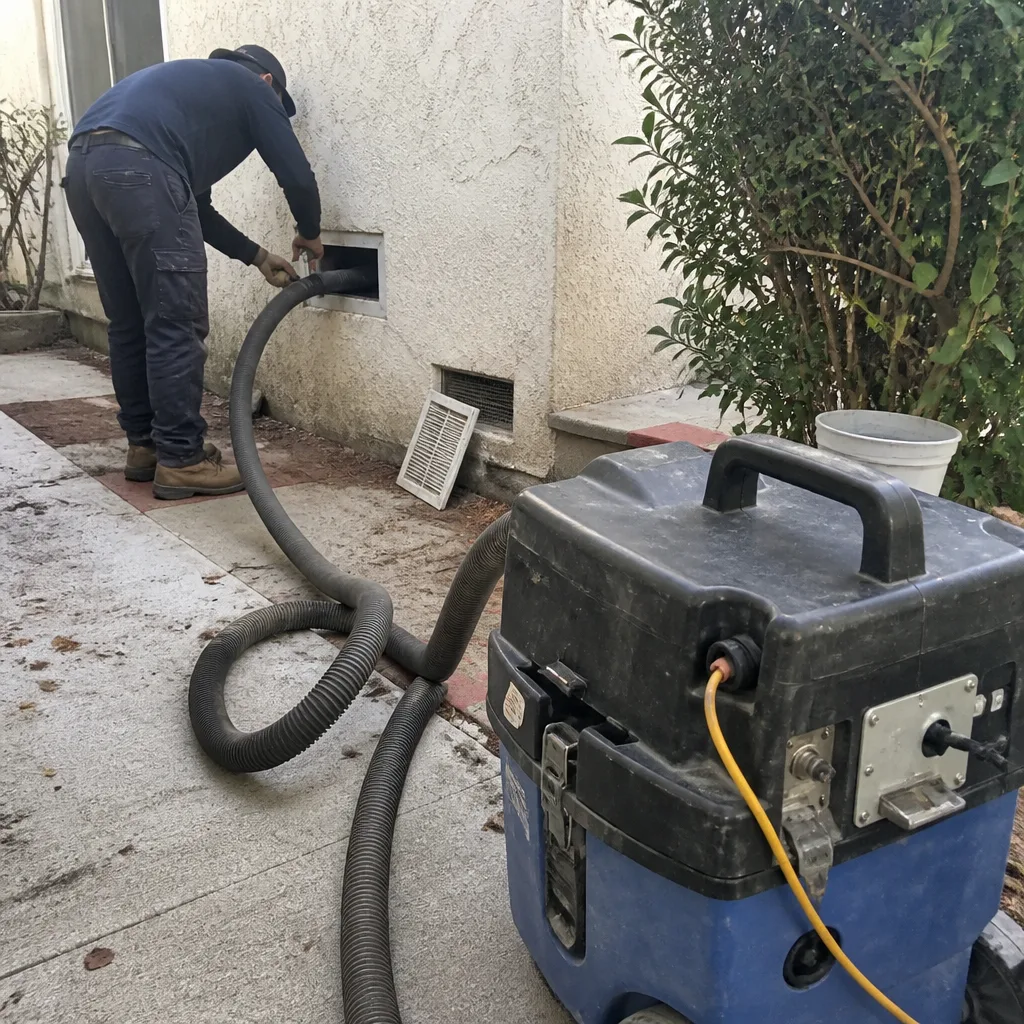 Before
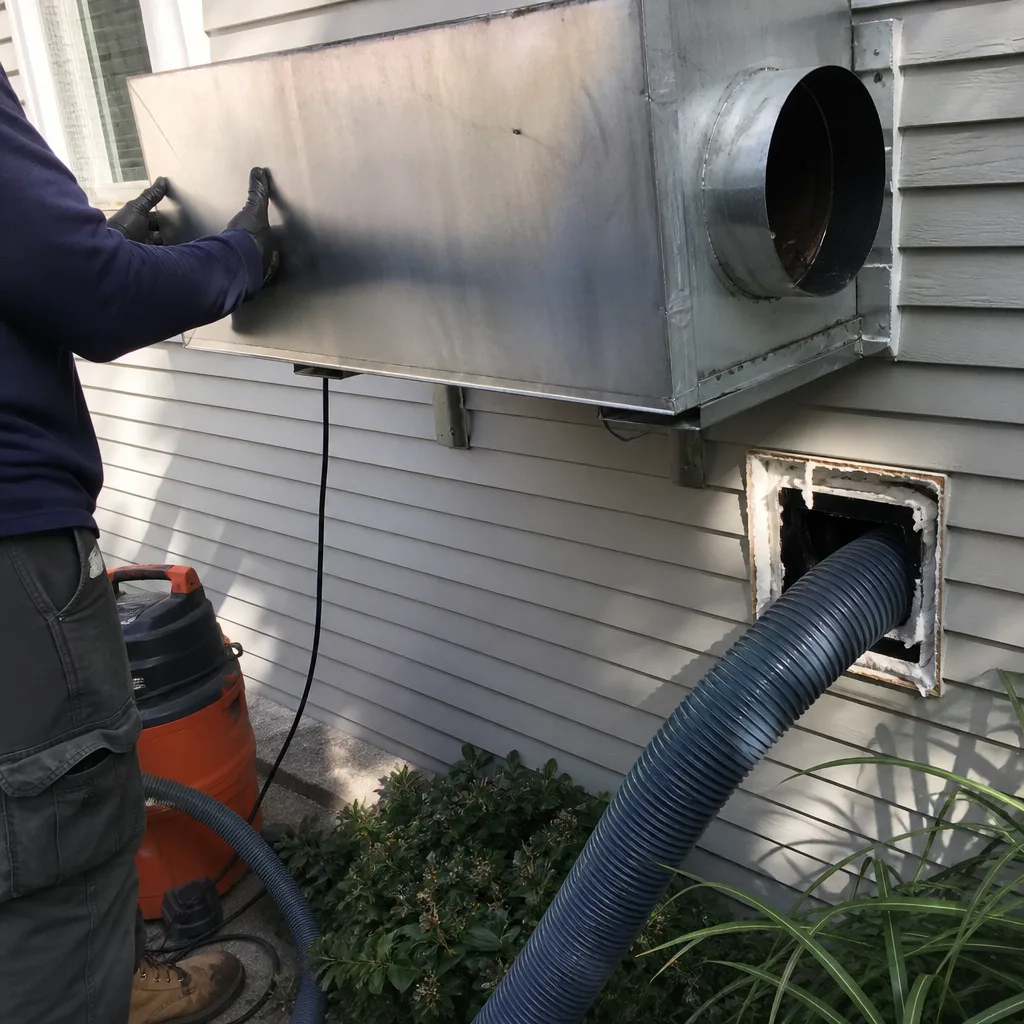 After
After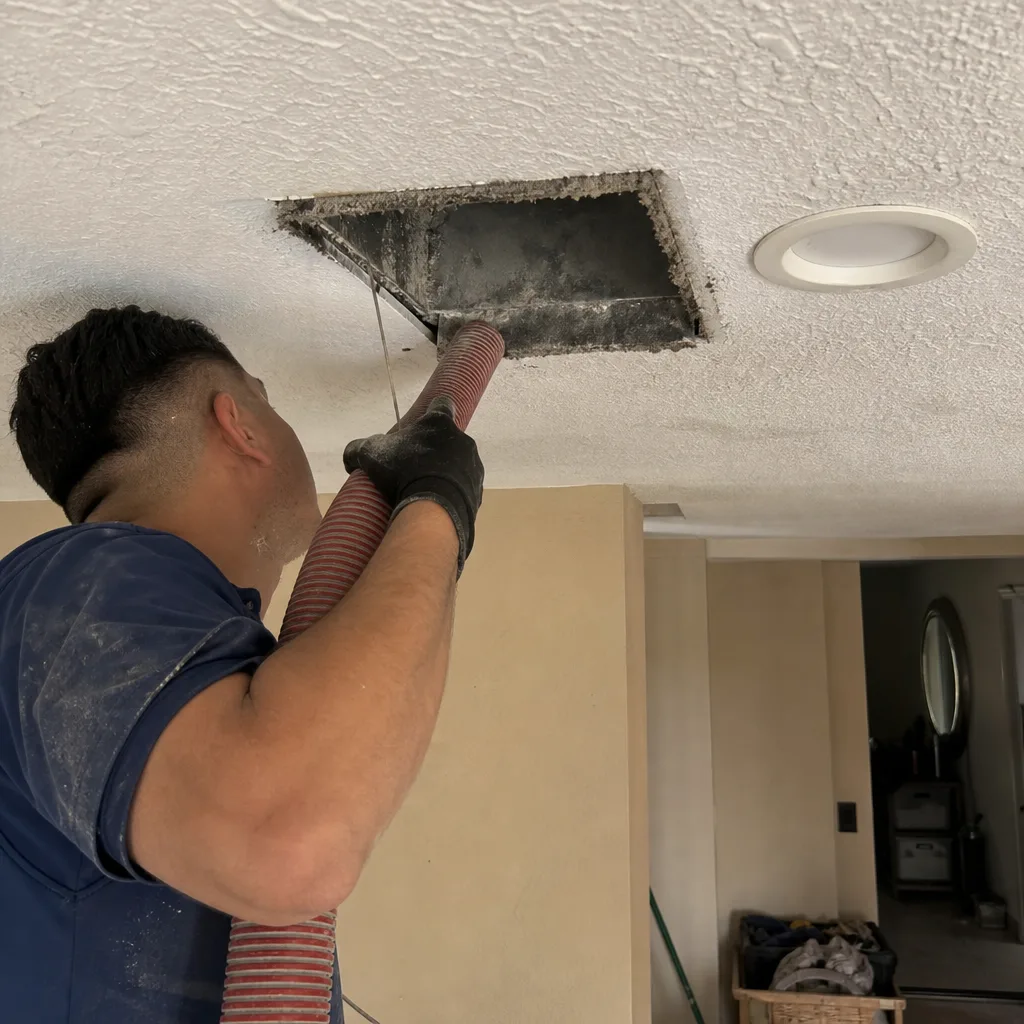 Before
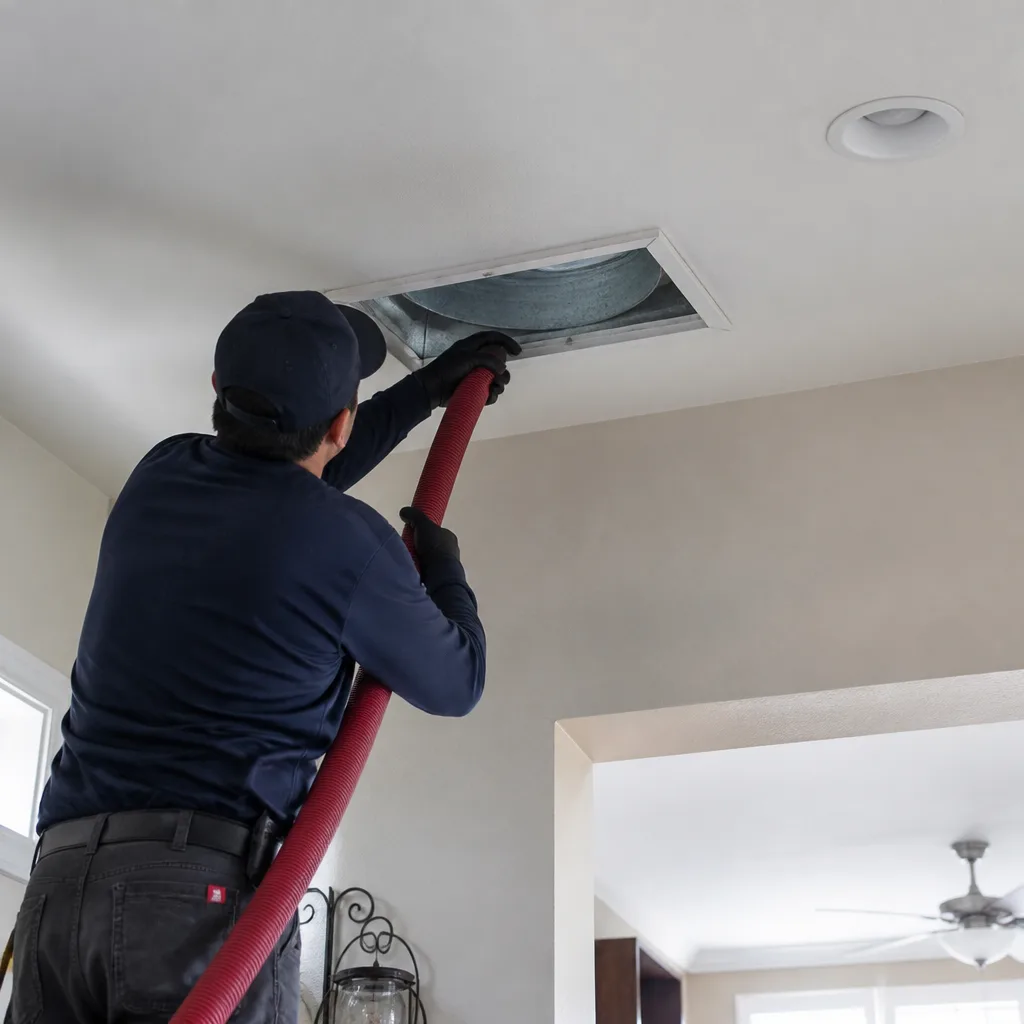 After
After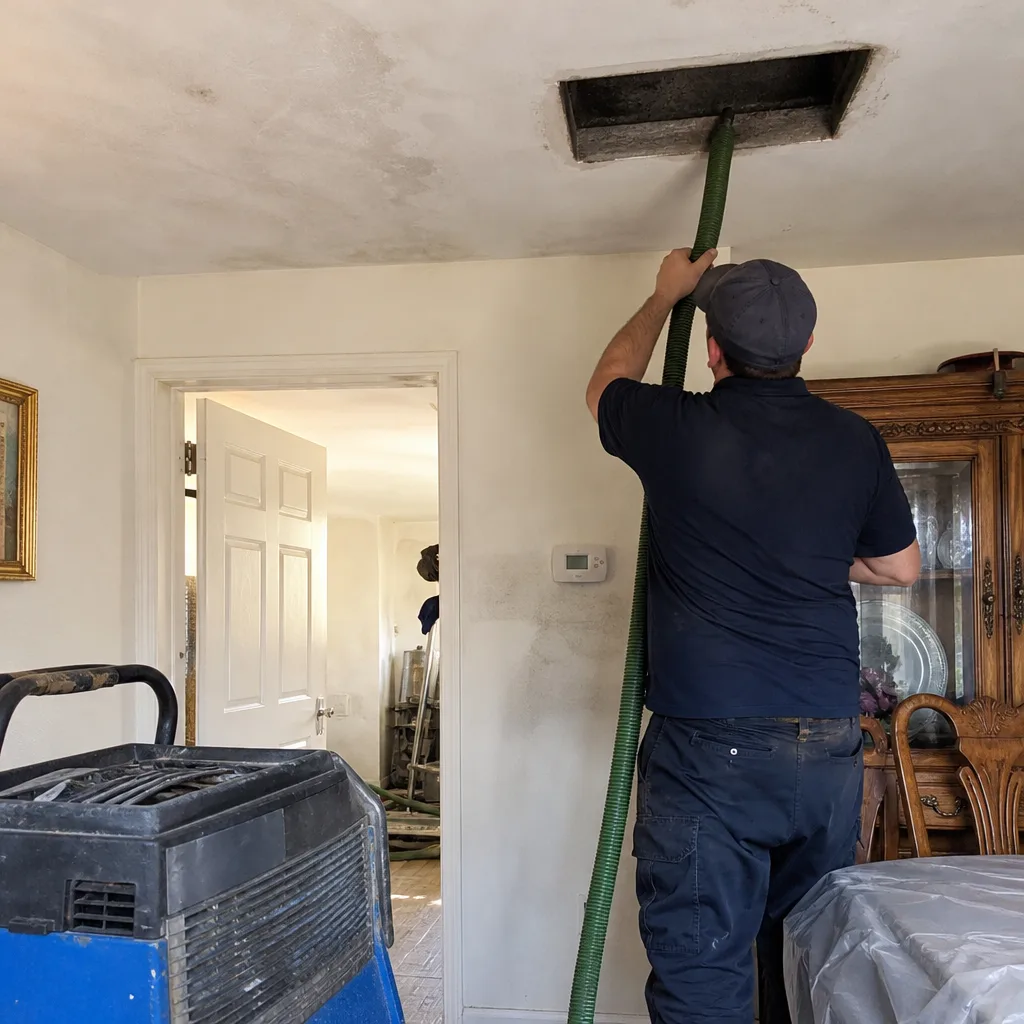 Before
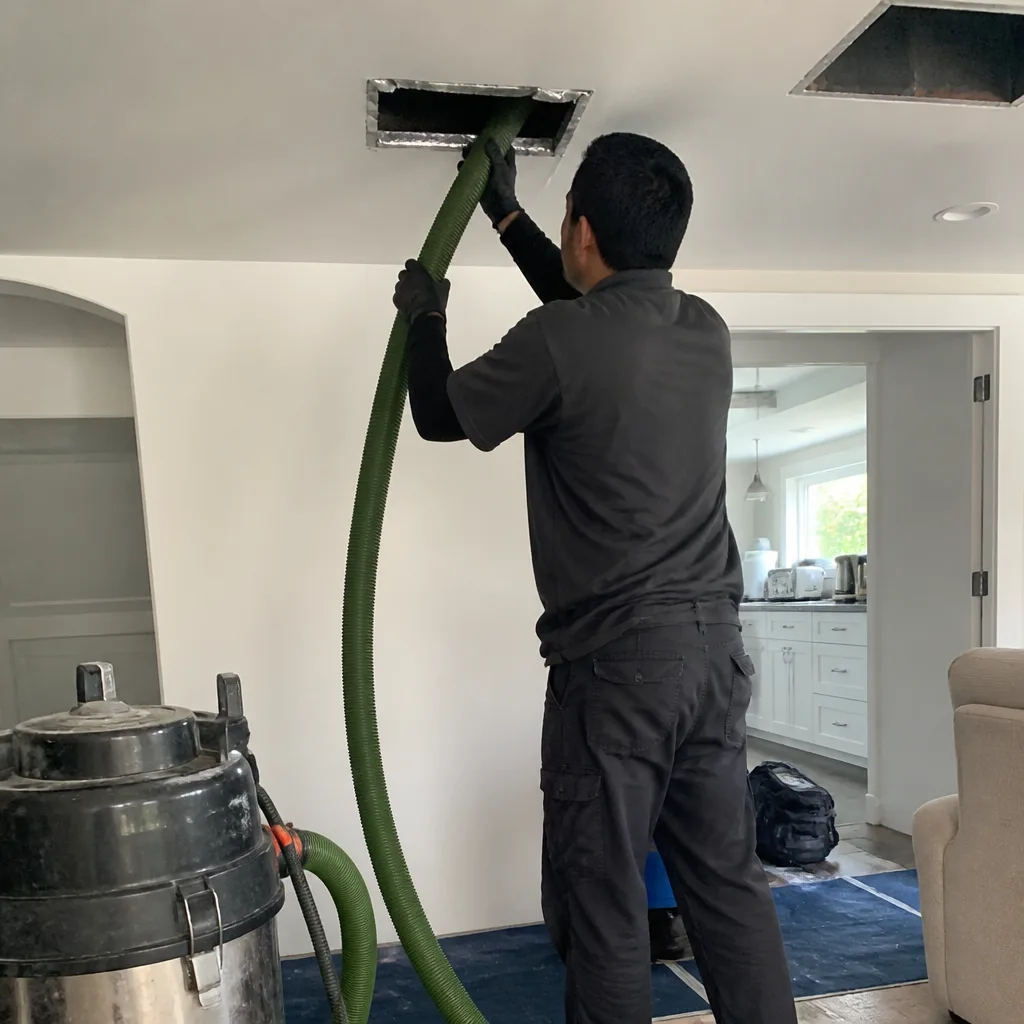 After
AfterThe Complete Duct Sealing Guide for Los Angeles Homeowners
The California Energy Commission estimates the average Los Angeles home loses 20 to 30 percent of conditioned air through duct leaks. But here’s what most homeowners never hear: that air isn’t escaping through the middle of long duct runs. It’s leaking at connections, boots, and seams that vibrated loose over decades of small earthquakes and temperature cycling. This guide and our Complete Guide to Air Duct Cleaning in Los Angeles explain what’s actually leaking in your LA home, how it gets fixed, and what an honest job should cost here.
Quick Answer
Duct Sealing services in Los Angeles typically cost $800 to $2,500 depending on home size, duct accessibility, and the sealing method used. Most LA homes benefit most from a combination of mastic sealing at accessible connection points and metal-backed tape on seams, with whole-system replacement reserved for 1950s to 1970s homes with original flex duct that has degraded beyond repair. The job usually takes half a day to a full day, and in Los Angeles County, any duct sealing tied to a permitted HVAC changeout triggers Title 24 testing requirements.
Table of Contents
- Why LA Ducts Leak Differently Than Anywhere Else
- Signs Your Ducts Need Sealing
- The Three Duct Sealing Methods Used in LA
- Title 24 Compliance: When Sealing Triggers Testing
- Older LA Housing Stock: When to Seal vs. Replace
- What Duct Sealing Costs in Los Angeles
- Common Mistakes to Avoid
- When to Call a Professional
- Frequently Asked Questions
Why LA Ducts Leak Differently Than Anywhere Else
Los Angeles has a duct problem most of the country doesn’t understand. Your attic in Van Nuys or Woodland Hills hits 120°F to 140°F on a summer afternoon. Your flex duct sits in that heat for 6 to 8 hours a day while your AC pushes 55°F air through it. That’s an 85-degree temperature swing every single day for months. Duct tape, the old gray fabric tape, dries out and releases from seams within 3 to 5 years under those conditions. Mastic, which is the brush-on paste professionals use, lasts far longer but still degrades faster in LA’s attic heat than in a conditioned basement in Minneapolis.
Then there’s the seismic factor. Los Angeles experiences thousands of small earthquakes every year, most too small to feel. What those micro-quakes do is flex the connections between duct sections, boots, and the plenum attached to your furnace or air handler. Every small movement works against the seal. Over 20 or 30 years, that’s tens of thousands of micro-cycles of movement. Connections that were tight when the house was built are now loose enough to pass a business card through.
Year-round system use compounds the problem. Most of the country runs heat for 5 months or AC for 4 months and gives the ducts a rest. Los Angeles homes cycle air nearly every month of the year: AC from May through October, heat on those 45-degree January nights in the Valley or on the Westside. The constant thermal expansion and contraction never stops working against seals.
We’ve been inside enough LA attics to see the pattern clearly. In older neighborhoods like Mid-City, Leimert Park, and parts of the San Fernando Valley, homes built between 1950 and 1980 often have original metal duct with hand-applied tape seals that simply gave up years ago. In newer developments, particularly 1990s and 2000s tract homes, the issue is more often sagging flex duct runs and poorly fitted takeoff collars.
Signs Your Ducts Need Sealing
Before you spend money on sealing, you should know what to look for. Here are the signs we see most often in Los Angeles homes, in order of how reliably they indicate a real leak problem:
- Rooms that never reach the thermostat temperature. Your thermostat says 72°F, but the back bedroom in the afternoon sun never gets below 78°F. The air handler is producing enough cool air, but much of it is leaking into the attic before it reaches that far register.
- Dust accumulation on surfaces within days of cleaning. Leaks on the return side of the system pull attic air into the duct stream. Los Angeles attics are dusty places. That dust travels through your ducts and into your living space.
- Higher energy bills without a change in usage. LADWP and SoCal Edison rates have climbed steadily. If your summer bill jumped more than the rate increase explains, leaking conditioned air is often the cause.
- Visible gaps or separated connections in accessible ductwork. If you have exposed ducts in a garage, utility closet, or crawlspace, shine a flashlight along the seams. Loose takeoffs and separated joints are visible with the naked eye.
- Stuffy or stale-feeling air when the system runs. Return-side leaks pull air from the attic or crawlspace, which is warmer, dustier, and often smells different than air from your living spaces.
- Whistling or hissing sounds when the blower runs. High-velocity air escaping through a small gap makes an audible sound. Walk the house when the system is running and listen.
None of these signs alone prove you need duct sealing. But if you can check off two or three, the odds are high that your ducts are leaking more than 20 percent of the air you’re paying to condition.
The Three Duct Sealing Methods Used in LA
There are three legitimate ways to seal ducts in Los Angeles, and each has a specific place depending on your home’s construction, duct accessibility, and budget. Here’s the honest breakdown of each method, including where each one falls short:
1. Mastic Sealing (Brush-On)
Mastic is a thick, paste-like compound applied with a brush or gloved hand over joints, seams, and connections. It dries to a hard, durable seal that flexes with the duct material. Professional-grade mastic, applied correctly, lasts 20 to 30 years even in LA attic conditions. This is the workhorse method for accessible ductwork: attic runs, garage-mounted systems, crawlspace access points.
Pros: Lowest cost per linear foot, longest proven lifespan, fills irregular gaps well, can be applied over existing tape.
Cons: Only works where ducts are physically accessible. Interior wall chases and inaccessible portions of the system can’t be reached without cutting drywall.
2. Metal-Backed Tape (UL 181-B-FX Listed)
Not the gray fabric tape from the hardware store. Professional metal-backed tape carries a UL 181-B-FX listing, which means it’s rated for permanent duct sealing. The metal backing resists the thermal breakdown that destroys cloth tape, and the pressure-sensitive adhesive bonds well to clean metal and flex duct outer jackets.
Pros: Fast application, clean result, works well on straight seams and outer jacket tears on flex duct.
Cons: Requires clean, dry surfaces for proper adhesion. In dusty LA attics, that means wiping down every seam before applying. It’s less effective than mastic on irregular connections like takeoff collars and plenum connections.
3. Aerosol Sealing (Aeroseal)
Aerosol sealing pressurizes the duct system and injects a fine mist of sealant particles that collect at leak points and build up a seal from the inside. It can reach leaks in concealed wall cavities that no one can access by hand. The Aeroseal system measures leakage before and after, giving you a hard number on improvement.
Pros: Seals inaccessible leaks, provides verifiable before-and-after leakage data, effective in homes where duct replacement is impossible without major demolition.
Cons: Highest cost of the three methods. Typically 2 to 3 times the price of mastic sealing for the same linear footage. Does not address collapsed or disconnected duct sections, which are common in older LA homes. Works best as a supplement to manual sealing, not a replacement for it.
In our experience sealing ducts across Los Angeles County, most homes get the best result from a combination approach: mastic on accessible connections and takeoffs, metal-backed tape on seams and flex duct jacket tears, and aerosol sealing reserved for homes with significant concealed leakage or post-sealing testing requirements under Title 24.
Title 24 Compliance: When Sealing Triggers Testing
California’s Title 24 Building Energy Efficiency Standards have specific duct leakage requirements that affect Los Angeles homeowners in two ways: when you’re getting permitted HVAC work done, and when you’re selling certain properties.
If you’re replacing a furnace or air conditioner under a Los Angeles County permit, the new system must meet duct leakage limits. In most climate zones, including everything in LA County, the prescriptive requirement is that measured duct leakage cannot exceed 5 percent of system airflow (CFM). If the tested leakage exceeds that threshold, the system must be sealed and retested until it passes. This is where many homeowners first learn their ducts leak, because the HERS rater’s test reveals it.
If you’re adding square footage or doing a major remodel that triggers Title 24 compliance, the same duct testing requirements apply. For some home sales in Los Angeles, particularly when a home has undergone recent permitted work, the transaction can trigger duct testing requirements as well.
A practical point: if you’re planning an HVAC changeout in Los Angeles, have your ducts inspected and sealed before the new system goes in. It’s cheaper to seal while the old equipment is out of the way, and you’ll avoid the scenario where the contractor installs the new unit, the rater fails the leakage test, and you’re paying emergency rates to seal ducts on the rater’s timeline rather than your own.
Manual duct sealing with mastic and metal-backed tape, when done correctly, will pass the 5 percent leakage requirement in most homes without needing aerosol sealing. But in homes with significant concealed leakage, aerosol sealing may be the only way to hit the number without drywall demolition.
Older LA Housing Stock: When to Seal vs. Replace
Los Angeles has an enormous inventory of homes built between 1950 and 1980, concentrated in the San Fernando Valley, the San Gabriel Valley, South LA, and the Southeast LA County communities. These tract homes are now 45 to 75 years old, and many still run on their original duct systems.
Here’s the hard truth about that era of construction. The flex duct used in 1960s and 1970s LA homes has an inner liner that degrades over time. The plastic liner becomes brittle, cracks, and eventually collapses or separates from the insulation jacket. No amount of sealing fixes a collapsed inner liner. If your flex duct looks deflated, flattened, or shows exposed fiberglass insulation at connection points, sealing is throwing good money after bad. That duct needs replacement.
Metal duct from the same era has a different failure pattern. The metal itself usually survives, but the seals fail, the hangers sag, and the insulation wrap breaks down. Metal duct can often be resealed effectively, but only if the insulation is replaced where it’s deteriorated. Bare metal duct in a 130°F attic loses heat through the duct wall even if every connection is properly sealed.
A reasonable rule of thumb for Los Angeles homes: if your duct system is original to a house built before 1980, budget for replacement rather than sealing in most cases. You’ll spend more up front, but you’ll fix the problem permanently. Sealing a duct system that needs replacement just delays the inevitable by 3 to 5 years.
Homes built after 1990 generally have better duct systems because Title 24 standards tightened noticeably in the 1990s. For these homes, sealing is usually the right call unless there’s been specific damage, water intrusion, or rodent activity. The team at Hollis Air Duct Cleaning home has walked through enough Los Angeles attics to give you a straight answer on which category your house falls into, and we’ll tell you honestly when replacement makes more sense than sealing.
What Duct Sealing Costs in Los Angeles
Let’s talk actual numbers, because this guide exists to help you budget before you start making calls. These ranges reflect current Los Angeles market pricing for professional duct sealing work, based on home size and duct accessibility. They include labor, materials, and basic cleanup.
| Home Size | Accessible Ducts (Attic/Garage) | Partially Concealed Ducts | Extensive Concealed Ducts or Title 24 Testing Required |
|---|---|---|---|
| Under 1,200 sq ft | $800 – $1,200 | $1,200 – $1,800 | $1,800 – $2,500 |
| 1,200 – 2,000 sq ft | $1,200 – $1,800 | $1,800 – $2,500 | $2,500 – $3,500 |
| 2,000 – 3,000 sq ft | $1,800 – $2,500 | $2,500 – $3,500 | $3,500 – $5,000 |
| Over 3,000 sq ft | $2,500 – $4,000 | $4,000 – $5,500 | $5,500 – $8,000 |
These figures assume mastic and metal-backed tape sealing. Aerosol sealing adds $1,500 to $4,000 depending on the size of the system and the leakage rate measured at the start of the job. Homes with multiple systems, which are common in larger Los Angeles houses, will fall at the upper end of these ranges or beyond for each system sealed.
Factors that push the price higher in Los Angeles specifically: attic access through small scuttle holes that slow down work, steep roof pitches that make attics cramped and hot, older homes with asbestos-wrapped ducts that require abatement protocols before sealing, and homes in hillside communities like Mount Washington or Baldwin Hills where access is simply more physically demanding.
What should not vary, regardless of who does the work, is the price after the quote. You should receive a written price before work begins. If a contractor arrives and announces the job costs more than the quoted price, that’s a red flag in any market. We’ll cover this more below, but for a deeper explanation of what’s involved in making your system work right, see Air Duct Cleaning in Los Angeles and our guide to Duct Sealing in Los Angeles.
Common Mistakes to Avoid
- Sealing ducts without fixing the underlying sag. A flex duct run that sags four feet between hangers will eventually pull apart at the connection no matter how well you seal it. Re-hang first, seal second. In Los Angeles attics where summer heat softens duct insulation, proper hanger spacing matters more than homeowners expect.
- Using hardware store duct tape. The gray fabric tape with no UL listing fails in LA attics within a few years. It’s not a permanent seal and never was. If you have old gray tape on your ducts, it’s doing nothing for you today.
- Sealing the supply side and skipping the return side. Return leaks pull hot, dusty attic air into your system. Your AC works harder, your filters load up faster, and your indoor air quality suffers. Both sides need inspection and sealing.
- Sealing ducts that need to be replaced. If the inner liner is collapsed or the insulation jacket is gone, sealing seals nothing useful. You’ll pay for the work and still have the problem. Get an honest assessment first.
- Skipping the post-sealing test. A real professional can measure duct leakage before and after. Without a pressure test, neither you nor the contractor knows whether the sealing actually reduced leakage meaningfully. Insist on before-and-after numbers, especially if you’re doing Title 24 compliance work.
- Accepting a quote over the phone and a higher price at the door. No legitimate Los Angeles duct sealing contractor prices a job without seeing the attic, but the price should be locked before work starts. A written quote is standard practice. If the number moves when the truck pulls up, find someone else.
- Forgetting to rebalance after sealing. When you stop leaks, airflow through remaining ducts increases. Rooms that were starved before may now get proper flow, which is good, but the system should be rechecked for airflow balance after sealing is complete.
When to Call a Professional
Duct sealing is not a DIY job. Doing it right requires crawling through 130-degree attics with a headlamp, reaching connections that are inaccessible without the right body geometry, and knowing which sealing method belongs where. Mastic in the wrong place is a mess. Metal tape on a dirty surface fails within months. And if your home is in the middle of a Title 24 compliance process, the work needs to pass a rater’s test, which means doing it to a specific standard, not just making it look sealed.
If you’ve noticed uneven temperatures, persistent dust, high summer bills, or visible disconnected ductwork in your garage or attic, get an inspection from a company that will write you a price before starting any work. Duct Sealing in Los Angeles is a specialty, and the difference between a properly sealed system and a sloppy job shows up in every LADWP bill you pay afterward. Hollis Air Duct Cleaning offers free estimates in Los Angeles. Call (361) 326-5060 to schedule a look at your duct system.
Frequently Asked Questions
Duct sealing in Los Angeles typically costs $800 to $4,000 depending on home size and duct accessibility, with most homes falling between $1,200 and $2,500 for mastic and metal-backed tape sealing. Aerosol sealing adds $1,500 to $4,000 on top of that. Homes built before 1980 often need duct replacement instead of sealing, which costs significantly more but fixes the problem permanently. Call (361) 326-5060 for a written quote on your specific system.
You likely need duct sealing if you have rooms that never reach the thermostat temperature, dust accumulating within days of cleaning, higher energy bills without a usage change, or visible gaps at duct connections in your garage or attic. A professional can measure duct leakage with a pressure test to give you a hard number on how much air you’re losing before any work begins.
Cheap duct sealing quotes usually come from one of two places: contractors who plan to apply tape without proper surface preparation (which fails within a few years), or contractors who quote low to get in the door and raise the price once the work starts. In Los Angeles, where attic heat destroys poorly applied seals quickly, the cheap job costs more in the long run. A written price with a year-long guarantee is worth more than a low number that moves or a seal that fails.
Duct sealing becomes legally required when you’re doing permitted HVAC work subject to Title 24, such as replacing a furnace or air conditioner. In those cases, measured duct leakage must be under 5 percent of system airflow. You may also face duct testing requirements during major remodels or some home sales. Outside of permitted work, duct sealing is voluntary but strongly recommended when your system shows signs of significant leakage.
Professional mastic sealing applied to clean, properly hung ductwork lasts 20 to 30 years even in Los Angeles attic conditions. Metal-backed UL-listed tape lasts 15 to 20 years in the same environment. Hardware store duct tape lasts 3 to 5 years at best. The seismic activity in Los Angeles means connections will always flex somewhat, but professionally applied mastic is designed to move with the duct system without cracking.
Duct sealing helps indoor air quality when return-side leaks are pulling dust, insulation fibers, and sometimes rodent droppings from the attic into your living spaces. Sealing those leaks stops the contamination at the source. However, sealing does not remove existing contamination from ducts. If your ducts are dirty, combine sealing with air duct cleaning for a properly done job. Our Dryer Vent Cleaning in Los Angeles work follows the same standard.
The Bottom Line
Duct sealing in Los Angeles is a high-value home improvement because the combination of attic heat, seismic flex, and year-round system use creates duct leaks that cost real money in energy bills and comfort. The average LA home loses 20 to 30 percent of conditioned air through duct leaks, and most of those leaks are at reachable connections and seams. Sealing costs $800 to $2,500 for most homes when mastic and metal-backed tape are used, requires no permit when done on its own, and pays for itself through lower energy bills within 3 to 7 years. If your home was built before 1980, get an honest assessment first: some ducts need replacement, not sealing. For related reading, browse our more guides & resources. And whichever contractor you choose, get a written price before work starts, and make sure the work is guaranteed in writing for at least a year. The Garrison Standard at Hollis Air Duct Cleaning exists because Los Angeles homeowners deserve exactly that: a price that doesn’t move, a job done by the book, and a 365-Day Done Right Promise backing it. If the work fails within a year, we come back and make it right at no charge. Call (361) 326-5060 for a free estimate and an honest read on your ducts.
Written by Roy Castellanos, Owner at Hollis Air Duct Cleaning, serving Los Angeles since 2004.