
Last updated October 9, 2026
Whole-system duct and dryer vent check with before-and-after photos - you see exactly what came out of your vents
That "$99 whole-house special" is a bait ad - the real number appears once they are in your hallway, or the "clean" is a shop-vac at the register. We photograph the inside of your ducts before and after instead.
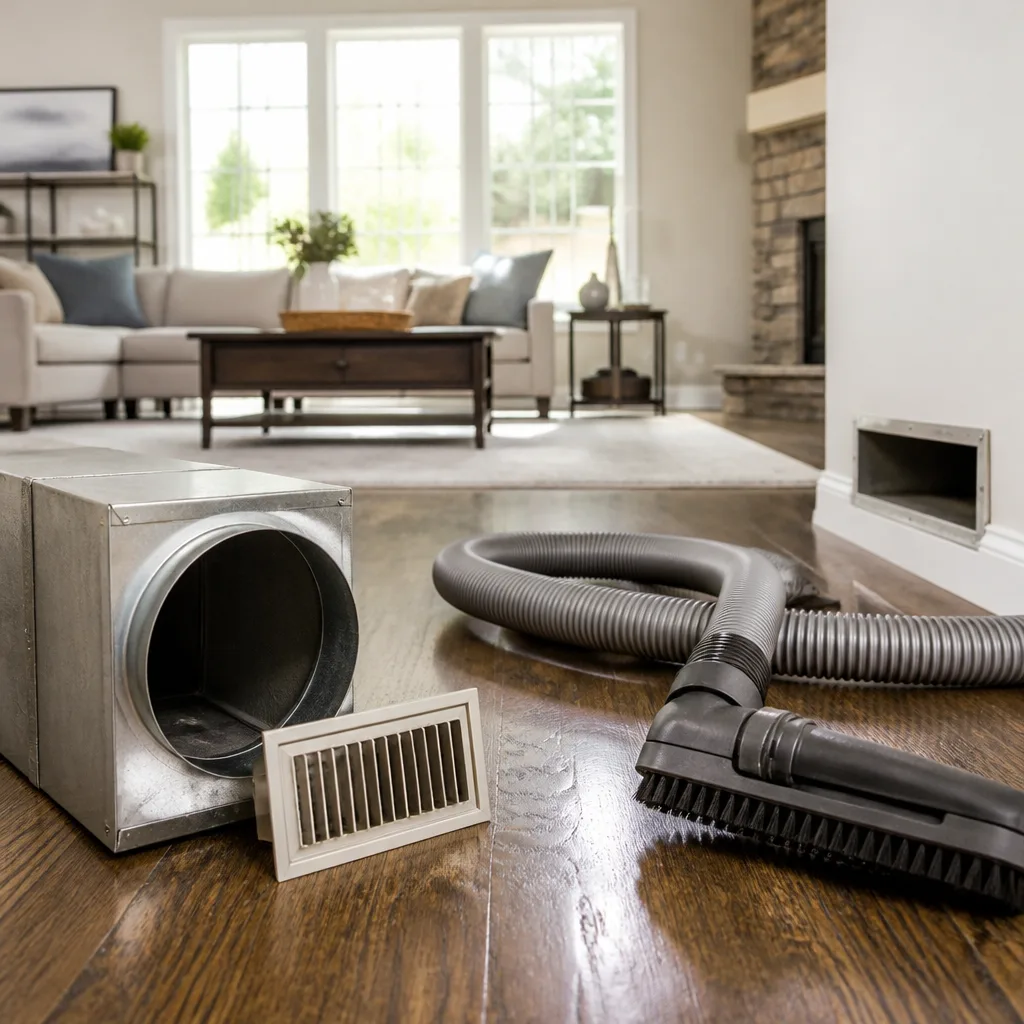
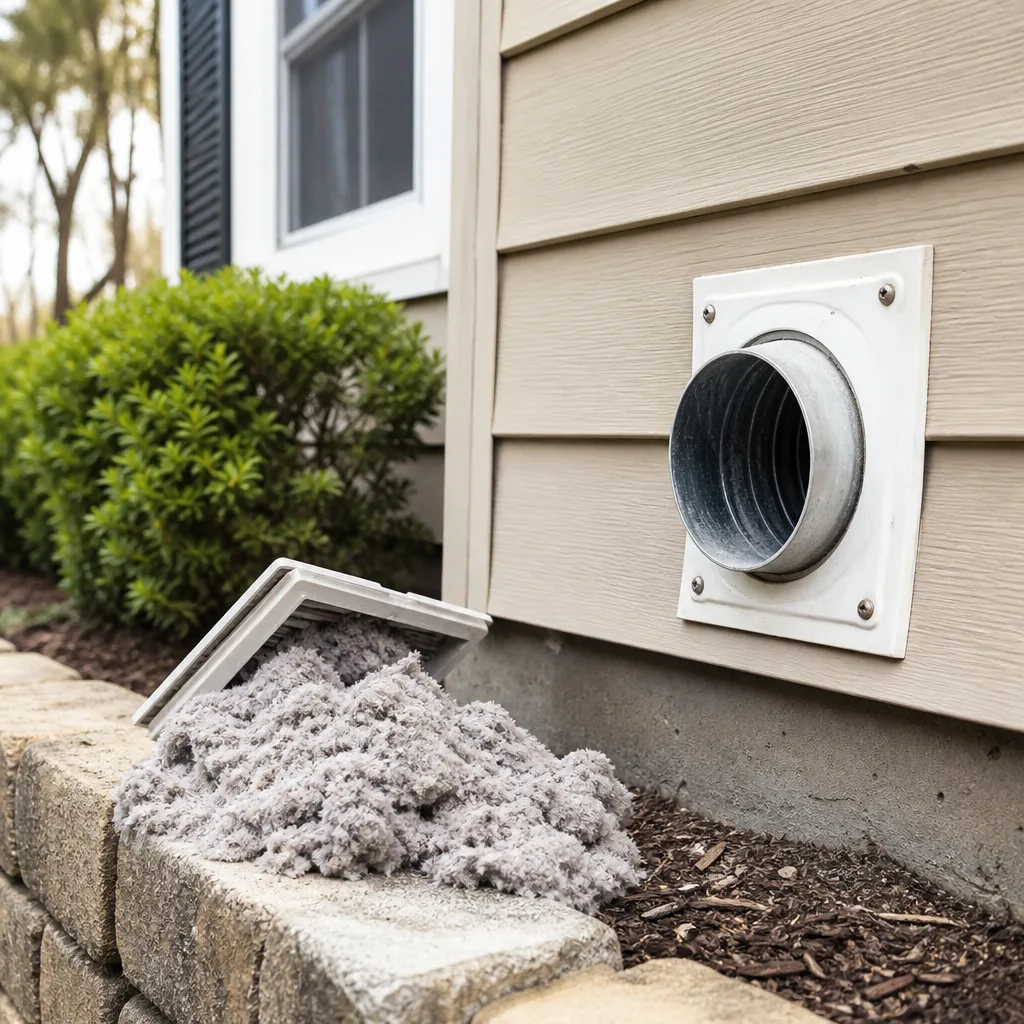
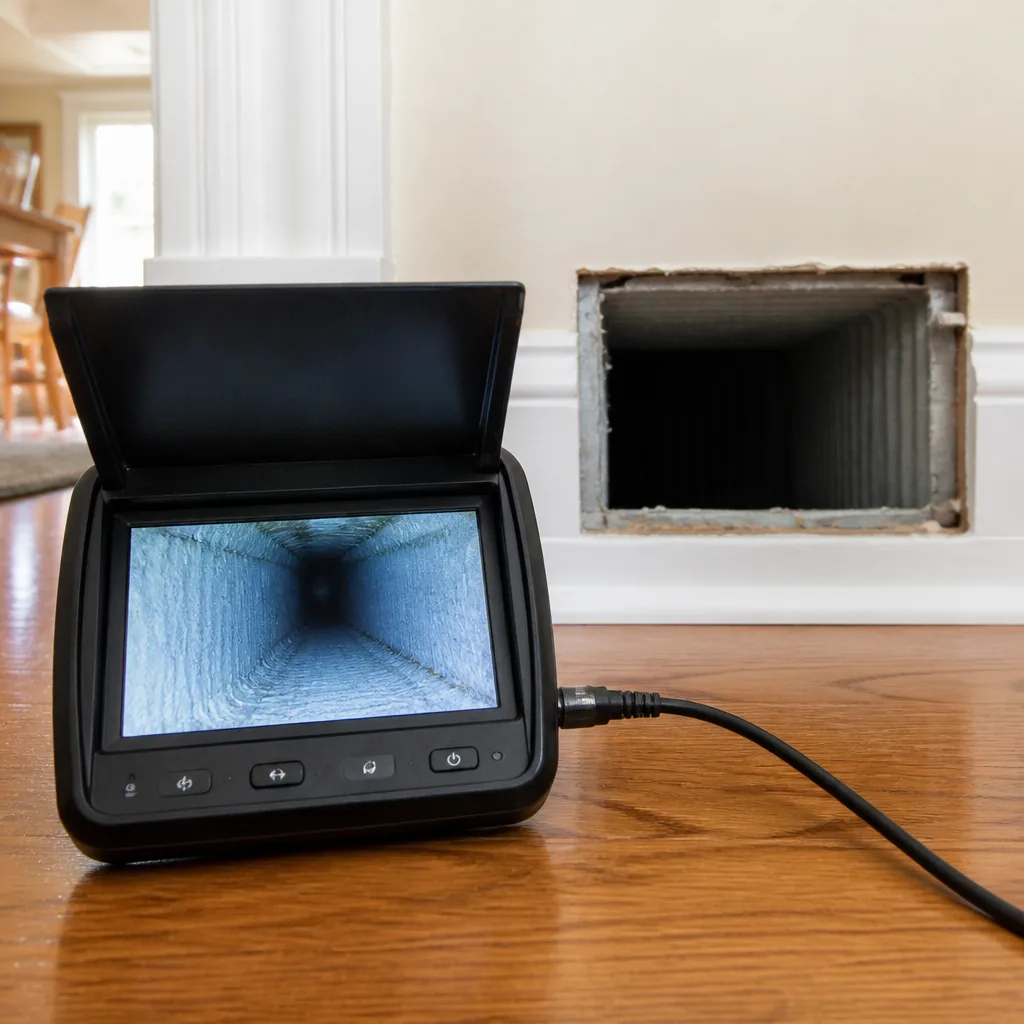
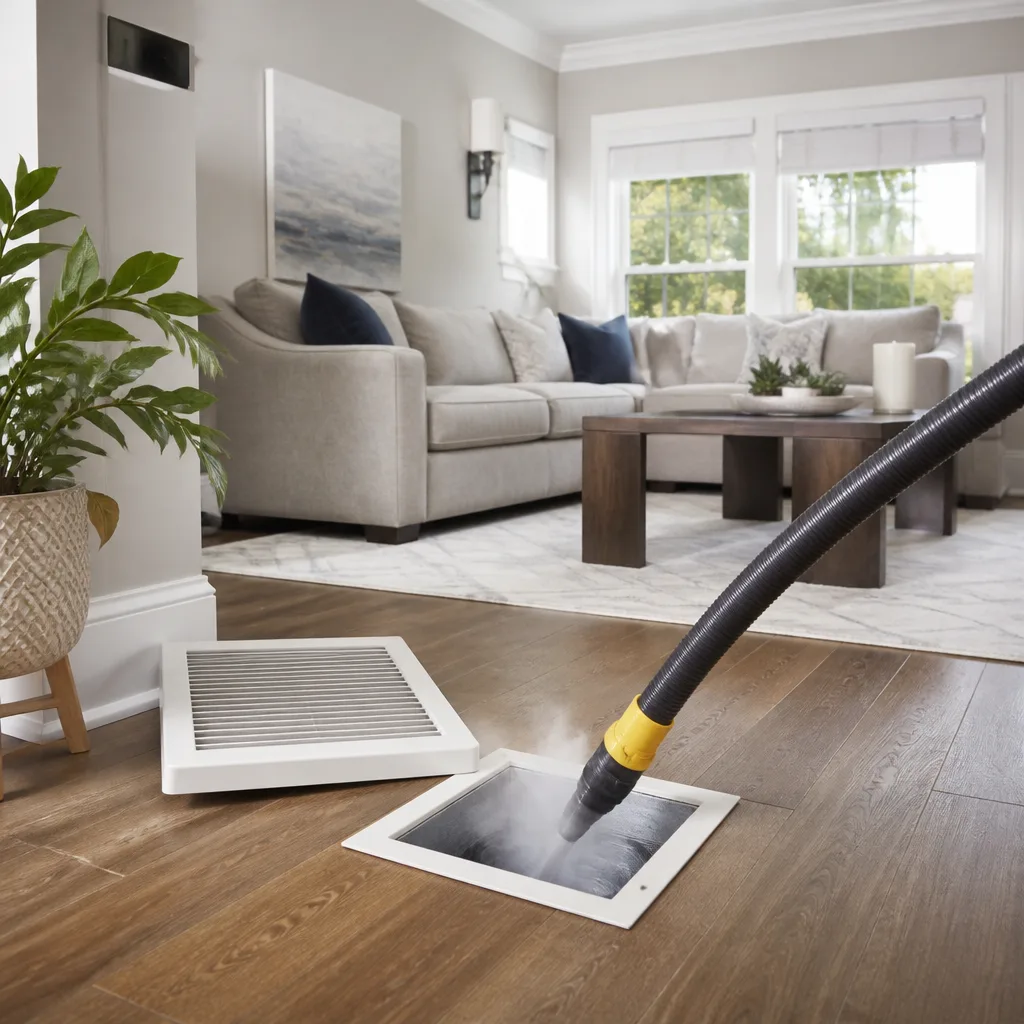
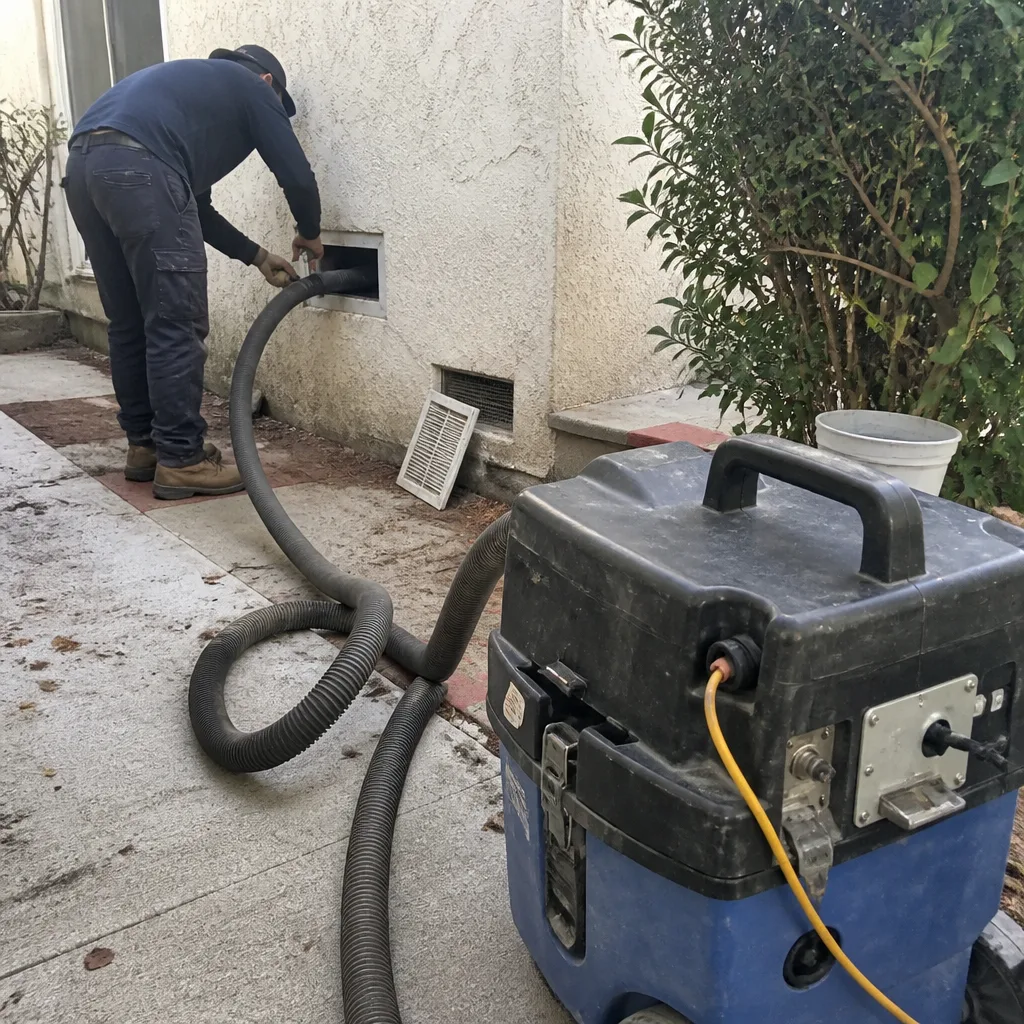 Before
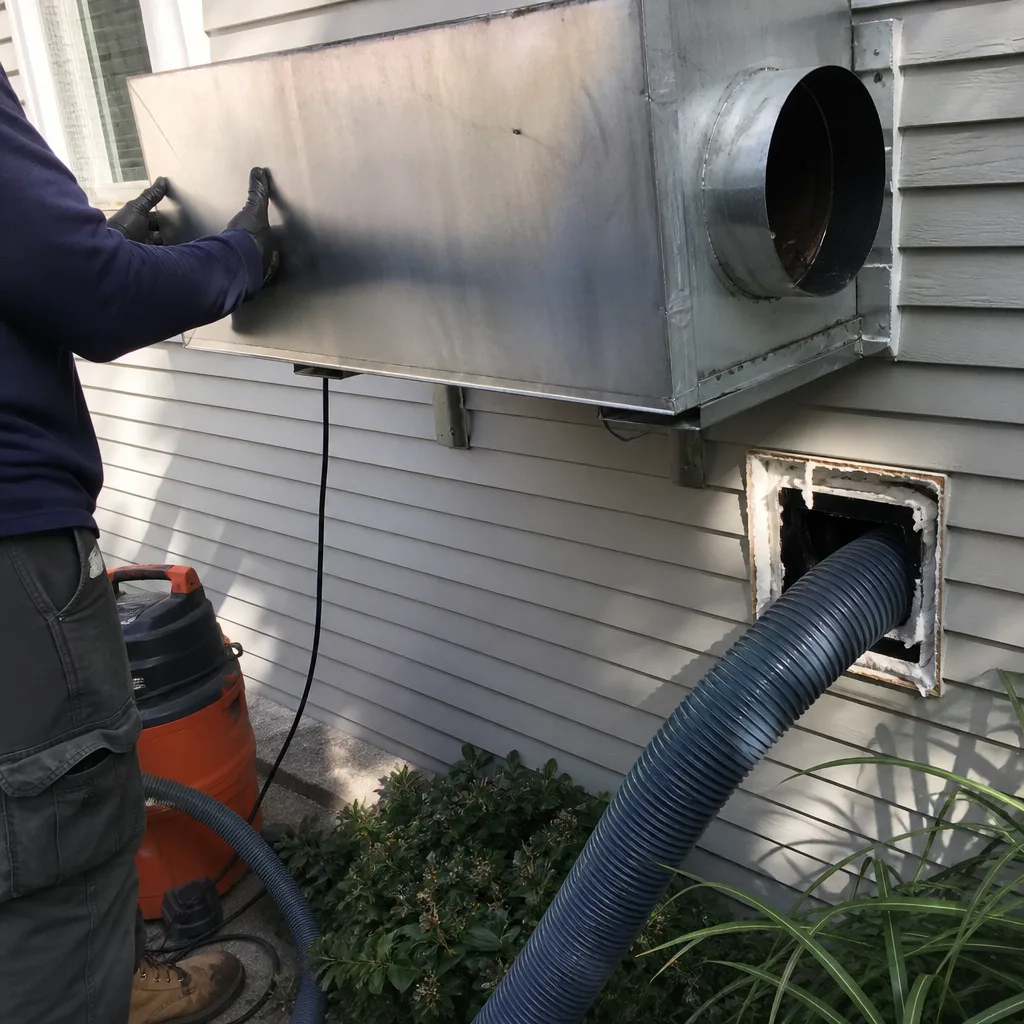 After
After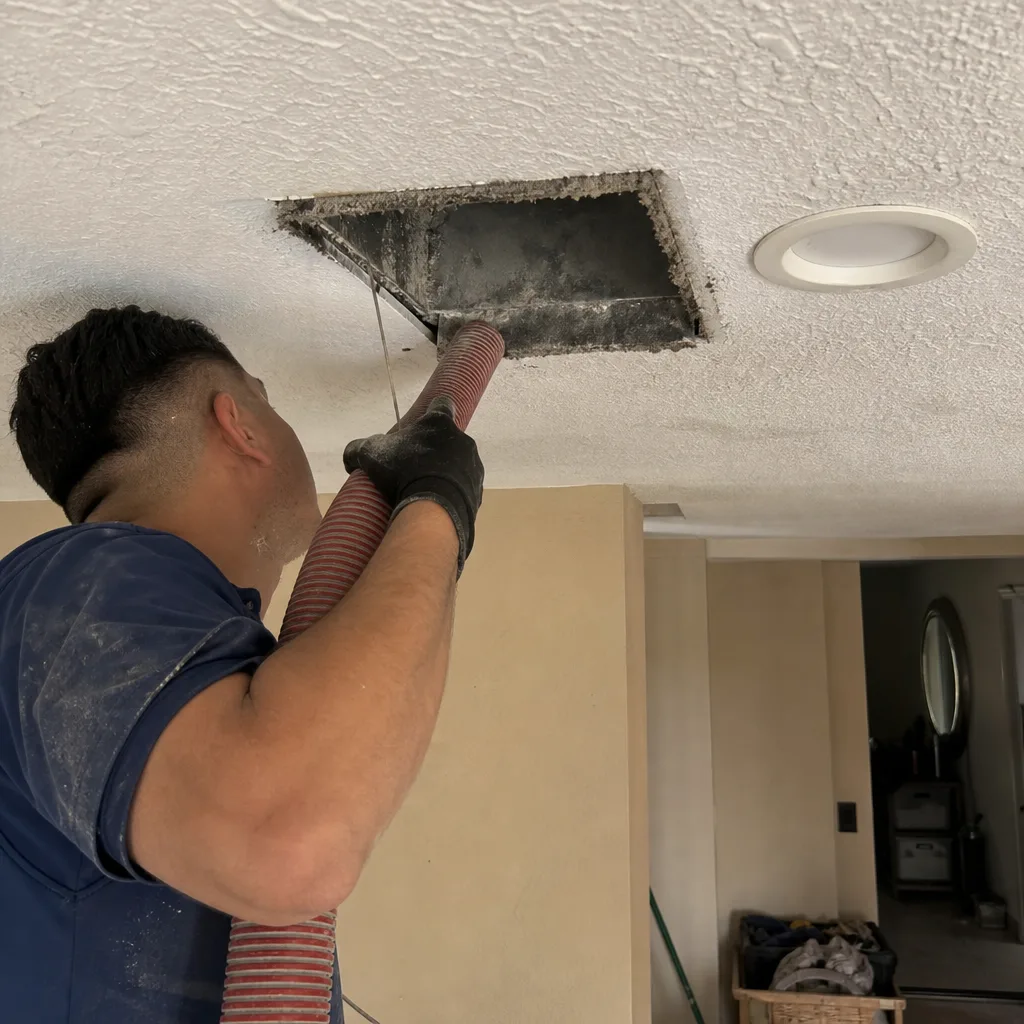 Before
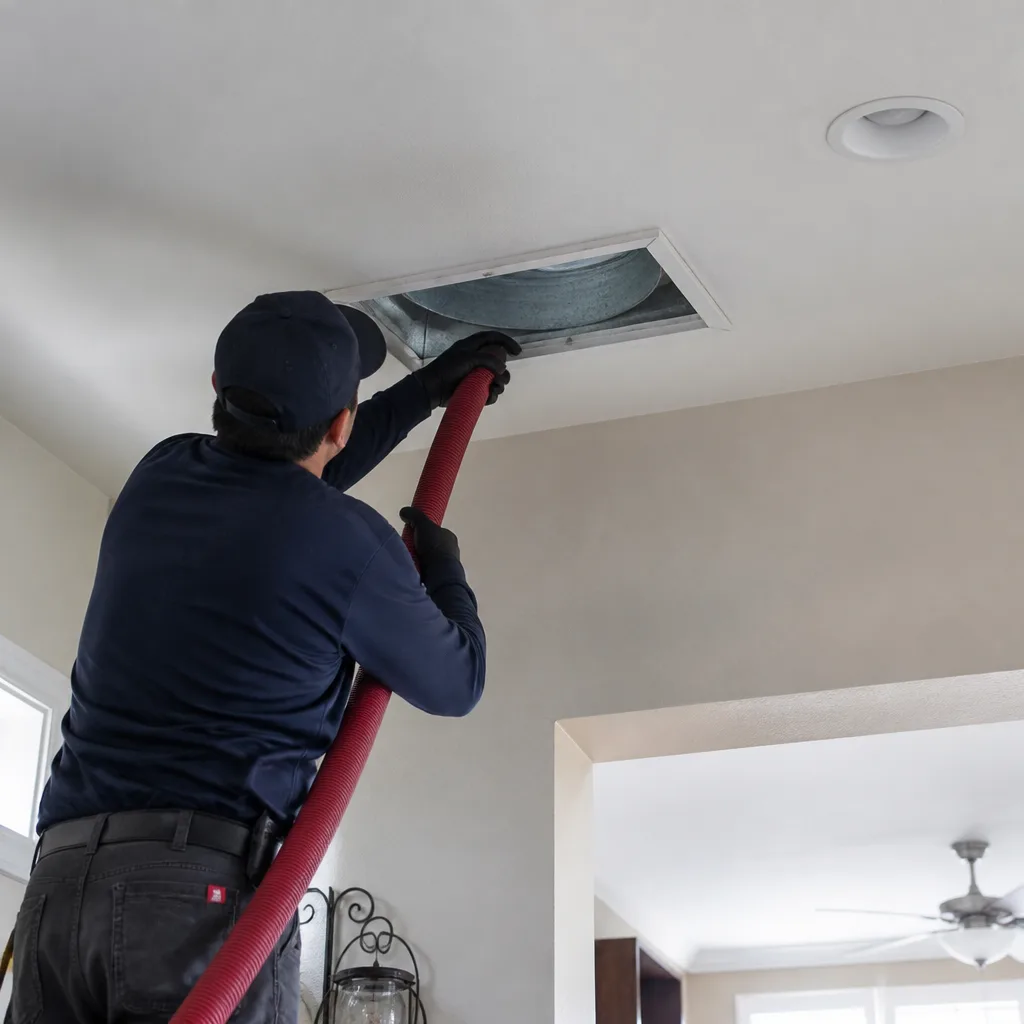 After
After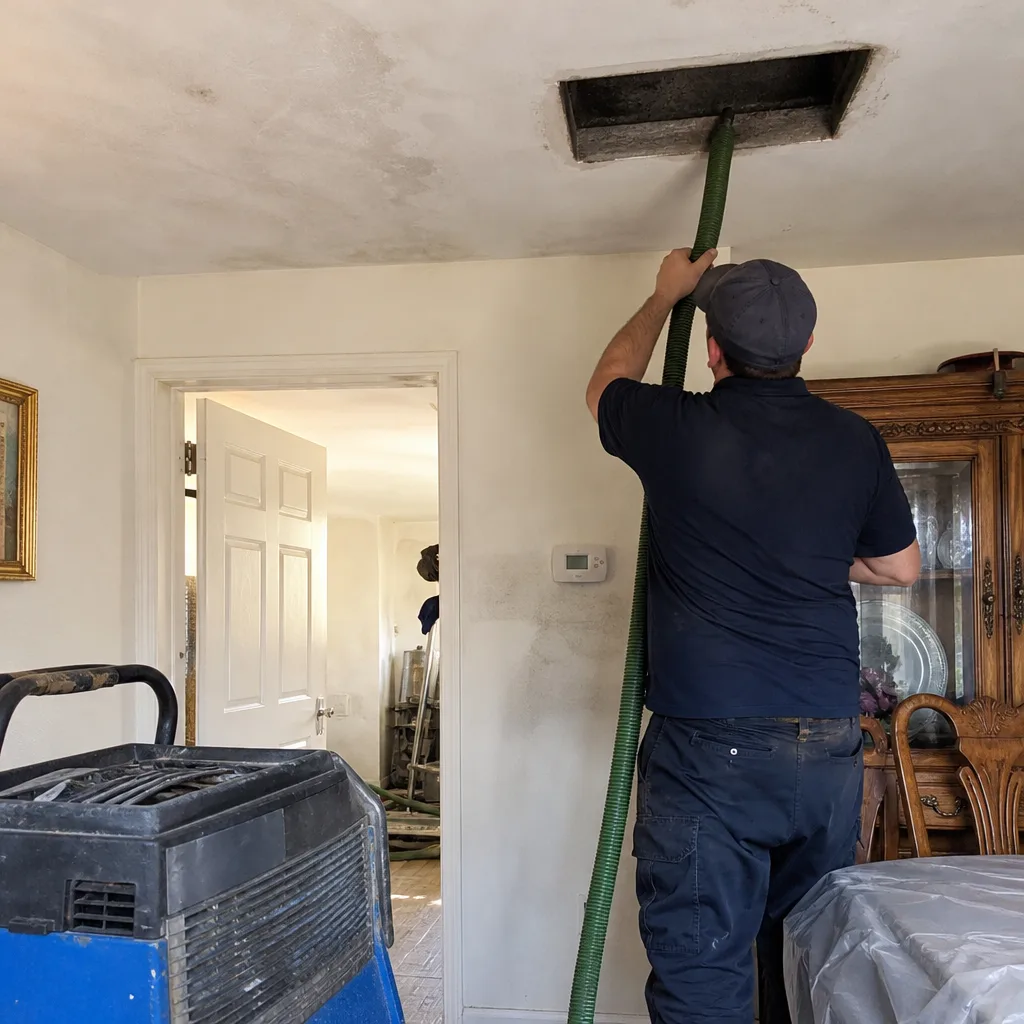 Before
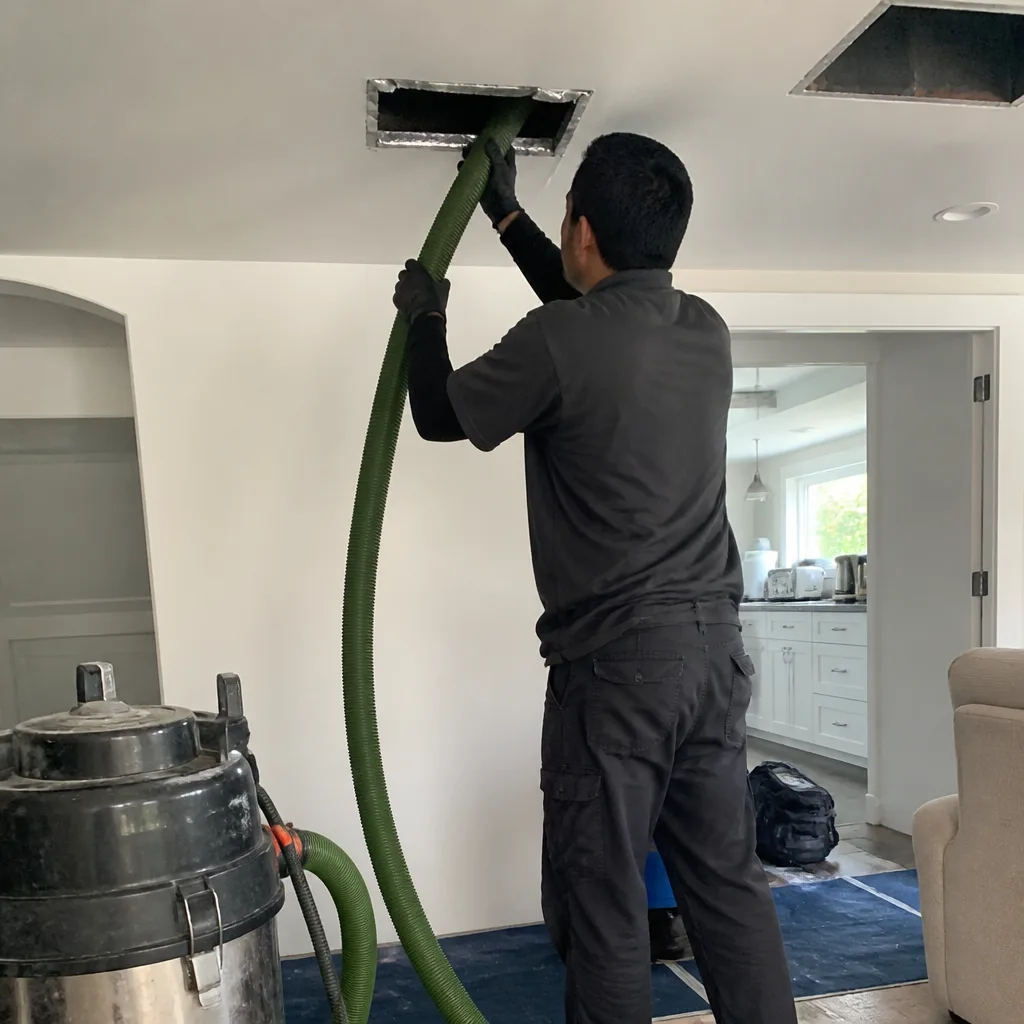 After
AfterDryer Vent Cleaning Maintenance Schedule: What to Do and When
The standard advice you’ll hear is “clean your dryer vent once a year.” Here’s the problem with that: the U.S. Department of Energy defines an average household as doing roughly 400 loads of laundry per year. But a family of five in Los Angeles running daily loads is doing more than 700 loads annually, and every one of those loads pushes lint through a vent that’s quietly choking itself. This guide gives you a maintenance schedule based on how you actually use your dryer, not a generic calendar reminder that assumes you’re average.
Quick Answer
Most households need professional Dryer Vent Cleaning every 12 months, but homes doing six or more loads per week, or with vent runs longer than 15 feet, should schedule service every 6 to 8 months. Monthly DIY tasks include cleaning the lint trap before every load, checking the exterior cap vent, and inspecting the transition hose for kinks or tears.
Table of Contents
- The Usage-Based Cleaning Schedule
- Why “Clean It Annually” Fails Most Households
- The Monthly 10-Minute Visual Inspection
- Vent Run Length Changes Everything
- Gas vs. Electric Dryers: Different Maintenance Needs
- Why High-Efficiency Dryers Need More Attention
- Event-Based Triggers That Override Your Schedule
- Common Mistakes to Avoid
- When to Call a Professional
- Frequently Asked Questions
- The Bottom Line
The Usage-Based Cleaning Schedule
Dryer vent cleaning frequency comes down to three variables: how many loads you run each week, how long your vent run is, and whether your dryer is gas or electric. The table below cross-references weekly laundry volume against vent run length to give you a cleaning interval in months. This is the schedule we use when advising homeowners across Los Angeles, where laundry rooms are often tucked into interior closets with long vent runs snaking through walls, ceilings, or crawl spaces.
| Loads Per Week | Vent Run Under 10 Feet | Vent Run 10-20 Feet | Vent Run Over 20 Feet |
|---|---|---|---|
| 1-3 loads | Every 18-24 months | Every 12-18 months | Every 12 months |
| 4-6 loads | Every 12 months | Every 8-10 months | Every 6-8 months |
| 7-9 loads | Every 8-10 months | Every 6-8 months | Every 4-6 months |
| 10+ loads | Every 6 months | Every 4-6 months | Every 3-4 months |
A household doing eight loads a week with a 25-foot vent run needs service roughly twice as often as a household doing three loads a week with a short, direct vent. The math isn’t complicated: every load produces lint, and longer vent runs give lint more surface area to catch on. If you’re not sure how long your vent run is, go outside and measure the distance from your dryer to the exterior vent cap. In many Los Angeles homes built before 1990, dryer vents exit through the roof, which adds vertical distance and multiple elbows that trap lint faster than a straight horizontal run.
We’ve cleaned vents in Los Angeles that hadn’t been touched in 15 years and flowed like a clogged artery. We’ve also cleaned vents that were serviced 8 months prior and were already 60% restricted because the household was doing 12 loads a week with a 30-foot run. The schedule above is a starting point. Your actual interval depends on how closely your home matches these usage patterns. If you want a professional assessment, dryer vent cleaning in Los Angeles starts with measuring your actual airflow, not guessing at it.
Why “Clean It Annually” Fails Most Households
The “once a year” guideline originated from fire safety organizations that needed a simple, memorable rule for a national audience. It’s not wrong for a two-person household with a short vent run. But lint accumulation is not linear, and neither is the risk. Here’s what actually happens inside a dryer vent between cleanings:
- Lint builds fastest at restrictions. Every elbow, every transition, every slight dip in the vent pipe creates turbulence. Air slows down, lint drops out of the airstream, and the restriction starts compounding on itself.
- The last third of the vent accumulates the most lint. By the time exhaust reaches the exterior cap, it has cooled and lost velocity. The final 5 to 8 feet before the exterior louver is where most blockages form.
- Moisture makes lint stick. Dryer exhaust isn’t just air. It’s humid air carrying microscopic fabric particles. When that moisture condenses on the vent walls, lint adheres like papier-mâché. In Los Angeles, our dry climate helps evaporation, but coastal homes from Santa Monica to Long Beach deal with higher ambient humidity that accelerates buildup.
Here’s the counterintuitive part: a dryer that takes 45 minutes to dry a load isn’t necessarily broken, and this is one of the Dryer Vent Cleaning Warning Signs Every Homeowner Should Know. Often, it’s a vent that’s 40% to 60% restricted, forcing the dryer to work harder and run longer. The appliance still gets the job done, so the homeowner assumes everything is fine. By the time clothes take two cycles to dry, the vent is usually 70% or more blocked, and you’re already at elevated fire risk.
Waiting 12 months when you should have serviced the vent at month 8 gives lint 4 extra months to compact. Compacted lint is harder to remove with rotary brush systems and sometimes requires additional passes or negative-air extraction to fully clear. Earlier cleaning is always less expensive than emergency service on a severely clogged vent.
The Monthly 10-Minute Visual Inspection
Professional cleaning happens on a schedule measured in months. But there are three homeowner tasks you should do monthly, and they take less than 10 minutes combined. These tasks won’t replace professional cleaning, but they’ll catch problems early enough to prevent a house fire or a broken dryer.
Task 1: The Exterior Cap Airflow Test (60 seconds)
Start your dryer on a normal cycle with the heat setting on. Walk outside to where the vent exits your home. Hold your hand about 6 inches from the exterior louver. You should feel a steady, warm flow of air pushing outward. If the louver flap is barely moving, or if you can’t feel airflow at all, the vent is restricted. If you smell a musty or damp odor coming from the vent, moisture is trapped somewhere in the run. Both signals mean it’s time to schedule a cleaning.
In Los Angeles, a surprising number of exterior vent caps get painted over during house repainting projects. The louver gets stuck shut, and the dryer pushes against a sealed exit. Check that the flap opens freely every month. It takes ten seconds.
Task 2: Transition Hose Flex Inspection (3 minutes)
Pull the dryer away from the wall, but first unplug the machine or switch off its circuit breaker if it’s hardwired. Inspect the flexible transition hose that connects the dryer to the wall vent. You’re looking for three things: kinks, tears, and sagging. A kink reduces airflow immediately. A tear lets moist lint-laden air escape into your laundry room. A sagging hose creates a low spot where lint settles and moisture pools. The transition hose should be as short as possible and made of rigid or semi-rigid metal, not foil or vinyl. Foil hoses crush easily and vinyl hoses are a known fire hazard and have been banned by code in most jurisdictions, including Los Angeles.
Task 3: Lint Trap Protocol (30 seconds, before every load)
This one is daily, but it belongs here because most people do it wrong. Clean the lint screen before every single load, not after. Here’s the step-by-step:
- Pull the lint screen out of its housing.
- Peel the lint layer off with your fingers, rolling it into a ball for disposal.
- Run the screen under warm water once a week to remove invisible residue from dryer sheets and fabric softeners, which coat the mesh and reduce airflow.
- Dry the screen completely before reinserting it.
If water beads up on the lint screen instead of passing through, the screen is clogged. The fix is a 10-minute soak in warm, soapy water and a gentle scrub with a soft brush. A coated lint screen can reduce airflow by 30% before you ever notice a difference in drying time.
Vent Run Length Changes Everything
The longer the exhaust path, the more frequently you need professional cleaning. That’s the single biggest variable in the maintenance schedule, and it’s also the one most Los Angeles homeowners never measure. Building code in most jurisdictions, including Los Angeles, limits dryer vent runs to 25 feet, with a 2.5-foot deduction for every 90-degree elbow. A 25-foot run with three elbows counts as 32.5 feet, which exceeds code and requires a booster fan or a reroute.
Here’s why length matters so much: your dryer’s blower is designed to push air a certain distance. A 5-foot straight run means the exhaust exits fast and hot. A 25-foot run means the air slows down, cools down, and drops lint along the way. Every foot of additional length adds surface area where lint can settle. Every elbow creates a choke point where lint collects first.
Long vent runs are common in Los Angeles for a simple reason: builders put laundry closets wherever they fit, not where the exterior wall is. In older single-family homes in the Valley, we see vent runs that travel horizontally through the garage, turn 90 degrees, run through an exterior wall, and terminate under an eave. In condos and townhomes near downtown LA, vent runs sometimes travel vertically through multiple floors to reach the roof. Roof-terminated vents are the worst case for maintenance because the homeowner never sees the exterior cap and can’t do the monthly airflow test without getting on a ladder.
If you can’t see your vent cap from the ground, mark the monthly airflow test in your calendar with a reminder to at least check that the dryer is still drying efficiently. Long drying times on a machine that used to finish in 40 minutes is your signal that the hidden vent run needs attention.
Gas vs. Electric Dryers: Different Maintenance Needs
Gas dryers and electric dryers both produce lint, but gas dryers add a combustion safety issue that makes vent maintenance more urgent. A gas dryer burns natural gas or propane to generate heat, and the combustion byproducts, including carbon monoxide, exit through the same vent as the lint-laden air. When that vent is partially blocked, exhaust can back-draft into your laundry room instead of leaving the house.
Here’s what to know about each type:
- Gas dryers: Require more vigilant vent maintenance because a restricted vent creates a carbon monoxide risk, not just a fire risk. Gas dryers also tend to run hotter than electric models, which bakes lint onto the vent walls and makes it harder to remove. In Los Angeles, many older homes in neighborhoods like Silver Lake and Echo Park have gas dryers that were installed decades ago.
- Electric dryers: Don’t produce combustion byproducts, but they still rely on the vent for airflow. A clogged vent on an electric dryer forces the heating element to cycle on and off more frequently, which shortens the element’s life. Heating element replacement is the most common dryer repair we hear about in Los Angeles homes where vent cleaning was neglected for years.
If you have a gas dryer and notice a burning smell, a musty odor, or clothes that smell slightly like exhaust after a cycle, stop using the dryer and address the vent immediately. The 365-Day Done Right Promise covers dryer vent cleaning service for a full year, and it’s worth knowing that the technician arriving at your door is one who shows up inside the quoted window, prices the job in writing before any work starts, and leaves the site clean. That’s the operational standard, not a marketing slogan.
Why High-Efficiency Dryers Need More Attention
High-efficiency dryers, and especially those with moisture sensors, actually need more frequent vent cleaning than older machines, not less. That sounds backwards, but it’s exactly what we see in the field across Los Angeles. Here’s the mechanism:
Modern dryers use a moisture sensor inside the drum to detect when clothes are dry, then shut off automatically. When the vent is restricted, humid air lingers in the drum longer because it can’t exit quickly. The moisture sensor reads that residual humidity and thinks the clothes are still damp. The dryer runs longer. A restricted vent on an HE dryer means longer cycles, higher energy bills, and more wear on the sensor itself. Eventually, the sensor becomes coated with fabric softener residue and laundry detergent film, and it starts misreading moisture levels entirely. You end up with a dryer that shuts off too early with damp clothes or runs for 90 minutes on a small load.
The lesson: if you invested in a high-efficiency dryer to save energy, skipping vent cleaning quietly erases those savings. The appliance works harder, runs longer, and its control board and sensors fail sooner. In our experience cleaning dryer vents across Los Angeles, HE dryer owners are often the most surprised to learn their vent was 50% or more blocked because the machine still “worked.” It worked, but it was working overtime.
Event-Based Triggers That Override Your Schedule
Your schedule says every 12 months, but certain events should trigger immediate professional cleaning regardless of when the last service happened, and our Dryer Vent Cleaning Troubleshooting: Common Problems and How to Fix Them covers what to watch for. Here are the five event triggers we tell Los Angeles homeowners to watch for:
- New dryer installation. A new dryer has a different airflow profile than the old one. Before connecting a new machine, clean the existing vent run so you’re starting fresh. New dryer = clean vent, no exceptions.
- Renovation near the laundry room. Drywall dust, sawdust, and construction debris are finer than lint and travel the same path. Any renovation that generates dust in or near the laundry area means a vent cleaning is due, even if the vent was cleaned two months ago.
- Lint accumulation on top of the dryer. If you notice lint gathering on top of the dryer or on nearby surfaces, exhaust is leaking somewhere in the system. That’s not normal. The vent or transition hose has a breach that needs professional attention.
- Burning smell during operation. A burning smell usually means lint inside the dryer cabinet has ignited or is smoldering. Stop using the machine immediately, unplug it or kill the circuit breaker, and schedule a vent inspection. This is also a good moment to check that your smoke detector has fresh batteries.
- Clothes taking longer than 50 minutes to dry. This is the most common signal we hear from Los Angeles homeowners. If a normal load used to dry in 40 minutes and now takes 65, the vent is restricting airflow. The dryer hasn’t failed; it’s suffocating.
Event triggers matter because a schedule is a planning tool, not a diagnostic. The schedule tells you when to expect service. The events tell you when the schedule no longer applies. If you’re seeing any of these signs, the vent is already behind.
Common Mistakes to Avoid
- Using vinyl or foil transition hoses. Vinyl burns, and foil crushes. Both create restrictions and fire risks. Semi-rigid aluminum or rigid metal only. Los Angeles building code has prohibited vinyl dryer ducts in new construction for decades, but plenty of older homes still have them.
- Cleaning the lint trap occasionally instead of before every load. The lint trap catches about 60% of the lint a dryer produces. The other 40% goes into the vent. If you’re not cleaning the trap every single time, that percentage drops and the vent loads up faster.
- Pushing the dryer too close to the wall. When the machine is pushed back, the transition hose kinks and airflow drops immediately. Leave at least 4 to 6 inches between the dryer and the wall, and check the hose every month.
- Using dryer sheets without washing the lint screen weekly. Dryer sheets leave a film on the lint screen that’s invisible but significant. If water beads on the screen, air can’t pass through it effectively. Weekly washing keeps the mesh clear.
- Ignoring the exterior vent cap. The cap is the system’s exhaust port. If it’s stuck shut, covered in lint, or blocked by a bird nest, the entire vent system is backed up. In Los Angeles, roof-terminated caps are especially prone to bird and rodent intrusion because they’re harder to reach.
- Assuming a “dryer vent cleaning kit” from the hardware store is equivalent to professional service. A homeowner brush kit cleans the first few feet of the vent run. It does not reach the full length of a 20-foot run, it does not remove compacted lint, and it can damage vent seams. Professional equipment uses rotary brush systems and negative-air machines like the ones made by Rotobrush and Nikro, which pull debris out rather than just loosening it.
- Waiting for a failure before scheduling. A dryer vent doesn’t give you a check-engine light. By the time you notice longer drying times, the vent has been restricted for months. Scheduled maintenance is cheaper than emergency response, and it’s the only way to prevent the fire risk from developing.
When to Call a Professional
Call a professional when any of these conditions exist: your dryer takes 50 or more minutes to dry a normal load, you feel weak airflow at the exterior cap, you smell burning, you see visible lint at the exterior vent, your vent run is longer than 15 feet and hasn’t been cleaned in over a year, or you have a gas dryer and haven’t had the vent inspected in two years. These are all signs that the vent is past the point of safe operation or approaching it fast. A professional service uses negative-air machines to create constant suction inside the vent while a rotary brush scrubs the walls, removing both loose lint and the hardened layer that homeowner tools can’t touch. Hollis Air Duct Cleaning offers free estimates in Los Angeles – call (361) 326-5060 to schedule an inspection. The price is written before any work starts, and it does not move at the door.
Frequently Asked Questions
Most households need dryer vent cleaning every 12 months, but homes doing six or more loads per week or with vent runs over 15 feet should schedule service every 6 to 8 months. The schedule is based on usage volume and vent length, not a generic annual reminder. Call (361) 326-5060 for a free estimate based on your actual setup.
Professional dryer vent cleaning in Los Angeles typically costs $120 to $275 depending on access, vent run length, and whether roof access or special equipment is needed. Some companies advertise lower teaser prices and then add charges at the door. We write the price down before any work starts, and it does not move. Call (361) 326-5060 for an exact quote based on your vent configuration.
You can and should clean the lint trap before every load and check the transition hose monthly. But homeowner brush kits can’t reach the full length of a typical vent run, and they can tear foil or vinyl hoses and damage vent seams. For a vent longer than 5 feet, professional equipment with a rotary brush and negative-air machine removes lint a homeowner tool can’t reach. We’ve cleaned vents where a homeowner’s brush simply compacted the lint deeper into the run, making the restriction worse.
Check for these four signs: clothes take longer than 50 minutes to dry, the exterior louver flap barely moves when the dryer runs, the dryer or laundry room feels hotter than usual, and a burning smell occurs during operation. Any one of these means the vent is restricted enough to need professional cleaning. Call (361) 326-5060 to schedule an inspection.
Gas dryers produce the same lint as electric dryers, but a restricted vent on a gas dryer is more dangerous because combustion byproducts including carbon monoxide can back-draft into the home. If you have a gas dryer, schedule vent inspection at least once a year regardless of usage, and stop using the dryer immediately if you smell exhaust or burning. We serve gas dryer vent cleaning across Los Angeles with written pricing and a 365-Day Done Right Promise.
A typical residential dryer vent cleaning takes 45 minutes to 90 minutes depending on access and vent run complexity. Roof-terminated vents and long horizontal runs take longer because the technician needs ladder access and additional equipment passes. We arrive inside the quoted window, complete the work in one visit, and leave the site clean. Call (361) 326-5060 for a free estimate.
Air duct cleaning services the HVAC system that heats and cools your home, while dryer vent cleaning services the dedicated exhaust pipe that carries hot, lint-filled air from your dryer to the outside. They require different equipment and are scheduled on different timelines, though both use negative-air extraction and rotary brushing. We offer both services, and you can read more about air duct cleaning in Los Angeles on our service page.
The Bottom Line
Dryer vent cleaning frequency should be based on how you use your dryer, not a one-size-fits-all annual reminder, and you can find more guides & resources on our blog. Households doing weekly laundry volume of six or more loads, or with vent runs longer than 15 feet, need service every 6 to 8 months. Smaller households with short, direct vents can safely go 12 to 18 months between cleanings. Do the monthly inspections: check the exterior cap airflow, inspect the transition hose, and clean the lint trap before every load. Watch for the event triggers that override any schedule: longer drying times, burning smells, lint accumulation around the dryer, new appliance installation, or renovation dust. Los Angeles homeowners with older homes, roof-terminated vents, or large families should err on the side of more frequent service. The cost of a professional cleaning is a fraction of the cost of a dryer failure or a house fire.
To schedule dryer vent cleaning in Los Angeles, call Hollis Air Duct Cleaning at (361) 326-5060 for a free estimate. You’ll get a written price before any work starts, a uniformed background-checked technician, and service backed by the 365-Day Done Right Promise. If it’s not done right, we make it right within a year, at no charge. That’s what the Garrison Standard means, and it’s the only way we work.
Written by Roy Castellanos, Owner at Hollis Air Duct Cleaning, serving Los Angeles since 2004.