
Last updated October 9, 2026
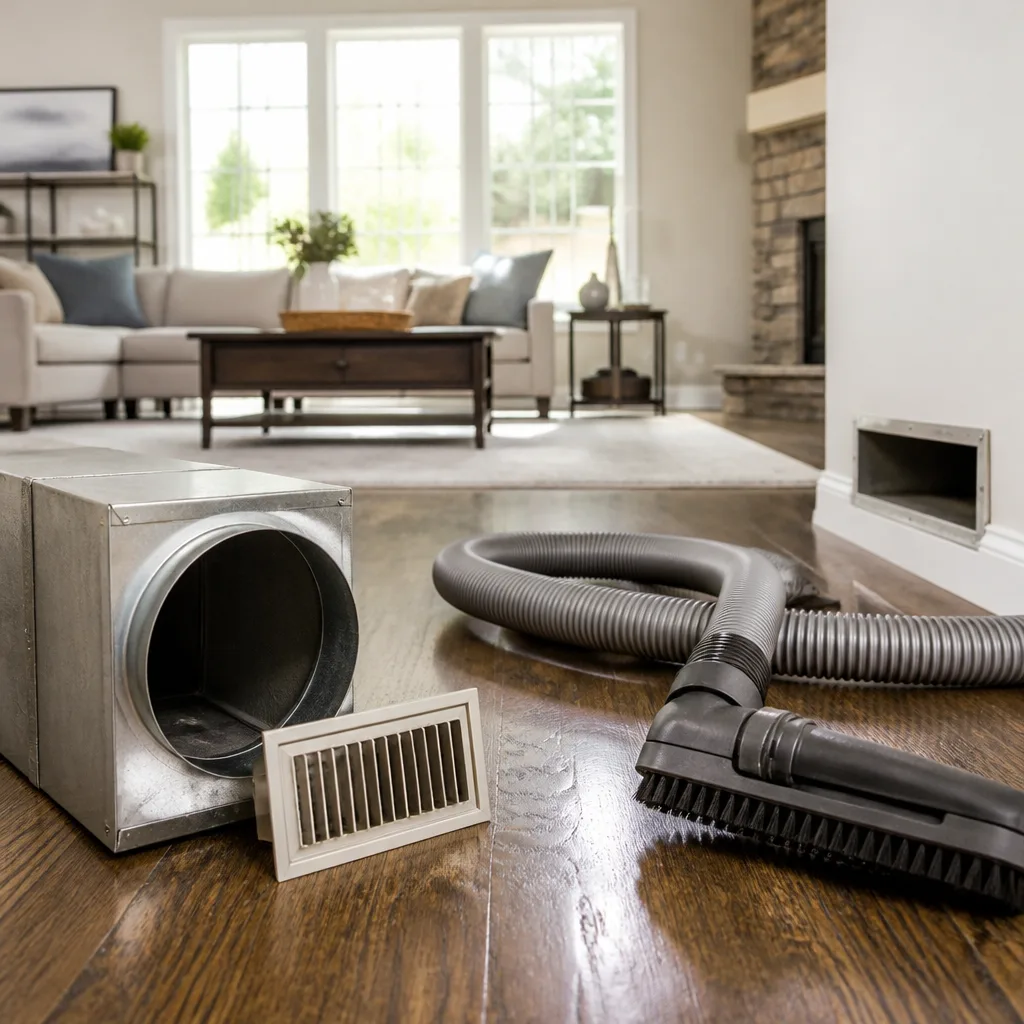
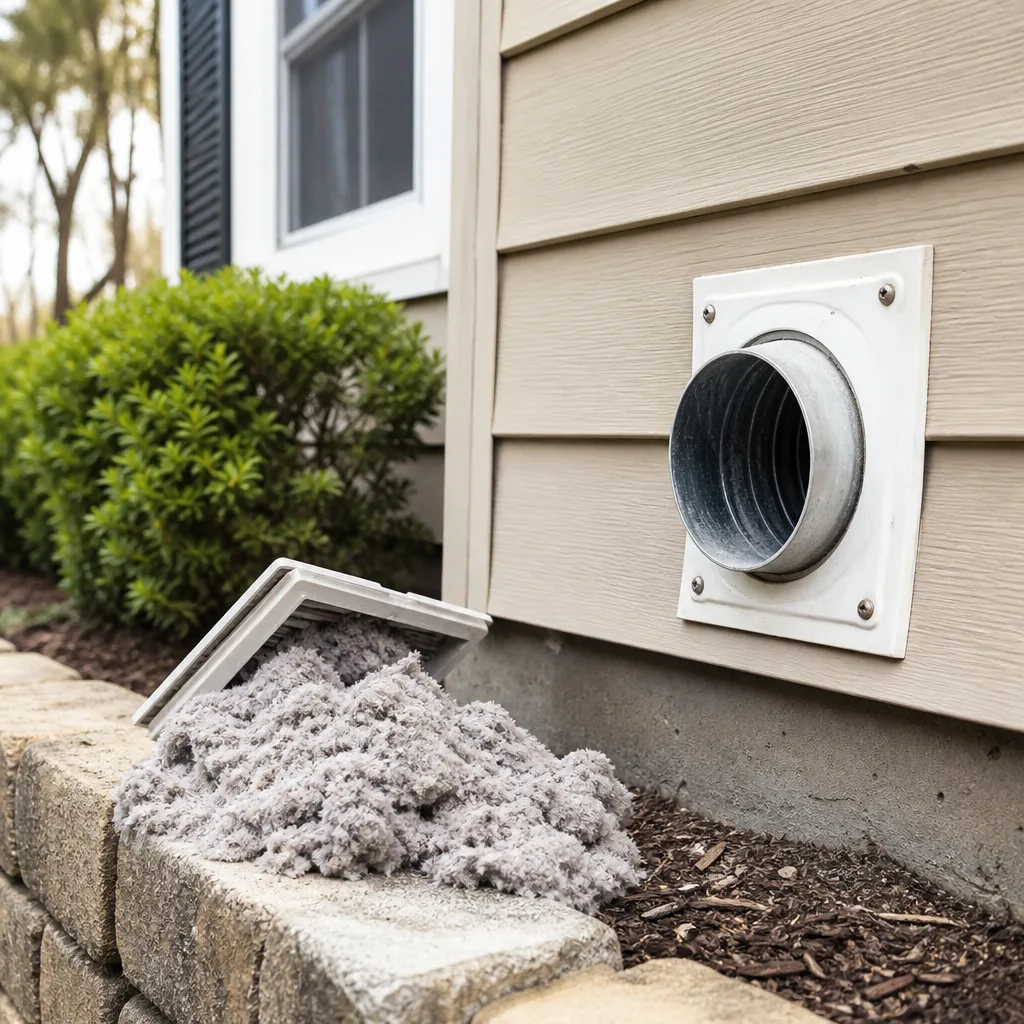
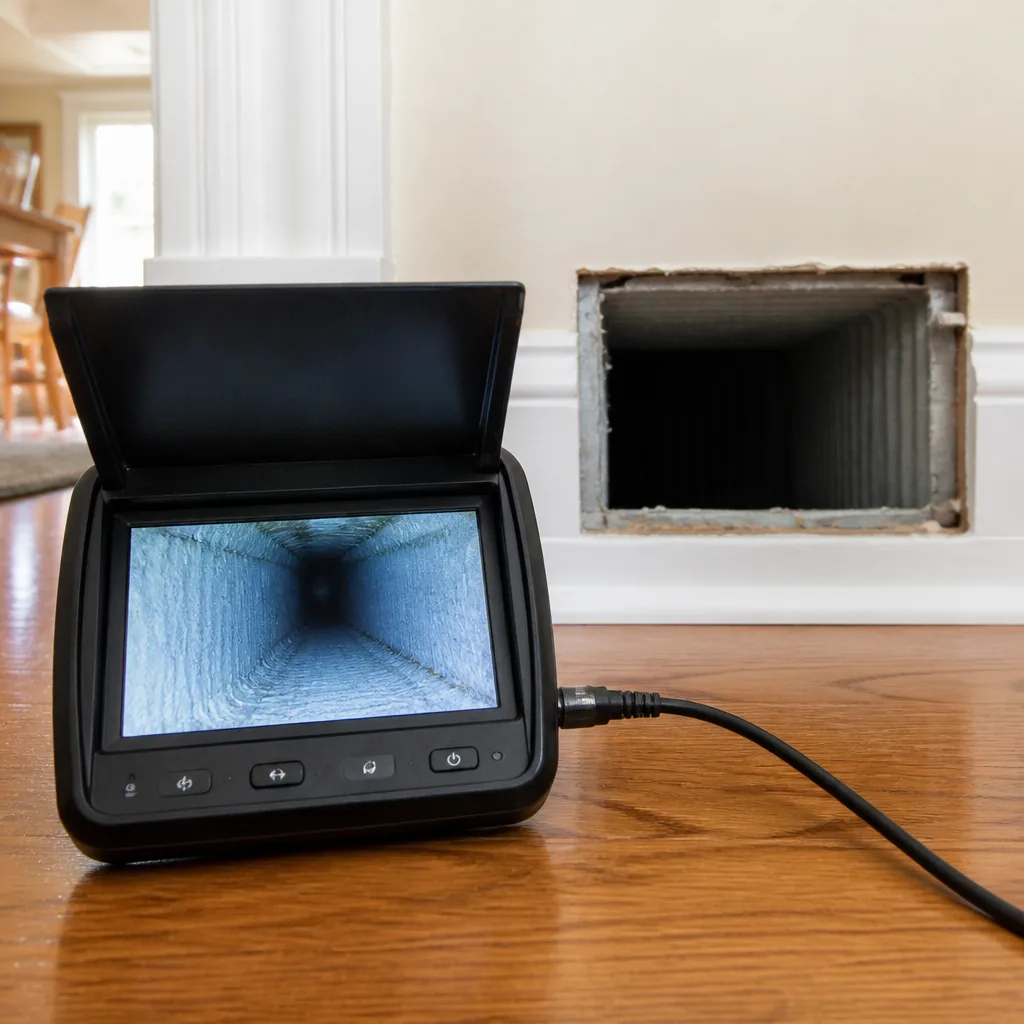
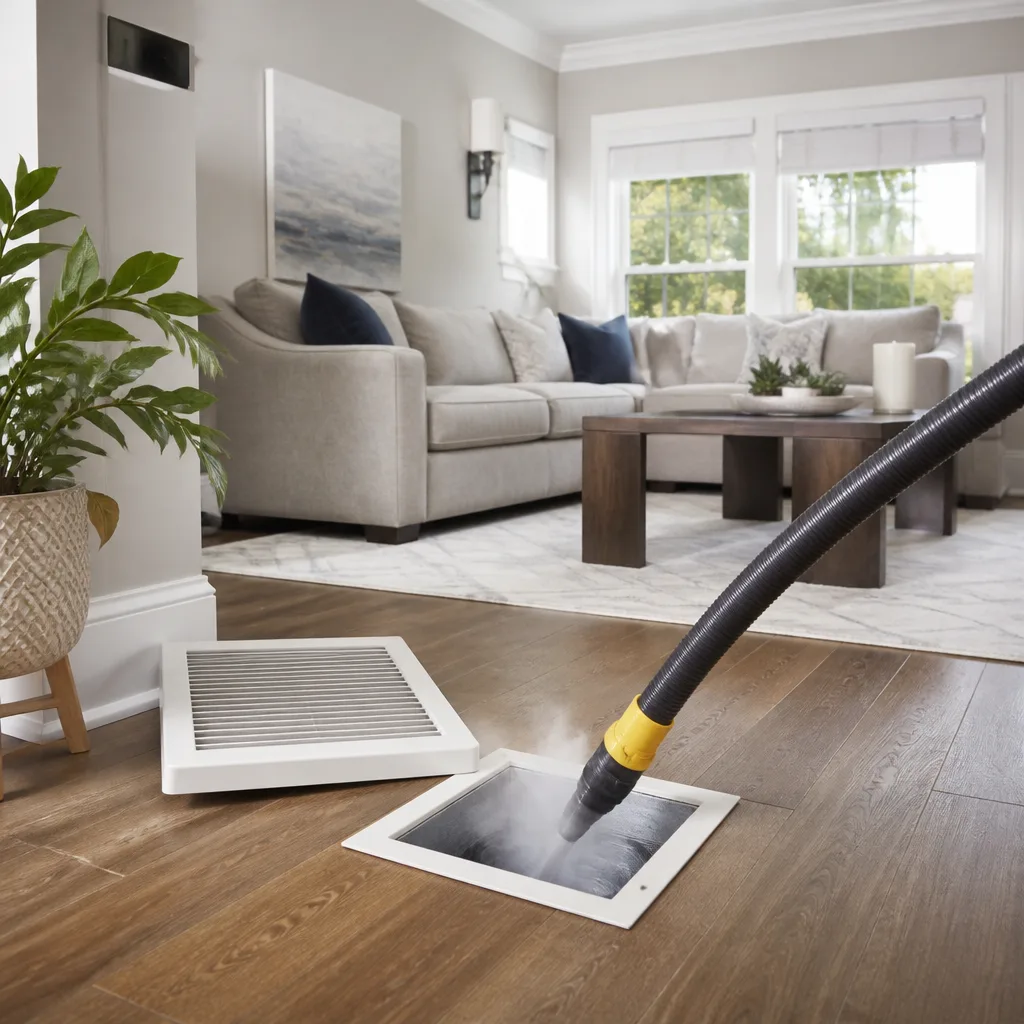
Whole-system duct and dryer vent check with before-and-after photos - you see exactly what came out of your vents
That "$99 whole-house special" is a bait ad - the real number appears once they are in your hallway, or the "clean" is a shop-vac at the register. We photograph the inside of your ducts before and after instead.
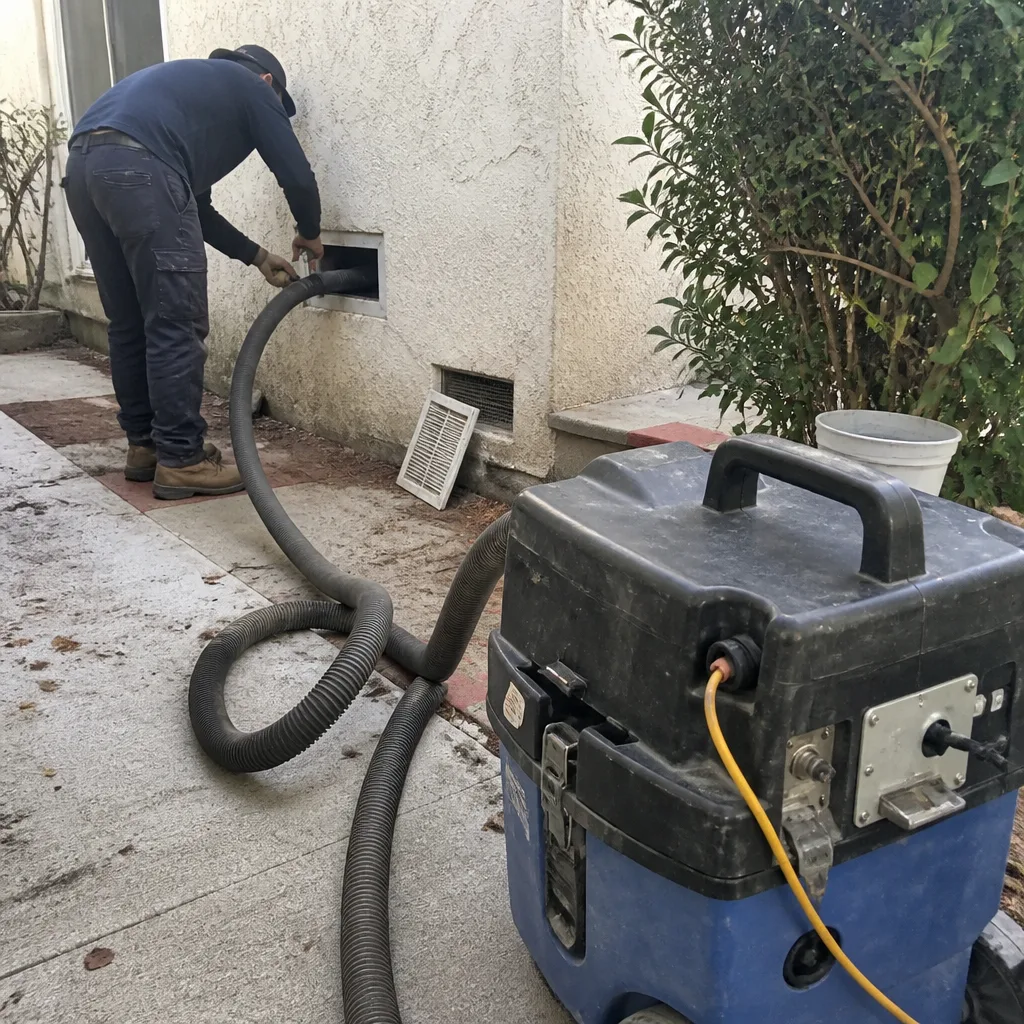 Before
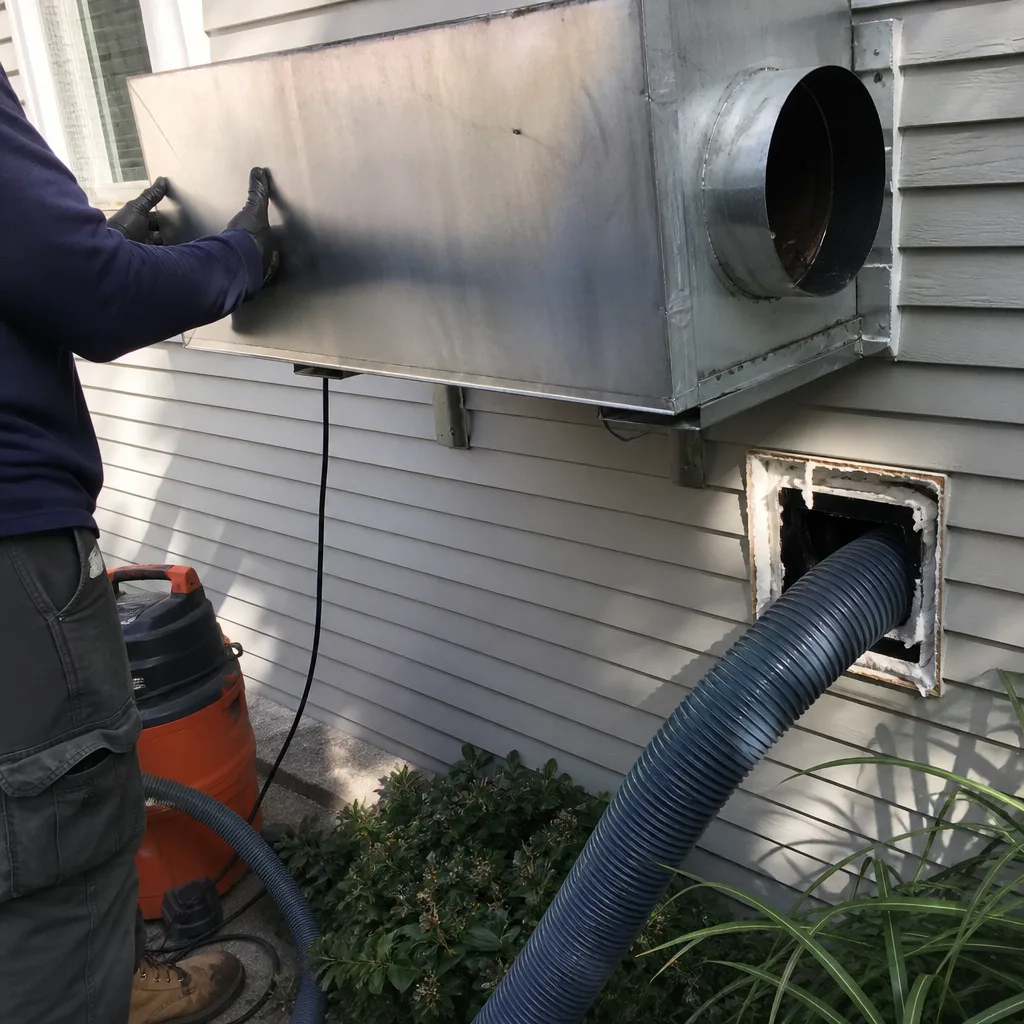 After
After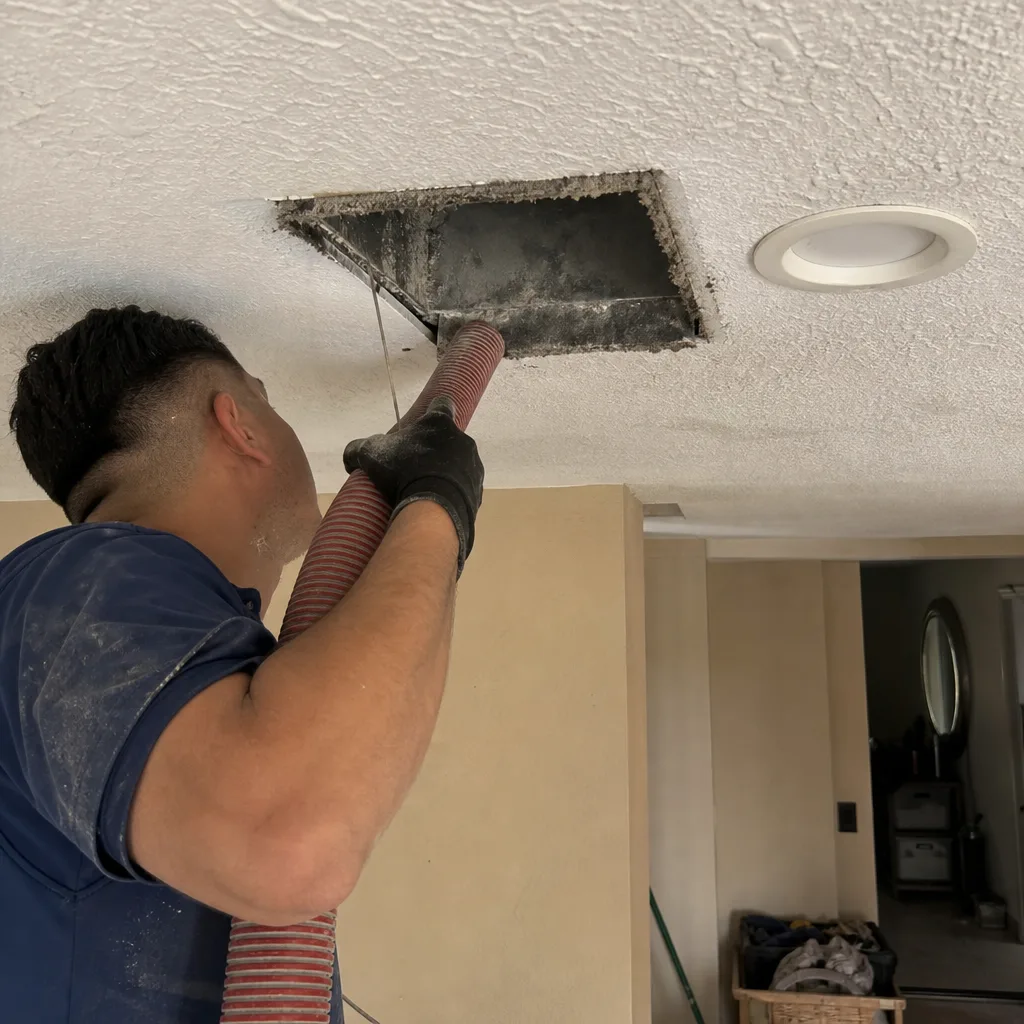 Before
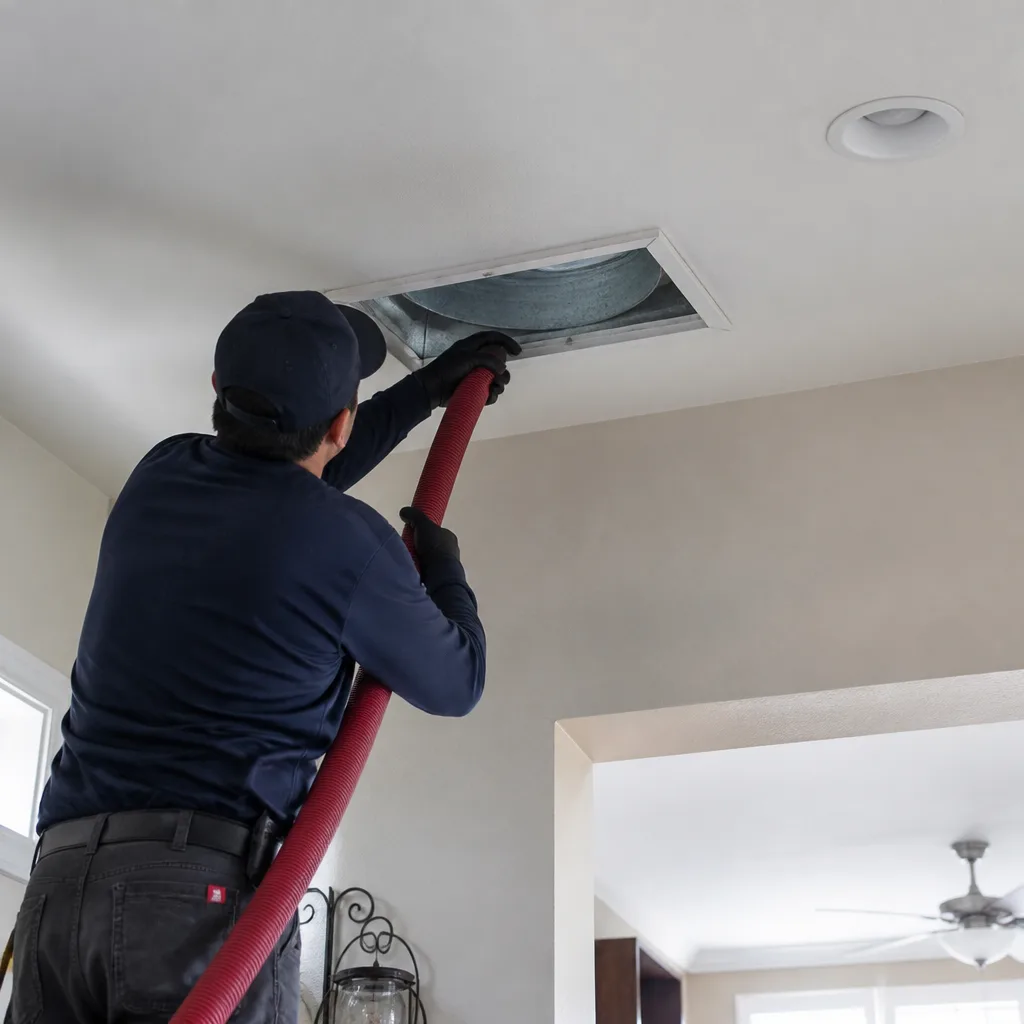 After
After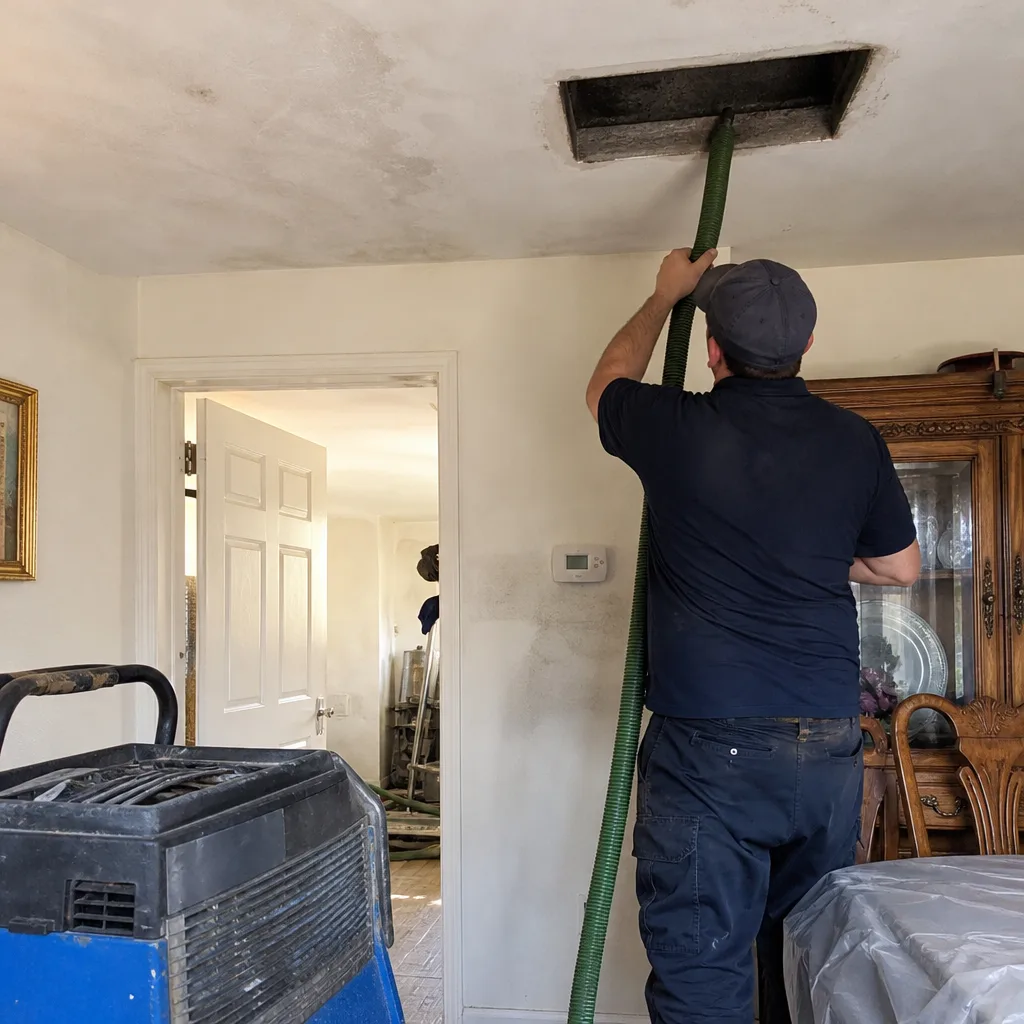 Before
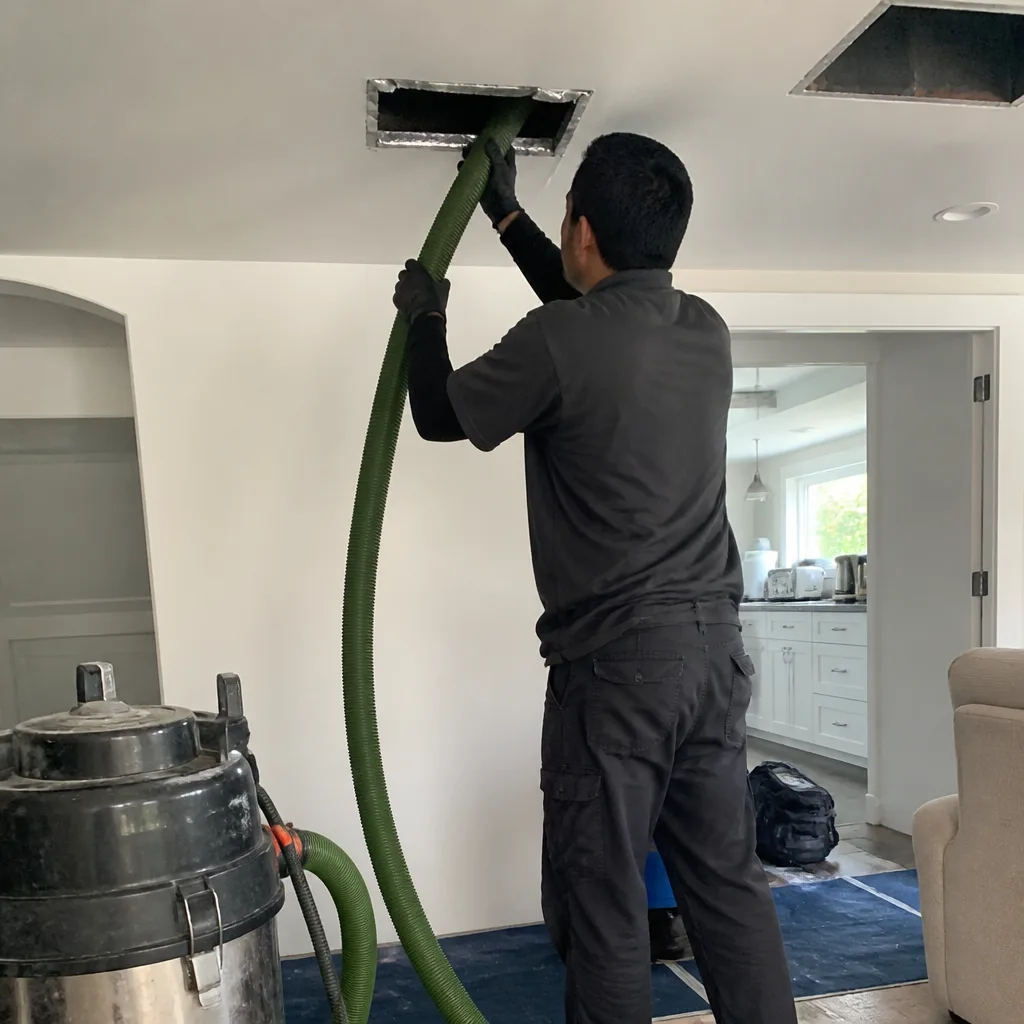 After
AfterSeasonal Air Duct Cleaning Care for Los Angeles: Year-Round Homeowner’s Guide
In a Chicago winter, the question is whether your ducts are ready for heating season. In Los Angeles, the question in October is whether your ducts are ready for the next Santa Ana wind event to push combustion particulate through every supply vent in the house. Most seasonal duct advice online was written for places with four distinct seasons, and applying it here means missing the events that actually foul LA ductwork. This guide covers the four Los Angeles-specific seasonal triggers, what a post-wildfire inspection should check that routine cleaning doesn’t, and how to set a cleaning interval based on your ZIP code’s actual air quality history rather than a generic rule of thumb. For Air Duct Cleaning Cost Breakdown: The Los Angeles Homeowner’s Reference for 2026, see our dedicated pricing guide.
Quick Answer
Air Duct Cleaning services in Los Angeles should follow event-driven triggers rather than fixed dates. Most LA homes benefit from a duct assessment after major wildfire smoke events, once during Santa Ana season (October through January), and before the summer cooling cycle starts in May or June. The real question isn’t “how long has it been” but “what has moved through your ducts since the last cleaning,” and that answer changes with LA’s wind, fire, and marine layer patterns.
Table of Contents
- Santa Ana Wind Season: The October to January Duct Stress Test
- Wildfire Smoke Events: What a Post-Smoke Inspection Must Check
- The May and June Marine Layer: Humidity, Dust Adhesion, and the Pre-Cooling Window
- Summer Heat-Run Cycles: When Debris Gets Baked Into Duct Lining
- Setting a Realistic Cleaning Interval Using Your ZIP Code’s AQI History
- What Duct Cleaning Doesn’t Cover: Coils, Drain Pans, and Blower Wheels
- Common Mistakes to Avoid
- When to Call a Professional
- Frequently Asked Questions
Santa Ana Wind Season: The October to January Duct Stress Test
Santa Ana winds move air from the high desert toward the coast, and that air carries fine dust, ash, and pollen that doesn’t settle the way normal LA dust does. The wind drives particulate against exterior vents and into any gap around registers, and once it’s inside the return air stream, it moves through the entire duct system. In neighborhoods like Porter Ranch, Granada Hills, and the foothill communities along the 210 corridor, we routinely see Santa Ana seasons leave a fine gray film inside supply ducts that wasn’t there in September.
A Santa Ana season duct assessment should check for three things that routine cleanings often skip:
- Register gap intrusion: The pressure differential during high wind events pulls particulate through loose register boots. A technician should check whether dust has accumulated just inside supply registers, which indicates the boot-to-drywall seal has opened.
- Return-side loading: Santa Anas often pull air backward through poorly sealed return ducts in attics and crawlspaces. If your return side shows heavier deposition than the supply side, the return ductwork likely has leakage that needs sealing before cleaning will hold.
- Filter bypass marks: A clean streak or channel of dust past the filter rack means air has been moving around the filter, not through it. After a heavy Santa Ana event, this is one of the first things we look for on Air Duct Cleaning in Los Angeles jobs.
The practical takeaway: if your home sat through three or more significant Santa Ana wind events in a season and you haven’t looked inside the ducts, the ducts are carrying more particulate than the system was designed for. That’s not alarmism. It’s just what the wind does here.
Wildfire Smoke Events: What a Post-Smoke Inspection Must Check
Wildfire smoke leaves fine particulate throughout a duct system, but the deposition pattern is different from ordinary dust. Smoke particulate is sub-micron in size, which means it penetrates deeper into duct surfaces and, critically, onto surfaces a routine cleaning never touches: evaporator coil fins, flex duct folds, and blower wheel blades. A standard duct cleaning that sends a brush through the main trunk lines will not address these areas, and a homeowner who only cleans after a smoke event without inspecting these surfaces has paid for half a job.
A proper post-wildfire-smoke duct inspection in Los Angeles should specifically check:
- Coil surface deposition: Smoke particles are sticky and bond to evaporator coil fins. A layer of smoke residue on the coil reduces heat transfer efficiency and keeps the smoke smell circulating even after the ducts are cleaned.
- Flex duct folds: Smoke particulate settles inside the accordion folds of flexible duct, where a rotary brush can miss it if the technician moves too quickly. This is where lingering odor often hides.
- Blower wheel buildup: The blower wheel spins through the air stream constantly during smoke events. Smoke residue deposits unevenly on the wheel, which causes imbalance and vibration over time.
- Filter condition and bypass: After a major smoke event, a pleated filter may be saturated within days. If the filter was not changed promptly, air bypassed it and pulled smoke directly into the system.
If your home was exposed to significant wildfire smoke from the Bobcat Fire, Woolsey Fire, or any recent Santa Monica Mountains event, the ducts need inspection, not just the filter changed. For preparation strategies, read our Air Duct Cleaning Emergency Preparedness Guide for Los Angeles Homes. We use Nikro negative-air machines on these jobs because the negative-air method contains the particulate being disturbed rather than recirculating it into the living space. That matters when the particulate is smoke residue with odor compounds attached.
The May and June Marine Layer: Humidity, Dust Adhesion, and the Pre-Cooling Window
May and June in Los Angeles bring the marine layer: low overcast mornings that burn off by early afternoon, and with it, interior humidity that climbs higher than most homeowners realize. In coastal and basin neighborhoods like Westchester, Playa del Rey, and Long Beach, interior relative humidity during May and June regularly sits 15 to 25 points higher than in September and October. That matters for ducts because dust that would normally stay dry and loose becomes tacky when humidity rises. What was a thin layer of dry particulate in February becomes a sticky film that bonds to duct walls and resists simple air movement.
The marine layer period is also the last window before cooling season starts in earnest. Once the system runs daily, any debris in the ducts gets moved around and redistributed throughout the house. Cleaning before that daily cycle begins means removing the debris rather than spreading it. Here’s the sequence that makes sense for Los Angeles homeowners:
- Late April to early May: Inspect all registers. Remove and wash register covers. Look for dust accumulation on the register face and any visible debris just inside the opening.
- Mid-May: Replace or upgrade the filter. If you’ve been running a basic fiberglass filter, this is the moment to move to a pleated MERV 8 to 11 filter, which captures more fine particulate during the summer months. Verify the fit is tight against the filter rack with no visible gaps.
- Late May to early June: Schedule the duct cleaning itself, if inspection showed meaningful accumulation. This timing means the system is clean before the daily run cycle begins, and the cleaning doesn’t have to compete with a system that’s actively cooling.
- After cleaning: Run the system for 15 minutes and walk the house. Register airflow should be consistent from room to room. A noticeable drop in one room after cleaning can indicate a duct branch issue worth noting.
This spring pre-cooling sequence is the highest-value seasonal maintenance most Los Angeles homeowners never do. It doesn’t require special tools beyond a flashlight and a screwdriver for the register covers. It does require looking, which is what most people skip.
Summer Heat-Run Cycles: When Debris Gets Baked Into Duct Lining
Los Angeles summers push HVAC systems into long, continuous run cycles. In the San Fernando Valley, where summer temperatures regularly exceed 95 degrees, systems can run 10 to 14 hours a day from July through September. That heat changes how debris behaves inside ducts. Organic material dries out, hardens, and bonds to duct surfaces. What could have been removed with a brush in May may require more aggressive cleaning by August. This is why we tell homeowners that the May-June window is not just convenient; it’s mechanically easier on the system and more effective.
Heat-run cycles also accelerate a process called bake-out, where volatile compounds from accumulated debris release into the air stream. If you notice a dusty or slightly acrid smell when the system first kicks on in July or August that wasn’t present in the spring, the ducts are telling you something has been accumulating and is now being heated. The fix is removal of the source material, not a deodorizer sprayed into the return.
One more caution specific to LA’s summer pattern: the long daily run cycle means any filter that’s undersized or incorrectly fitted will let more air bypass over time. The pressure differential across a loaded filter forces air around the edges. By late summer, a filter that was fine in June may be doing very little. Checking filter fit monthly during July, August, and September is a cheap insurance policy that takes two minutes.
Setting a Realistic Cleaning Interval Using Your ZIP Code’s AQI History
The generic advice to clean air ducts every three to five years doesn’t account for where in Los Angeles you live or what your air has been through. A home in Burbank that sat through multiple unhealthy AQI days during fire season has a different cleaning need than a home in Redondo Beach with the same square footage. A more useful approach is to look at the actual air quality history for your ZIP code and set an interval based on exposure, not calendar time.
Here’s a practical method we use when homeowners ask how often they should clean:
- Pull AQI history: Use the EPA’s AirNow historical data or a similar source to count the number of days in the past 12 months where your ZIP code logged AQI above 100 (unhealthy for sensitive groups) or above 150 (unhealthy for everyone).
- Apply a simple threshold: If your ZIP code logged zero to five days above 100 AQI, a three-to-five-year interval is likely adequate, assuming no other factors. If it logged 10 or more days above 100 AQI, or any days above 150, consider a cleaning interval of 18 to 24 months. If it logged significant days above 150 AQI during active wildfire events, inspect within 60 days of the event regardless of interval.
- Add local factors: Proximity to freeways (the 405, 101, 10, and 5 corridors all generate fine particulate that settles into nearby homes), construction activity in your immediate area, pets, and household size all increase loading. A home 200 feet from a freeway with two dogs and three kids is not on the same schedule as a top-floor condo in a quiet residential pocket.
- Write down the date: Record when you cleaned, what the technician found, and what the weather and fire conditions were in the preceding year. That record becomes the basis for the next interval, not a guess.
This method takes about 20 minutes once a year and will give you a defensible, location-specific answer to the question every homeowner asks: “Do I actually need to do this, or am I being sold a service?” The record is the answer.
What Duct Cleaning Doesn’t Cover: Coils, Drain Pans, and Blower Wheels
Air duct cleaning addresses the ductwork itself: the supply and return trunks, branch runs, registers, and grilles. It does not, by itself, address three other components of the HVAC system that collect debris and affect air quality. Knowing this prevents the common LA frustration of paying for duct cleaning and finding the system still smells or underperforms because the actual problem was somewhere else.
Evaporator coil cleaning: The coil sits downstream of the filter in most systems and is a moisture-rich surface. Dust that makes it past the filter loads onto the coil fins, and once wet, it becomes biological growth media. We use Abatement Technologies equipment and professional-grade coil cleaning products on these surfaces. A coil that hasn’t been cleaned in five years will continue to smell musty and restrict airflow even with spotless ducts.
Drain pan treatment: The coil produces condensate that collects in the drain pan. A dirty pan breeds microbial growth a few feet from the supply duct opening. If the “duct smell” is actually originating in the drain pan, duct cleaning will not stop it. Pan cleaning and treatment belongs on the same visit as duct cleaning when the system has visible pan residue or a history of drain line clogs.
Blower wheel cleaning: The blower wheel is the fan that moves air through the entire system. Debris accumulates unevenly on the wheel blades, causing imbalance. An unbalanced wheel vibrates, and the vibration loosens duct connections over time. Blower wheel cleaning is a separate service line from duct cleaning and should be ordered when airflow is noticeably lower than it used to be or when the system makes a low-frequency hum that changes with fan speed.
When these services are needed, they belong on the same visit as the duct cleaning. Pulling the coil, cleaning the pan, and brushing the wheel all require access to the air handler, and doing them together saves labor versus scheduling separately. At Hollis Air Duct Cleaning home we write one price for the entire scope before any work starts, so the homeowner knows the total cost including coil, pan, and blower work, not just the duct portion.
Duct sealing is the fourth component that often gets overlooked during seasonal maintenance. Duct Sealing in Los Angeles matters because a leaky duct system pulls attic or crawlspace air into the conditioned space, which means whatever is in the attic is now in your air stream. If you’re cleaning ducts in a 40-year-old Los Angeles home with original ductwork, sealing is frequently the difference between a cleaning that holds and one that gets re-contaminated within months.
Common Mistakes to Avoid
- Cleaning on a calendar schedule instead of an event schedule. Los Angeles duct loading is driven by wind, fire, and humidity events, not by months elapsed. A home in a smoke-exposed ZIP code may need inspection after a single bad fire season regardless of how recently the ducts were cleaned.
- Assuming the filter protects the ducts. Filters protect the equipment and reduce airborne particulate in the supply stream, but they do not seal perfectly, and return-side duct leakage draws unfiltered air in from attics and crawlspaces. That air bypasses the filter entirely.
- Cleaning after a wildfire but skipping the coil and blower. Smoke residue loads onto every surface the air touches. Ducts are only part of the surface area. If the coil and blower are not addressed, the smoke smell and fine particulate remain.
- Waiting until the system smells bad to act. By the time odor is noticeable at the register, the source material has been building for months or years. Early-season inspection catches accumulation when it’s still a maintenance issue, not a remediation project.
- Using a group deal or coupon that prices per vent. Per-vent pricing is the classic Los Angeles duct cleaning bait. The total invoice depends on how many vents the technician counts once inside. Reputable companies price per system and write the number down before work starts.
- Skipping the post-cleaning verification. Before the crew leaves, walk the house and check airflow at each register. A reputable company will not object to this. If airflow is weak in one room after cleaning, the issue should be addressed before payment.
- Not asking about the equipment being used. A shop vac and a hardware-store brush cannot clean ductwork properly. Ask what kind of negative-air machine and agitation tools the crew uses. If the answer is vague, keep looking.
When to Call a Professional
Call a professional when your ZIP code has logged significant high-AQI days in the past year and you haven’t inspected since; when you can see dust accumulation on register faces within two weeks of wiping them down; when airflow from specific rooms is noticeably weaker than others; when the system makes noise it didn’t make before; or when anyone in the household has developed respiratory symptoms that track with time spent at home. Poking at duct interiors without containment equipment can release more particulate into the living space than it removes, and negative-air containment is not a DIY solve. Hollis Air Duct Cleaning offers free estimates in Los Angeles, writes the price down before work starts, and every job is covered by the 365-Day Done Right Promise. Call (361) 326-5060 to schedule an inspection.
Frequently Asked Questions
Whole-system air duct cleaning for a typical 2,000 to 2,500 square-foot Los Angeles home runs between $400 and $750 when priced per system, with pricing written down before the job starts. Coil cleaning, blower wheel cleaning, and drain pan treatment range from $150 to $400 each depending on equipment access and condition. Dryer Vent Cleaning in Los Angeles typically runs $100 to $180 as a standalone service. Be wary of quotes below $99 that price per vent; the final invoice on those jobs often lands above $700 once the technician counts the registers. Hollis Air Duct Cleaning gives one written price before any work begins, and that number does not move at the door.
Cheap duct cleaning quotes in Los Angeles usually come from per-vent pricing models, where the advertised number covers a small number of vents and each additional vent is billed separately. The technician arrives, counts vents, and the final invoice is two to three times the advertised number. Whole-system pricing eliminates the game. A written per-system quote means the company inspected the home or priced by system size and committed to a number before any equipment was unloaded.
Ask for before-and-after photos of your own ductwork, not stock photos. Any reputable Los Angeles duct cleaning company can provide photos of supply and return ducts taken during the job, showing the surfaces before agitation and after negative-air cleaning. Walk the house with the technician before payment and check register airflow. Check that the negative-air machine was actually connected to the system. A company that cannot show you what it did has not done it.
There is no universal answer because Los Angeles air quality varies enormously by ZIP code, elevation, and proximity to fire corridors. Homes in smoke-exposed foothill communities may need inspection annually and cleaning every 18 to 24 months. Homes in coastal communities with low AQI exposure may comfortably go three to five years. The method described in this guide, counting high-AQI days for your specific ZIP code, gives a defensible interval rather than a guess. Call (361) 326-5060 for an inspection and an honest assessment of what your ducts actually show.
Duct cleaning removes accumulated dust, pollen, and particulate that would otherwise recirculate through the living space with every cycle. If allergies are triggered by what’s in the ducts, cleaning reduces the load. If allergies are triggered by outdoor air entering through open windows or by new carpet off-gassing, duct cleaning will not address that source. A proper assessment identifies where the allergen load is actually coming from before recommending a service.
You can remove and wash register covers, vacuum the visible interior of the register openings, and keep your filter changed on schedule. What you cannot do safely or effectively from a hardware store is agitation and negative-air containment across the entire duct system. Duct interiors in a typical Los Angeles home run through attics and crawlspaces, and disturbing that material without containment releases it into the house. Professional equipment from Rotobrush and Nikro is designed to agitate and capture simultaneously. For anything beyond surface-level register maintenance, call a professional rather than pushing dust deeper into the system.
The Bottom Line
Los Angeles duct care doesn’t fit a four-season calendar because Los Angeles doesn’t have four seasons. It has wind events, fire events, marine layer humidity, and long summer heat runs, each of which leaves a different signature in your ductwork. The homeowners who get this right are the ones who stop asking “how long has it been” and start asking “what has my system been through since the last cleaning.” Track your ZIP code’s AQI history, check your filter fit, inspect your registers, and schedule cleaning when the evidence says you need it, not when a coupon arrives in the mail. If you’re not sure where to start, call (361) 326-5060 and we’ll take a look before we recommend anything.
Written by Roy Castellanos, Owner at Hollis Air Duct Cleaning, serving Los Angeles since 2004.