
Last updated October 9, 2026
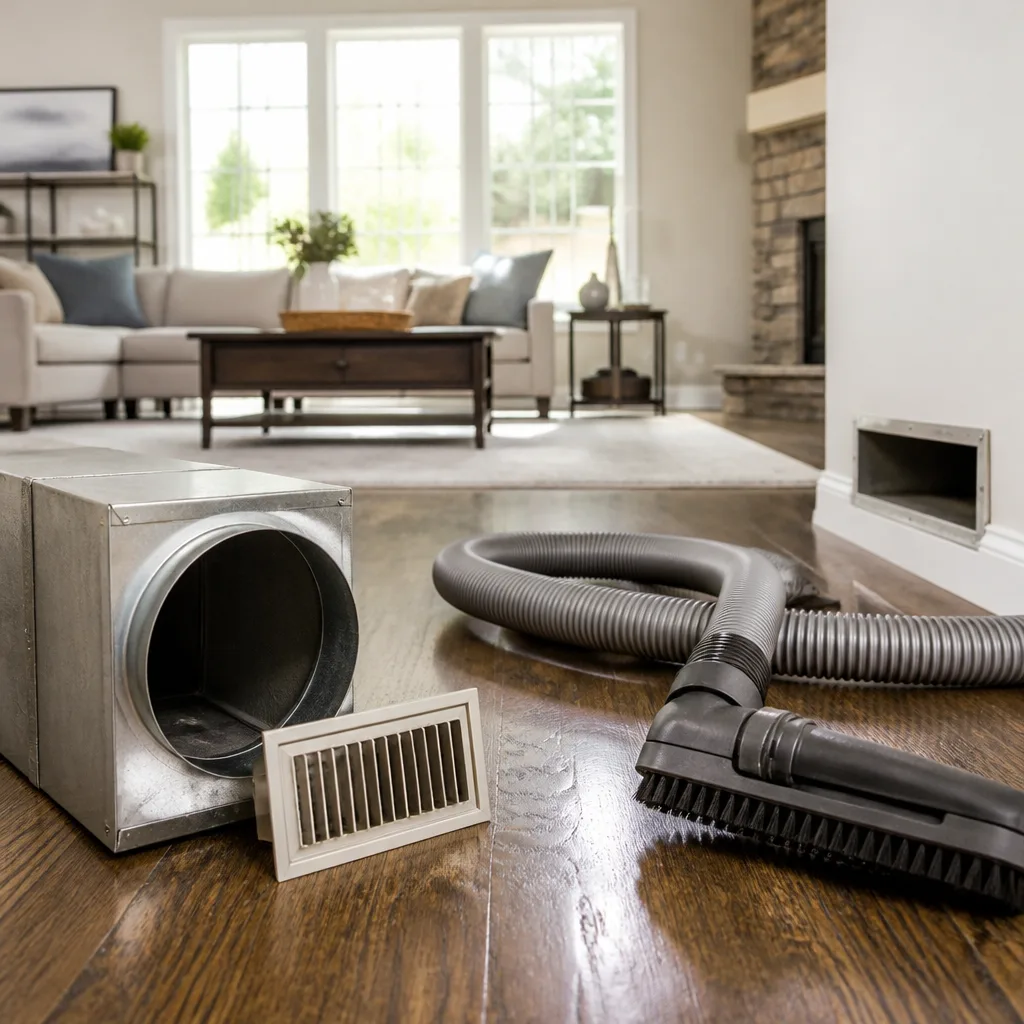
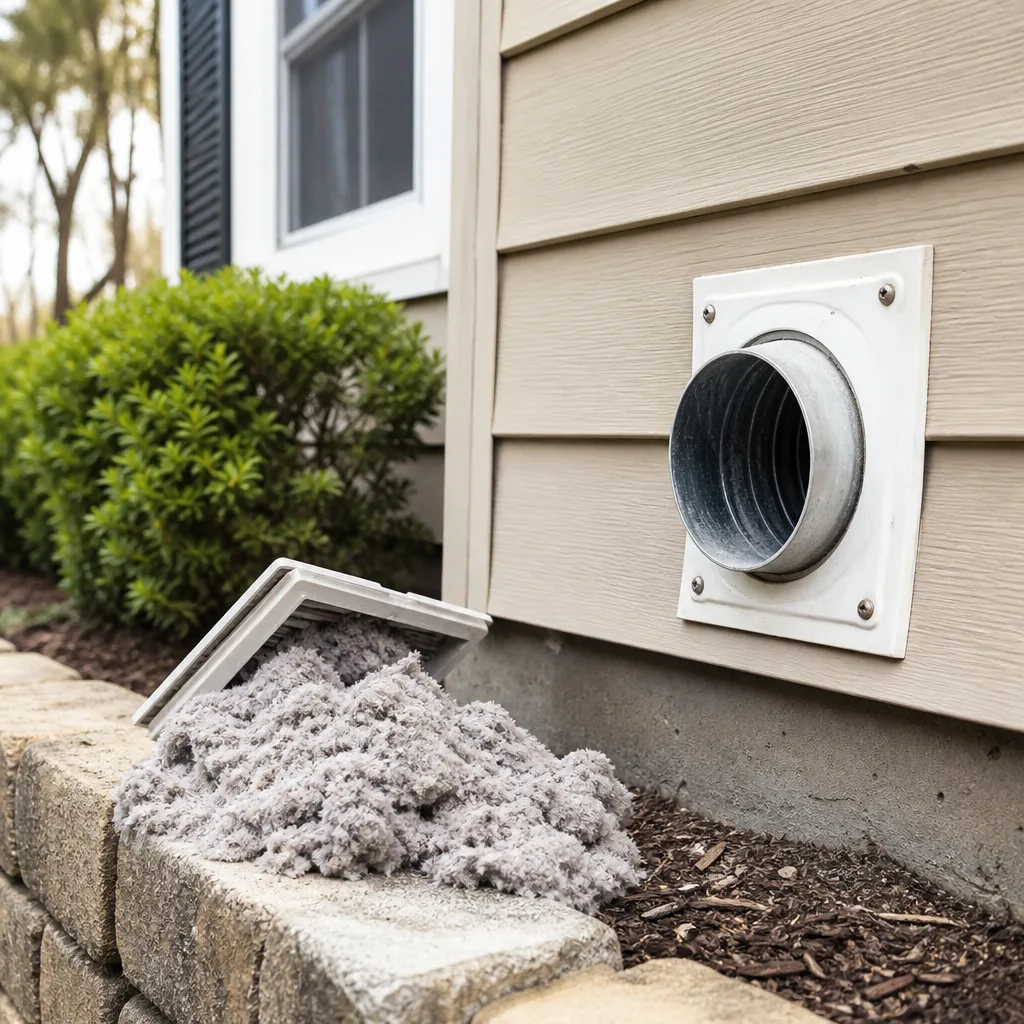
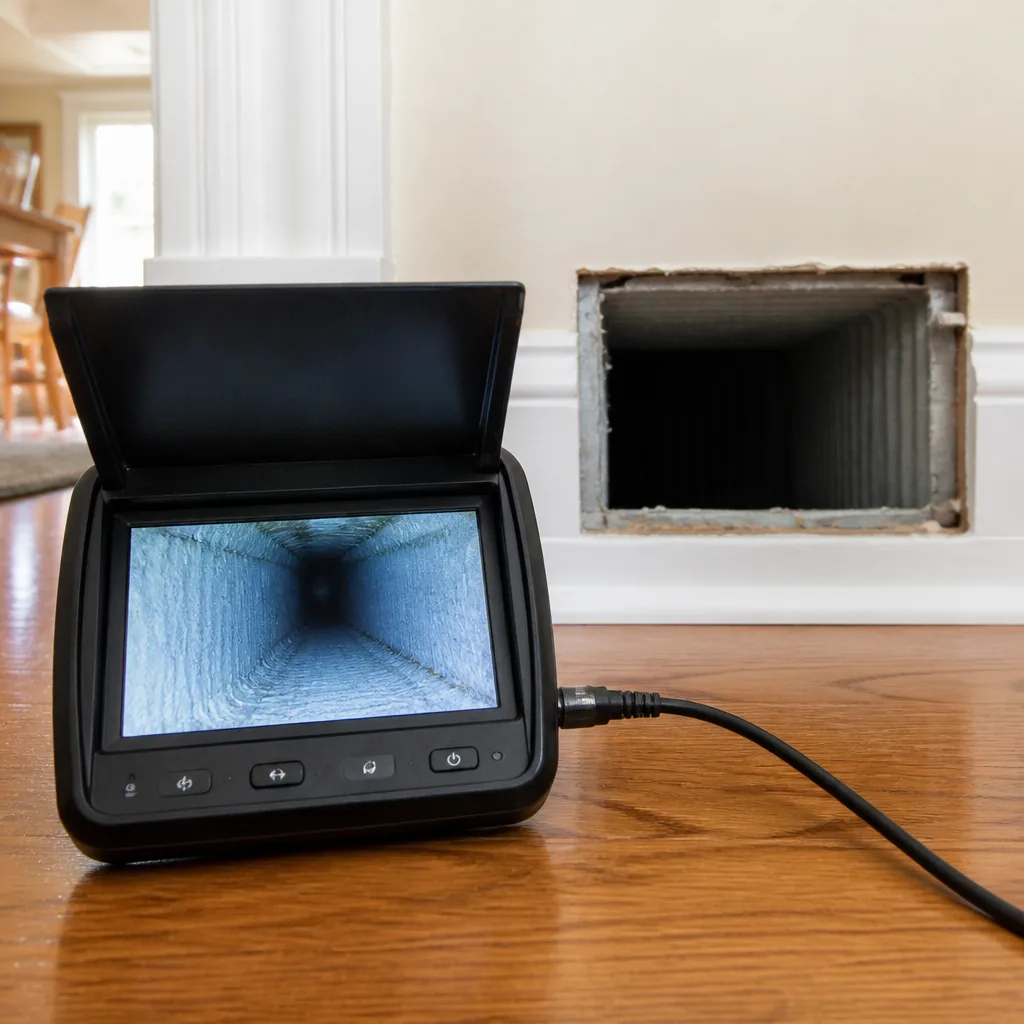
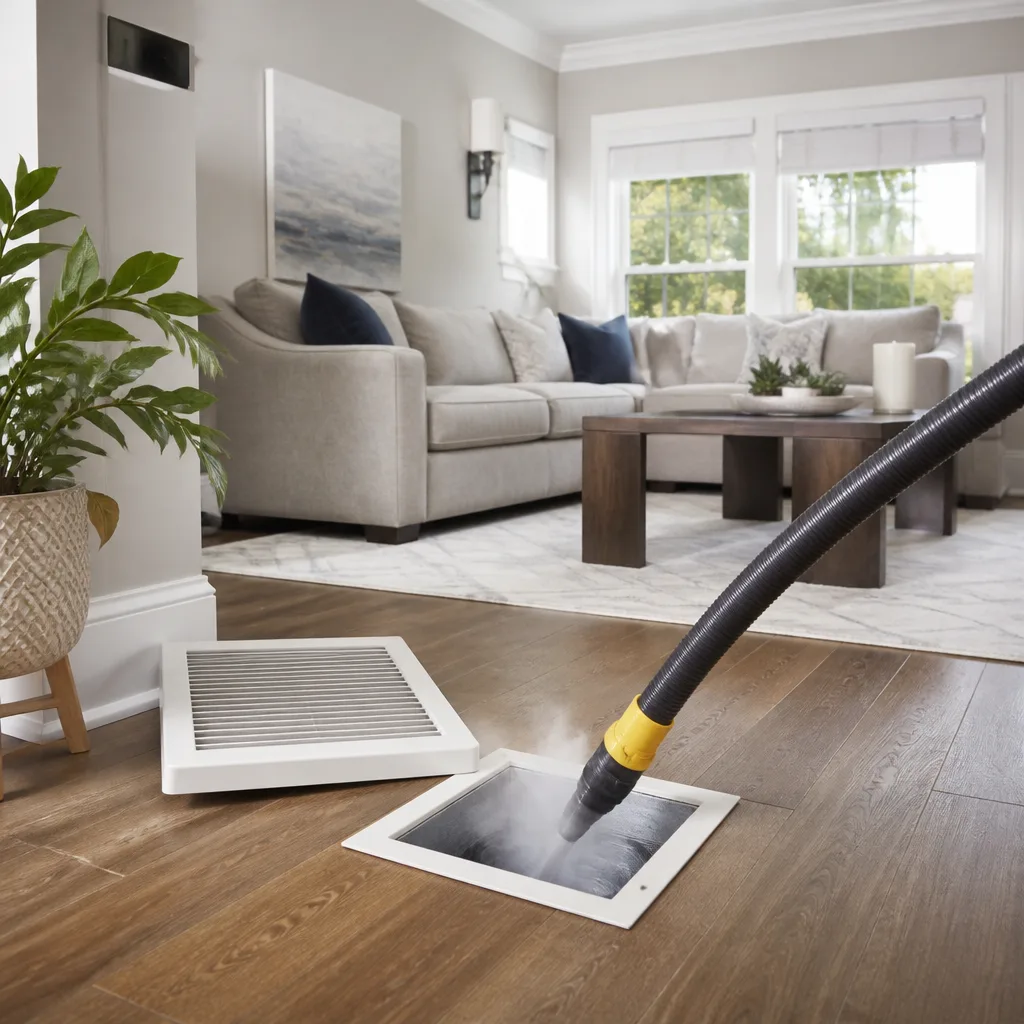
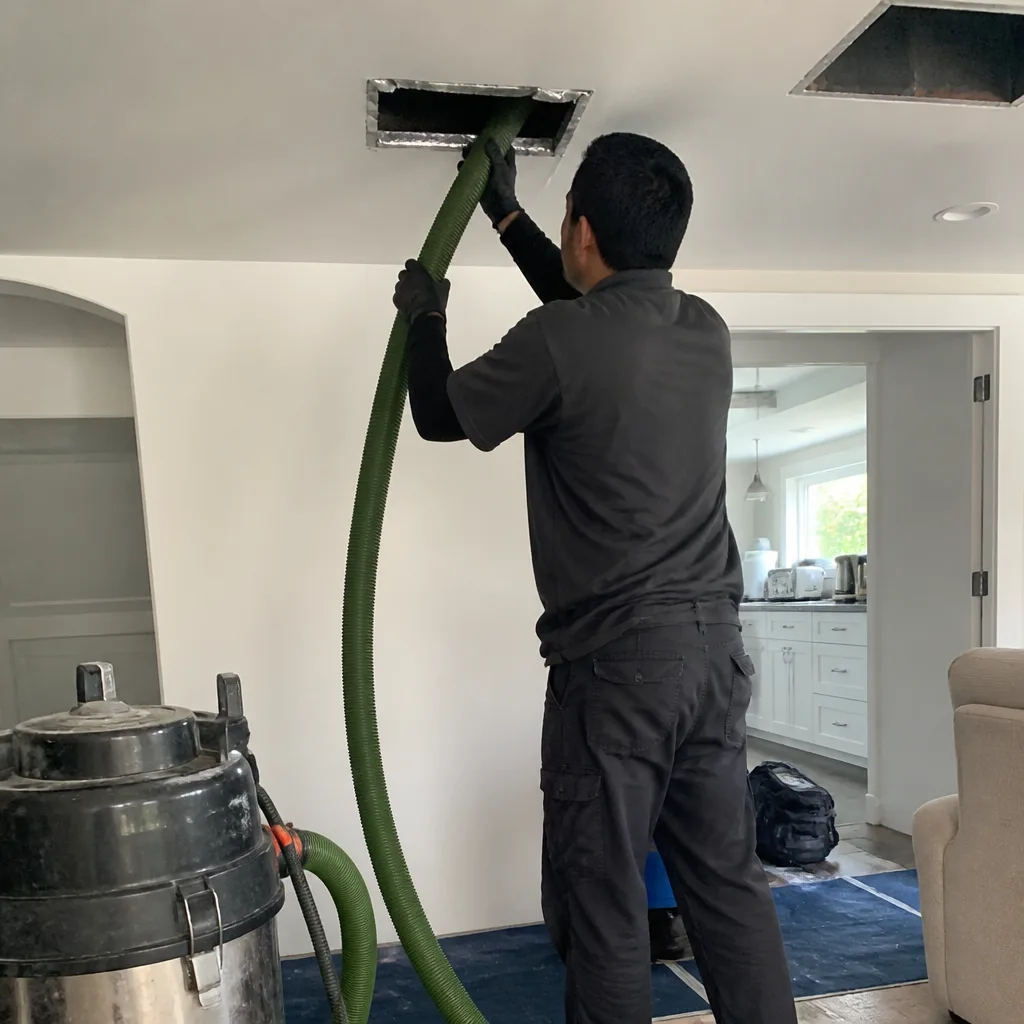
Whole-system duct and dryer vent check with before-and-after photos - you see exactly what came out of your vents
That "$99 whole-house special" is a bait ad - the real number appears once they are in your hallway, or the "clean" is a shop-vac at the register. We photograph the inside of your ducts before and after instead.
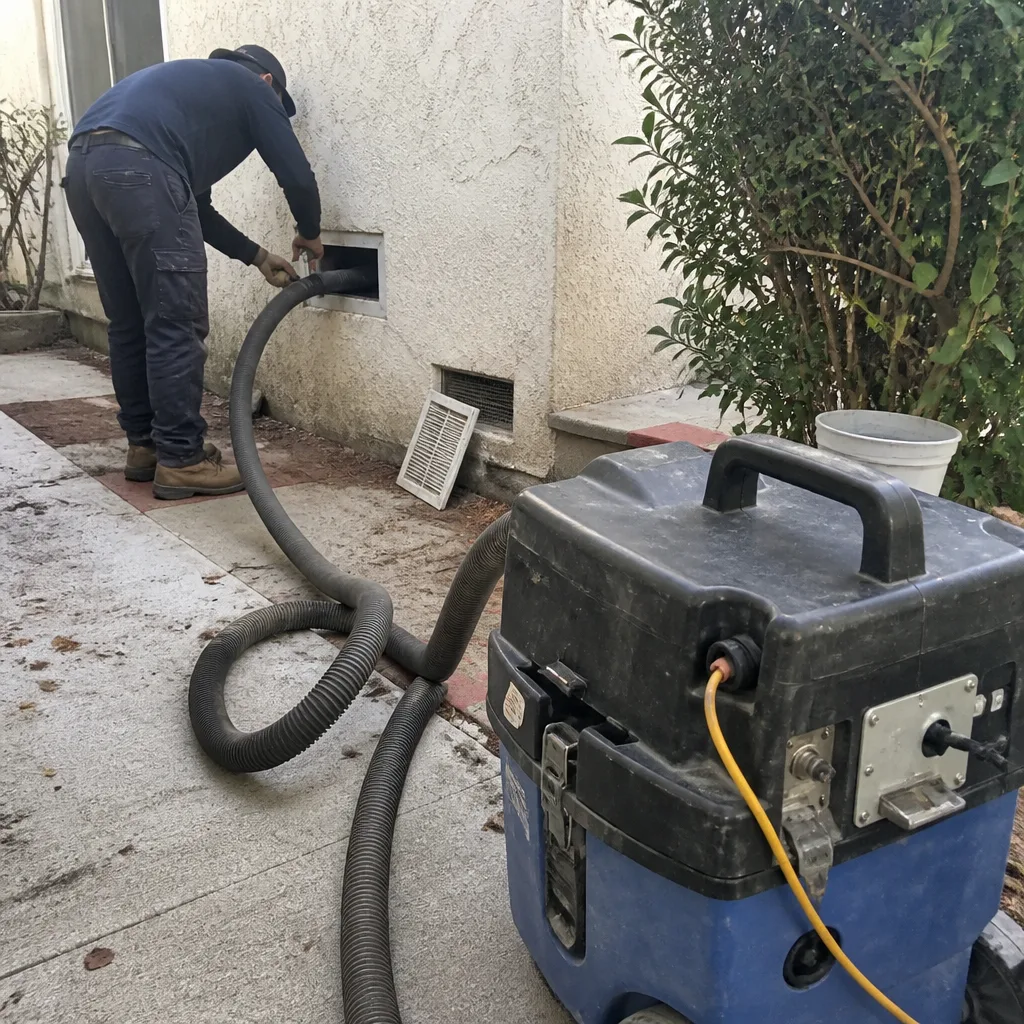 Before
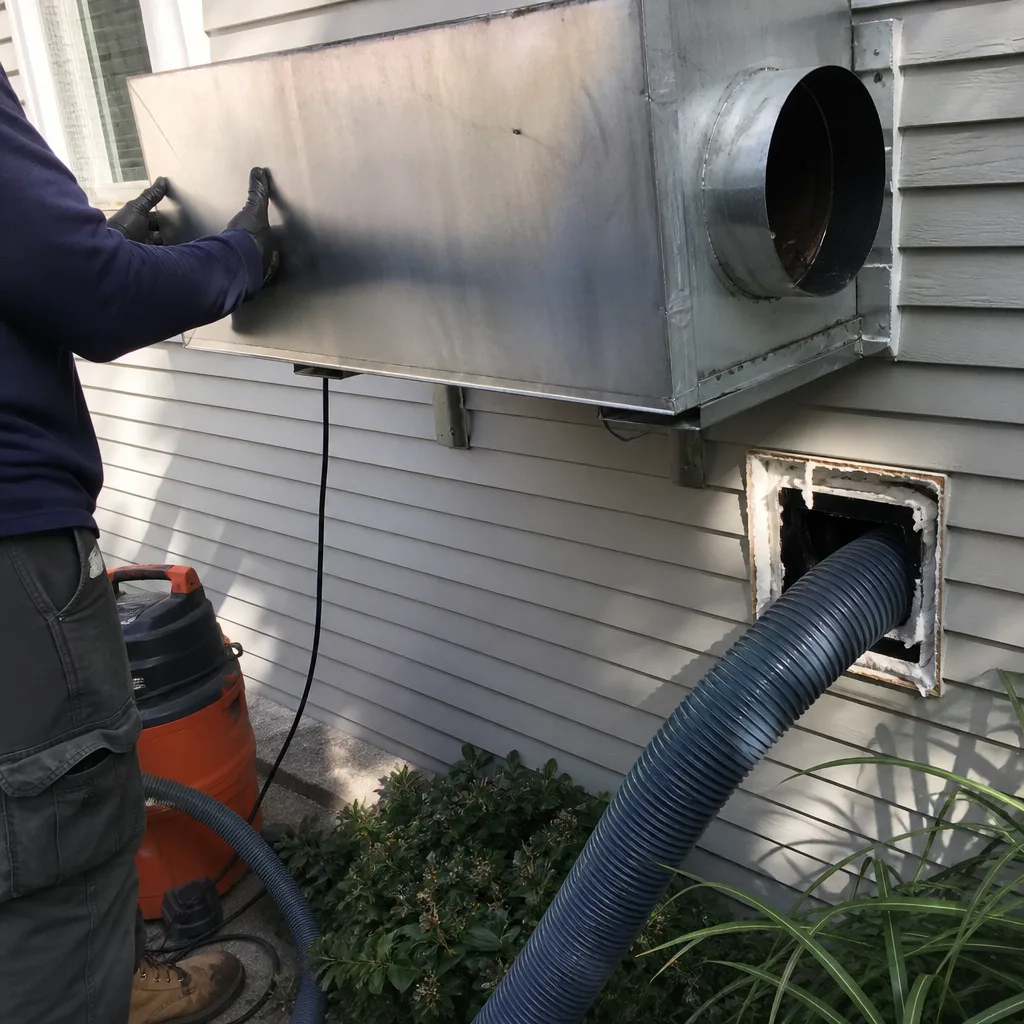 After
After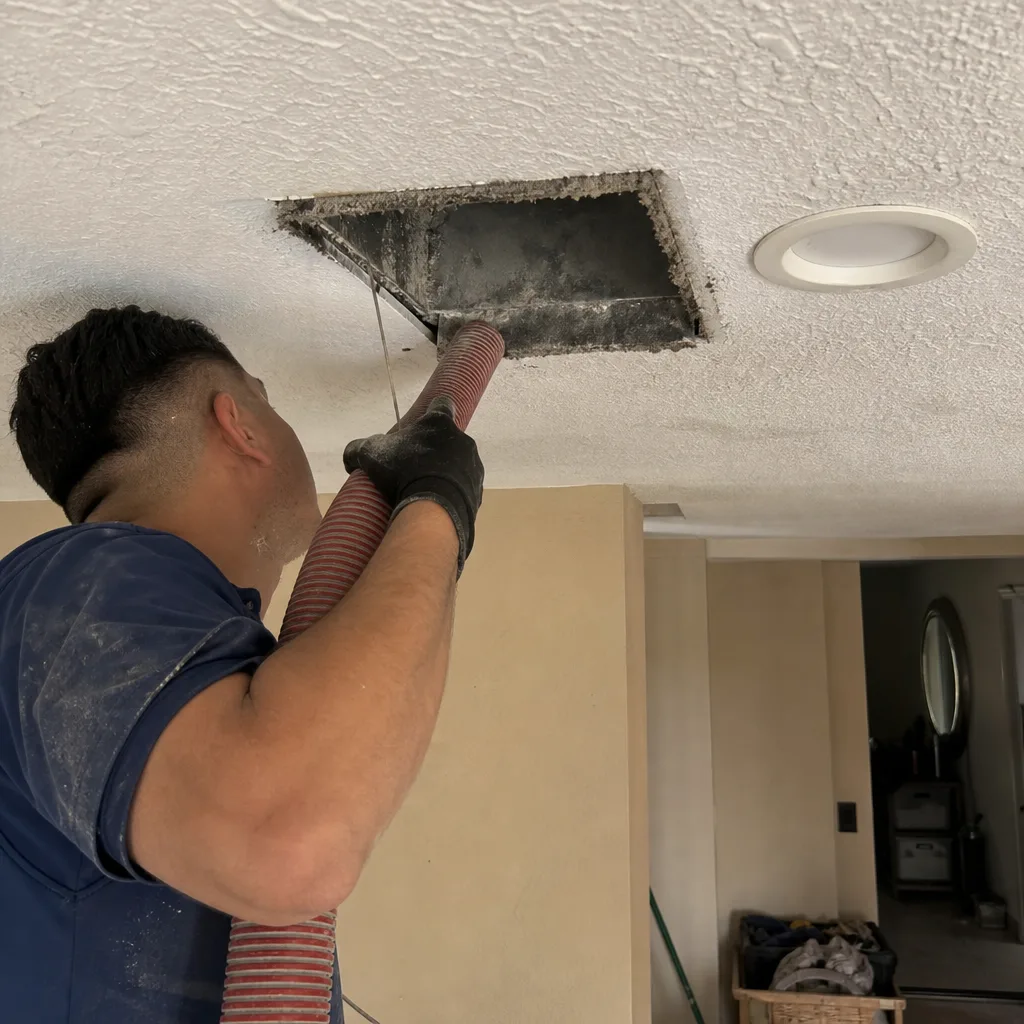 Before
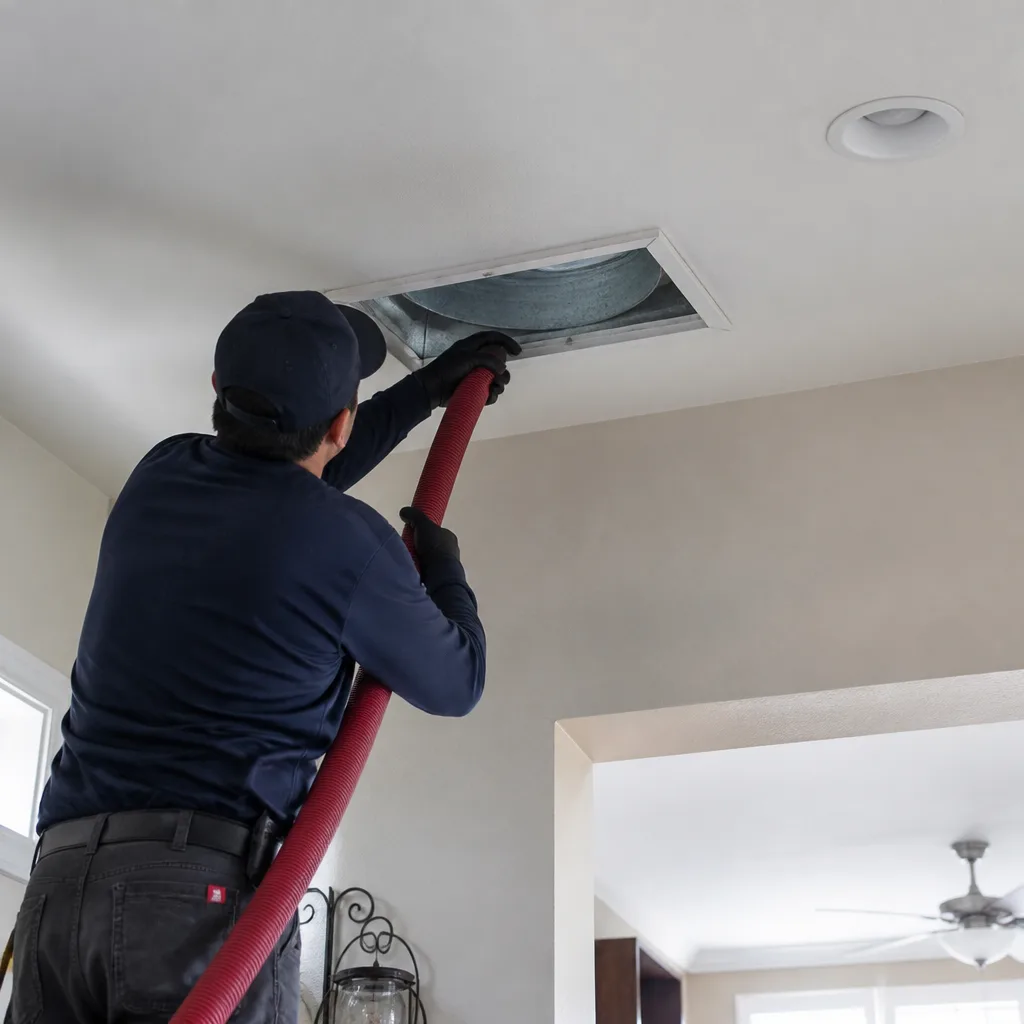 After
After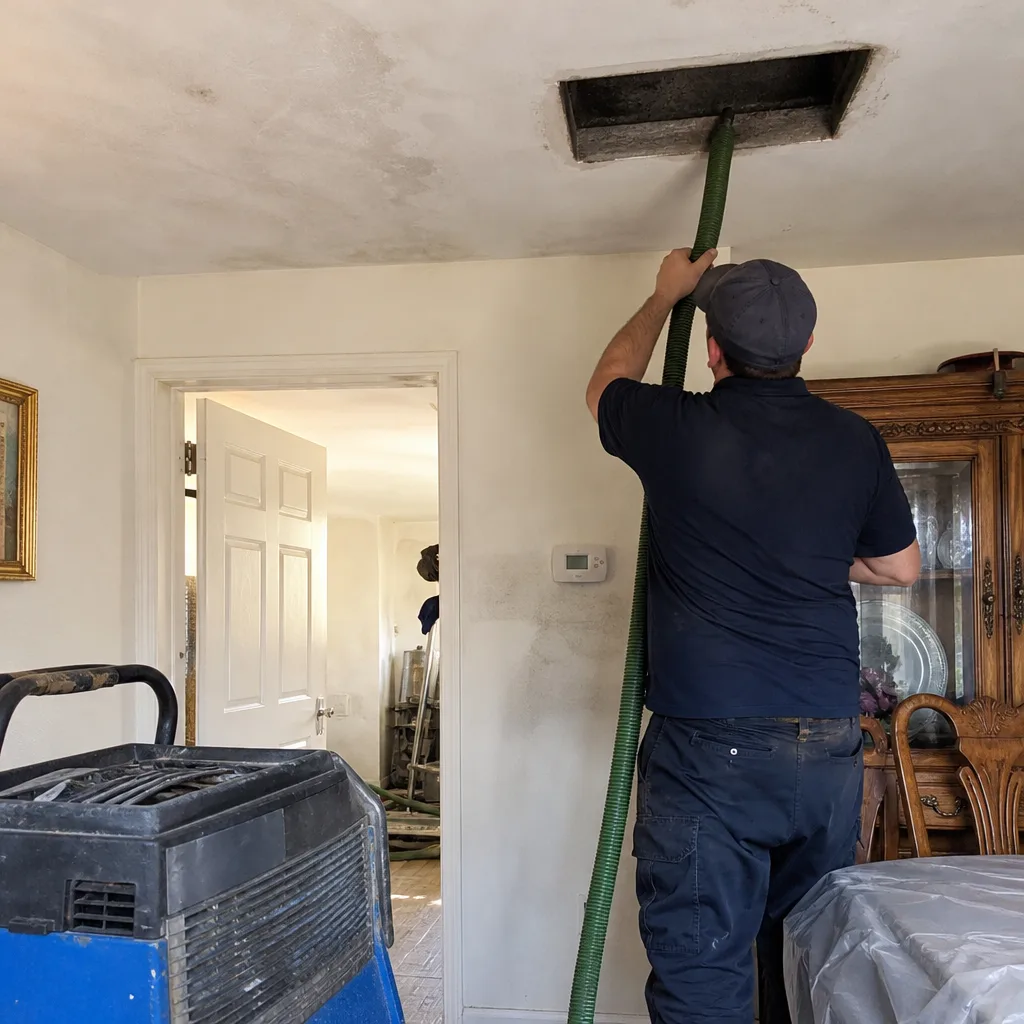 Before
 After
AfterHow Long Does Duct Sealing Take? Timelines and What to Expect
A technician quoting you a 45-minute duct sealing job on a 2,000-square-foot Los Angeles home with attic ducts hasn’t scoped the job. They’ve sold you a number. Real duct sealing has three phases: locate, seal, and verify. Skipping verification is how a system that’s been called “sealed” still loses 25% of its conditioned air into the attic or crawlspace. In this guide, we’ll walk through exactly what happens during each phase, how long each one takes, and what a complete Duct Sealing services job looks like in Los Angeles homes specifically.
Quick Answer
Duct sealing on a typical Los Angeles home takes 3 to 6 hours using mastic or UL-181 tape methods, and 4 to 8 hours with Aeroseal injection due to setup, pressurization, and post-test requirements. The timeline varies more by method and access difficulty than by square footage. Most single-family homes in Los Angeles finish in a single day, including the verification test that should never be skipped.
Table of Contents
- Duct Sealing Methods and Their Timelines
- Phase One: Locating the Leaks (30 – 90 Minutes)
- Phase Two: Sealing the Leaks (2 – 5 Hours)
- Phase Three: Verifying the Work (30 – 60 Minutes)
- Timeline Variables Specific to Los Angeles Homes
- What You Should Have in Hand at the End of the Job
- Common Mistakes to Avoid
- When to Call a Professional
- Frequently Asked Questions
- The Bottom Line
Duct Sealing Methods and Their Timelines
Not all duct sealing is the same job. The method a technician uses dramatically changes how long the work takes, what you should expect to see during the process, and what proof you should receive at the end. In Los Angeles, where many homes built between the 1940s and 1980s have aging sheet-metal ductwork in unconditioned attics, the method choice matters more than most homeowners realize.
Mastic Sealing: 3 – 6 Hours
Mastic is a thick, paste-like sealant applied by hand with a brush or trowel to duct joints, seams, and connections. It dries to a hard, durable shell that permanently seals gaps. The application itself is methodical and takes time because the technician must physically reach each joint, clean the metal surface so the mastic adheres properly, apply an even coat, and then allow it to cure enough to run a verification test. On a typical 3-bedroom Los Angeles home with 10 to 14 supply registers, expect mastic work to run 3 to 6 hours from arrival to final test. Cure time is minimal because the mastic skins over within an hour, but the full job includes prep, application, and verification.
UL-181 Tape Sealing: 2 – 4 Hours
UL-181 tape is pressure-sensitive metallic tape specifically rated for ductwork. It’s faster to apply than mastic because there’s no mixing or brush work. The technician peels, wraps, and presses. However, it’s only appropriate for accessible joints where the tape can fully wrap the seam. In tight Los Angeles attic spaces with ducts buried under blown-in insulation or wedged against roof decking, tape may not be viable without significant access work, which can push the timeline to match mastic. Plan for 3 to 4 hours on a standard home when access is reasonable.
Aeroseal Injection: 4 – 8 Hours
Aeroseal is a fundamentally different approach. Instead of hand-sealing accessible joints, the technician temporarily blocks off all registers, connects a pressurization machine to the duct system, and injects an aerosolized sealant that finds and fills leaks from the inside. Setup alone takes 60 to 90 minutes because the machine must be connected, the registers sealed with temporary covers, and the system brought to the proper pressure. Injection runs 1 to 3 hours depending on how much leakage the system has at the start. Post-testing and cleanup add another hour. The full Aeroseal process on a typical Los Angeles home runs 4 to 8 hours.
Hybrid Approach: 5 – 7 Hours
Some Los Angeles homes benefit from a hybrid approach: mastic sealing for accessible attic and crawlspace joints, combined with Aeroseal for the duct sections buried inside walls or under concrete slab where hand access is impossible. Slab-embedded ducts are common in mid-century Los Angeles homes in neighborhoods like Mar Vista and Westchester, and those hidden sections can’t be reached with a brush. A hybrid job runs 5 to 7 hours because it combines the preparation of both methods.
Method Timeline Comparison
- UL-181 tape: 2 – 4 hours; fastest but limited by access
- Mastic: 3 – 6 hours; most common for sheet-metal ductwork in attics and crawlspaces
- Aeroseal: 4 – 8 hours; longest setup but reaches ducts you can’t see
- Hybrid (mastic + Aeroseal): 5 – 7 hours; best coverage for mixed-access systems
Phase One: Locating the Leaks (30 – 90 Minutes)
Before any sealing material touches your ductwork, a thorough technician spends real time finding where the air is escaping. This phase is often compressed or skipped by crews racing to the next job, and Los Angeles homeowners pay for that shortcut in utility bills every month afterward.
What a Complete Leak Search Looks Like
- Register-by-register inspection (15 – 30 minutes): The technician opens each supply and return register, checks for gaps between the register boot and the drywall opening, and notes which rooms feel under-served. In Los Angeles homes, it’s common to find that the register boot itself was never sealed to the wall cavity when the home was built, so air leaks directly into the stud bay.
- Attic and crawlspace walkthrough (20 – 45 minutes): This is where the real leaks live. The technician visually inspects every accessible duct joint, seam, and connection. In older Los Angeles homes with original 1960s ductwork, we routinely find joints that were never sealed at all. They were simply pressed together and wrapped with a thin fiberglass jacket that did nothing to stop air loss.
- Pressure or smoke test (15 – 30 minutes if performed): A proper leak location effort often includes a duct pressurization test or a hand-held smoke puffer to make leaks visible. The smoke puffer is simple: squeeze it near a suspected joint and watch whether the smoke gets pulled into the seam. If it does, air is moving. This step adds time but removes guesswork.
If a technician arrives and begins sealing within 15 minutes without a methodical sweep of the system, that’s a red flag. A Los Angeles home with ducts spanning attic, walls, and possibly slab has dozens of potential leak points. Finding them before sealing is the difference between a job that’s done and a job that looks done.
We use the same professional inspection approach on every Duct Sealing in Los Angeles job, because skipping the locate phase is how a technician ends up sealing the easy-to-reach joints while the worst leaks stay hidden. The locate phase is also when a quality crew documents what they found, so you have a record of which areas were addressed and which were already sound.
Phase Two: Sealing the Leaks (2 – 5 Hours)
This is the phase most homeowners picture when they think about duct sealing, and it’s also where the timeline varies the most. The actual sealing work involves several distinct tasks, each taking measurable time. Here’s what’s happening during those hours.
Surface Preparation (30 – 60 Minutes)
Mastic and UL-181 tape both require a clean, dry surface to bond properly. In Los Angeles attics, that means the technician spends time wiping down each joint with a dry cloth or brush to remove dust, loose insulation fibers, and the residue of old deteriorating sealant. Homes that had ducts sealed decades ago with aging materials often need more prep time, because the old sealant must be scraped back before the new application can adhere. Skimping on this step is a common way to cut a 4-hour job down to 2 hours, and it produces seals that fail within a year.
Application (1.5 – 4 Hours Depending on Method)
Mastic is applied with a brush in thick, even coats over every seam, joint, and connection on the accessible ductwork. The technician works systematically, moving from the air handler outward toward the farthest register. Each joint takes 2 to 5 minutes to seal properly, and a typical Los Angeles home has 30 to 60 accessible joints. That math lands between 1.5 and 4 hours of active application time. UL-181 tape moves faster, at 1 to 2 minutes per joint, but only when access is unobstructed. Aeroseal, by contrast, requires very little hands-on sealing time. The technician monitors the injection machine and pressure gauges while the sealant does the work, which means the hours are spent on setup and oversight rather than brush application.
Cure and Set Time (30 – 90 Minutes)
Mastic needs to skin over before the system can be safely repressurized for verification. In Los Angeles’s dry climate, this happens faster than in humid coastal regions, but you should still expect 30 to 60 minutes between the final brush stroke and the start of testing. Aeroseal has minimal cure time because the sealant dries almost immediately upon contact with the duct surface, but the machine disassembly and register cover removal add cleanup time that mirrors a cure wait. A technician who starts the verification test immediately after applying the last coat of mastic is testing wet sealant, and those readings will not reflect the finished job.
Phase Three: Verifying the Work (30 – 60 Minutes)
This is the phase that separates a disciplined duct sealing job from a cosmetic one. Many Los Angeles companies skip it entirely, because the homeowner has no way to demand what they don’t know exists. But verification is the only proof that the sealing work actually reduced leakage. Here’s what it involves.
Duct Pressurization Test
A duct pressurization test works by temporarily sealing all registers, connecting a calibrated fan to the system, and measuring how much air leaks out under a standard pressure. The technician records the leakage rate before the sealing work begins and again after the job is complete. The difference between those two numbers is your actual leakage reduction, expressed in CFM (cubic feet per minute). A properly sealed system should show a reduction of 60 to 90 percent depending on what was accessible to seal.
The test itself takes 30 to 60 minutes to set up, run, and document. It is not optional in a thorough job. If a company tells you they’ll “seal your ducts” but has no plan to verify the result with before-and-after numbers, you should ask how they plan to prove the work did anything. In our experience with Air Duct Cleaning in Los Angeles and sealing work, the verification step is where homeowners learn whether their money was well spent or whether the crew simply made it look like work happened.
What Verification Should Give You
- Before leakage rate: The CFM measurement taken before sealing began
- After leakage rate: The CFM measurement taken after sealing was completed
- Percentage reduction: Calculated from the two numbers above
- Test pressure: The standard pressure at which the test was run (typically 25 pascals)
No competent Los Angeles duct sealing job should end without this data. It takes an extra 30 to 60 minutes, and it’s the only way to know whether the leak you paid to fix is actually fixed. The 365-Day Done Right Promise we put in writing on every job exists because verification is built into the process, and you can find more guides & resources on our blog. If the numbers don’t hold up, we come back.
Timeline Variables Specific to Los Angeles Homes
Los Angeles presents a specific set of conditions that affect how long duct sealing takes. These variables explain why a quote from a company that only works in newer Ventura County subdivisions might not translate to a 1950s San Fernando Valley ranch or a hillside home in Silver Lake.
Attic Configuration and Access
Los Angeles homes built before 1980 frequently have attic ducts that are difficult to reach. Low-pitched roofs, shallow attic clearances, and ducts that were installed before the roof framing was complete all create access constraints. A technician working in a crawl attic with 24 inches of clearance moves slower than one who can stand upright. Plan for an additional 30 to 90 minutes on homes with restricted attic access. In neighborhoods like Eagle Rock, Highland Park, and parts of Pasadena where hillside construction creates irregular rooflines, we regularly see attics that require a technician to work lying down for stretches of the job, which adds real time.
Register Count and Duct Run Layout
The number of supply and return registers matters. A 3-bedroom home with 8 registers will move faster than a 5-bedroom Los Angeles home with 18 registers and multiple return inlets. Every register boot, every trunk line connection, and every branch takeoff needs attention. The layout matters too. Long duct runs from a centrally located air handler to distant rooms mean more linear feet of ductwork to inspect and seal, which lengthens both the locate and apply phases.
Age and Condition of Existing Ductwork
Original ductwork from the 1950s and 1960s shows up constantly in Los Angeles, and it frequently arrives with several decades of failed sealing attempts layered on top. Old duct tape that has dried and peeled, cracked mastic from a previous handyman job, and joints that have separated entirely all take time to remediate before new sealant can be applied. A home in Culver City with untouched original ducts may need 60 minutes of prep that a newer home in Santa Clarita would not. This prep time is not wasted, it’s the difference between a seal that lasts and one that fails in a year.
Slab-Embedded Ductwork
Many Los Angeles homes built between 1950 and 1980, especially in communities like Lakewood, Torrance, and the older sections of Orange County, have supply ducts embedded directly in the concrete slab foundation. These ducts cannot be accessed by hand to apply mastic or tape. If you have slab-embedded ducts and suspect leakage, Aeroseal injection is the only method that works, and it adds 1 to 2 hours to the job compared to a fully accessible attic system. This is exactly the scenario where a hybrid approach makes sense.
Time of Year
Los Angeles summers are hot, and attics during August and September can be brutally warm. A technician working in a 120-degree attic moves more slowly and needs more breaks than one working in a 75-degree attic in March. This is a legitimate variable. It should not be used as an excuse to overrun the quoted window by hours, but it does explain why the same job takes longer in August than in January. Morning scheduling helps, and most experienced Los Angeles crews start attic work early during summer months.
What You Should Have in Hand at the End of the Job
A complete duct sealing job ends with more than a receipt. Here’s what a homeowner should receive before the technician packs up and leaves the property.
- Before and after leakage numbers: The CFM measurements from the verification test, along with the percentage reduction. If these numbers are not provided, the verification step likely did not happen.
- A list of areas sealed: Which joints, seams, and connections were addressed. This might be a written list or a marked-up diagram of your duct system. It should show what was found during the locate phase and what was done about each finding.
- Materials used: Whether the work was done with mastic, UL-181 tape, Aeroseal, or a combination. The specific product matters because it tells you what to expect for durability and what to ask for if a repair is ever needed later.
- Before and after photos: Clear photos of the sealed joints. For attic ductwork, these photos are your proof that the work was actually performed, since most homeowners will never climb into their attic to check. A company that can’t or won’t provide photos is giving you a reason to be suspicious.
- The written warranty: Not a verbal promise. A written statement of what’s covered, for how long, and what happens if the work fails. If the company has a done-right promise, it should be in writing on the invoice or a separate document.
We hand this documentation to every Dryer Vent Cleaning in Los Angeles and duct sealing customer because a job without documentation is a job you can’t verify after the van pulls away. The Garrison Standard requires a written record on every job, not just the ones where the homeowner asks for it.
Common Mistakes to Avoid
- Accepting a quote without a locate phase: Any Los Angeles company that quotes you a flat duct sealing price over the phone without looking at your system is guessing. The real price depends on access, register count, and duct condition, which can only be assessed on site. A price quoted before the system is seen is a price designed to get a technician in the door, not a price that reflects the work.
- Choosing the fastest quote and expecting the same job: A 90-minute duct sealing job on a 2,000-square-foot home is not the same service delivered faster, it’s a shorter service delivered with the same name. Sealing ducts thoroughly takes hours because there are dozens of joints that each need individual attention. A faster job means skipped joints, skipped prep, or skipped verification.
- Skipping the verification test to save $100 or an hour: The verification test is the only proof the work reduced leakage. Without it, you’re paying for activity, not results. A company that offers to drop the test to lower the price is asking you to accept a receipt as evidence.
- Letting the technician leave without documentation: If you don’t have before-and-after numbers, a materials list, and photos, you have no record of what was done. When the seal fails in 14 months, you’ll have no way to show that it was the same joint the original job supposedly addressed.
- Sealing ducts without cleaning them first: Mastic and sealant bond poorly to dusty, greasy duct surfaces. If your ducts have years of accumulated debris, sealing on top of that buildup creates a weak bond that fails. A quality duct sealing job in Los Angeles either includes cleaning first or verifies that the duct surfaces are clean enough for proper adhesion.
- Hiring a company that won’t show you the problem: A technician who can’t or won’t walk you through where the leaks are and what they’re doing about them is either cutting corners or doesn’t know what to look for. The locate phase produces specific findings. You should see them.
- Ignoring the return side: Return ducts leak too. Air pulled in from an unconditioned attic or crawlspace through return duct leaks is hot in Los Angeles summers and cold in winter, and it pushes your HVAC system to work harder. A thorough job seals both supply and return sides. If the technician only mentions supply ducts, ask about returns.
When to Call a Professional
Duct sealing is not a DIY project for most Los Angeles homeowners. The work requires attic access, specialized materials, and the ability to verify results with pressure testing equipment. If you’re noticing uneven temperatures from room to room, air coming out of vents that feels weak, or dust that reappears quickly after cleaning, you likely have duct leakage that a professional should evaluate. If your utility bills have crept upward without a corresponding change in usage, leaky ducts are a common culprit in Los Angeles homes with older systems. If your ducts were sealed more than ten years ago and the sealant has deteriorated, a professional re-seal with proper prep and verification will outlast a patch job. Hollis Air Duct Cleaning offers free estimates in Los Angeles. Call (361) 326-5060 and we’ll send a background-checked, uniformed technician to assess your system and provide a written price before any work begins. You can also learn more at the Hollis Air Duct Cleaning home.
Frequently Asked Questions
Duct sealing on a typical 3-bedroom Los Angeles home takes 3 to 6 hours using mastic or UL-181 tape, and 4 to 8 hours with Aeroseal injection. The timeline includes locating leaks, sealing them, and running a verification test. Homes with difficult attic access or slab-embedded ductwork run longer. Call (361) 326-5060 for a time estimate specific to your home.
A sub-2-hour quote usually means the company is skipping the locate phase, the verification test, or both. Sealing a system thoroughly requires inspecting every accessible joint, applying sealant to each one individually, and testing the result with a duct pressurization test. A shorter timeline means steps were cut, not that the crew works faster.
Yes, Los Angeles summer heat has a measurable effect on attic work. Technicians working in attics that reach 120 degrees or higher during August and September move more slowly and need breaks for safety. The same job that takes 4 hours in January might take 5 hours in August. This is a legitimate operational variable, not an excuse for missing the quoted window by a wide margin.
Aeroseal takes 4 to 8 hours on a typical Los Angeles home, compared to 3 to 6 hours for mastic. The extra time comes from setup, which requires temporarily sealing all registers and connecting the pressurization machine, plus post-testing and cleanup. Aeroseal is the right choice for ducts you can’t physically reach, like slab-embedded runs, and the longer timeline reflects that additional setup.
Yes, almost all duct sealing jobs on single-family Los Angeles homes are completed in a single day. The longest standard scenario is a hybrid job combining mastic and Aeroseal, which runs 5 to 7 hours and still finishes well within a normal workday. Large homes or those with severe access problems may occasionally require a second visit.
No, duct sealing is not a messy process when done correctly. Mastic is applied with a brush directly to duct joints in the attic or crawlspace, not inside your living space. A professional crew lays down protective coverings if attic access is through an interior closet or hallway. The technician should leave the site clean and show you photos of the sealed joints before they go. For honest answers about your system and a free estimate, call (361) 326-5060.
The Bottom Line
Duct sealing on a typical Los Angeles home takes 3 to 6 hours with mastic or tape and 4 to 8 hours with Aeroseal. The time is spent across three essential phases: locating leaks, sealing them, and verifying the result with a duct pressurization test. Anyone quoting significantly less time is skipping steps. Los Angeles homes have specific variables that affect the timeline: attic access, register count, the age of existing ductwork, and whether any ducts run through the slab. See our Seasonal Air Duct Cleaning Care for Los Angeles: Year-Round Homeowner’s Guide for related maintenance tips. At the end of the job, you should have documentation including before-and-after leakage numbers, a materials list, and photos. That documentation is your proof the work was real and your protection if anything fails later.
Written by Roy Castellanos, Owner at Hollis Air Duct Cleaning, serving Los Angeles since 2004.