
Last updated October 9, 2026
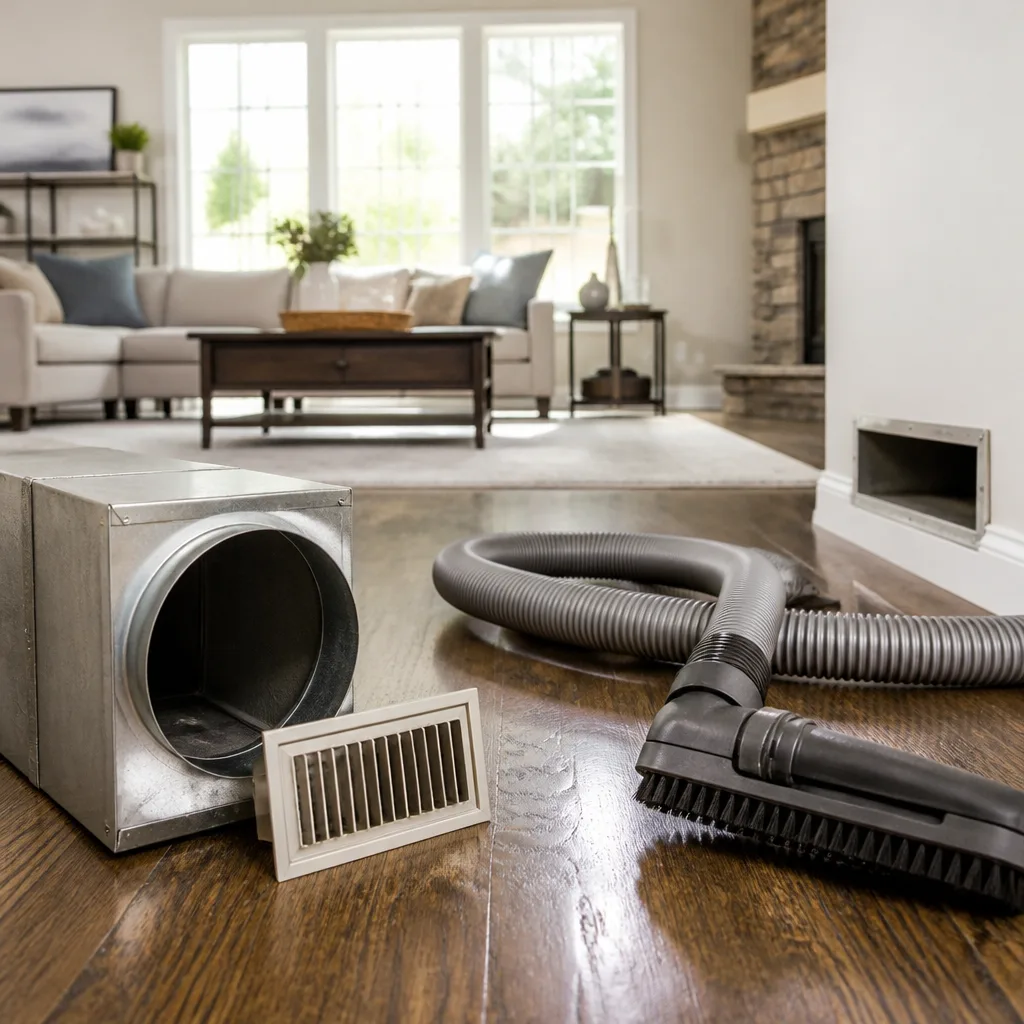
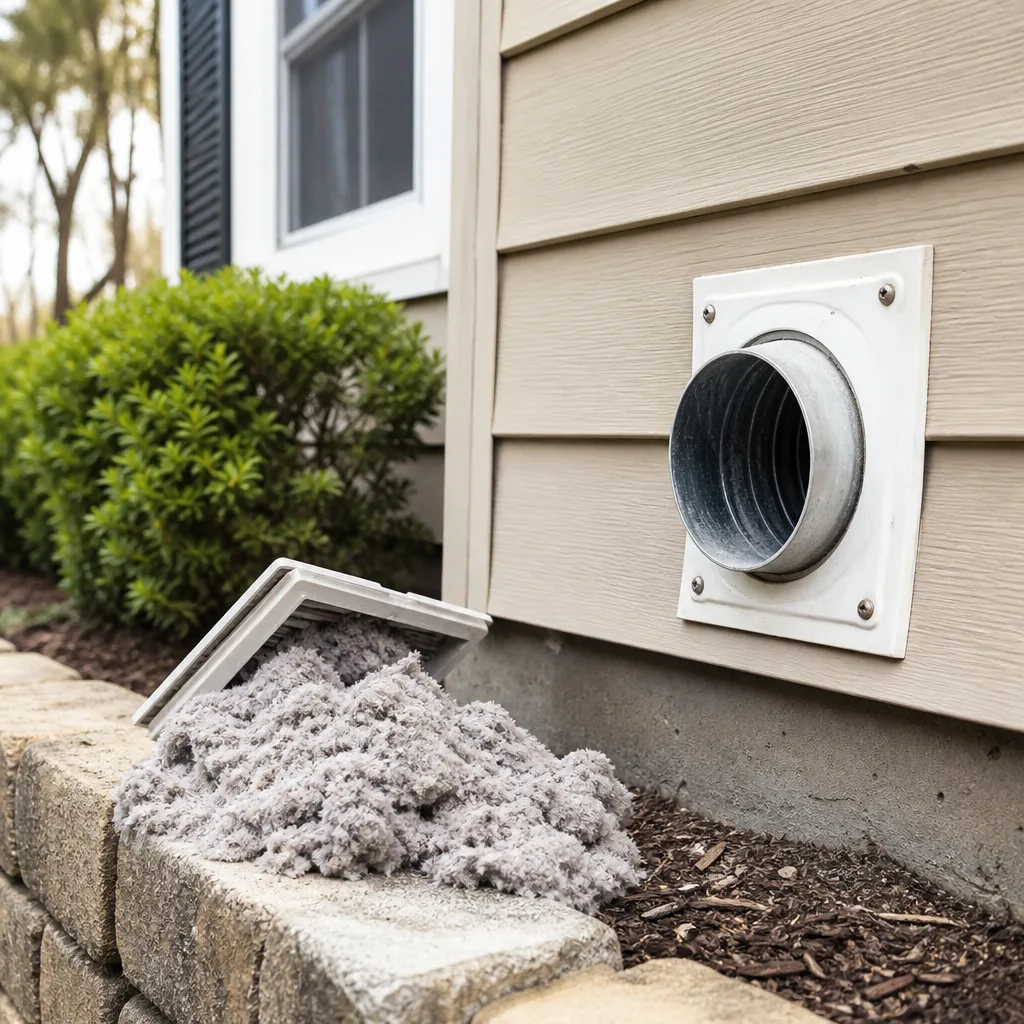
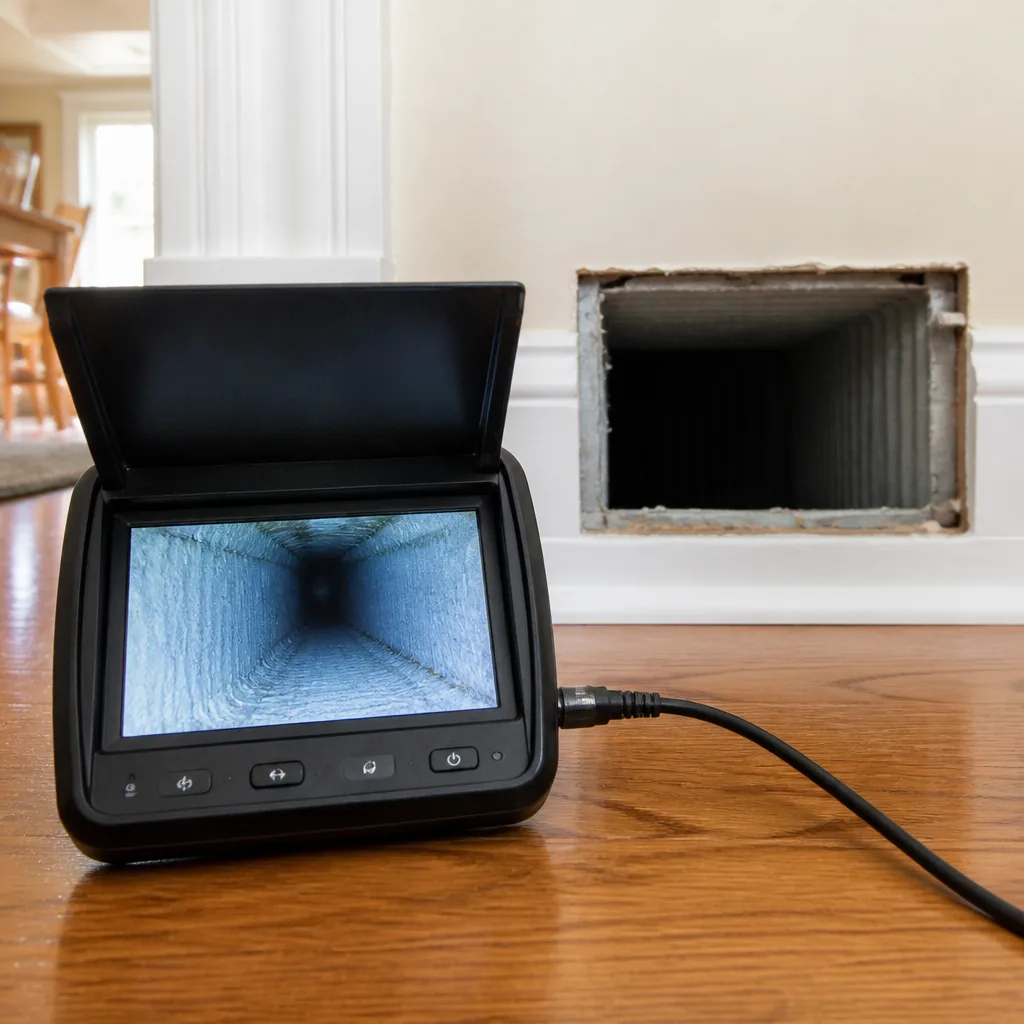
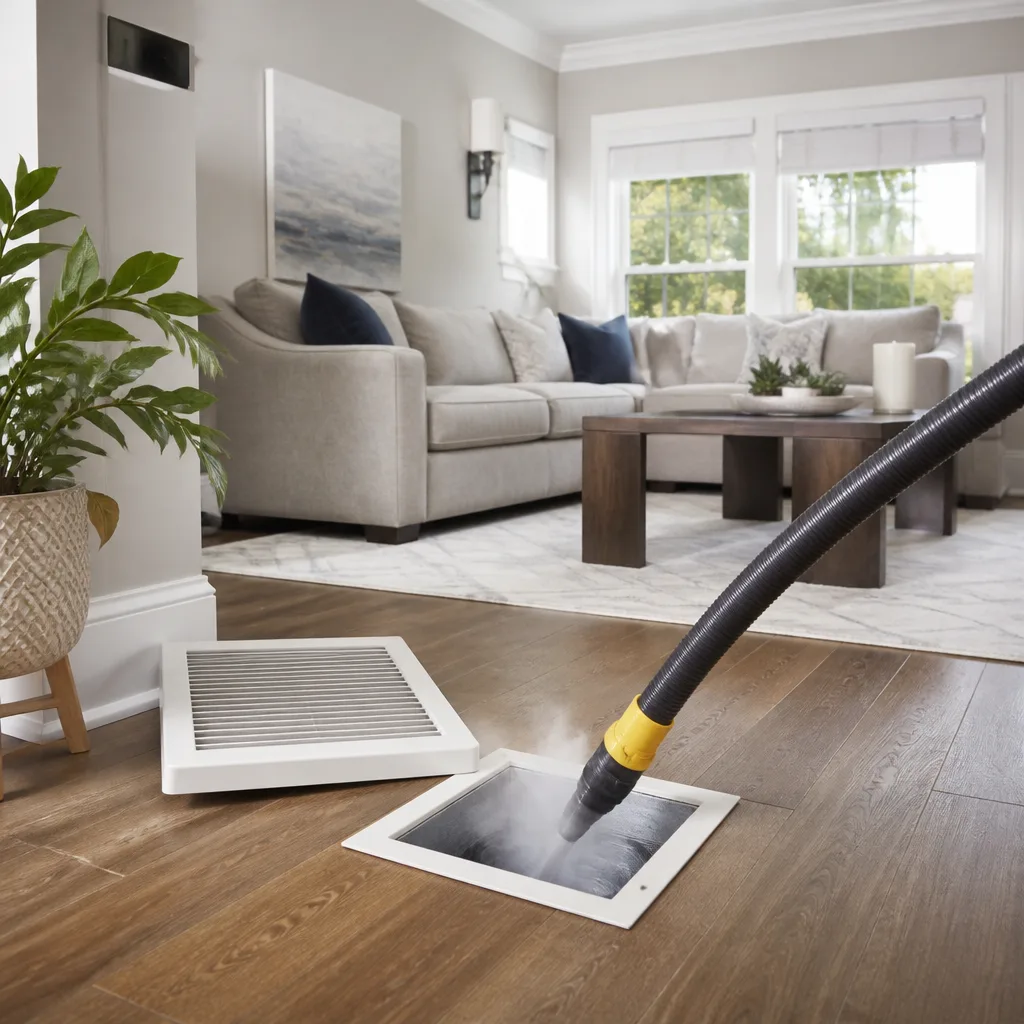
Whole-system duct and dryer vent check with before-and-after photos - you see exactly what came out of your vents
That "$99 whole-house special" is a bait ad - the real number appears once they are in your hallway, or the "clean" is a shop-vac at the register. We photograph the inside of your ducts before and after instead.
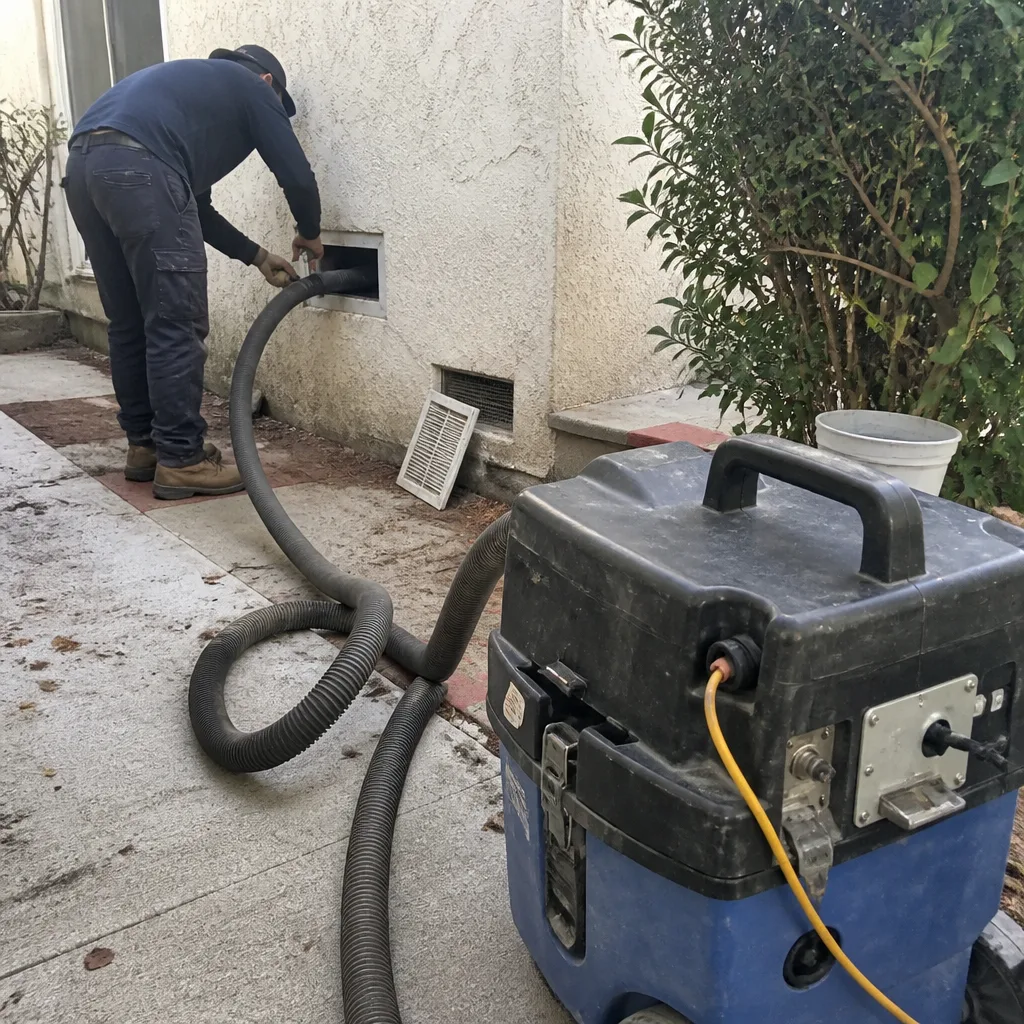 Before
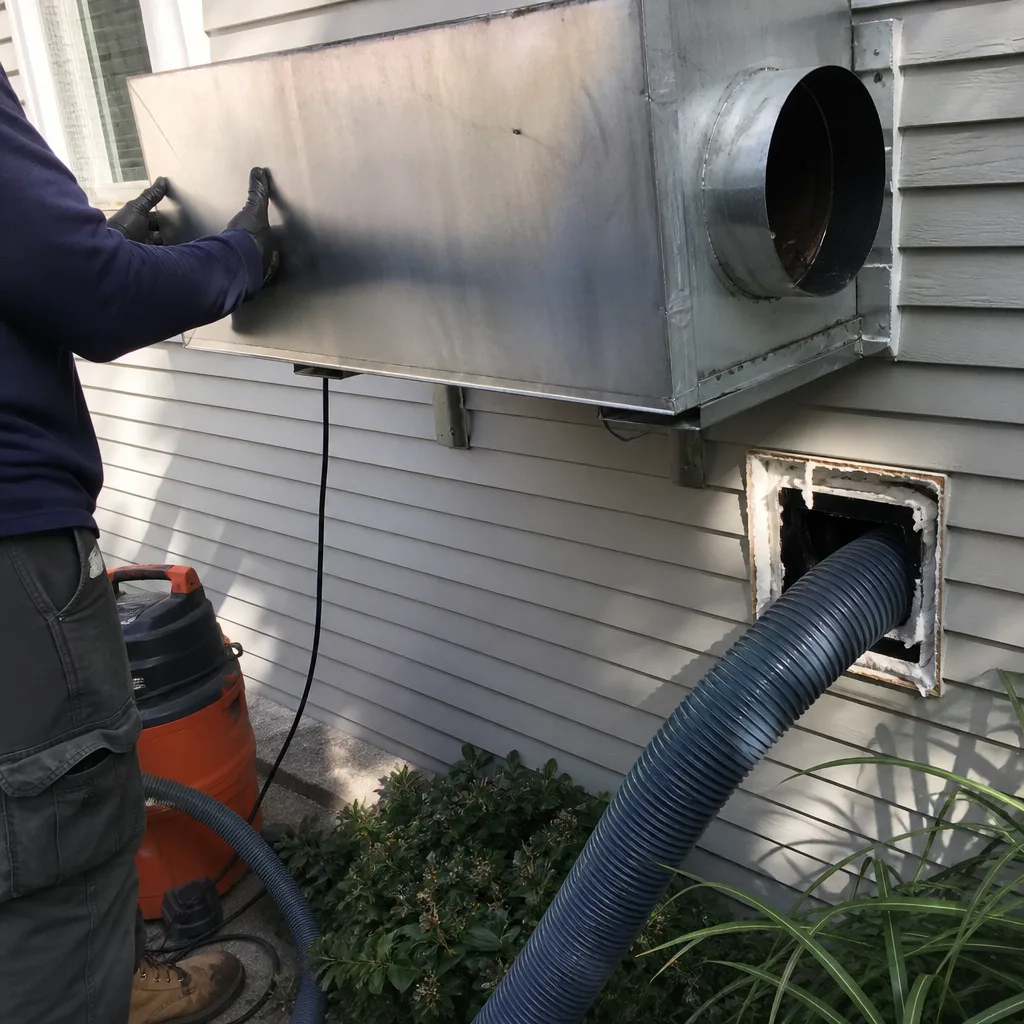 After
After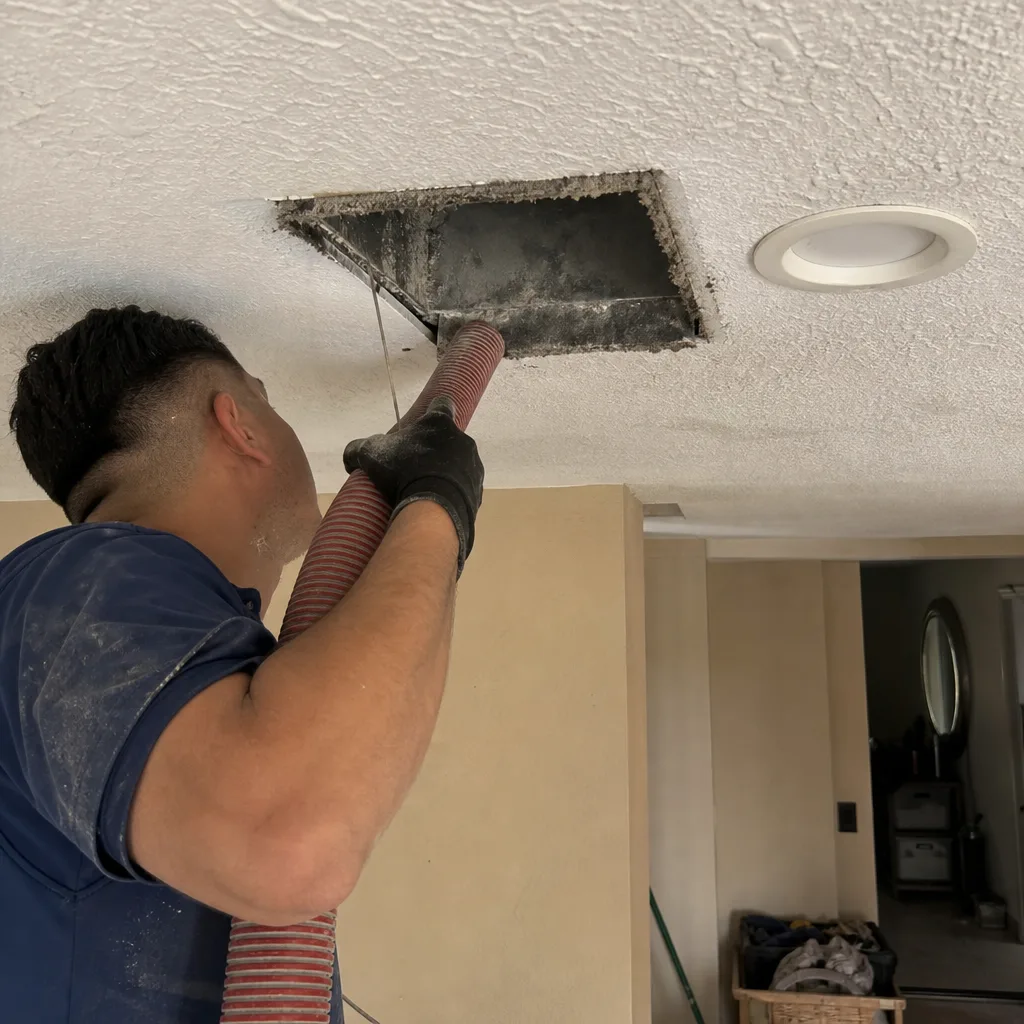 Before
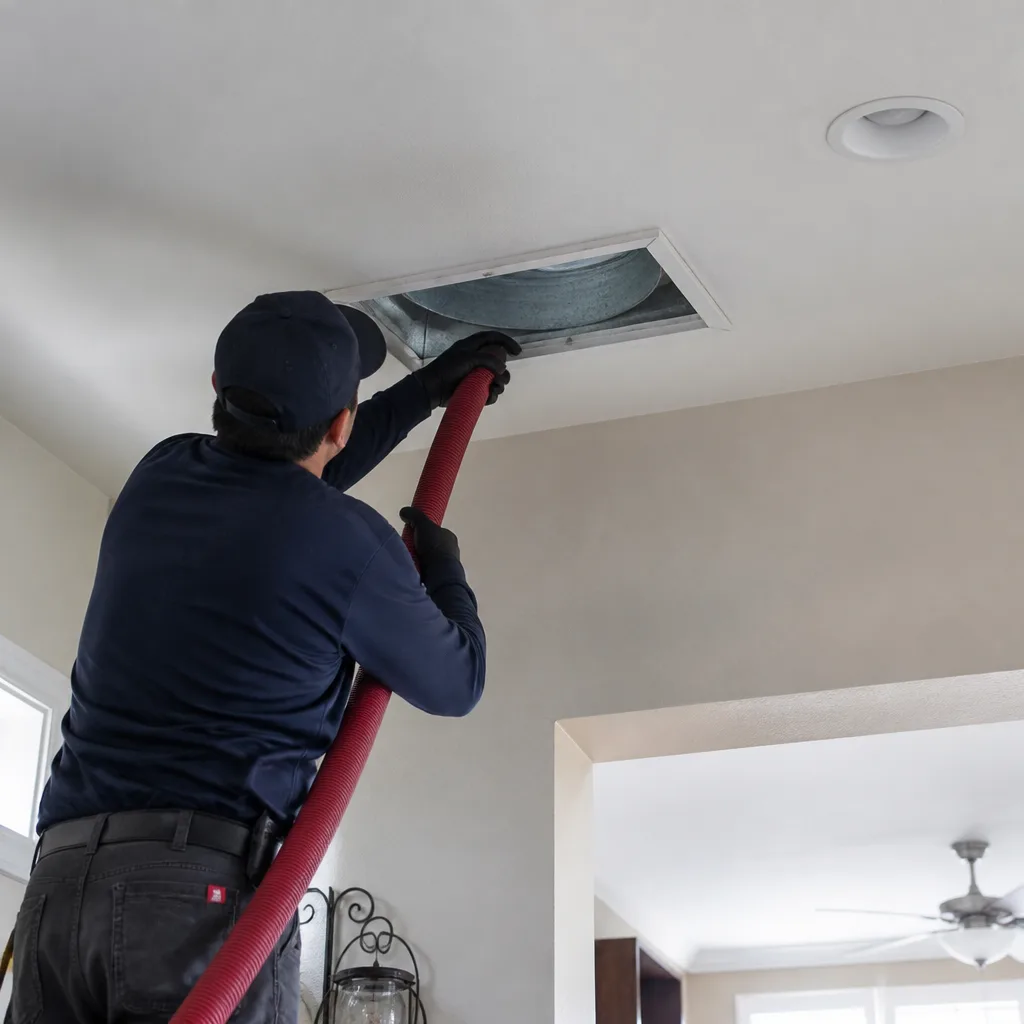 After
After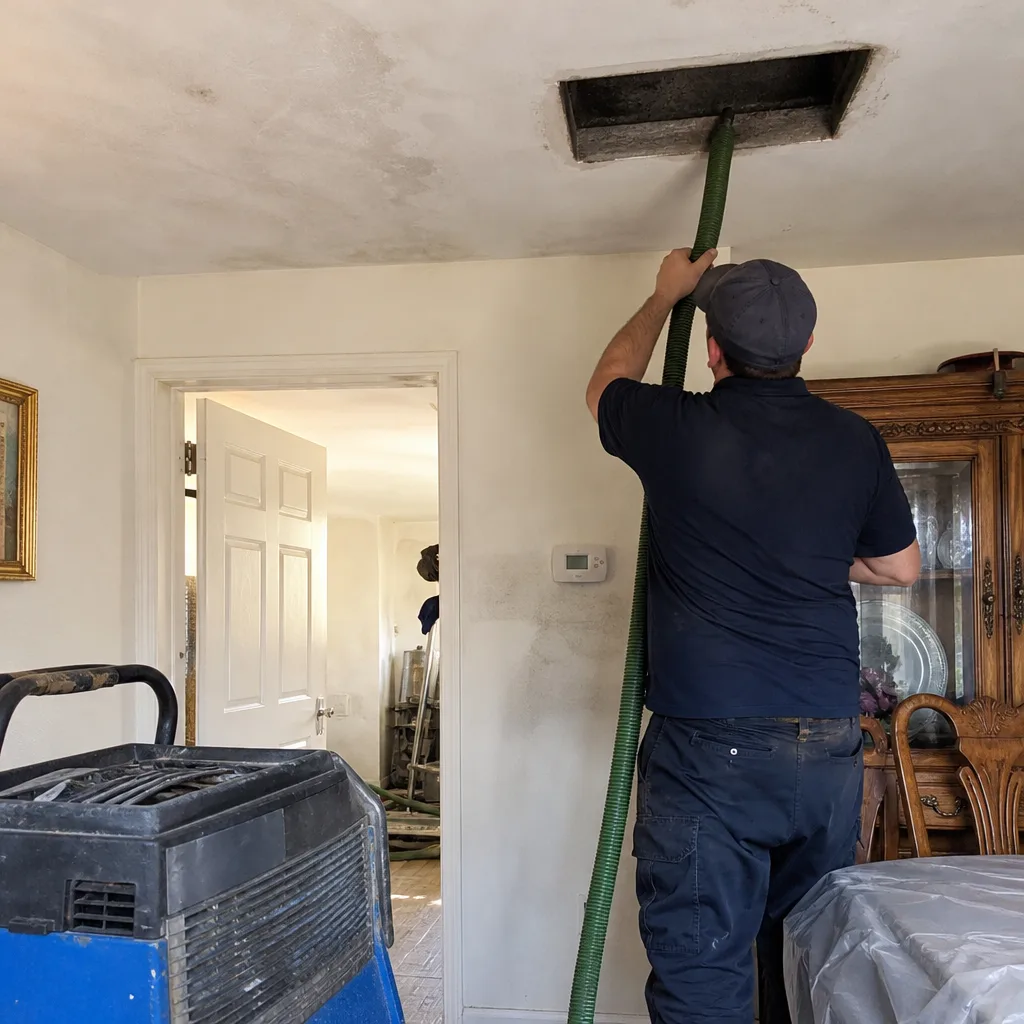 Before
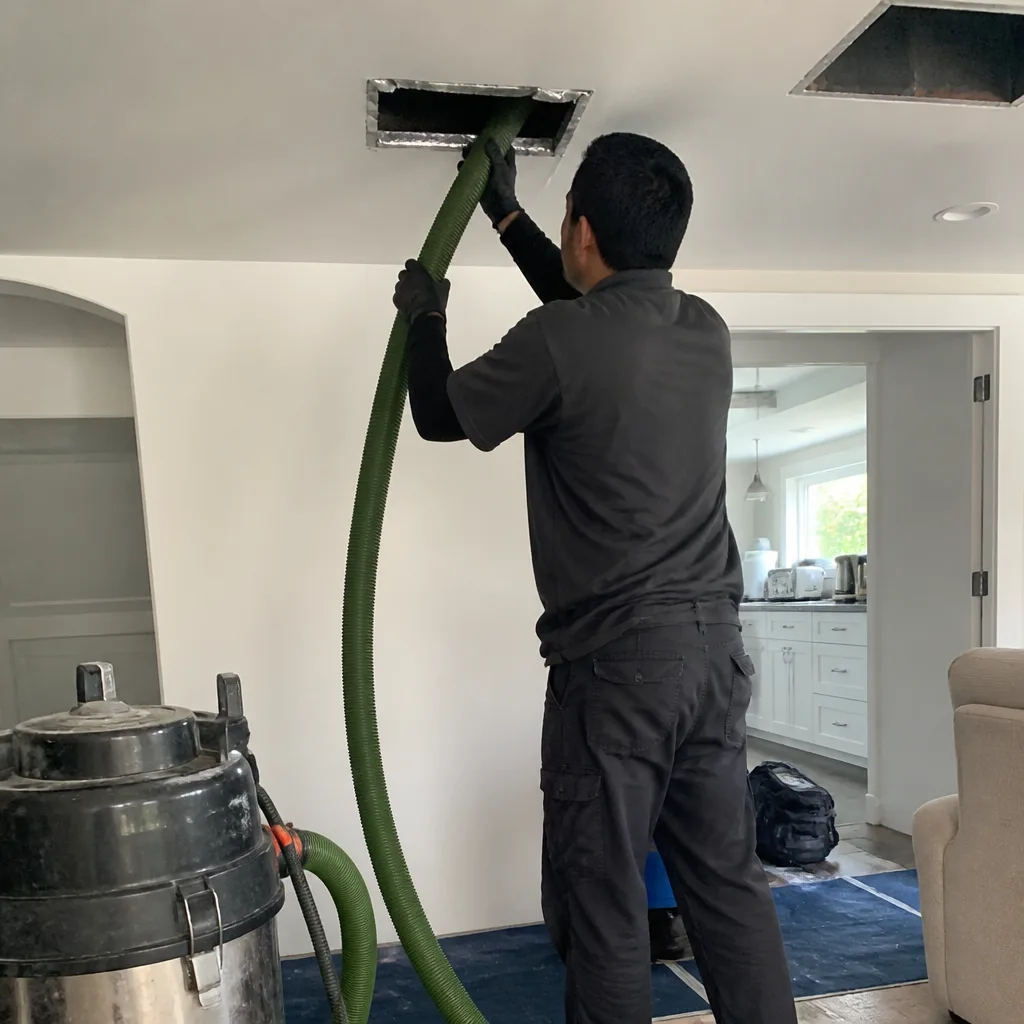 After
AfterHow Long Does Dryer Vent Cleaning Take? Timelines and What to Expect
A straight-shot dryer vent through an exterior wall takes about 30 minutes. A vent that runs 25 feet through a finished ceiling before exiting the roof can take 90 minutes or more, and rushing the second job to match the first one’s price is how lint fires start. Most Los Angeles homeowners are surprised to learn their dryer vent doesn’t just push air outside; it snakes through walls, floors, and sometimes finished ceilings before it ever sees daylight. This guide breaks down exactly how long Dryer Vent Cleaning takes, why the time varies, and what a technician should actually be doing during those minutes beyond pointing a vacuum at a hole.
Quick Answer
Dryer vent cleaning takes 30 to 90 minutes for most single-family homes, with the time varying based on vent length, routing complexity, and exit point. A straight exterior-wall vent takes roughly 30 to 45 minutes, while a long run through interior walls or a rooftop exit takes 60 to 90 minutes or more. Homes in Los Angeles with older stucco construction or multi-story routing often add 20 to 40 minutes because access points are tighter and vent paths run longer.
Table of Contents
- What Actually Affects How Long Dryer Vent Cleaning Takes
- Timeline for a Straight Exterior Wall Vent
- Timeline for Long Horizontal Runs
- Timeline for Rooftop Exits and Second-Story Laundry Rooms
- What a Technician Should Actually Be Doing During Those Minutes
- When Code-Non-Compliant Installs Add Time
- Why Los Angeles Homes Often Take Longer
- Why You Should Be Skeptical of Flat-Time Quotes Over the Phone
What Actually Affects How Long Dryer Vent Cleaning Takes
Dryer vent cleaning time is not a mystery. It is math: the length of the vent, the number of elbows, the exit point, and whether the technician is diagnosing or just blowing through it. A vent that runs 6 feet straight through an exterior wall is a different job than a vent that climbs 15 feet, turns twice, and exits through a roof cap. The difference is not just minutes; it is the difference between a vent that gets fully cleared and one that gets a courtesy pass with a leaf blower.
Here are the four factors that control the clock:
- Vent length: Building code in most jurisdictions, including Los Angeles, caps dryer vent runs at 25 feet for a straight pipe, minus 5 feet for every 90-degree elbow and 2.5 feet for every 45-degree elbow. A vent at the code maximum takes longer to clean because there is more surface area holding lint.
- Number of elbows: Every bend is a place where lint accumulates and where a cleaning tool has to work harder. A vent with three 90-degree elbows takes measurably longer than a straight pipe, and a technician who is doing the job right stops at each bend rather than forcing a tool through it.
- Exit point: Exterior wall exits are the fastest to access. Rooftop exits require roof access, ladder setup, and safety precautions that add 20 to 40 minutes to the job before cleaning even starts. Interior routing through finished ceilings or floor joists adds time because access is limited to the dryer connection and the exit point.
- Vent condition and material: A rigid metal duct that has been properly installed cleans faster than foil flex duct or semi-rigid flex that has sagged, kinked, or collected years of compressed lint. Foil flex duct, in particular, is prone to trapping lint in its ridges and is against code for concealed spaces in Los Angeles. If a tech finds it, the job just got longer because removing it safely without damaging the wall takes patience.
In our experience cleaning dryer vents across Los Angeles, the single biggest variable is not the equipment. It is whether the previous cleaning, if there was one, actually cleaned the full run or just the first few feet from the dryer.
Timeline for a Straight Exterior Wall Vent
A straight exterior wall vent is the fastest job in this trade, and it usually takes 30 to 45 minutes from setup to cleanup. This is the configuration where the dryer sits against an exterior wall and the vent pipe runs directly through that wall to a termination cap outside. Common in Los Angeles apartments, condos, and older single-story homes where the laundry room backs up to a side yard or back patio.
Here is a realistic breakdown of those 30 to 45 minutes:
- Arrival and setup (5 minutes): The technician walks the vent path, confirms the exit point, and sets up equipment. A professional crew uses a negative-air machine to create suction at the vent opening while pushing a rotary brush through from the dryer side.
- Disconnect and inspection (5 minutes): The dryer is pulled out, the transition duct is disconnected, and the technician looks at the first visible section of pipe. This is where a lot of problems get spotted: a crushed transition hose, a disconnected joint, or a screen-style termination cap that is supposed to be code-compliant but is actually clogged shut.
- Cleaning the full run (10 to 15 minutes): A rotary brush system like the Rotobrush or a Nikro negative-air setup pushes through the pipe from the inside while the vacuum pulls from the outside. The result is the vent being scrubbed, not just blown out. For a 6-to-10-foot straight run, this is quick work.
- Airflow verification (5 minutes): The technician checks the vent termination cap outside, confirms the flap opens freely, and verifies airflow with a meter or by feel. This step is often skipped by low-bid cleaners, and it is the difference between a vent that looks clean and a vent that actually moves air.
- Reassembly and cleanup (5 to 10 minutes): The dryer is reconnected, pushed back into place, and run briefly to confirm the connection is solid. The work area is swept clean.
Total time: 30 to 45 minutes. If the vent is shorter than 6 feet and in good condition, 30 minutes is realistic. If the tech finds a crushed transition hose or a bird nest in the termination cap, add 10 to 15 minutes.
Timeline for Long Horizontal Runs
Long horizontal runs are the most common configuration in Los Angeles single-family homes built after the 1980s, and they take 45 to 75 minutes when done correctly. This is the vent that leaves the laundry room, runs through an interior wall or under the floor, and exits on the far side of the house. Sometimes the laundry room is in the center of the home, which means the vent has to travel 15 to 25 feet before it reaches an exterior wall.
The added time comes from three places:
- Longer pipe means more surface area. A 6-foot vent has about 1.5 square feet of interior surface. A 20-foot vent has over 5 square feet. Lint sticks to all of it, and a rotary brush has to travel the full distance, not just the first few feet.
- Elbows create pinch points. Every 90-degree elbow reduces dryer airflow by roughly 5 feet of effective vent length. They also collect lint in the bend itself. A technician doing the job properly works the brush through each elbow individually, which adds time compared to a straight pipe.
- Access points are limited. With a straight exterior wall vent, the technician can see the entire run. With a long horizontal run through a finished ceiling or floor, the only access is the dryer connection and the outside termination. The work happens blind in the middle, which means the tech relies on feel, air pressure, and experience to know when the full length is clean.
- Roof access setup (10 to 15 minutes): A ladder has to be placed on stable ground, secured, and climbed. On a Los Angeles hillside home, finding stable ladder footing can take longer than the climb itself. The technician has to carry tools up safely, which means multiple trips or a rope line.
- Cleaning from the top down (20 to 30 minutes): With a rooftop vent, the cleaning direction is often reversed: the negative-air machine sits at the dryer connection inside, and the technician works the rotary brush down from the roof cap. This is slower than working from the inside because the tech is working on a sloped or flat roof, not a laundry room floor.
- Re-securing the roof cap (5 to 10 minutes): The termination cap has to be reinstalled and sealed correctly, or the roof will leak during the next Los Angeles rainstorm. Rushing this step is how a $200 vent cleaning becomes a $2,000 ceiling repair.
- Visual inspection of the full accessible vent path (10 percent of the job): Before any cleaning starts, the tech should confirm the vent material, measure or estimate the run length, check the termination cap, and look for code violations or damage. Skipping this step is how a tech ends up forcing a brush through a disconnected joint and blowing lint into a wall cavity.
- Mechanical agitation with a rotary brush (40 percent of the job): A brush system like Rotobrush spins through the pipe and physically scrubs lint off the walls. This is different from a leaf blower or a shop vac, which only removes loose lint and leaves the compacted buildup in place. Compressed lint is the flammable kind.
- Negative-air collection at the vent exit (20 percent of the job): A negative-air machine, such as a Nikro unit, creates suction at the outside termination point while the brush works from inside. This keeps dislodged lint from blowing into the room or the yard, and it prevents the technician from simply pushing the blockage deeper into the run.
- Airflow verification after cleaning (15 percent of the job): The tech should confirm the vent is actually moving air at the right rate after cleaning. A vent that looks clean but still flows at half the recommended rate has a problem that cleaning alone did not fix.
- Reconnection, termination cap check, and cleanup (15 percent of the job): The dryer goes back, the transition duct is secured, the outside flap is confirmed to open freely, and the work area is left clean. If the tech leaves without checking the outside termination, ask them to come back and look. It is part of the job.
- Foil flex duct in concealed spaces: Foil flex duct is the silver accordion pipe you can buy at any hardware store. It is only approved for the short transition run between the dryer and the wall, and even then, only where allowed. Many older Los Angeles homes have foil flex running inside walls, under floors, or through attics. It traps lint in its ridges, sags over time, and is often crushed during construction. Cleaning it thoroughly takes longer than rigid pipe, and the result is less durable.
- Too many elbows: Code subtracts 5 feet of allowable run length for every 90-degree elbow. A vent with four elbows on a 20-foot run is effectively a 40-foot vent, and it will collect lint faster than the dryer can push it out. A technician has to clean each bend carefully, which adds real time.
- Screws instead of foil tape at joints: Sheet metal screws through the vent pipe create interior points where lint snags and accumulates. Over years, a vent with screwed joints develops lint dams at every screw head. The brush has to work harder, and if the buildup is severe, the vent may need to be disassembled and manually cleaned, which doubles or triples the time.
- Vent termination into a crawlspace or attic instead of outside: This is a serious issue. Venting a dryer into a crawlspace pumps moisture and lint into the structure of the home. It is against code for good reason. If a technician finds this, the cleaning time includes explaining the problem, documenting it, and recommending a correction, which is a separate job from the cleaning itself.
- Straight exterior wall vent, metal duct, good condition: 30 to 45 minutes. This is the bottom of the time range.
- Long horizontal run through interior walls, 15 to 25 feet, one or two elbows: 45 to 75 minutes. This is the most common job.
- Rooftop exit or second-story routing: 75 to 90 minutes or more. Roof access and long runs add time.
- Code-non-compliant install or severe buildup: Add 20 to 40 minutes to the base time for the configuration.
In Los Angeles, we regularly see laundry rooms placed in the center of the floor plan, which forces the vent to travel under the slab or through the ceiling joists before it exits. These runs often reach the 25-foot code maximum or exceed it. When a vent exceeds the code maximum, the airflow is already compromised before lint even builds up, and the cleaning takes longer because the obstruction is more severe.
Expect 60 minutes for a 15-to-20-foot run with two elbows. Expect 75 minutes or more if the run is at or beyond the code maximum, if the vent has not been cleaned in years, or if the tech has to work from a crawlspace or attic to reach the mid-point.
Timeline for Rooftop Exits and Second-Story Laundry Rooms
Rooftop exits and second-story laundry rooms are the longest jobs in dryer vent cleaning, typically running 75 to 90 minutes or more. This configuration is common in Los Angeles neighborhoods where multi-story homes, condo buildings, and hillside construction push the laundry room up or the vent exit up to the roof. It is also where the most time gets lost, because roof access and ladder work are slow by nature.
A rooftop exit adds time in three stages:
Second-story laundry rooms in two-story homes add time even when the vent exits through a side wall. The dryer has to be moved, and if it is a stackable unit in a closet, the transition duct access is tight. The technician works in a confined space, which slows every step. If the vent runs from a second story down through a first-story wall and out the side of the house, the total run length is often 20 feet or more, which adds back the time saved by not going to the roof.
For these jobs, we tell Los Angeles homeowners to expect 90 minutes, and we mean 90 minutes of actual work, not 20 minutes of work and 70 minutes of watching a vacuum run. A rooftop vent that gets cleaned in under an hour was probably not cleaned all the way to the termination cap.
What a Technician Should Actually Be Doing During Those Minutes
Time matters less than what happens during it. A technician can spend 90 minutes on a vent and do almost nothing if they are not using the right equipment or following a real process. Here is what a proper dryer vent cleaning in Los Angeles should include, and approximately how much of the job each step represents (for How Long Does Duct Sealing Take? Timelines and What to Expect, see our dedicated guide):
A vent that gets the full treatment in 30 minutes is a short, straight vent in good condition. A vent that gets the full treatment in 90 minutes is a long, routed vent. A vent that gets treated in 15 minutes flat is the reason homeowners call us after a bad experience with a low-bid courier who blew air through the pipe and left.
When Code-Non-Compliant Installs Add Time
Some dryer vents take longer to clean because the original install was not done to code, and in Los Angeles, that is more common than homeowners expect. The California Mechanical Code and local building standards set specific rules for dryer exhaust systems, and homes built before those rules were enforced, or renovated without permits, often have vent runs that make cleaning slow and risky.
The most common code violations we find in Los Angeles homes:
None of these issues mean the cleaning cannot be done. They mean the cleaning takes longer, and the technician should tell you about them instead of working around them in silence. At Hollis Air Duct Cleaning home service calls, our technicians are trained to identify and explain these conditions, not to hide them from the homeowner.
Why Los Angeles Homes Often Take Longer
Los Angeles is not a uniform housing market. It is a patchwork of stucco bungalows from the 1930s, mid-century ranch homes, hillside boxes on stilts, and post-2000 townhomes. Each era of construction has its own vent routing habits, and some of them add real time to a dryer vent cleaning.
Older stucco homes, especially those built between 1930 and 1960, often have laundry rooms that were added on later, which means the dryer vent was routed through whatever path was available. That path is rarely straight. We see vents that run through exterior stucco walls at odd angles, vents that share wall cavities with plumbing, and vents that exit through the roof because no exterior wall was close enough. These homes routinely take 20 to 40 minutes longer than a comparable vent in a newer home.
Multi-story construction adds time for a simple reason: the vent run is longer and the technician has to work on a ladder. In neighborhoods like Silver Lake, Echo Park, and Mount Washington, hillside homes often have laundry rooms on the lower floor with vents that climb up through the structure before exiting. These runs can reach 30 feet or more with several elbows, and a responsible cleaning takes the full 90 minutes.
Los Angeles also has a substantial inventory of condo and townhome units where dryer vents are shared or run through fire-rated assemblies. In these buildings, the venting path has to be cleaned without disturbing the fire barrier, which adds care and time. A tech who rushes a multi-family vent run risks damaging the fire collar or the shared wall assembly, and that is a problem no homeowner wants to explain to an HOA board.
If you live in Los Angeles and your laundry room is not on an exterior wall, plan for a longer job. It is not a reflection on the technician’s speed. It is a reflection on the geometry of the home.
Why You Should Be Skeptical of Flat-Time Quotes Over the Phone
Any company that tells you dryer vent cleaning takes exactly 45 minutes for every home is guessing, and a company that quotes a flat rate without knowing your vent length and exit point is probably pricing the job low to get in the door. The time should follow the job, not the other way around.
A legitimate dryer vent cleaning service will ask a few questions before giving you a price (our How to Hire a Air Duct Cleaning Contractor in Los Angeles: A Step-by-Step Guide covers what else to look for): Where is your laundry room? Does the vent exit through an exterior wall or the roof? How long has it been since the last cleaning? Do you know if the vent is metal or flex duct? These questions take a minute to answer, and they allow a straight answer on time and cost.
Here is what honest time-based pricing looks like for dryer vent cleaning in the Los Angeles market:
If a company quotes you a 20-minute job for a rooftop vent on a two-story Los Angeles home, they are not doing the same job a real technician would do. At Dryer Vent Cleaning in Los Angeles from Hollis Air Duct Cleaning, the price is written down before work starts, and it reflects the actual vent configuration, not a one-size-fits-all number.
Common Mistakes to Avoid
- Booking the cheapest 20-minute special. A dryer vent cleaning that takes 20 minutes did not clean the full run. It cleared the first few feet from the dryer and left the rest of the lint in place. Lint deeper in the vent is the lint that causes fires.
- Not asking what equipment will be used. A leaf blower or shop vac is not dryer vent cleaning equipment. A rotary brush and negative-air machine are. Ask before you book, and if the answer is vague, book someone else.
- Skipping the outside termination check. The vent flap outside your home should be inspected and confirmed to open freely after cleaning. If the tech never goes outside, the job was not finished.
- Ignoring a rooftop vent because it is hard to access. Rooftop vents collect lint and bird nests just like wall vents, and they are more likely to be overlooked. In Los Angeles, where rooftop vents are common on hillside and two-story homes, this is a significant fire risk.
- Not asking for the vent to be reconnected properly. A dryer that is pushed back without securing the transition duct will leak lint and moisture into the laundry room. The tech should reconnect and test the dryer before leaving.
- Assuming a new home does not need it. New construction vents collect drywall dust and construction debris. A new home in Los Angeles should have the dryer vent cleaned within the first year or two.
- Trying to clean a long or rooftop vent yourself. Long runs and rooftop exits require professional equipment and ladder safety. A homeowner on a steep Los Angeles hillside roof is not in a position to clean a vent safely. The physics of gravity are not negotiable.
When to Call a Professional
Call a professional if your dryer vent has not been cleaned in two years or more, if you notice clothes taking longer to dry, if the outside vent flap does not open when the dryer runs, or if you smell a burning odor during a cycle. These are signs of restricted airflow, and restricted airflow is the condition that allows lint to reach ignition temperature. A professional with a negative-air machine and rotary brush system from Rotobrush or Nikro can clear the full run and verify airflow at the termination point. If you are in Los Angeles and want an honest assessment of your vent configuration, timeline, and price, Air Duct Cleaning in Los Angeles and dryer vent service from Hollis Air Duct Cleaning offers free estimates. Call (361) 326-5060 and a live person answers, 24 hours a day, 7 days a week.
Frequently Asked Questions
Thirty minutes is enough for a straight exterior wall vent under 10 feet in good condition, but it is not enough for a long horizontal run or a rooftop exit. The timeline has to match the vent configuration. A company that promises 30 minutes for every job is skipping steps on the longer runs.
Every 12 months for a household that runs the dryer three or more times per week, and every 6 to 12 months for a vent that exceeds 15 feet or has multiple elbows. Los Angeles homes with rooftop exits should be cleaned annually, because rooftop vents collect debris faster than wall vents and are harder to inspect casually.
Vent length and routing are the difference. Your neighbor likely has a straight exterior wall vent, while your home has a long run through interior walls or a rooftop exit. The 90-minute job is not slower work; it is more vent to clean and harder access to reach it.
A vent that exceeds the 25-foot code maximum or has too many elbows can be cleaned, but it may need to be cleaned more often and may need correction to meet current code. A technician should measure the run and explain whether the length is reducing your dryer’s performance.
A leaf blower pushes loose lint out of the vent. A rotary brush system like Rotobrush physically scrubs the interior walls of the pipe and removes compacted lint that has adhered to the surface. The brush method is the standard for a real dryer vent cleaning.
Yes. Every dryer vent cleaning in Los Angeles from Hollis Air Duct Cleaning includes a written price before any work begins, and the price does not change at the door. The quote reflects the actual vent configuration, including length, routing, and exit point. Call (361) 326-5060 for a free estimate.
The Bottom Line
Dryer vent cleaning takes 30 to 90 minutes depending on the length of the run, the number of elbows, and whether the vent exits through a wall or the roof. Los Angeles homes with long routed vents, rooftop exits, or code-non-compliant installs take longer, and that extra time is the difference between a vent that is actually clean and a vent that gets a quick pass. A legitimate company quotes a time based on your vent configuration, not a phone script. A legitimate company writes the price down before work starts. If you want a dryer vent cleaning in Los Angeles that follows the actual geometry of your home, call (361) 326-5060 and ask for Hollis Air Duct Cleaning. The price is written. The work is guaranteed for a year.
Written by Roy Castellanos, Owner at Hollis Air Duct Cleaning, serving Los Angeles since 2004. Explore more guides & resources on our blog.