
Last updated October 9, 2026
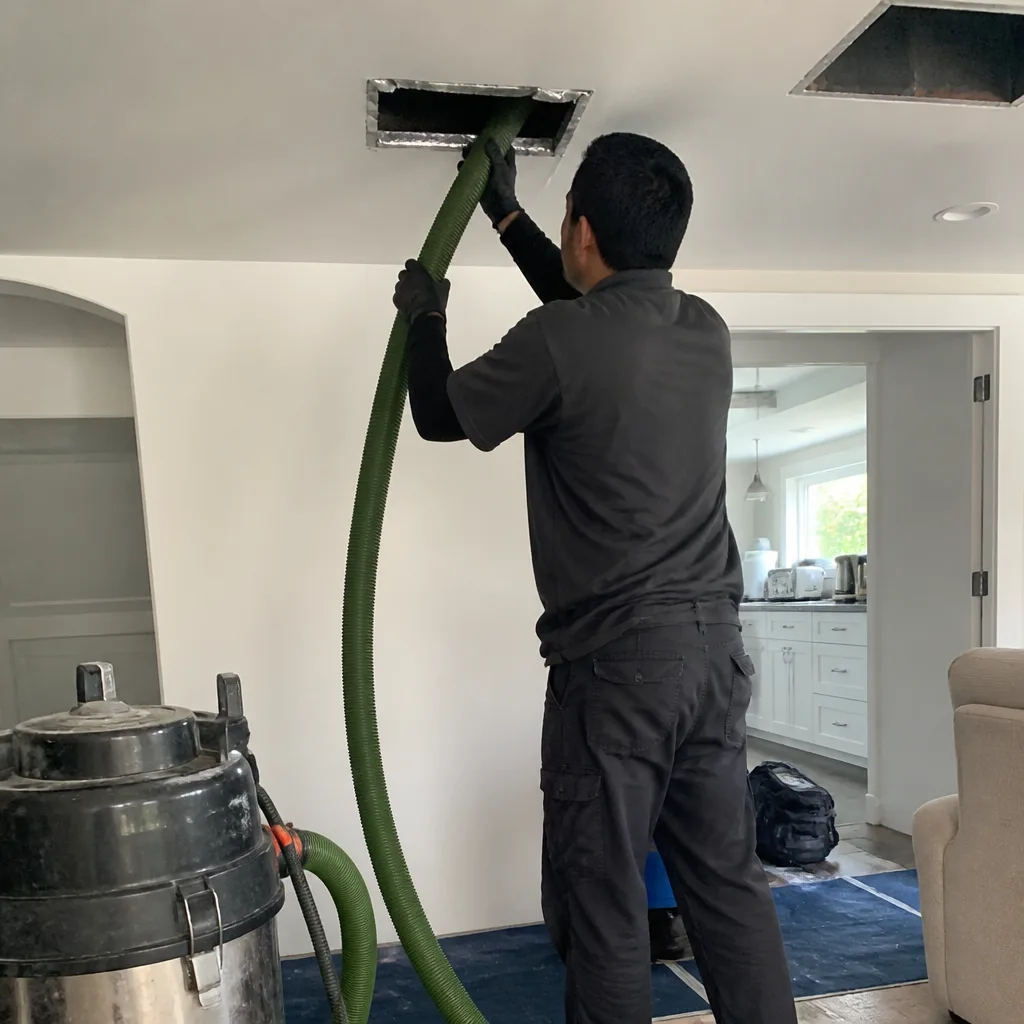
Whole-system duct and dryer vent check with before-and-after photos - you see exactly what came out of your vents
That "$99 whole-house special" is a bait ad - the real number appears once they are in your hallway, or the "clean" is a shop-vac at the register. We photograph the inside of your ducts before and after instead.
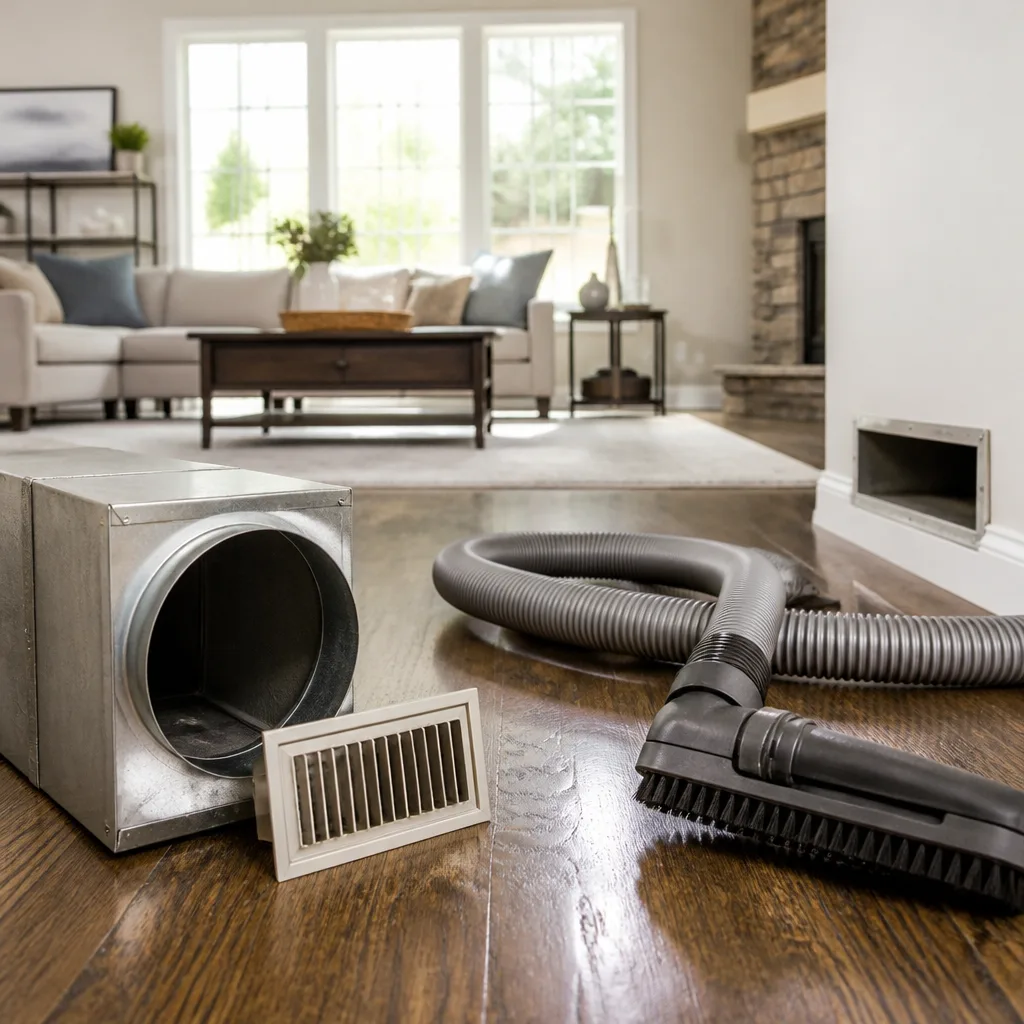
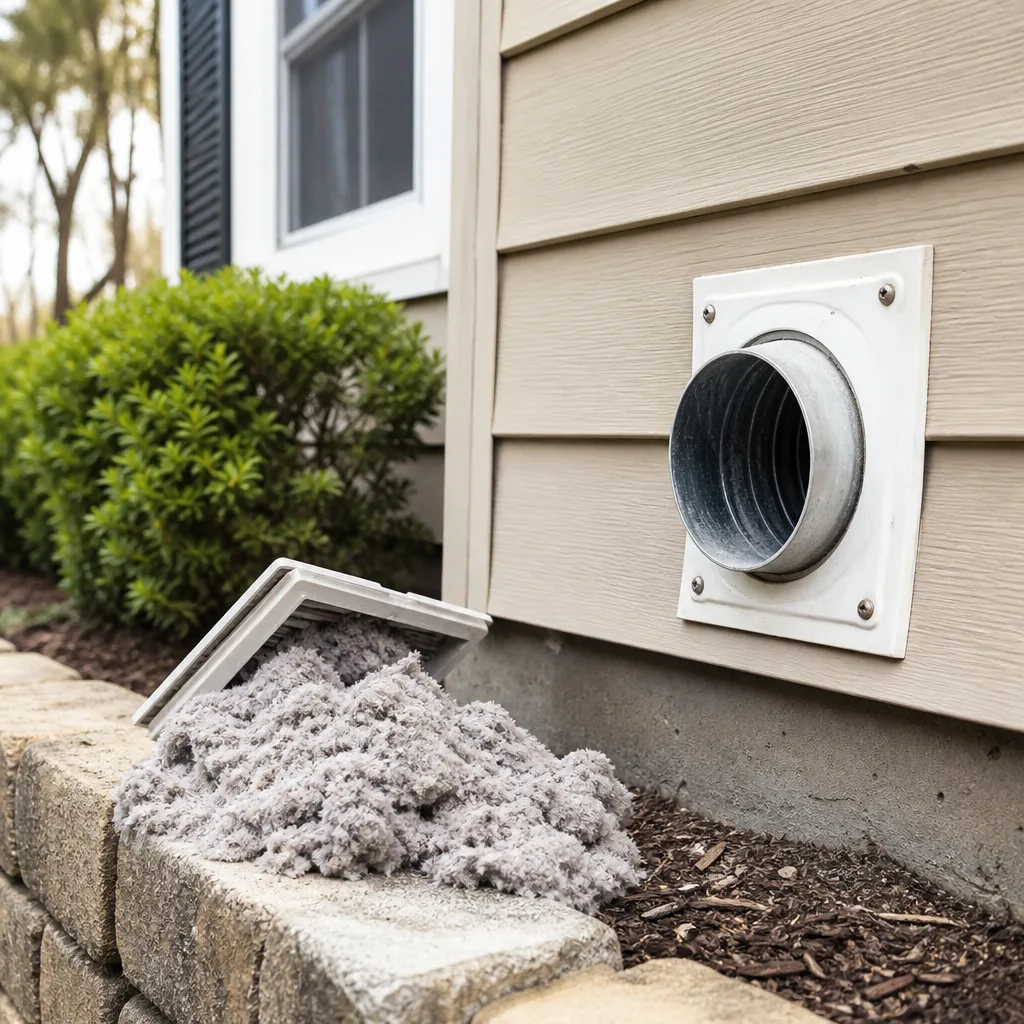
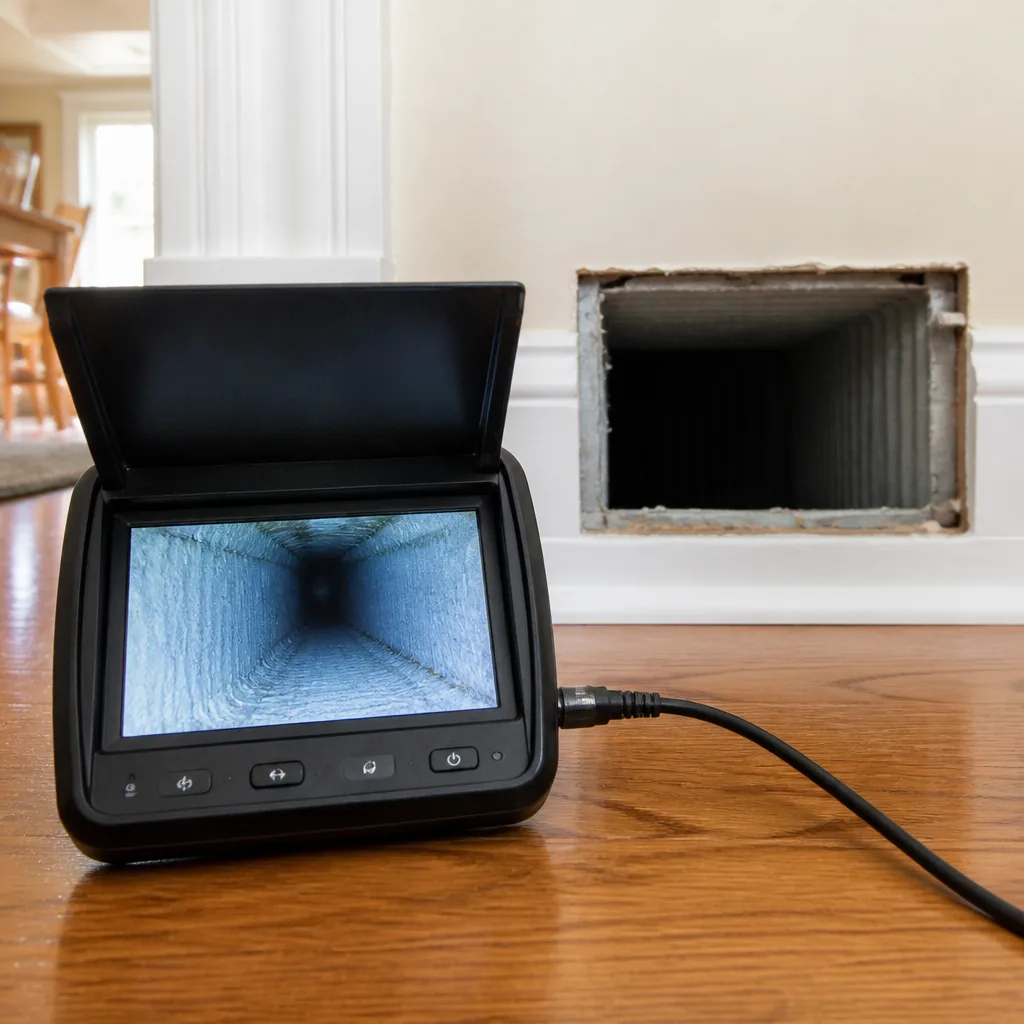
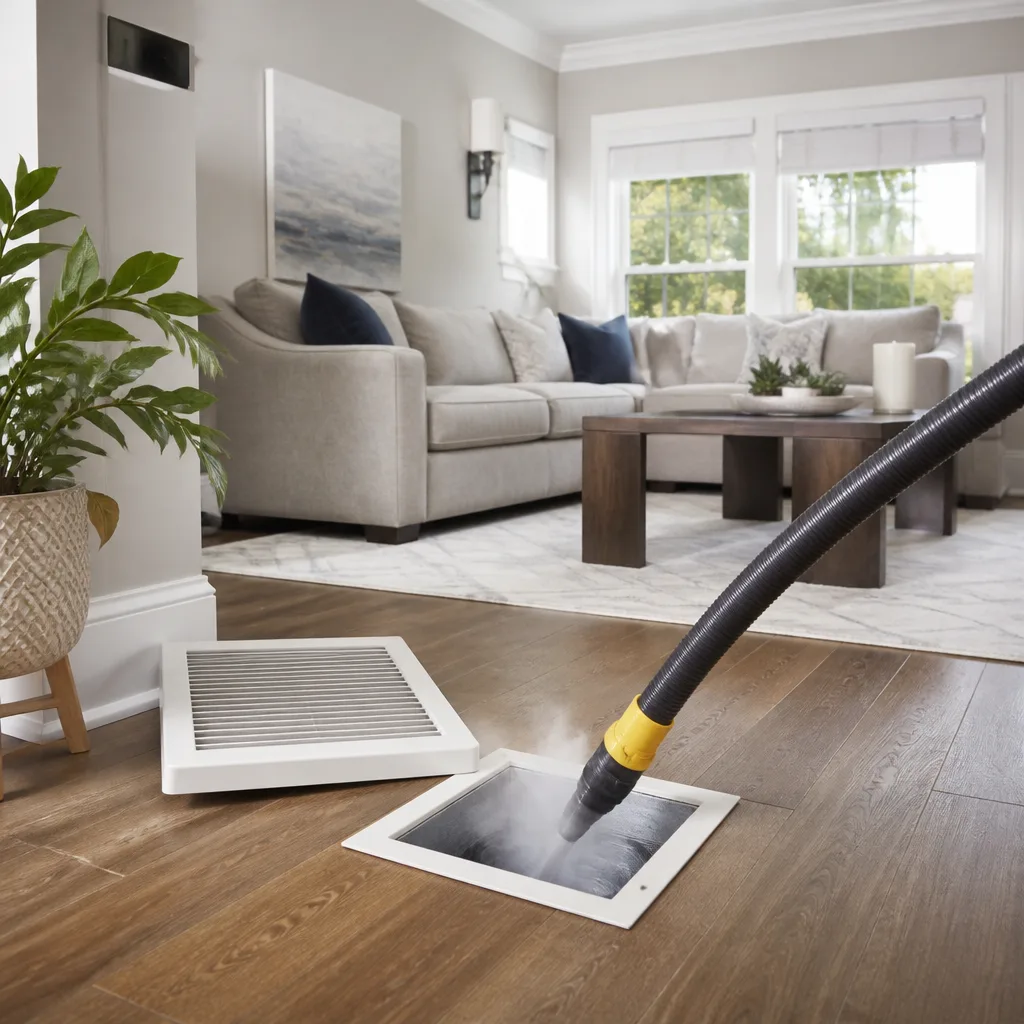
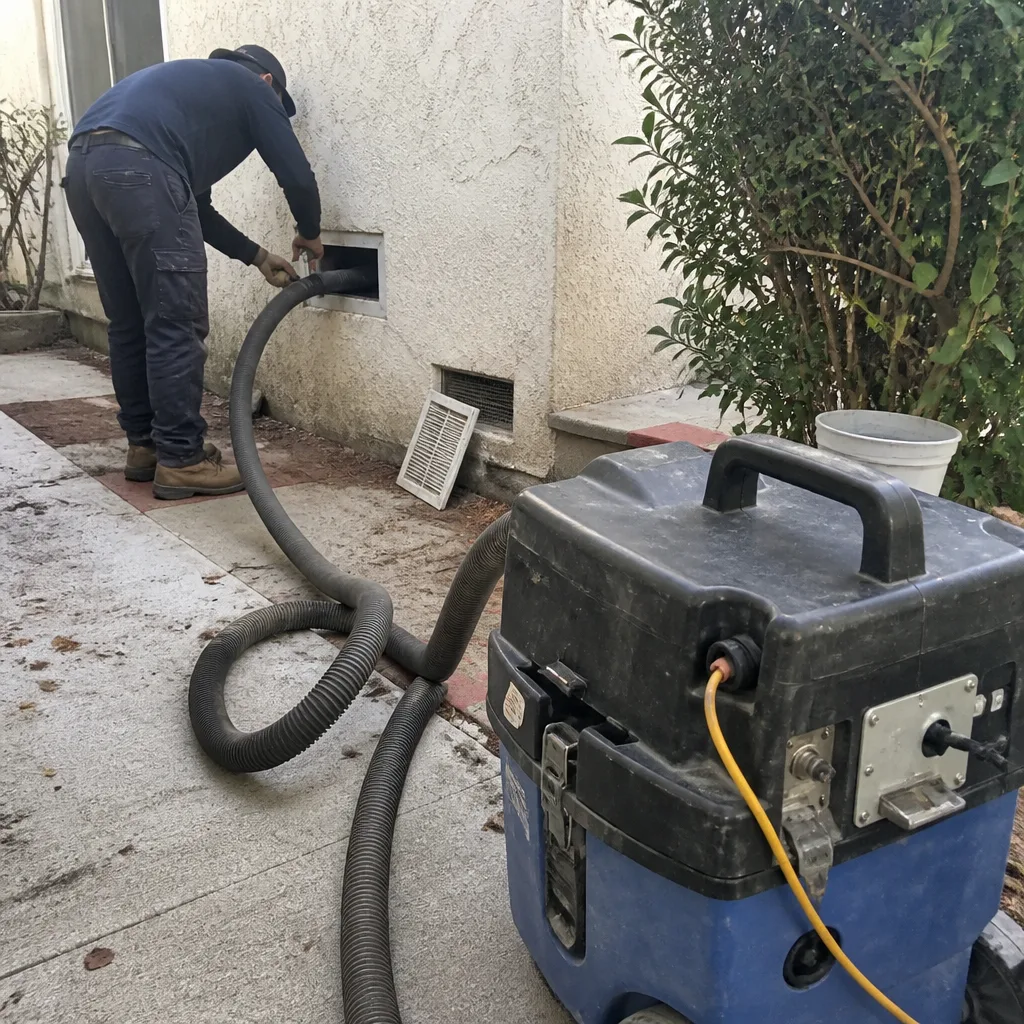 Before
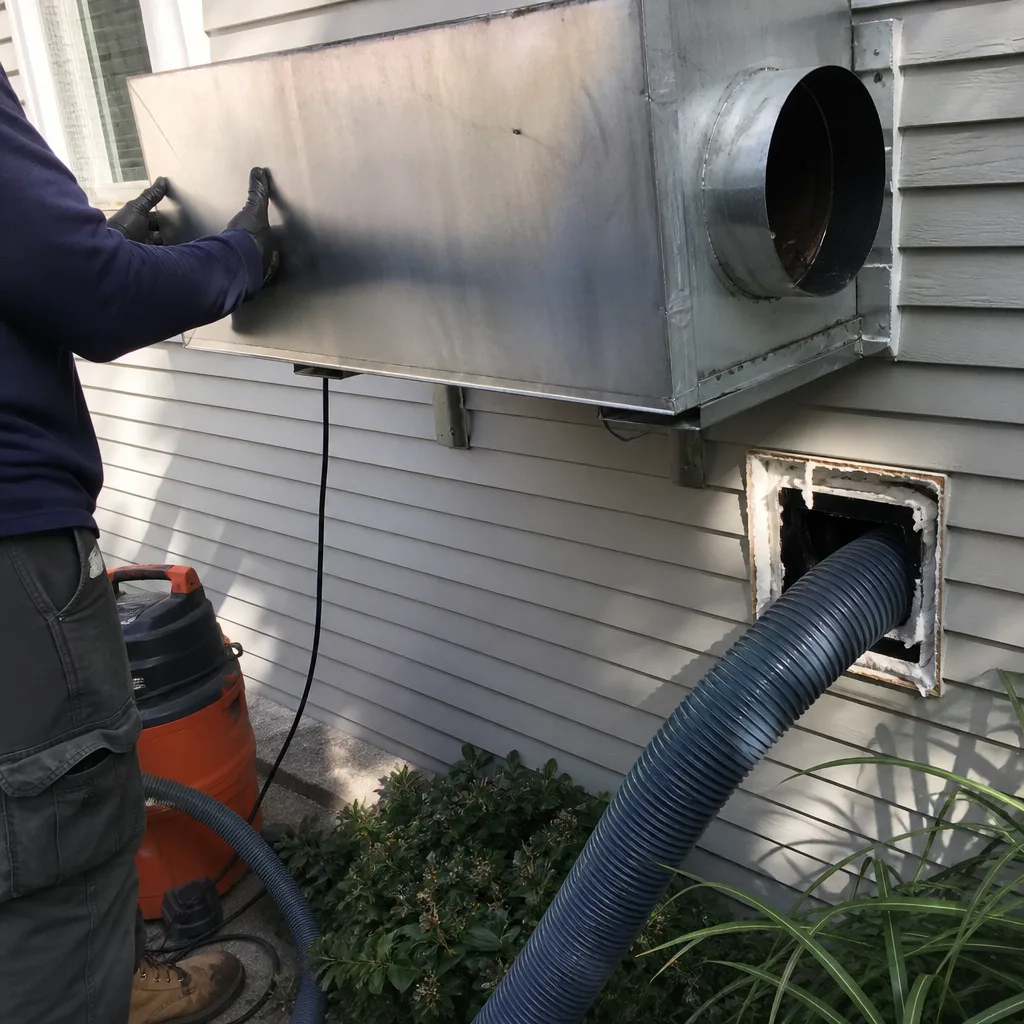 After
After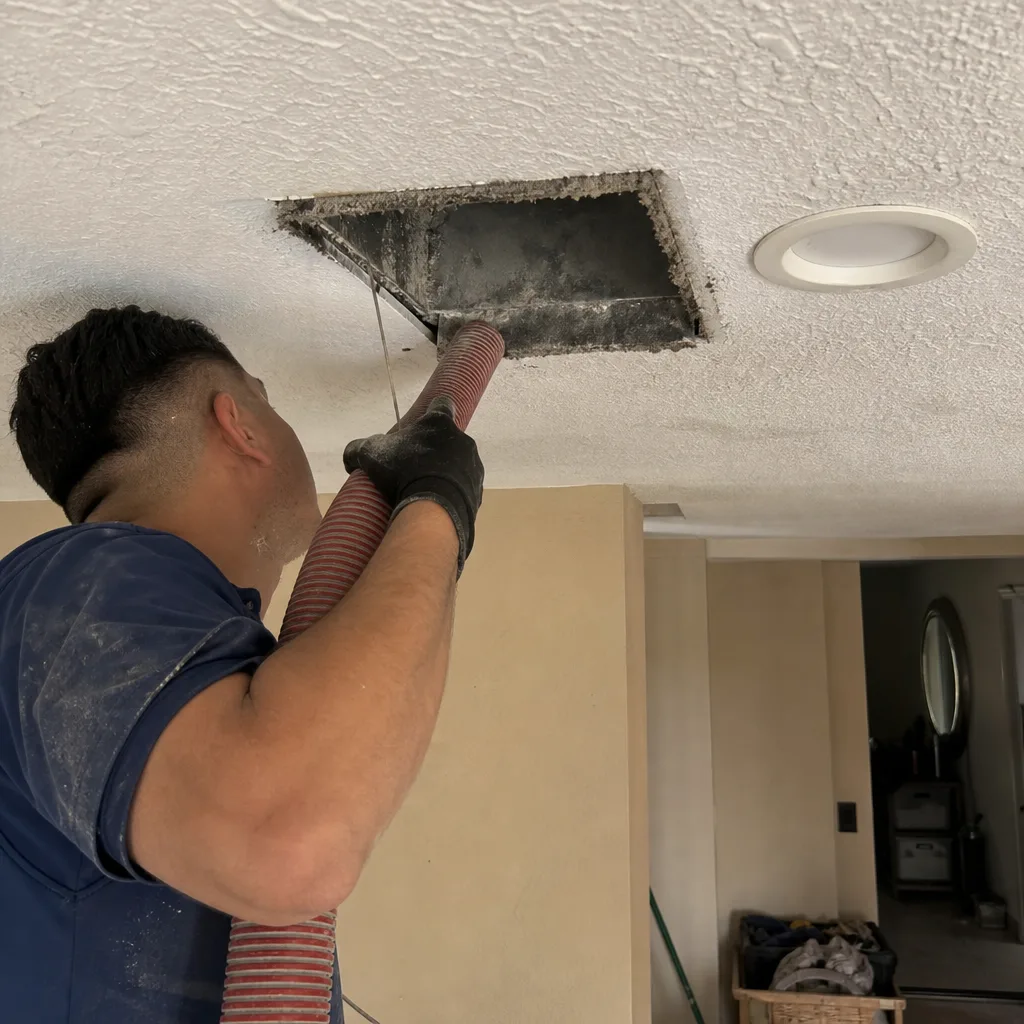 Before
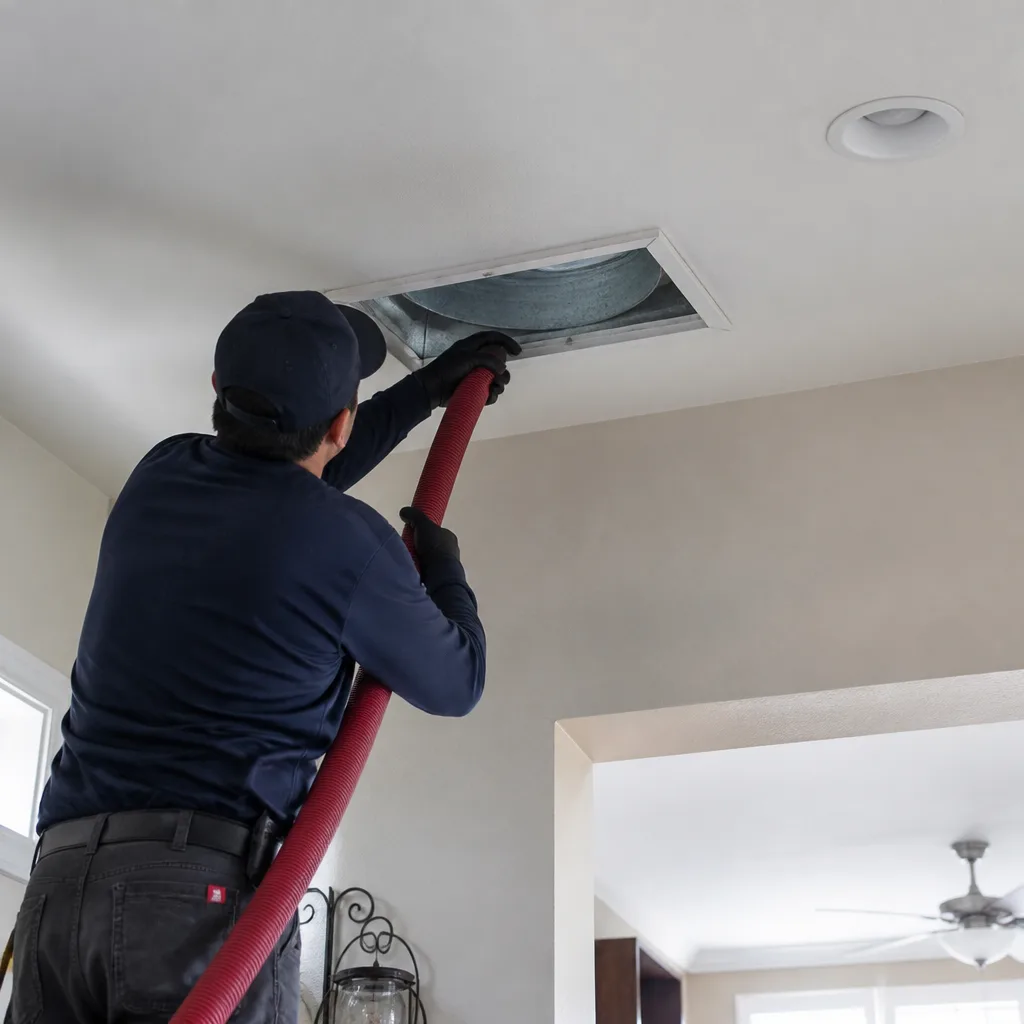 After
After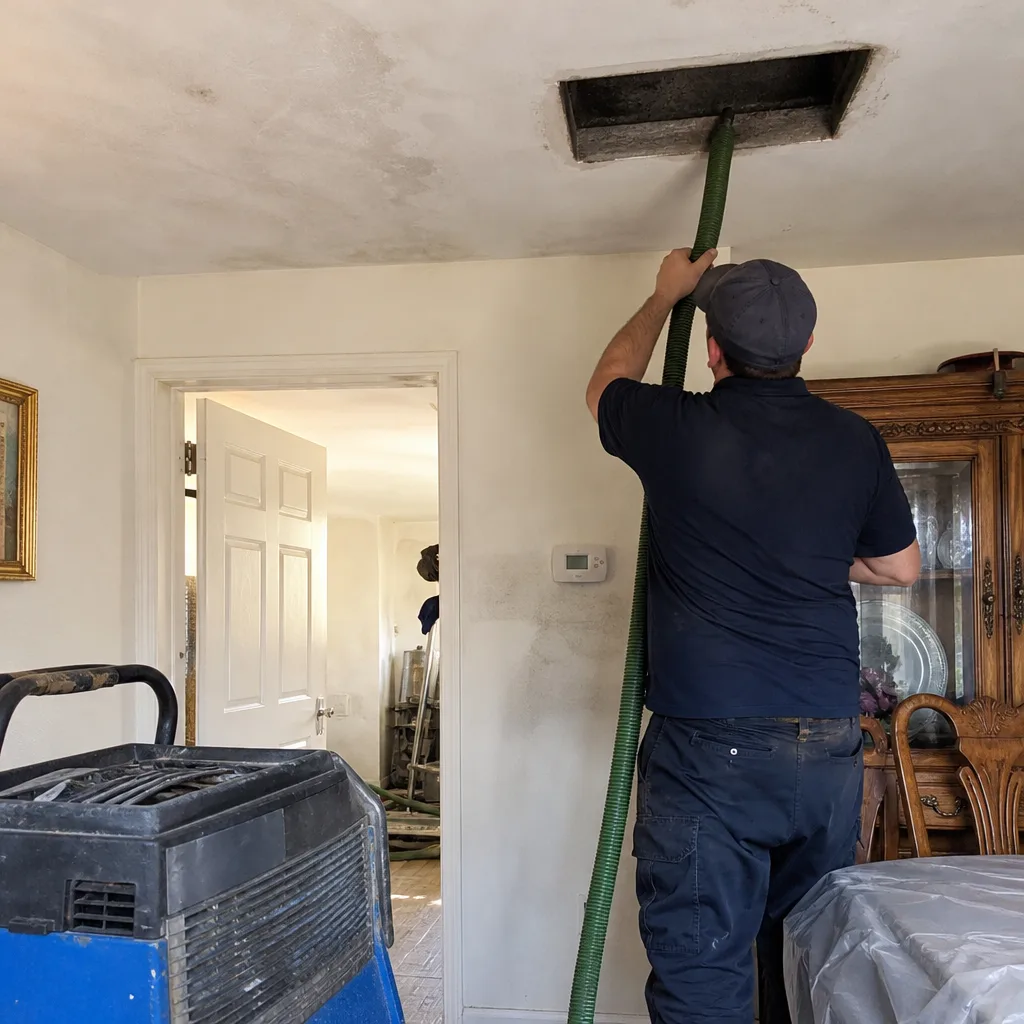 Before
 After
AfterDIY vs Professional Air Duct Cleaning: The Los Angeles Homeowner’s Decision Guide
A $30 dryer vent brush kit and a shop vac can handle a surface-level register cleaning that makes vents look better. But the debris that actually affects air quality and system efficiency lives 8 to 40 feet into the duct run, past the first bend, where no consumer tool reaches without a truck-mounted vacuum holding negative pressure on the system. This guide walks through exactly what a Los Angeles homeowner can do themselves, what they should not attempt, and how to tell the difference before spending a dollar. For a deeper comparison, see our guide on DIY vs Professional Dryer Vent Cleaning: What’s Safe to Do Yourself.
Quick Answer
DIY duct cleaning works for register removal, accessible boot vacuuming, and filter replacement, but it cannot replicate the negative-pressure containment that keeps loosened debris from blowing back into your living space. In Los Angeles, professional cleaning typically costs $400 to $900 for a whole system, while a serious DIY attempt runs $150 to $300 in tools and time. For most homes, the practical answer is a middle path: do the accessible maintenance yourself, and call a professional every 3 to 5 years for the deep work.
Table of Contents
- What DIY Can Legitimately Accomplish
- The Negative-Pressure Problem: Why DIY Redistributes Debris
- Cost Comparison: DIY Tools vs Professional Service in Los Angeles
- LA Scenarios Where DIY Is Categorically the Wrong Call
- The Maintenance Middle Ground: Extending Time Between Professional Cleanings
- What Professional Equipment Actually Does
- Common Mistakes to Avoid
- When to Call a Professional
- Frequently Asked Questions
- The Bottom Line
What DIY Can Legitimately Accomplish
Being honest about what a homeowner can do saves time and prevents false confidence. Here is what actually works without professional equipment.
Register Removal and Washing
Every supply and return register in your home unscrews or pops out with basic tools. In Los Angeles homes, registers accumulate a specific kind of grime: fine dust mixed with a slight oily film, especially in households that cook frequently or run window units during heat waves. Washing registers in warm water with dish soap removes visible buildup and improves airflow at the point where air enters the room. Dry them fully before reinstalling. This is a legitimate maintenance task that takes under an hour for a typical 3-bedroom house and costs nothing beyond soap and water.
Accessible Boot Vacuuming
The register boot is the metal or plastic transition piece connecting the duct run to the register opening. In many homes, the first 12 to 18 inches of this boot is visible and reachable once the register is removed. A shop vacuum with a narrow attachment can remove loose debris and visible dust bunnies from this section. Do this for every register, and you have meaningfully reduced the surface dust that blows into rooms each time the blower cycles on. What this does not do is remove anything deeper in the run, which is the point where real accumulation lives.
Filter Upgrades
The single highest-leverage DIY action in any Los Angeles home is upgrading the HVAC filter and changing it on a schedule. A MERV 11 or MERV 13 filter captures substantially more airborne particulate than the standard fiberglass mesh many homes run by default. During wildfire season, a MERV 13 filter is the bare minimum for keeping smoke particulates out of the duct system to begin with. The trade-off is airflow: higher MERV ratings restrict airflow, and some older systems in pre-1990 LA homes were not designed for dense filters. Check that your system does not struggle or short-cycle after an upgrade. If it does, step down to MERV 8 or 11.
Visual Inspection with a Phone Camera
A smartphone camera and a flashlight can document the first few feet of duct visible through the register opening. This does not tell you what sits deeper in the run, but it does let you identify visible mold growth, rodent droppings, or a disconnected duct section. Those are red-flag findings that justify a professional call. Roy Castellanos, owner at Hollis Air Duct Cleaning, says homeowners who document what they see before calling get faster, more accurate phone estimates because the technician knows what to expect before arriving.
The Negative-Pressure Problem: Why DIY Redistributes Debris
This is the technical core of the DIY vs Professional Duct Sealing: What’s Safe to Do Yourself question, and the part most guides gloss over. Professional duct cleaning works on a containment principle: the system is put under negative pressure, meaning a powerful vacuum draws air through the ducts while agitation tools loosen debris. The loosened debris is pulled toward the vacuum, not pushed into the house. Without negative pressure, any agitation simply kicks settled dust into the airstream, which then blows through the registers into your living space over the following days and weeks.
Think about what a brush kit on a drill actually does inside a duct. It spins, it scrapes, it dislodges. Where does the dislodged material go? In a duct run with no suction pulling it toward a containment point, the answer is: airborne. Some of it moves toward the blower and gets caught by the filter, assuming the filter is present and reasonably dense. The rest moves with the airflow into bedrooms, the kitchen, the living room. A homeowner with a shop vac attached at one register does not create system-wide negative pressure. They create localized suction at one opening, which has nowhere near the draw needed to pull debris from the other side of the duct run, around bends, and past joints.
In our experience in Los Angeles homes, the most common DIY outcome is this: the vents look cleaner for about two weeks, then the system cycles on and redistributes the loosened particulate that was never actually removed. Homeowners call us because the dust situation got worse after they cleaned. The brush loosened what the vacuum could not capture, and the blower did the rest.
Cost Comparison: DIY Tools vs Professional Service in Los Angeles
A dollar comparison only makes sense when mapped against what each approach actually removes from the system. The table below breaks down the true cost picture for a typical 2,000-square-foot Los Angeles home with 10 to 14 registers.
DIY Cost Sheet
| Item | Cost Range | What It Actually Does |
|---|---|---|
| Drill-powered duct brush kit | $25 – $60 | Agitates debris in the first few feet of duct accessible from the register |
| Shop vacuum | $80 – $150 (if not already owned) | Localized suction at one register opening; no system-wide containment |
| Replacement filters (MERV 11+, 4-pack) | $40 – $80 | Prevents new particulate from entering the system; highest-leverage spend |
| Register cleaning supplies | $10 – $20 | Soap, water, rags, screwdriver for removing register faces |
| Time (half day to full day) | 4 – 8 hours | Labor that could be spent elsewhere |
| Total | $155 – $310 | Surface-level improvement; no deep-run debris removal |
Professional Cost Sheet (Los Angeles Market)
| Service | Typical Range | What It Actually Does |
|---|---|---|
| Whole-system air duct cleaning (10-14 registers) | $400 – $700 | Negative-pressure containment, mechanical agitation of entire duct network, full debris removal to a truck-mounted vacuum |
| Whole-system cleaning + dryer vent | $500 – $900 | Adds lint-run cleaning with a rotary brush system, which prevents a fire hazard DIY cannot address |
| Furnace/air handler cleaning | $150 – $300 (often included) | Removes debris from the blower assembly and evaporator coil area |
| Duct sealing (if needed) | $300 – $600 | Stops air leakage at joints, which in LA’s temperature swings can lose 15-25% of conditioned air |
The honest read: DIY costs roughly half a professional cleaning, and delivers maybe 15% of the debris removal. The value is not equivalent. A fairer statement is that DIY handles the maintenance layer, while professional cleaning handles the system layer. The two are complementary, not competing.
Prices in Los Angeles vary by neighborhood. Homes in Sherman Oaks, Encino, and Pasadena with older duct systems tend to run at the higher end because duct runs are longer and often have more bends. Newer builds in Irvine or Santa Clarita typically run toward the middle of the range. Air Duct Cleaning in Los Angeles pricing from any reputable company should be quoted as a written, flat price per system before work starts.
LA Scenarios Where DIY Is Categorically the Wrong Call
There are situations in Los Angeles where a DIY approach is not merely insufficient; it is actively the wrong decision. These are the circumstances where calling a professional is not an upsell, it is the only responsible option.
Post-Wildfire Smoke Infiltration
Los Angeles sits in a wildfire-exposed geography, and smoke events have become an annual reality. When wildfire smoke penetrates a home, it does not just sit in the air until it dissipates. The fine particulate works its way into the duct system, where it settles as a layer of ash and soot that is invisible from the register. Running the HVAC system after a smoke event redistributes this material through the house for months. A shop vac cannot touch it. Professional cleaning with HEPA-filtered negative-air equipment, the kind built by Nikro and Abatement Technologies, is required to remove sub-micron smoke particulate from duct surfaces. If you have gone through a smoke event in the San Fernando Valley or along the 210 corridor, assume the ducts need professional attention.
Suspected Rodent Intrusion
Los Angeles has a persistent rodent population, and duct runs in crawl spaces and attics are a common entry point. The telltale signs are scuffling sounds when the blower runs, a musky odor from certain registers, or visible droppings in the register boot. Rodent intrusion is not a cleaning problem; it is a contamination problem. Removal requires professional-grade sanitation after the intrusion point is sealed, or the problem returns within weeks. DIY cleaning of rodent-contaminated ducts risks aerosolizing dried droppings into the breathing space, which is a health hazard no homeowner should expose themselves to. This is a hard line: if you suspect rodents, stop, close the registers, and call.
Pre-1980 Homes with Potential Asbestos-Adjacent Duct Insulation
Homes built before 1980 in Los Angeles, including large swaths of the Mid-Wilshire corridor, older sections of Long Beach, and the postwar tracts of the South Bay, may have duct insulation or tape that contains asbestos-related materials. Disturbing this material with a brush kit releases fibers that should never enter a living space. Professional assessment matters here. A trained technician recognizes suspect material and stops, referring to remediation rather than proceeding with cleaning. A homeowner does not have that recognition training, and the cost of being wrong is measured in long-term health risk, not dollars.
Mold Growth in Ductwork
Visible mold on register surfaces or a persistent musty smell from the vents indicates a moisture problem inside the system. Los Angeles coastal homes from Venice to San Pedro deal with this more than inland homes because humid marine air contacts cool duct surfaces and condenses. Mold in ducts requires more than brushing; it requires sanitization with appropriate antimicrobial products and, more importantly, fixing the moisture source. Cleaning without fixing the moisture is wasted money, and DIY attempts to scrub mold from accessible duct surfaces can release spores throughout the home.
The Maintenance Middle Ground: Extending Time Between Professional Cleanings
Most guides frame this as an either-or: clean it yourself or pay a professional. The smarter framing for most Los Angeles homeowners is a scheduled maintenance rhythm that uses DIY tasks to extend the interval between professional cleanings, not to replace them.
What a Realistic Schedule Looks Like
- Every 30 to 90 days: Replace or clean HVAC filters. During wildfire season or high-pollen springs in the LA basin, check filters monthly. A clogged filter forces the blower to work harder and allows particulate bypass around the filter edges.
- Every 6 months: Remove and wash all register faces. Vacuum the accessible boot section with a shop vac. This takes under an hour and prevents surface dust from accumulating into the deeper system.
- Every 12 months: Do a phone-camera inspection of every register opening. Look for visible mold, rodent evidence, or moisture staining. Document what you find. If nothing looks wrong, no action needed.
- Every 3 to 5 years: Schedule a professional whole-system cleaning. For homes with pets, smokers, recent construction or renovation, or a wildfire season that penetrated the building envelope, lean toward the 3-year mark. For homes with good filters, no pets, and no recent disturbance, 5 years is reasonable. The rotobrush and negative-air approach resets the system to a clean baseline that DIY maintenance can then preserve.
This rhythm costs roughly $400 to $700 every 3 to 5 years for the professional work, plus perhaps $80 to $120 annually in filters, and delivers a duct system that stays measurably cleaner than either approach would achieve alone. The DIY work extends the professional interval, and the professional work gives the DIY maintenance a clean starting point.
What keeps this schedule honest is that the professional visit also catches problems that DIY inspections cannot see: a disconnected duct in the crawl space, a failing blower motor bearing, or a refrigerant leak at the coil. Those findings are where the real value sits for a homeowner who is trying to protect a system that costs $10,000 to $20,000 to replace in today’s Los Angeles market.
What Professional Equipment Actually Does
This section exists to demystify what you are paying for when you hire a professional. The equipment names get thrown around, but the function is what matters.
Negative-Air Machines
A negative-air machine is a high-powered vacuum, typically truck-mounted or portable, that connects to the duct system and draws it to negative pressure relative to the living space. This means air flows from the house into the ducts and toward the vacuum, never the reverse. The machines used by professional crews, including Nikro and Abatement Technologies units, move thousands of cubic feet per minute and include HEPA filtration so that what exits the vacuum is cleaner than ambient air. This is the mechanism that makes agitation safe. Without it, agitation is just dust redistribution.
Rotary Brush Systems
A Rotobrush system pairs a motorized brush head with the negative-air machine. The brush spins inside the duct to dislodge adhered debris, while the negative pressure captures that debris at the source. The brush reaches the entire run, not just the first few feet. In households with pet dander, this mechanical agitation is the difference between a surface dusting and actual removal of the sticky film that dander creates inside duct walls.
Air Whips and Compressed Air
For stubborn buildup, technicians use air whips, which are flexible lines that snap high-pressure air against duct surfaces to break loose caked debris. Again, the negative-air containment is what makes this safe. The same force without containment would blast dust into the living space.
HEPA Filtration
Filtration brands like Honeywell produce the HEPA filters used on professional negative-air machines. HEPA filtration captures 99.97% of particulates down to 0.3 microns, which includes smoke, mold spores, and fine dust that a shop vac filter passes straight through. The filter on the vacuum is the measure of whether that machine is suited for this work. A consumer shop vac, even one with a fine-dust filter, does not approach HEPA performance.
What this equipment list translates to in plain terms: professional cleaning removes material from the system. DIY cleaning moves material around within the system and the house. The distinction is not a matter of effort; it is a matter of physics.
Common Mistakes to Avoid
- Running a brush kit through ducts without negative pressure. This is the single most common DIY error, and it actively makes the dust situation worse. Loosened debris becomes airborne and gets pumped through the registers over the following weeks. You have not cleaned the system; you have resuspended particulate.
- Using a consumer shop vac filter and expecting containment. Even a fine-dust filter on a shop vac passes the sub-10-micron particulate that makes up most of the harmful fraction of duct debris. You are filtering the big stuff and returning the fine stuff to the air.
- Believing a $99 whole-house cleaning coupon. In Los Angeles, a whole-system cleaning that costs under $300 is either a bait-and-switch loss leader or a scam. The labor, equipment, and time required for a real cleaning do not fit under that price point. If a company advertises $99 whole-house cleaning, the technician who arrives will find reasons to charge more. The Garrison Standard says the price is written before any work starts, and it does not move. Ask whether the company you are calling operates the same way.
- Neglecting the filter while obsessing over the ducts. The filter is the gatekeeper. A home running a cheap fiberglass filter is feeding the duct system new particulate every day, making any cleaning, DIY or professional, a short-lived improvement. Upgrade the filter first.
- Overlooking the dryer vent while cleaning the HVAC ducts. The dryer vent accumulates lint and is a fire hazard independent of the HVAC system. Many Los Angeles homes have long, multi-bend dryer vent runs that a homeowner cannot adequately clean from either end. Dryer Vent Cleaning in Los Angeles should be scheduled on the same rhythm as the HVAC ducts.
- Ignoring duct sealing during a cleaning. In Los Angeles, where summer cooling bills run high in the inland valleys, leaky ducts can lose 15 to 25% of conditioned air into the attic or crawl space. A professional cleaning visit is the right time to assess whether Duct Sealing in Los Angeles would pay for itself in reduced energy costs within two to three seasons.
When to Call a Professional
The rule is simple: maintenance is DIY territory; contamination and deep-cleaning require a professional. Call if you have experienced wildfire smoke infiltration, suspected rodent activity in the duct runs, visible mold on register surfaces or a persistent musty odor, a pre-1980 home with original ductwork, or a system that has not been professionally cleaned in more than five years. Also call if you have already attempted a DIY cleaning and the dust situation worsened, which tells you that debris was agitated without adequate containment. Hollis Air Duct Cleaning offers free estimates in Los Angeles, call (361) 326-5060. The written price includes every register, the full duct network, and the air handler, agreed before work starts.
Frequently Asked Questions
Professional air duct cleaning in Los Angeles typically costs $400 to $700 for a whole system with 10 to 14 registers, with most homes falling near the middle of that range. Homes with longer duct runs, additional systems, or contaminant issues like pet dander or smoke residue may run higher. Call (361) 326-5060 for a free estimate with a written price before any work begins.
You can clean the accessible portions, register faces and the first 12 to 18 inches of the register boot, but a shop vac cannot create the negative-pressure containment needed to remove debris from the deeper duct runs. Attempting deep cleaning without negative pressure loosens debris that then gets blown into the living space. DIY works as maintenance; it does not replace professional cleaning.
Most Los Angeles homes need professional cleaning every 3 to 5 years, with the shorter interval applying to homes with pets, smokers, or recent wildfire smoke exposure. Between cleanings, monthly filter checks and twice-yearly register washing keep the system stable and extend the interval.
A quote under $300 for a whole-system cleaning in Los Angeles is a bait-and-switch. The technician arrives, finds reasons to add charges, and the final invoice lands near or above the honest quote from a legitimate company. A written flat price per system, agreed before work starts, is the standard to insist on.
Reputable companies document the work with before-and-after photos of the interior of the duct runs. Ask for this upfront. The 365-Day Done Right Promise that Hollis Air Duct Cleaning writes into every job covers the work for a full year, if it was not done right, we return and make it right at no charge. That written guarantee is the difference between a cleaning and a drive-by with a vacuum hose.
If smoke entered the home and the HVAC system ran during or after the event, yes, professional cleaning is warranted. Wildfire smoke particulate settles inside duct runs and recirculates for months. A HEPA-filtered negative-air cleaning is the only approach that removes sub-micron smoke residue. A standard DIY or low-cost cleaning will not address it. For an honest assessment, call (361) 326-5060.
The Bottom Line
DIY duct cleaning and professional duct cleaning serve different functions. DIY handles the maintenance layer: registers, accessible boots, filters, and visual inspection. Professional cleaning handles the system layer: negative-pressure debris removal, contaminant remediation, and the mechanical agitation that only truck-mounted equipment delivers. A Los Angeles homeowner who runs a disciplined maintenance schedule needs a professional cleaning every 3 to 5 years, and that professional reset makes the DIY maintenance worth doing. For more guides & resources on keeping your system clean, visit our blog. Skip the professional work entirely, and you are preserving a dirty system. Skip the DIY maintenance, and you are paying for professional cleanings more often than necessary. The middle path is the honest answer.
Written by Roy Castellanos, Owner at Hollis Air Duct Cleaning, serving Los Angeles since 2004.