

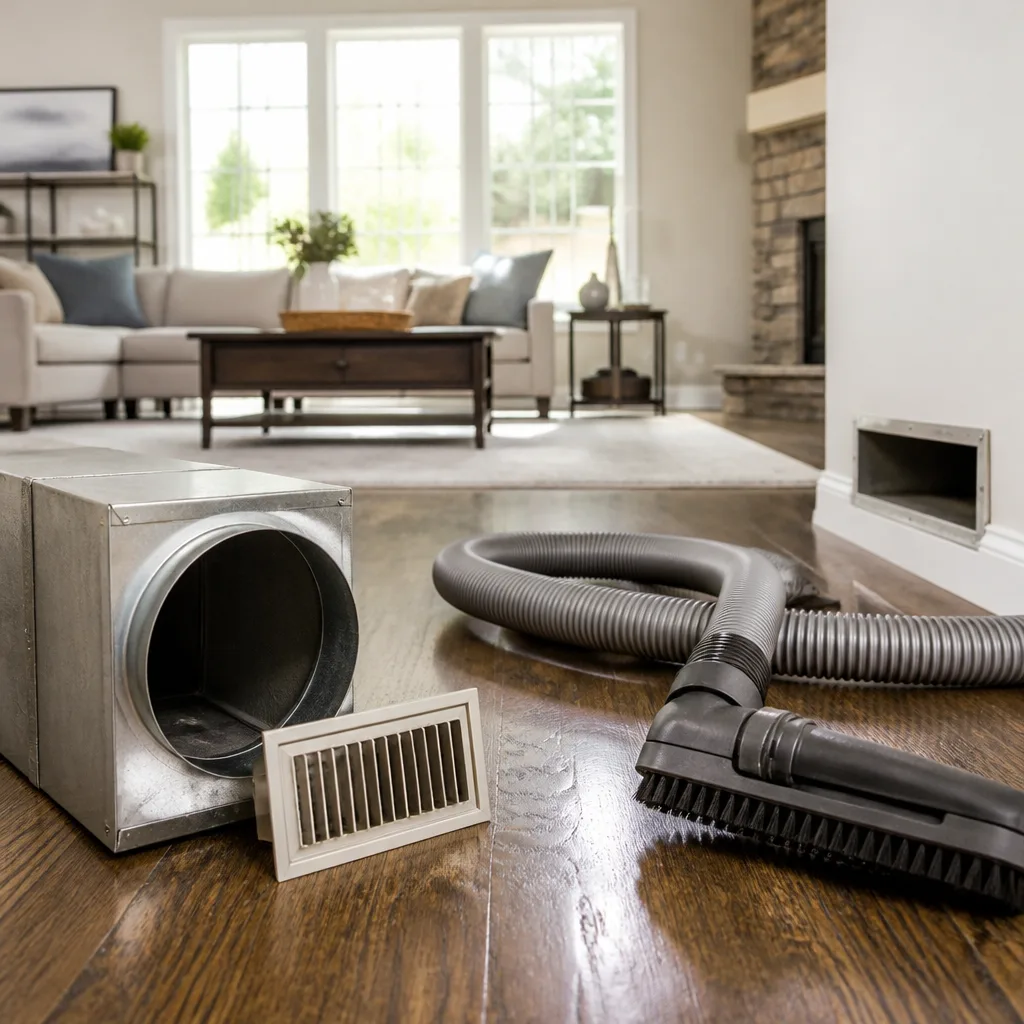
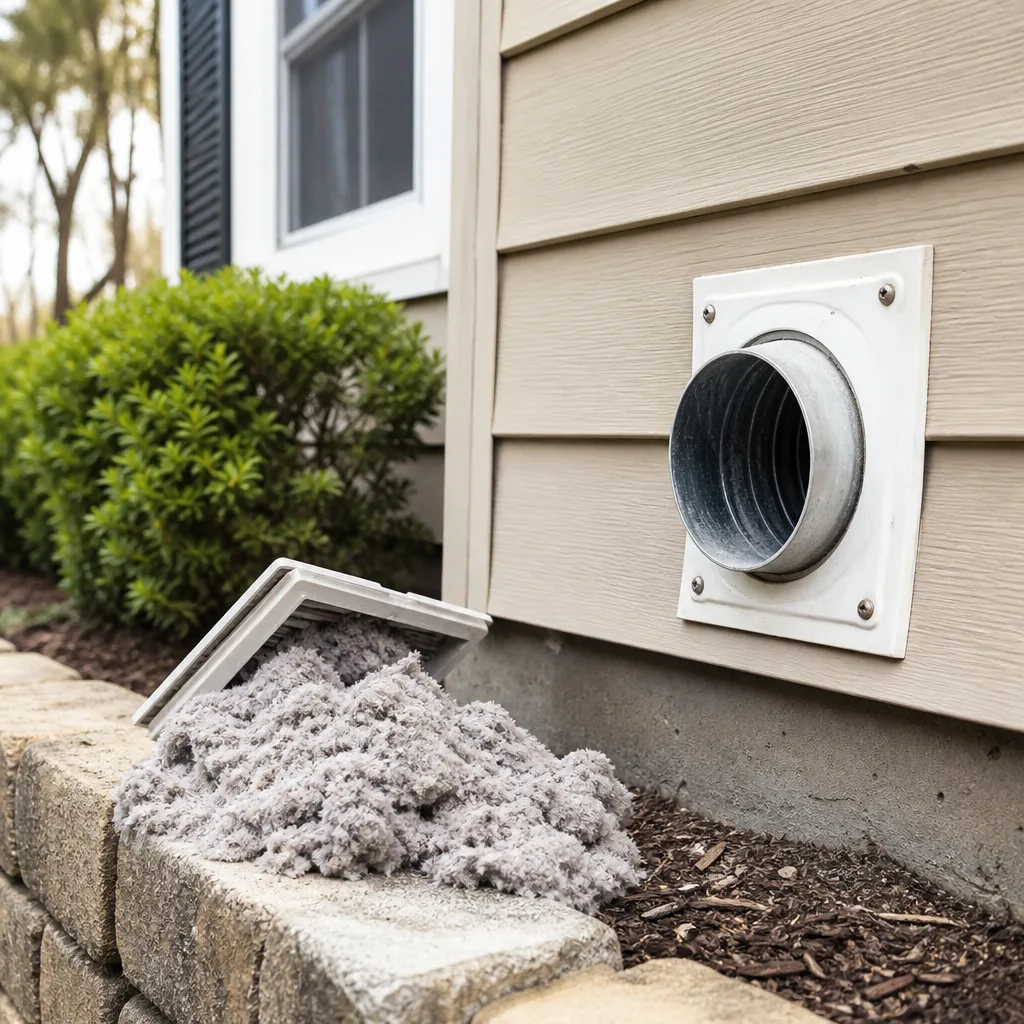
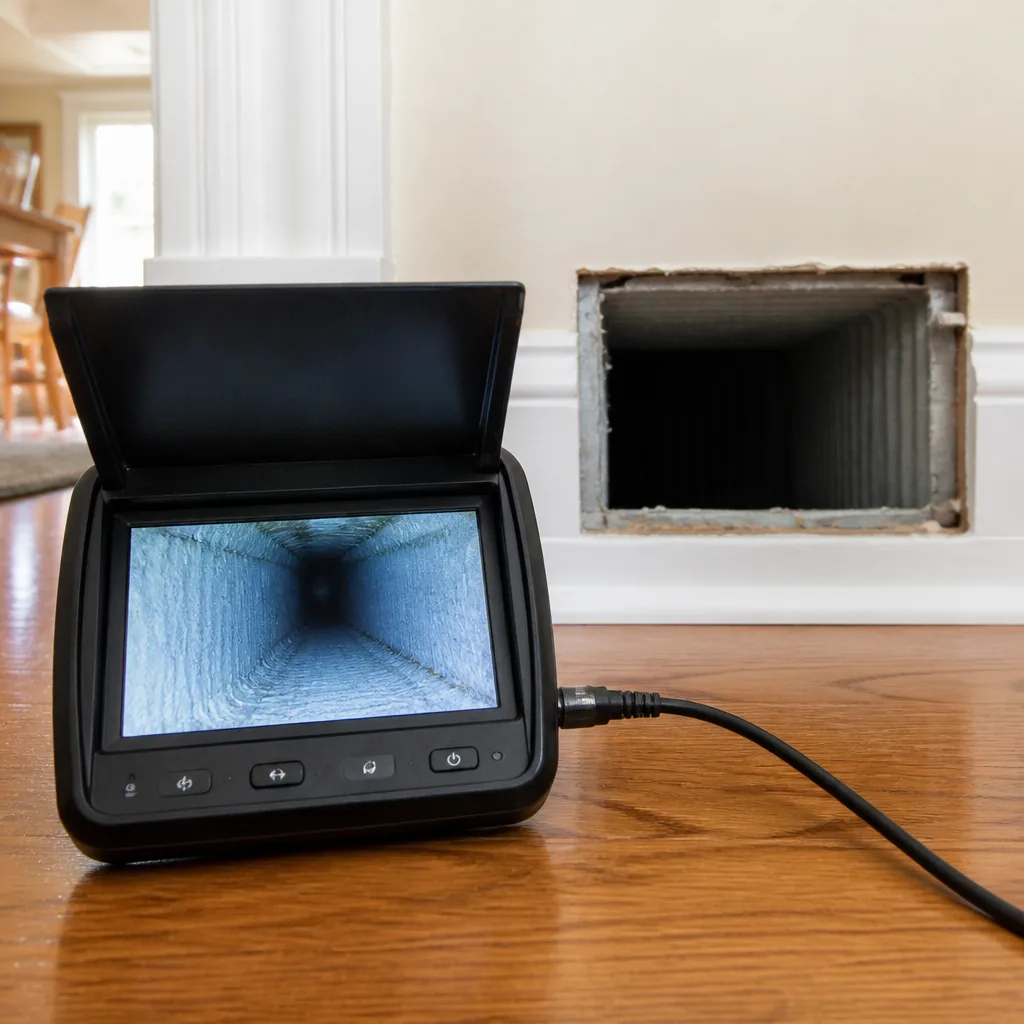
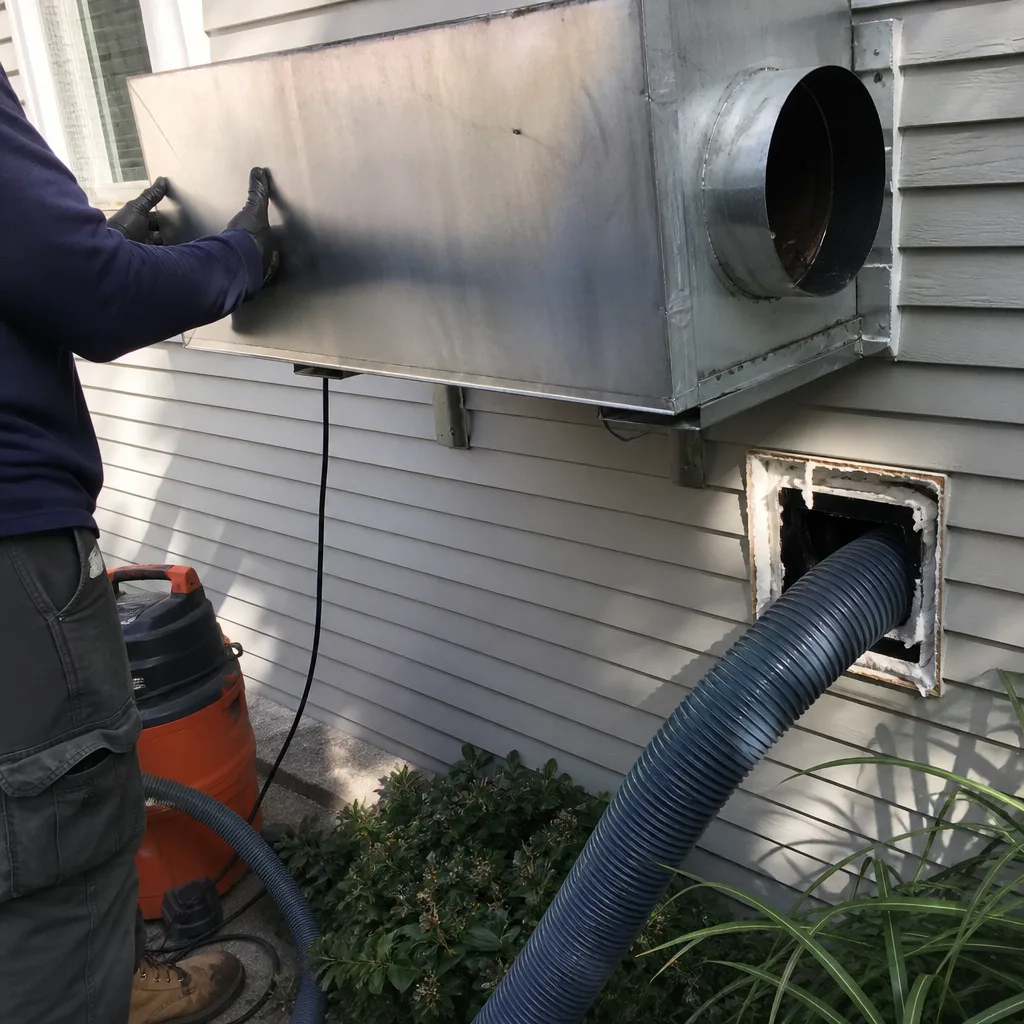
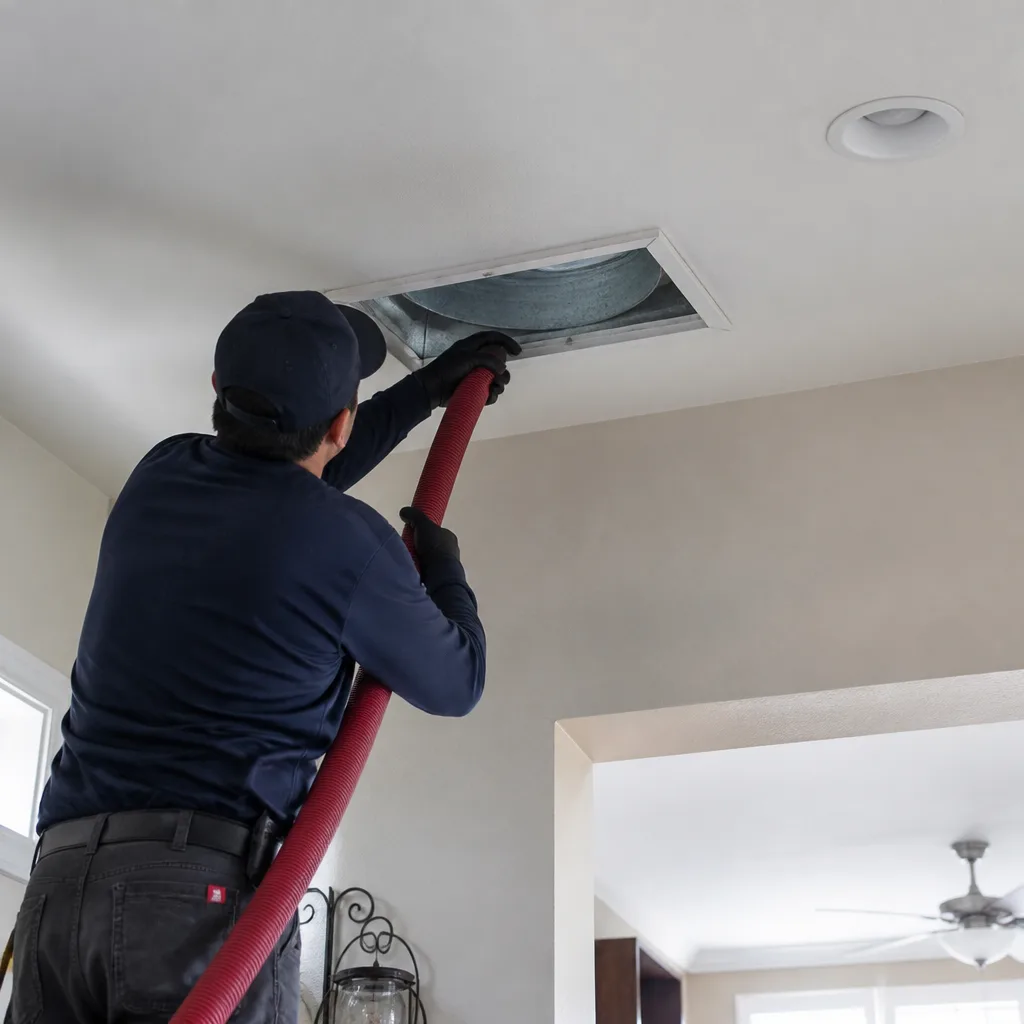
Whole-system duct and dryer vent check with before-and-after photos - you see exactly what came out of your vents
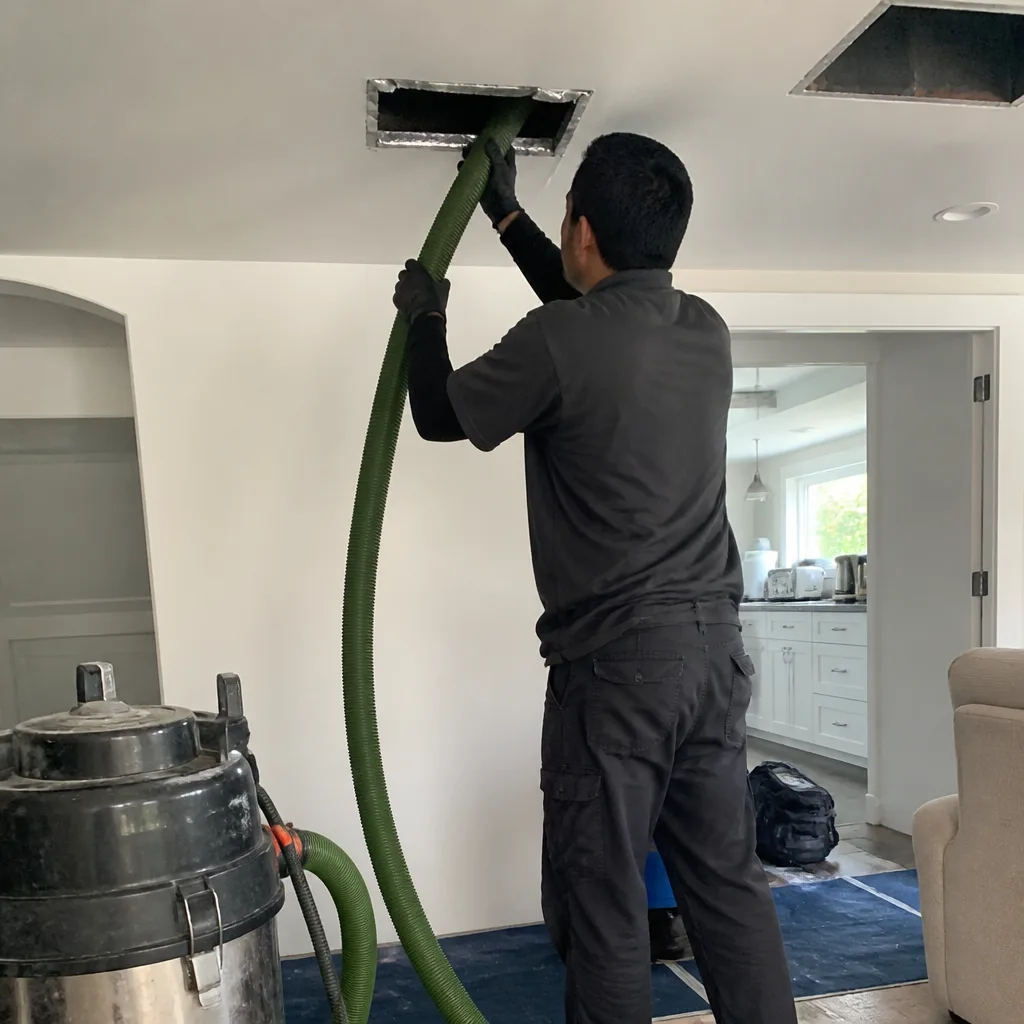
That "$99 whole-house special" is a bait ad - the real number appears once they are in your hallway, or the "clean" is a shop-vac at the register. We photograph the inside of your ducts before and after instead.

 Before
 After
After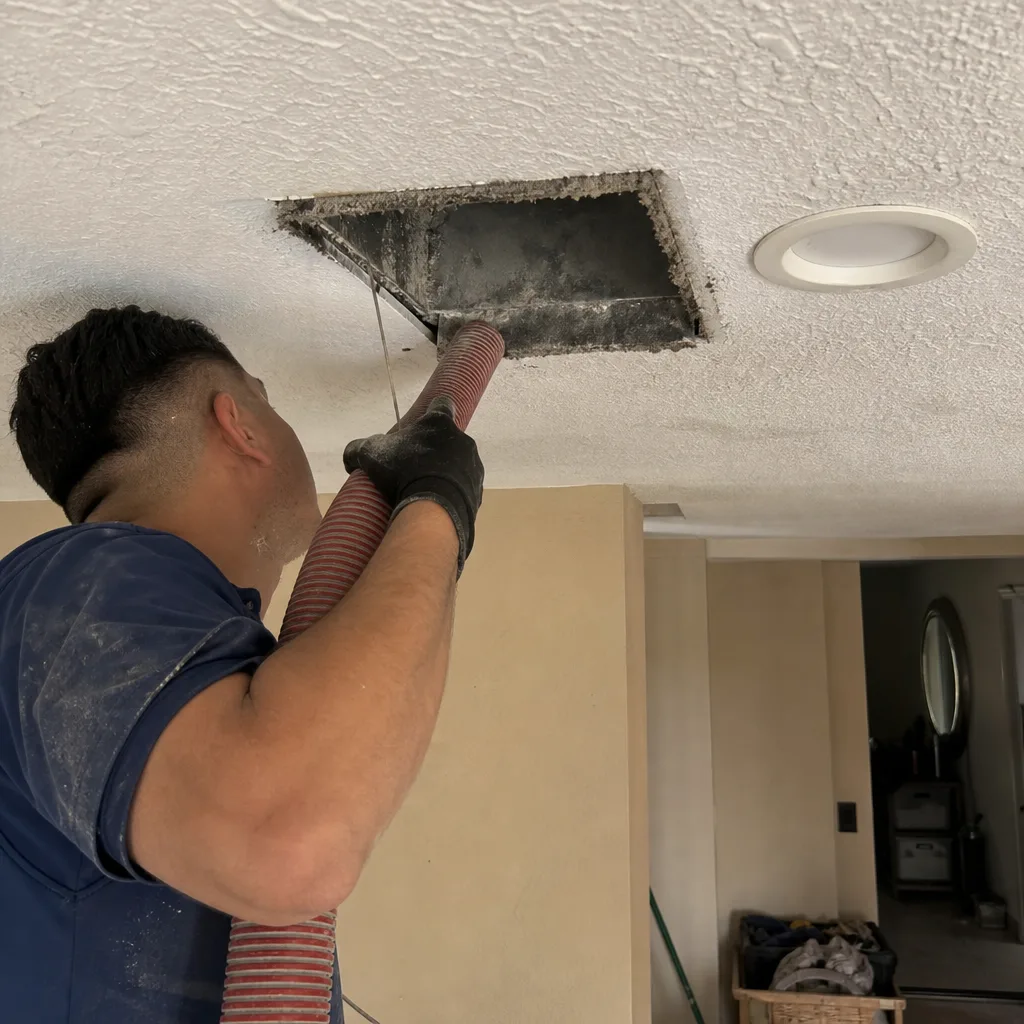 Before
 After
After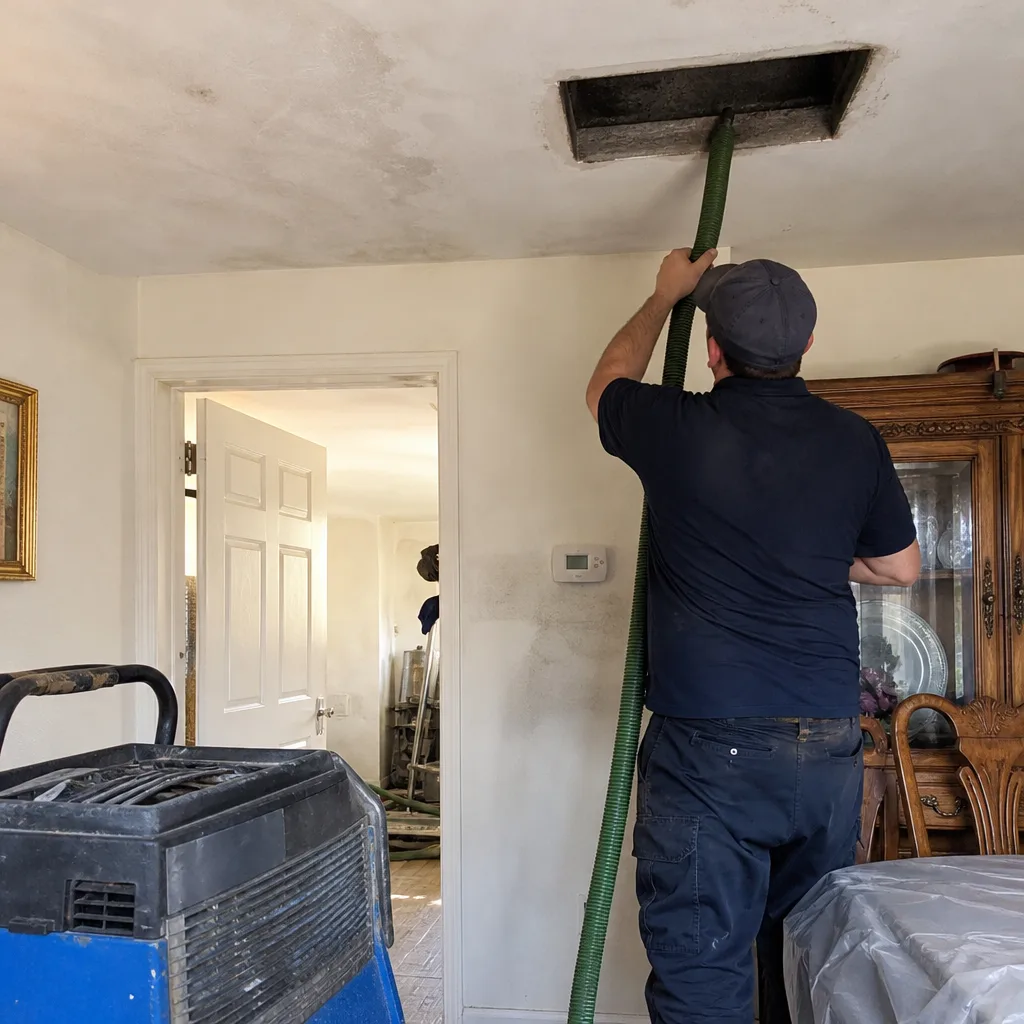 Before
 After
AfterRooms that never get enough air
What’s Happening
When one or more rooms in your home consistently feel starved of air, the most common cause is a restriction somewhere in the duct system – either a blockage, a leak, or a collapsed section that’s cutting off the airflow before it reaches the register. This is not a thermostat problem and it’s rarely the equipment itself. The fix almost always lives inside the ducts.
Your HVAC system is designed to push a calculated volume of air to every room in the house. When that balance breaks down, the rooms furthest from the air handler – or the ones at the end of a long duct run – are the first to suffer. You’ll notice them staying stuffy in summer and cold in winter no matter how long the system runs. The unit works harder, your energy bill climbs, and the problem doesn’t resolve on its own. It gets worse as debris, damage, or disconnected joints compound over time.
Why It Happens
Clogged or heavily restricted ducts
Dust, pet hair, dander, and construction debris build up inside ductwork over years of normal use. When the accumulation gets thick enough, it narrows the airway the way a kinked garden hose reduces water pressure. You can get a rough sense of how bad it is by pulling a register cover and shining a flashlight down the duct – if you see a visible layer of grey-brown material caked on the walls, the duct is restricting flow. Don’t stick your hand or any tool into the duct yourself; let a technician assess the full run.
Disconnected or collapsed duct sections
Flexible ductwork – the silver accordion-style tubing common in attics and crawlspaces – can sag, kink, or pull apart at the joints over time. When a section separates, the conditioned air you’re paying to heat or cool dumps into the attic or crawlspace instead of the room. A strong clue: if the problem room is above or below an unconditioned space, pull back any accessible insulation around the duct runs and look for a gap or a section lying flat on the floor of the attic. Do not enter a crawlspace or attic yourself if it’s not well-lit and safely accessible – this is a job for a trained technician who knows what to look for.
Leaky duct seams
Even ducts that haven’t fully separated can lose a significant fraction of their airflow through small gaps at joints and seams. You probably can’t see a small seam leak, but you can feel for it: on a hot or cold day, hold your hand near the junction points where duct sections connect in any accessible area. A noticeable puff of air in an unconditioned space means the air that was supposed to reach your room is escaping there instead. Duct sealing closes those gaps permanently.
Closed, damaged, or undersized dampers and registers
Every supply register has a small lever or tab that opens and closes the damper. It sounds obvious, but they get bumped partially closed by furniture moves, cleaning, or kids. Check every register in the problem room and the rooms near it – make sure the lever is fully open and the cover isn’t blocked by a couch, rug, or drapes. If all registers are open and the flow still feels weak compared to other rooms, the issue is almost certainly further back in the duct run itself.
What to Do Right Now
- Check every register in the affected room. Confirm the damper lever is fully open. Move any furniture or rugs that might be sitting directly over a floor register. This takes two minutes and occasionally solves the problem outright.
- Swap or check your air filter. A choked filter at the air handler reduces airflow to the whole system and amplifies weak spots. Pull the filter, hold it up to a light source, and replace it if little light passes through. Write the replacement date on the new filter’s frame.
- Take a phone video of each problem register. Hold a tissue near the register when the system is running and film how it moves – or doesn’t. This footage helps a technician understand the severity before they open anything up.
- Note whether the problem is seasonal or year-round. A room that’s bad in summer but acceptable in winter can point toward specific duct sections used more heavily by one system. Write down when you first noticed it and whether it’s gotten worse.
- Do not attempt to reach into ductwork, cut open walls, or access attic duct runs yourself. Older systems can have sharp sheet-metal edges inside the ducts. Attic and crawlspace duct work runs near electrical wiring and, in some homes, near gas flues. Stop at what you can see safely from floor level and call a professional for anything beyond that.
How We Fix It
When your local Hollis Air Duct Cleaning team arrives, the technician starts with a system assessment – walking the supply and return runs, checking static pressure, and identifying where the airflow loss is actually happening. That inspection drives everything else.
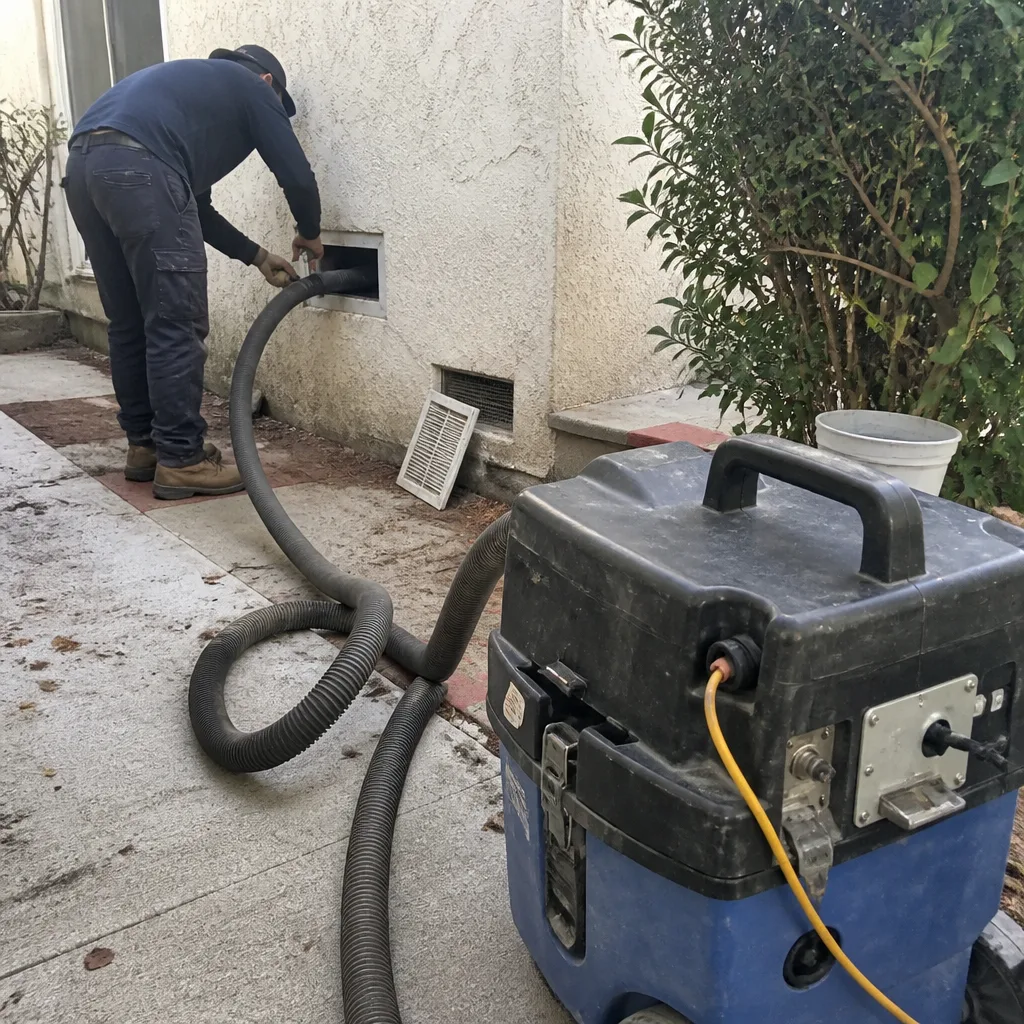
If the problem is accumulated debris restricting the ducts, we clean the system using Rotobrush rotary brush equipment paired with Nikro negative-air machines. The rotary brush breaks the buildup loose from the duct walls; the negative-air machine pulls it out under controlled suction so it doesn’t redistribute into the living space. On a typical home this takes two to four hours.
If the assessment reveals disconnected sections or leaking seams, duct sealing is added to the scope. We use mastic or appropriate sealing compound on the problem joints – not tape, which degrades – and verify the repair before leaving.
The price for your specific job is written down before any work starts, in line with The Garrison Standard. The completed work is covered by the 365-Day Done Right Promise: if it fails within a year, we come back and make it right at no charge.
Frequently Asked Questions
It can wait a short time without an emergency, but restricted airflow is actively stressing your HVAC system every hour it runs. When the equipment works harder to compensate for poor airflow, it cycles longer, wears sooner, and uses more energy doing it. A duct problem that goes unaddressed for a season often costs more to resolve than one caught early – and the equipment damage it causes along the way isn’t covered by an HVAC warranty. If you’re noticing the symptom, it’s already overdue. Call (361) 326-5060 and get it assessed before it compounds.
If every room in the house feels weak, the equipment itself is the more likely culprit – a low refrigerant charge, a failing blower motor, or a dirty evaporator coil. But when the symptom is specific to one or two rooms while others feel fine, the distribution system – the ducts – is almost always where the problem lives. An HVAC technician and a duct cleaning technician are asking different questions; we focus on what’s happening inside the duct runs from the air handler to the register.
We don’t publish a flat price here because the scope varies: the size of the system, the number of supply and return runs, and whether duct sealing is needed all affect the final number. What we do is give you a written price before any work starts – no estimates that shift once the technician is inside. Call (361) 326-5060 and your local Hollis team will set up an assessment and put the quote in writing before anything begins.
Air duct cleaning is a scheduled service – the technician needs enough time to do the job properly, which means we book appointments rather than dispatch on the fly. Call (361) 326-5060 and a live person will answer – no voicemail, no callback queue – and find the earliest available appointment that works for you. Our phones are answered around the clock, so you’re not waiting until Monday to get on the calendar.
Get It Fixed
Call (361) 326-5060 – a live person answers around the clock. Your local Hollis Air Duct Cleaning team will schedule the assessment, put the price in writing before any work begins, and back the job with the 365-Day Done Right Promise. You can also book online if that’s easier. Either way, we’ll get it sorted.
Written by Roy Castellanos, Owner at Hollis Air Duct Cleaning, part of the Garrison Partners family since 2004.
What Our Customers Say
"Sealed some leaking duct joints in the crawl space with mastic. Rooms that were always cold now get air."
- Ronald W."Dryer vent was packed with lint and took two hours to dry a load. Cleaned it out from the roof cap down. One cycle again."
- Paula Q."No sales pitch. Told me which parts of the system were fine and only cleaned what needed it."
- Ted L.