
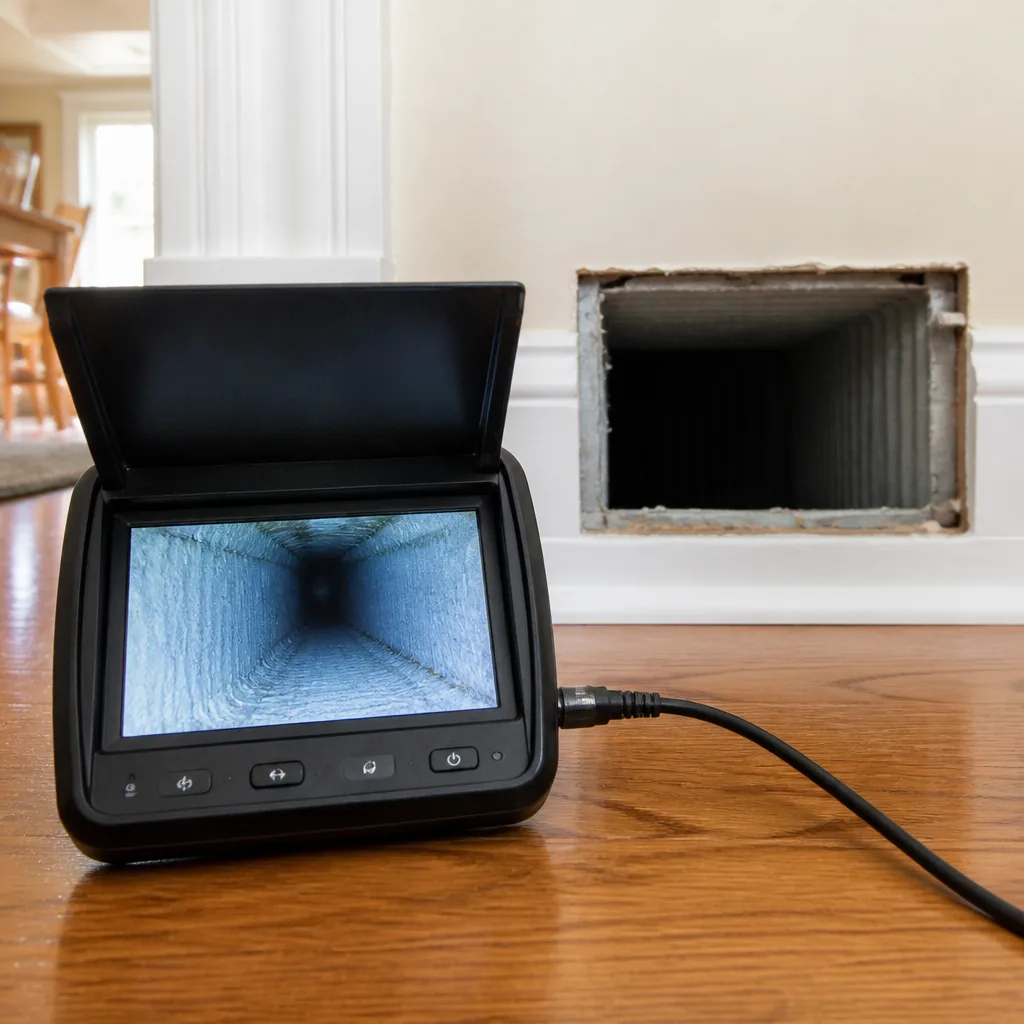
Whole-system duct and dryer vent check with before-and-after photos - you see exactly what came out of your vents
That "$99 whole-house special" is a bait ad - the real number appears once they are in your hallway, or the "clean" is a shop-vac at the register. We photograph the inside of your ducts before and after instead.
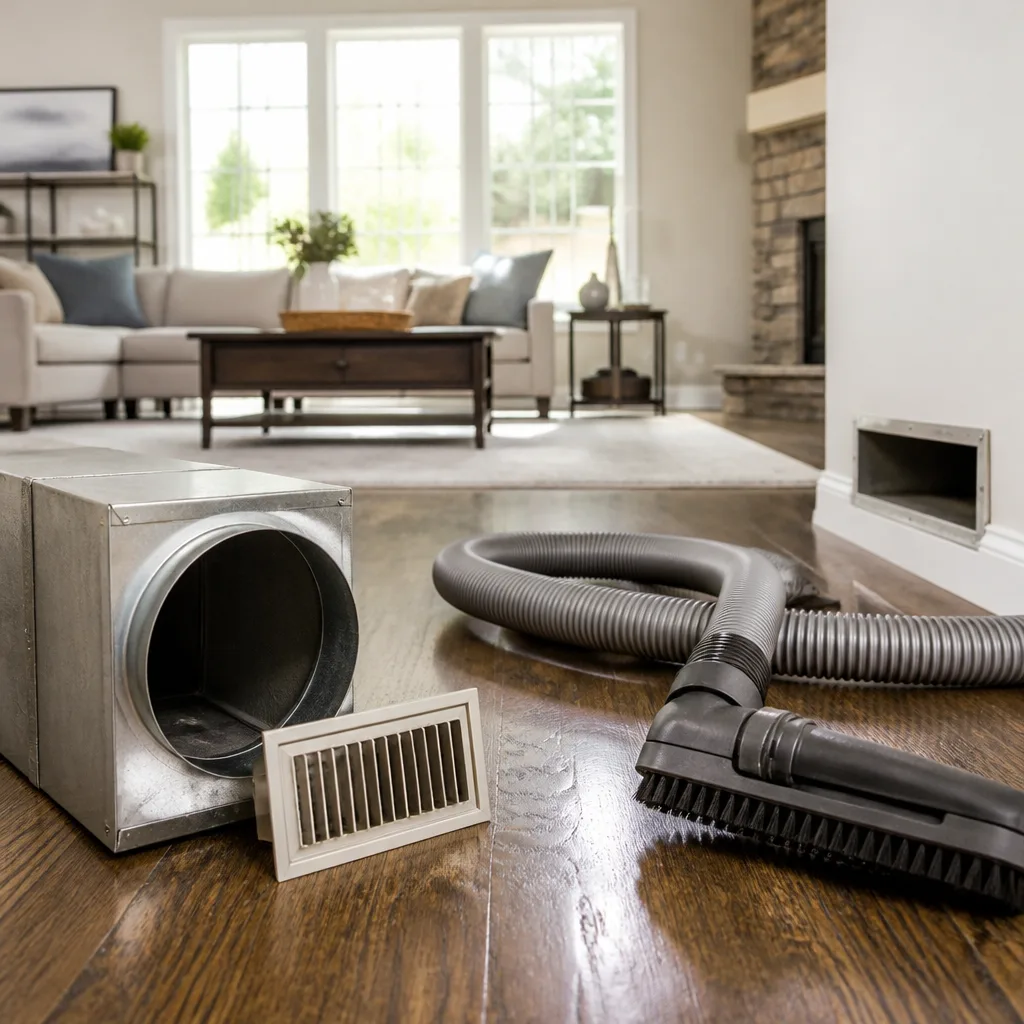

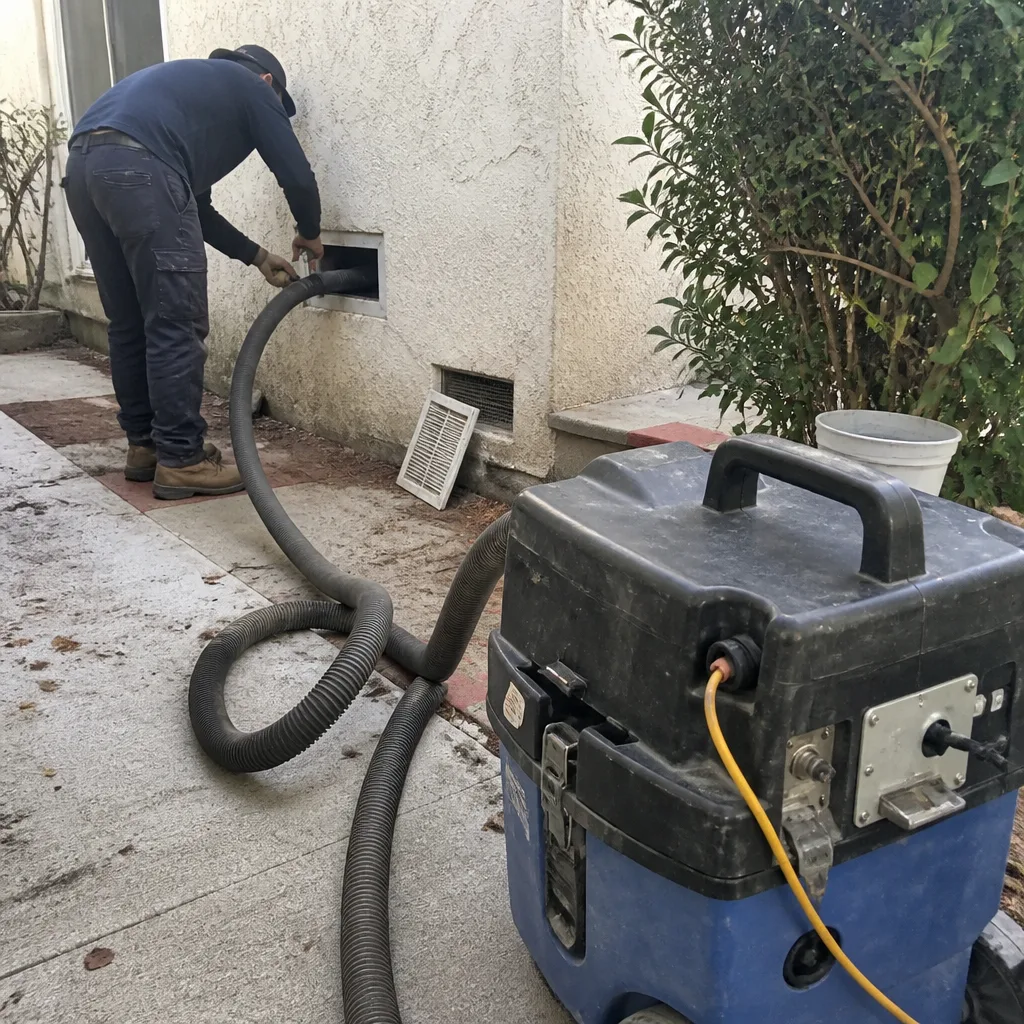 Before
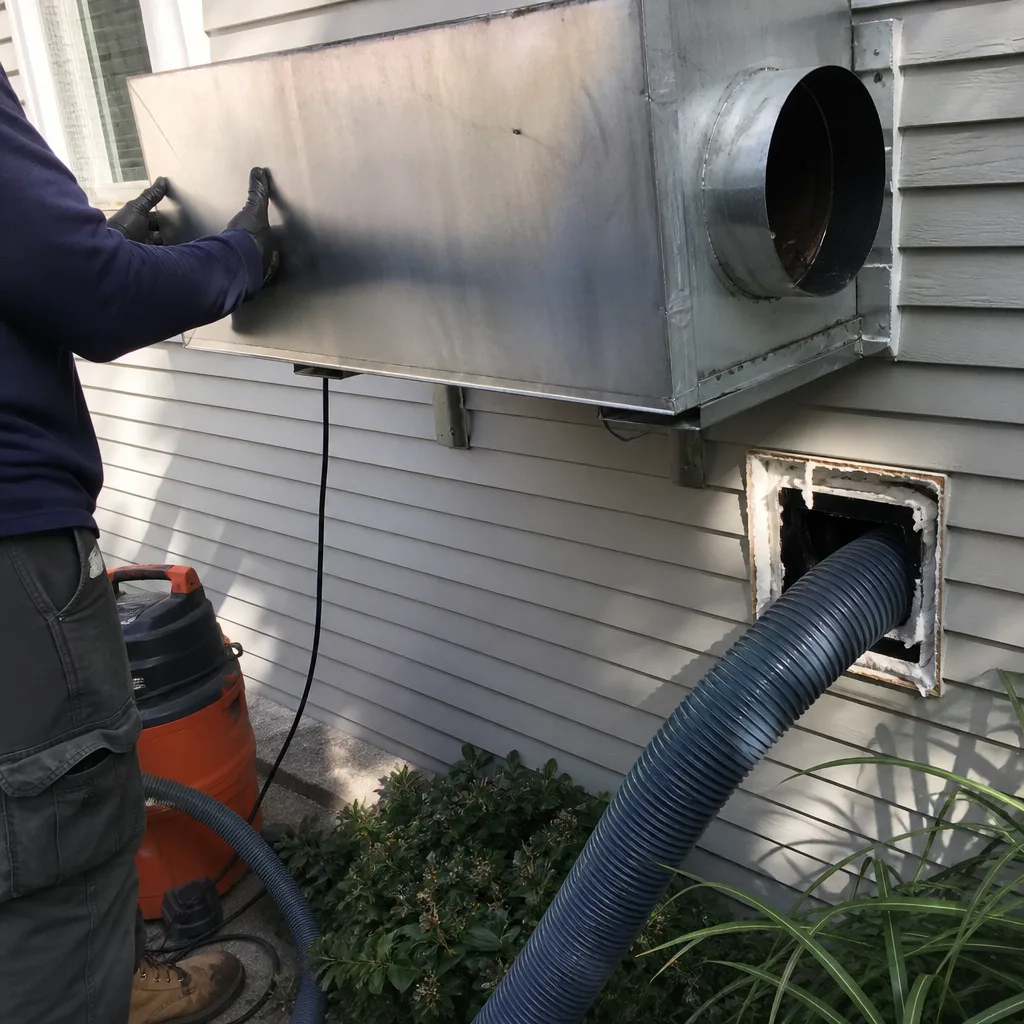 After
After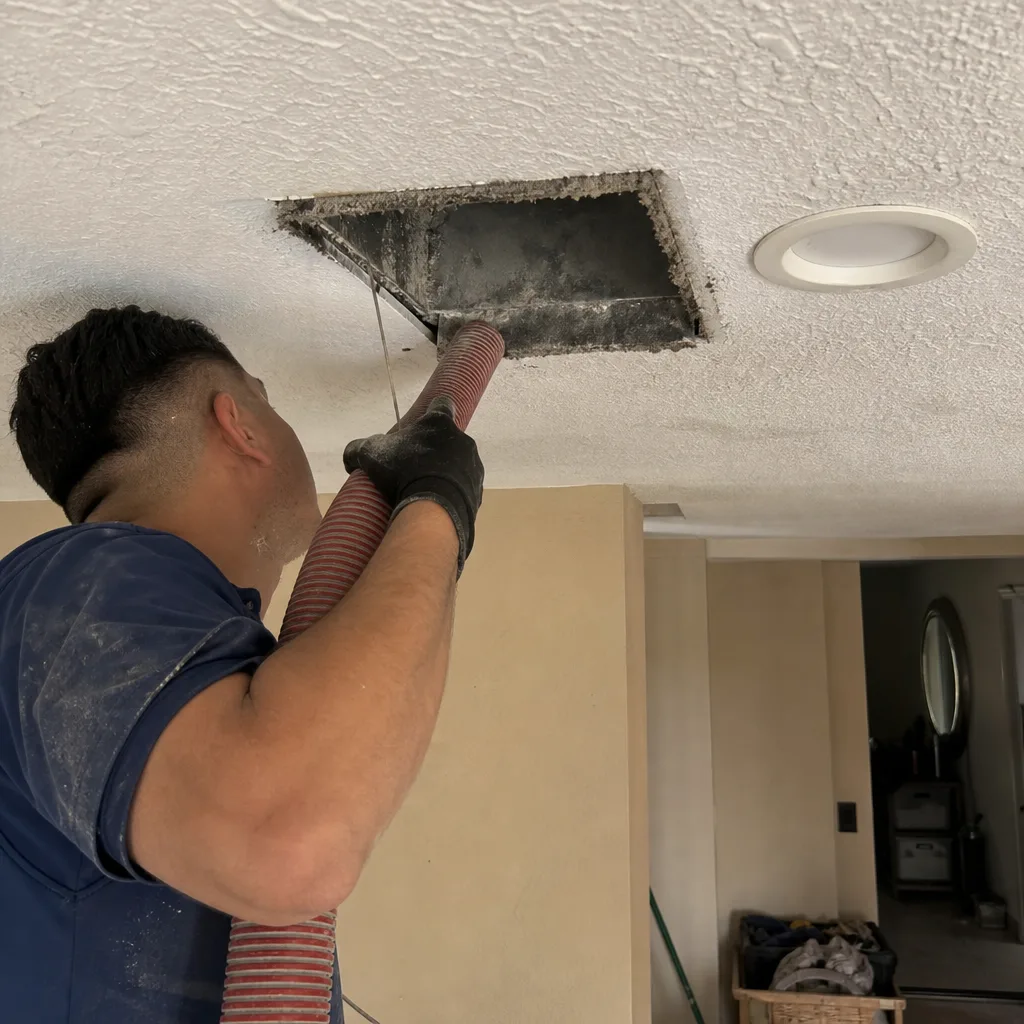 Before
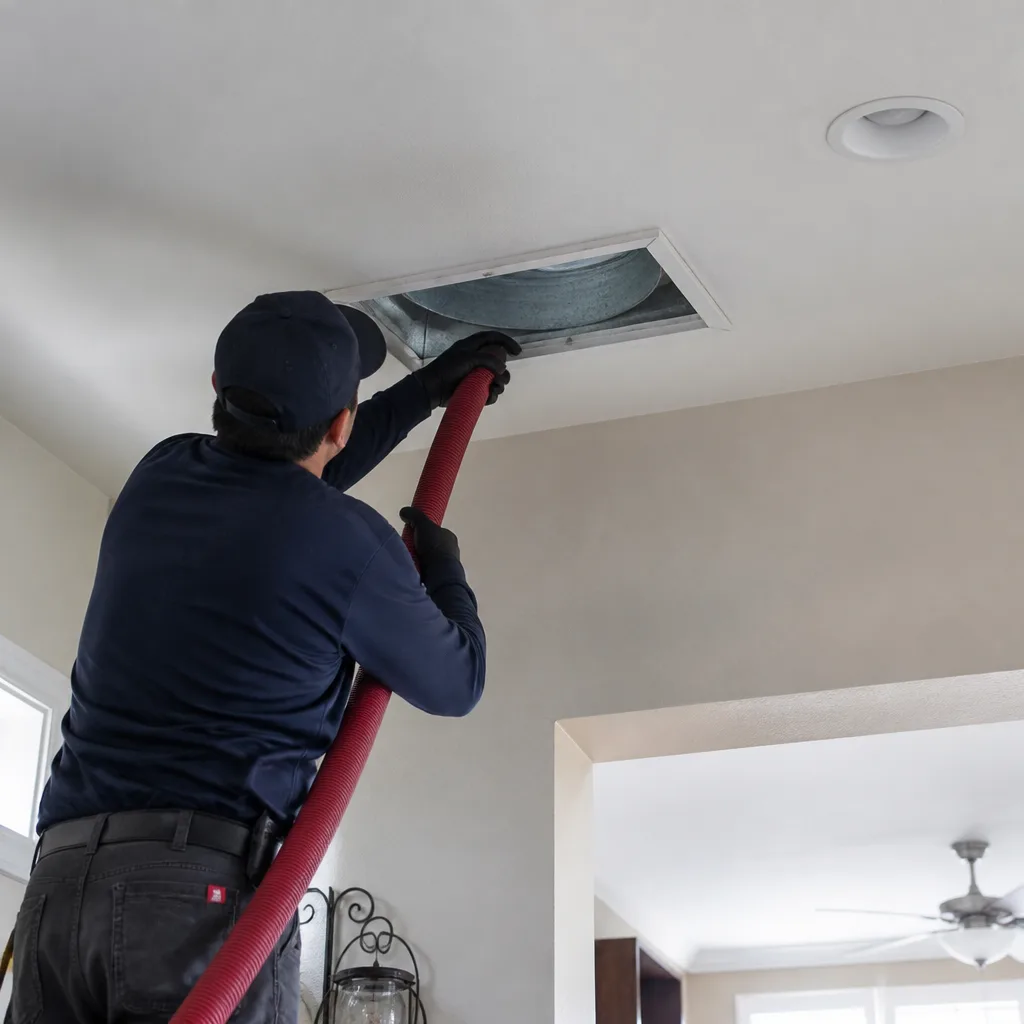 After
After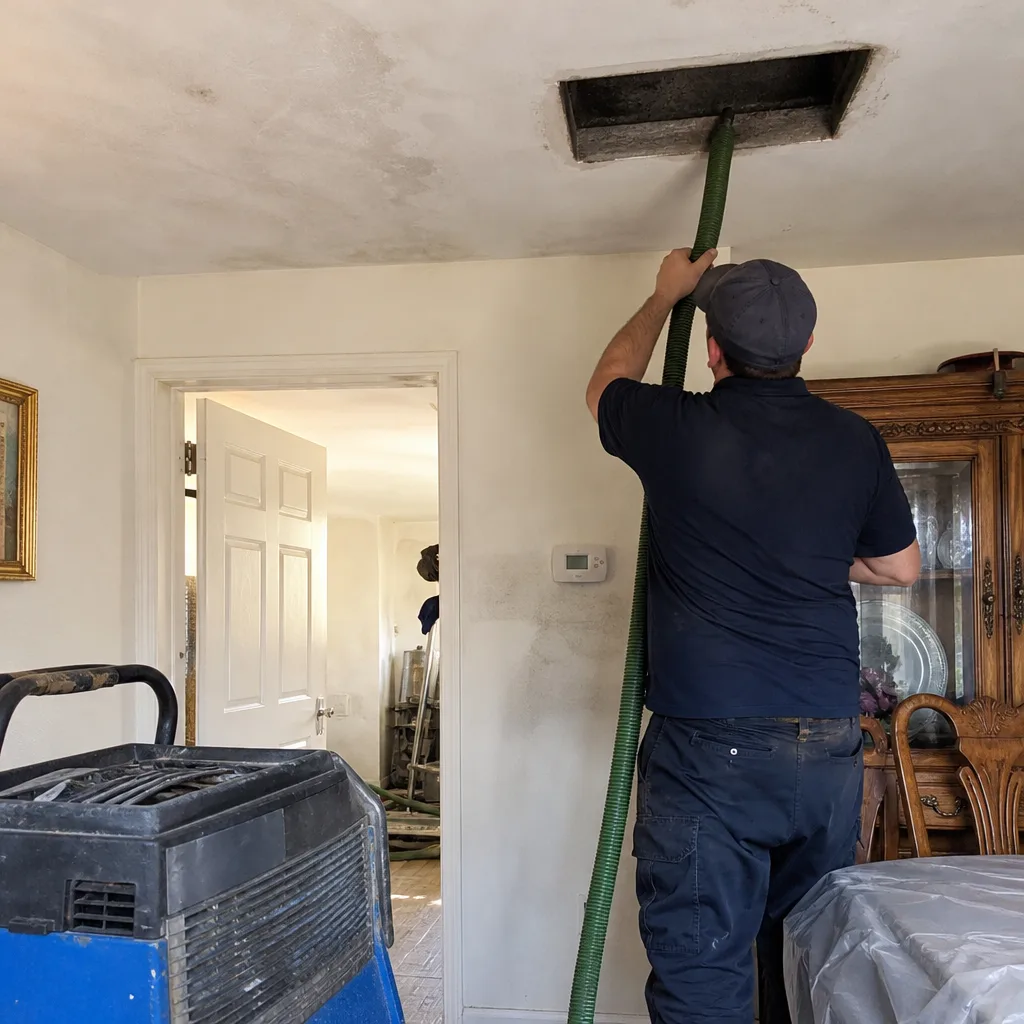 Before
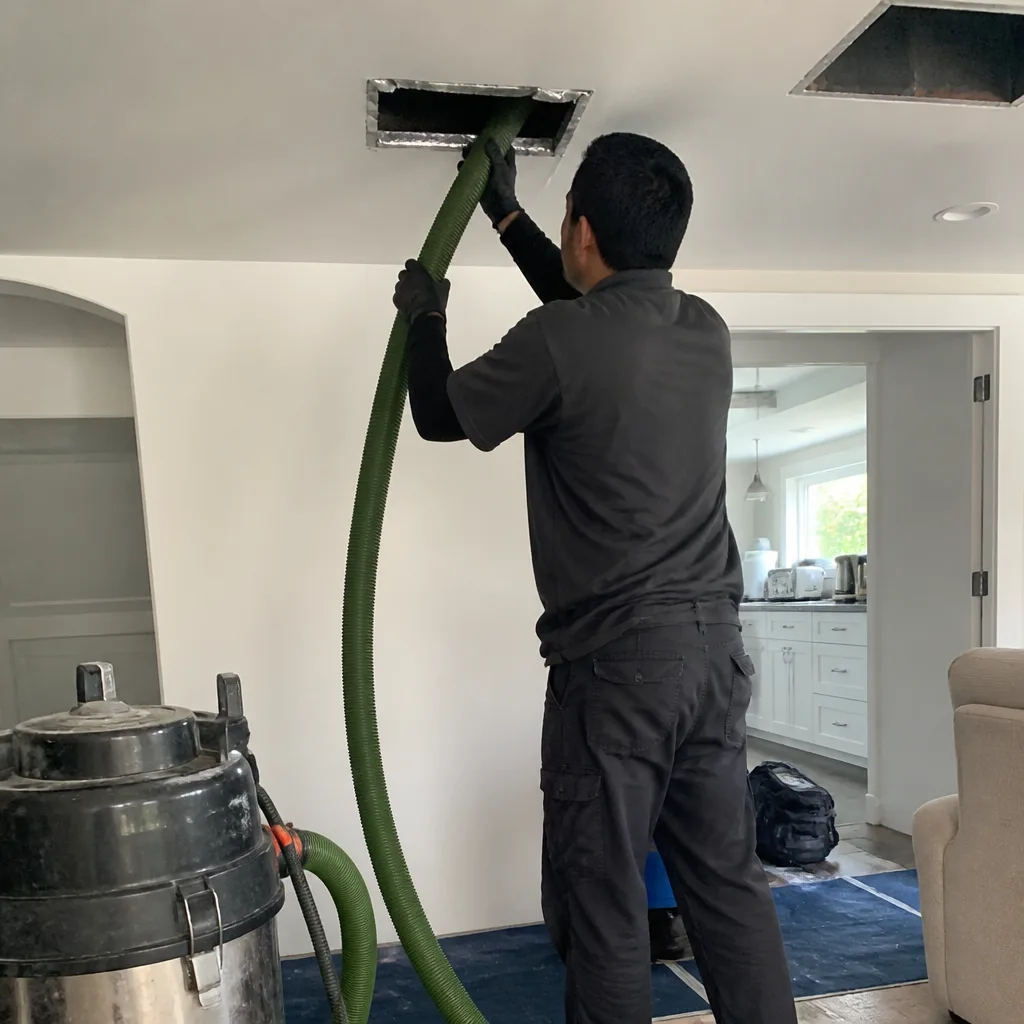 After
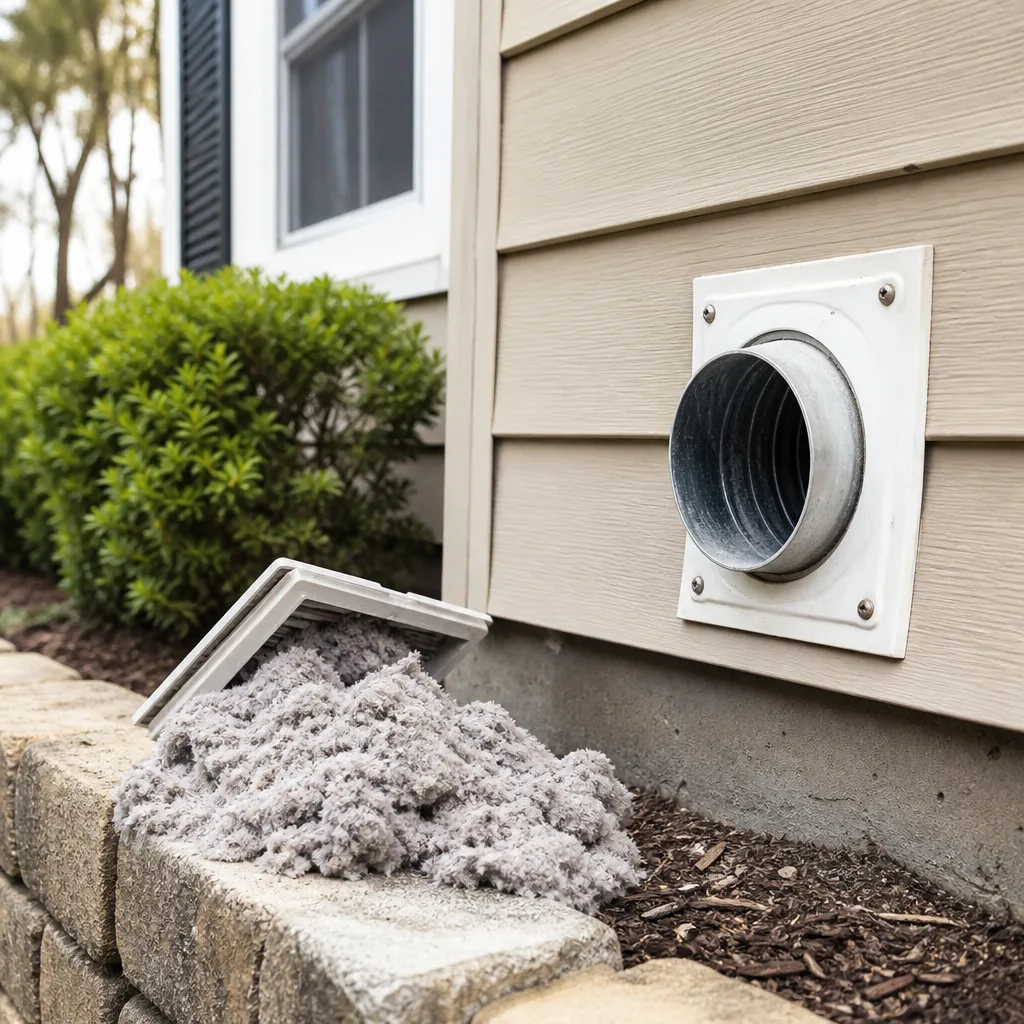
AfterLint Building Up Around the Outside Vent
You noticed it walking past the side of the house, or maybe the dryer took forever to dry a single load and you went looking for a reason. Either way, you found lint packed around the outside vent, and that is not normal. Here is what it means and what to do about it.
What’s Happening
Lint building up around the outside vent almost always means your dryer vent is partially or fully blocked. When airflow through the duct is restricted, lint that should be pushed outside backs up and accumulates at the hood instead of clearing it. This is one of the most common warning signs your dryer vent needs professional cleaning.
The dryer pushes hot, moist air – and the lint that rides with it – out through a duct that runs from the back of the machine to an exterior wall or roof cap. When that duct is clear, lint exits with the airflow and disperses outside. When the duct is clogged, airflow slows. Lint starts stacking up at the exit point because there is nowhere else for it to go. You see it collecting around the vent cover, in the louvered flaps, or on the siding nearby. The dryer is telling you, as clearly as it can, that something is wrong with the path air is supposed to travel.
Why It Happens
Lint Buildup Inside the Duct Run
This is the most common cause by a wide margin. Lint fibers that get past the dryer’s lint trap accumulate on the interior walls of the vent duct over time, slowly narrowing the passage. You can often tell this is the culprit if your dryer is running longer than it used to – two cycles to finish one load is a reliable sign – and if the laundry room feels warmer than it should while the machine is running.
A Damaged or Stuck Vent Hood Flap
The flap at the outside vent is designed to open when the dryer runs and close when it stops. If the flap is bent, clogged with debris, or held shut by a deteriorated spring, airflow backs up even if the duct itself is relatively clean. Look at the outside vent while someone runs the dryer indoors – the flap should swing open visibly. If it barely moves or stays shut, that flap is part of the problem.
A Crushed or Kinked Flex Duct Behind the Dryer
Many dryers connect to the wall with a short run of flexible duct. If the dryer was pushed back against the wall without enough clearance, that flex section can kink or collapse, creating a near-total blockage. Pull the dryer out a few inches and look at the flexible duct section. A sharp bend or visible crush point is easy to spot and tells you exactly where the restriction is.
Nesting or Debris Blockage at the Hood
Birds and small animals sometimes build nests just inside or directly against an exterior vent hood, especially in spring and early summer. Spiders, wasp nests, and compacted outdoor debris can do the same. If the lint buildup appeared quickly – over days rather than months – and the dryer is still performing reasonably well, a physical obstruction at the hood itself is worth checking from outside before assuming the whole duct run is blocked.
What to Do Right Now
- Stop using the dryer until you know it is safe. A blocked vent duct is a fire hazard. The lint accumulating in and around the duct is flammable, and a dryer running without proper airflow can overheat. Use this as a hard stop, not a soft suggestion.
- Take a photo of the outside vent – close up and from a step back so the technician can see the hood style, the extent of lint accumulation, and whether the flap looks intact. This helps your local Hollis Air Duct Cleaning team arrive with the right tools.
- Check the lint trap and the area around it. If the trap is packed solid or if there is lint visible in the trap housing below the screen, the system has been running overwhelmed for a while. Note what you see – it is useful information.
- Look at the flex duct behind the dryer without disconnecting anything. Pull the machine out slightly and see if there is an obvious kink or crush. Do not attempt to reconnect or replace duct sections yourself – improper connections at the duct joints are a fire risk and need to be done correctly.
- Do not try to rod or brush the duct yourself with a shop vac or an improvised tool. Pushing lint deeper into the duct, or dislodging a bird nest without controlling where the debris goes, makes the job harder and can damage the duct liner. Leave the clearing to equipment built for it.
How We Fix It
When your local Hollis Air Duct Cleaning team arrives, the first thing the technician does is walk the full vent path – from the dryer connection at the wall through to the exterior hood – to understand the layout and locate any secondary restrictions before touching anything. Then you get a written price. That number does not move once work starts; that is how every Hollis job works.
The cleaning itself uses professional-grade rotary brush systems from Rotobrush and Nikro negative-air equipment to break up and extract compacted lint from the full length of the duct, not just the accessible section near the dryer. The exterior hood is inspected, cleaned, and confirmed to be opening and closing correctly. The technician checks the dryer connection, confirms airflow is restored, and runs the machine briefly to verify before packing up.
The service that resolves this is Dryer Vent Cleaning, and on a straightforward residential job it typically takes under an hour. The work is covered by the 365-Day Done Right Promise – if it fails within a year, Hollis comes back and makes it right at no charge. That is in writing on the job, not just on this page.
Frequently Asked Questions
It is genuinely dangerous and should not wait. A blocked dryer vent is one of the leading causes of residential dryer fires – the lint that has backed up into and around the duct is highly flammable, and a dryer running without proper airflow generates enough heat to ignite it. Stop running the dryer until the duct is cleared. Call (361) 326-5060 and your local Hollis team will get you scheduled.
Call (361) 326-5060 and a live person will answer – no voicemail, no callback queue. Your local Hollis Air Duct Cleaning team will tell you what availability looks like and get you on the schedule as quickly as possible. Dryer vent cleaning is a straightforward job once it is on the books.
Hollis does not publish a flat rate here because the price depends on the length of your duct run, the number of bends, the type of exterior hood, and whether any damaged sections need attention. What we can tell you is that you will have the exact price in writing before any work starts – that is non-negotiable on every Hollis job. Call (361) 326-5060 for a free written estimate.
If the technician finds a crushed flex section, a disconnected joint, or a deteriorated duct liner during the inspection, you will hear about it before any repair work begins – along with what fixing it costs and what happens if you leave it. Duct Sealing is part of the Hollis service lineup for cases where the duct itself needs attention, not just a cleaning pass. Nothing gets added to the job without your sign-off in writing first.
Get It Fixed
Lint at the outside vent is a signal your dryer vent needs professional attention now. Call (361) 326-5060 – a live person answers around the clock – or book online. Your local Hollis Air Duct Cleaning team arrives with the right equipment, puts the price in writing first, and backs the work for a full year.
Written by Roy Castellanos, Owner at Hollis Air Duct Cleaning, part of the Garrison Partners family serving communities across the country since 2004.
What Our Customers Say
"They checked each section with a camera and showed me the dust before and after. Thorough and honest."
- Nicole H."Duct sealing along with the cleaning cut our summer bill. Straight talk and fair price."
- Gwen O."Sealed some leaking duct joints in the crawl space with mastic. Rooms that were always cold now get air."
- Ronald W.