

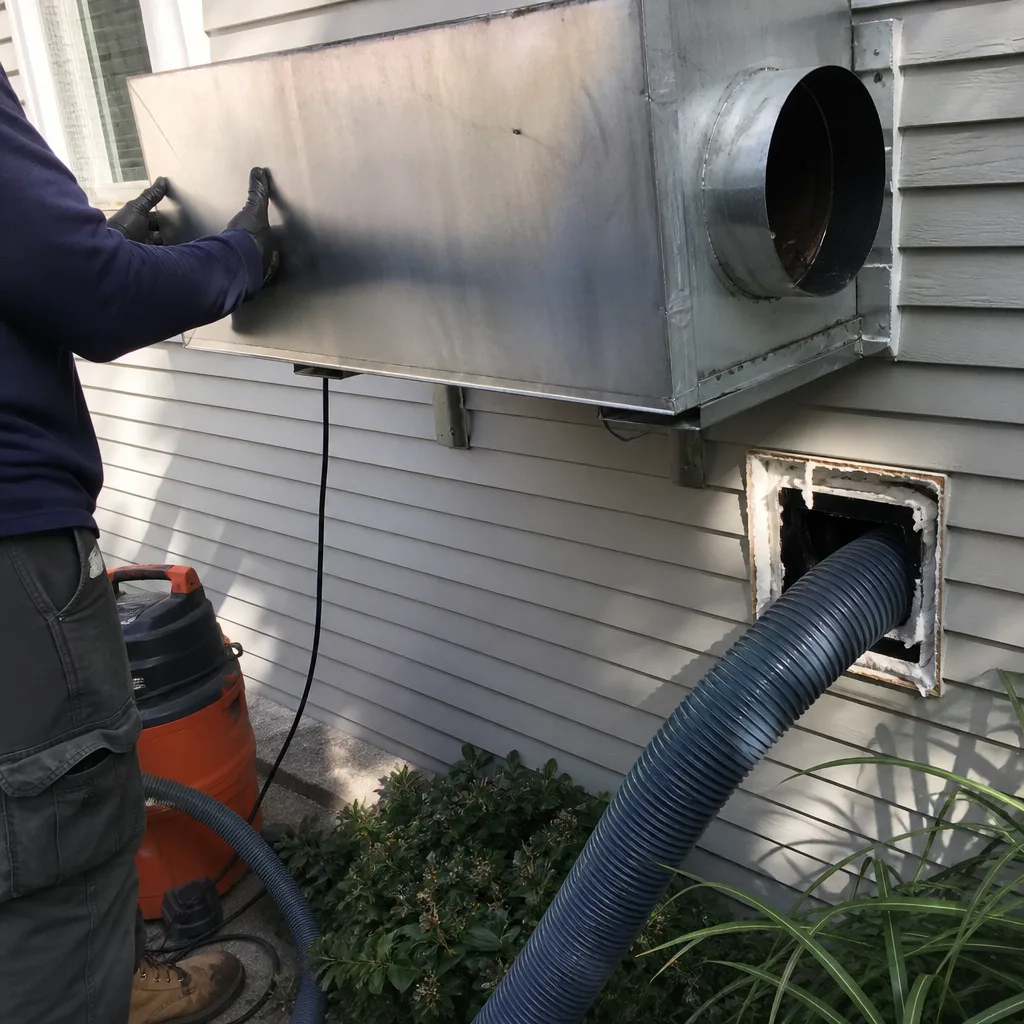
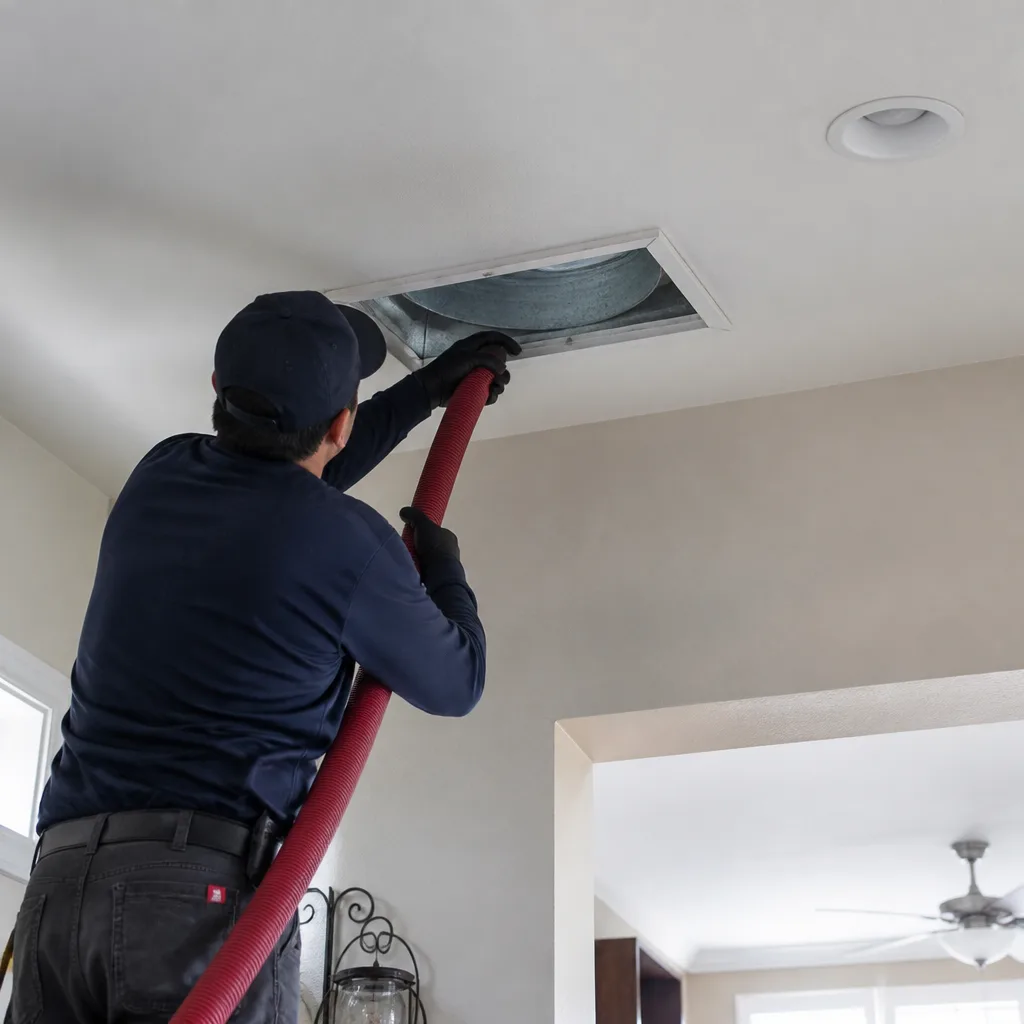
Whole-system duct and dryer vent check with before-and-after photos - you see exactly what came out of your vents
That "$99 whole-house special" is a bait ad - the real number appears once they are in your hallway, or the "clean" is a shop-vac at the register. We photograph the inside of your ducts before and after instead.
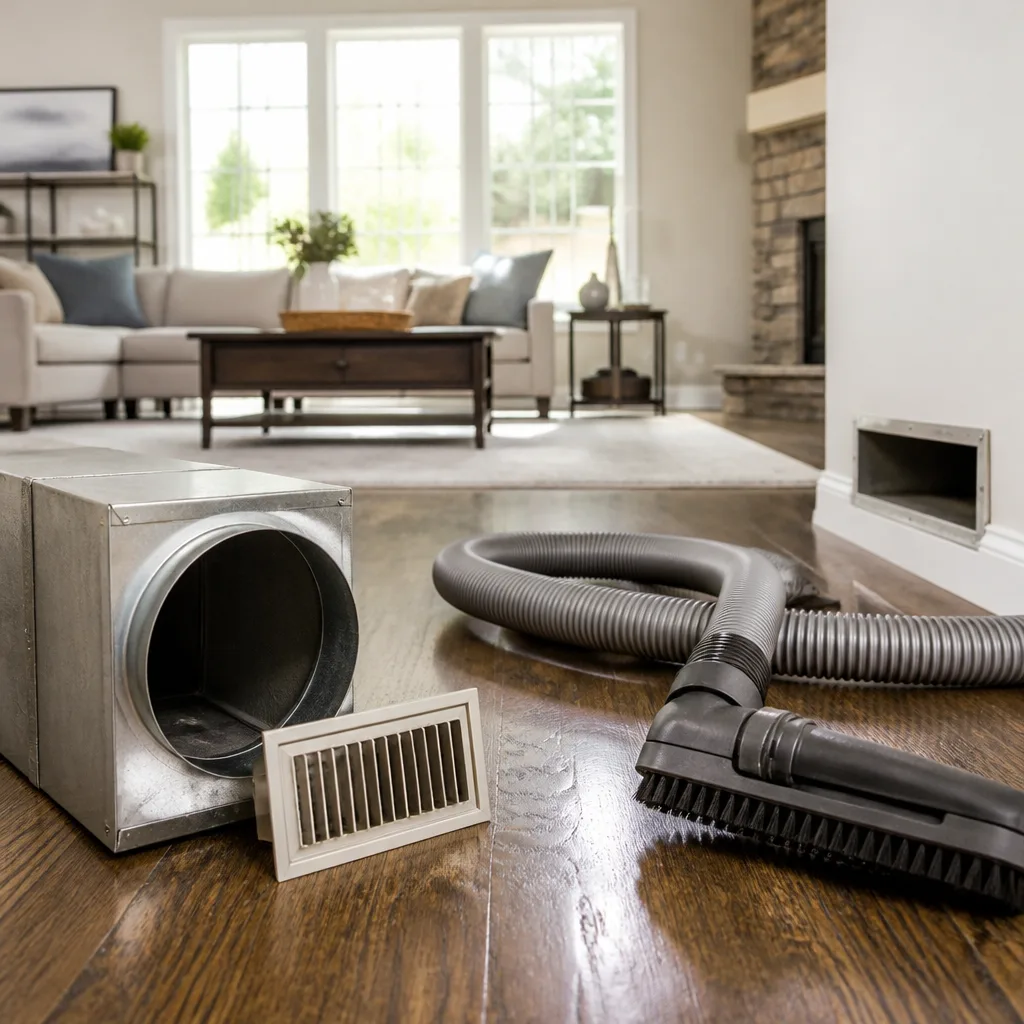
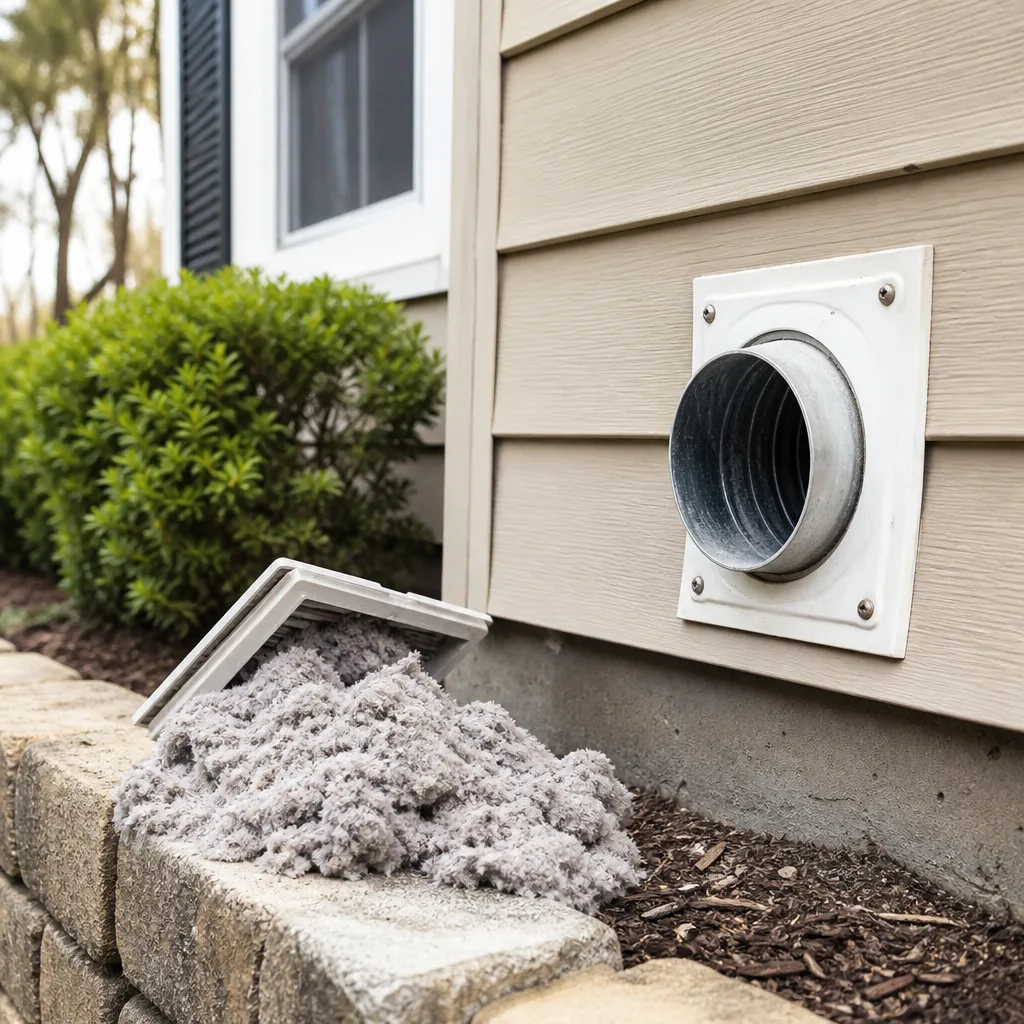
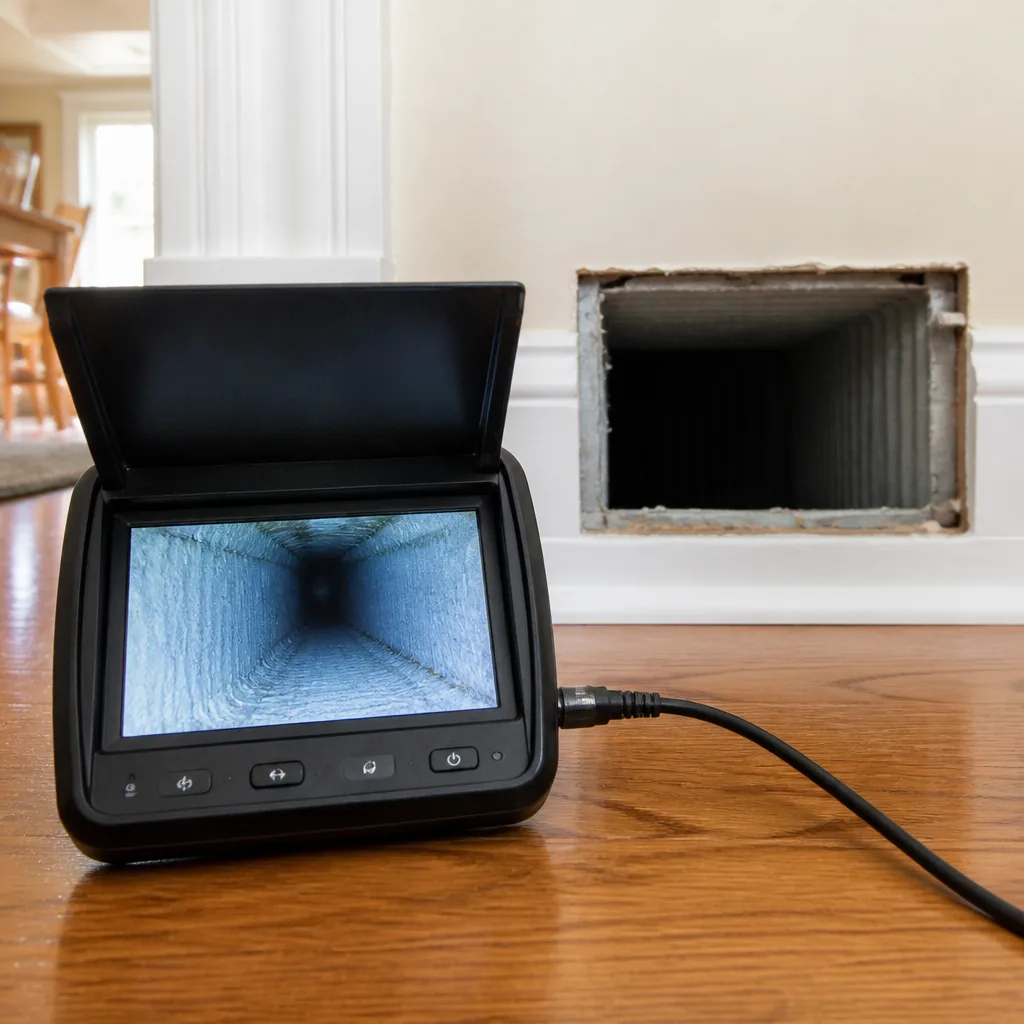

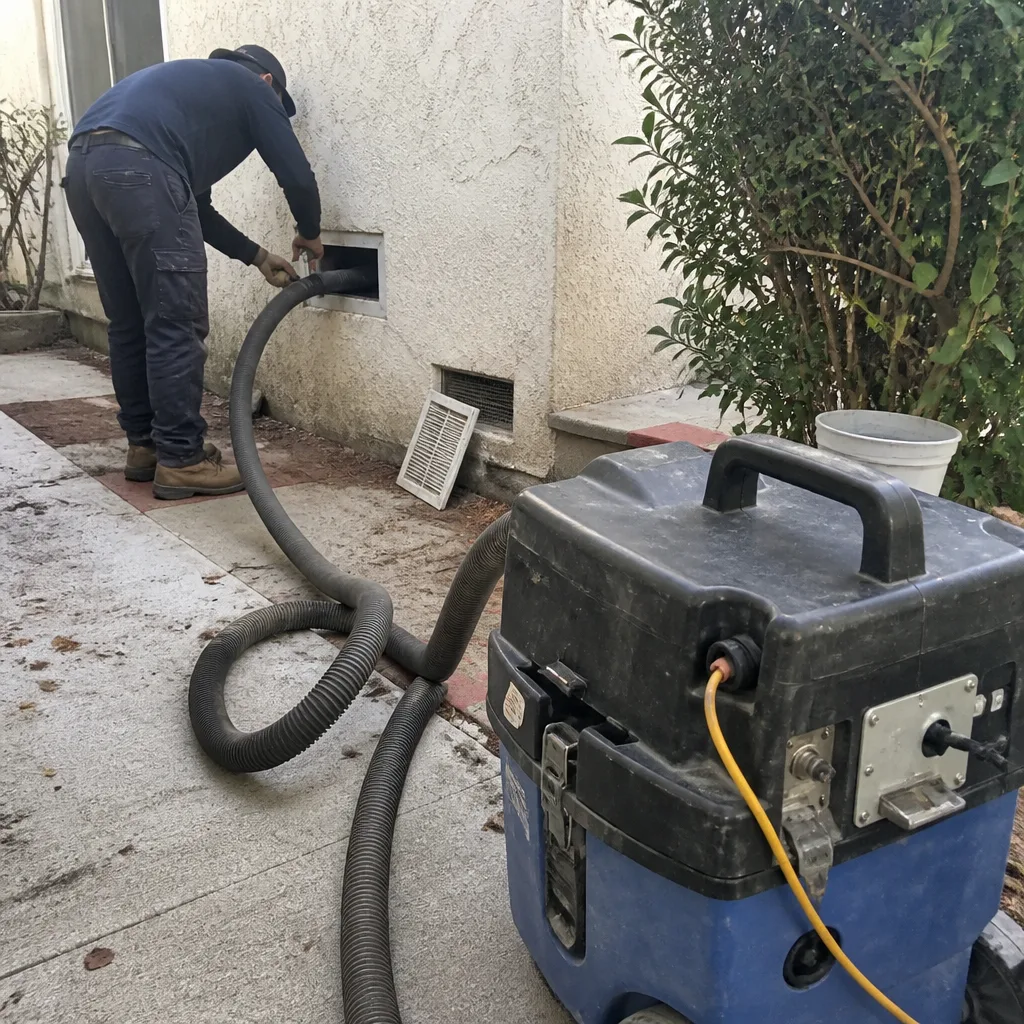 Before
 After
After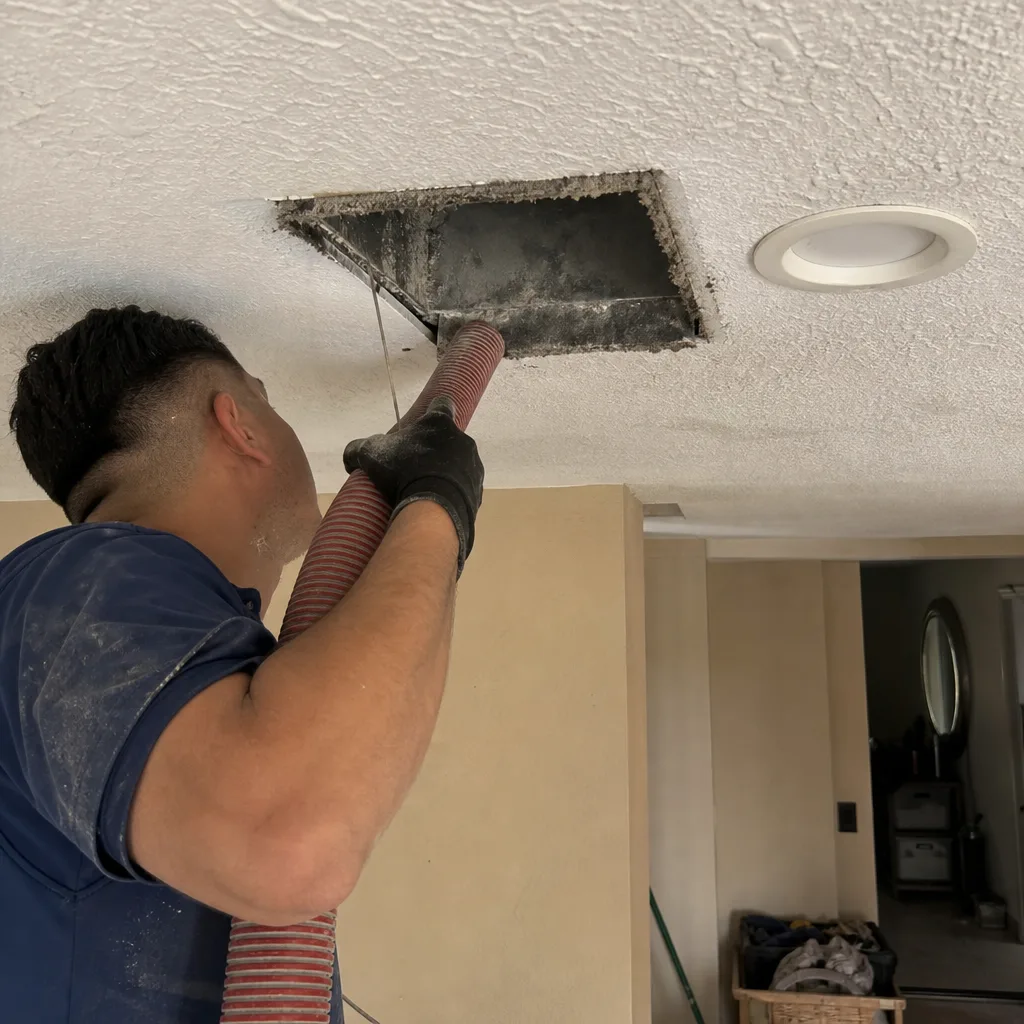 Before
 After
After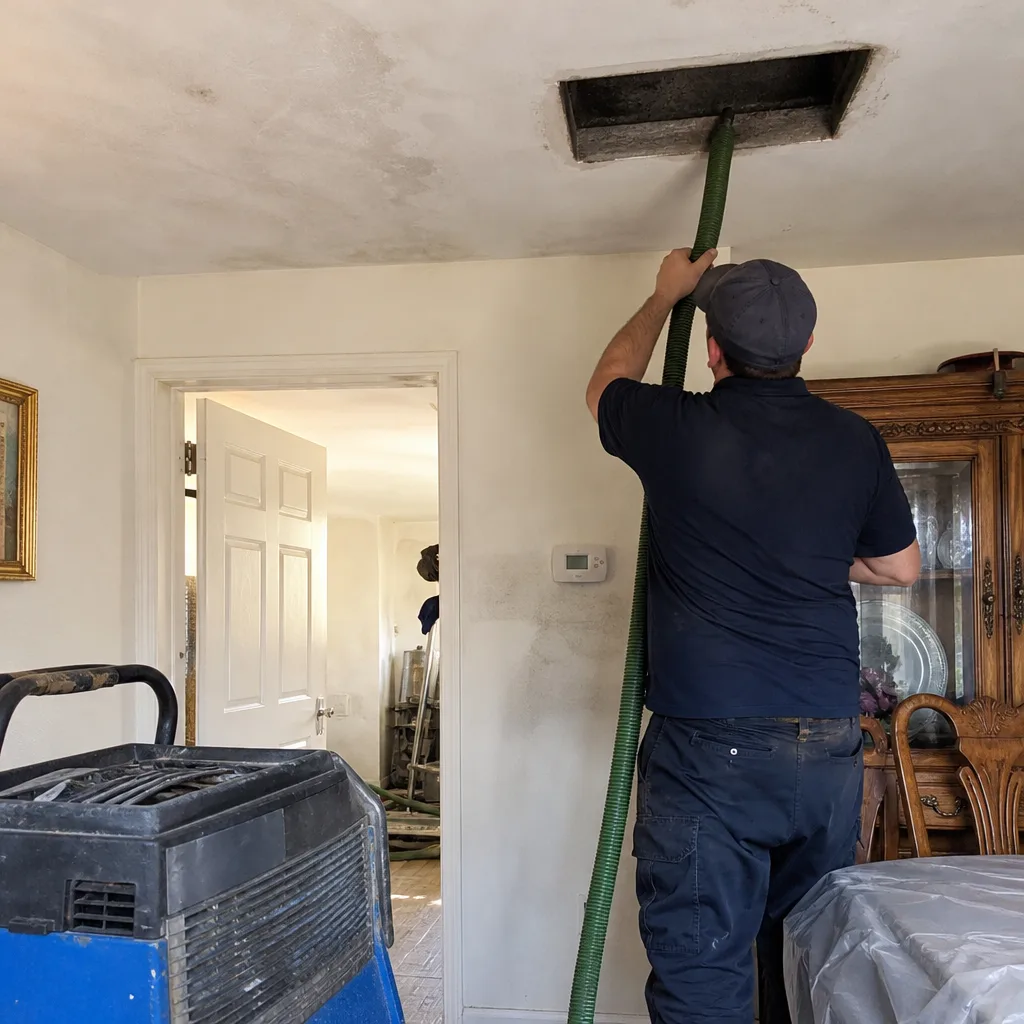 Before
 After
AfterDusty Vents Right After Cleaning
You paid for a duct cleaning, the technician left, and now the vents look dusty again. That is frustrating – and it almost always means one of two things: the cleaning only addressed the vent covers and registers, not the duct system behind them, or there is an underlying problem that keeps reloading the ducts with debris no matter how well they were cleaned.
Either way, the dust you are seeing is a signal worth taking seriously. It tells you something about how the job was done, about what is happening inside your duct system right now, or both. This page walks through the four most common causes, what you can check yourself without touching anything dangerous, and how your local Hollis Air Duct Cleaning team gets it resolved for good.
Why It Happens
The previous cleaning was surface-only
Most bait-and-switch duct cleaning outfits run a shop vac through the registers and call it done. They never reach the main trunk lines, the air handler compartment, or the return plenum – where most of the debris actually lives. If the vents looked clean for a day or two and then got dusty again fast, that is a strong indicator: the source was never touched, and it is still feeding your supply registers every time the system runs.
You have a duct leak pulling in attic or crawl space air
Flex duct connections loosen over time. Rigid duct sections separate at the joints. When that happens, your system draws unconditioned air from the attic, crawl space, or wall cavity directly into the airstream – air that carries insulation particles, construction debris, and years of settled dust. If the dust on your vents looks fibrous or grayish-brown rather than ordinary household dust, a duct leak is a likely culprit. You might also notice rooms that suddenly feel harder to heat or cool.
Your filter is bypassed or undersized
A filter that does not fit the housing snugly allows air to route around it rather than through it. Same problem if someone installed a filter with too low a MERV rating for your system’s actual conditions – it lets fine particles pass straight through into the duct work. Check the filter slot right now: if there is visible daylight around the edges of the filter, or if the filter itself looks barely touched while the vents are coated in dust, that gap is your answer.
The blower compartment or coil was not cleaned
The air handler blower wheel and evaporator coil collect dust and debris continuously. When a cleaning crew skips those components – which takes more time and proper equipment to address correctly – the system re-contaminates the duct work within days. If your vents got dusty within a week of a cleaning, pull the filter and shine a flashlight toward the blower housing. A thick layer of gray dust on the wheel fins is a clear sign the compartment was left untouched.
What to Do Right Now
- Swap or check the air filter immediately. A clogged or ill-fitting filter is one thing you can fix before anyone arrives. Look at the edges where it meets the housing – any gap means unfiltered air is bypassing it. Replace it if it is gray and packed tight, or if it does not seat flush.
- Take photos of the dusty registers before you wipe them. Those photos are useful for the technician and give you a before-and-after record. Get close enough to show texture and color – fibrous dust looks different from fine household particulate and helps narrow down the cause.
- Run the system for 15 to 20 minutes, then check the registers again. If dust accumulates visibly during a short run, the contamination source is active and ongoing – not just settled surface dust from normal daily life.
- Do not attempt to inspect flexible duct connections in the attic or crawl space yourself. Those spaces have heat extremes, poor footing, and in some homes, low clearance. If a duct leak is the suspected cause, leave that inspection to a technician with the right equipment and lighting.
- Turn off the system if the dust is accompanied by a musty or burning smell. Either of those odors alongside visible debris can indicate mold growth or a failing component. Call (361) 326-5060 and let the team know what you are smelling – that detail matters before anyone opens the system up.
How We Fix It
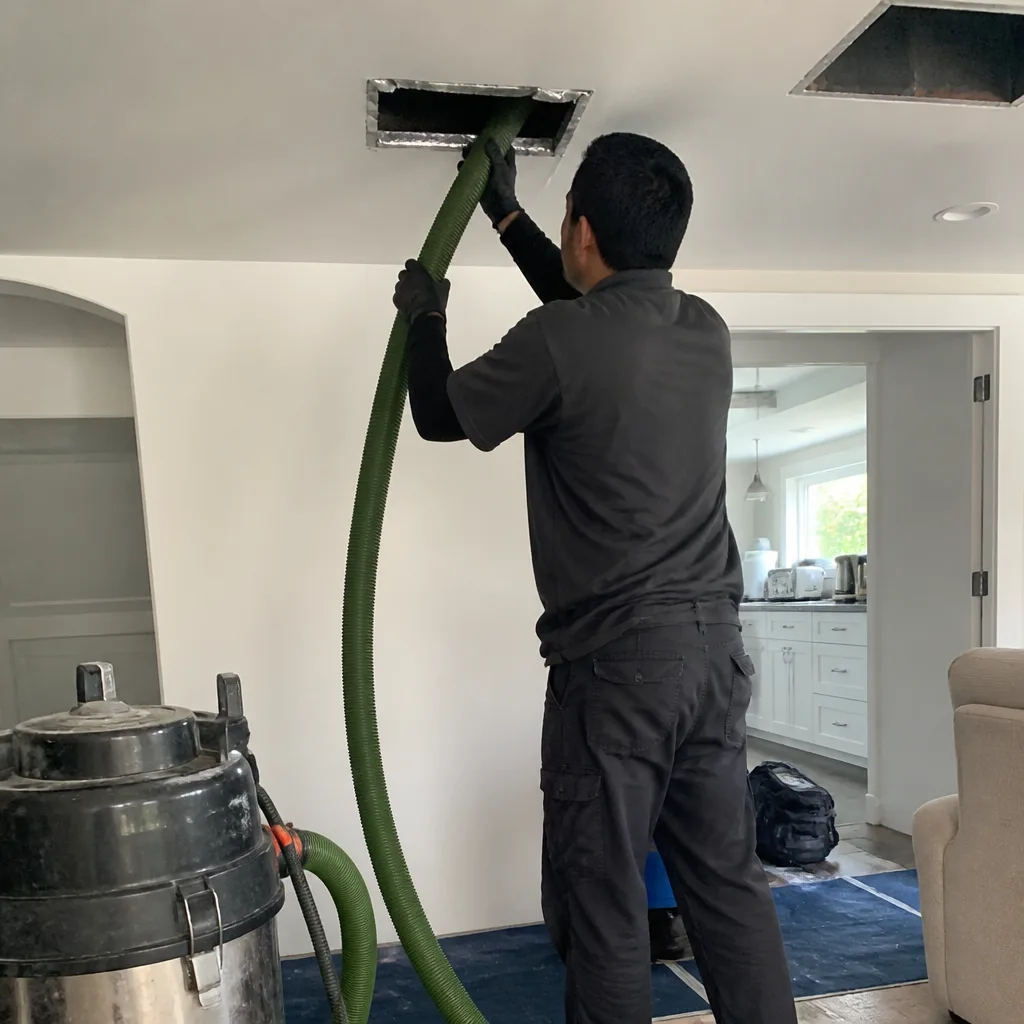
When your local Hollis Air Duct Cleaning technician arrives, the first step is a full inspection before any work starts – camera in the main trunk, check of the air handler compartment, visual on the filter housing and return plenum. That inspection tells us exactly what the previous job missed or what has developed since.
From there, the path is usually one of two services: a complete air duct cleaning using our Rotobrush rotary brush system combined with Nikro negative-air machines – which means the debris is agitated and extracted simultaneously rather than just blown around – or duct sealing, which closes the leaks pulling outside debris back in. In some homes, both are needed. Either way, you get a written price before we touch anything. That price does not move once the work starts. The completed job is covered by the 365-Day Done Right Promise: if the problem comes back within a year, we come back and fix it at no charge. That is not a sales line; it is written on every job we do.
Most residential jobs take two to four hours depending on system size and access.
Frequently Asked Questions
Yes, in most cases it is. A proper cleaning using professional negative-air equipment removes debris from the full system – trunk lines, branch runs, return plenums, and the air handler – so rapid re-soiling should not happen. If dust reappears within days, the cleaning either did not reach the source, or there is an active leak pulling fresh debris back in. Either problem is fixable, and neither should cost you a second full-price cleaning if the first one was done right.
Dusty vents alone are not an emergency in the way a gas leak or electrical fault is. But if the dust is accompanied by a musty smell – which can indicate mold in the duct work – or if anyone in the home has allergies, asthma, or a respiratory condition that is suddenly worse, do not sit on it. Contaminated air circulating through a home with vulnerable occupants is a real health concern. Call (361) 326-5060 and describe what you are seeing and smelling.
The low-price model in this industry almost always means a surface-only cleaning: the technician wipes the registers, runs a small vacuum into the visible portion of the duct opening, and leaves. It looks like a cleaning. It does not function like one, because the debris load further back in the system never moved. The price Hollis quotes covers the full system – trunk lines, branches, blower compartment – using equipment that actually extracts rather than redistributes. That written price is given before work starts, and it does not change once the van is in the driveway.
Duct cleaning is a scheduled job that requires the right equipment and the right amount of time to do correctly – we do not rush it to fit a same-day window. Call (361) 326-5060 and a live person will answer right now, any hour of the day. They will find the earliest available slot with your local Hollis team, confirm the window in writing, and make sure you have everything you need before the technician arrives. No voicemail, no callback queue.
Get It Fixed
If your vents are dusty right after a cleaning, the problem is not going to resolve on its own. Call (361) 326-5060 – a live person answers every call, any time – or book online. Your local Hollis Air Duct Cleaning team will inspect the system, give you a written price before anything starts, and back the work for a full year.
Written by Roy Castellanos, Owner at Hollis Air Duct Cleaning, serving communities nationwide since 2004.
What Our Customers Say
"Duct sealing along with the cleaning cut our summer bill. Straight talk and fair price."
- Gwen O."Sealed some leaking duct joints in the crawl space with mastic. Rooms that were always cold now get air."
- Ronald W."Dryer vent was packed with lint and took two hours to dry a load. Cleaned it out from the roof cap down. One cycle again."
- Paula Q.