

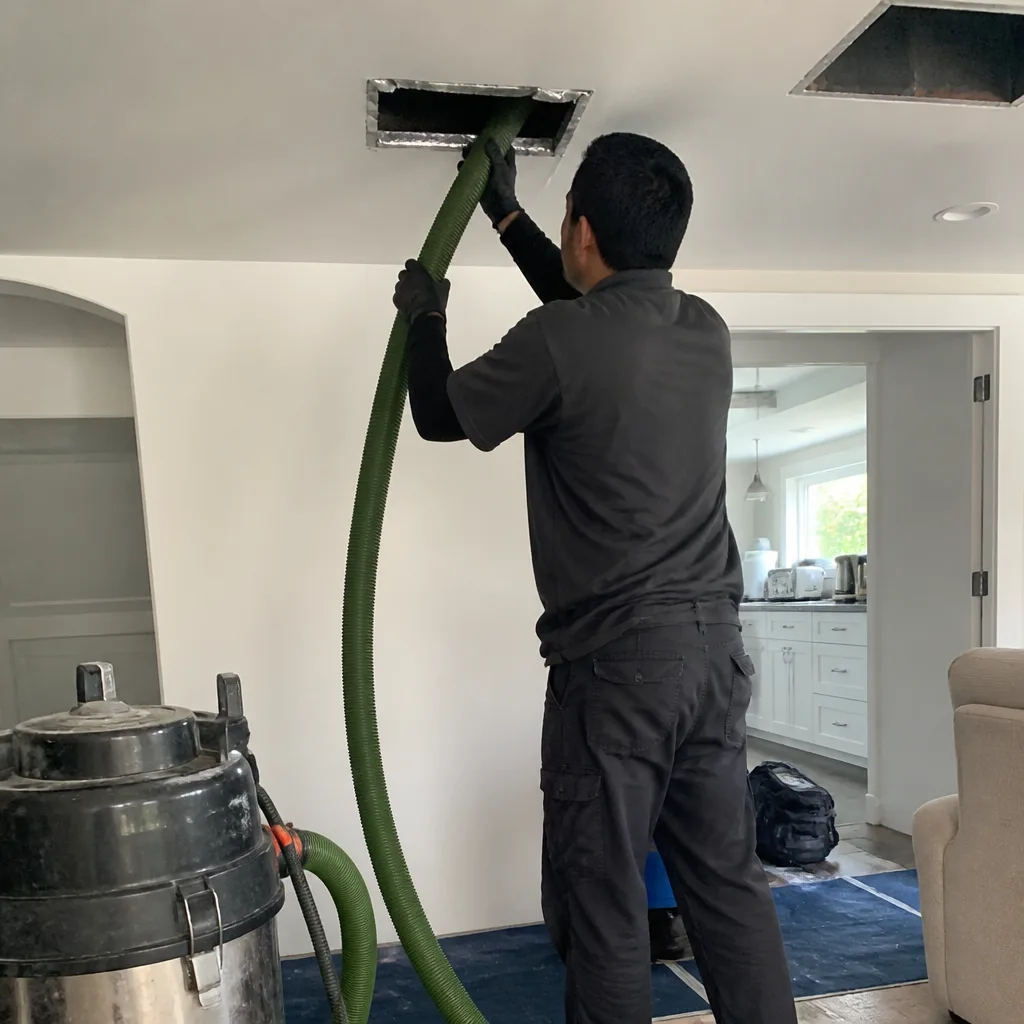
Whole-system duct and dryer vent check with before-and-after photos - you see exactly what came out of your vents
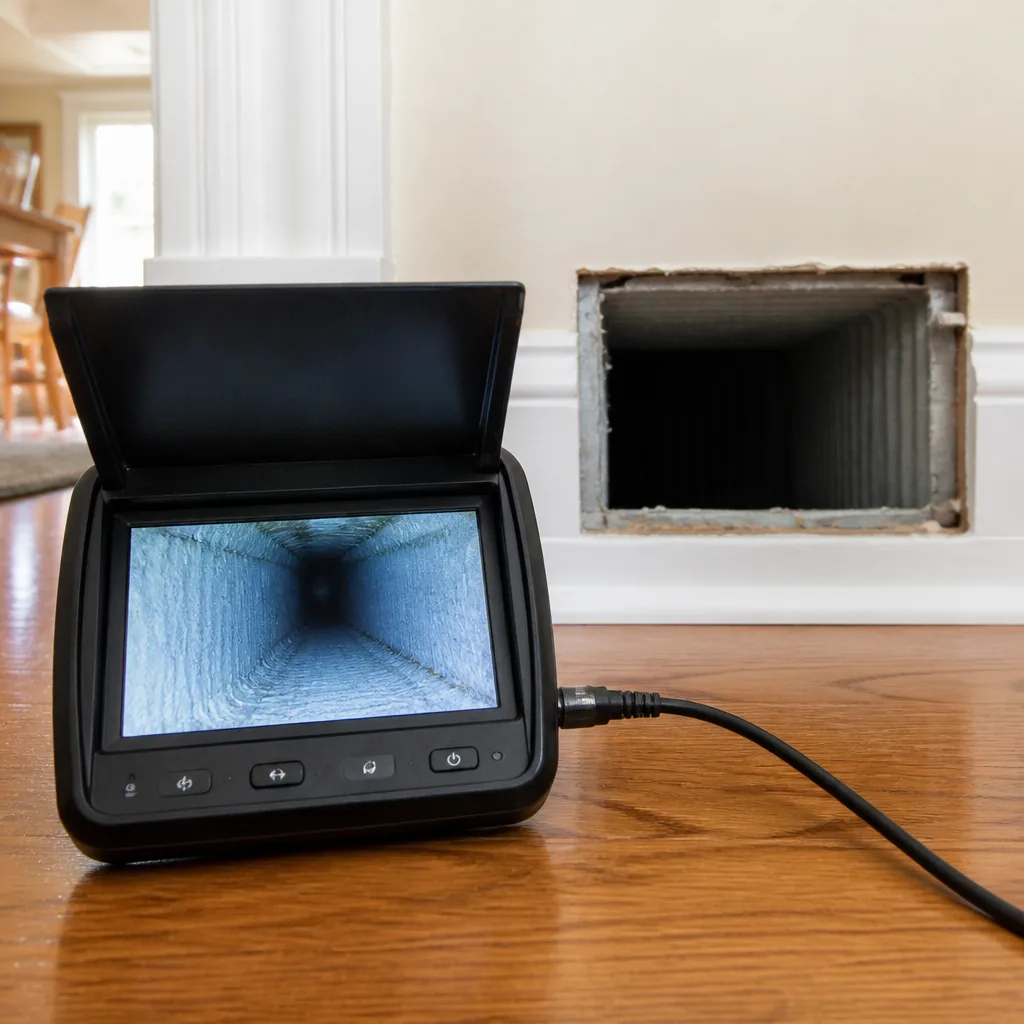
That "$99 whole-house special" is a bait ad - the real number appears once they are in your hallway, or the "clean" is a shop-vac at the register. We photograph the inside of your ducts before and after instead.
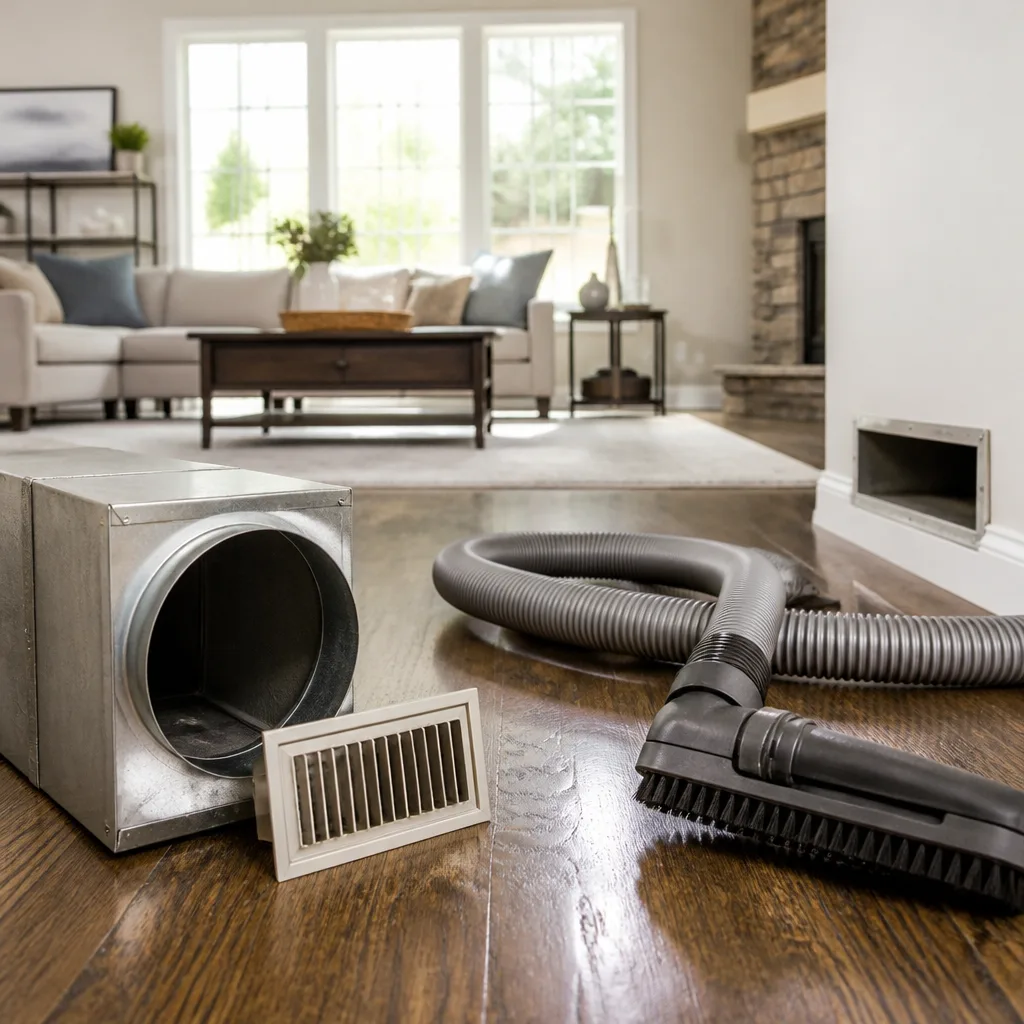

 Before
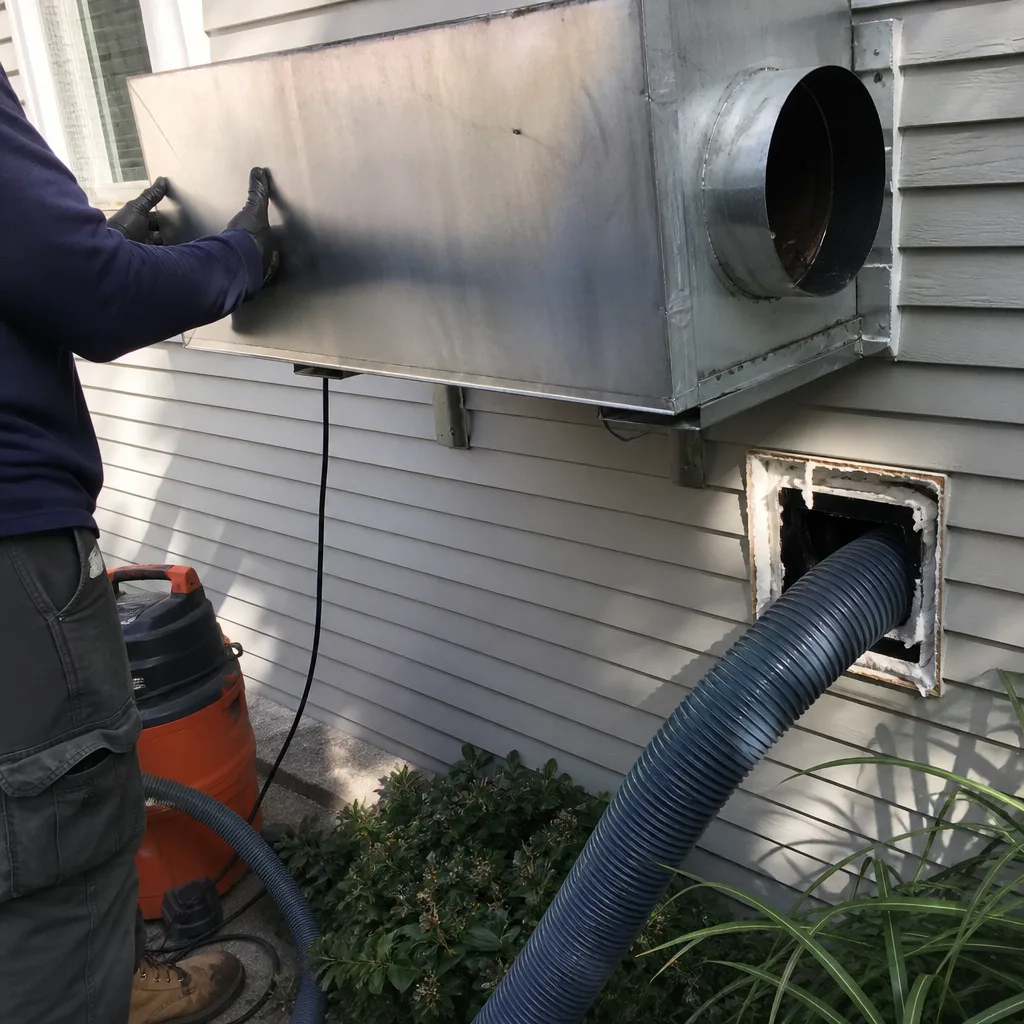 After
After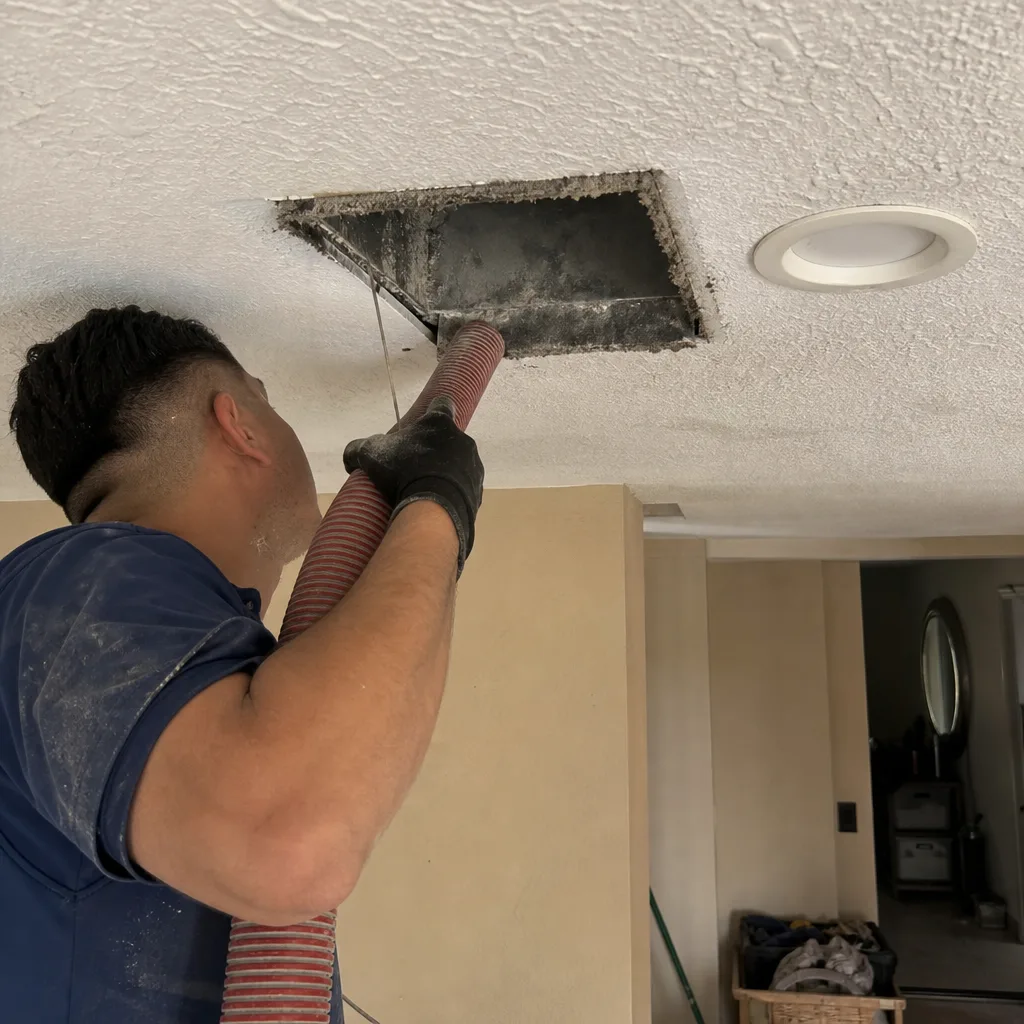 Before
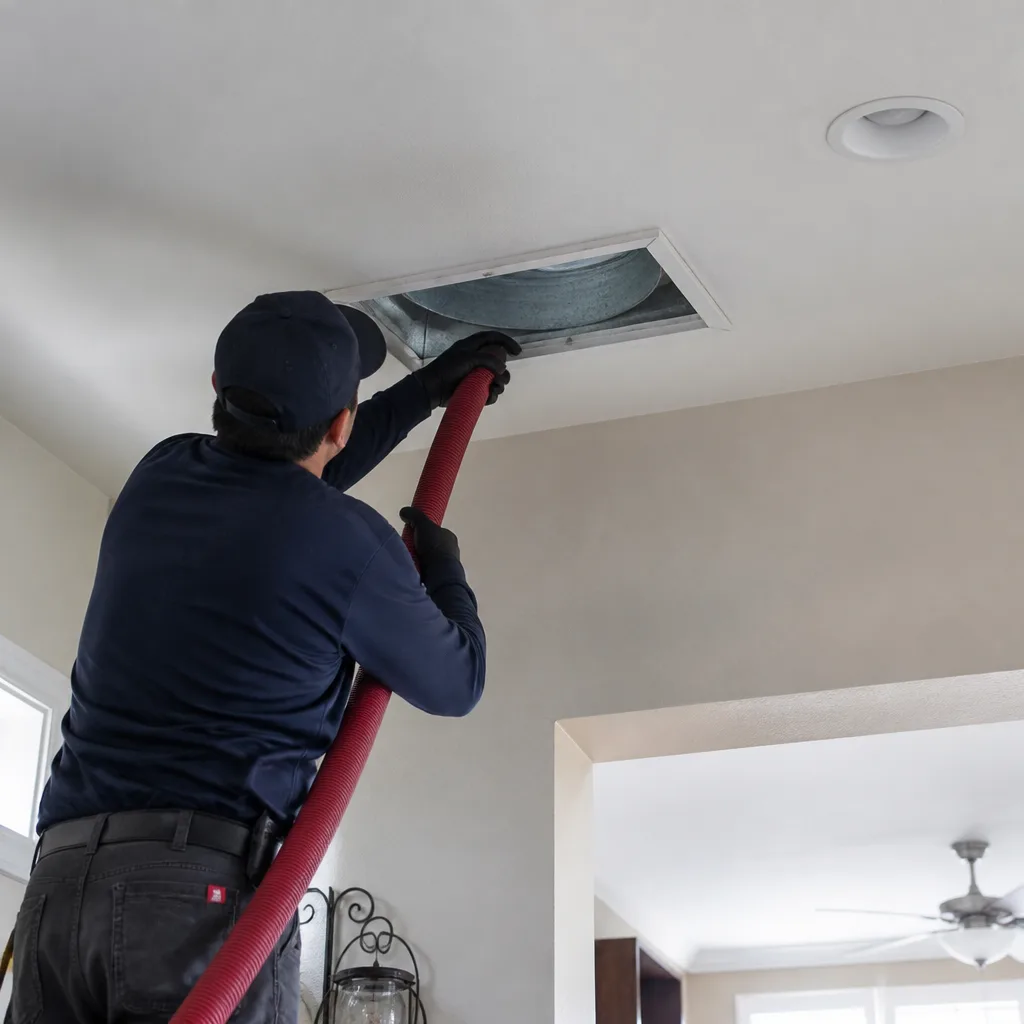 After
After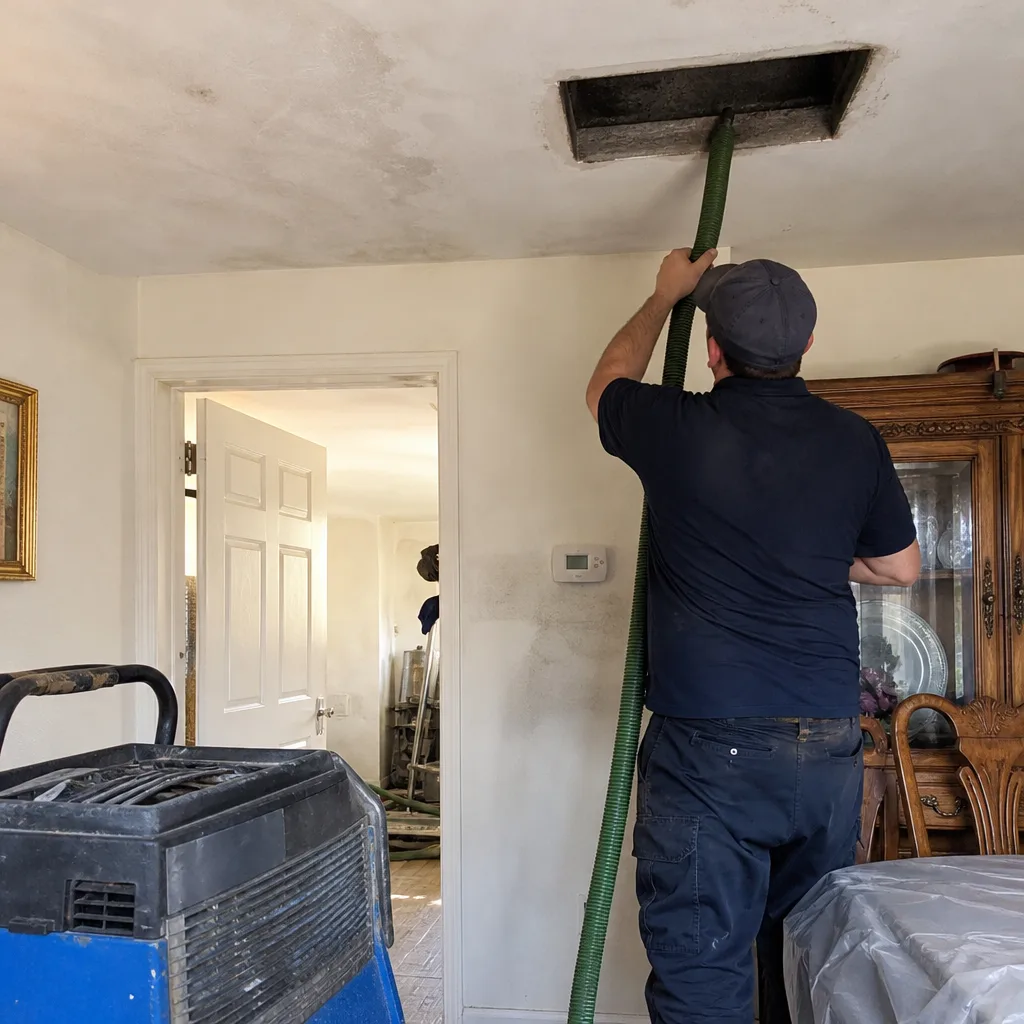 Before
 After
AfterClothes Take Two Cycles to Dry
If your dryer is running fine but your laundry is still damp after a full cycle, the dryer almost certainly isn’t the problem. A clogged or partially blocked dryer vent is responsible for the vast majority of “slow drying” complaints, and it’s the first thing any technician should check. The fix is usually a professional dryer vent cleaning, not a new appliance.
Here’s what’s happening: your dryer needs to push hot, moist air out of the drum and out of your home through the vent line. When lint, debris, or a crushed section of duct chokes that airflow, the moisture has nowhere to go. The drum tumbles. The heater fires. But the wet air just circulates until the cycle times out, leaving clothes damp. Running a second cycle doesn’t solve the problem – it just runs the same blocked path twice and drives up your energy bill in the process.
Why It Happens
1. Lint Buildup Inside the Vent Line
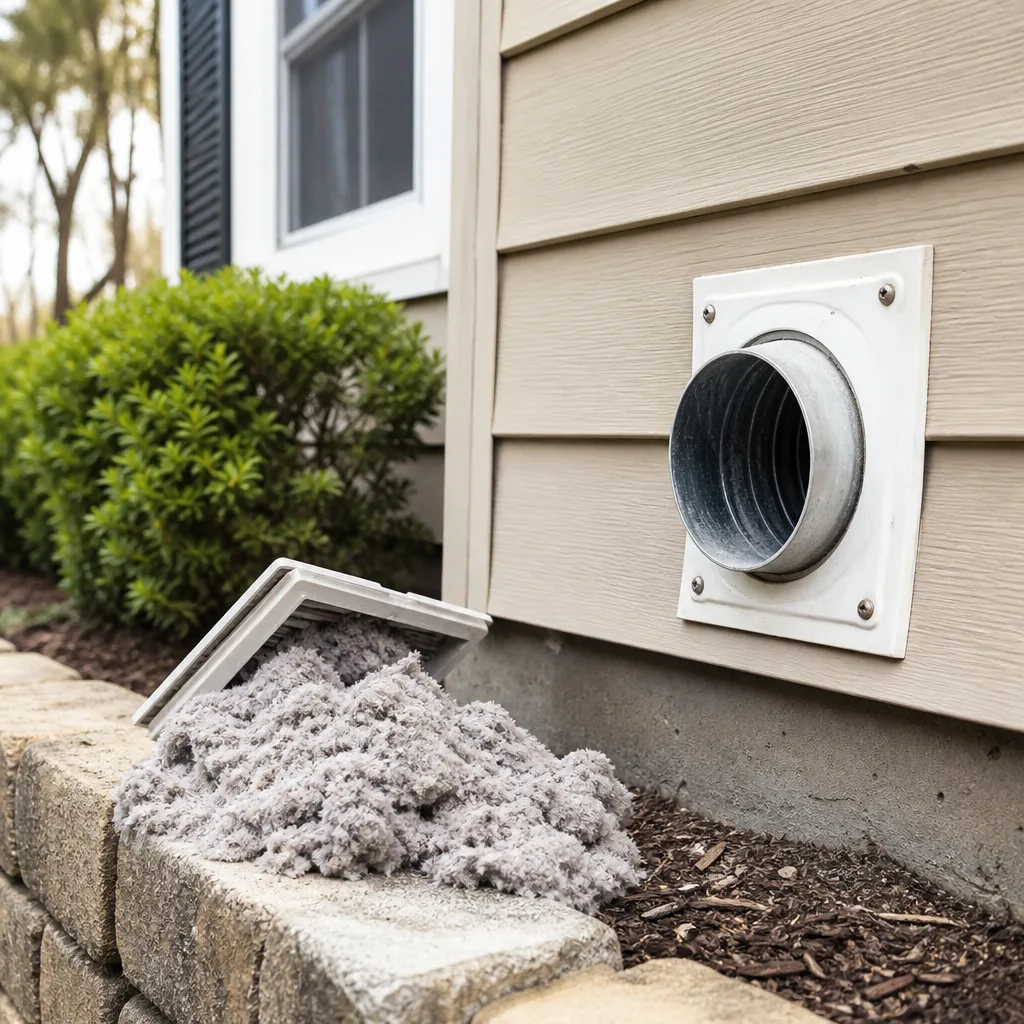
This is the most common cause by a wide margin. Every load sends a small amount of lint past the lint trap and into the exhaust duct. Over time it accumulates along the inside of the duct walls, at bends, and near the exterior cap. You can get a rough sense of how bad it is by going outside while the dryer runs: if you barely feel any airflow at the exterior vent flap, the line is significantly restricted. A healthy vent pushes a noticeable stream of warm air.
2. A Crushed, Kinked, or Too-Long Duct Run
Dryer vent lines that travel a long distance to reach an exterior wall – or that make several 90-degree turns – lose airflow efficiency at every bend. If the flexible section behind the dryer is kinked or crushed against the wall, that alone can cut airflow dramatically. Pull the dryer out a few inches and look at the flex section. It should be as straight and short as possible, with no visible pinch points.
3. A Faulty or Obstructed Exterior Vent Cap
The flap or louver on the outside of your home opens when the dryer runs and closes when it doesn’t, keeping birds and cold air out. If it’s painted shut, corroded, or a bird has built a nest inside it (more common than most people expect), the whole system backs up even if the duct behind it is clean. You can check this yourself from outside – the flap should swing open freely when the dryer is running.
4. A Heating Element That’s Losing Output
Less common, but worth knowing: if the vent line is clear and flow at the exterior cap is strong, the dryer’s heating element may be the culprit. A partially failed element still produces some heat – enough to feel warm inside the drum – but not enough to dry a full load in a single cycle. The giveaway is that airflow at the exterior cap feels strong, but the air coming out is only slightly warm rather than genuinely hot. At that point, an appliance technician rather than a vent cleaning crew is the right call.
What to Do Right Now
- Stop running the dryer until the vent is cleared. A blocked vent traps heat inside the machine. Dryer fires are real, and they start in the vent line – not at some dramatic moment, but quietly, when accumulated lint gets hot enough. If you have any doubt about the condition of the vent, stop using the dryer until it has been inspected.
- Check the exterior vent cap. Go outside while the dryer is off. Find the cap, look for visible obstructions – nests, debris, a stuck flap – and note what you see. Photograph it. This takes two minutes and gives the technician useful information before they even open the duct.
- Pull the dryer out and look at the flex connection. You’re looking for kinks, sharp bends, or a section that’s been compressed against the wall. Don’t try to reattach or reroute the duct yourself if it involves cutting or crimping metal – just document what you see.
- Clean the lint trap, then check the trap housing below it. Remove the trap and shine a flashlight into the slot. A significant lint buildup below the trap is a sign the whole system needs attention.
- Do not attempt to clean the vent line with a vacuum hose or a broom handle. You’re more likely to compact the lint or push it into an elbow than remove it. Professional equipment – negative-air machines and rotary brush systems – is specifically built to extract rather than pack.
How We Fix It
When your local Hollis Air Duct Cleaning team arrives, the first thing the technician does is a visual inspection: the exterior cap, the flex connection behind the dryer, and any accessible sections of the duct line. Before any work starts, you get a written price. That price doesn’t move once the work begins – that’s not a policy we negotiate, it’s how every Hollis job runs.
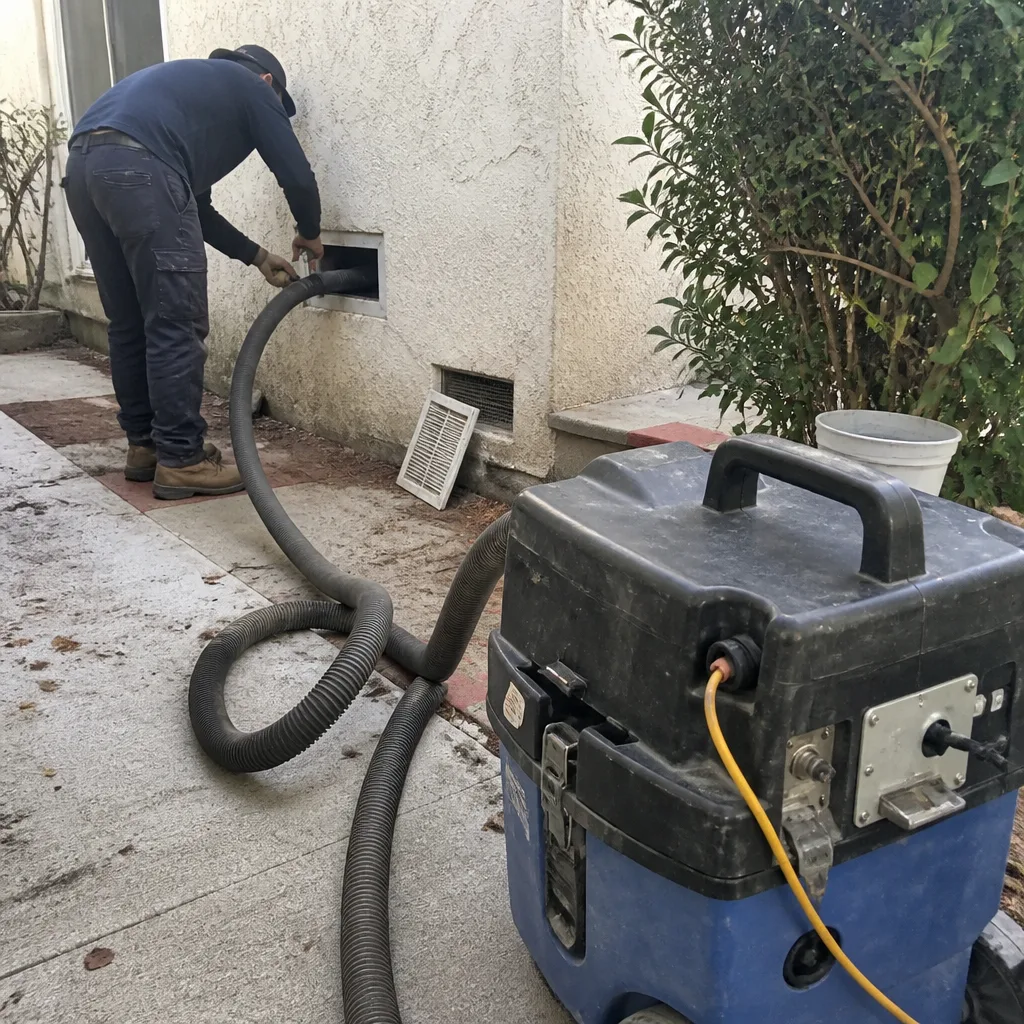
The cleaning itself uses a Rotobrush rotary brush system paired with a Nikro negative-air machine. The brush breaks up compacted lint and debris; the negative-air machine pulls it out rather than pushing it deeper into the line. For most homes the cleaning takes under two hours. If there’s a damaged or crushed section of duct, the technician will show you exactly what’s wrong before quoting a repair.
The work is covered by our 365-Day Done Right Promise. If the vent restriction comes back or the cleaning doesn’t hold, we return and make it right at no charge. That’s in writing on every job – not something you have to ask for.
Frequently Asked Questions
It’s genuinely dangerous, not just annoying. A blocked dryer vent is a recognized cause of house fires – the U.S. Fire Administration has tracked this for decades, and lint is highly flammable. A vent that can’t exhaust properly also allows carbon monoxide to accumulate in gas dryer installations. If your dryer is taking two cycles to dry clothes, stop running it and get the vent inspected before using it again. Call us at (361) 326-5060 and we’ll get someone out to you.
We’d rather you didn’t. A partially blocked vent that’s already slowing your drying time is closer to a fully blocked vent than most people realize, and each load adds more lint to the restriction. Beyond the fire risk, you’re also running your dryer twice as long as you should, which adds real wear to the machine and real dollars to your energy bill. The longer it sits, the worse it gets. Call (361) 326-5060 and get it on the schedule.
Two things you’ll be able to check yourself when the technician is done: stand outside and feel the airflow at the exterior cap while the dryer runs – it should be a strong, warm exhaust – and run a single load of laundry. If it doesn’t dry in one normal cycle, call us back. The 365-Day Done Right Promise means if the work didn’t solve the problem, we come back and make it right at no charge. That’s not a verbal assurance – it’s written on your job paperwork.
Most households need it once a year, but that number shifts based on how often you do laundry, how long your vent run is, and whether you dry a lot of heavy items like towels or pet bedding. If you’re already seeing two-cycle drying, you’re past due regardless of when it was last done. Your local Hollis team can tell you what they found and give you a realistic sense of your home’s cleaning interval after the job is finished.
Get It Fixed
Call (361) 326-5060 or book online and your local Hollis Air Duct Cleaning team will inspect the vent line, give you a written price before any work starts, and get the dryer running the way it should – backed by the 365-Day Done Right Promise. One call. No guessing. Squared away.
Written by Roy Castellanos, Owner at Hollis Air Duct Cleaning, part of the Garrison Partners family serving homeowners nationwide since 2004.
What Our Customers Say
"Dryer vent was packed with lint and took two hours to dry a load. Cleaned it out from the roof cap down. One cycle again."
- Paula Q."No sales pitch. Told me which parts of the system were fine and only cleaned what needed it."
- Ted L."They checked each section with a camera and showed me the dust before and after. Thorough and honest."
- Nicole H.