
Whole-system duct and dryer vent check with before-and-after photos - you see exactly what came out of your vents
That "$99 whole-house special" is a bait ad - the real number appears once they are in your hallway, or the "clean" is a shop-vac at the register. We photograph the inside of your ducts before and after instead.
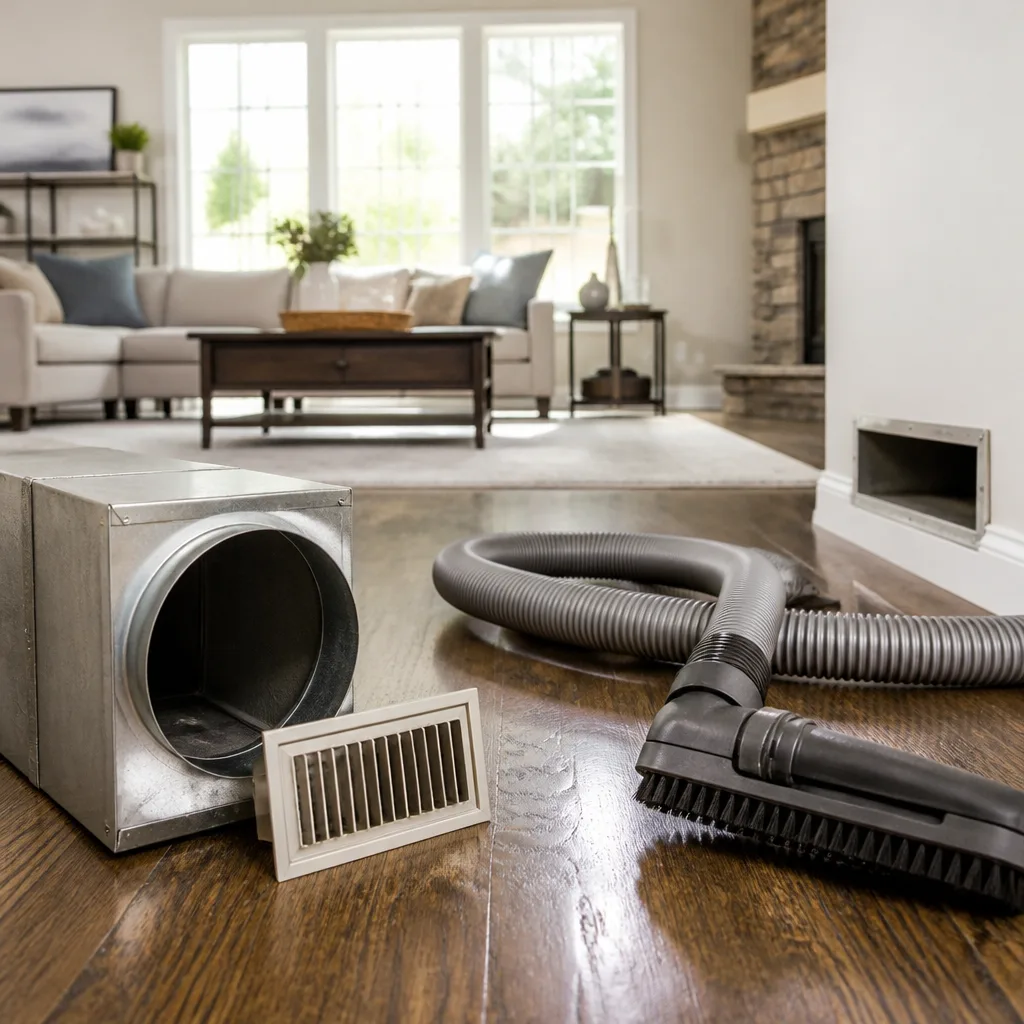
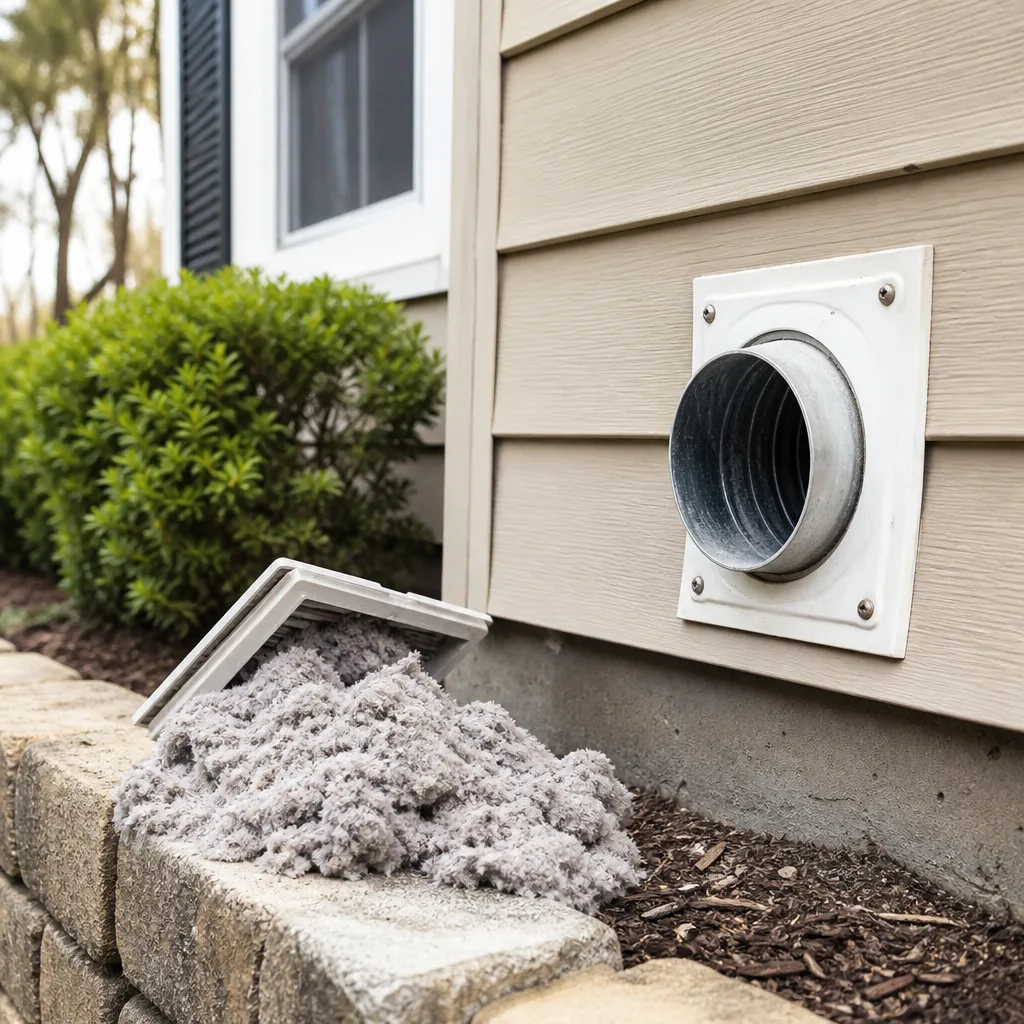
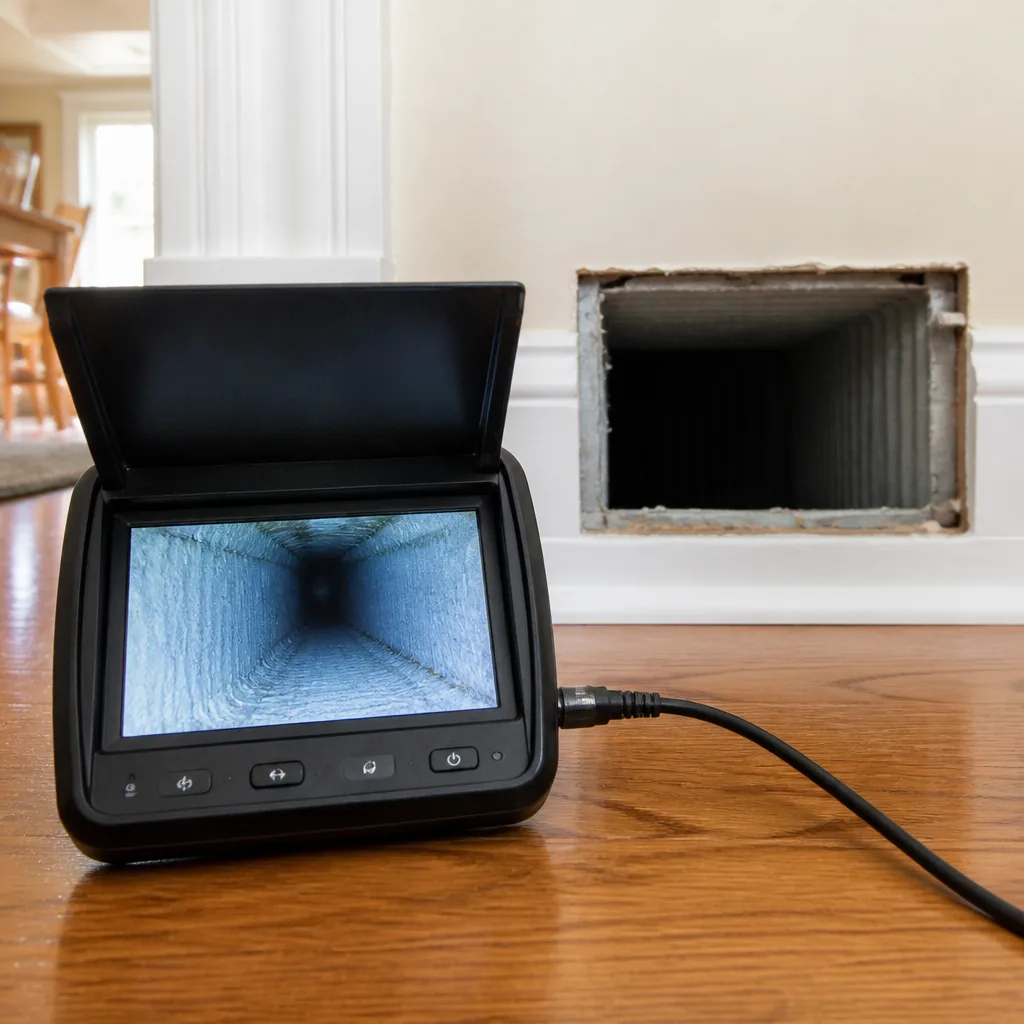
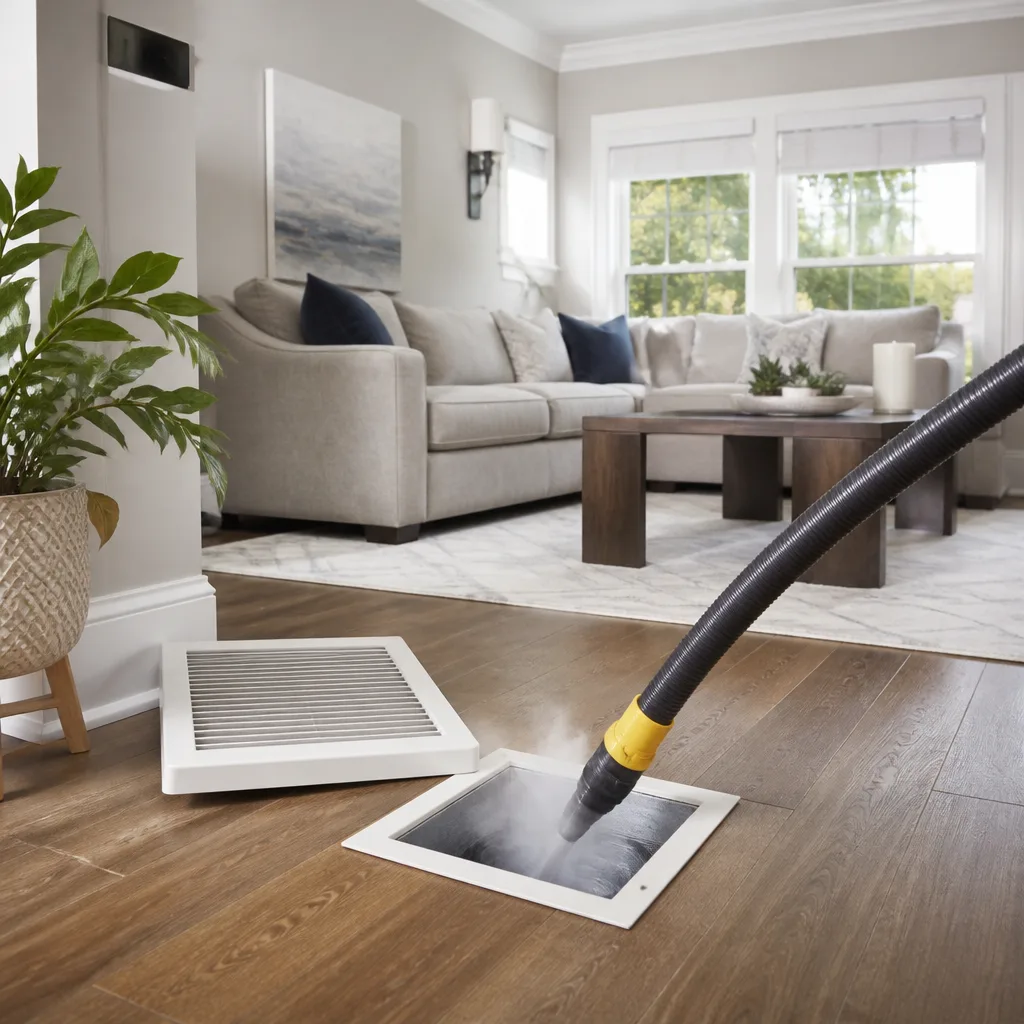
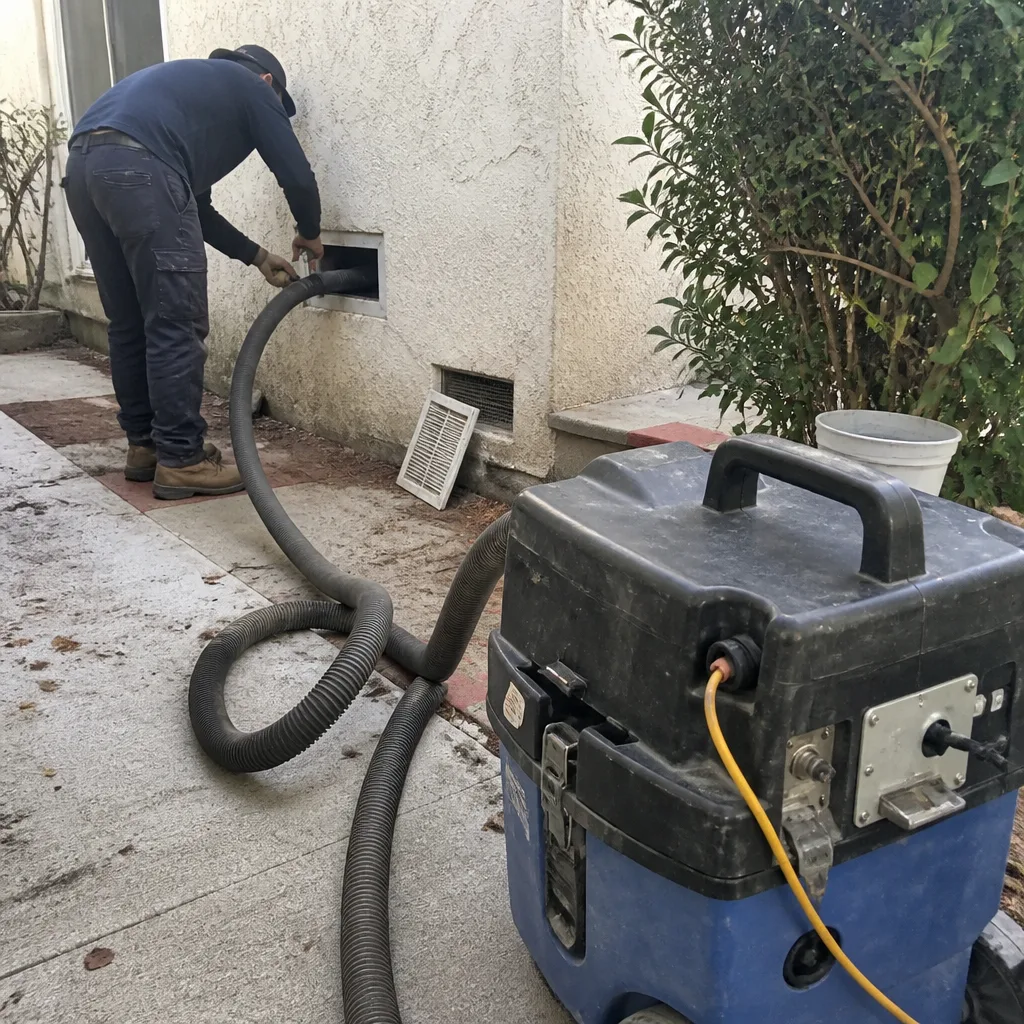 Before
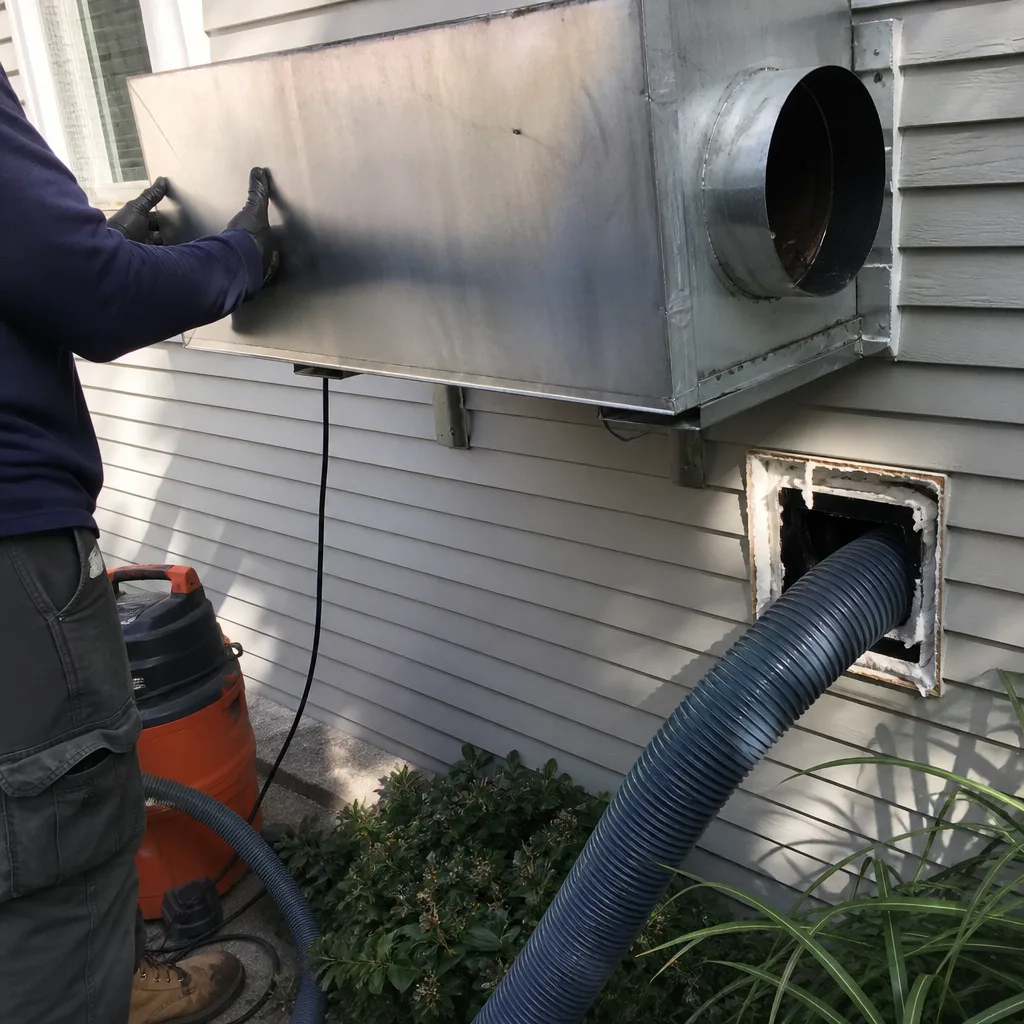 After
After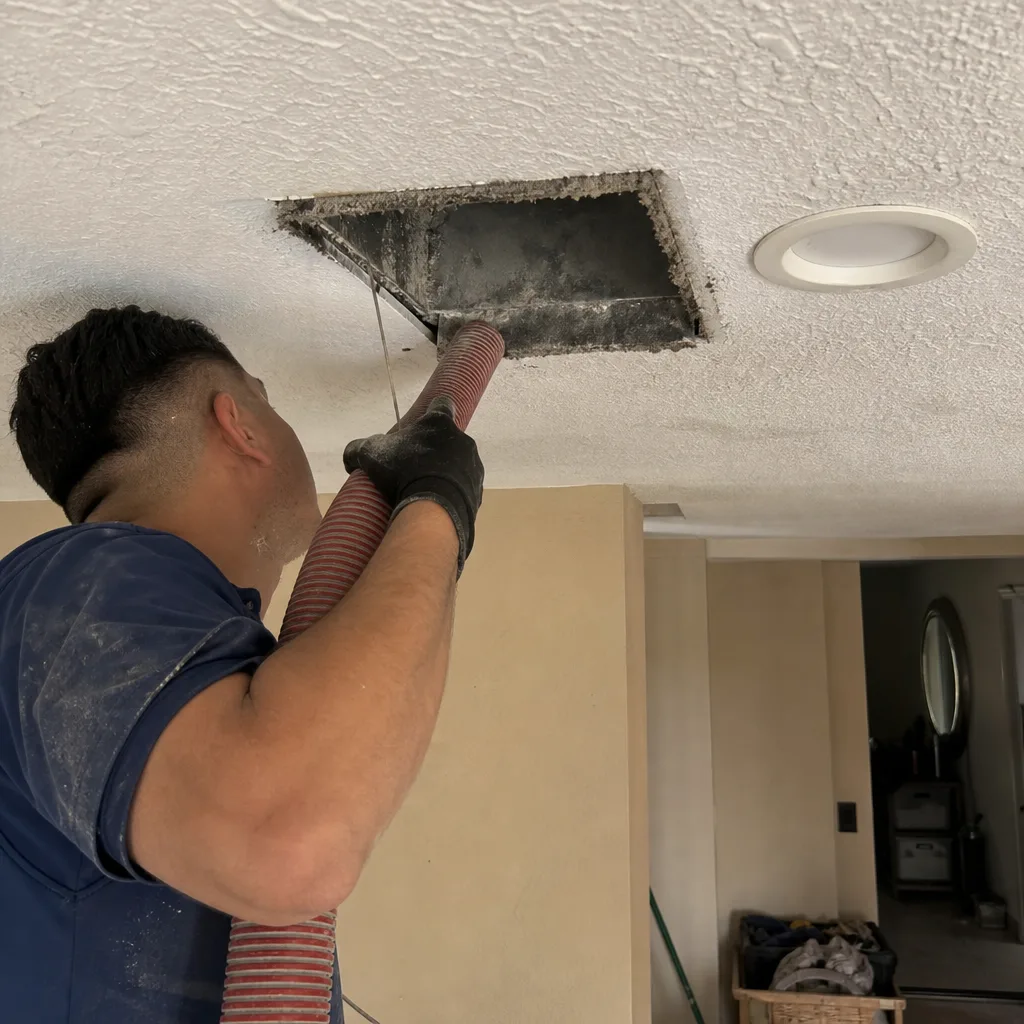 Before
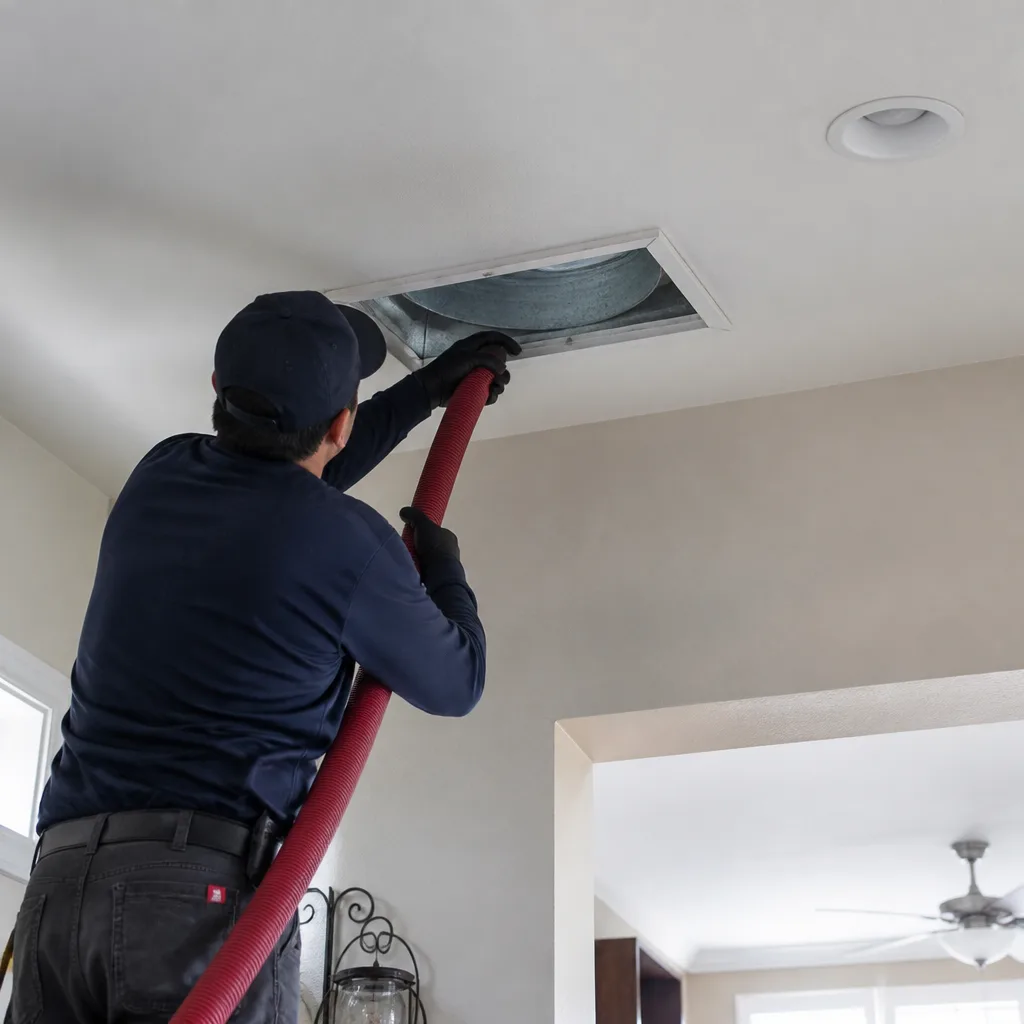 After
After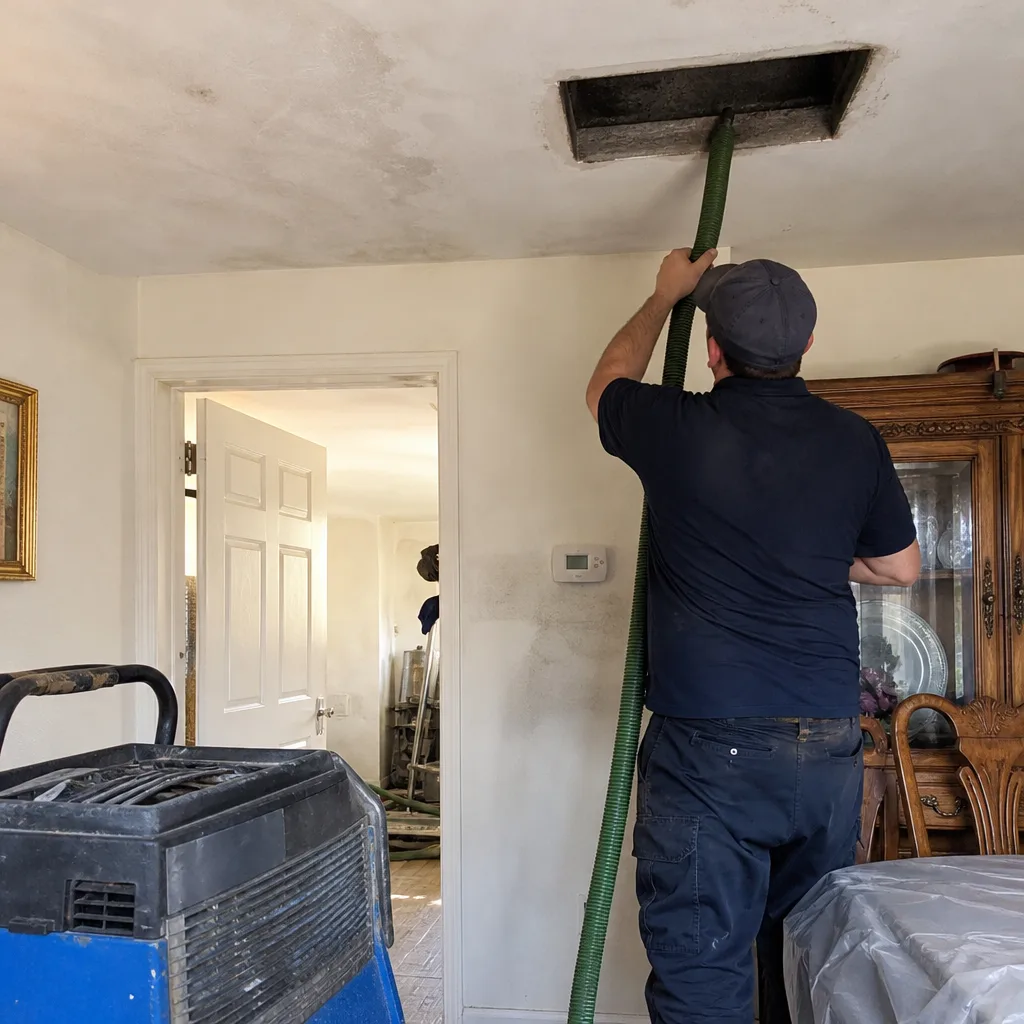 Before
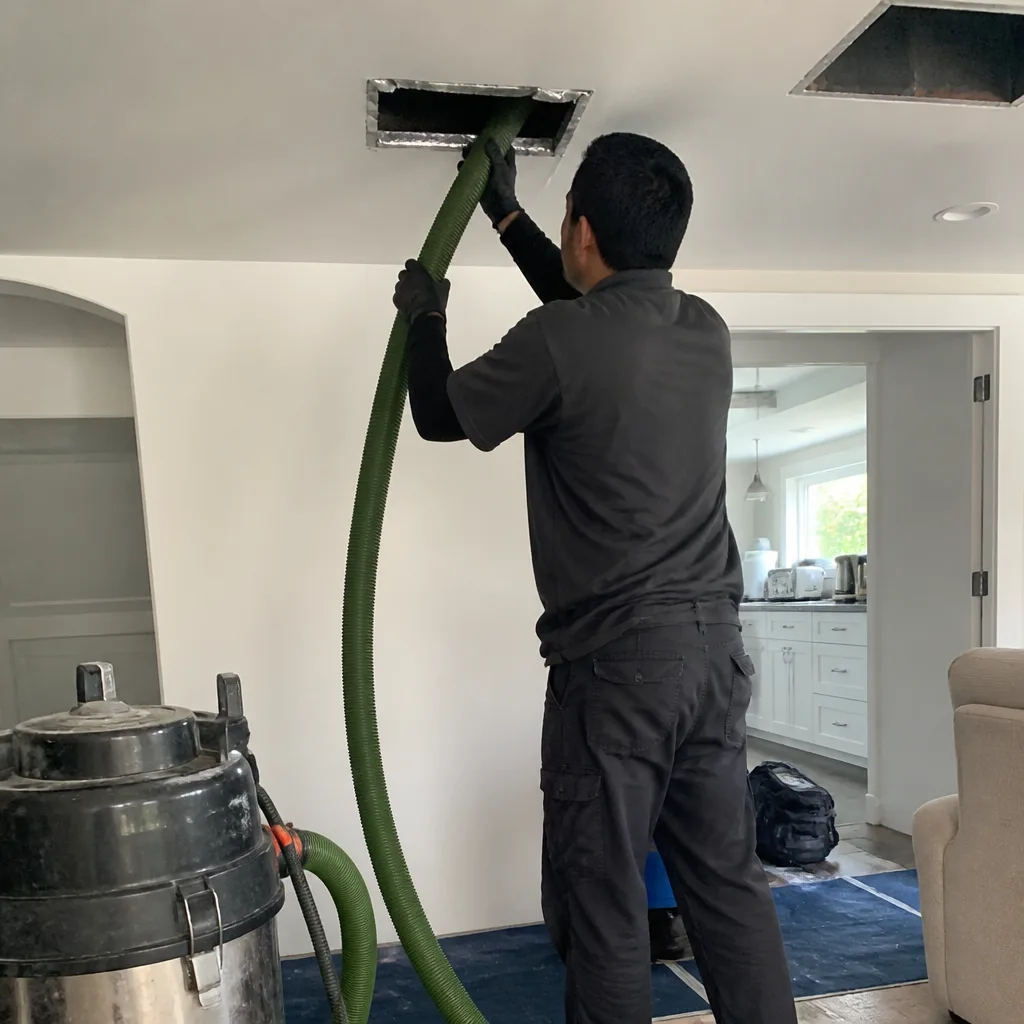 After
AfterNikro Vent Sanitizing: The Los Angeles Owner’s Guide
If you own a Nikro negative-air machine or vent sanitizing setup and something’s failing, you already know the frustration: the machine runs but the sanitizing output is weak, the seal won’t hold, or a fitting cracked somewhere between the unit and the vent. We stock Nikro-compatible sanitizing parts and install them across Los Angeles, with most vent sanitizing component swaps running $165 to $420 installed and most jobs completed in one visit. The honest answer is that the part matters less than the match – a Nikro unit with the wrong filter cartridge or a cracked intake collar won’t sanitize anything, no matter how long you run it. Roy Castellanos and our team see this most often after a few Los Angeles summers: heat and dust do a number on seals and UV bulbs, and the first sign is usually a machine that sounds fine but isn’t delivering the output it used to.
Which Nikro Models This Applies To
Nikro builds negative-air machines and sanitizing blowers in a few families – the NS series sanitizers, the N-series negative air units, and combination units that do both. The compatibility gotcha most Los Angeles owners hit is this: Nikro uses different cartridge sizes and collar diameters across model lines, so a filter or gasket that fits an NS-1 won’t fit an N-400, and guessing gets expensive. The right way to identify your part is to look at the factory label on the unit – Nikro prints the model and serial number on a plate near the power inlet – and to measure the opening itself, not the old part. Old gaskets compress over time, so measuring a worn part gets you the wrong replacement. On the OEM-vs-aftermarket question, we’re direct with our customers: Nikro’s OEM cartridges and bulbs are built to the machine’s exact airflow and electrical specs, and we install OEM parts by default because a mismatched aftermarket bulb often runs hot and fails within a season. For gaskets, collars, and intake screens, quality aftermarket equivalents from Abatement Technologies or Guardsman work well when the dimensions are right, and we keep both on hand. Hollis Air Duct Cleaning is an independent service provider – we’re not affiliated with Nikro – but we’ve worked on their equipment long enough to know which part numbers cross over and which absolutely don’t.
Signs Your Nikro Vent Sanitizing Is Failing
- Weak or no sanitizing output at the vent. The machine runs, but airflow at the register is noticeably lighter than it used to be. In Los Angeles homes, this is usually a clogged cartridge or a collapsed flex collar – either way, the system is moving less sanitized air than it should.
- Burning smell or visible discoloration around the bulb housing. UV sanitizing bulbs degrade over time, and a bulb near the end of its life runs hotter and less effectively. That smell is the housing telling you the bulb needs replacement before the socket fails.
- Loud rattle or vibration when the unit cycles on. A fan blade that’s out of balance or a motor mount that’s come loose. Left alone, the vibration will crack the housing seam and turn a $120 part into a $400 problem.
- Water or moisture collecting around the machine’s exhaust side. In older Los Angeles homes with layered humidity and AC cycling, condensation builds where seals have dried out and cracked. A failed gasket lets moisture where it doesn’t belong, and that shortens the life of every downstream component.
- The unit trips a GFCI or breaker when you plug it in. This is the one to take seriously. A shorted ballast or frayed cord on a sanitizing unit can be a fire risk, and it’s not something to reset and ignore.
Replacement Cost & What’s Included
For Los Angeles homes, expect to pay $165 to $420 installed for most Nikro vent sanitizing component replacements. The low end covers gaskets, collars, and intake screens – parts that wear predictably and swap quickly. The high end covers UV bulbs and ballasts, which cost more as components and take longer to install correctly. You should know what’s in that number: the part itself, the service call to your home, the labor to remove and replace the failed component, and a system check to confirm the unit is pulling and pushing the right airflow. Where prices climb is when a failed part has damaged its neighbor – a cracked collar that’s been ignored often allows enough dust through to clog a brand-new cartridge within weeks. We write one flat price before we touch the machine, and that price does not move. Every Nikro part we install is covered by our 365-Day Done Right Promise: if the part or our install fails within a year, we return and make it right at no charge.
DIY or Call Us?
There’s a line between checking your machine and opening it up, and that line is the power cord. You can safely inspect the outside of your Nikro unit – look for cracked gaskets, loose collars, and any obvious damage to the cord or plug. That’s a reasonable Saturday morning check. What we don’t recommend is opening the housing to access the UV bulb or ballast yourself. UV sanitizing bulbs operate at high voltage, and a mishandled bulb or a capacitor that hasn’t discharged can hurt you even when the machine is unplugged. The same goes for motor mounts and fan blades: the tension and balance issues that cause failures are easy to make worse with hand tools. If you’ve spotted the problem and it’s anything beyond a visible external seal, call us at (361) 326-5060. We’ll tell you over the phone whether it sounds like a quick fix or something we should look at in person, and you’ll have a written price before any work starts.
FAQs
How long do Nikro vent sanitizing components actually last in Los Angeles? UV bulbs typically last 9 to 14 months of regular use, while gaskets and collars in Los Angeles homes generally need replacement every 18 to 24 months – heat and dry air harden rubber faster here than in more humid climates, so we see seal failures earlier than the national average. If you’re on an annual maintenance schedule, plan on a bulb one year and likely a gasket or collar the next. Call (361) 326-5060 and we’ll give you an honest lifespan read on your specific unit based on how it’s been used.
Can a failing Nikro vent sanitizing part be repaired instead of replaced? In most cases, no – gaskets, bulbs, and collars are wear items, and when they fail, the right fix is a new part, not a patch. What can sometimes be repaired is a loose motor mount or a ballast connection, but we’ll only do that if the repair is likely to hold. For a straight answer on your specific part, call us at (361) 326-5060 and tell us what you’re seeing.
How long does a Nikro vent sanitizing parts swap take in Los Angeles? Most single-component replacements – a gasket, a collar, a UV bulb – take between 45 minutes and two hours on site, depending on how accessible the unit is in your home. We carry common Nikro parts on the truck, so in most cases there’s no second visit needed. If we don’t have the exact part, we’ll tell you that on the phone before you book.
Do you stock Nikro vent sanitizing parts, or do I have to order them myself? We stock common Nikro gaskets, collars, intake screens, and UV bulbs on our trucks for Los Angeles service calls, and we can order less common parts quickly. We also keep parts for Lennox, Trane, and Carrier systems in our inventory for related jobs. You don’t need to chase down a part number yourself – call us at (361) 326-5060 with your model number, and we’ll match it before we arrive.
Written by Roy Castellanos, Owner, Hollis Air Duct Cleaning at Hollis Air Duct Cleaning, serving Los Angeles and nearby areas.