
Whole-system duct and dryer vent check with before-and-after photos - you see exactly what came out of your vents
That "$99 whole-house special" is a bait ad - the real number appears once they are in your hallway, or the "clean" is a shop-vac at the register. We photograph the inside of your ducts before and after instead.
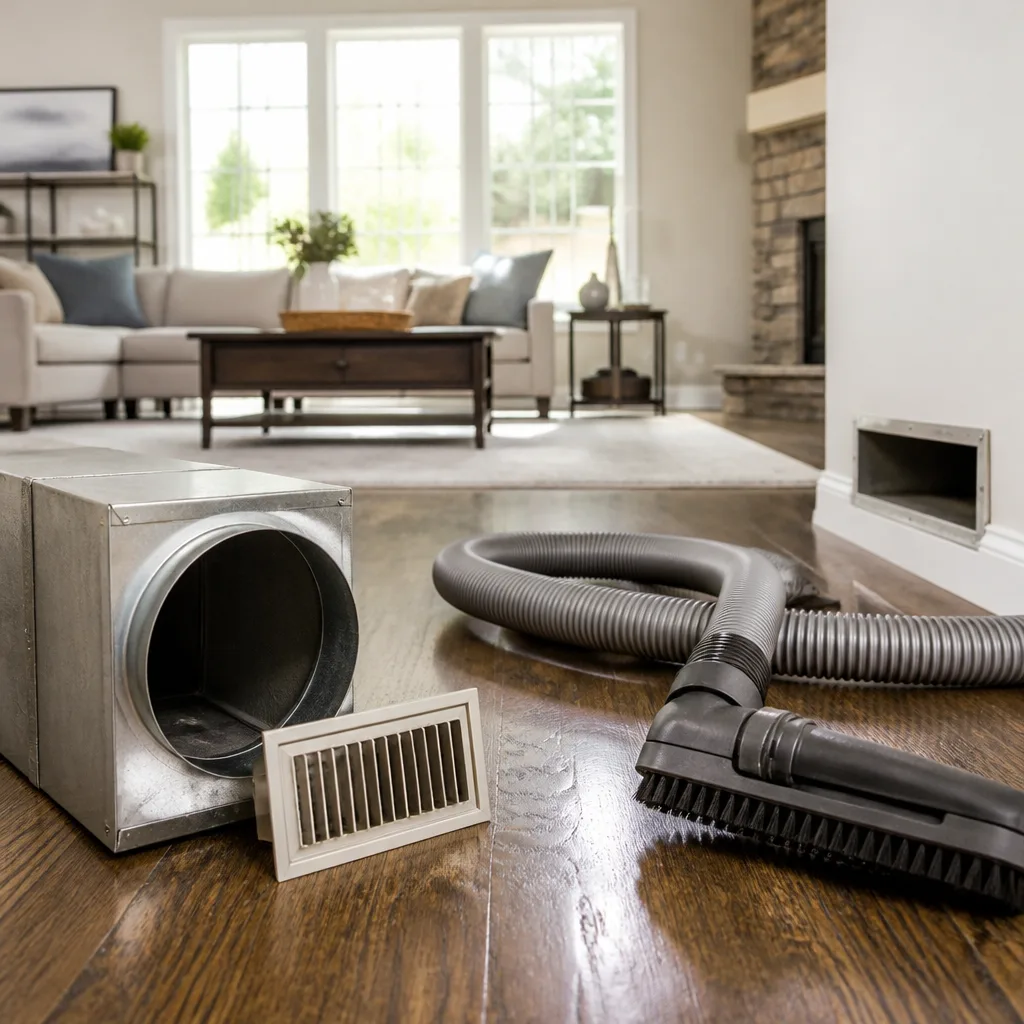
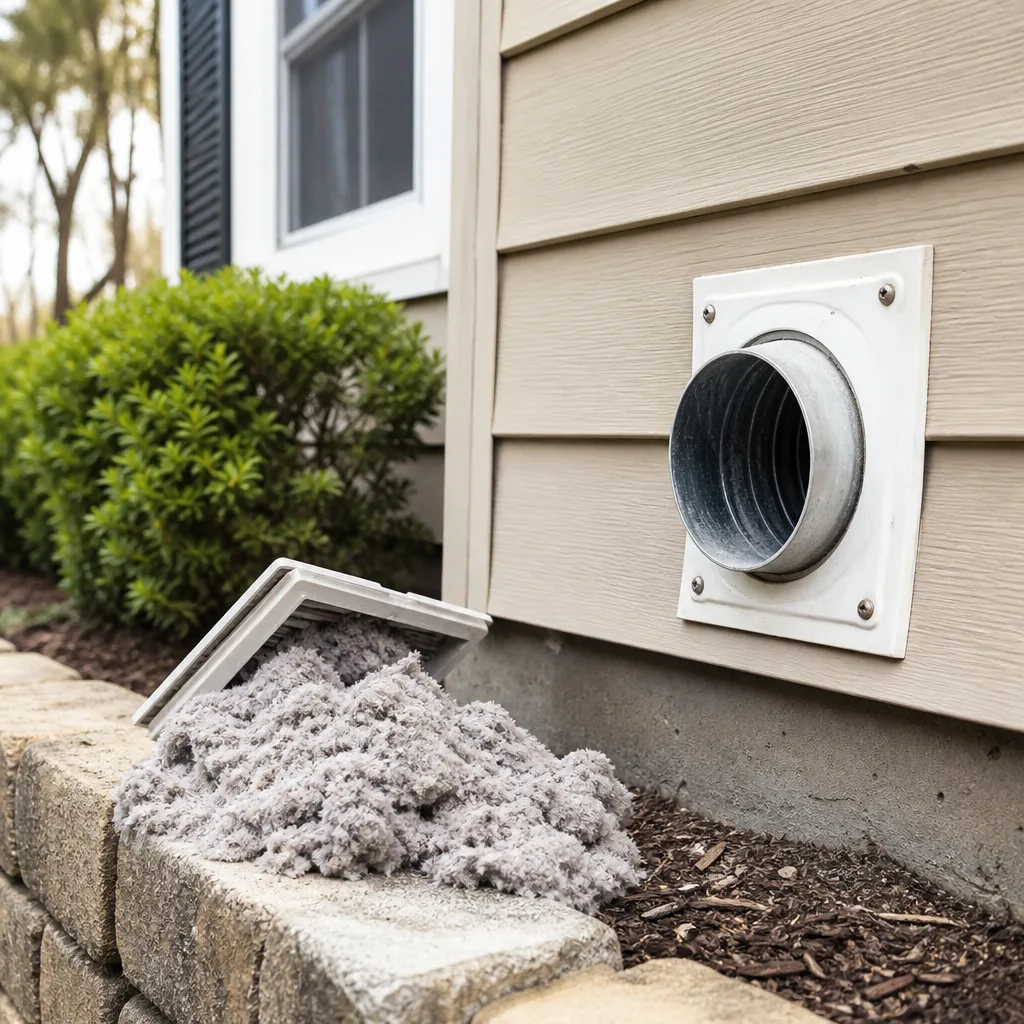
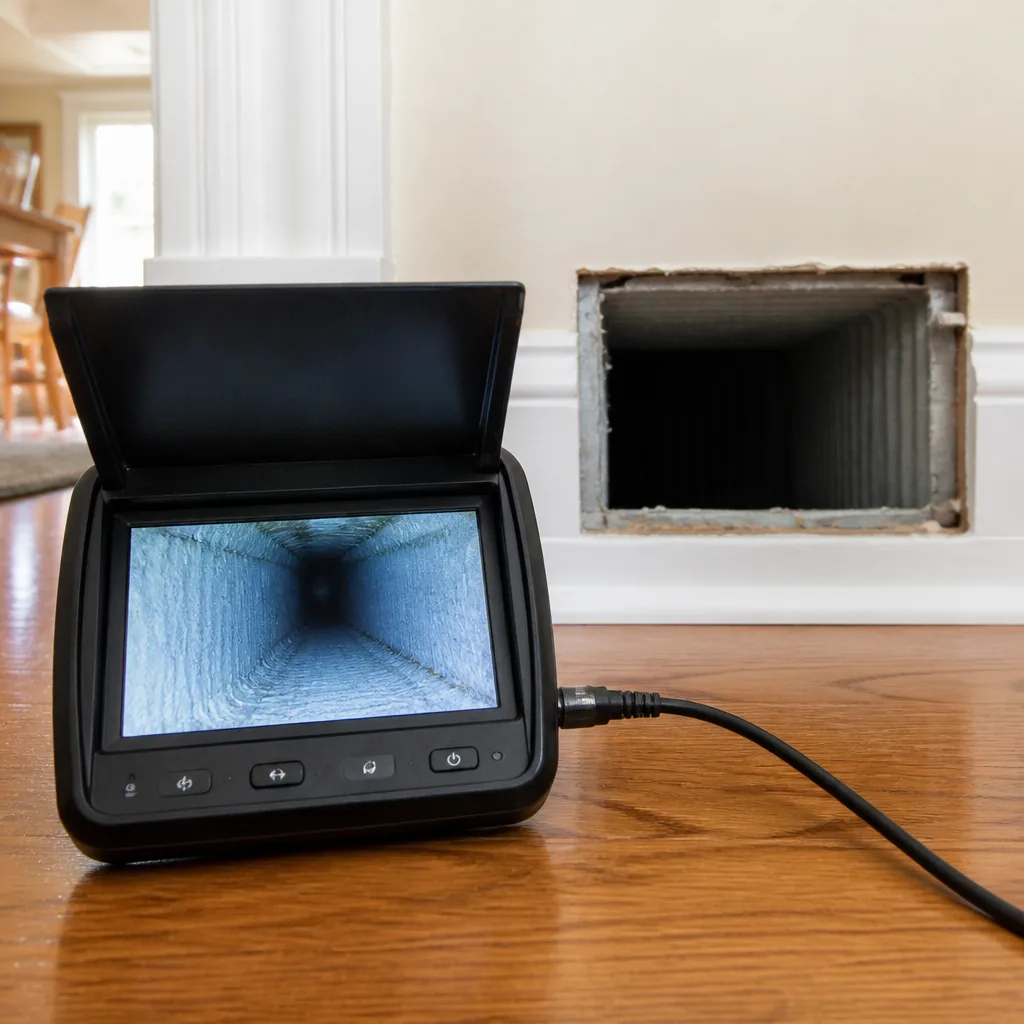
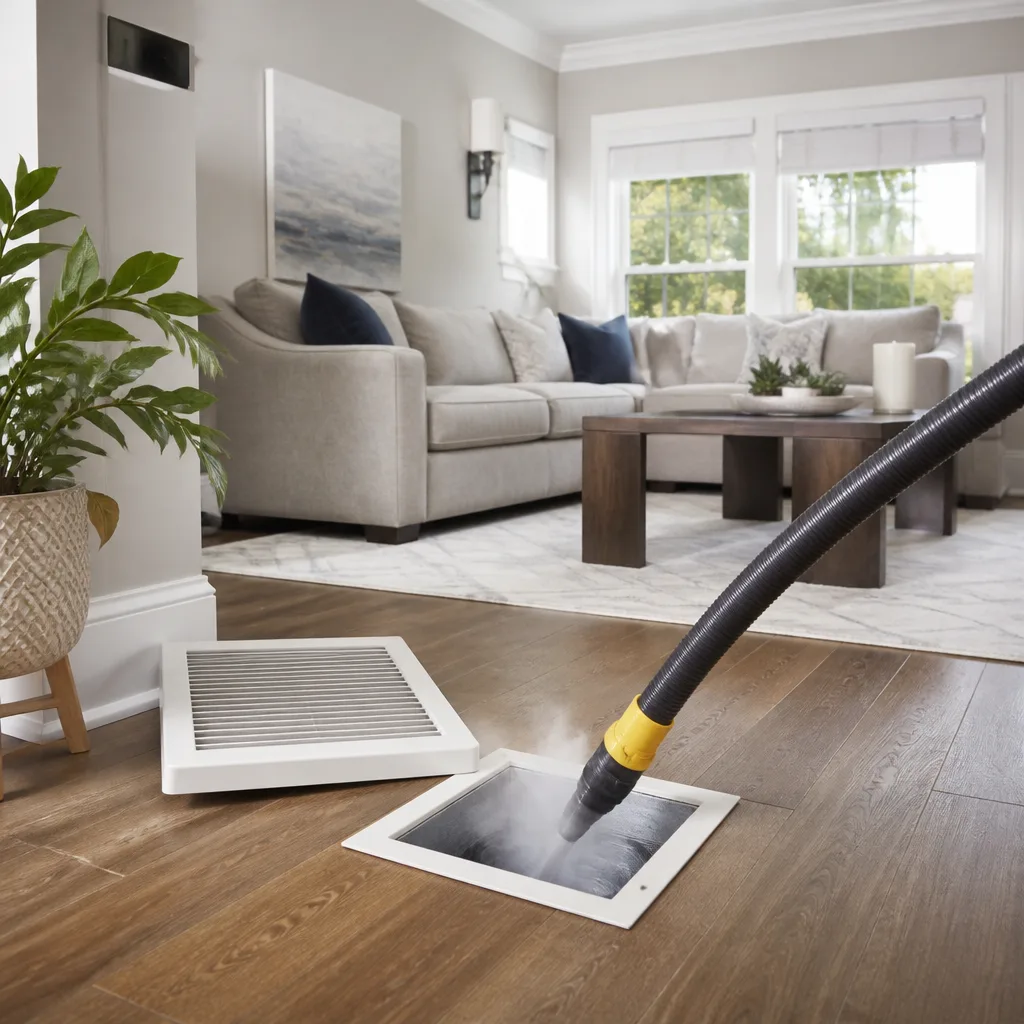
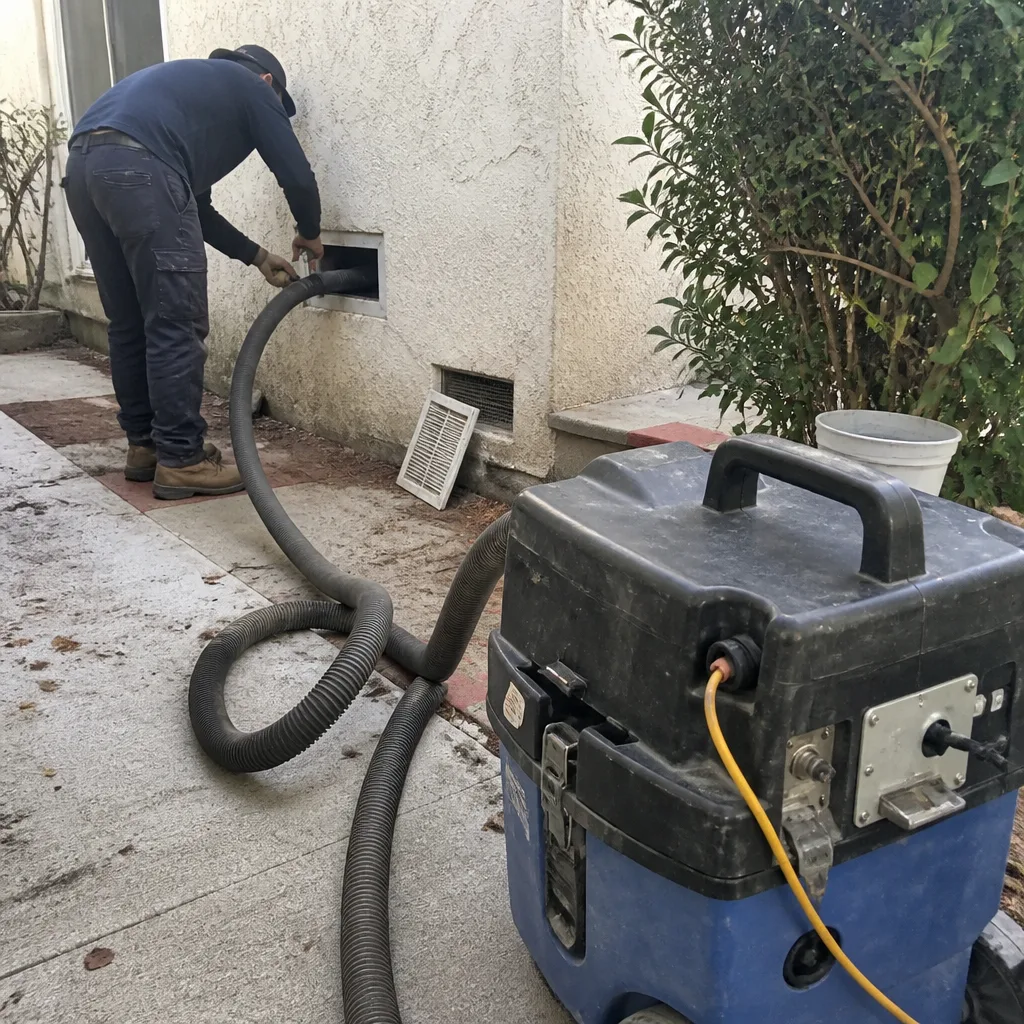 Before
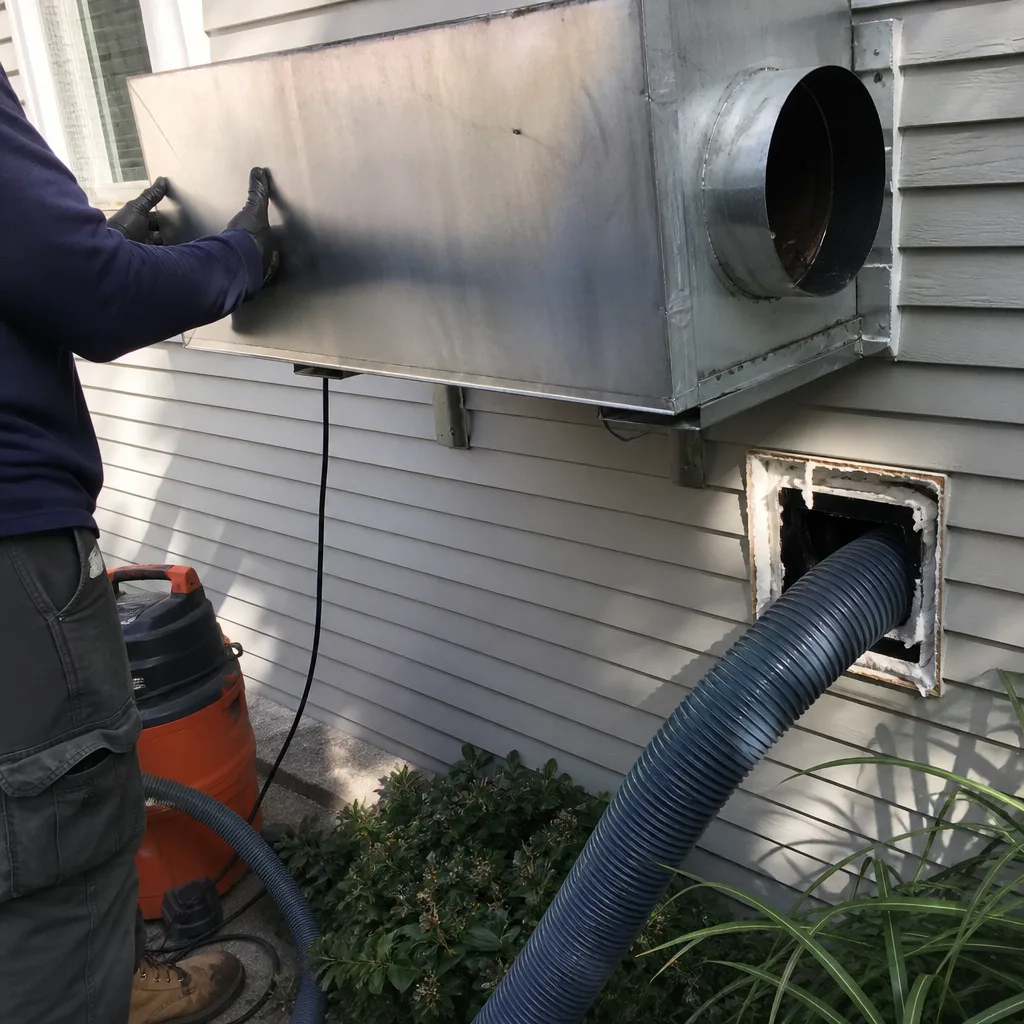 After
After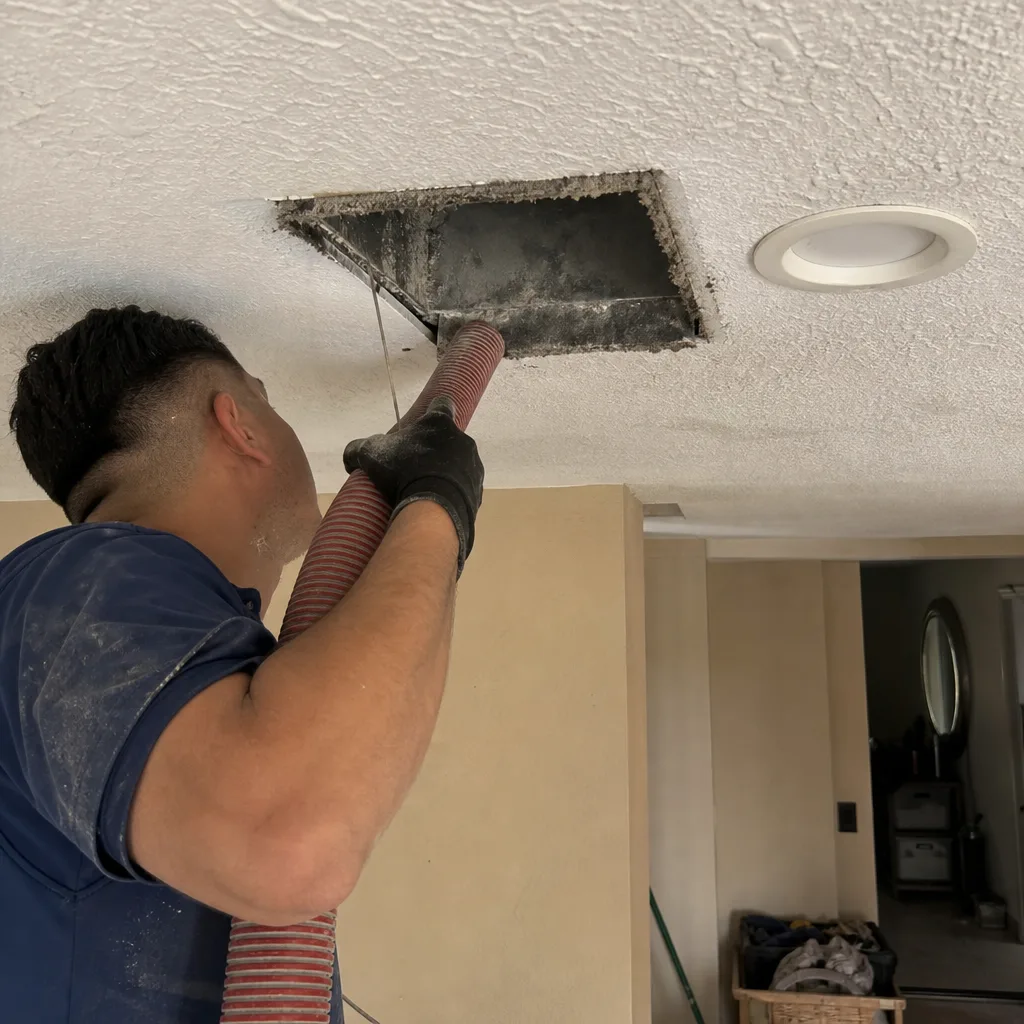 Before
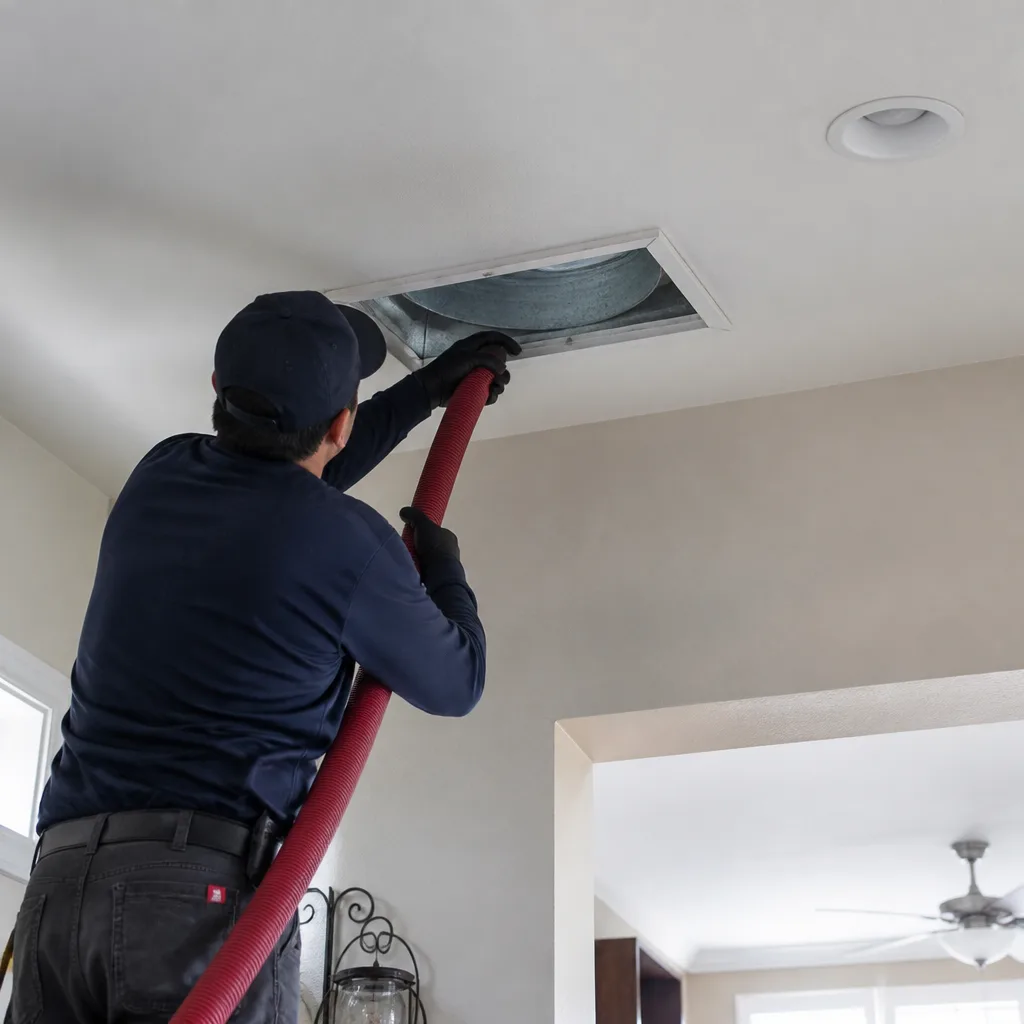 After
After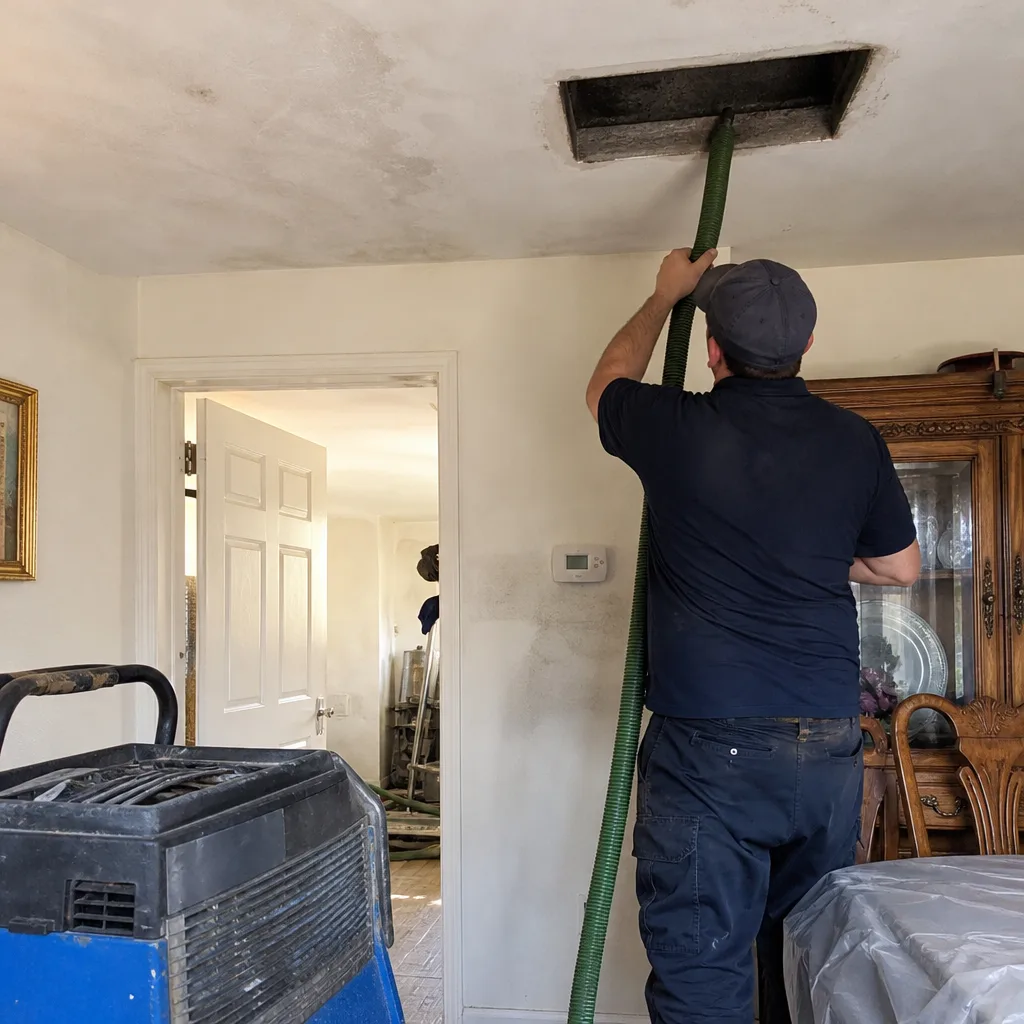 Before
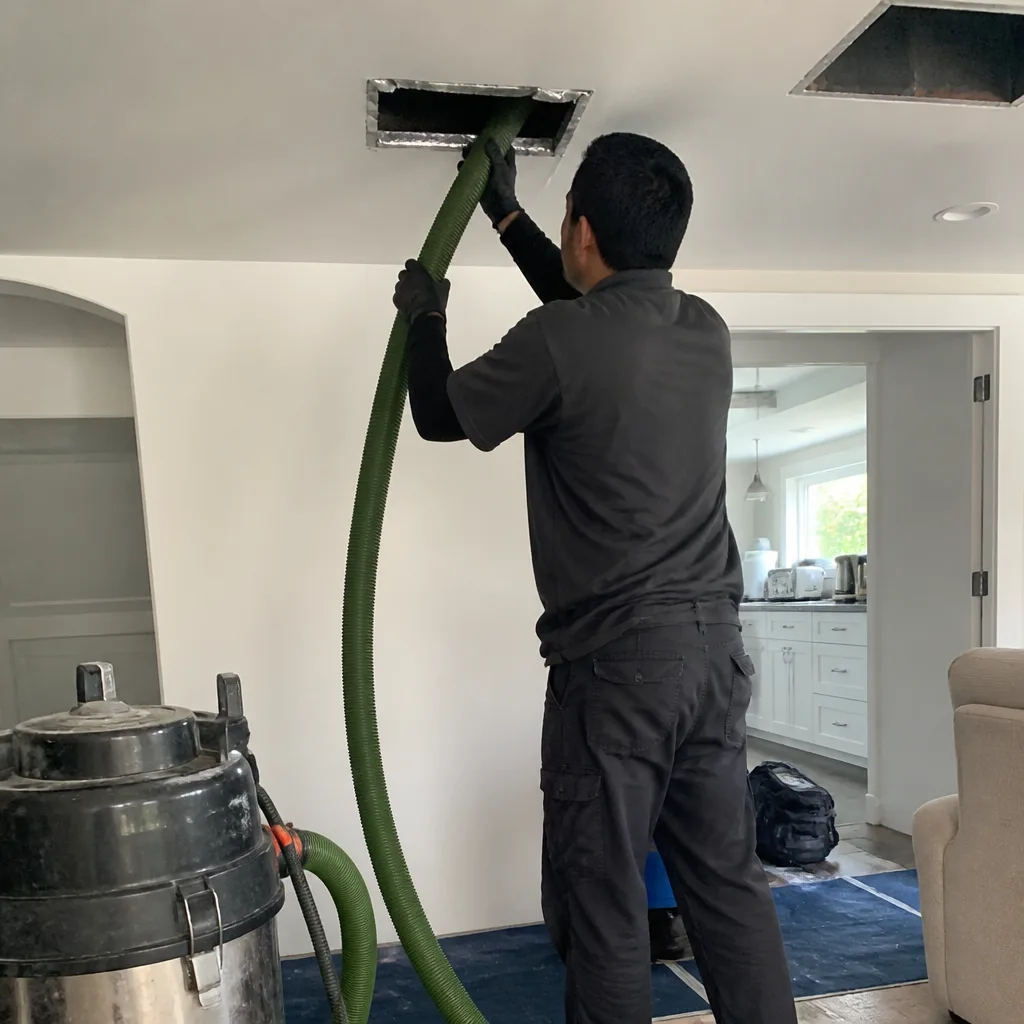 After
AfterHoneywell Duct Sealing in Los Angeles: What to Know First
Honeywell duct sealing in Los Angeles typically runs $450 to $1,200 per system depending on how much of the ductwork needs attention, and most jobs are completed in a single visit. We’re an independent Honeywell service provider, which means we work on Honeywell filtration housings, media cabinets, and the duct runs attached to them without being tied to manufacturer pricing or parts delays. The price is written down before any work starts. It does not move at the door.
This page is for homeowners in Los Angeles who own a Honeywell air cleaner, filter cabinet, or whole-home filtration setup and have noticed dust bypassing the filter, whistling at the seams, or hot spots in rooms that used to be comfortable. If that sounds like your house, call (361) 326-5060 and we’ll walk you through what we’re seeing on your side of the phone before we ever schedule a visit.
How Honeywell Products Fail – and How We Fix Them
Honeywell builds solid filtration equipment. The weak points we see in Los Angeles homes are almost never the Honeywell unit itself. They’re the places where the unit meets the ductwork, the filter rack, and the return drop. Here’s what we find and what we do about it.
- Filter cabinet flange separation on Honeywell F100 and F200 media cabinets. The cabinet mounts to the return plenum with a sheet metal flange that gets pulled out of square when the blower kicks on. Over a few dry Santa Ana seasons, the mastic at that seam cracks and pulls away. We remove the old sealant, re-square the flange, and lay a full-bed mastic with a fiberglass mesh tape so the seam moves without opening. This is the most common Honeywell-specific leak we seal in Los Angeles.
- Duct board degradation downstream of Honeywell F300 electronic air cleaners. The F300 sits in the return and treats air before it hits the coil, but if the unit was installed with raw duct board butted against the housing, the slight vibration of the collector cells eats away at the fiberglass edge over five to seven years. We see this in Rancho Park and parts of the Valley where original installs date to early-2000s construction. The fix is cutting back the damaged board, installing a metal transition collar, and sealing both sides with mastic rated for duct board. If you only replace the filter cells, the leak stays. We fix both.
- Return can leaks above Honeywell TrueCLEAN bypass units in crawlspace installs. Los Angeles crawlspaces are humid at night, dry as a kiln by afternoon, and full of dust blown in from foundation vents. The round return connecting a bypass TrueCLEAN unit to the main return gets jostled during filter changes and the steel band clamps loosen. The tell is dust on the outside of the TrueCLEAN housing or a scratchy sound when the blower ramps up. We pull the run, re-seat it with a proper mastic-gasketed connection, and re-hang it with standoff straps so it isn’t resting on the dirt.
- Plenum cracks where Honeywell humidifier bypass ducts tie in. If a Honeywell whole-home humidifier was retrofitted, the installer often cut a rectangular hole in the plenum with aviation snips and sealed it with foil tape, not mastic. Foil tape fails within two to three Los Angeles summers because attic temperatures hit 130 degrees and the adhesive dries brittle. We replace every Honeywell humidifier tie-in we touch with a proper mastic-and-mesh joint and re-flash the collar. If you’ve got a humidifier you don’t use, we can cap and seal that connection entirely, which is the better call in our dry climate.
- Register boot to drywall gaps across Honeywell-zoned systems. Honeywell zoning panels run dampers, but the register boots downstream are the forgotten joint. In older Los Angeles homes with lathe-and-plaster or original drywall, the boot lip sits proud of the opening and air slips between the metal and the wall cavity. That’s air you paid to condition leaking into the space between your studs. We seal every accessible boot with a foam gasket or mastic where visible, and we’ll walk the whole run so you’re not paying for a partial fix.
Our Honeywell Duct Sealing Process
Here’s how a Honeywell duct sealing job works when you call us. No mystery, no moving targets.
- 1
Call answered by a live person. You call (361) 326-5060, a person picks up, and we ask what the system is doing. We don’t put you in a callback queue.
- 2
We inspect the whole run, not just the Honeywell unit. We map the return, the supply, the plenum connections, and every accessible joint, then mark failures with a grease pencil so you can see them before anything is touched. You get a written price for the work, the full amount, before any sealing starts.
- 3
Parts decision is made with you present. Where a replacement collar, boot, or transition is needed, we tell you what OEM Honeywell costs versus what a quality aftermarket part from a brand like Guardsman or Aprilaire runs. We use OEM when the fit matters, aftermarket when it’s the smarter dollar. You decide with the numbers in front of you.
- 4
Mechanical cleaning of the joint before sealing. Mastic doesn’t stick to dust. Every seam we seal gets wire-brushed and solvent-wiped, then a full-bed sealant is applied with mesh tape embedded where the joint flexes. We don’t brush a thin line of caulk and call it sealed.
- 5
Static pressure check and airflow test. We run the system and confirm the pressure drop across the Honeywell unit and the sealed runs. You see the before and after numbers. If the system doesn’t pull the way it should, we find out why before we leave.
- 6
Site walk and written guarantee. We walk the attic or crawlspace with you if it’s accessible, show the sealed seams, and hand you the 365-Day Done Right Promise in writing. That means if any sealed joint opens or fails within a full year, we come back and make it right at no charge. Free second visit, not negotiated.
What Honeywell Duct Sealing Costs in Los Angeles
Here’s what we typically charge for Honeywell duct sealing work in Los Angeles, written in plain numbers.
- Filter cabinet re-seal (F100/F200 flange): $250 to $450
- Return drop or plenum transition re-seal with new metal collar: $350 to $600 per transition
- Crawlspace return run re-seal and re-hang: $300 to $550 per run
- Full system sealing (two plenums, main trunk, registers accessible): $750 to $1,200
What moves the price is access: a crawlspace with 18 inches of clearance costs more than a standing attic, because it’s slower and we do it by the book. Existing damage from prior foil-tape repairs costs more to correct than a first-time seal. You get the price in writing before we start, and that number is what you pay. Call (361) 326-5060 for an exact quote. Estimates are free.
Why Los Angeles Homeowners Call Hollis Air Duct Cleaning for Honeywell Work
Roy Castellanos grew up in Boyle Heights and did his HVAC training through the sheet metal and air conditioning program at Los Angeles Trade-Technical College before spending years running hands-on duct work across Los Angeles County. That’s the reason we cut open a plenum and see the installer’s shortcuts for what they are instead of guessing. When we show up for a Honeywell job, we’re there to seal the system to The Garrison Code: arrive inside the window, price in writing, do the job by the book, leave the site cleaner than we found it.
We also work on Lennox, Trane, and Carrier systems, which matters if your Honeywell filter cabinet is tied into a furnace or handler built by another brand. The sealing work we do doesn’t care what name is stamped on the cabinet, but our techs know the differences in how each brand’s plenums are folded and hung. And if the seal fails within a year, we come back at no charge. That’s the 365-Day Done Right Promise, in writing on every job. Clean ducts, straight answers, that’s the whole job.
FAQs
No. Duct sealing work is performed on the ductwork connected to your Honeywell equipment, not on the Honeywell unit itself, and no Honeywell warranty covers the ducts. As an independent Honeywell service provider, we don’t open the Honeywell cabinet, alter its internal components, or modify the unit in any way that would give a manufacturer grounds to reject a claim. If a replacement accessory part is needed during the job, we discuss OEM versus aftermarket options with you before ordering anything.
You’ll see dust accumulating on furnishings in rooms far from the return even when the Honeywell filter is clean, hear a faint whistling at the seams when the blower runs on high, or notice some rooms never reach temperature in summer. If the filter is new and the dust problem persists, the air is bypassing the filter through leaks. That’s a duct sealing problem, not a filtration problem. Call (361) 326-5060 and we’ll help you confirm which one you’re dealing with before scheduling anything.
Most lower bids either seal with foil tape instead of mastic, which fails within two Los Angeles summers, or they only seal the joints they can reach from the attic access panel. We price the whole run and seal with mastic and mesh because it’s the only method that holds under the temperature swings we get here. The bid we hand you is the full price, not the starting point. If a quote doesn’t specify mastic and mesh, it isn’t apples to apples.
A filter cabinet re-seal or single plenum transition takes two to three hours. A full system seal including crawlspace runs can take a full day. We’ll tell you the timeline in writing when we give you the price, and we arrive inside the quoted window. Call (361) 326-5060 to schedule an assessment, and we’ll give you a real window, not a four-hour guess.
Our job is the ductwork, transitions, and connections around your Honeywell equipment. If the Honeywell unit itself has failed, we’ll tell you what we’re seeing and point you to a qualified HVAC contractor for replacement, rather than sell you sealing work that won’t fix the problem. The same goes for repair versus replace on the duct runs: if a run is collapsed or disintegrating, sealing it is wasting your money, and we’ll say so plainly.
If you own a Honeywell system in Los Angeles and your ducts are leaking, call (361) 326-5060 today. You’ll get a live person, a written price, and a year-long guarantee in writing. That’s the standard we’ve worked under since 2004.
Written by Roy Castellanos, Owner, Hollis Air Duct Cleaning at Hollis Air Duct Cleaning, serving Los Angeles and nearby areas.