
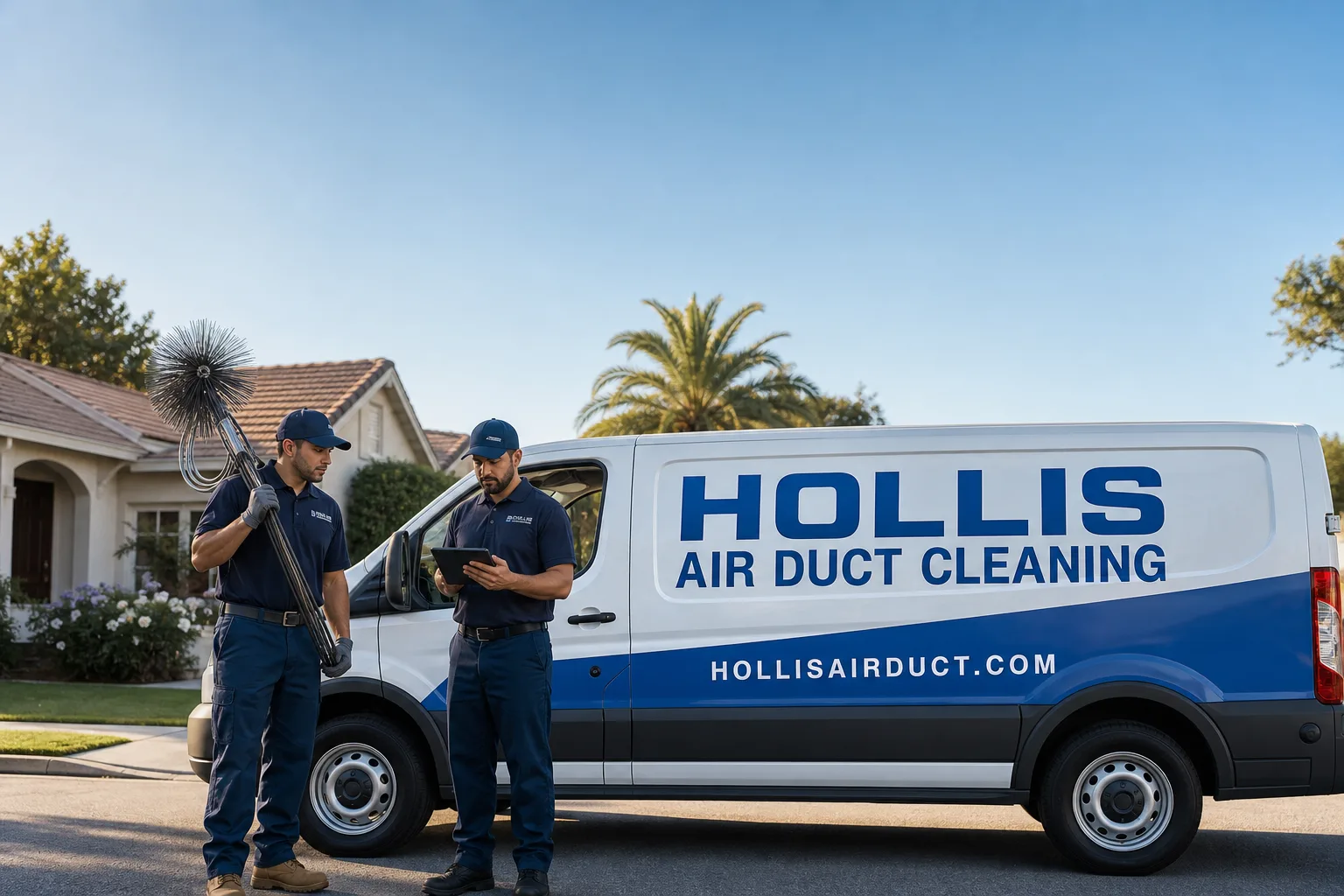
Whole-system duct and dryer vent check with before-and-after photos - you see exactly what came out of your vents
That "$99 whole-house special" is a bait ad - the real number appears once they are in your hallway, or the "clean" is a shop-vac at the register. We photograph the inside of your ducts before and after instead.
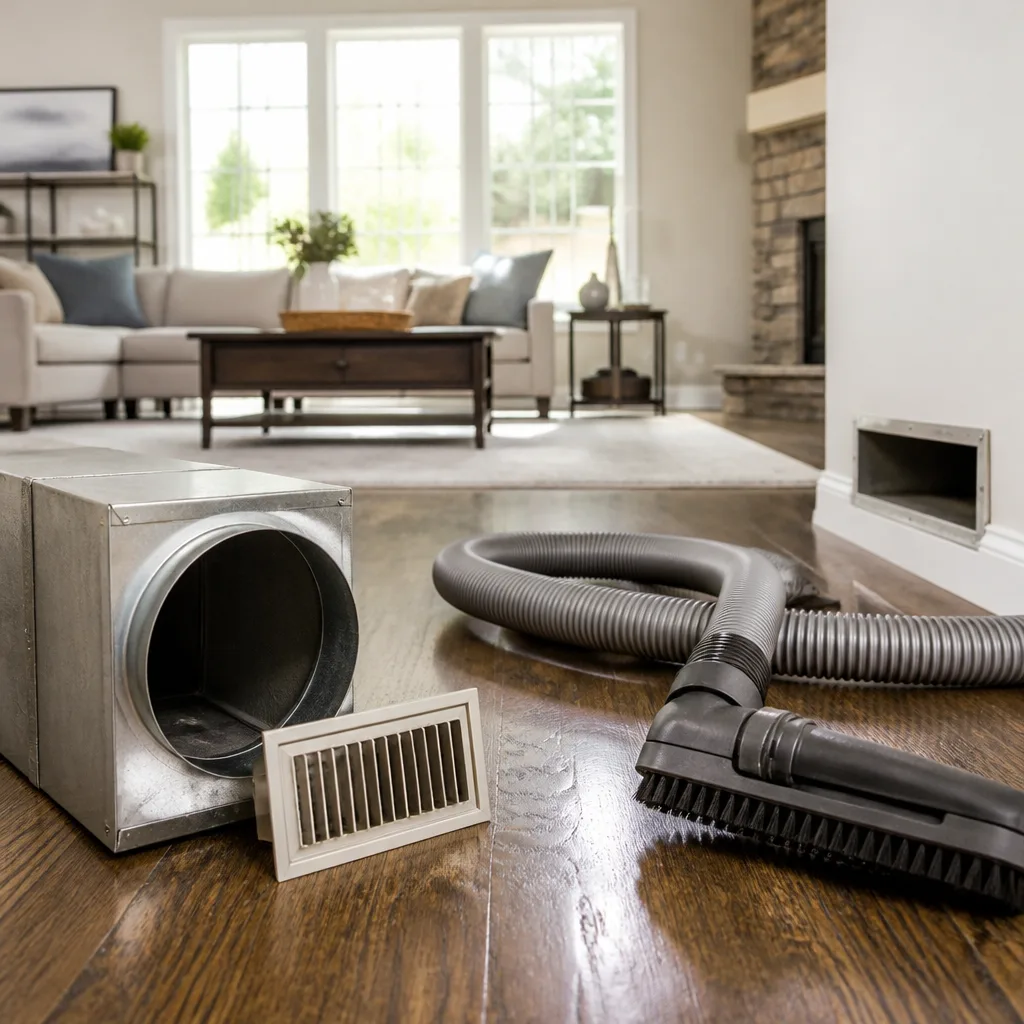
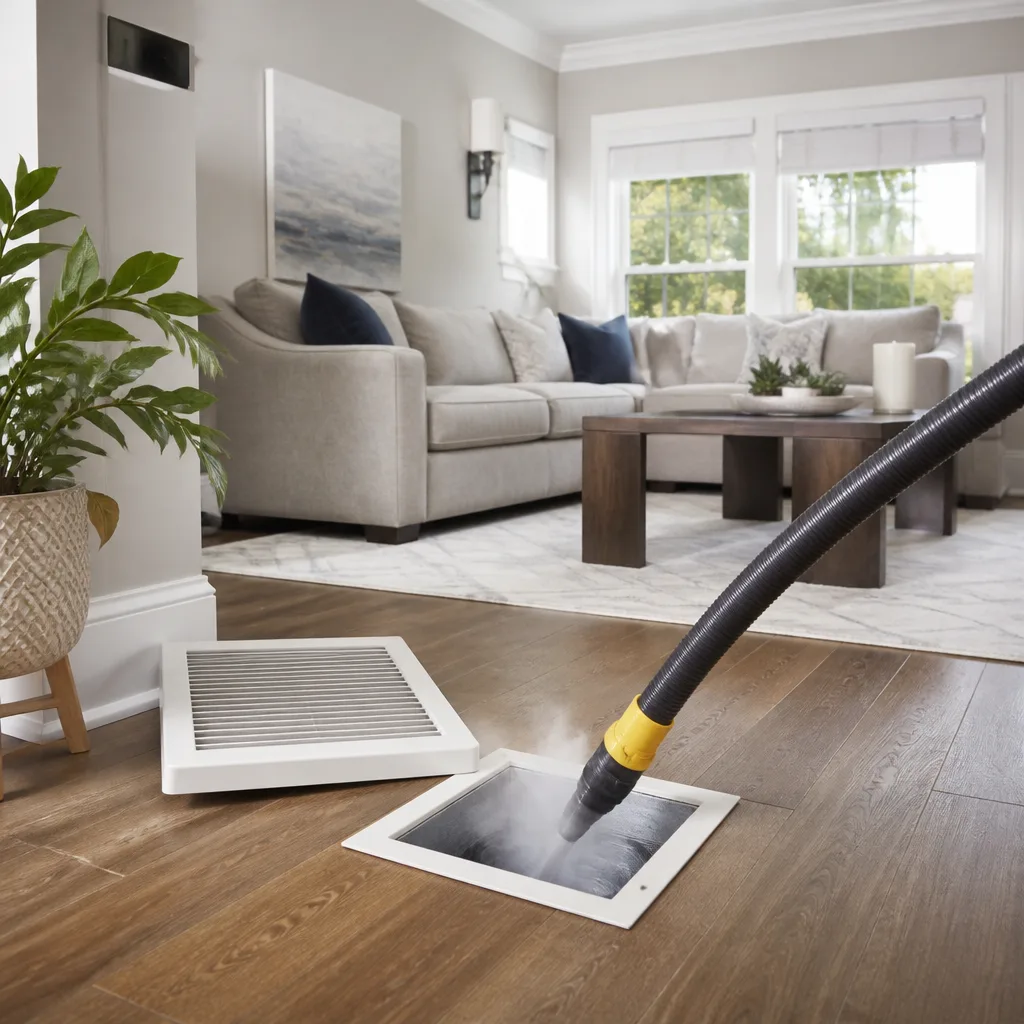
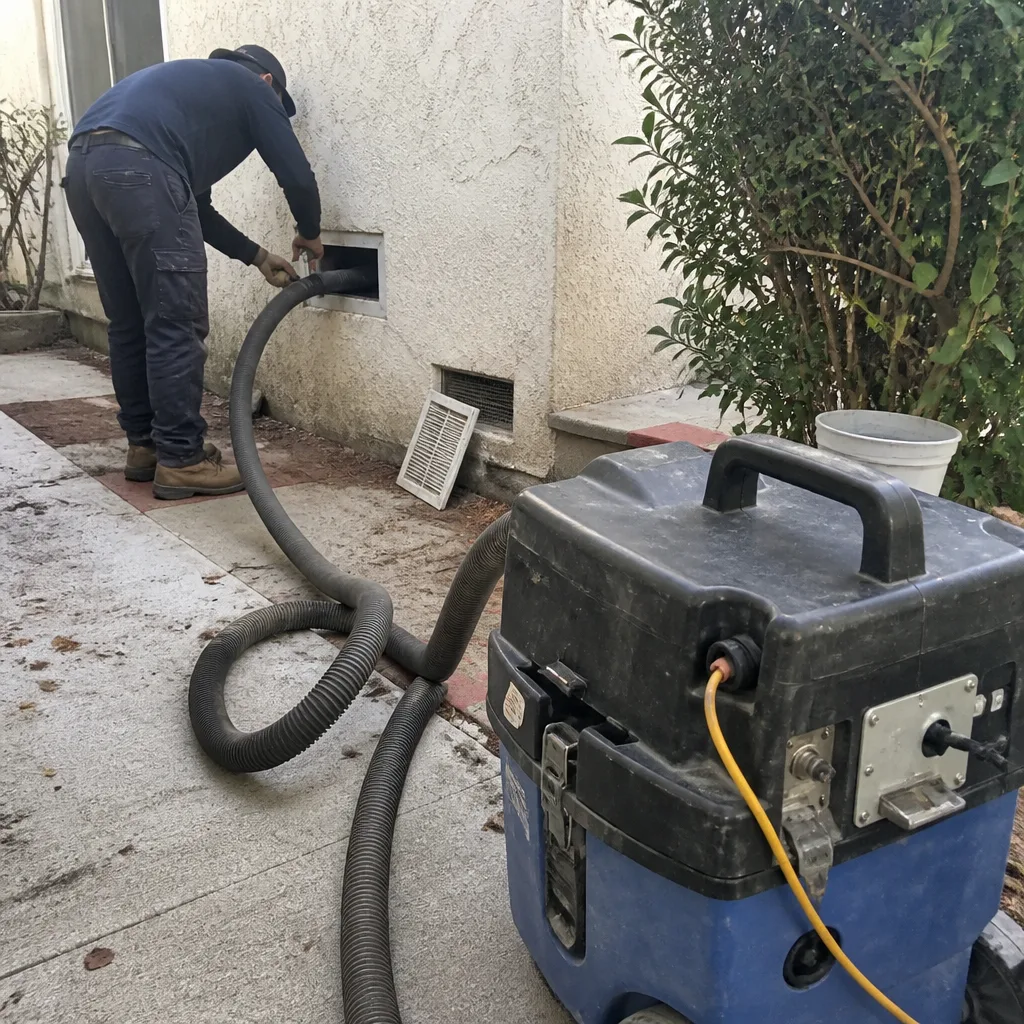 Before
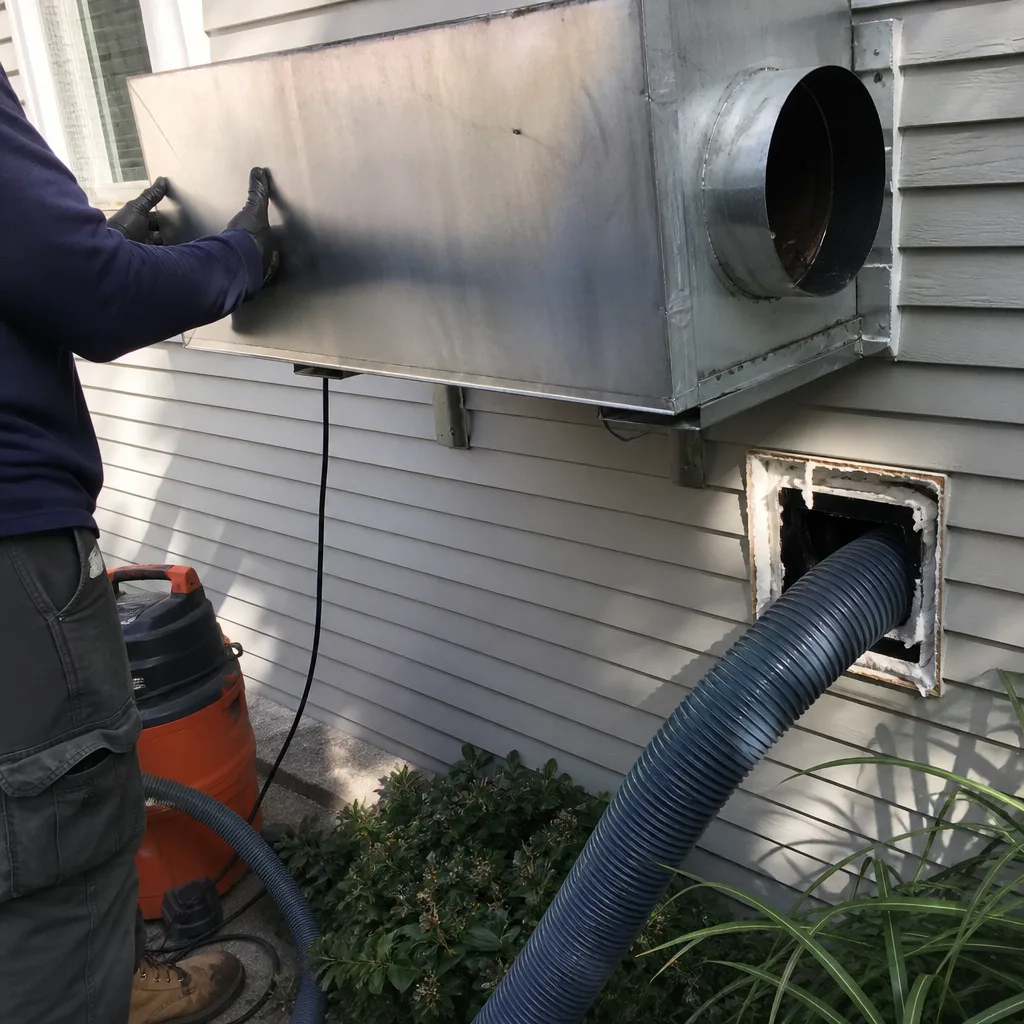 After
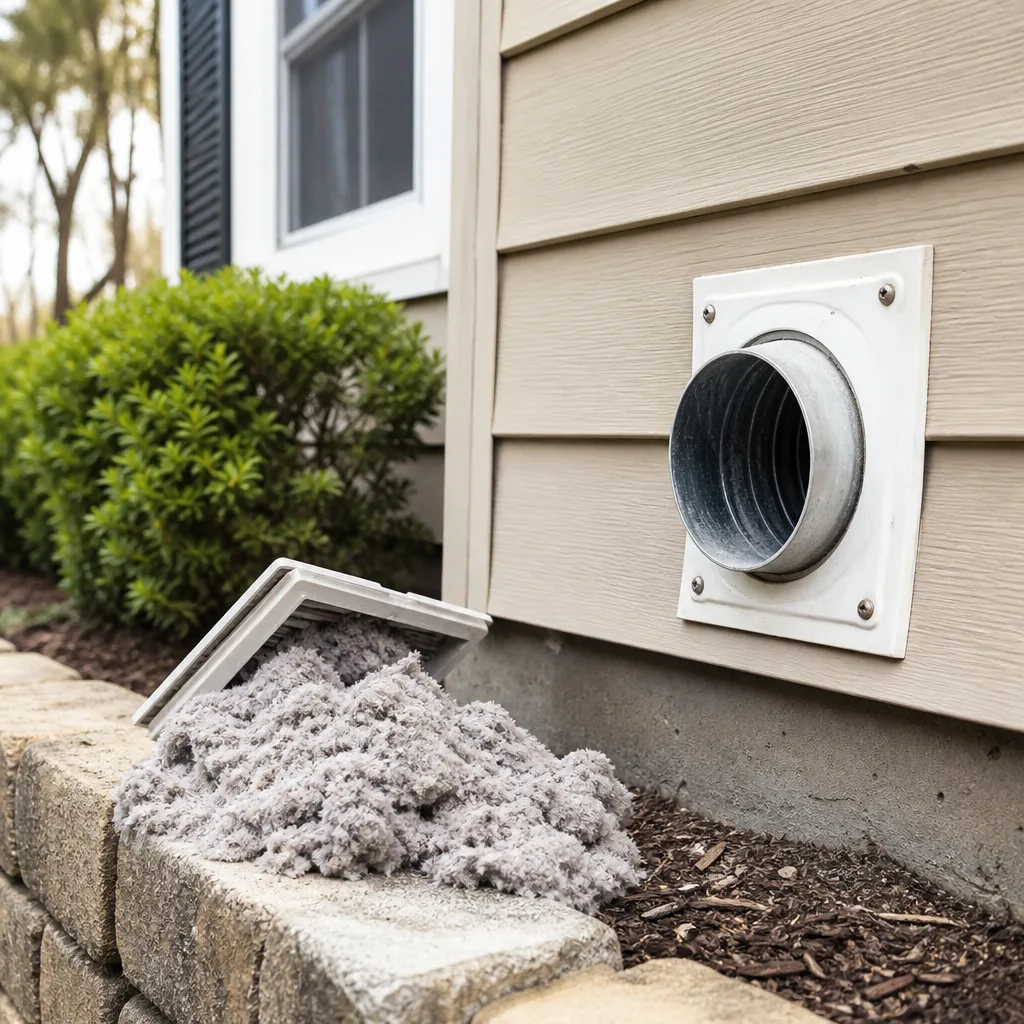
After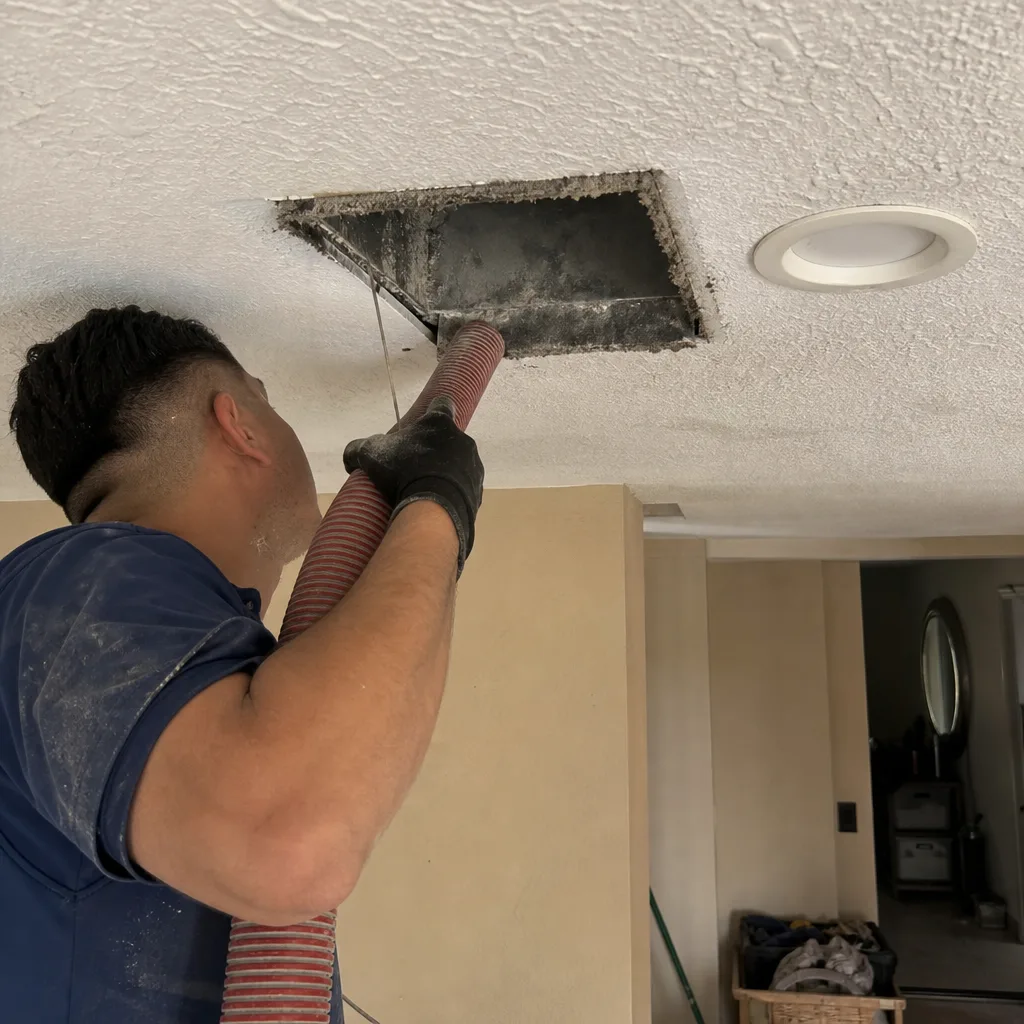 Before
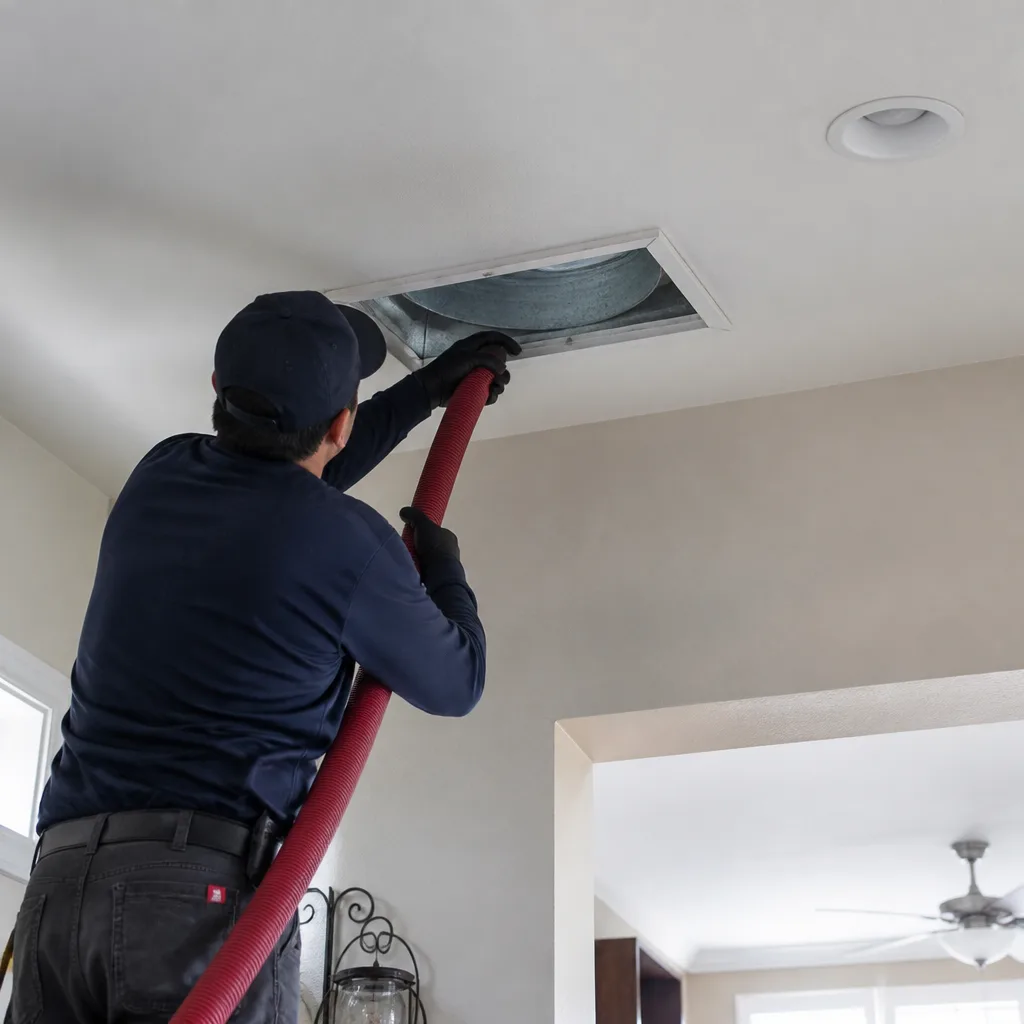 After
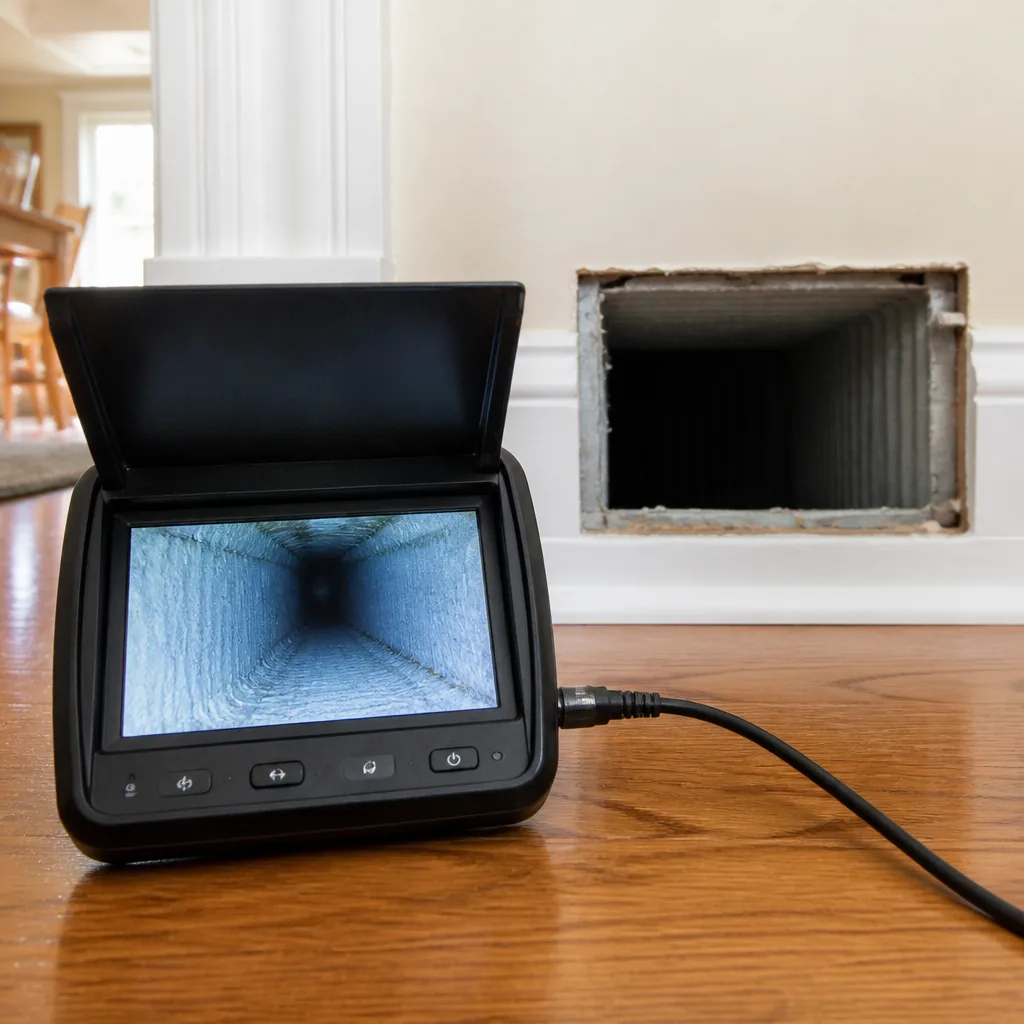
After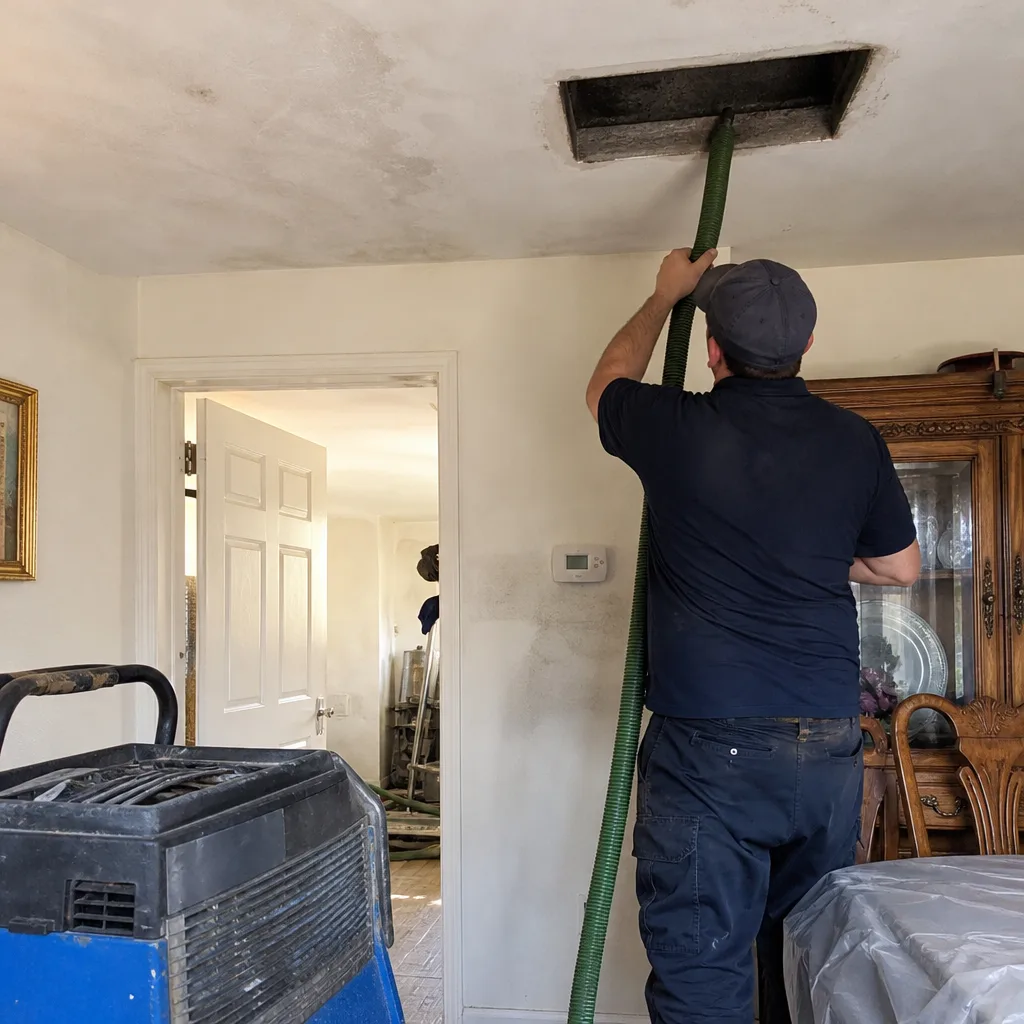 Before
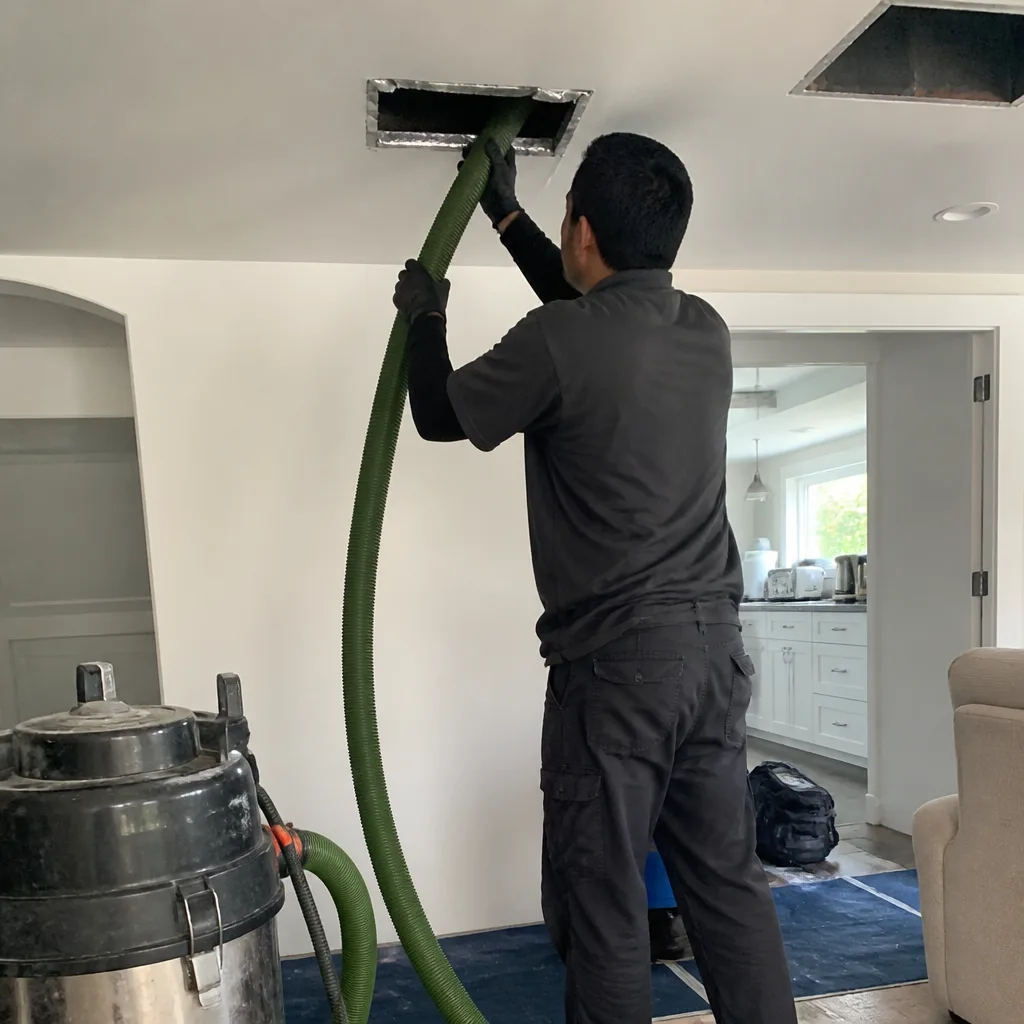 After
AfterAllergies Worse Indoors
If your allergy symptoms get worse the moment you walk inside your own home, your duct system is almost certainly the reason. Forced-air systems pull air through every room and push it back out through your vents – and whatever has built up inside those ducts rides along for the trip. A professional air duct cleaning removes that buildup at the source.
Most people assume outdoor air is the problem. But the EPA has noted for years that indoor air can carry higher concentrations of common allergens than outdoor air does. When dust, mold spores, pet dander, and pollen collect inside a duct system, your HVAC fan spreads them through every room every time it runs. The symptoms – sneezing, itchy eyes, congestion that clears up when you leave the house – follow a predictable pattern once you know what to look for.
Why It Happens
Dust and debris buildup in the ductwork
Over years of normal use, fine dust settles on the interior walls of supply and return ducts. When the system kicks on, that dust gets stirred up and redistributed into the air you’re breathing. A visible sign: pull off a vent cover and shine a flashlight inside. If you see a layer of grey-brown dust coating the duct walls or piled at the bottom of the boot, the system needs cleaning. That’s not a minor cosmetic issue – that’s what’s moving through your air every time the heat or AC runs.
Mold growth inside the ducts or air handler
Ductwork that runs through unconditioned spaces – attics, crawlspaces, exterior walls – is especially prone to condensation. When warm, humid air meets a cooler duct surface, moisture collects. Mold follows moisture. You may notice a musty smell when the system first turns on, or small dark spots around vent covers. Mold spores are a potent allergen, and once they’re circulating through your air supply, no amount of vacuuming or surface cleaning inside the house will solve the underlying problem.
A dirty or missing air filter
The filter on your air handler is the first line of defense against particles entering the duct system. A filter that’s past its useful life stops trapping particles and starts shedding them. Check the filter at your air handler – if it’s visibly grey, matted, or if you can’t remember the last time you changed it, that alone can explain worsening symptoms. Filters that are the wrong size for the slot, or that have been left out entirely, let unfiltered air move straight into the ductwork.
Leaky ducts pulling in attic or crawlspace air
Ducts that have separated at joints or developed cracks don’t just waste conditioned air – they pull unconditioned air in from wherever they run. Attic air often carries insulation fibers, pest debris, and concentrated dust. Crawlspace air can carry mold spores and soil particulates. If your symptoms are worst in certain rooms, or if you notice that some rooms feel stuffy no matter how long the system runs, leaky duct connections could be pulling in air from spaces that were never meant to be part of your breathing environment.
What to Do Right Now
- Check and replace your air filter. Locate the filter slot at your air handler or return-air grille. If it’s grey, clogged, or missing, replace it with the correct size before the system runs again. Write the date on the new filter’s edge so you know when it was changed.
- Pull a vent cover and take a photograph. Remove one supply or return vent cover and photograph the interior of the duct with your phone flashlight. This gives a technician useful information before they arrive and gives you a before-and-after reference once the job is done.
- Notice when symptoms are worst. Keep a simple mental note – do symptoms spike within a few minutes of the system turning on? Are they worse in certain rooms? Does leaving the house for a few hours bring relief? This pattern tells a technician a lot about where the problem is concentrated.
- Reduce system runtime temporarily if symptoms are severe. If you or someone in the home is having a significant allergic response, turning the system to fan-off and opening windows (weather permitting) reduces exposure until the ductwork is inspected and cleaned.
- Do not attempt to clean inside ductwork yourself. A household vacuum at a vent opening stirs up debris without removing it and can push particles deeper into the system. Effective duct cleaning requires negative-air machines that capture dislodged material rather than recirculating it – that’s not equipment a hardware store carries.
How We Fix It
When a Hollis technician arrives, the first step is an inspection – vent covers off, a look at the air handler and return-air plenum, and a check of any accessible duct runs. Before any cleaning equipment is set up, you’ll receive a written price for the work. That price does not change once the job starts.
For allergen-related complaints, the core service is air duct cleaning using Rotobrush rotary brush equipment paired with Nikro negative-air machines. The rotary brush loosens debris from duct walls while the negative-air machine pulls it out and traps it – nothing gets pushed back into the living space. If filtration is part of the problem, we carry Honeywell, Aprilaire, and Abatement Technologies products and can address that in the same visit.
If leaky duct connections are pulling in attic or crawlspace air, duct sealing is performed at the same time or scheduled as a follow-up. Most residential air duct cleanings take two to four hours depending on the size of the system. All work is covered by the 365-Day Done Right Promise: if it fails within a year, we come back and make it right at no charge.
Frequently Asked Questions
Dirty ducts are one of the most common indoor causes of worsening allergy symptoms. When dust, mold spores, pet dander, or pollen accumulate inside a duct system, the HVAC fan disperses them through your home every time it runs. If your symptoms follow the system’s on-cycles – getting worse shortly after the heat or AC kicks in – the ductwork is a likely source. A duct inspection will either confirm it or help rule it out.
It gets worse with time. Buildup inside ducts doesn’t disappear on its own, and if mold is involved, the spore load in your air increases as long as the source goes untreated. If someone in the home has asthma, a compromised immune system, or severe allergies, waiting is a meaningful risk – not just a comfort issue. Call (361) 326-5060 to get a written estimate scheduled; your local Hollis team can assess the situation and tell you exactly what they’re seeing.
This is the right question to ask, and it’s one of the most common complaints in this industry. Hollis technicians take before-and-after photographs of the duct interior so you can see what was there and what was removed. The Rotobrush and Nikro system we use works under negative air pressure, which means debris is captured in a containment unit – you can see what came out. The written price and the 365-Day Done Right Promise are both in place before the job starts, not offered after you raise a concern.
Air duct cleaning is a scheduled job that takes a few hours and requires the right equipment on the truck – it’s not a drop-in service. The best way to find out when your local Hollis team has availability is to call (361) 326-5060 directly. Calls are answered by a live person around the clock, so you won’t hit a voicemail and wait until Monday for a callback.
Get It Fixed
Call (361) 326-5060 or book online and your local Hollis Air Duct Cleaning team will schedule an inspection, put the price in writing before any work starts, and back everything with the 365-Day Done Right Promise. Cleaner air, from the vents on out.
Written by Roy Castellanos, Owner at Hollis Air Duct Cleaning, part of the Garrison Partners family since 2004.
What Our Customers Say
"No sales pitch. Told me which parts of the system were fine and only cleaned what needed it."
- Ted L."They checked each section with a camera and showed me the dust before and after. Thorough and honest."
- Nicole H."Duct sealing along with the cleaning cut our summer bill. Straight talk and fair price."
- Gwen O.