
Whole-system duct and dryer vent check with before-and-after photos - you see exactly what came out of your vents
That "$99 whole-house special" is a bait ad - the real number appears once they are in your hallway, or the "clean" is a shop-vac at the register. We photograph the inside of your ducts before and after instead.
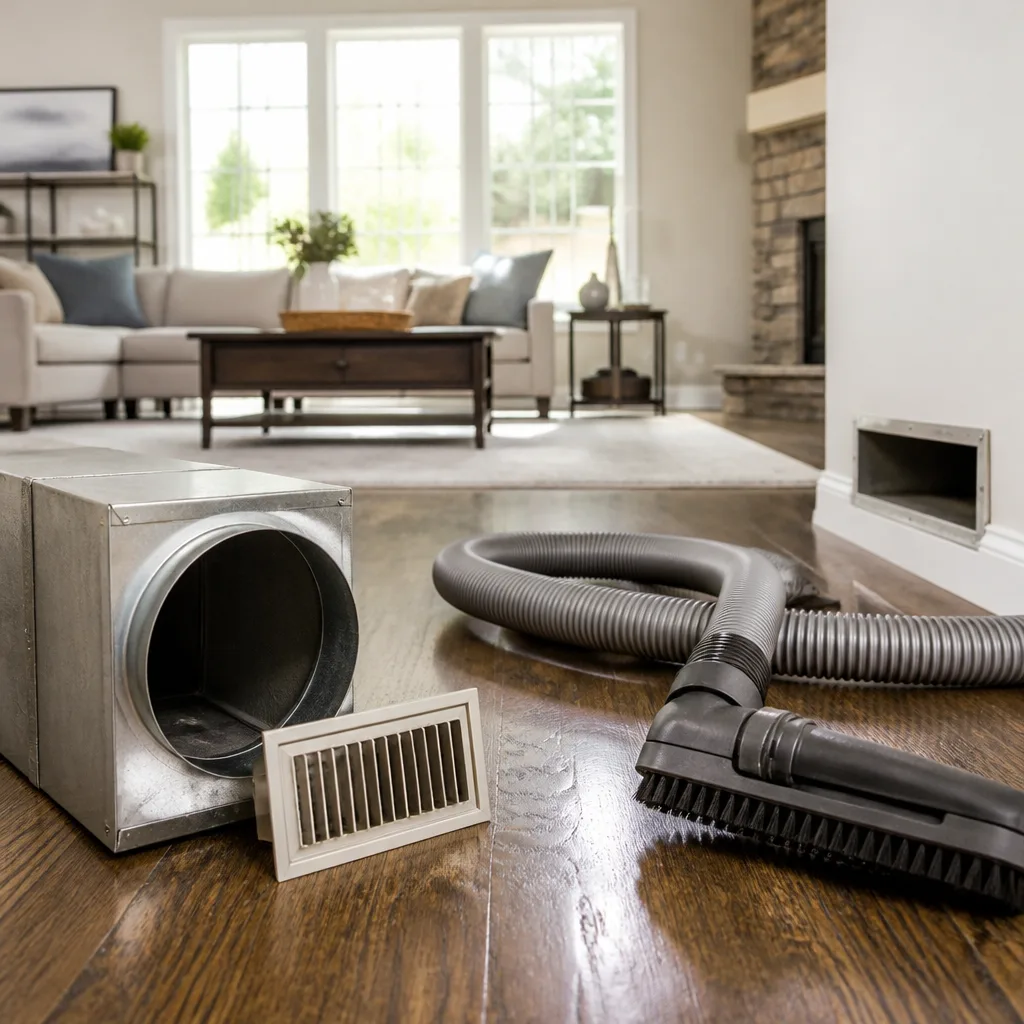
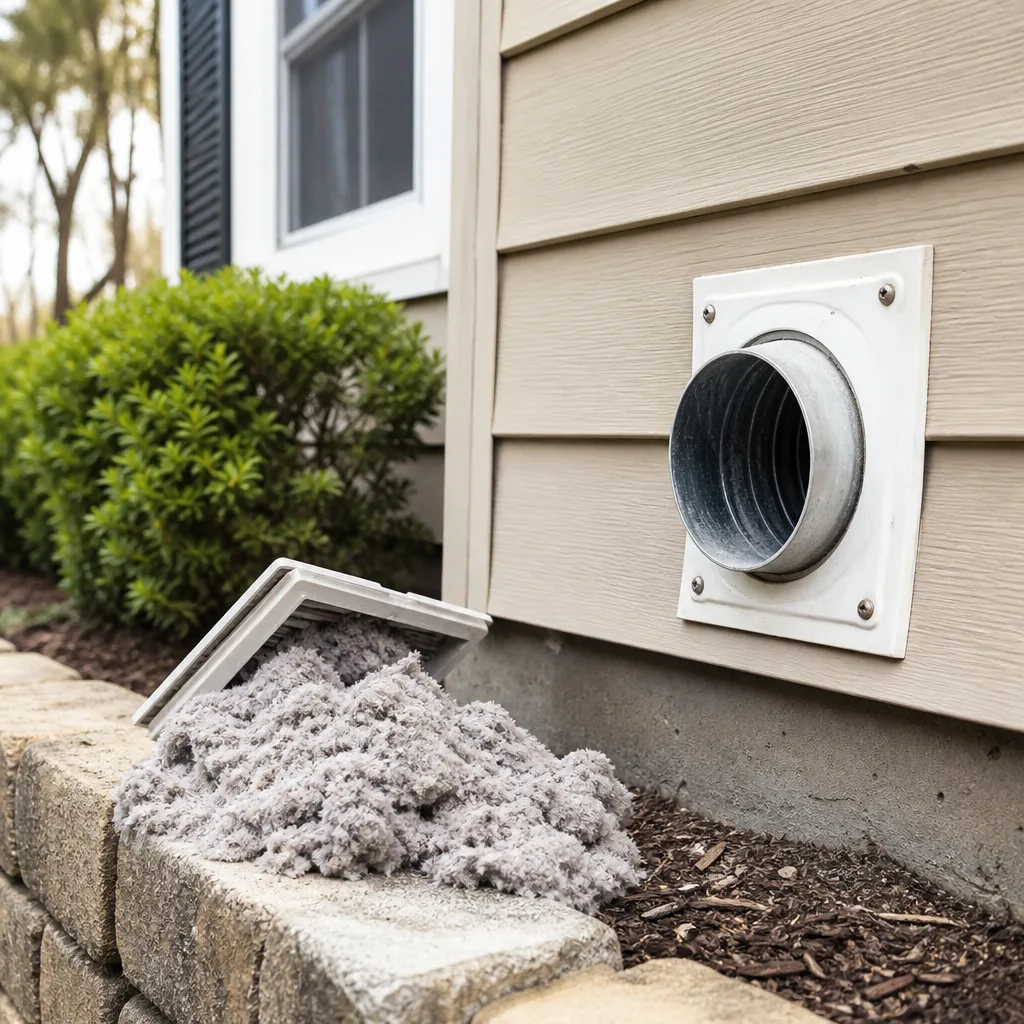
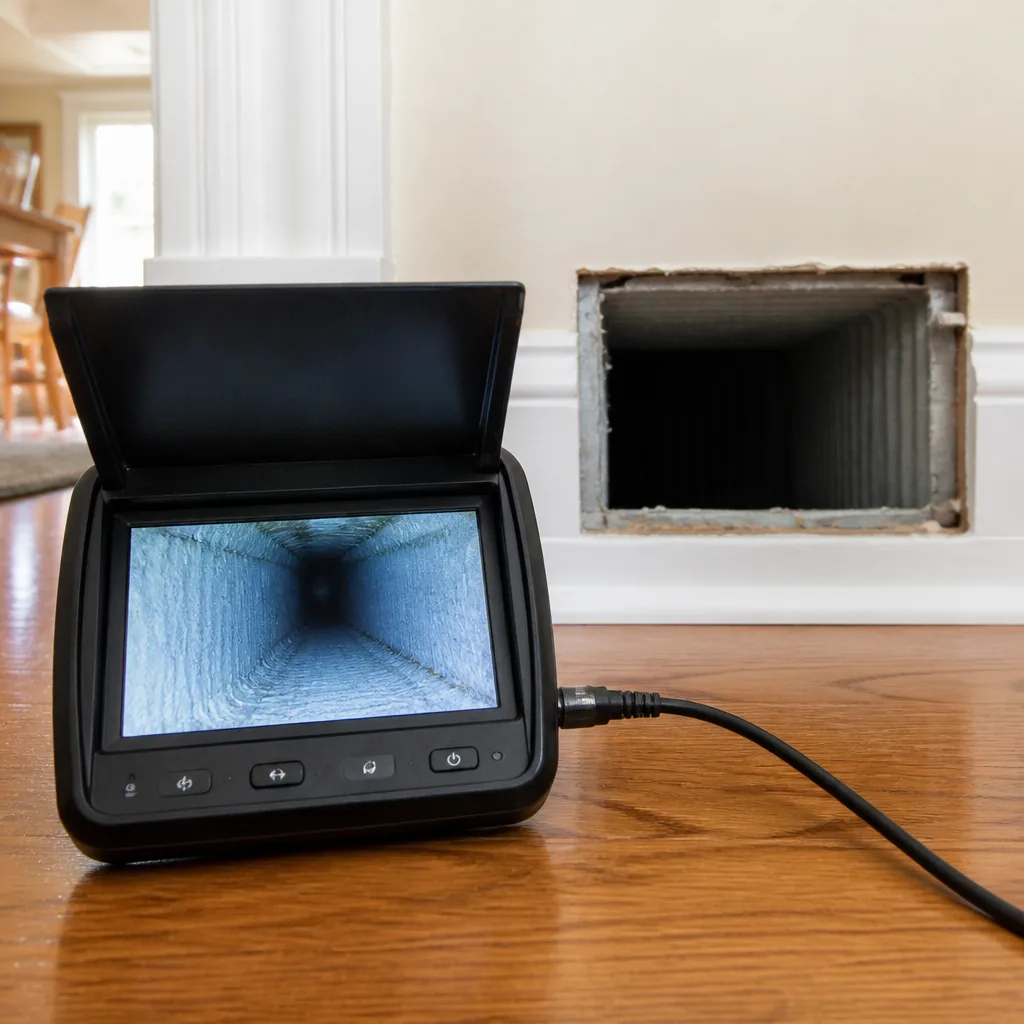
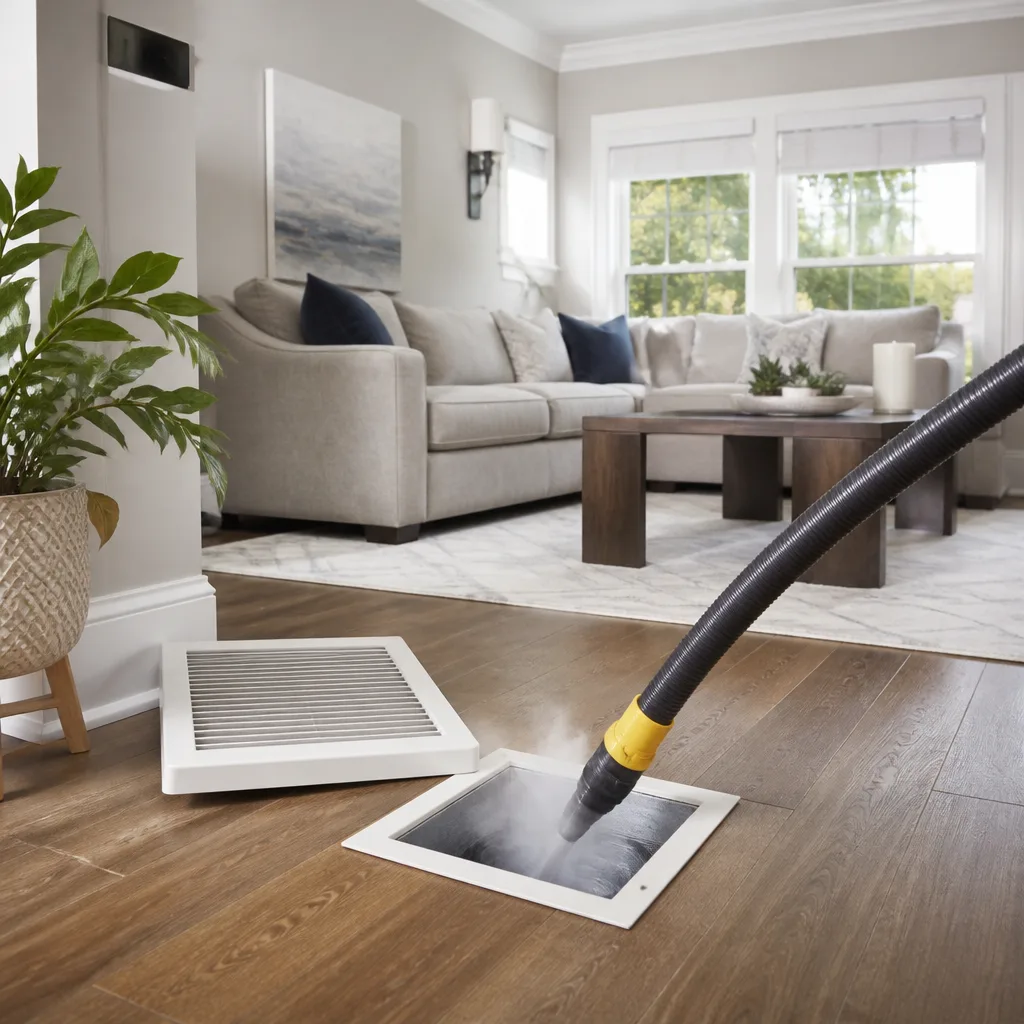
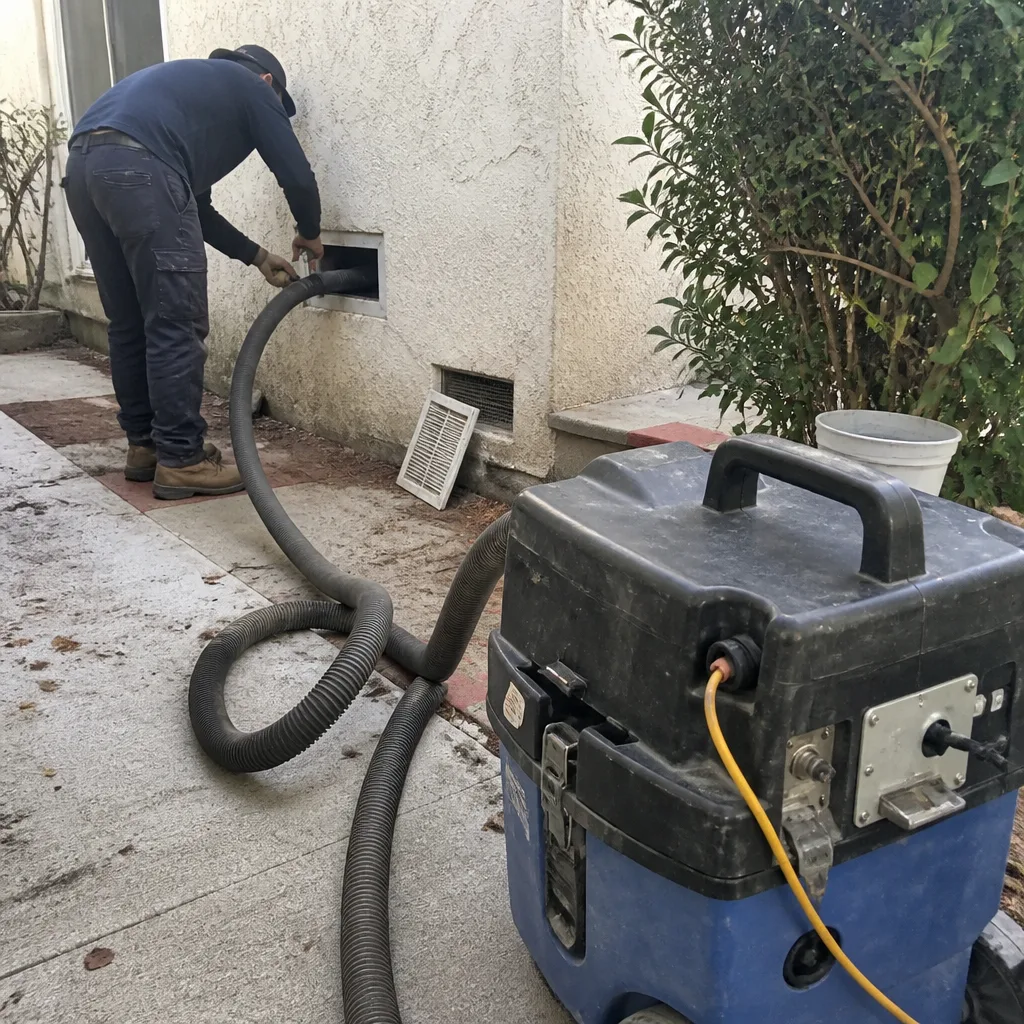 Before
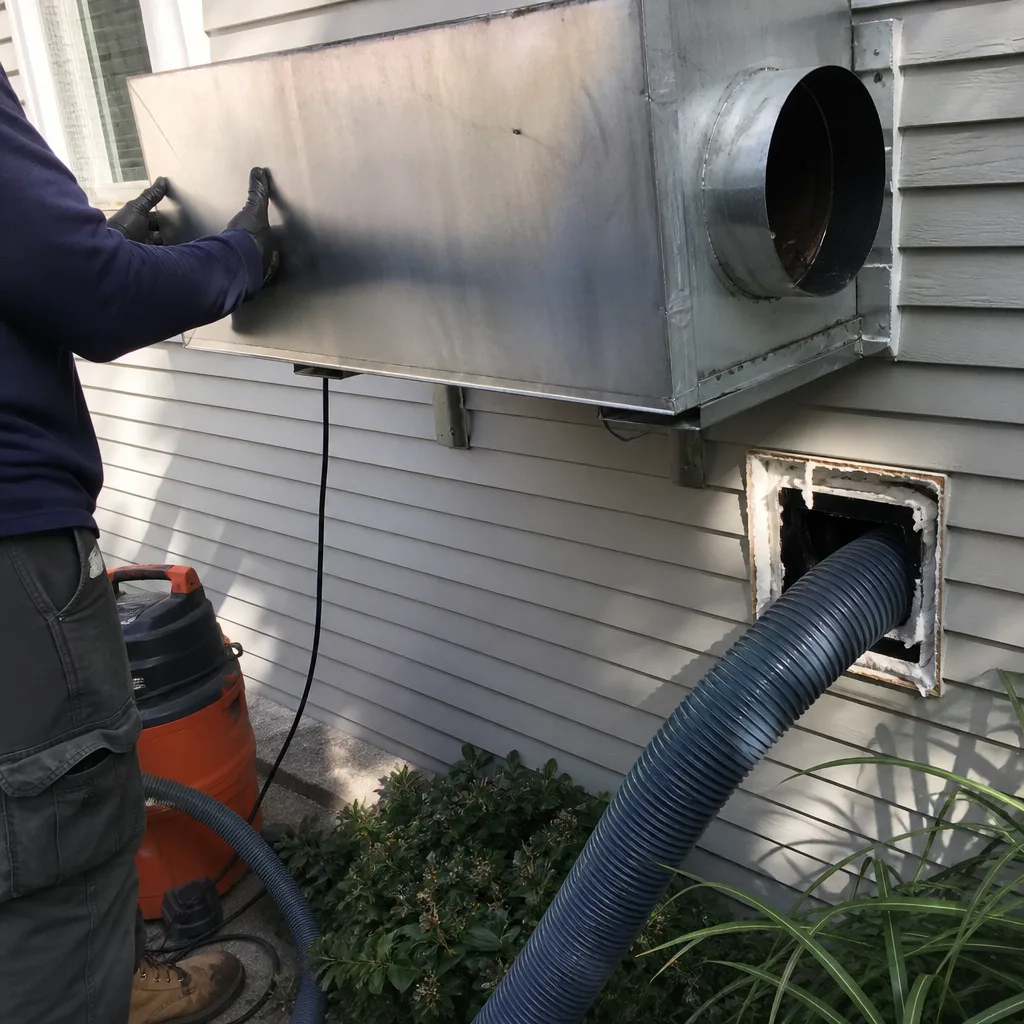 After
After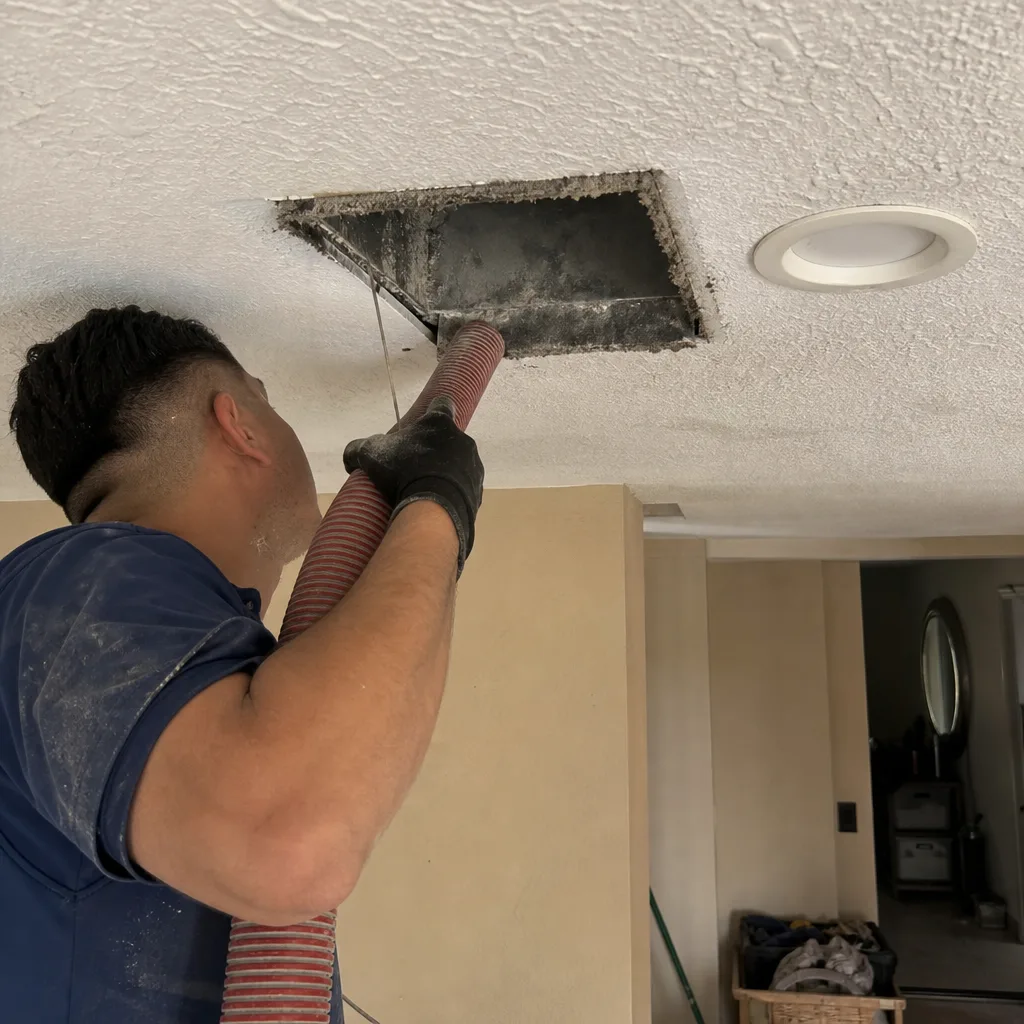 Before
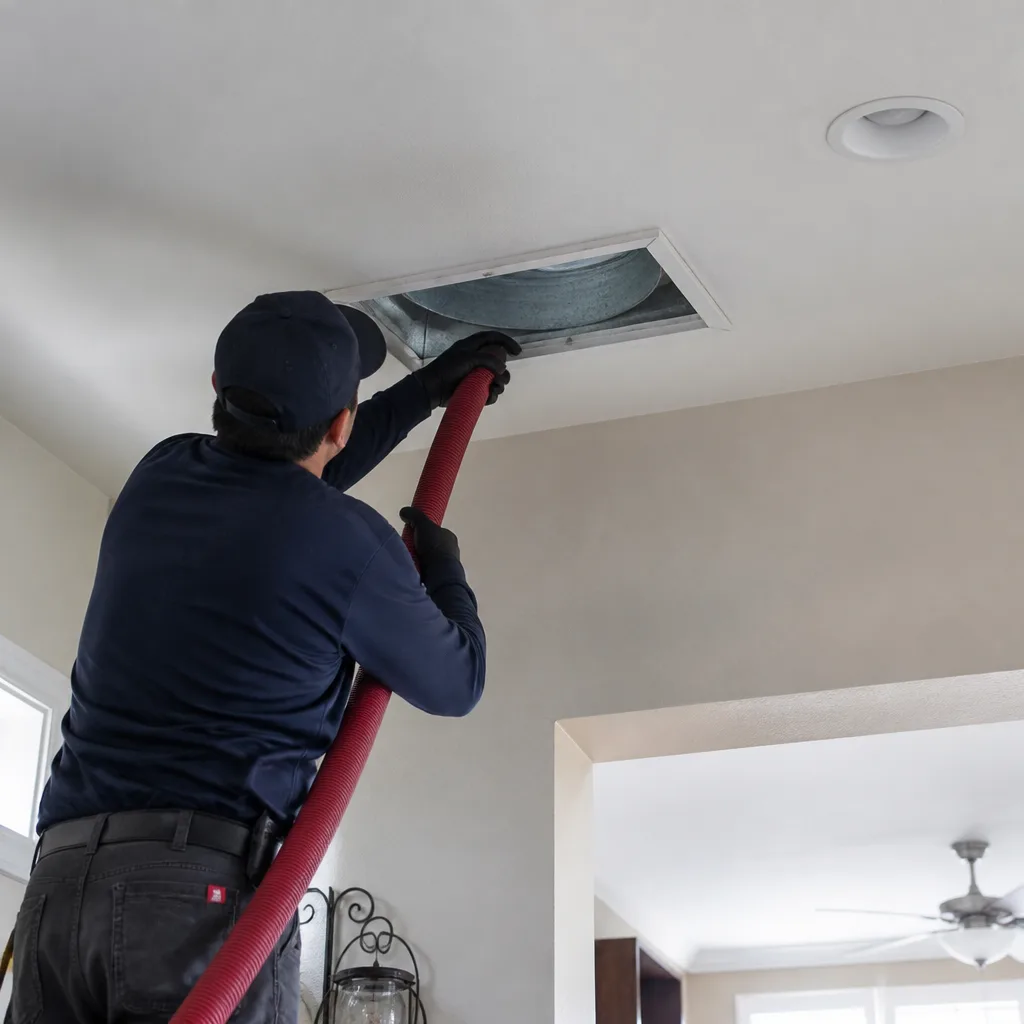 After
After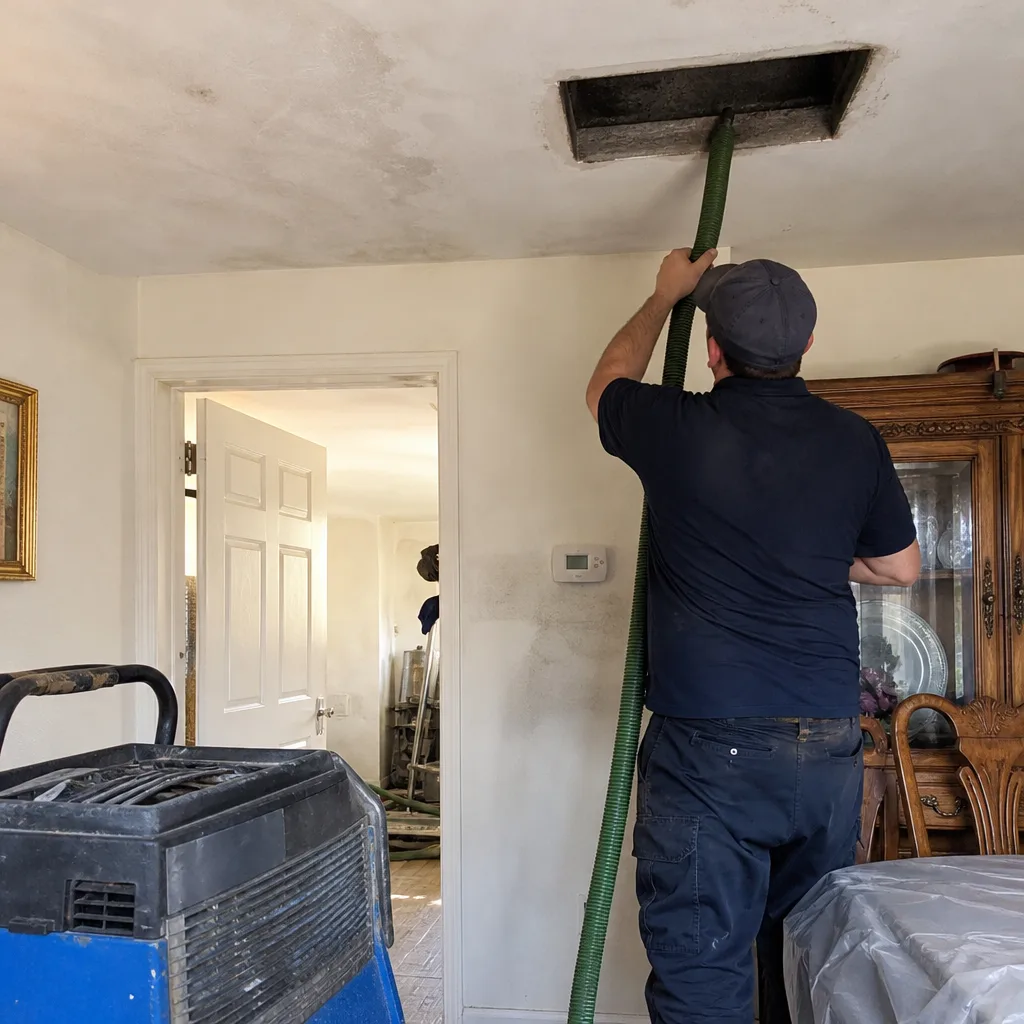 Before
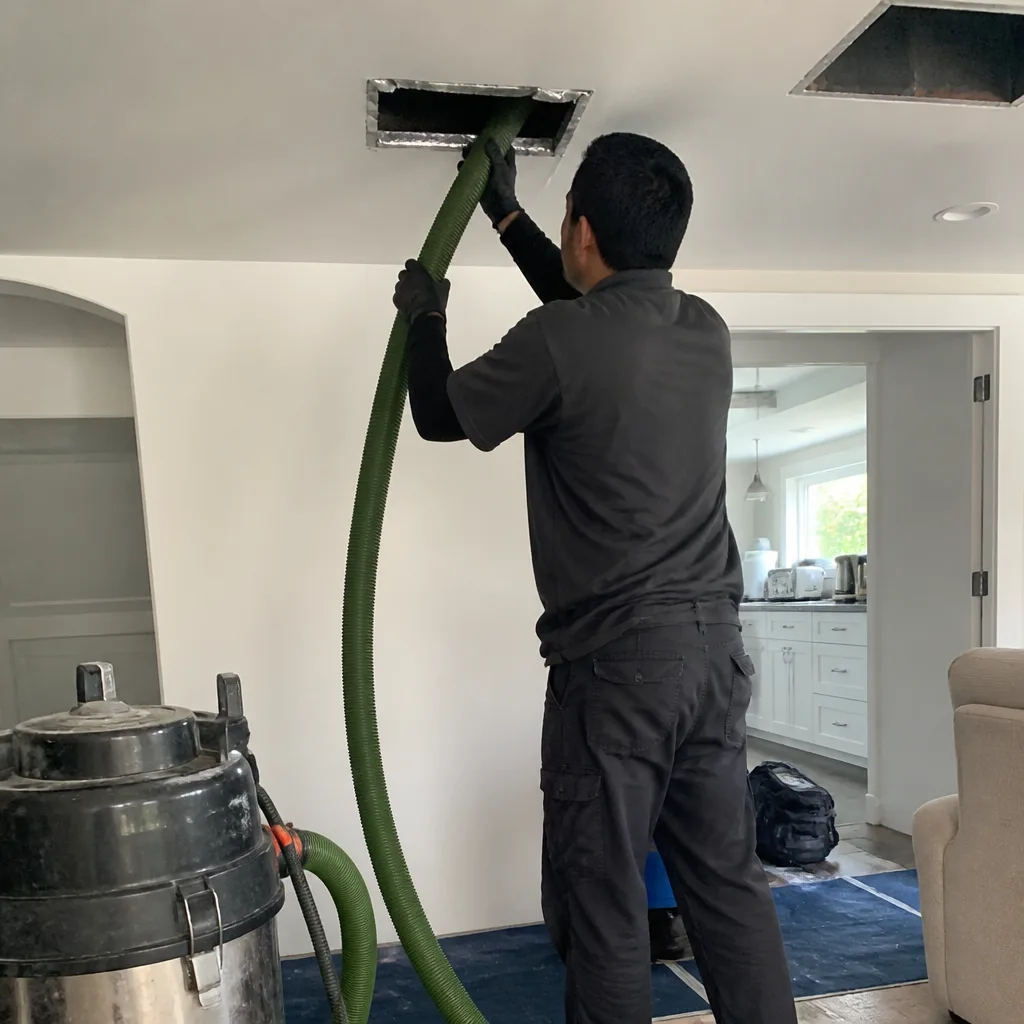 After
AfterAprilaire Vent Sanitizing: The Los Angeles Owner’s Guide
We stock and install Aprilaire-compatible vent sanitizing components across Los Angeles County, with typical installed pricing running $220 to $510 depending on your model and what’s actually failed inside the unit. Most calls start the same way: the indicator light won’t come on, the humidifier pad stays dry, or the system cycles but the house air doesn’t feel any different. You already know the part matters; the question is whether it’s a $40 swap or a $400 rework, and we answer that before we touch anything.
Here’s the straight version. Aprilaire builds solid equipment, but the vent sanitizing assembly on their 5000 and 6000 series electronic air cleaners has a known weak point: the ionizer wire and the power module. In Los Angeles’s dry, dusty inland air, those ionizer wires collect a coating of fine particulates faster than the literature suggests. When that coating builds up, the sanitizing function degrades quietly. No smell, no noise, no leak. Just air that isn’t getting treated.
Which Aprilaire Models This Applies To
The vent sanitizing function we’re talking about lives in Aprilaire’s electronic air cleaner models: the 5000, 6000 series, and the newer 8100s that roll sanitizing into the filtration cabinet. If you have a Model 5000, the sanitizing happens through the ionizing section in front of the media. The 6000 series does it through a dedicated sanitizing module. They are not interchangeable. Read the label on the access door: the model number is printed there, and it tells us everything about which sanitizing component your system was built with.
Here’s the compatibility gotcha most Los Angeles homeowners run into: the ionizer wire assembly for the Model 5000 looks nearly identical to the one for the 6000, but the wire lengths differ by about a half inch and the mounting tabs sit at different angles. A homeowner buying by eyeball online gets the wrong one and it either won’t seat or arcs when powered. We see it regularly. As for OEM versus aftermarket: Aprilaire’s genuine ionizer wires hold their tension longer than the aftermarket versions, which is worth the extra $15 to $25. The power modules, by contrast, have quality aftermarket equivalents from reputable HVAC supply houses that perform identically for 30 percent less. We’ll tell you which one makes sense for your specific model, because the answer isn’t the same for both parts.
One more thing about Los Angeles specifically: if you’re in a coastal neighborhood like Playa del Rey or Marina del Rey, the salt air corrodes the power module contacts faster than in, say, Pasadena or Glendale. If you’re near the ocean and your sanitizing function is dead, there’s a strong chance it’s the module, not the wire. That’s the kind of local detail that changes the repair call and the bill.
Signs Your Aprilaire Vent Sanitizing Is Failing
This part fails quietly, which is why it often goes unnoticed until allergy season hits and the house isn’t holding up. Here are the five symptoms we see most often in Los Angeles homes:
- No indicator light or a flickering one. The power module is either dead or the wire has a surface coating that’s breaking the electrical path. Either way, the sanitizing function isn’t running.
- Humidifier pad stays dry through multiple cycles. On systems where the vent sanitizing function pairs with a humidifier, a dead sanitizing circuit can interrupt the communication between the two, leaving the pad dry and the air untreated.
- System runs but air quality doesn’t improve. You changed the media filter last month, the blower is fine, but allergies or dust complaints in the house haven’t budged. The sanitizing stage is the missing variable.
- Audible clicking from the cabinet. A worn ionizer wire can arc against the grounded frame, especially in the dry winters inland. That clicking is the wire failing under load.
- Visible corrosion or white crust on the wire. Near the coast, salt air leaves a telltale crust on the ionizer wire. Once that crust forms, the wire’s effective lifespan is measured in weeks, not months.
If you’re seeing any of these, the fix is usually straightforward. But it’s worth a phone call to confirm which part actually failed before you order anything.
Replacement Cost & What’s Included
For Los Angeles, here’s what you should expect to pay, installed, with parts and labor in one written number before we start:
- Ionizer wire replacement: $120 to $180 installed
- Power module replacement: $180 to $310 installed
- Complete sanitizing assembly (wire, module, mounting hardware): $340 to $510 installed
What drives the range: your specific model, whether we’re replacing one component or the whole sanitizing section, and whether the cabinet needs any cleaning or contact repair while we’re in there. We don’t quote a low number to get the van in the driveway and then “discover” more work. The price is written before we touch the system and it does not move. Every job includes the new part installed, the cabinet cleaned, and the system tested to confirm the sanitizing circuit is actually live when we leave. And because we’re part of the Garrison Partners family, every repair carries the 365-Day Done Right Promise in writing: if that sanitizing assembly fails within a year, we come back and fix it at no charge. That’s not a negotiation. That’s the standard.
DIY or Call Us?
Here’s the honest split. You can safely open the access door, kill the power at the furnace breaker, and visually inspect the ionizer wire for that white crust or a broken loop. That check costs you nothing and tells you whether there’s even a part to replace. What you should not do is attempt to replace the wire or the power module yourself. The ionizer carries high voltage when the blower runs, and even with the breaker off, the power module holds a charge in its capacitor. Wrong move, and you get a shock that ruins your afternoon. We’ve also seen homeowners install the wire with too much slack, and it sags into the frame and arcs on startup. That’s a faster fail than the part you were trying to fix.
If you’re comfortable with that, give us a call at (361) 326-5060. We’ll tell you what the likely fix is over the phone, and if it’s a repair you can handle, we’ll say so. If it’s one we should handle, we’ll get you on the schedule with a written price before we arrive.
FAQs
In Los Angeles, the ionizer wire typically lasts 25 to 40 months, and the power module lasts 5 to 8 years. Coastal salt air shortens those numbers; inland dust builds up on the wire and wears it faster than the manufacturer’s generic estimate.
The ionizer wire cannot be repaired, only replaced. A power module can sometimes be saved if the issue is corroded contacts, but if the internal transformer has failed, replacement is the only honest fix.
Most Aprilaire vent sanitizing replacements take 45 to 90 minutes once we’re at the unit. That includes the swap, the cabinet cleaning, the circuit test, and a quick walkthrough of what we found.
We stock ionizer wires and power modules for the most common Aprilaire 5000 and 6000 series units on our trucks, along with compatible parts for Lennox, Trane, and Carrier systems. If your specific model needs something we don’t carry, we order it and have it in hand before we schedule the installation.
If your Aprilaire vent sanitizing isn’t doing its job, call (361) 326-5060 for a free estimate. Roy Castellanos and the Hollis Air Duct Cleaning team have been working on Los Angeles County duct systems long enough to know that clean ducts and straight answers are the whole job.
Written by Roy Castellanos, Owner, Hollis Air Duct Cleaning at Hollis Air Duct Cleaning, serving Los Angeles and nearby areas.