
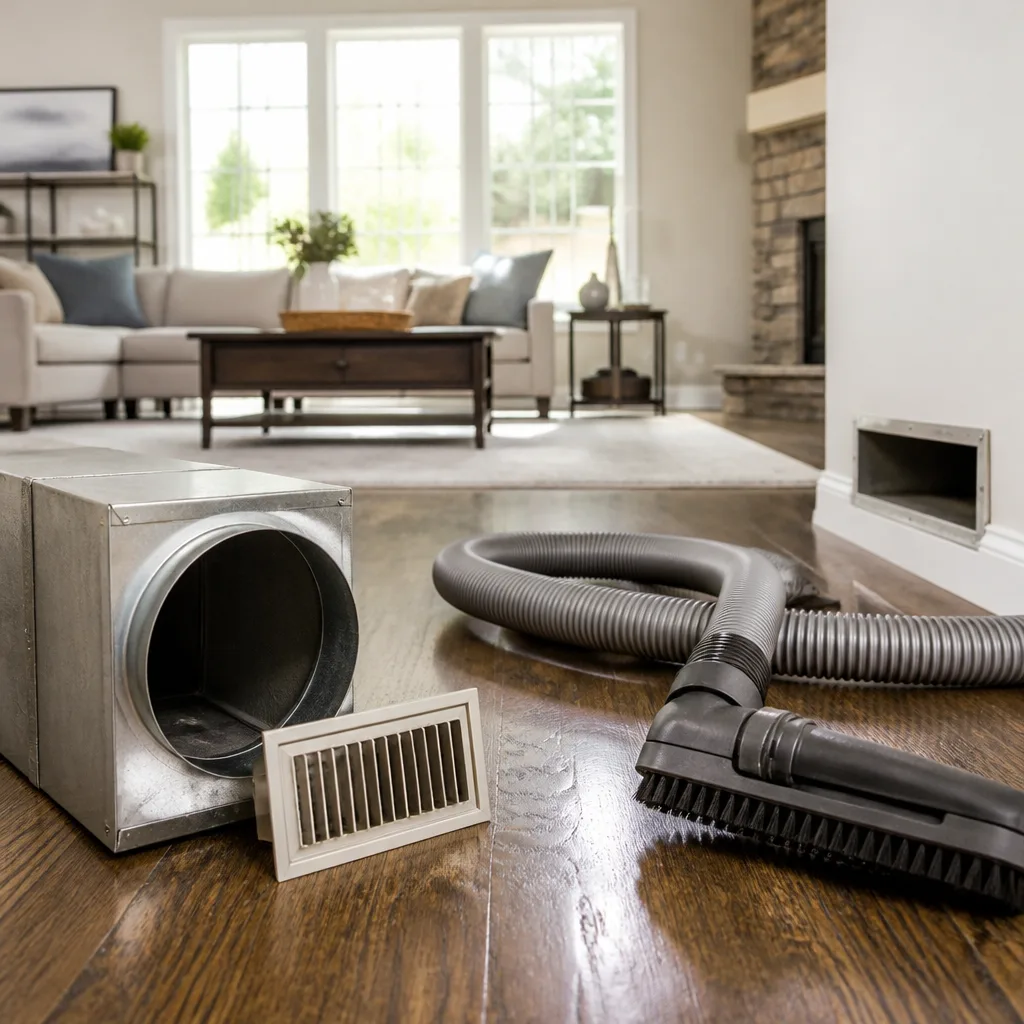
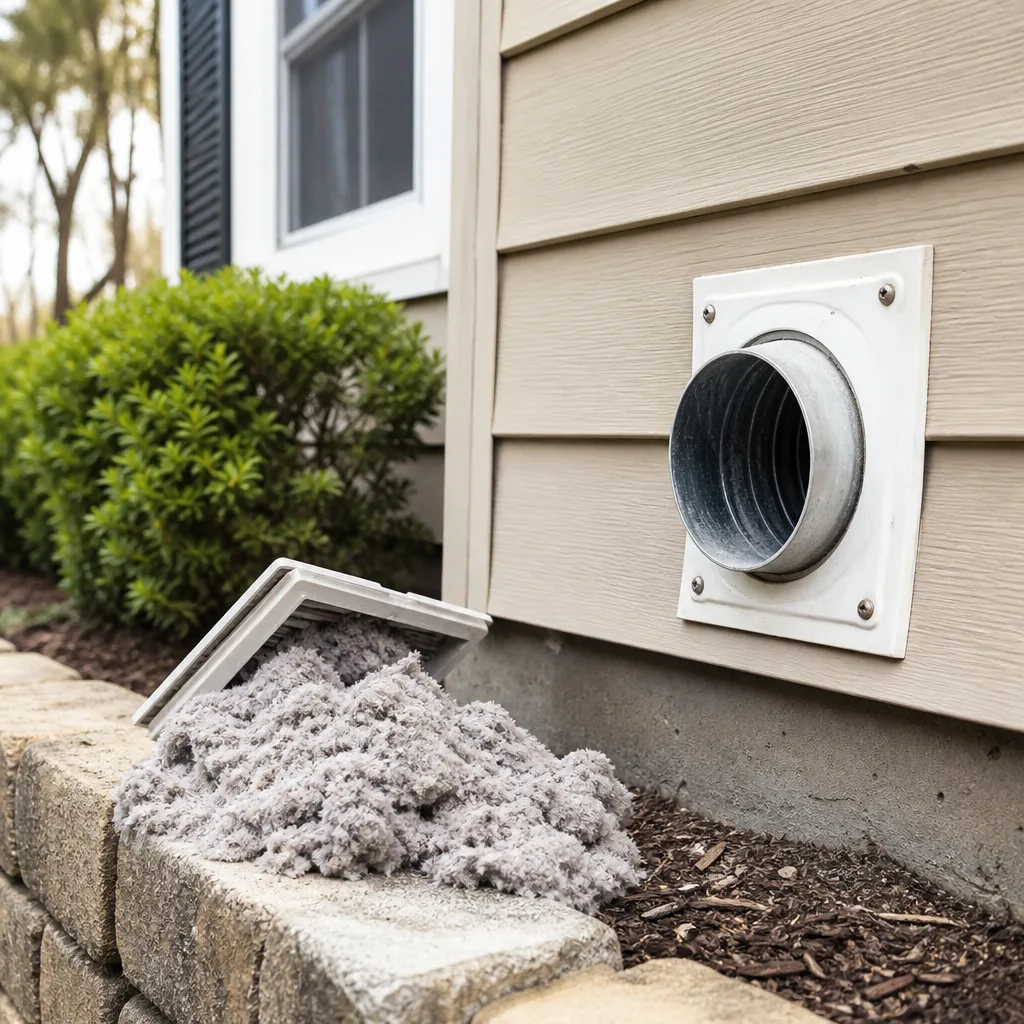
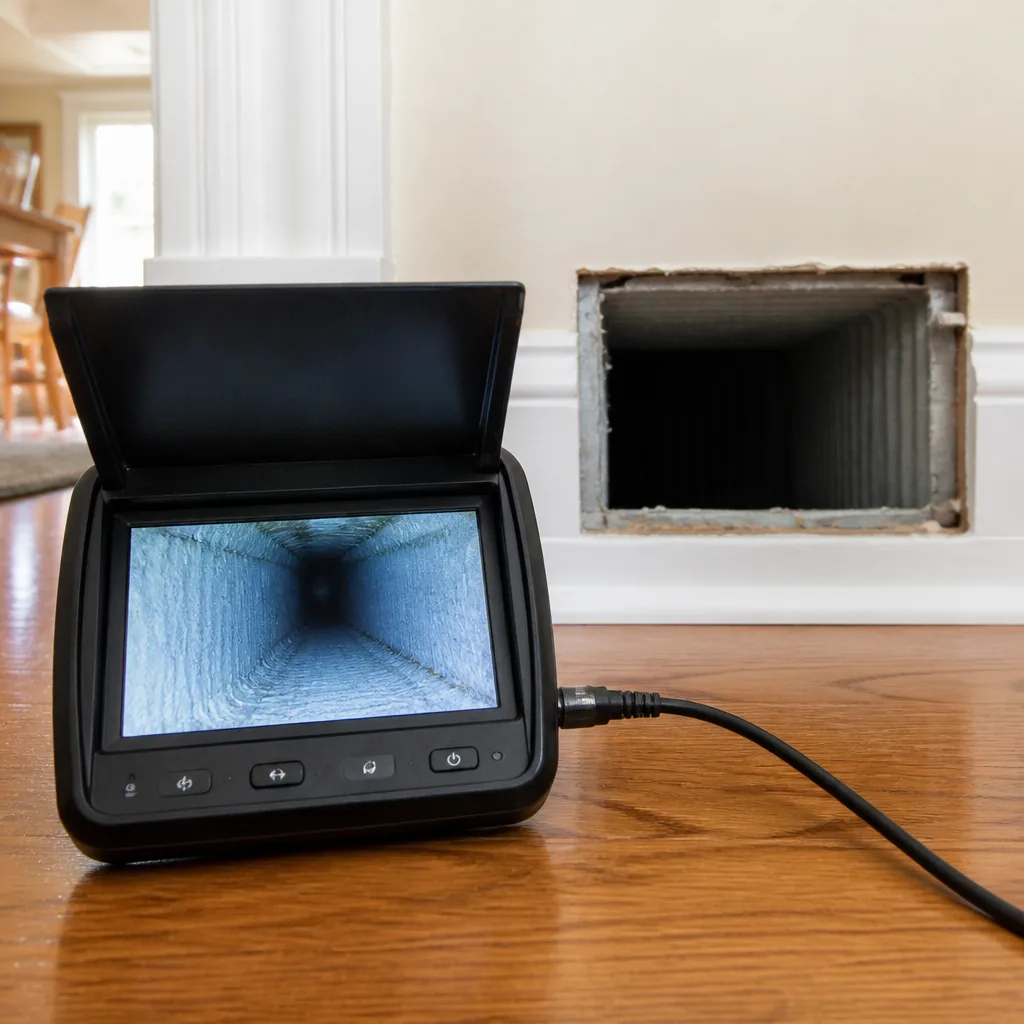
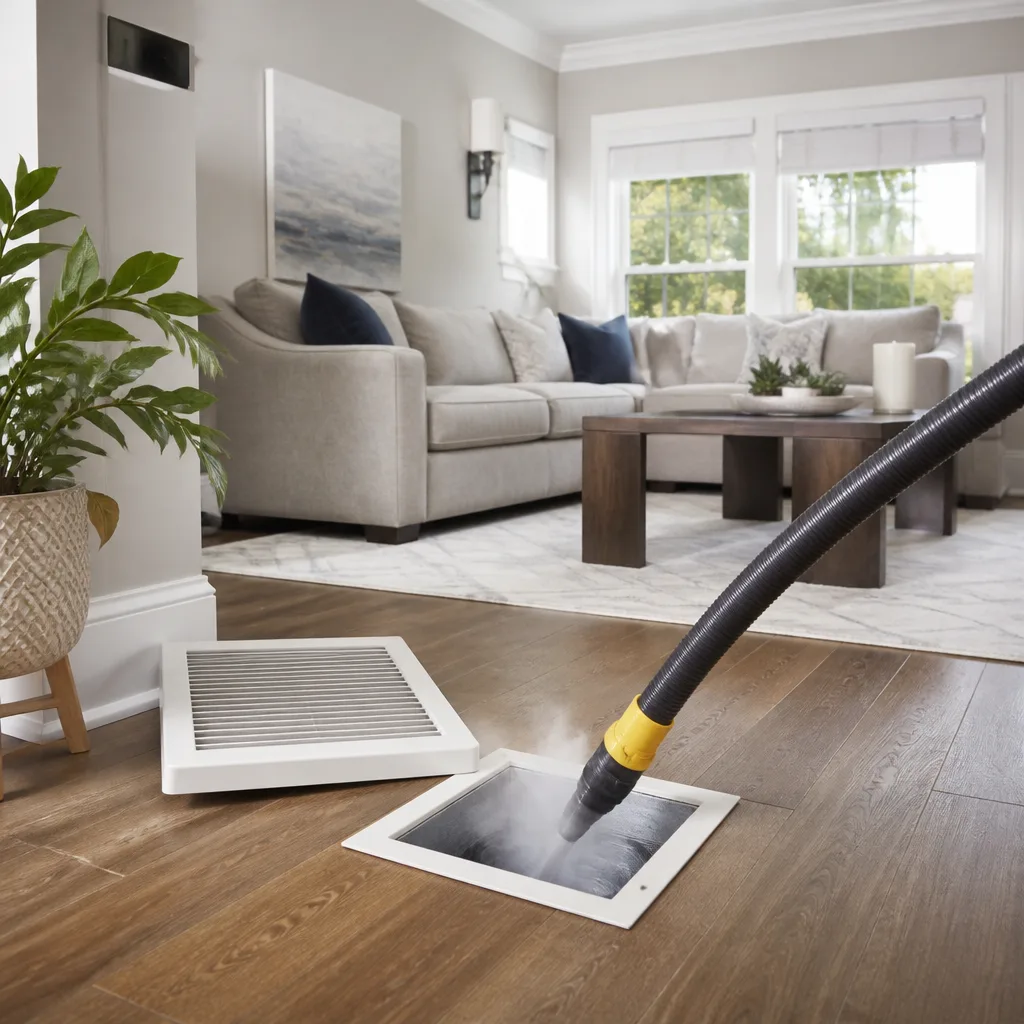
Whole-system duct and dryer vent check with before-and-after photos - you see exactly what came out of your vents
That "$99 whole-house special" is a bait ad - the real number appears once they are in your hallway, or the "clean" is a shop-vac at the register. We photograph the inside of your ducts before and after instead.
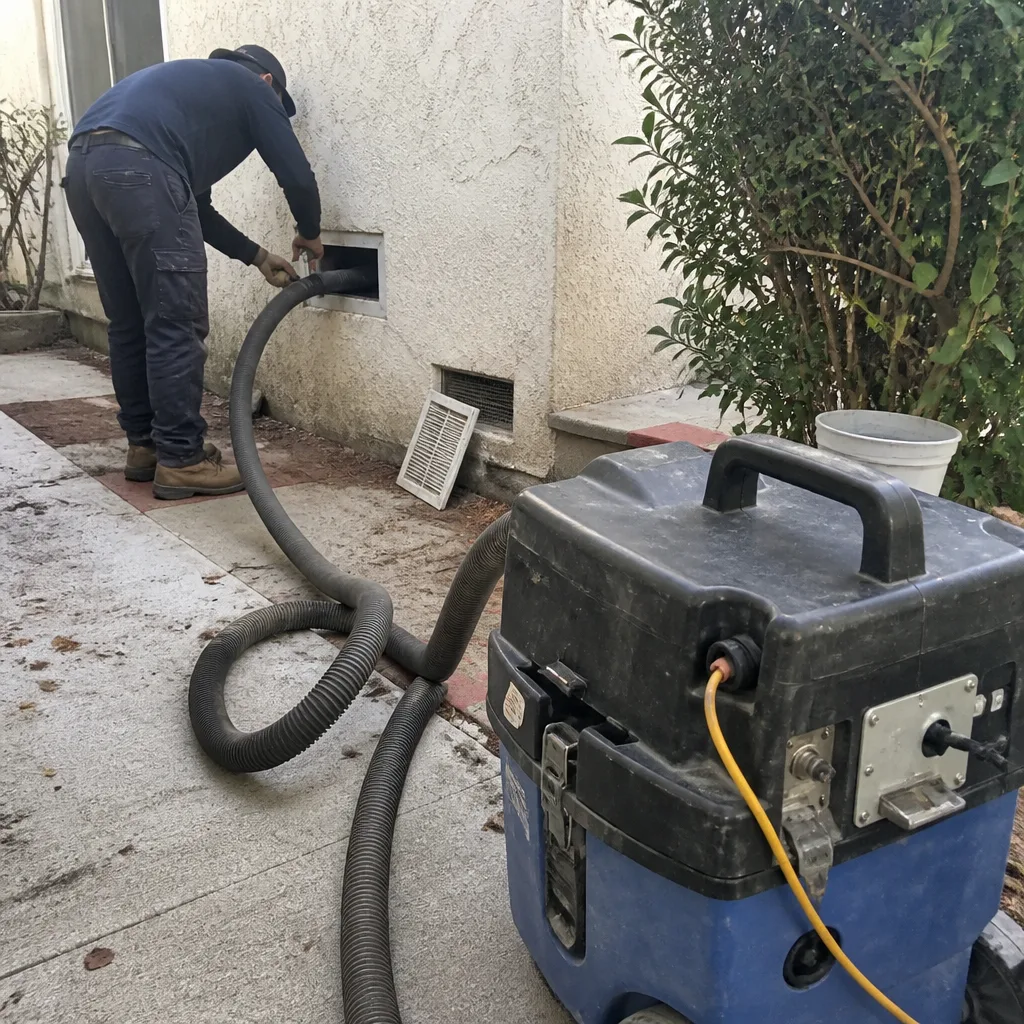 Before
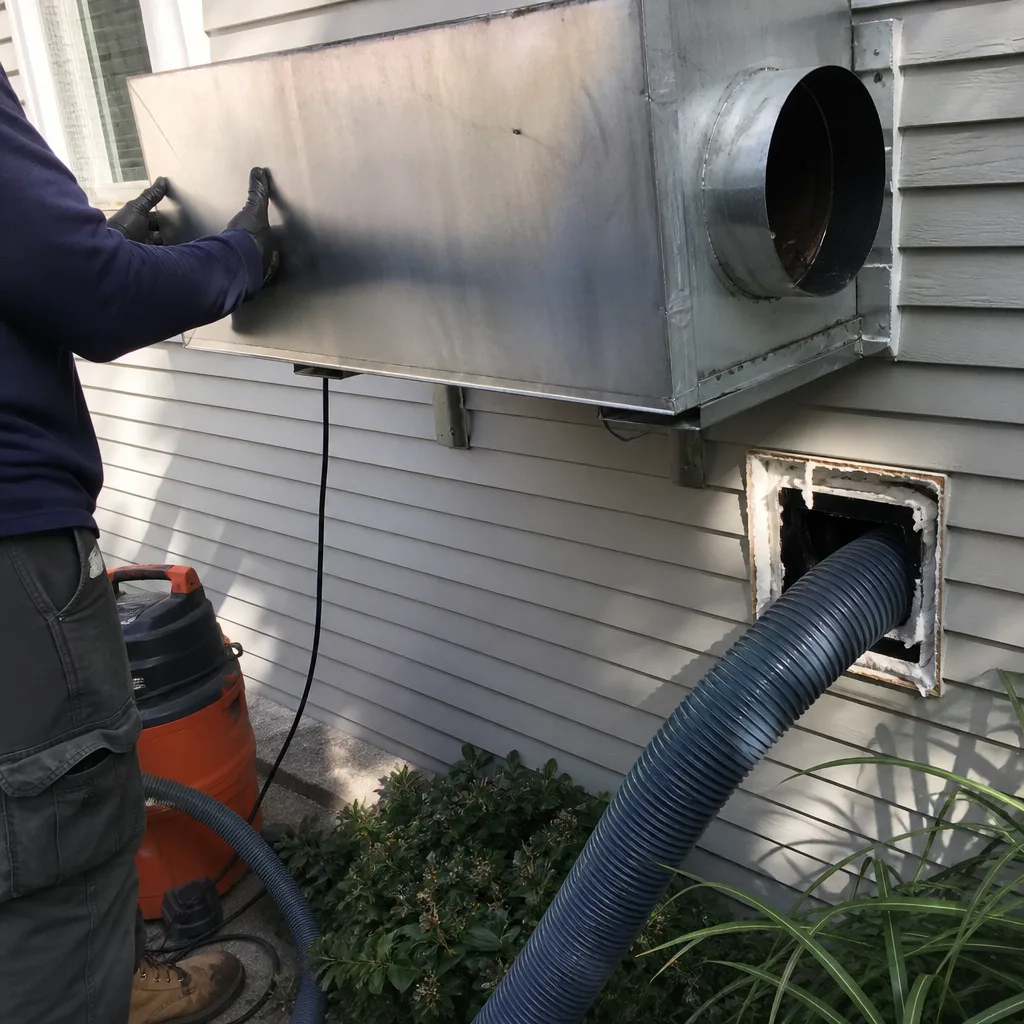 After
After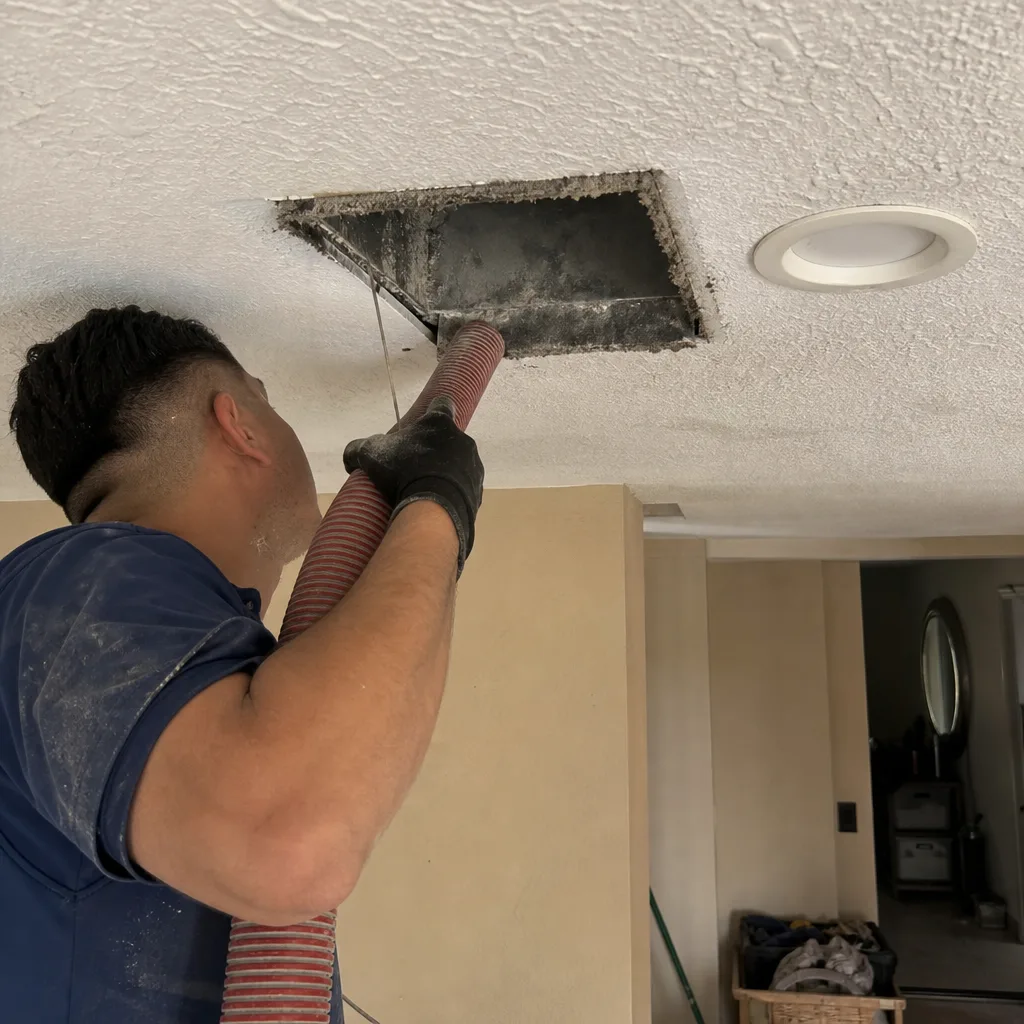 Before
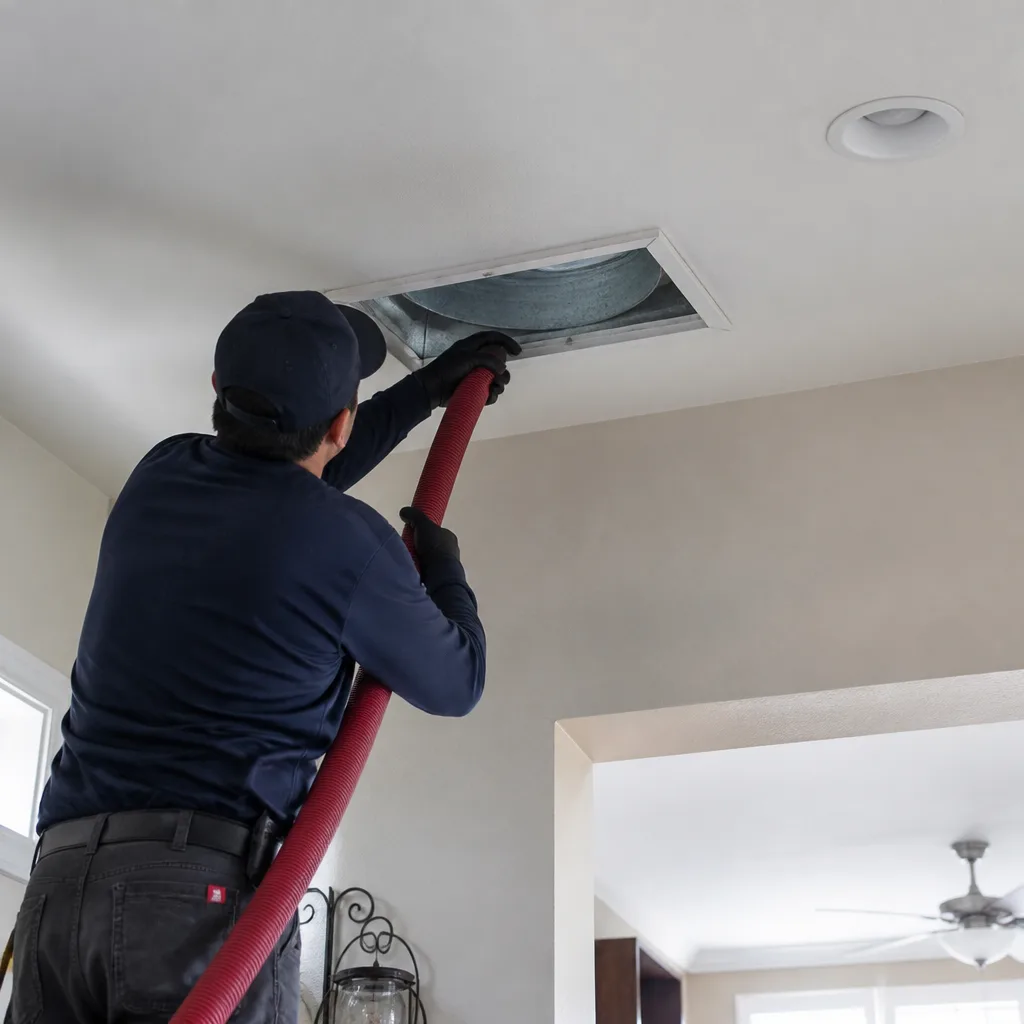 After
After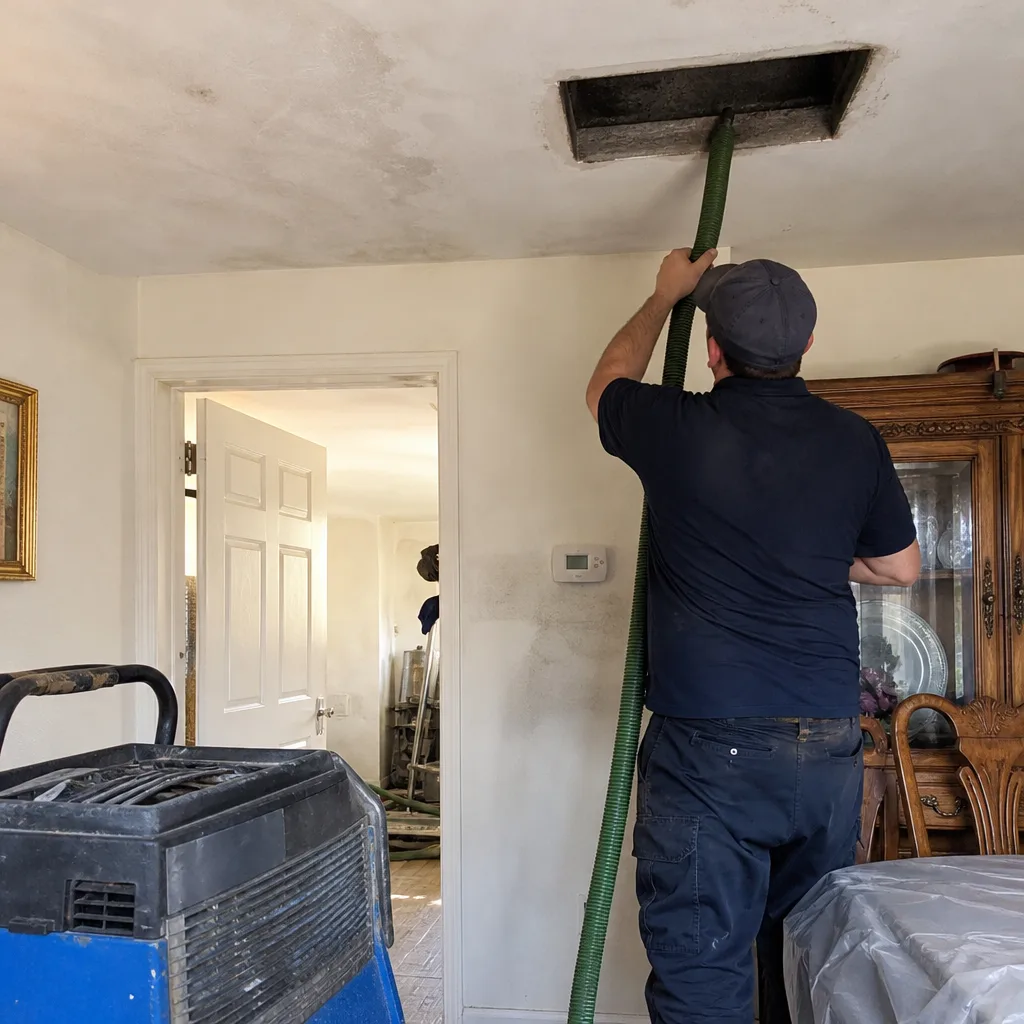 Before
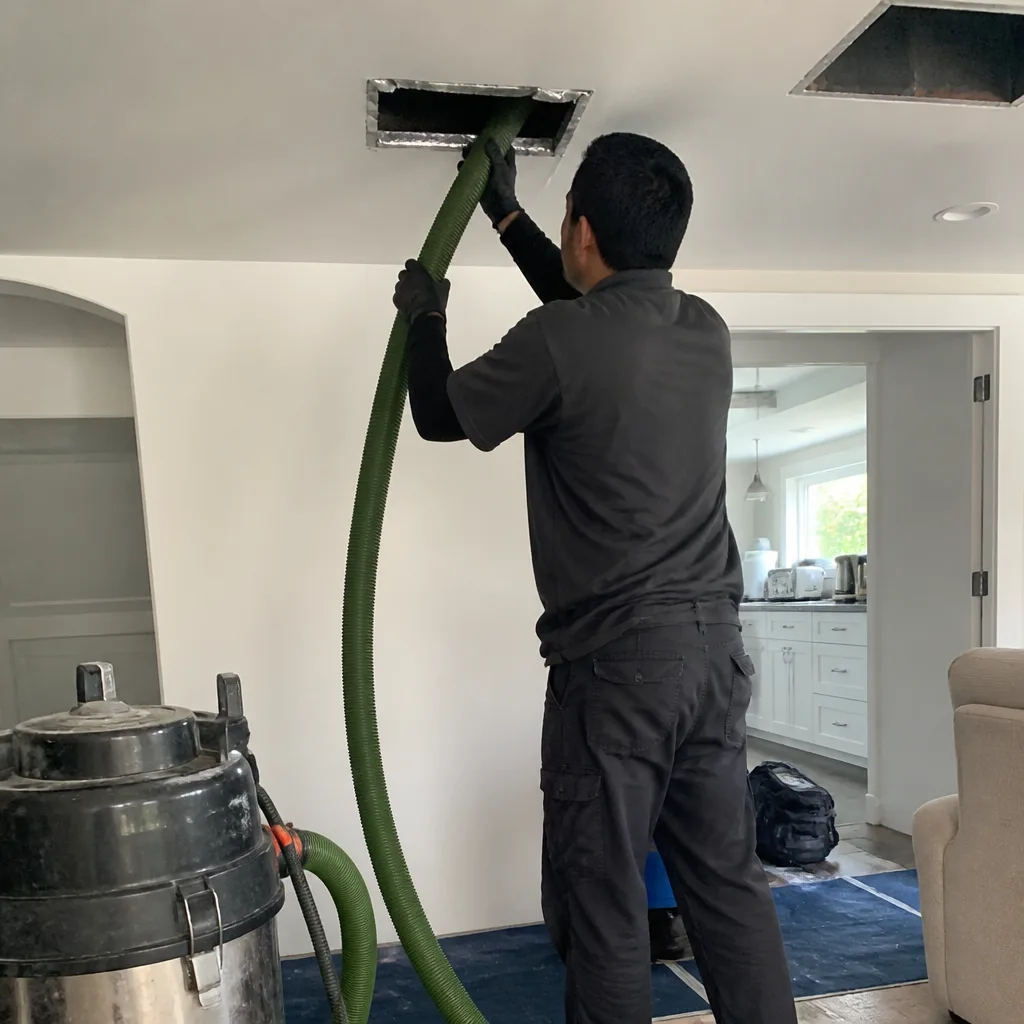 After
AfterNikro Coil Cleaning: The Los Angeles Owner’s Guide
We stock and install Nikro-compatible coil cleaning components across Los Angeles, with most replacements running $180 to $420 installed depending on your machine’s series and what’s actually failed. If your Nikro unit is burning through coils or the cleaning head won’t hold consistent suction, we can usually diagnose it over the phone and have the right part on the truck when we arrive.
Most owners discover a failed coil cleaning component the hard way: the machine runs, but the coil contact drops mid-job, the brush spins unevenly, or the vacuum pull at the coil surface goes weak. You’ll hear it first. A healthy Nikro coil cleaner has a steady, heavy pull. When that sound thins out or starts surging, something in the coil contact assembly is telling you it’s done. Roy Castellanos has rebuilt enough of these units across LA County to know that ignoring that sound turns a $200 fix into a full head replacement.
Which Nikro Models This Applies To
Nikro has built coil cleaning equipment for decades, and the part that fails changes depending on which series you own. The older WS and VP series use a direct-drive coil brush with a set-screw collar, and that collar is almost always the first thing to go. The newer CX and Industrial series moved to a quick-connect coil head, which solved the collar issue but introduced a spring-loaded contact plate that wears unevenly in LA’s dry, dusty air.
Before you order anything, find the serial plate. It’s usually riveted near the motor housing or stamped on the handle yoke. You need two things from that plate: the model prefix and the date code. A 2008 VP-500 and a 2016 VP-500 look identical but take different coil head assemblies. That’s the #1 compatibility gotcha we see in Los Angeles. Nikro changed the mounting thread pitch on mid-production runs without changing the model number.
On the OEM versus aftermarket question: for coil cleaning contact plates and brush assemblies, we stock both. The OEM Nikro parts are machined tighter and last longer in commercial use. But for a homeowner cleaning a 2,500-square-foot house twice a year, a quality aftermarket plate from a machine shop in Santa Fe Springs does the same job at 40 percent less. We’ll show you both and let you pick, with a straight answer on which one matches how you actually use the machine.
Signs Your Nikro Coil Cleaning Is Failing
- The coil pull goes weak or surges. You’re losing vacuum at the coil contact point. Usually the brush seal has hardened from heat cycling, or the contact plate is no longer seating flush against the coil surface. A surging pull typically means the plate is worn unevenly.
- The brush spins but doesn’t clean. This is almost always a worn coil brush or a stripped set-screw collar on older series. The motor’s fine. The contact at the coil is the problem.
- A high-pitched chatter from the coil head. That’s the bearing in the quick-connect assembly drying out. In LA’s dust, we see this on units used around construction zones or near the 405 corridor where fine particulate gets into everything.
- You smell burning electric when the unit runs under load. That’s the coil drive motor working against a seized or partially seized brush assembly. Shut it down. Running it hot warps the shaft, and that turns a $120 repair into a motor replacement.
- The coil head won’t stay locked in place. On CX series units, the spring-loaded detent in the quick-connect wears flat. You’ll find yourself re-seating the head mid-job. That detent is replaceable on its own. You don’t need a whole new head.
Replacement Cost & What’s Included
In Los Angeles, a Nikro coil cleaning component replacement runs between $180 and $420 installed. Here’s what that actually covers:
- Coil brush replacement: $180 to $240, including a new brush, collar or quick-connect detent, and reseating the contact plate.
- Contact plate and seal kit: $220 to $310. This includes the machined plate, seal, spring assembly on CX series, and alignment on a bench before we hand it back to you.
- Coil head assembly (complete): $350 to $420 when the drive bearing, brush, and plate are all worn together. This is the fix that makes the machine feel new again.
Every one of those prices is written down before we touch the machine. No per-part markup surprises, no after-the-fact “we found something else” calls. The part is priced, the labor is priced, and it’s on one line. And like every job we do, the repair falls under the 365-Day Done Right Promise: if that coil cleaning part fails within a year, we come back and make it right at no charge.
DIY or Call Us?
You can safely check a few things before you pick up the phone. Remove the coil head (power unplugged), inspect the brush for flattened or missing bristles, and check the contact plate for visible wear patterns. If you see a clean metal ring with no scoring, your problem is likely the coupling or the drive motor, not the coil cleaning assembly itself.
Where DIY goes wrong is the bearing and seal work. The quick-connect housings on Nikro units are press-fit, and pressing them out with a hammer and a socket risks cracking the housing. We’ve fixed enough botched driveway repairs in the San Fernando Valley to say this plainly: if the bearing chatters or the seal is gone, let a shop with the right puller handle it. That’s a $50 tool saved on a $300 repair. Call us at (361) 326-5060 and we’ll quote it straight before you make the drive.
FAQs
In Los Angeles conditions, expect 3 to 6 years from a coil brush and contact plate with regular homeowner use, and 12 to 18 months from the same parts on a commercial truck running daily routes. Dust load shortens that, which is why units used near construction or in the east San Fernando Valley tend to wear faster. Call (361) 326-5060 if you want us to assess your specific unit’s wear pattern.
Sometimes. A worn detent spring, a loose set-screw collar, or a misaligned contact plate can be repaired without replacing the whole assembly. A seized bearing or a scored plate cannot. We’ll tell you which one you have and price the repair accordingly, so you’re not paying for parts you don’t need.
Most Nikro coil cleaning replacements take 45 to 90 minutes in the field, including bench alignment and a test pull before we hand the machine back. If the drive motor is involved, plan for a day while we match the motor to your series.
Yes. We stock Nikro coil brushes, contact plates, seal kits, and quick-connect assemblies for the VP, WS, and CX series. We also carry parts for the other big names in the trade, including Lennox, Trane, and Carrier. If you have an older Nikro that needs a discontinued part, we have sources in Los Angeles that machine replacements to spec.
If your Nikro coil cleaner isn’t pulling the way it used to, call (361) 326-5060 for a straight answer and a written price before any work starts. We serve the whole Los Angeles area, and we answer the phone when you call.
Written by Roy Castellanos, Owner at Hollis Air Duct Cleaning, serving Los Angeles and nearby areas.