
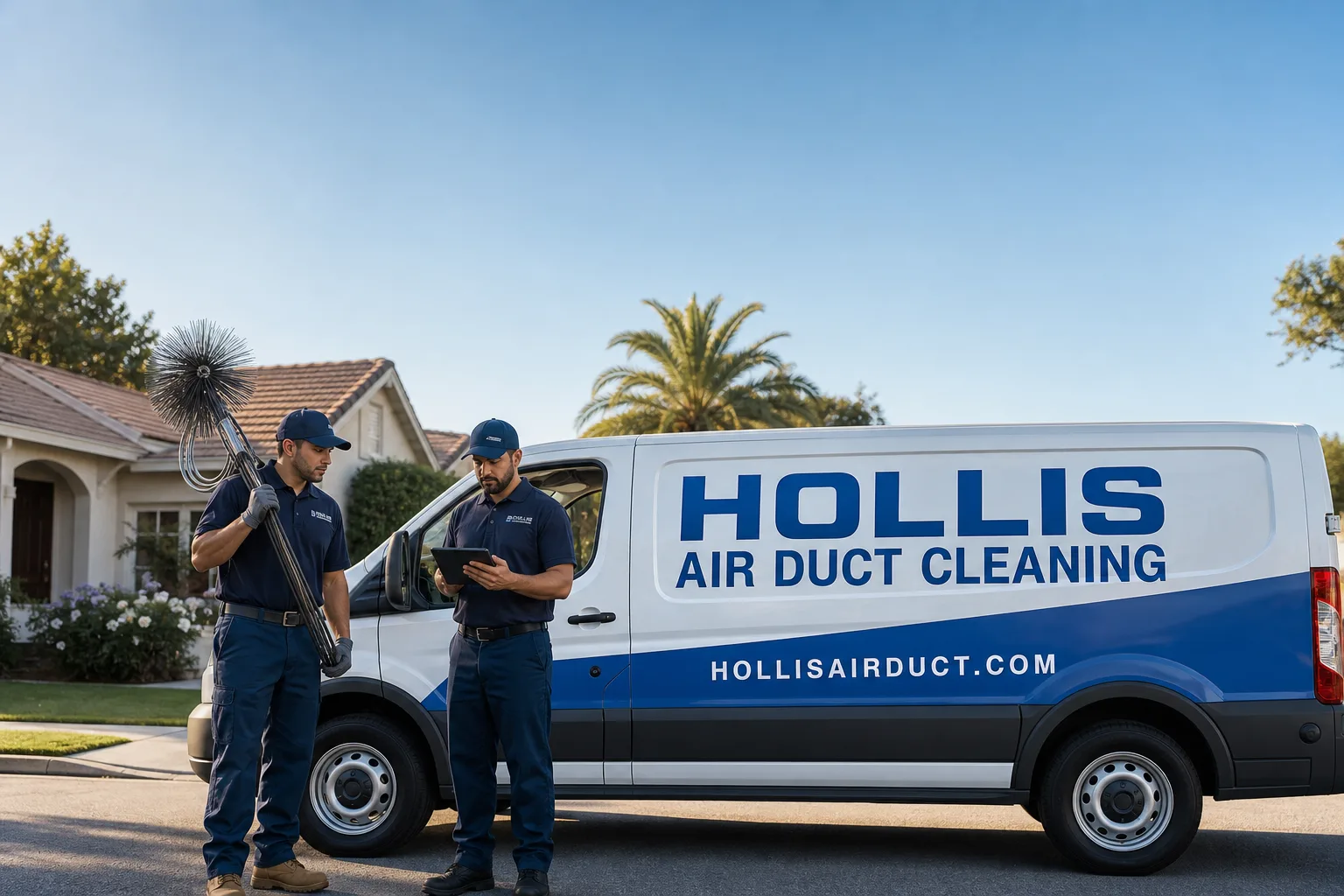
Whole-system duct and dryer vent check with before-and-after photos - you see exactly what came out of your vents
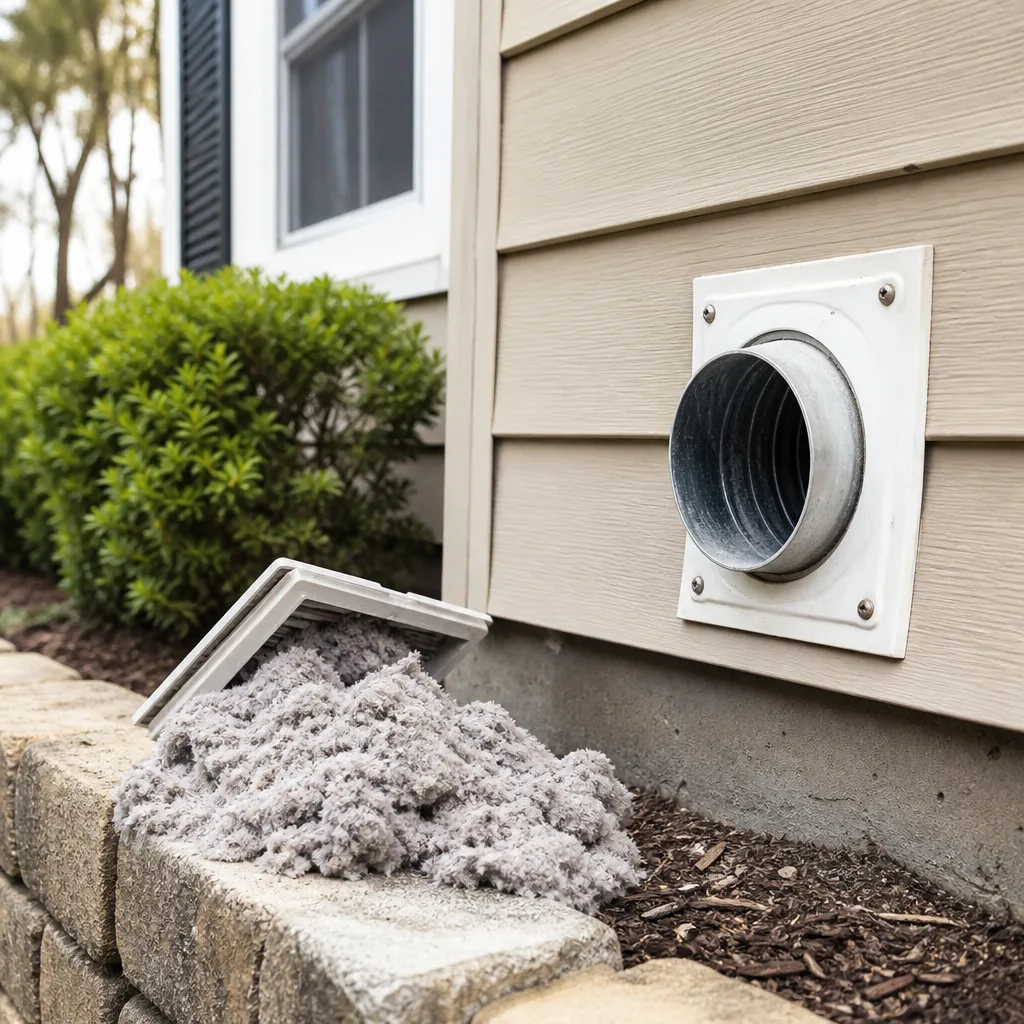
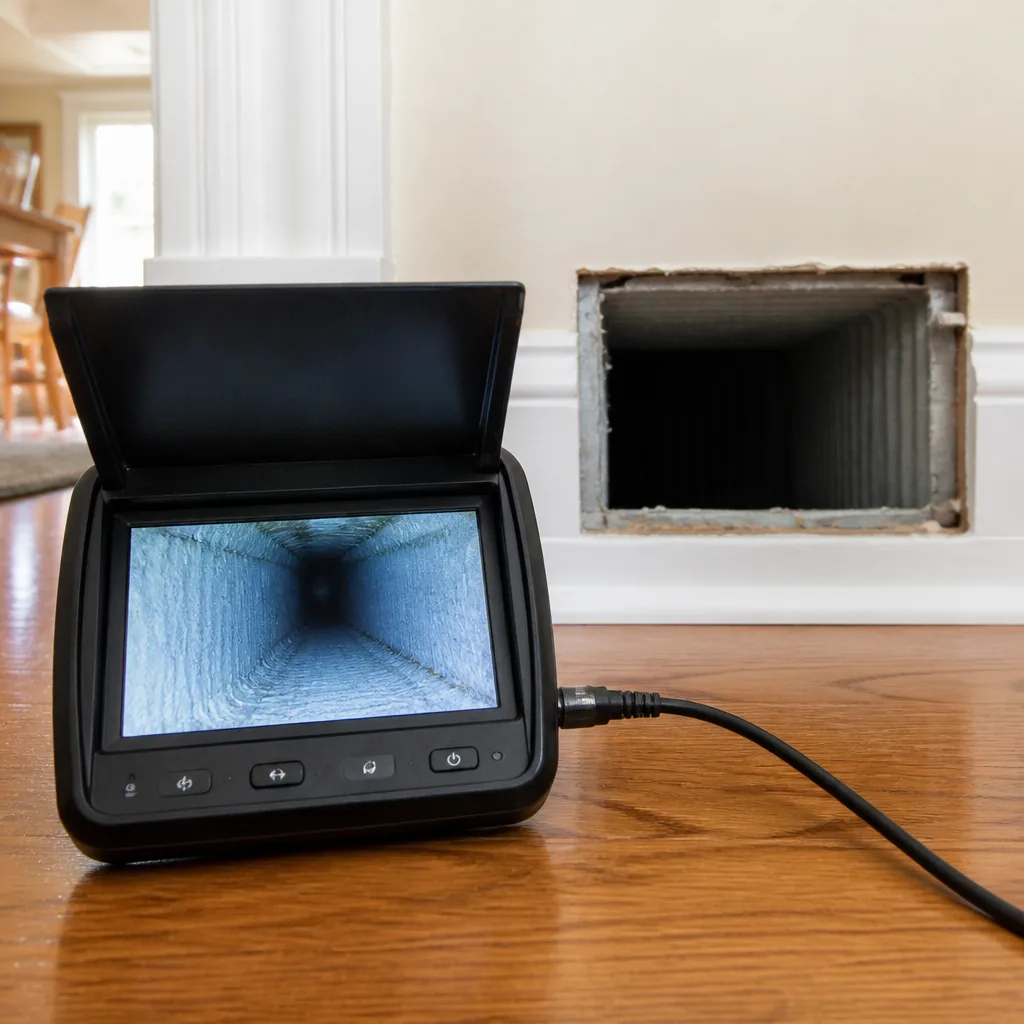
That "$99 whole-house special" is a bait ad - the real number appears once they are in your hallway, or the "clean" is a shop-vac at the register. We photograph the inside of your ducts before and after instead.
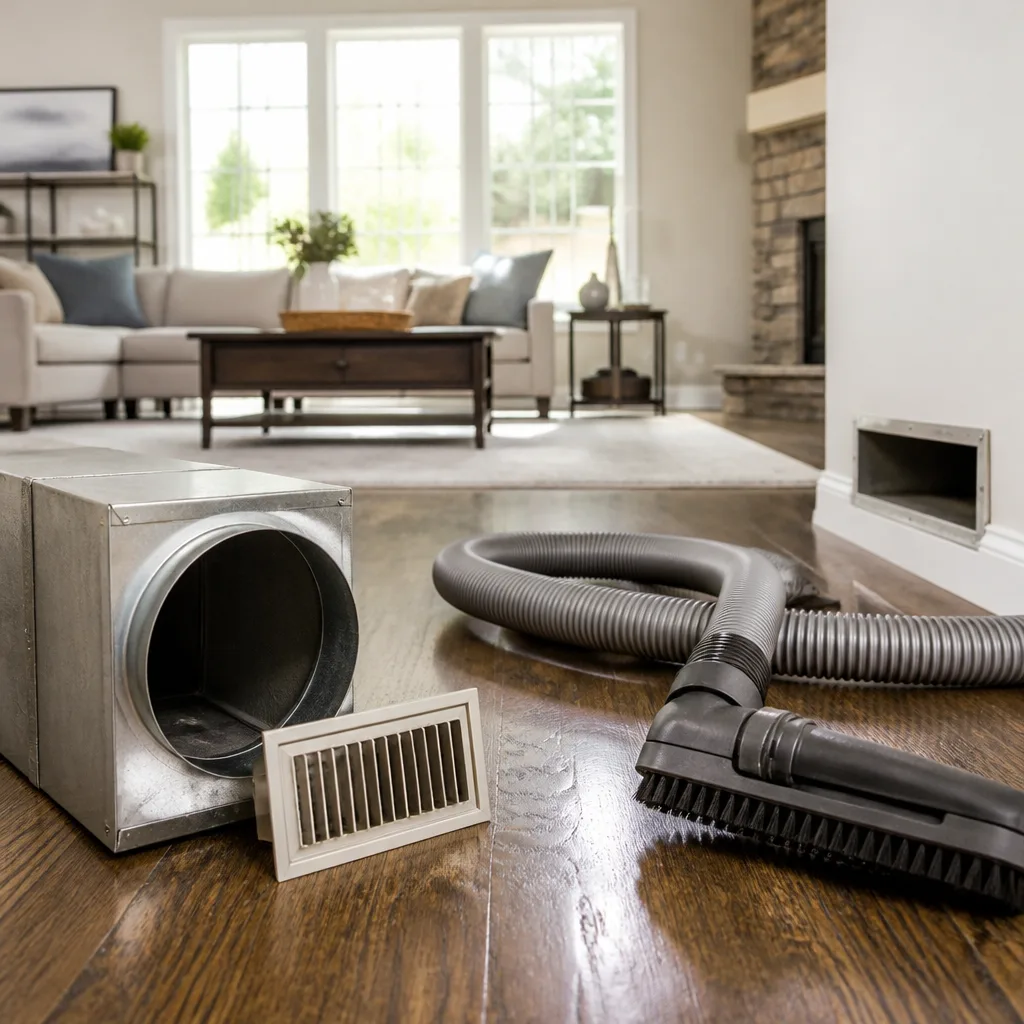

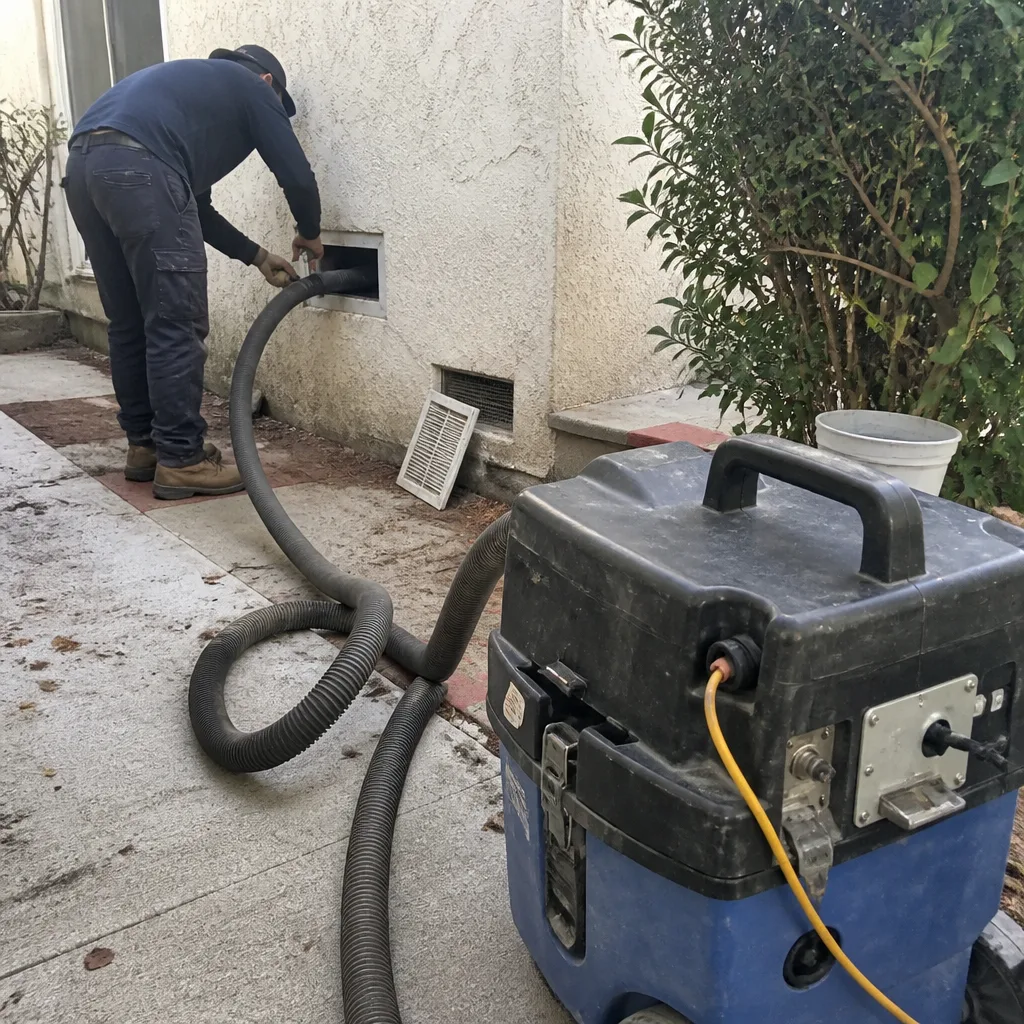 Before
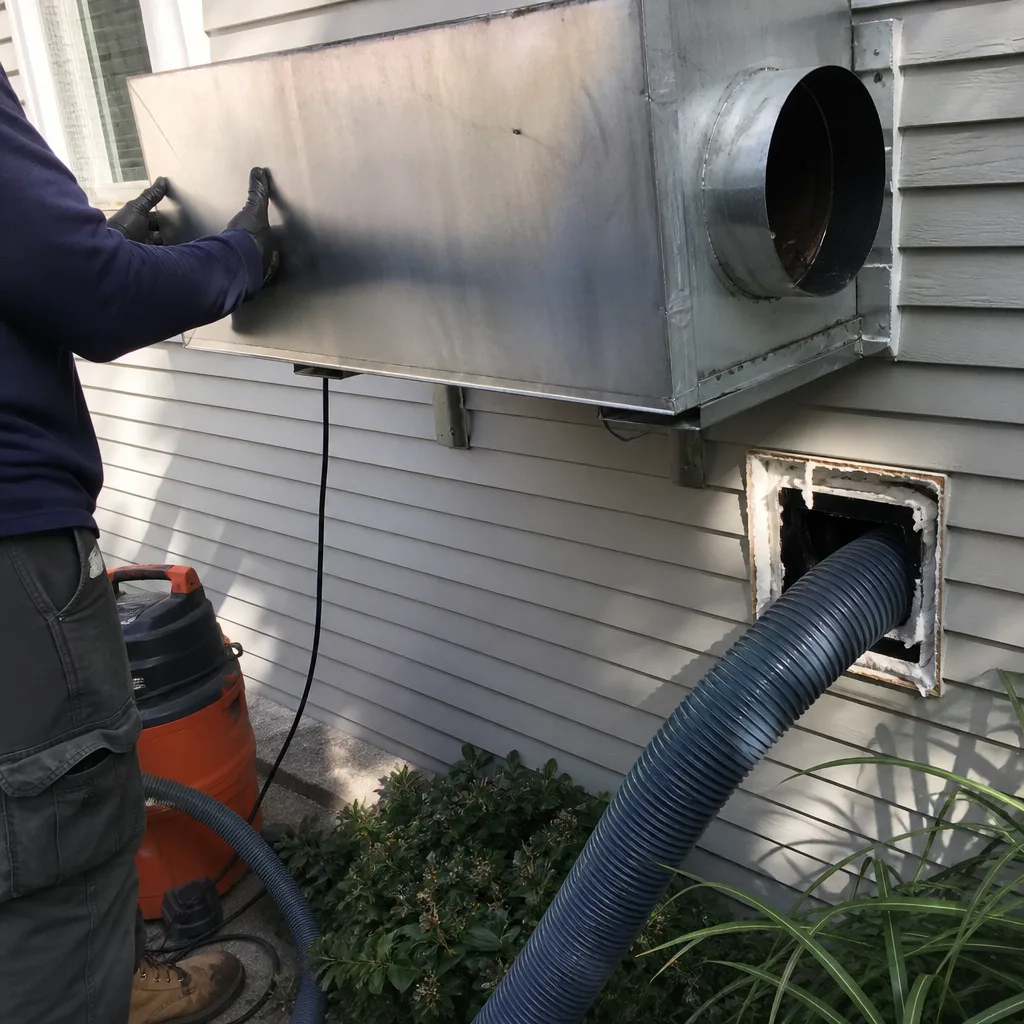 After
After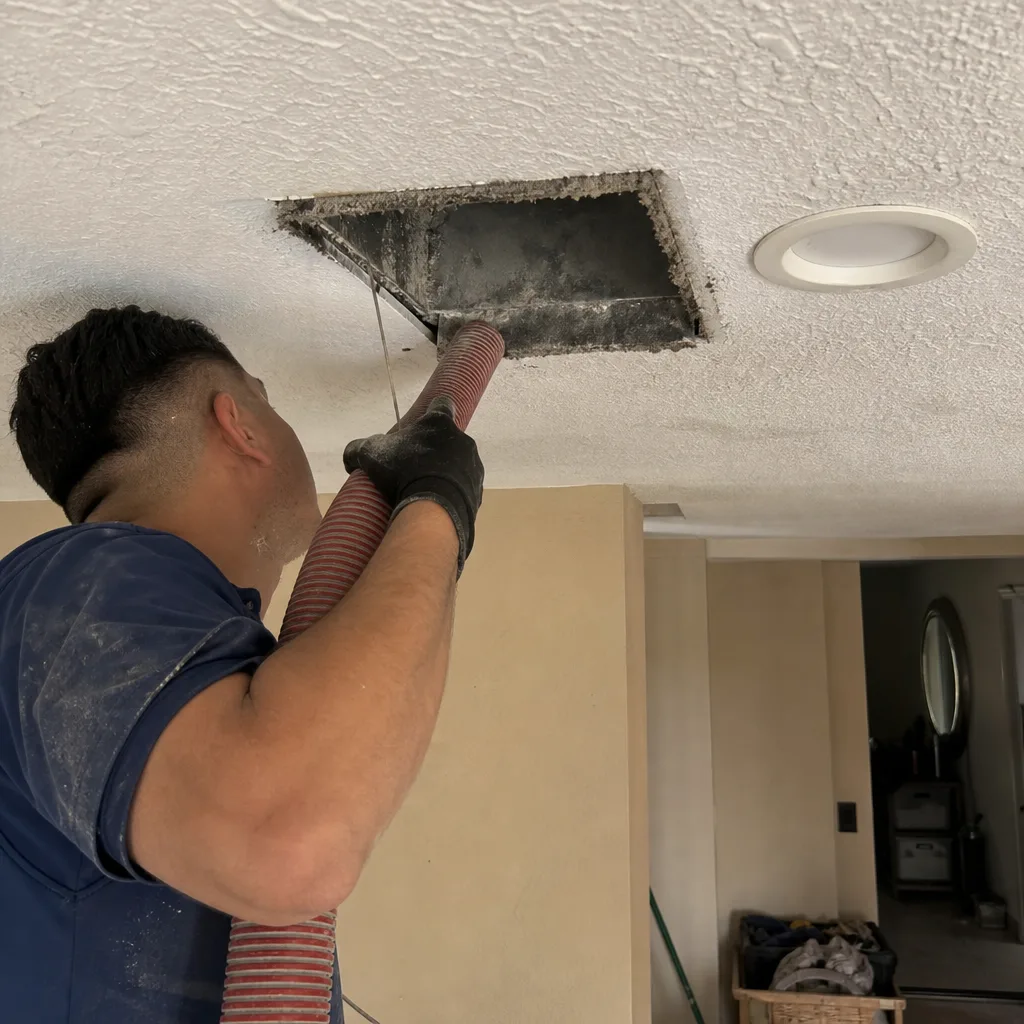 Before
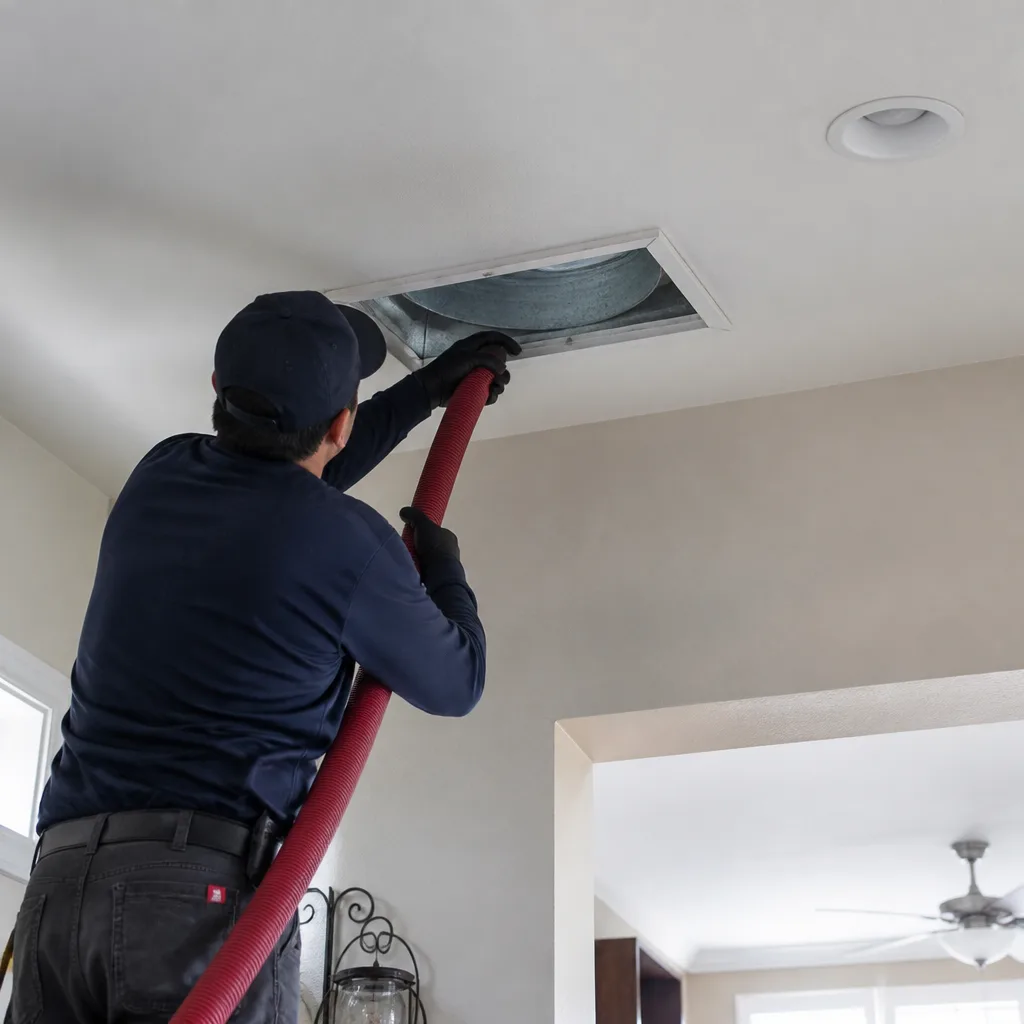 After
After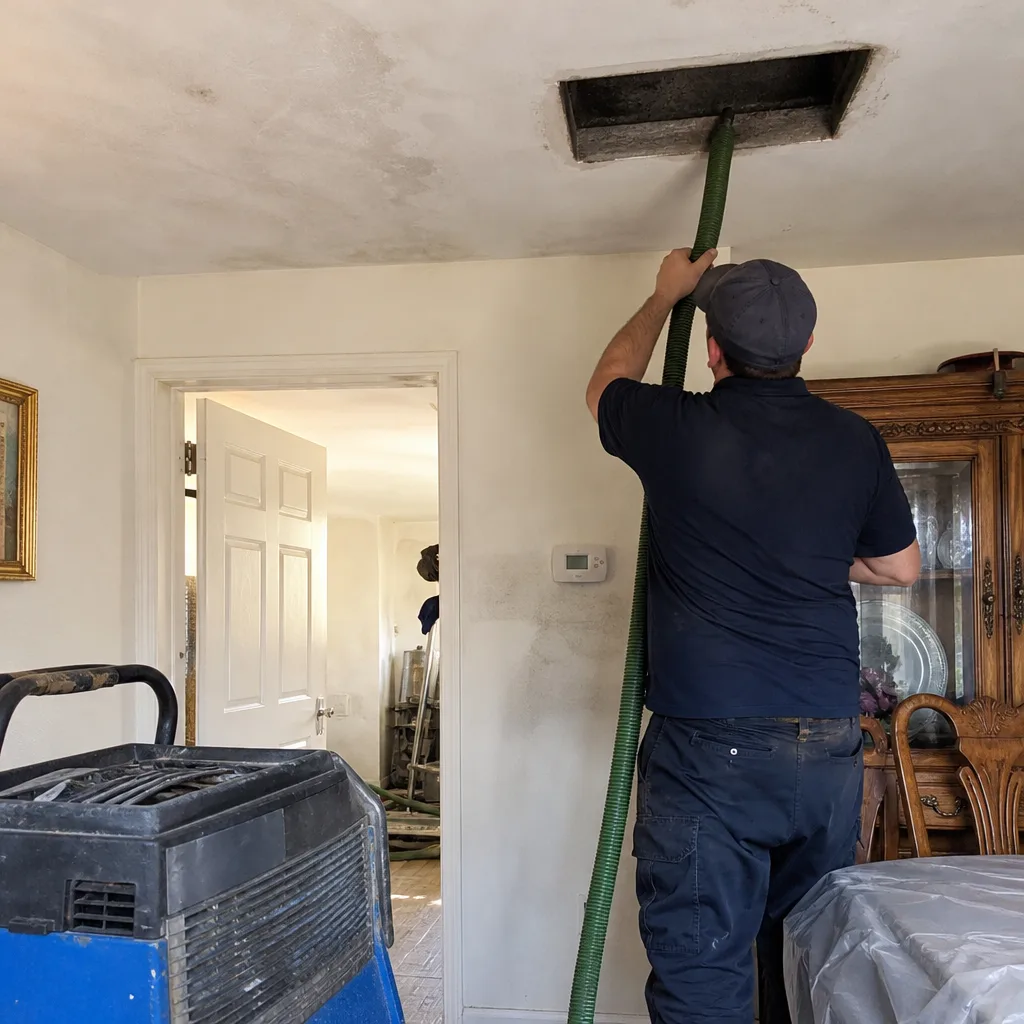 Before
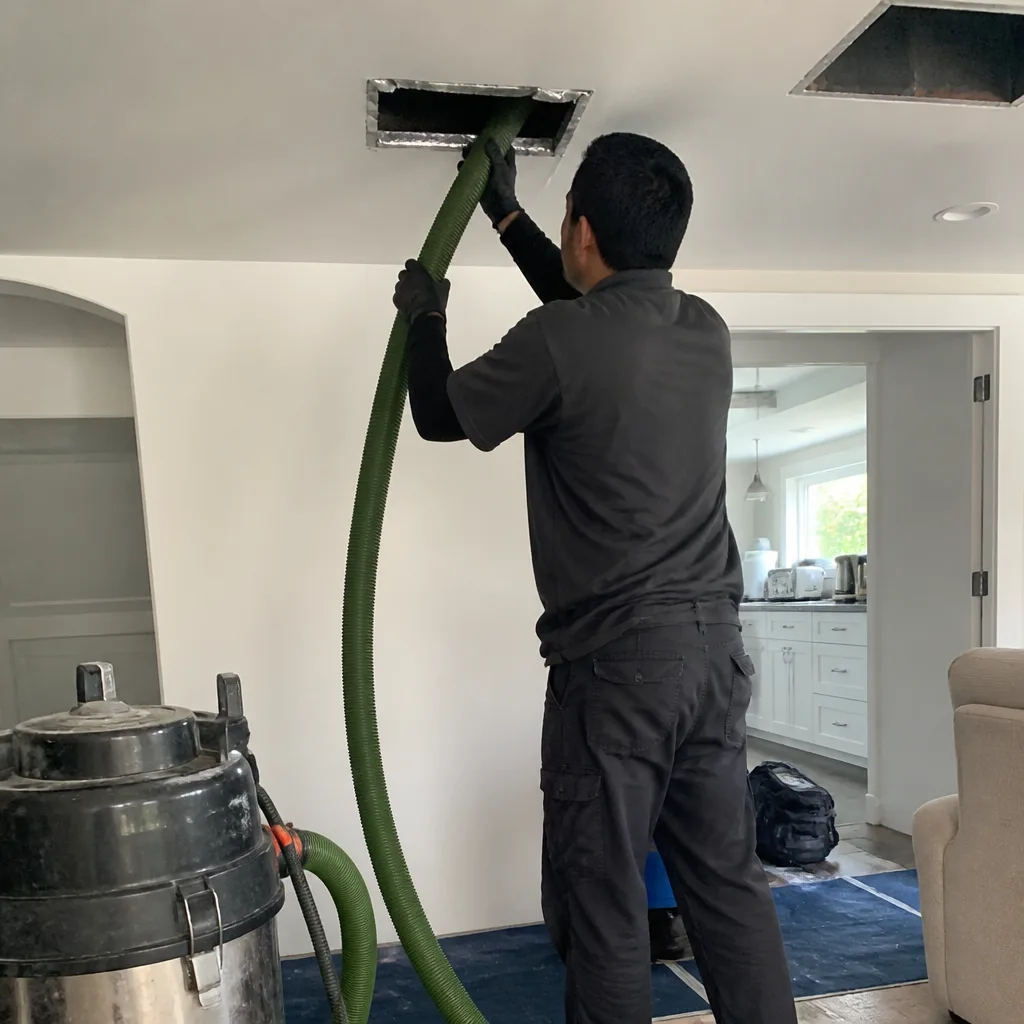 After
AfterFast, Reliable Duct Sealing Across San Jose
Duct sealing in San Jose typically runs $800 – $2,400 for a whole-house system, with most single-family jobs falling between $1,200 and $1,800 depending on access and the extent of leakage. We seal ducts in San Jose homes, condos, and apartment buildings from Willow Glen to Alum Rock, and our crews are familiar with the tight chase walls and shared risers that define much of the city’s newer housing stock. If you’re seeing uneven temperatures, dust streaks near registers, or energy bills that climb without explanation, call (361) 326-5060. We’ll give you a written price before any work starts.
Our San Francisco Bay Area office coordinates dispatch and scheduling for San Jose, which means we’re routing crews with local knowledge, not sending someone up from Fresno who has never worked a downtown high-rise chase. San Jose’s housing spans seven decades of construction methods, from post-war Eichler tracts to North San Jose towers, and each type carries its own duct failure pattern. We price by the system, not by the vent, and we don’t move the number once we’re inside.
Why Hollis Air Duct Cleaning Is San Jose’s Preferred Duct Sealing Company
We’ve been part of the Garrison Partners family since 2004, and our Duct Sealing in San Jose crews operate under The Garrison Standard: arrive inside the quoted window, price in writing, complete the job by the book, leave the site clean. San Jose homeowners know the difference between a crew that shows up uniformed and accounted-for and one that sends a subcontractor in an unmarked van. Our technicians are background-checked and wear Hollis uniforms. You know who’s walking into your home before they arrive.
Phones are answered by a live person 24 hours a day, seven days a week. No voicemail loops, no callback queues, no waiting until Monday for a scheduling question. Our 365-Day Done Right Promise covers every duct sealing job in writing: if the work fails within a year, we return and make it right at no charge, including a free second visit. That’s not a satisfaction guarantee; that’s a specific obligation with a date attached.
We serve neighborhoods across San Jose, from the eastern foothills of Evergreen and Alum Rock to the downtown condos and the Eichler tracts of West San Jose. Each area presents different duct conditions, and our crews carry the equipment to match: Rotobrush rotary brush systems for mechanical agitation, Nikro negative-air machines for containment, and Guardsman mastic for sealing joints that need to hold under pressure.
HVAC Duct Sealing in San Jose
HVAC Duct Sealing in San Jose means closing the gaps, cracks, and disconnected joints in your forced-air system so the air you’ve paid to heat or cool actually reaches the rooms it’s supposed to serve. In a typical San Jose home, 20 – 30% of conditioned air leaks into the attic, crawlspace, or wall cavities before it ever hits a register. We locate those leaks with camera inspection and pressure testing, then seal them with mastic or metal-backed tape rated for duct applications, not the hardware-store stuff that peels off in a hot attic.
San Jose’s Mediterranean climate, dry summers and wet winters, keeps HVAC systems running year-round. That constant cycling expands and contracts duct joints, especially in older galvanized systems. After wildfire seasons like the SCU Lightning Complex, we’ve found that smoke particles and resinous ash work into existing gaps, then get distributed through the house every time the blower kicks on. Sealing stops that migration at the source.
When Sealing Becomes Necessary
You’ll know it’s time when rooms stay stubbornly hot or cold despite the thermostat setting, when dust streaks appear on ceiling or wall registers, or when your PG&E bill climbs without a rate change. In San Jose’s Eichler-style homes, with their original galvanized duct systems, we often find joints that have worked completely loose after sixty years of thermal cycling.
What the Process Looks Like
We start with a visual and camera inspection of accessible ductwork, then pressurize the system to measure total leakage against the conditioned floor area. After that, we seal what’s accessible, replace damaged sections, and retest to confirm the drop. You get before-and-after photos of your own ducts, not stock images, and a written report with the pressure-test numbers.
Duct Repair in San Jose
Duct Repair in San Jose addresses the physical damage that sealing alone won’t fix: crushed flex runs, corroded galvanized sections, pest intrusion holes, and joints that have separated completely. We see a lot of this in the post-WWII housing stock, especially in neighborhoods like Alum Rock and parts of Willow Glen where original ductwork has spent decades in crawlspaces with seasonal moisture and rodent activity. Repair means cutting out the damaged section and splicing in new material, then sealing the connections properly.
In San Jose’s downtown and North San Jose high-rises, duct repair often means sealing vertical supply and return risers and shared exhaust stacks inside chase walls, work that cannot be scoped or sealed the same way as a single-family attic duct run in Willow Glen. These shared systems require coordination with building management, scheduled access to multiple units, and containment procedures that protect neighbors from dust and debris. Our crews have done this work in San Jose buildings enough to know the permitting and notification requirements that keep the job moving.
Common Repair Scenarios
Crushed flex duct from a contractor crawling over it in the attic. Corroded galvanized trunk lines with pinhole leaks that spray conditioned air into the insulation. Disconnected collars where the duct has pulled away from the boot, dumping air into the wall cavity. Each gets a specific fix, not a blanket approach.
After Wildfire Damage
Following major wildfires, many San Jose homeowners in the eastern foothills find their ducts coated with a sticky, resinous ash that standard vacuuming won’t remove. We manually brush and chemically treat these surfaces before sealing, because mastic won’t bond to ash residue. Skip this step and the sealant fails within months.
Trusted Brands We Service in San Jose
Our San Jose crews carry professional-grade equipment from Rotobrush, Nikro, and Abatement Technologies, and we stock sealing and filtration products from Honeywell, Aprilaire, and Guardsman. That matters for turnaround: when we find a failed component during a sealing job, we don’t need to order parts and reschedule. We seal with Guardsman mastic rated for the temperature swings of an attic or chase wall, not general-purpose caulk that hardens and cracks. For filtration upgrades tied to sealing work, we install Aprilaire media cabinets and Honeywell electronic air cleaners where the duct geometry allows. San Jose customers get the same tools commercial crews use, explained in plain terms on every job.
Common Duct Sealing Problems We See in San Jose Homes
- Shared riser leaks in downtown and North San Jose high-rises. Sealing attic or crawlspace duct joints without first locating leaks via camera inspection means shared riser leaks in downtown and North San Jose high-rises keep pulling smoky air from the chase. We inspect the full pathway, not just the accessible registers.
- Lint-packed dryer vent stacks in condo buildings. Treating the dryer vent as a single-unit problem when the lint pathway is a shared stack serving multiple condos lets lint reaccumulate below the unit and increases dryer fire risk. We scope the full vertical run and seal accessible joints with Guardsman mastic after clearing the blockage.
- Failed sealant on wildfire-ash residue. Using standard tape or mastic on resinous ash residue after a wildfire without manual brushing and chemical treatment means the sealant fails to bond and the supply and return ducts continue feeding smoke odor. We clean before we seal, every time.
- Eichler-era galvanized systems with thermal fatigue. Much of San Jose’s housing stock dates from the post-WWII boom of the 1950s-60s, especially the Eichler-style tract homes in West San Jose, with original galvanized or early flex duct systems prone to leaks, dust buildup, and pest intrusion. These systems need repair before sealing can be effective.
Pricing for Duct Sealing in San Jose, CA
A typical duct sealing job in San Jose runs $800 – $2,400 for a whole-house system. Single-family homes with attic access usually fall in the $1,200 – $1,800 range. Downtown condos and high-rises with shared chase walls run higher, $1,800 – $2,400, because of the coordination, containment, and specialized access required. Eichler homes with original galvanized systems may need repair work before sealing, which we price separately and in writing.
What moves the number: accessibility (attic vs. crawlspace vs. chase wall), the extent of leakage found during pressure testing, whether repairs are needed before sealing, and the presence of wildfire ash residue requiring pre-cleaning. We give one flat price per system, agreed before work starts. No per-vent pricing, no add-ons at the door. Call (361) 326-5060 for an exact quote; estimates are free.
We Also Serve Cities Near San Jose
Our Duct Sealing crews work throughout the South Bay, including Milpitas, Santa Clara, Sunnyvale, and Campbell. Each city has its own housing stock and duct conditions, and we adjust our approach accordingly. Whether you’re in a Campbell ranch or a Sunnyvale townhouse, the same standards apply: written price, written guarantee, background-checked uniformed technicians.
Serving San Jose, CA - Our Local Coverage Area
We’re based in the San Jose area and know this community well. Use the map below to see our service coverage - if you’re nearby, we can almost certainly help.
FAQs About Duct Sealing in San Jose
Yes, we seal accessible joints inside the chase wall through register openings and maintenance panels, then seal the boots and collars at the unit and register ends. For leaks deeper in the riser, we coordinate with building management to schedule access and contain dust to the work area. Call (361) 326-5060 to discuss your building’s specific layout.
Wildfire smoke carries fine ash and resinous particles that settle in duct gaps and get distributed through the house with every blower cycle. Sealing closes those entry points, but only after proper cleaning of the residue. In San Jose’s eastern foothills neighborhoods like Evergreen and Alum Rock, we’ve seen ducts that continued smelling of smoke for months because the gaps were never sealed after the fire.
We camera-inspect the full vertical run to locate blockages and leaks, clear lint with agitation tools under negative pressure and HEPA filtration, then seal accessible stack joints with Guardsman mastic so the run no longer leaks into the building cavity. We were called to a condo stack in North San Jose where the dryer vent serving multiple units had packed lint into the shared vertical run; using camera inspection and agitation tools under negative pressure with HEPA filtration, we cleared the lint pathway, then sealed the accessible stack joints with Guardsman mastic so the run no longer leaked into the building cavity. The dryer cycle time dropped and the resident stopped seeing lint dust at the register.
Yes. Eichler homes in West San Jose and nearby Santa Clara County pockets were built with galvanized duct systems in the 1950s-60s, and sixty years of thermal cycling has loosened joints and corroded sections. The flat-roof design also means ducts run in unconditioned space with greater temperature swings. We often find these systems need repair before sealing can hold.
Sealing helps regardless of return count by stopping the system from pulling unfiltered air from the attic, crawlspace, or wall cavities. In San Jose’s older homes with limited returns, that infiltration is often the main source of dust and allergens. Sealing the supply side reduces positive pressure that forces conditioned air out, while sealing the return side prevents the system from sucking in whatever lies outside the duct. Call (361) 326-5060 and we’ll test your specific system.
Written by Roy Castellanos, Owner at Hollis Air Duct Cleaning, serving San Jose since 2004.