
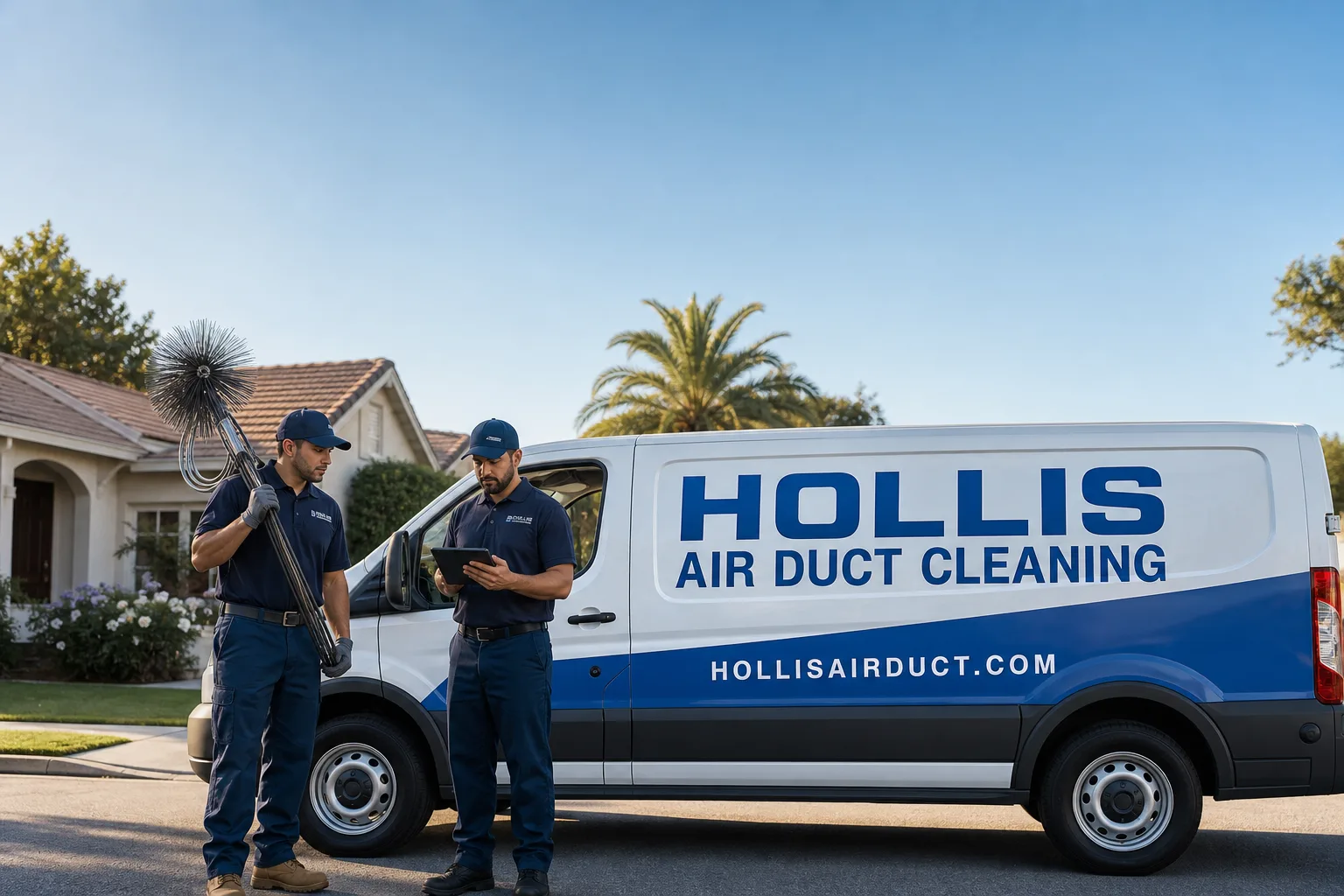
Whole-system duct and dryer vent check with before-and-after photos - you see exactly what came out of your vents
That "$99 whole-house special" is a bait ad - the real number appears once they are in your hallway, or the "clean" is a shop-vac at the register. We photograph the inside of your ducts before and after instead.
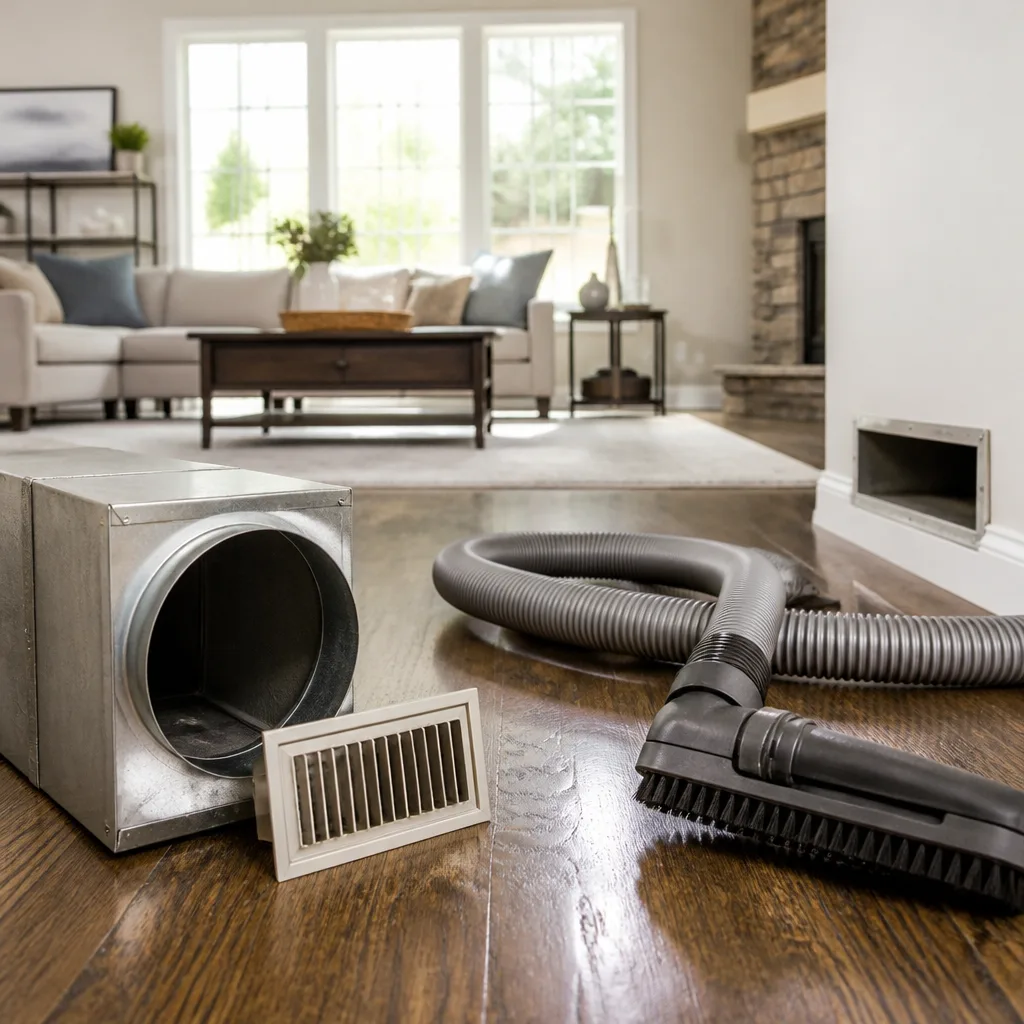

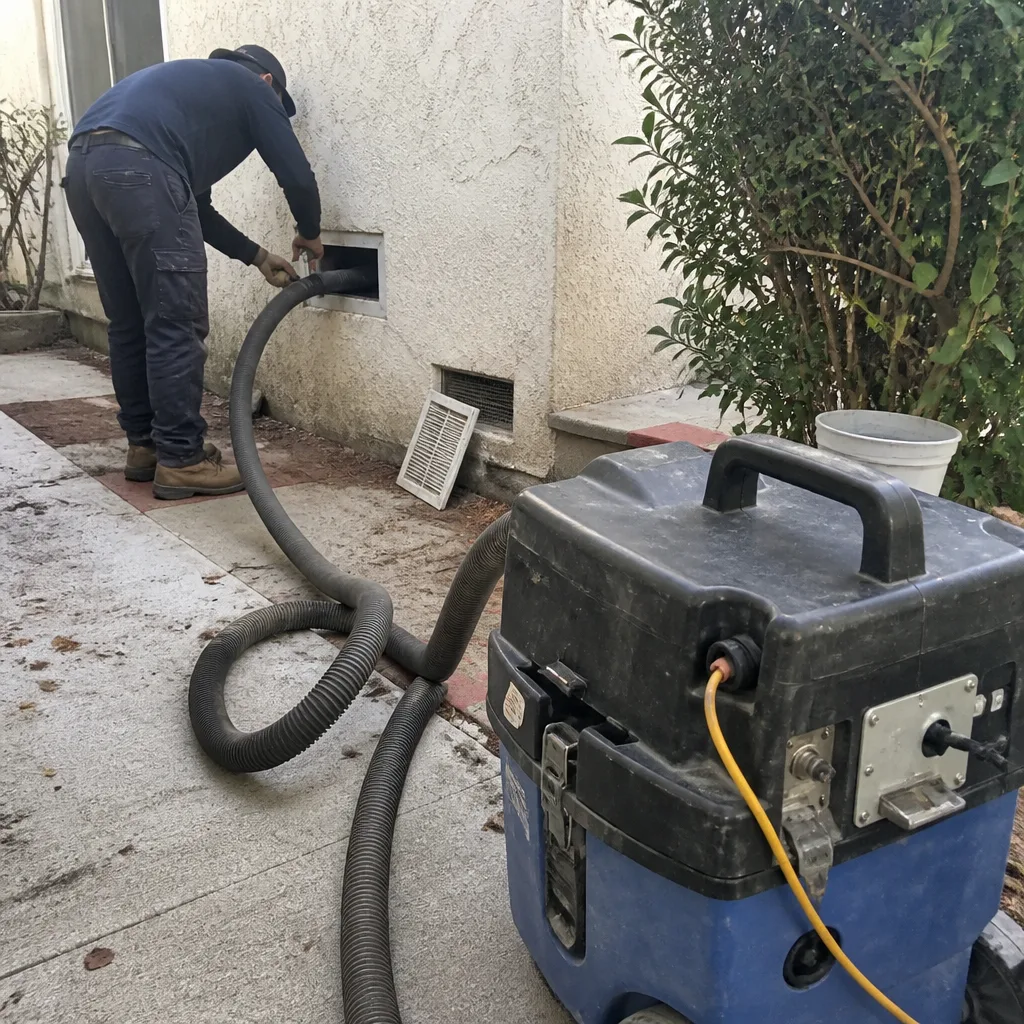 Before
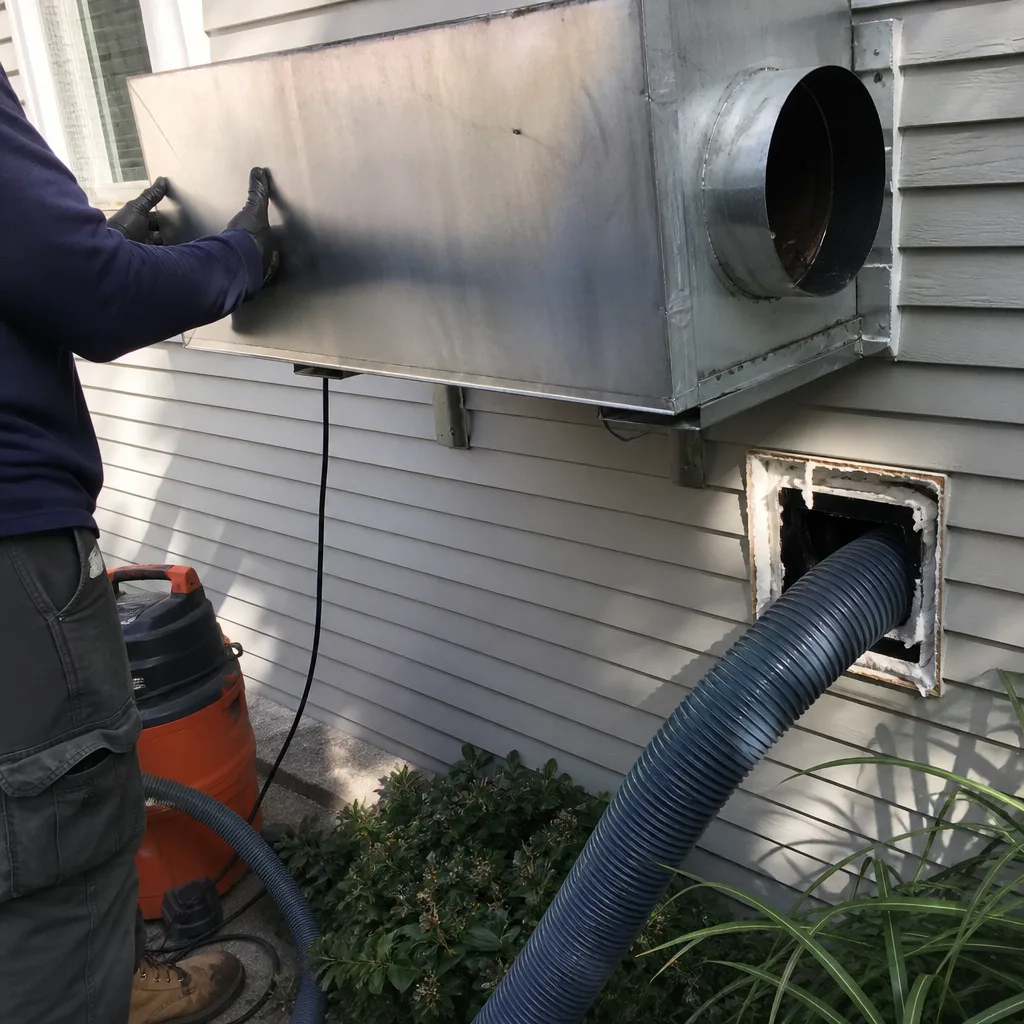 After
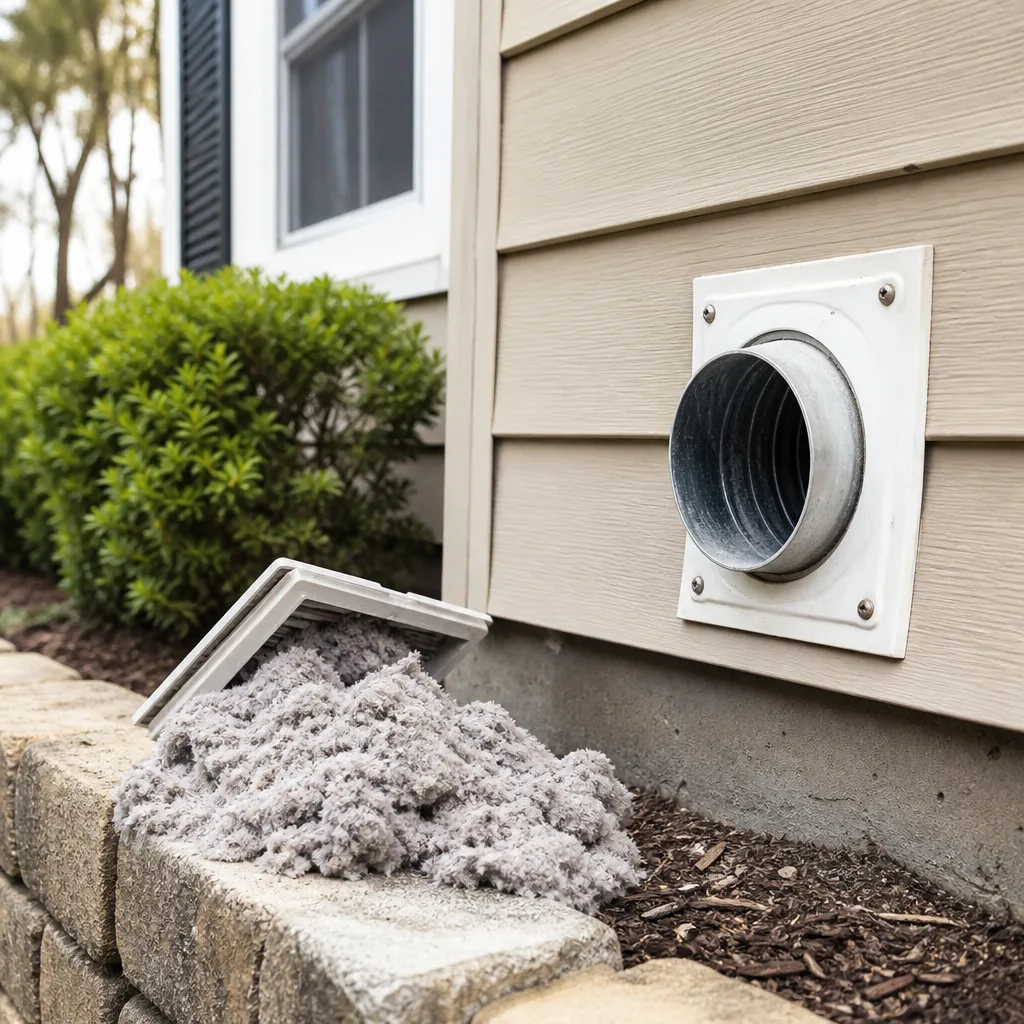
After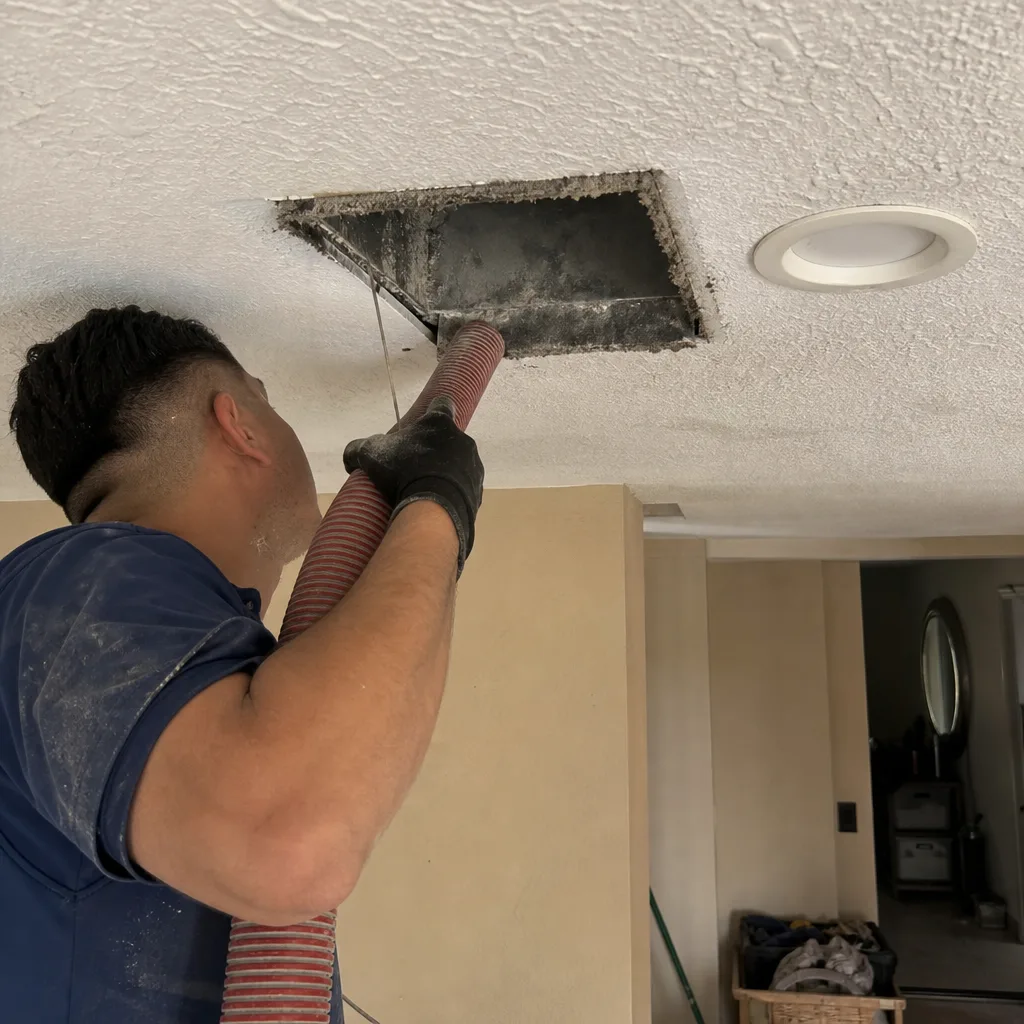 Before
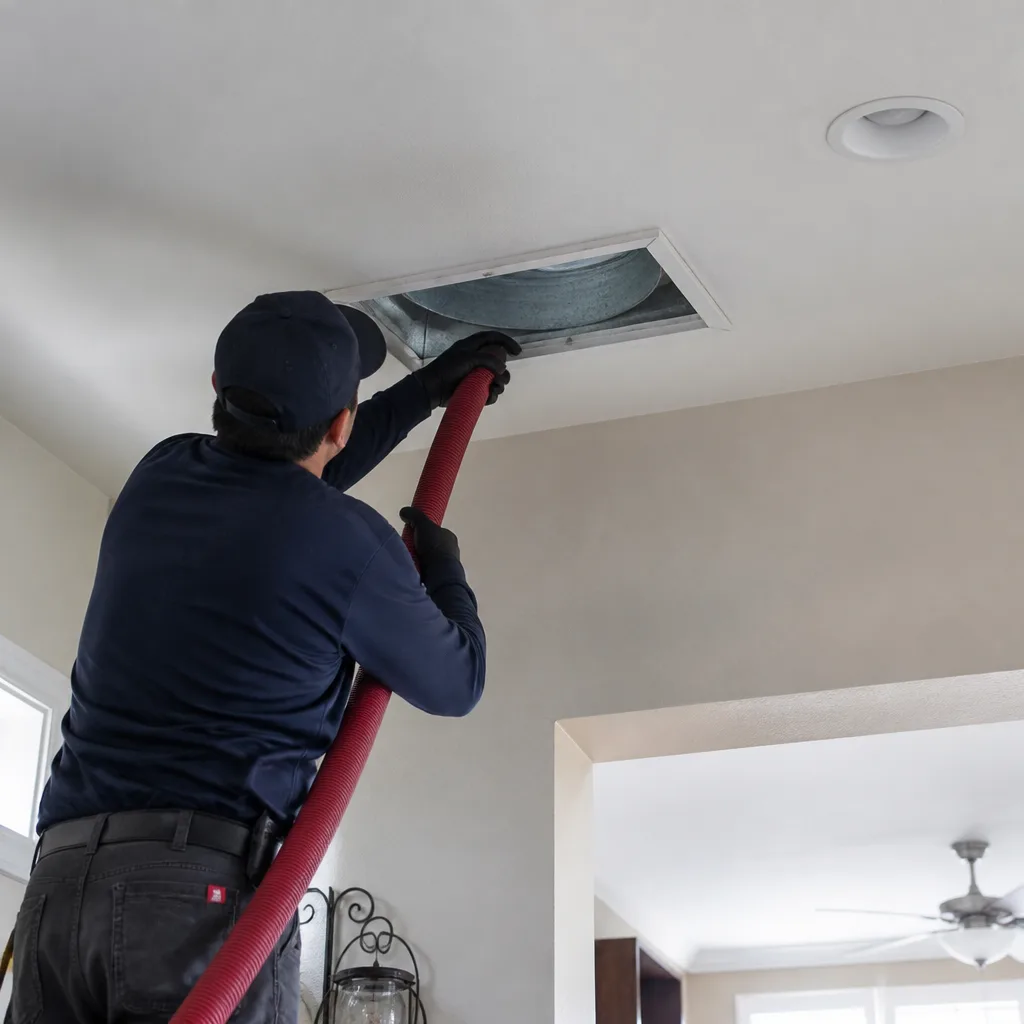 After
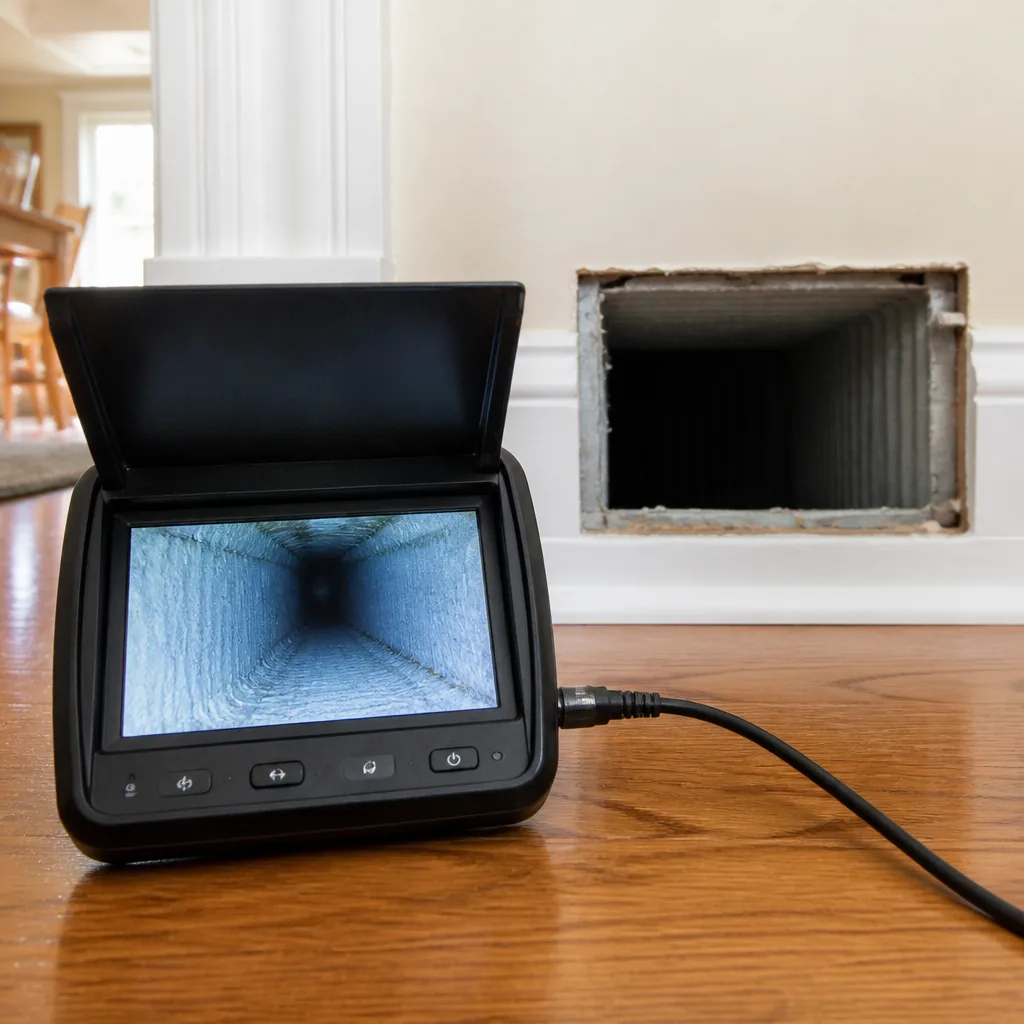
After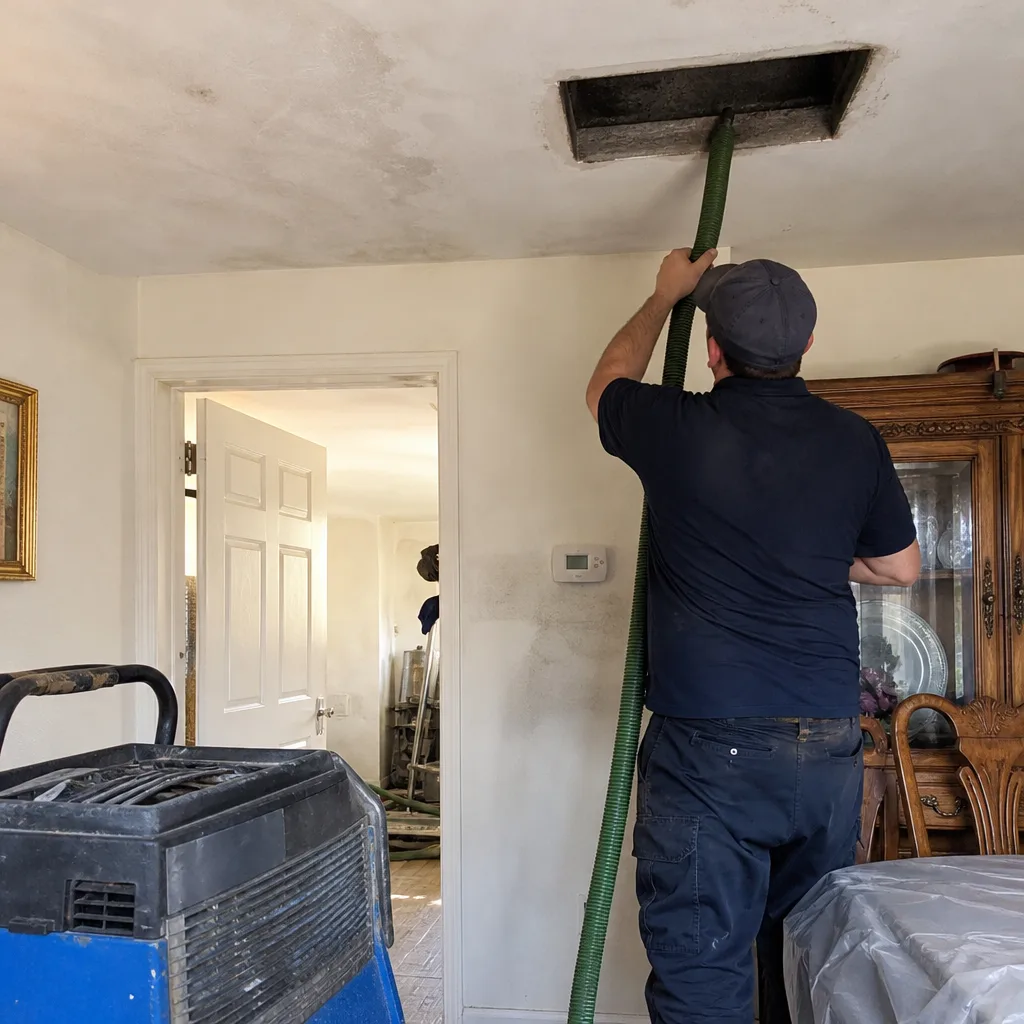 Before
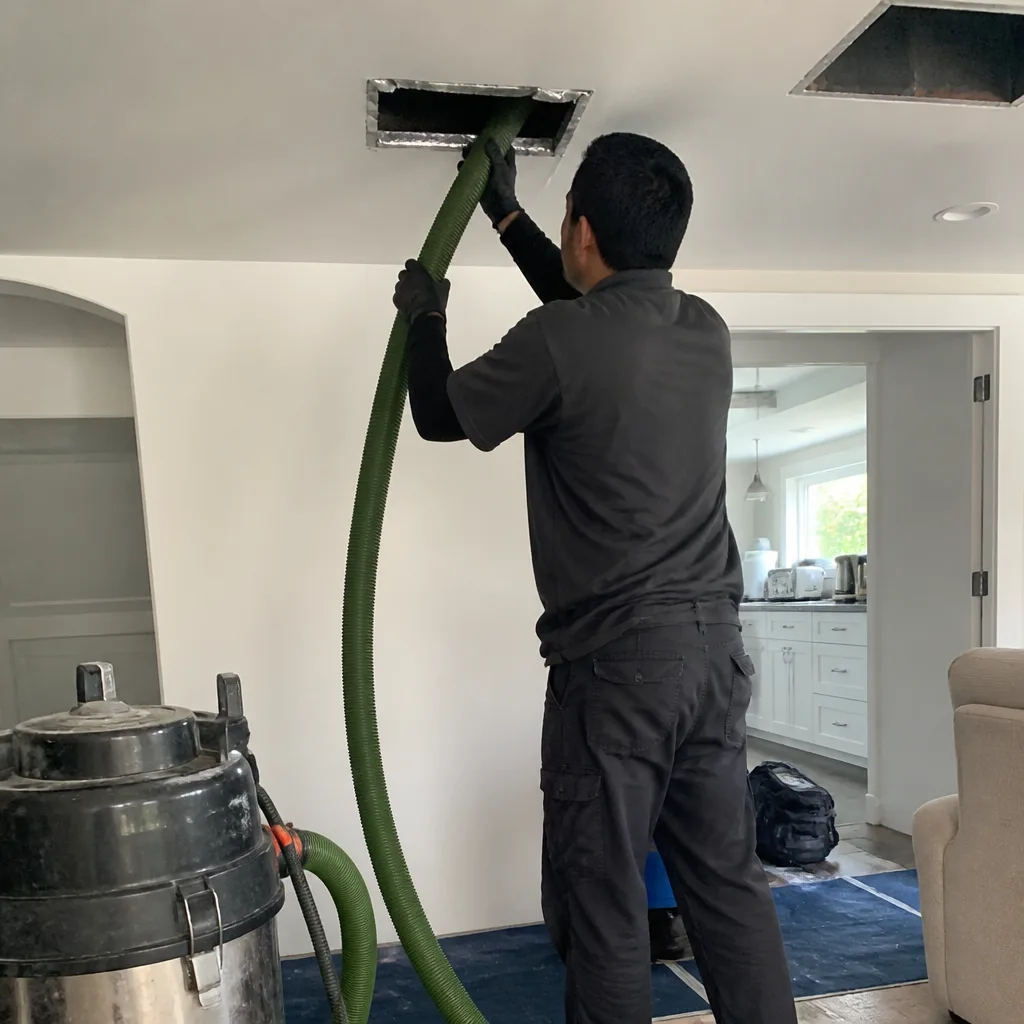 After
AfterFast, Reliable Duct Sealing Across Honeygo
We seal ductwork in Honeygo homes where builder-grade flex runs from the 2000s and 2010s are finally showing their age. Most calls we get from Honeygo Village and the surrounding Perry Hall corridor are from first owners who watched their energy bills climb and their upstairs rooms drift out of range. Dispatch and scheduling for Honeygo jobs are coordinated from our Washington, DC office, and our crews carry mastic, mesh, and pressure-test gear for the flex-duct joints and boot collars that dominate this market. If your registers blow weak, your air handler closet smells like drywall, or your second floor won’t hold temperature, call (361) 326-5060 for a free inspection and written quote.
Why Hollis Air Duct Cleaning Is Honeygo’s Preferred Duct Sealing Company
We’ve been working in the Perry Hall/White Marsh corridor long enough to know which Honeygo subdivisions used stapled flex duct, which builders left the returns undersized, and where the former farmland silt still shows up in blower compartments. Our technicians are background-checked and uniformed, and they arrive inside the quoted window under The Garrison Standard. Every Honeygo job gets a written price before we touch the system, and every repair is backed by our 365-Day Done Right Promise: if the work fails within a year, we return and make it right at no charge, including a free second visit. Phones are answered by a live person 24 hours a day, 7 days a week. No voicemail loops. No callback queues.
HVAC Duct Sealing in Honeygo
HVAC Duct Sealing in Honeygo is almost always a first-real-maintenance event on 2000s – 2010s builder-grade systems, not a repair on decades-old metal trunkwork. The job involves pressure-testing the supply and return sides, locating leaks with smoke or digital manometers, then sealing accessible joints with mastic and fiberglass mesh (not tape, which dries and fails). In Honeygo, we typically find leaks clustered at flex-duct takeoffs, boot collars, and attic trunk connections where stapled and taped joints have worked loose through freeze-thaw cycling and Chesapeake Bay humidity. A typical Honeygo duct sealing job runs $450 – $850 for a single system, depending on how many joints need opening and how much of the ductwork is accessible through the attic or basement. Homes with construction debris still in the lines may need source removal first, which adds $300 – $500 to the scope.
When Sealing Alone Is Not Enough
We won’t sell you sealing if your ducts are packed with drywall crumbs or the blower motor is clogged with reddish-brown dust. Our techs run a camera first. If the system needs source removal, we quote that separately and perform it under negative pressure with HEPA filtration before we seal anything. Sealing a dirty system traps debris and can overload the blower.
Pressure Testing Before and After
Every Honeygo sealing job gets a static-pressure reading at the start and finish. We show you the numbers. If the pressure drop doesn’t improve, we keep looking until we find the leak we missed. That’s part of The Garrison Standard.
Duct Repair in Honeygo
Duct Repair in Honeygo usually means replacing crushed or disconnected flex runs, rebuilding boot collars that have pulled free from drywall, and patching attic trunk lines where humidity has softened the original tape. We don’t see the rusted metal seams common in older Baltimore housing; we see flex duct stapled too tight, returns pinched between studs, and air handler platforms sagging under the weight of accumulated silt. A typical Honeygo duct repair runs $280 – $650 per location, with whole-system re-ducting on larger homes reaching $1,200 – $2,400 if multiple zones need new flex runs. We quote in writing before cutting anything.
Boot Collar Rebuilds
Boot collars in Honeygo townhomes often separate from drywall as the house settles. We rebuild with solid mechanical connections and seal with mastic, not tape. A proper collar rebuild stops the conditioned-air dump into wall cavities that makes upstairs rooms unlivable.
Attic Trunk Line Patching
Chesapeake Bay humidity condenses on cool attic ducts in summer, softening tape and mastic at trunk-line joints. We patch with reinforced mastic and mesh, then verify with pressure testing. In Honeygo, this is often the fix for rooms that cool fine in spring but won’t hold temperature in July.
Trusted Brands We Service in Honeygo
Our crews carry sealing and filtration products from Aprilaire, Abatement Technologies, and Guardsman on every Honeygo truck, plus mastic and mesh rated for the humidity swings this market sees. We don’t run to a supply house mid-job. If your system needs a new boot collar, a patched trunk line, or upgraded filtration after sealing, the parts are on the van. That matters in Honeygo, where a job interrupted for parts can stretch across two days and two windows. We finish what we start.
Common Duct Sealing Problems We See in Honeygo Homes
- Stapled flex-duct joints working loose. Builder-grade flex in Honeygo subdivisions was often stapled and taped at takeoffs rather than mastic-sealed. After ten to fifteen Mid-Atlantic heating and cooling seasons, the tape dries and the staple holes gape. We find supply air dumping into attics and wall cavities.
- Construction debris masking leaks. Drywall crumbs and former-farmland silt pulled into ducts during the build-out clog blower motors and load up return drops. Homeowners think they need sealing, but the real problem is airflow choked by debris. We remove the source first, then seal.
- Undersized returns creating blow-by. Many Honeygo floor plans from the 2000s and 2010s have return ducts too small for the air handler’s capacity. High static pressure pushes conditioned air out of every unsealed joint. Sealing without addressing return capacity just moves the leak to the next weakest point.
- Humidity-cycled attic trunk lines. Chesapeake Bay summers send humid attic air across cool duct surfaces. Condensation softens tape and mastic at trunk-line joints, and by fall the joint has reopened. We seal with products rated for this cycling, then verify with pressure testing.
Pricing for Duct Sealing in Honeygo, MD
A typical duct sealing job in Honeygo runs $450 – $850 for a single forced-air system. Whole-home re-sealing on larger Perry Hall corridor homes with multiple zones can reach $1,100 – $1,600. Duct repair, when needed, adds $280 – $650 per location. If your system needs source removal of construction debris before sealing, budget $300 – $500 additional. Every price is written down before work starts. No per-vent pricing. No add-ons at the door. We agree on one flat price per system, and that price does not move. Call (361) 326-5060 for a free estimate. We’ll inspect the ductwork, show you what we find, and give you a written quote you can compare without pressure.
We Also Serve Cities Near Honeygo
Our crews work throughout the Baltimore metro area, including Baltimore, Columbia, Ellicott City, and Glen Burnie. If you’re outside Honeygo city limits but in the Perry Hall/White Marsh corridor, we can still schedule you through our Duct Sealing in Honeygo routing. Same crew. Same equipment. Same written guarantee.
Serving Honeygo, MD - Our Local Coverage Area
We’re based in the Honeygo area and know this community well. Use the map below to see our service coverage - if you’re nearby, we can almost certainly help.
FAQs About Duct Sealing in Honeygo
No. Most Honeygo homes from that era are still on their original owners, and many have never had the ductwork opened since handover. The 2000s Perry Hall corridor build-out moved fast, and construction debris in ducts was common. Call (361) 326-5060 for an inspection – we’ll show you what’s in there before quoting any work.
Builder-grade flex duct in Honeygo subdivisions was often stapled and taped, not mastic-sealed, and speed of construction left gaps at boot collars and takeoffs. The system worked fine at inspection, but tape dries and staples loosen over seasons. Sealing is maintenance the builder should have done and didn’t.
That’s fine silt from the former farmland these subdivisions were built on, mixed with drywall dust left in the ducts at construction. We see it constantly in Honeygo Village and surrounding Perry Hall homes. It’s a sign your system needs source removal before any sealing work.
Sometimes. If the temperature split is caused by disconnected boot collars or leaky flex runs dumping air into wall cavities, sealing will fix it. If the split is caused by an undersized return duct or a clogged blower, sealing alone won’t help. We test first, then quote only what the system actually needs.
We seal every accessible joint in the air distribution system, including the plenum, air handler cabinet seams, and filter rack gaps. In Honeygo, we often find the blower compartment itself is drawing attic air through unsealed panels, which hurts efficiency and pulls humidity into the system. We seal what we can reach and note what we can’t.
Written by Roy Castellanos, Owner at Hollis Air Duct Cleaning, serving Honeygo and the Perry Hall corridor since 2004.