

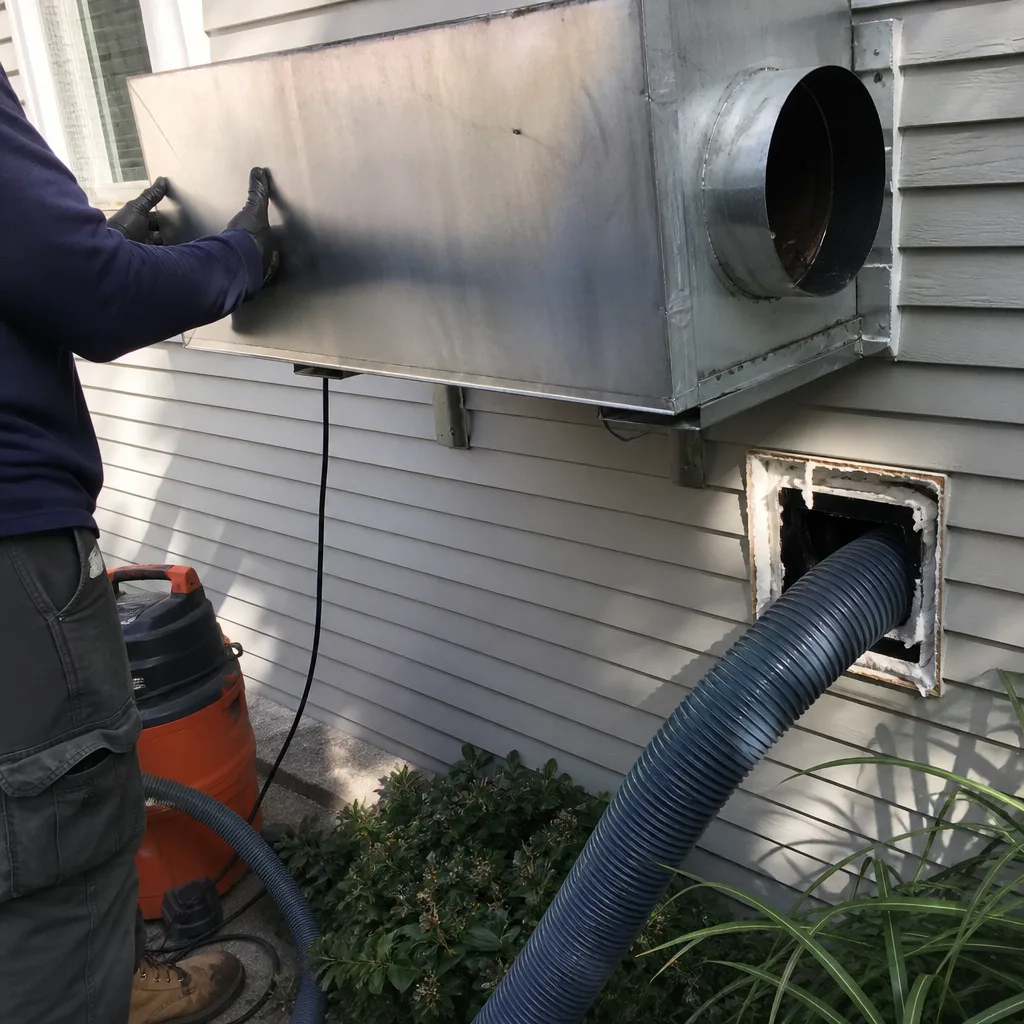
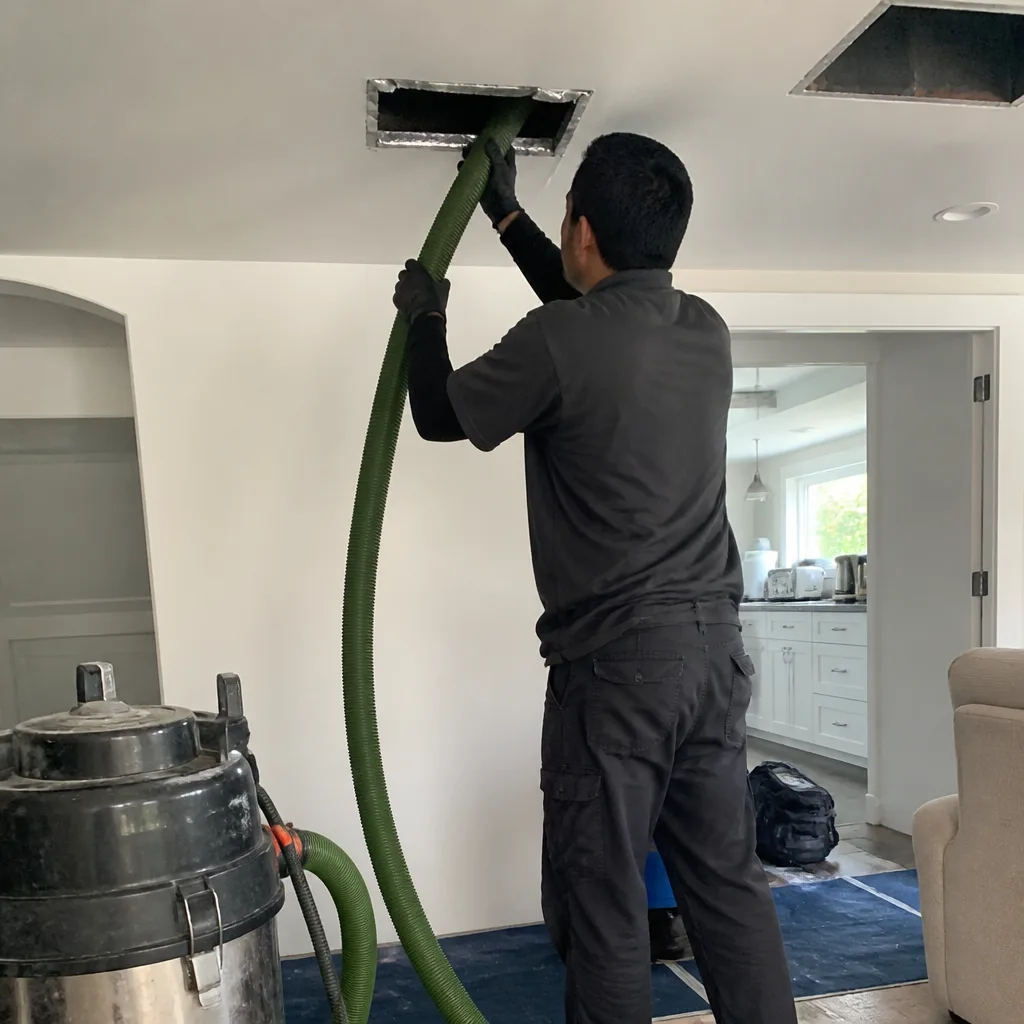
Whole-system duct and dryer vent check with before-and-after photos - you see exactly what came out of your vents
That "$99 whole-house special" is a bait ad - the real number appears once they are in your hallway, or the "clean" is a shop-vac at the register. We photograph the inside of your ducts before and after instead.
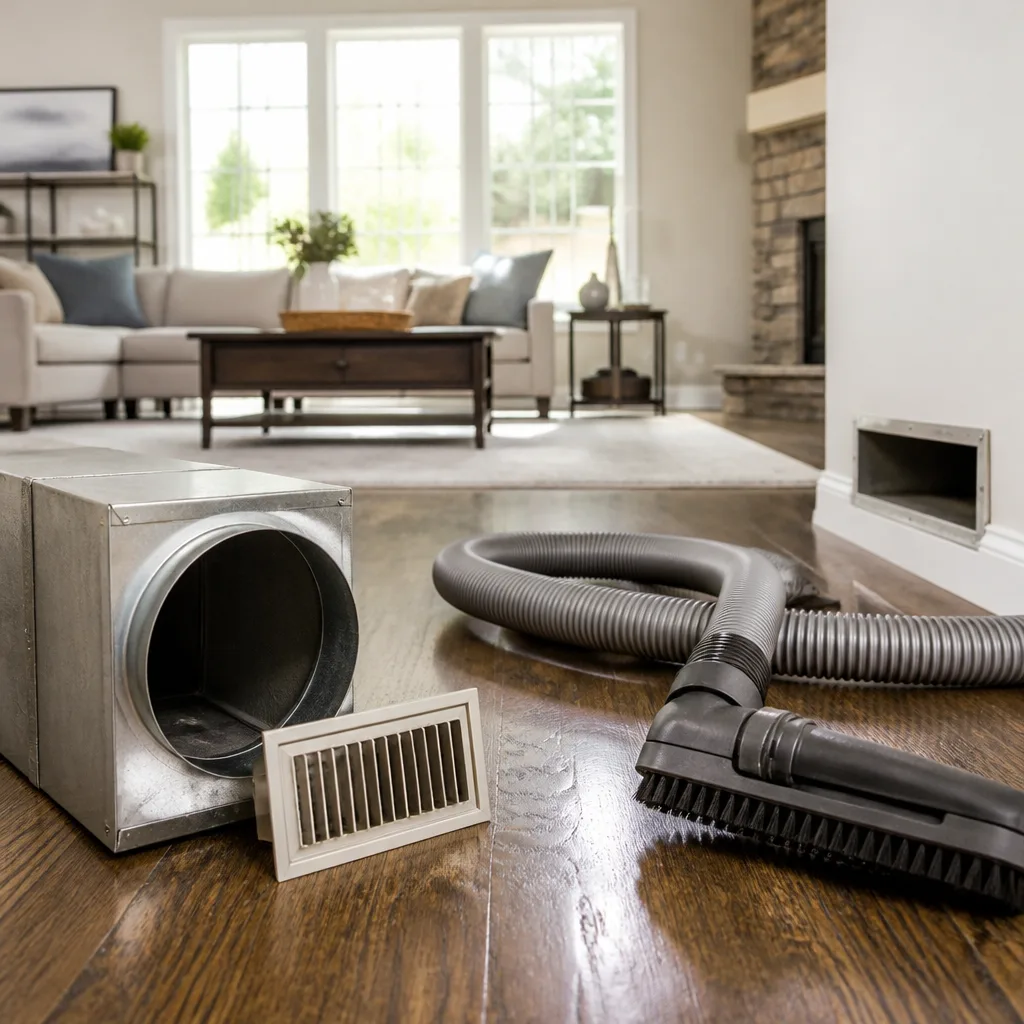
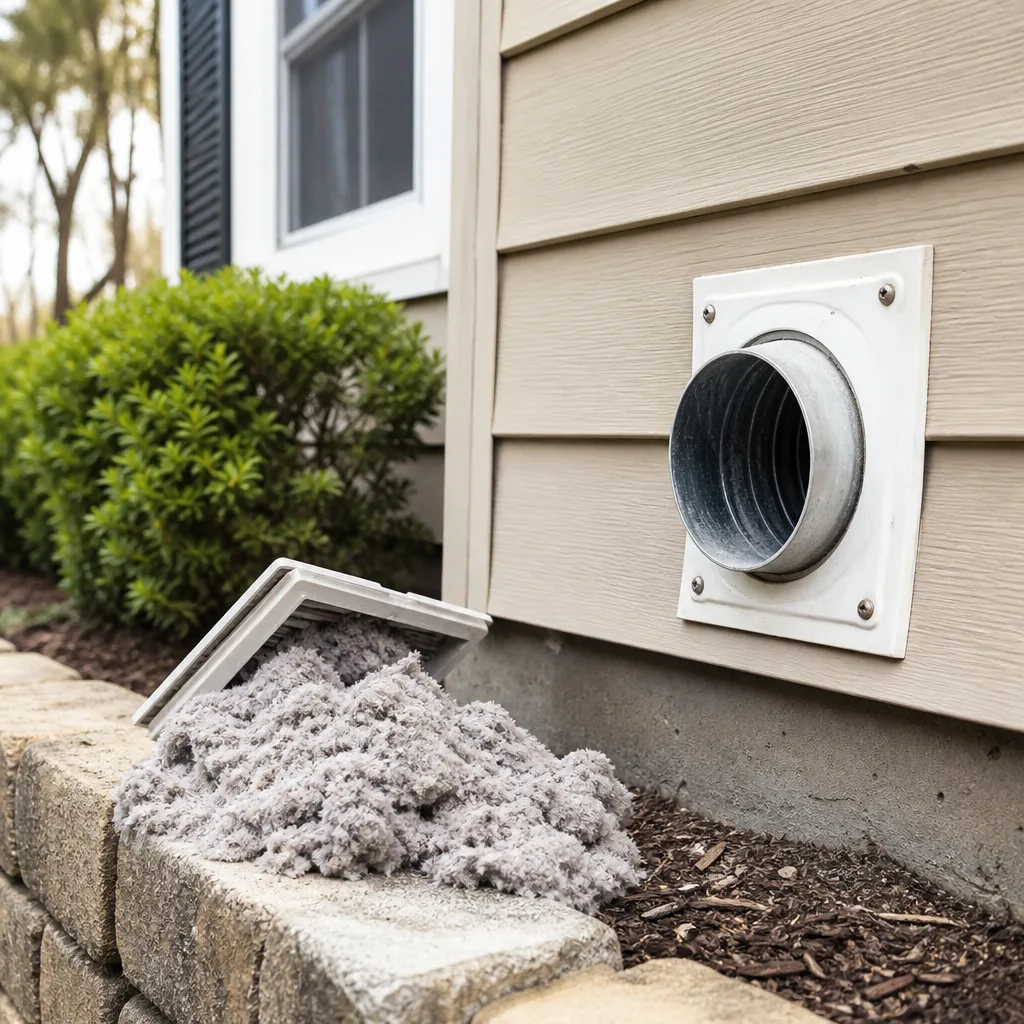
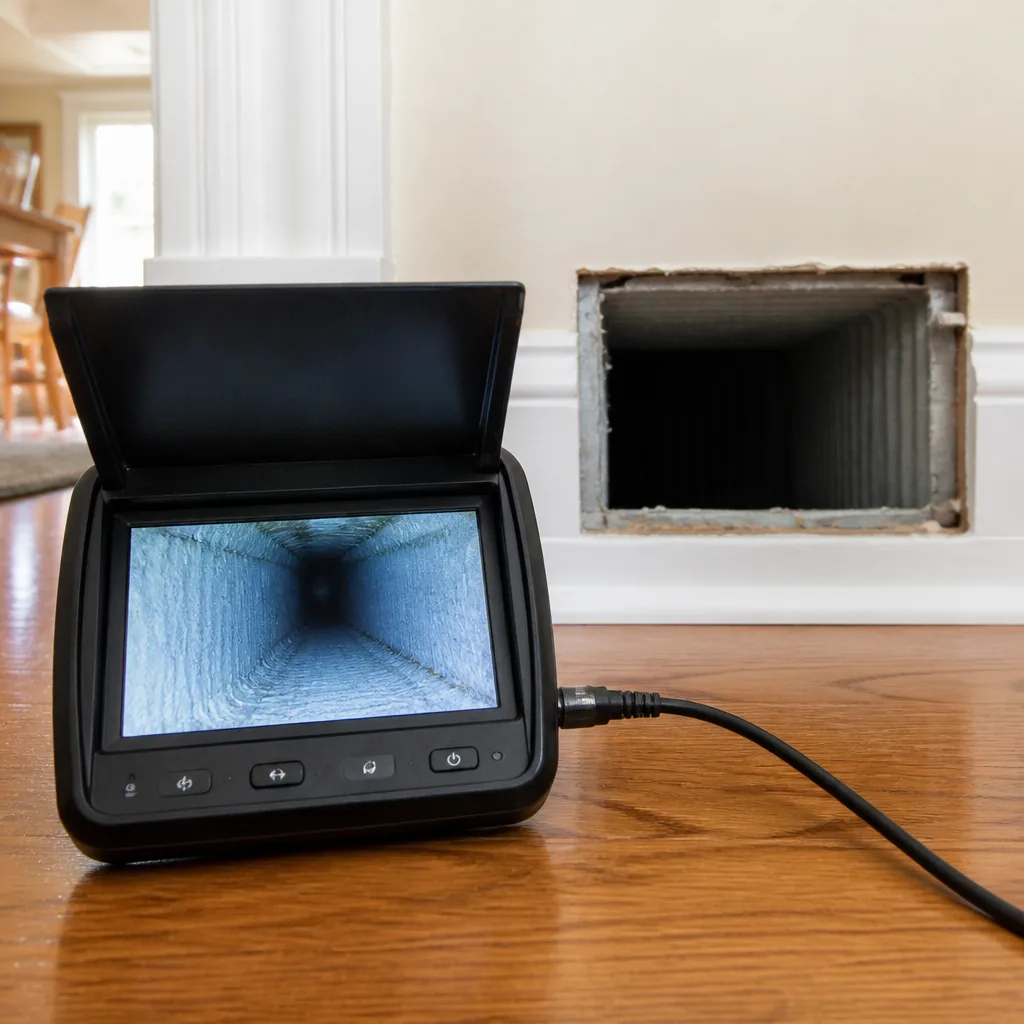

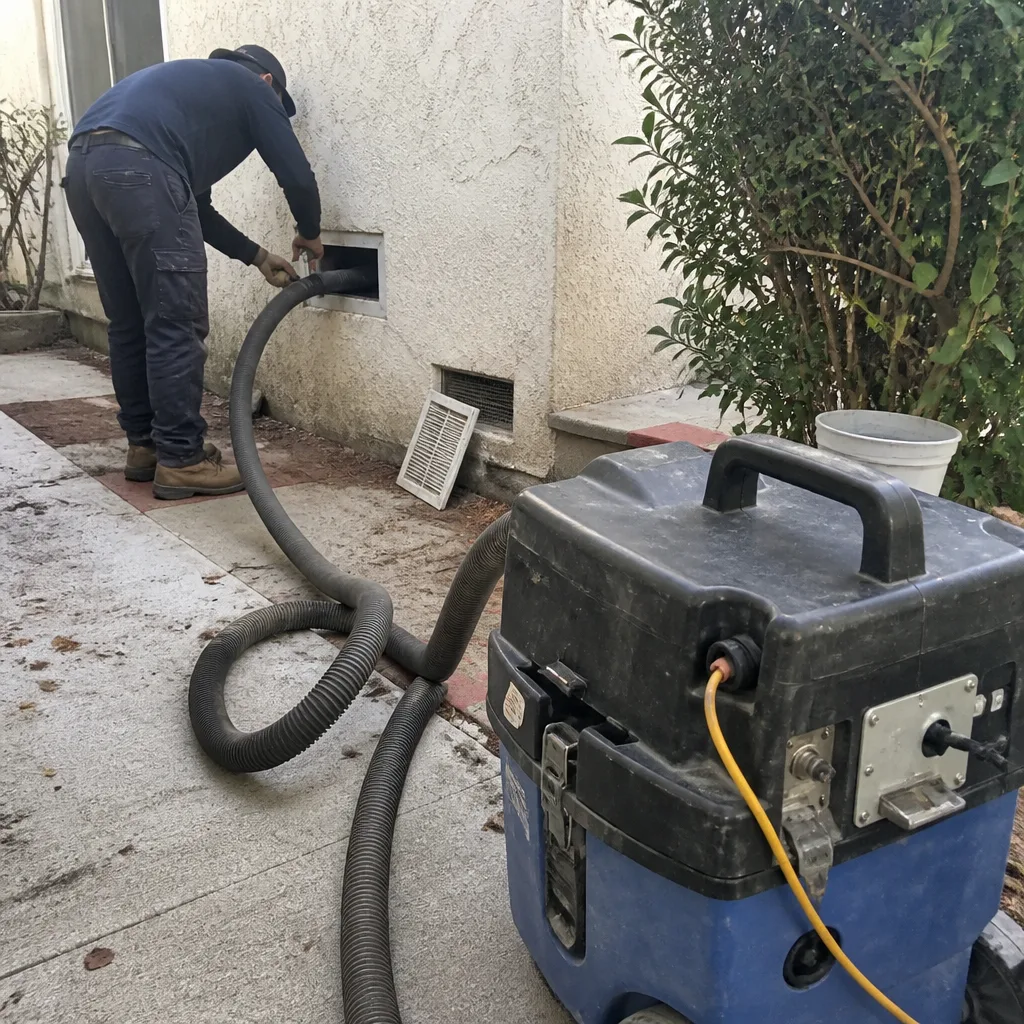 Before
 After
After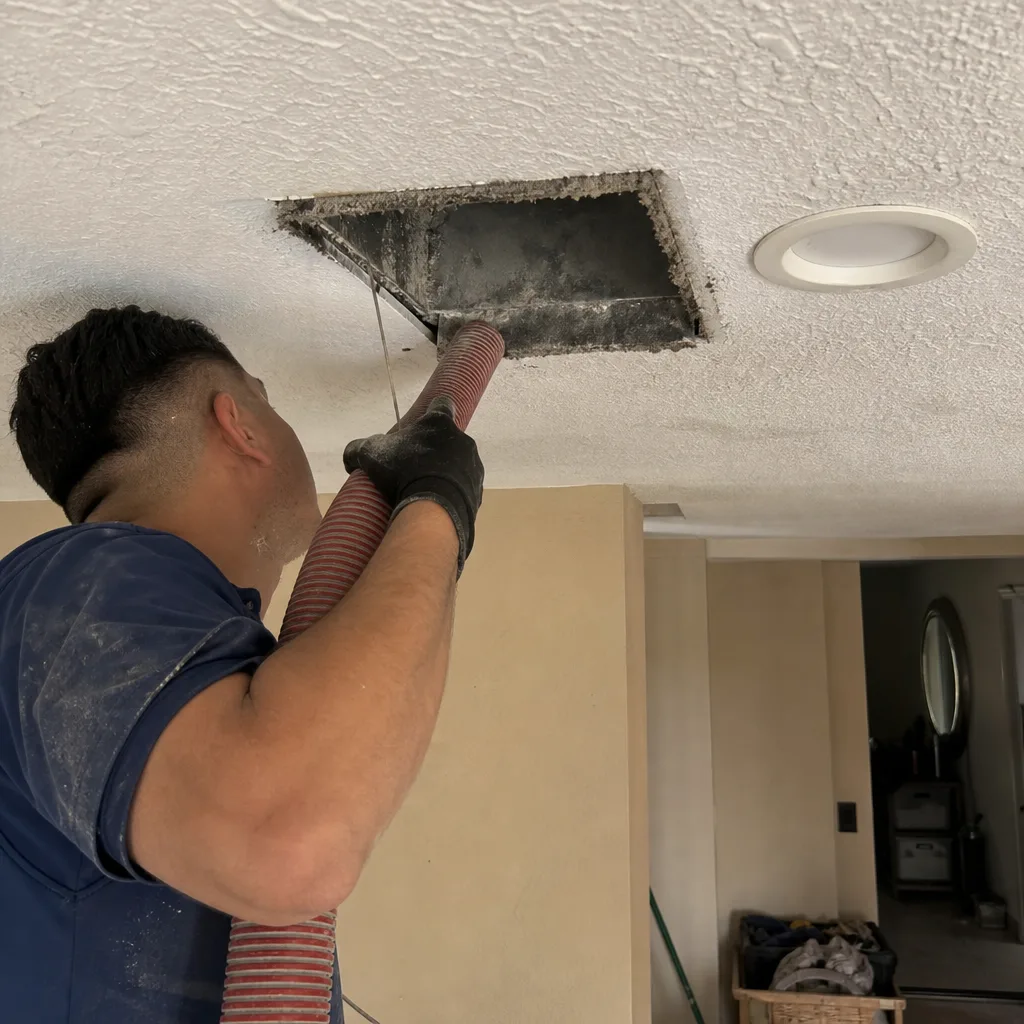 Before
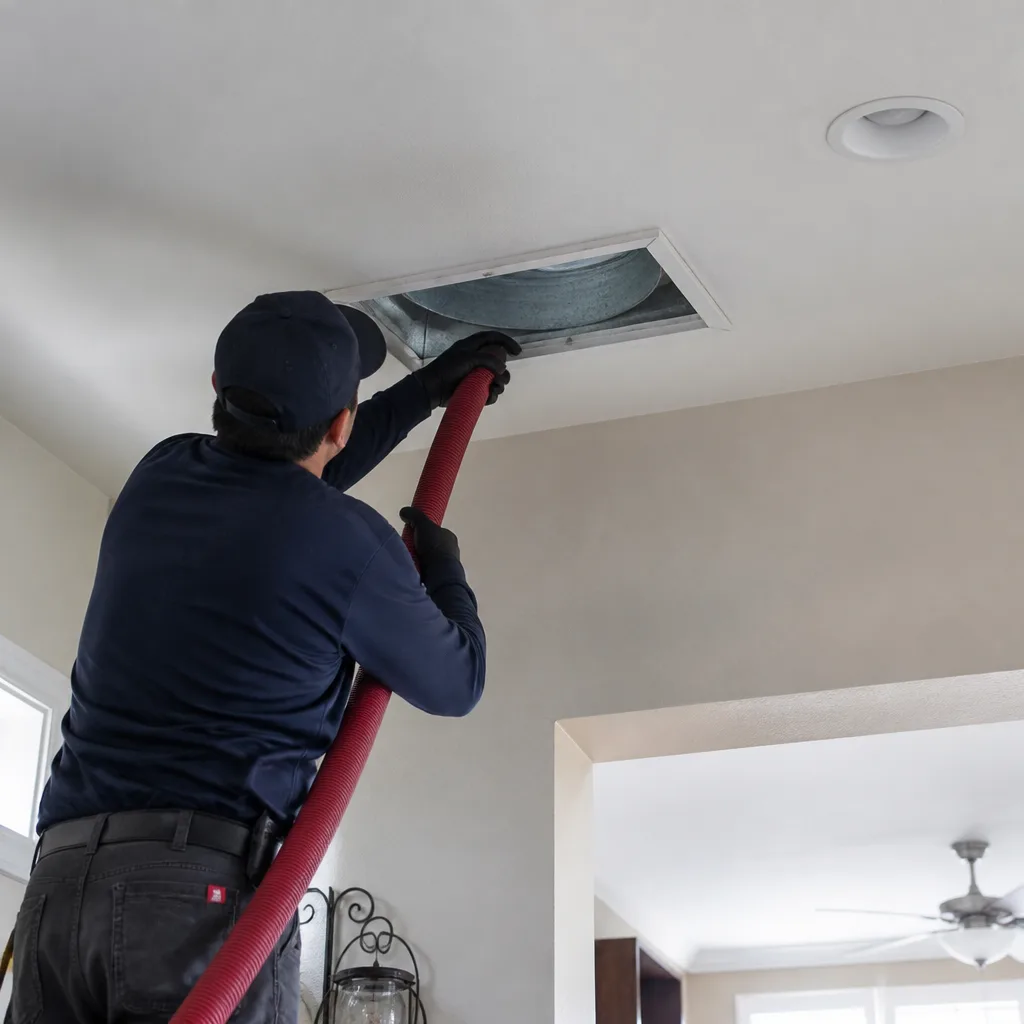 After
After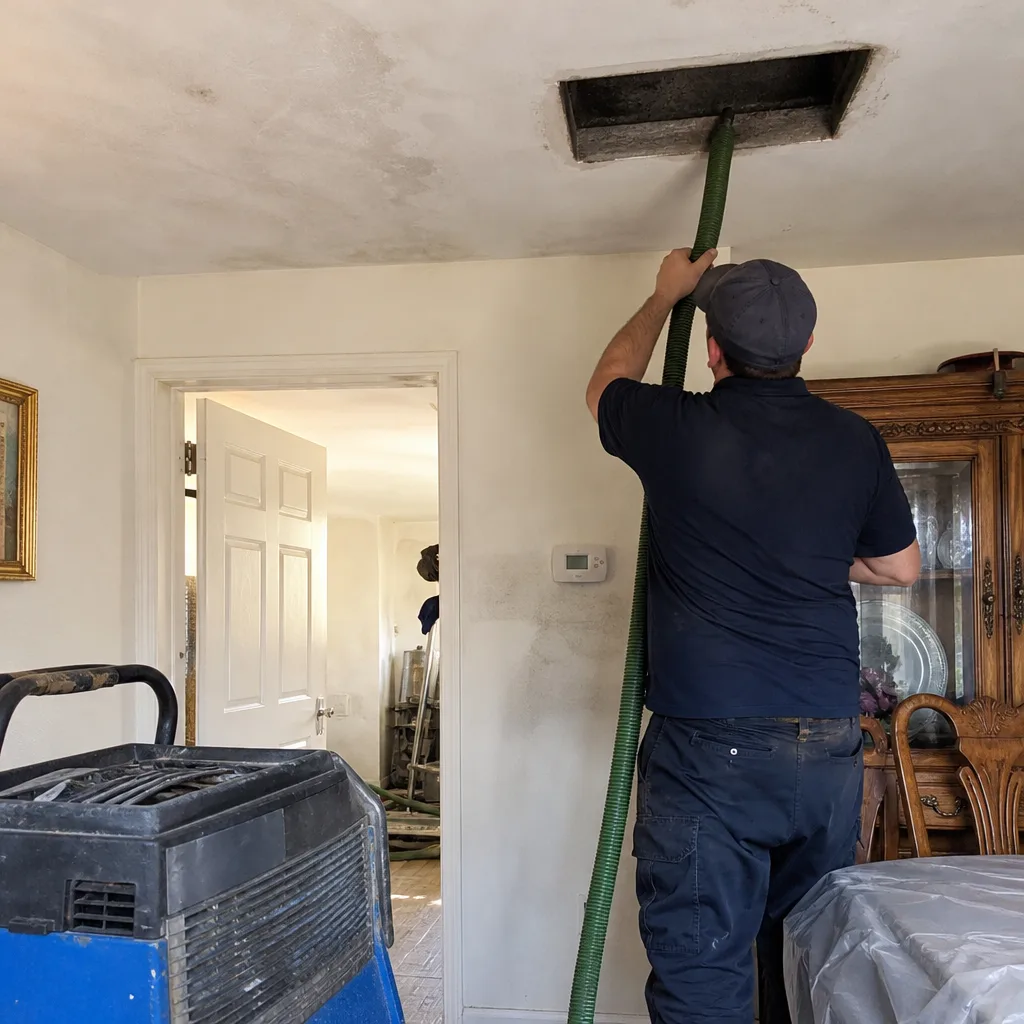 Before
 After
AfterFast, Reliable Dryer Vent Cleaning Across New Britain
Dryer vent cleaning in New Britain typically runs $150 – $280 for a standard single-family or condo unit, and $220 – $380 for multi-unit buildings with shared or extended runs. Most jobs take 60 to 90 minutes, and we schedule them with a firm arrival window, not a four-hour guess.
We’re familiar with New Britain’s housing stock because we work in it every week. From the triple-deckers off Broad Street to the two-families near Stanley Quarter Park, our crews know what to expect: original plaster walls, basement-to-attic chases, and dryer vent runs that were jury-rigged decades ago alongside retrofitted forced-air systems. Scheduling is coordinated from our Hartford office, but the technicians who arrive at your door are the same ones who cleaned a vent on East Main last Tuesday and replaced a crushed flex run in the South End on Thursday. If your dryer is taking two cycles, if the laundry room feels humid, or if you’ve noticed lint collecting behind the machine, call us at (361) 326-5060. We’ll give you a written price before we touch anything.
Why Hollis Air Duct Cleaning Is New Britain’s Preferred Dryer Vent Cleaning Company
New Britain homeowners and landlords call us back because we show up inside the window, price the job in writing, and leave the site clean. That’s The Garrison Standard, and it’s how every Hollis crew operates.
We’ve been in business since 2004 as part of the Garrison Partners family. Our technicians are background-checked and uniformed, and our equipment includes Rotobrush rotary brush systems and Nikro negative-air machines, the same tools commercial crews use. Every job carries our 365-Day Done Right Promise: if the work fails within a year, we return and make it right at no charge, including a free second visit.
Phones are answered by a live person 24 hours a day, 7 days a week. No voicemail loops, no callback queues, no waiting until Monday to book a slot.
Our Dryer Vent Cleaning team has worked in the Corbin Heights Historic District, the Oak Street corridor, and the Arch Street neighborhood. We know that a “quick cleaning” in a 1920s triple-decker often turns into a repair job once we get a camera inside the wall. We tell you that upfront, and we write the price down before any work starts.
Dryer Vent Installation in New Britain
Dryer Vent Installation in New Britain is rarely a simple swap-out. In the city’s pre-1950s housing, the original run was often aluminum flex jammed through a plaster wall cavity with no support, no slope, and no seal at the termination. By the time we arrive, that flex has been crushed by settling, spliced by a handyman who didn’t own foil tape, or buried behind a kitchen renovation that left the vent terminating inside a soffit.
A proper installation starts with a camera inspection of the chase, then a measurement of the total equivalent length, accounting for every elbow and transition. We use rigid galvanized pipe for anything over 8 feet, slope it ¼ inch per foot back to the dryer where possible, and seal every joint with high-temperature mastic, not duct tape. The termination gets a Guardsman hood with a working backdraft damper, installed at least 12 inches above grade to keep snow and mulch out.
When Installation Becomes Necessary
You’ll know it’s time for a full replacement when the dryer consistently needs two cycles, the laundry room smells of burned lint, or a camera shows crushed flex or multiple splices inside the wall. In New Britain’s triple-deckers, we also see installations forced by code: when a basement renovation blocks the original chase, or when a gas dryer replaces an electric and the run needs to meet venting tables in the International Fuel Gas Code.
What a New Installation Costs
A straightforward replacement of a short run in a first-floor unit runs $280 – $420. Jobs requiring wall access, chase rebuilding, or rerouting through a new path in a triple-decker typically land between $450 and $780. We inspect first, quote in writing, and only start work after you approve the price.
Dryer Vent Repair in New Britain
Dryer Vent Repair in New Britain usually means fixing what decades of patch jobs and tenant turnover have left behind. We open walls and find flex runs held together with masking tape, terminations that exhaust into crawlspaces, and galvanized trunks so packed with lint that a leaf blower wouldn’t clear them.
Our repair process follows The Garrison Code: diagnose with a camera, explain what we found, write the price, then fix it by the book. That means replacing crushed sections with rigid pipe, sealing joints properly, verifying airflow with a manometer, and documenting the before-and-after with photos you can keep.
Common Repairs in Older Housing
In New Britain’s two-families and triple-deckers, the most common repair is rebuilding a run that was “fixed” multiple times by previous owners. We find three or four splices of incompatible materials, unsupported flex sagging in the chase, and terminations clogged with lint that hardened into a mat. We cut it all out, install a single continuous rigid run where possible, and support it with straps at 4-foot intervals so it doesn’t crush again when the next tenant moves a dryer in.
Shared Chase Repairs
The repair that surprises landlords most is the shared chase. In a triple-decker off Broad Street or East Main, one basement furnace trunk often runs alongside the dryer vent chase with no separation. When the dryer vent leaks lint at a splice, that lint enters the return air stream and shows up as dust in the second-floor unit’s supply vents. We seal the chase with mastic, install a fire-rated partition where code requires it, and test both systems before we leave. This repair runs $380 – $650 depending on access and the extent of sealing required.
Trusted Brands We Service in New Britain
Our vans carry parts and materials from Rotobrush, Nikro, and Guardsman, so most New Britain repairs don’t wait for a parts run. Rotobrush rotary brush systems handle the agitation and source removal inside long runs; Nikro negative-air machines maintain HEPA containment when we’re working in occupied units and can’t shut down the HVAC; Guardsman termination hoods and backdraft dampers replace the flimsy builder-grade caps that fail after two New Britain winters. We also stock rigid galvanized pipe, high-temperature mastic, and fire-rated collars, because a repair done with the wrong material is a repair we’ll be doing again next year. For New Britain landlords managing multiple units, that parts availability means we can often complete a triple-decker’s worth of repairs in a single scheduled day.
Common Dryer Vent Cleaning Problems We See in New Britain Homes
- Crushed flex runs behind original plaster walls. In the wood-frame two-families near Stanley Quarter Park, we routinely find 4-inch aluminum flex that was pushed through a wall cavity without support straps. Over decades the plaster lath compresses the flex flat, creating a lint trap that the homeowner can’t see and a dryer that “just never worked right.”
- Lint migration through unsealed shared chases. New Britain’s triple-deckers often have the dryer vent chase and the furnace return trunk running parallel in the same basement-to-attic cavity with no separation. A clogged vent pressurizes the chase and blows lint into the return, which is why the third-floor tenant’s dust problem might actually start in the first-floor laundry closet.
- Terminations blocked by decades of accumulated lint and exterior paint. On East Main Street and in the Corbin Heights district, we’ve pulled Guardsman hoods that were painted shut by previous owners or packed solid with lint that hardened through summer humidity and winter freeze-thaw cycles into something closer to felt than fluff.
- Improper splices from previous “repairs” that create new restrictions. A handyman’s fix often means three sections of flex joined with screws that catch lint, or a transition from 4-inch to 3-inch pipe because that’s what was in the truck. Each splice adds equivalent length and turbulence; the dryer works harder, runs hotter, and fails sooner.
Pricing for Dryer Vent Cleaning in New Britain, CT
We don’t do per-vent pricing or coupon teasers that balloon once we’re inside. Our Dryer Vent Cleaning in New Britain is priced by the system, in writing, before work starts.
| Service | Typical Range in New Britain |
|---|---|
| Standard dryer vent cleaning (single unit, up to 15 ft run) | $150 – $220 |
| Extended or multi-elbow run (15 – 35 ft, 2+ floors) | $220 – $280 |
| Triple-decker or multi-unit shared chase cleaning | $280 – $380 |
| Camera inspection and airflow test | $85 – $120 (waived with cleaning) |
| Crushed flex repair / partial rebuild | $180 – $340 |
| Full run replacement with rigid pipe | $280 – $420 |
| Shared chase sealing and partition install | $380 – $650 |
What moves a job to the higher end: access difficulty (finished basement ceilings, plaster walls that need patching), the number of splices or transitions we find, and whether the chase is shared with other units and requires sealing. What doesn’t move the price: finding more lint than expected, needing a longer brush rod, or working past the scheduled hour. The price we write down is the price you pay. Call (361) 326-5060 for a free estimate; we’ll ask about your building type, dryer location, and any symptoms you’ve noticed, then give you a range before we schedule.
We Also Serve Cities Near New Britain
Our crews work throughout central Connecticut, including Newington, Wethersfield, West Hartford, and Bristol. Scheduling is coordinated from our Hartford office, with local technicians dispatched to each job. If you manage properties in multiple towns, we can often book sequential appointments and apply consistent pricing across your portfolio.
Serving New Britain, CT - Our Local Coverage Area
We’re based in the New Britain area and know this community well. Use the map below to see our service coverage - if you’re nearby, we can almost certainly help.
FAQs About Dryer Vent Cleaning in New Britain
Shared chases and unsealed galvanized trunks are the main reason. In New Britain’s pre-1950s triple-deckers, the dryer vent often runs through the same basement-to-attic cavity as the furnace ductwork with no separation between them. When your vent has even a small leak at a splice, lint escapes into that shared space and gets drawn back into your system, or your neighbor’s, on the next cycle. The humid continental climate doesn’t help: summer moisture makes lint cling to pipe walls, and winter heating cycles dry it into a hardened mat that’s harder to remove. A standard cleaning without sealing the chase just resets the problem. Call (361) 326-5060 and we’ll camera the run to show you exactly what’s happening inside the wall.
Yes, and in New Britain’s triple-deckers it’s usually the duct, not the dryer. The total equivalent length of a run that goes from basement to third floor, plus two or three elbows, plus any splices or crushed sections, often exceeds the 25 feet that most residential dryers are designed to push against. When we add a screen or a termination hood that’s packed with lint, the backpressure prevents moist air from escaping. The dryer keeps running, the clothes stay damp, and the tenant assumes the machine is failing. We’ve replaced “broken” dryers that were fine; the real fix was rebuilding a crushed flex run in the chase. Call (361) 326-5060 for a camera inspection before you buy a new appliance.
Only partially, and sometimes not at all. If your triple-decker’s vent chase is shared and unsealed, cleaning one unit’s run without addressing the common pathway just gives lint a new place to redistribute. We see this in the dense blocks off Broad Street and East Main: first floor gets cleaned, third floor’s dust complaints get worse because the airflow pattern changed. The proper fix is cleaning all connected runs, camera-verifying the chase, and sealing any leaks that allow cross-migration. For landlords, we price this as a single building job, not three separate cleanings, and we document the work with before-and-after photos of each unit’s airflow reading. Call (361) 326-5060 to schedule a building assessment.
The trap catches roughly 60 – 70% of lint; the rest makes it into the run. In New Britain’s older housing, that remaining lint has decades to accumulate in splices, sags, and crushed sections that the trap can’t protect. We’ve pulled out material that filled a five-gallon bucket from a run that “looked fine” from the outside. The trap is necessary but not sufficient; the run needs periodic mechanical agitation and source removal, especially in buildings where the vent path is longer than 15 feet or includes more than two elbows. If you can’t remember the last time the run was cleaned, it’s overdue. Call (361) 326-5060 for a free estimate.
It starts with a camera inspection to find the restriction, then a written quote for the specific repair. Most commonly we’re replacing crushed aluminum flex with rigid galvanized pipe, sealing joints with high-temperature mastic, supporting the run properly so it doesn’t sag, and installing a working termination hood. In triple-deckers, we often also seal the chase to prevent cross-unit migration. We test airflow before and after with a manometer, and we leave you with photos of what we found and what we fixed. The 365-Day Done Right Promise covers our repair work: if it fails within a year, we come back at no charge. Call (361) 326-5060 to book an inspection.
Written by Roy Castellanos, Owner at Hollis Air Duct Cleaning, serving New Britain since 2004.